
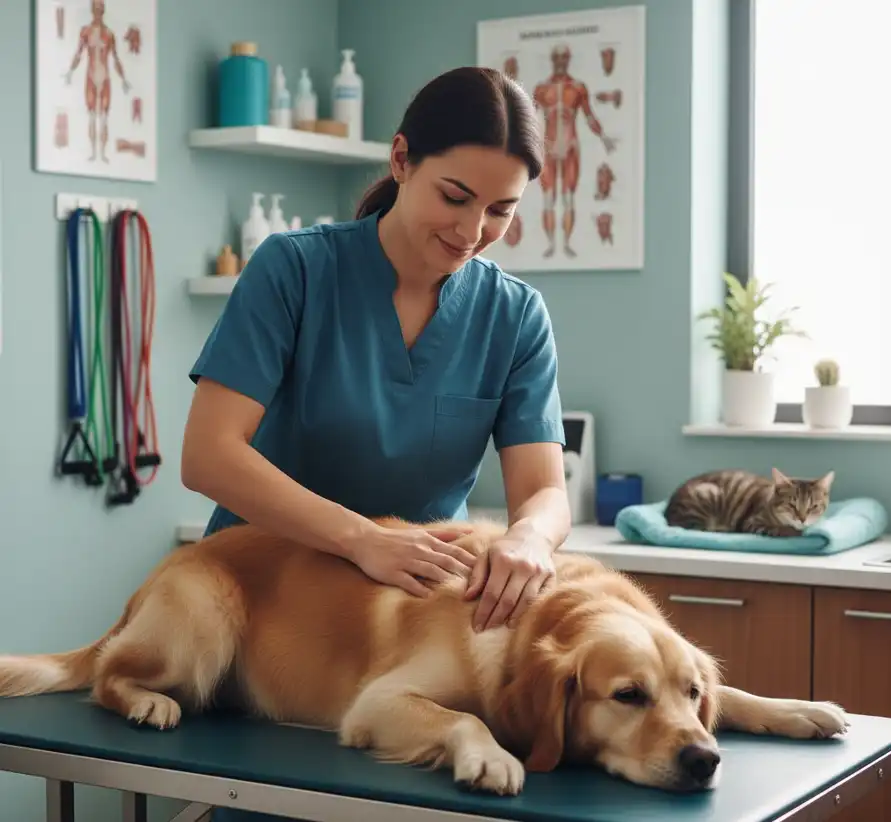
How Adding Medical Massage Can Expand a Veterinary Practice
Discover how veterinary medical massage is becoming a clinical tool for animals, addressing pain, restoring mobility, and supporting healing in integrative vet care.
Medical massage is no longer just a spa-like indulgence reserved for people. In veterinary medicine, it is emerging as a clinical tool that addresses pain, supports healing, and improves quality of life for animals. By focusing on the anatomy, physiology, and neuromuscular systems of each patient, veterinary massage provides benefits that go far beyond relaxation. It can help reduce inflammation, restore mobility, and ease the discomfort of chronic conditions, making it an increasingly valuable part of integrative veterinary care.
The momentum is real. Pet owners are more informed than ever, and many are actively searching for safe, non-pharmaceutical ways to support their animals’ wellbeing. As the demand for holistic and complementary therapies rises, veterinary clinics that incorporate medical massage position themselves at the forefront of this movement. The choice to offer massage services does more than expand a clinic’s treatment menu. It signals to clients that the practice is committed to comprehensive, compassionate, and science-driven care.
For veterinarians, this creates a unique opportunity. Adding massage can deepen client trust, diversify services, and open new avenues for revenue while enhancing patient outcomes. The goal of this article is to explore how medical massage works, why clients want it, and how practices can benefit from adopting it.
The Science and Purpose of Veterinary Medical Massage
Massage in animals is more than simple touch. Defined as the therapeutic manipulation of soft tissues, it works on muscle, circulation, and the nervous system in ways that are both mechanical and physiological. When applied with proper technique, massage can reduce tension in muscles, increase blood and lymphatic flow, and even influence hormone levels tied to stress and pain. Research in humans has documented significant improvements in mobility, reduced inflammation, and lower reliance on medications. Because dogs and cats share much of the same anatomy and physiology, veterinary professionals infer that many of these benefits carry over, providing strong support for its use in companion animal care.
The impact goes beyond mechanics. Massage stimulates mechanoreceptors in the skin and fascia, creating a cascade of effects throughout the body. This includes reduced cortisol and epinephrine, increased serotonin, improved blood flow, and enhanced lymphatic drainage. Clinically, this can mean better recovery after surgery, decreased swelling and edema, and relief from osteoarthritis or chronic pain. Patients in intensive care units, for instance, often suffer from immobility, stiffness, and sleep disruption. Evidence from human studies shows massage can lower heart rate, improve rest, and reduce discomfort, outcomes that veterinarians are now seeing mirrored in animal patients. The result is not just physical healing but also improved emotional wellbeing, which is particularly meaningful for animals in palliative or hospice care.
For veterinary practices, understanding these mechanisms highlights why massage deserves a seat at the table of integrative medicine. It is not about pampering pets, but about applying science-based techniques to improve function, reduce pain, and promote quality of life. By treating massage as a clinical tool, veterinarians can expand their treatment options, strengthen client trust, and position themselves as providers of progressive, compassionate care.
How Medical Massage Expands a Clinic’s Services
For many veterinary practices, adding medical massage may seem like a small step, but it can quickly become a defining part of the services they offer. Unlike relaxation-focused massage often associated with spas, medical massage is outcome-driven. It is designed to address specific diagnoses such as musculoskeletal pain, post-operative recovery, or stress-related conditions. The difference lies in its purpose: medical massage is applied following a thorough patient assessment, and the techniques are chosen to meet therapeutic goals rather than provide temporary comfort.
The historical roots of massage in veterinary care stretch back more than a century. As early as 1882, the Journal of Comparative Medicine and Surgery published an editorial on “Massage in Veterinary Therapeutics,” highlighting its use by German military veterinarians. What was once seen as an experimental add-on has grown into a respected therapeutic approach, with modern science confirming many of the same benefits first described generations ago. A 2021 Veterinary Record paper reported that musculoskeletal problems are the third most common reason for clinical visits in dogs, and canine massage is proving increasingly effective in managing this widespread pain. In fact, a 2022 review found the term “massage” appeared more often in published veterinary physiotherapy literature than any other technique, reflecting its expanding evidence base and clinical acceptance.
Key ways medical massage benefits veterinary patients include:
- Improving circulation and lymphatic drainage
- Reducing cortisol while increasing serotonin to support relaxation
- Softening scar tissue and restoring mobility after injury or surgery
- Easing osteoarthritis symptoms and other chronic pain conditions
- Supporting recovery in intensive care or post-operative settings
- Enhancing emotional well-being, which strengthens the human-animal bond
The benefits extend well beyond joint and muscle relief. These physiological changes often translate into visible improvements in behavior: a dog wagging its tail more eagerly, a cat emerging from hiding to interact with family members, or an older animal regaining enthusiasm for walks and play. These responses not only enhance the patient’s quality of life but also deepen the bond between pet and owner, reinforcing the value of care delivered at the clinic.
Expanding into medical massage also broadens the role of veterinarians as providers of integrative medicine. Clinics that incorporate massage find it useful in diverse settings such as osteoarthritis management, cancer pain reduction, intensive care units, and even palliative care. Research in human medicine has shown abdominal massage can reduce discomfort, speed bowel movements, and lessen complications from enteral feeding. Veterinary applications are following a similar trajectory, with evidence pointing toward improved gastrointestinal comfort in dogs and cats. Similarly, ICU patients, both human and animal, benefit from massage’s ability to reduce stress, improve sleep, and support respiratory function.
From a business perspective, offering medical massage services can help clinics stand out in competitive markets. It signals a commitment to advanced, science-based modalities that go beyond routine procedures. Clients increasingly view massage as a legitimate medical treatment rather than indulgence, with consumer surveys showing most people pursue massage for health reasons. When adapted to veterinary care, this perception strengthens a clinic’s reputation as forward-thinking and integrative. In the long run, medical massage not only improves outcomes for patients but also expands the practice’s identity, creating opportunities for growth, specialization, and deeper trust with pet owners.
Beyond Musculoskeletal Benefits
While massage is often associated with easing muscle pain and improving mobility, its benefits extend into many other areas of health. Studies in human medicine have shown that massage can reduce fatigue, improve sleep quality, and lower stress hormones in patients undergoing cancer treatment. These same principles apply to veterinary patients, where massage is becoming an important supportive therapy for animals coping with chronic illness or undergoing demanding treatments such as chemotherapy. The reduction in pain and tension can significantly improve comfort and quality of life for both dogs and cats during advanced stages of disease.
Evidence also supports the use of massage in acute and critical care settings. Patients recovering from surgery often experience anxiety, stiffness, and sleep disruption, but massage can help ease these burdens. Even short sessions have been linked to improved rest, slower breathing rates, and lower blood pressure in human patients, and veterinary reports show similar improvements in animals recovering from orthopedic or soft tissue procedures. For animals in the intensive care unit, massage may also help prevent complications associated with prolonged immobility, such as fluid buildup, reduced circulation, or joint stiffness. The digestive system is another area where massage demonstrates value. Abdominal massage has been shown to stimulate peristalsis, reduce colonic transit time, and improve outcomes in cases of constipation. In critically ill patients, this practice can even reduce abdominal distension, vomiting, and complications related to enteral feeding. When applied to companion animals with gastrointestinal issues, massage can offer gentle relief that reduces discomfort while supporting natural bodily functions.
These wide-ranging effects highlight massage as more than a musculoskeletal therapy. It is a non-pharmacologic intervention that supports whole-body healing, reduces reliance on medications, and strengthens the bond between animals and their caregivers. The improvements are often visible in behavior as well as physical health, with dogs showing more willingness to move and engage in play and cats becoming more relaxed, sociable, and interactive within their home environment.
Breaking Down Medical Massage in Veterinary Practice
Musculoskeletal Rehabilitation
One of the most visible examples of medical massage in veterinary medicine is its use for musculoskeletal disorders. This is not a new idea reserved for the future. Massage is already helping patients with osteoarthritis, cruciate ligament injuries, and soft tissue strains in clinics across the country. Unlike passive rest or medication alone, massage directly engages muscles, fascia, and circulation, creating changes that owners can see in how their animals move and behave.
The appeal is clear. Massage can consistently improve range of motion, reduce stiffness, and ease discomfort in ways that give patients a more active daily life. For veterinarians, this means fewer relapses into immobility and more confidence that their treatment plans are producing tangible results. Owners often notice these improvements in small but meaningful ways, such as a dog walking more comfortably on longer outings or a cat returning to playful habits.
The numbers reinforce this role. In human studies, weekly massage sessions for patients with osteoarthritis produced significant decreases in pain scores compared to standard protocols. Early veterinary research echoes these outcomes, with dogs receiving massage showing improvements in mobility and reductions in reliance on pharmaceuticals. This alignment suggests that massage is not simply complementary but a critical tool for managing chronic conditions in companion animals.
That does not mean massage replaces other treatments. Veterinarians still play a vital role in diagnosis, medical oversight, and integrating massage into a broader care plan. Surgery, medication, and structured rehabilitation all remain important. Yet massage reduces strain on the body and makes it possible to reallocate focus toward higher value therapies. Clinics that adopt it gain efficiency, credibility, and stronger relationships with clients, who see firsthand that their pets are receiving modern and compassionate care.
Post-Surgical Recovery
Another area where massage is making a significant impact is in recovery after surgery. These sessions allow veterinarians to monitor healing tissues closely while supporting circulation and lymphatic flow. Instead of relying on rigid recovery protocols, practitioners can adapt massage to the patient’s actual needs. A dog recovering from orthopedic surgery may need gentle effleurage to manage swelling, while a cat following soft tissue surgery might benefit more from light stroking to reduce tension and encourage relaxation.
The benefits extend beyond physical healing. Massage lowers pain perception, shortens recovery times, and reduces dependence on pharmaceutical pain control. By increasing lymphatic drainage and improving blood flow, massage supports faster tissue repair and helps prevent complications like fluid buildup. Owners frequently report that pets rest more comfortably and regain strength sooner when massage is incorporated.
This not only saves time for the veterinary team but also improves client satisfaction. Families value seeing their pets recover with fewer setbacks, and they gain confidence in the clinic’s holistic approach. The more practices integrate massage into postoperative care, the more they can demonstrate transparency, compassion, and commitment to patient-centered recovery.
Quality of Life and Stress Relief
Massage is also raising the bar for quality of life in veterinary patients. In the past, comfort measures often depended on medication or environmental adjustments, which could lead to inconsistent results. Today, massage engages both the nervous system and the musculoskeletal system in ways that deliver reliable improvements. Calmer breathing, lower heart rates, and reduced cortisol levels are common outcomes, even after short sessions.
The real advantage is consistency. Massage removes some of the guesswork from comfort care, offering objective improvements in posture, mobility, and behavior. For patients with anxiety or chronic stress, it builds trust by helping them feel calmer and safer during exams or hospital stays. Over time, these results help veterinary practices stand out in a competitive market where client trust matters as much as clinical expertise.
Palliative and Hospice Applications
While musculoskeletal and surgical benefits often draw the most attention, one of the quieter revolutions in veterinary medicine is happening in end-of-life care. Many clinics now use massage to support geriatric or terminal patients, easing pain, encouraging mobility, and providing gentle comfort that strengthens the human-animal bond.
The impact goes beyond symptom control. Massage helps families participate directly in their pet’s care, creating moments of connection during a difficult time. For veterinarians, the ability to offer a safe, noninvasive therapy that improves quality of life provides both professional fulfillment and client gratitude. This blend of science, compassion, and hands-on care is reshaping how the profession approaches its most sensitive cases.
The Challenges of Adopting Medical Massage in Veterinary Practice
It is easy to get excited about the benefits of medical massage, but adopting it in a veterinary setting is not as simple as adding a new service. The therapy brings real promise, yet it also introduces obstacles that clinics must navigate carefully. From cost to culture, the path to integrating massage into daily practice can be uneven. For smaller practices, even deciding how to bill for massage or how to schedule sessions alongside busy appointment calendars can feel daunting.
One of the biggest barriers is the upfront investment of time and training. Veterinarians and technicians cannot simply pick up massage skills from a brief seminar or a weekend class. Evidence-based medical massage courses provide the foundation needed for safe and effective practice, but they require real commitment. These programs typically include in-depth online modules covering anatomy, physiology, and soft tissue function, combined with in-person training where professionals refine palpation skills, learn myofascial release, and practice techniques on animal patients under supervision. Designed as comprehensive certifications, medical massage courses prepare veterinary teams to integrate massage into diagnostics, rehabilitation, pain management, and long-term wellness care. Tuition can range into the thousands, and participants must dedicate time away from regular practice to complete hands-on requirements. While this investment may seem significant, it ultimately ensures consistency and credibility, qualities that clients recognize and value. Practices that commit to formal training often report stronger patient outcomes, higher client satisfaction, and an improved reputation as providers of advanced integrative care.
Mindset and education are equally critical challenges. Some professionals resist the idea, not because they doubt massage works, but because they are more comfortable with traditional treatments like medication or surgery. Overcoming that mindset requires reassurance that massage is not a replacement for proven interventions but a way to enhance them. It also requires training that builds confidence in manual techniques while setting clear ethical and safety standards. Clinics that take the time to invest in accredited courses, mentor their staff, and communicate transparently with clients are far more likely to make massage a lasting, trusted part of their care model.
A Smarter Future for Veterinary Care
Medical massage is no longer a fringe idea in veterinary medicine. It is here, reshaping how clinics manage pain, mobility, and recovery for their patients. From soft tissue rehabilitation to geriatric support, the applications are wide and backed by a growing base of research. Clinics that embrace this therapy gain more than a new service. They build stronger relationships with clients, improve patient outcomes, and create opportunities for professional growth within their teams. The greatest takeaway is that massage is not about replacing traditional medicine but about elevating it. By working alongside diagnostics, surgery, and pharmacology, medical massage adds depth to care plans and offers comfort in ways that medications alone cannot. Practices that take the step of enrolling in formal medical massage courses, committing to hands-on training, and creating a culture of integrative care will be the ones best positioned to thrive.
The road ahead will not be without challenges. Costs, training requirements, and cultural shifts all play a role in how quickly massage becomes a standard offering. Yet with thoughtful planning, the future looks promising. In the end, medical massage is opening the door to a veterinary model that is more compassionate, comprehensive, and connected to both science and touch. For clinics ready to embrace it, the future of care is brighter and more balanced.
About the Author