
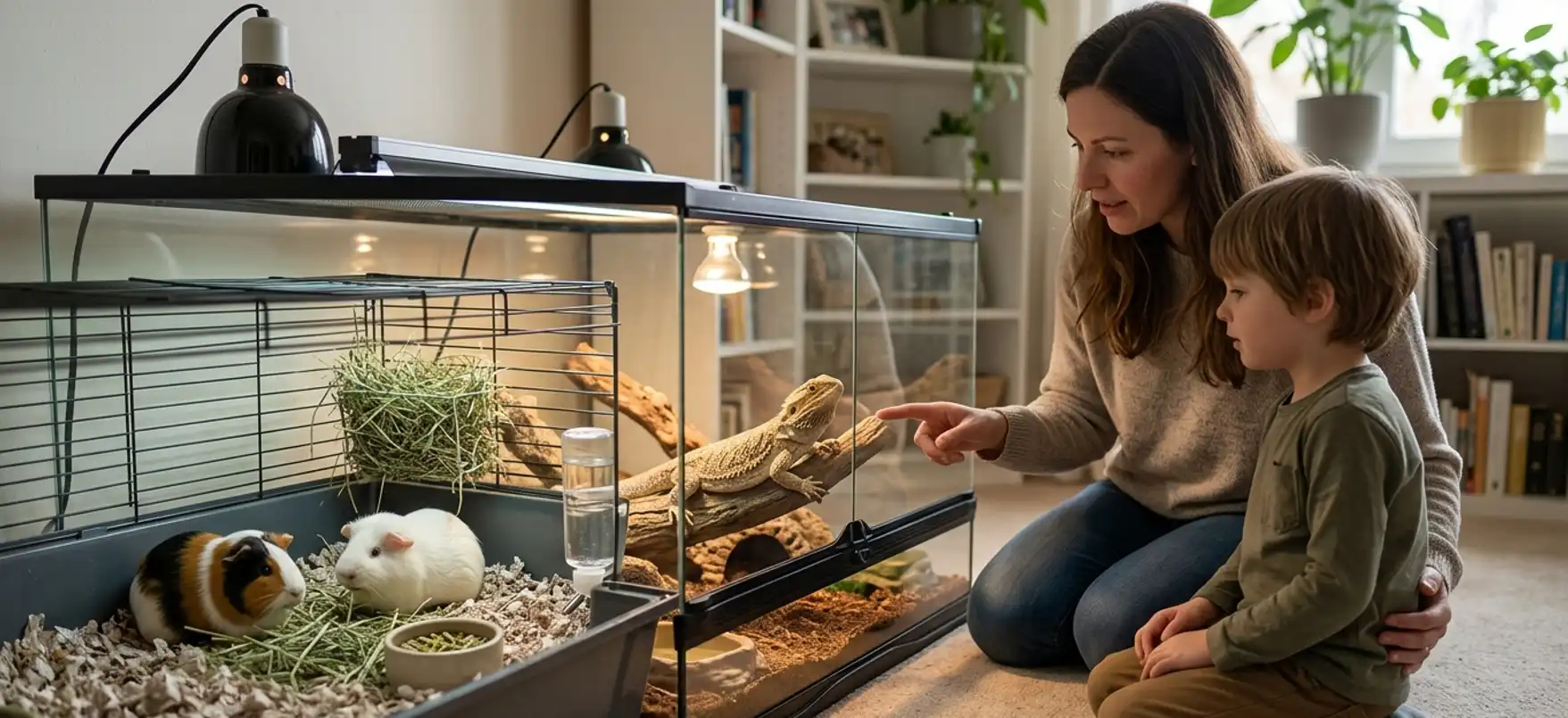
Best Exotic Pets for Families: What to Know Before Bringing One Home
Choosing a family pet is often treated like a simple question: dog, cat, rabbit, bird, reptile or something small and quiet in a tank. In reality, the best family pet is not always the cutest animal in the shop window or the one your child fell in love with during a weekend outing.
A good family pet is one that suits your home, your time, your budget, your children’s age and your ability to provide the right care every single day. That is especially true for exotic pets, including birds, reptiles, guinea pigs, rabbits, ferrets and other less conventional companion animals.
Exotic pets can be wonderful family companions. They can teach children patience, observation, responsibility and respect for animals that communicate in very different ways to dogs and cats. However, they also need careful planning because many exotic pets have highly specific housing, diet, lighting, temperature and enrichment requirements.
Before you bring one home, it is worth looking past the novelty and asking a more practical question: can this animal thrive in our family, not just survive in it?
Exotic Pets Are Not One-Size-Fits-All Family Pets
The term “exotic pet” covers a huge range of animals, and that can make the category confusing for families. A budgie, bearded dragon, rabbit, cockatiel, turtle and snake may all be described as exotic pets, but their daily care needs are completely different.
Some exotic pets are highly social and need regular interaction. Others prefer minimal handling and can become stressed if children are too enthusiastic. Some species are active during the day, while others are most active at dawn, dusk or night.
This is why families should start with the animal’s natural behaviour rather than its appearance. A pet that looks calm may be frozen with stress. A pet that appears low-maintenance may actually need specialist lighting, fresh food preparation, controlled humidity and regular veterinary checks.
Birds, for example, are intelligent animals that often need far more mental stimulation than families expect. Reptiles may seem quiet and easy, but their health depends heavily on correct temperature gradients, UVB lighting, diet and enclosure design.
Small mammals can also be more complex than they first appear. Rabbits and guinea pigs need suitable space, safe flooring, constant access to fibre-rich foods and careful dental monitoring.
🐾 Exotic Pet Family Fit Calculator
Find out if your lifestyle is a good match for the exotic pet you're considering
Matching the Pet to Your Children’s Age
A family pet should never be chosen only for a child. Adults remain responsible for the animal’s welfare, even when children are old enough to help with feeding, cleaning or enrichment.
Younger children often do better with pets they can observe rather than handle frequently. This can make some reptiles, fish or aviary birds interesting options, as long as the adults manage the technical care. Older children and teenagers may be able to take a more active role, especially with calm birds, guinea pigs or reptiles that tolerate gentle, supervised handling.
The key word is supervised. Children may have kind intentions but still move too quickly, squeeze too tightly or miss signs of stress.
Families should teach children to recognise basic animal body language, such as:
- Moving away or hiding
- Freezing when touched
- Hissing, lunging or biting
- Fluffed feathers in birds
- Loss of appetite after handling
- Repeated attempts to escape
These signs should not be dismissed as bad behaviour. In many cases, they are the animal’s way of saying the interaction is too much.
Birds as Family Pets
Birds can be affectionate, intelligent and entertaining family pets, but they are not ornaments in a cage. Many species need daily interaction, varied enrichment, safe flight opportunities and a carefully balanced diet.
Budgies, cockatiels and other companion birds can form strong bonds with people. They may learn routines, recognise voices and enjoy gentle training. However, they can also become anxious, bored or frustrated if left alone for long periods without stimulation.
Families considering a bird should think about noise, mess, air quality and household hazards. Non-stick cookware fumes, aerosols, smoke, scented candles and some cleaning products can be dangerous to birds. Open windows, ceiling fans and other pets in the home also need to be managed carefully.
Diet is another common issue. Many birds are still fed seed-heavy diets that do not provide balanced nutrition. A healthier feeding plan may include formulated pellets, vegetables, herbs, safe browse and carefully selected treats, depending on the species.
Birds are often long-lived as well. A cockatiel may be part of the family for many years, while larger parrots can live for decades. That makes commitment a major part of the decision.
Reptiles as Family Pets
Reptiles are often chosen because they are quiet, fascinating and do not need the same kind of social attention as dogs or cats. For some families, that can be a good fit. However, reptiles are not “easy pets” unless their setup is correct from the beginning.
The most common health problems in pet reptiles are often linked to husbandry. Incorrect UVB lighting, poor temperature control, unsuitable substrate, low humidity, weak diet planning and limited enclosure space can all create health issues over time.
A bearded dragon, for example, needs the right basking temperature, UVB exposure, calcium balance and species-appropriate diet. A turtle needs clean water, filtration, basking access and proper lighting. A snake needs secure housing, stable heating and a feeding plan that suits its species and age.
Reptiles can be excellent pets for calm, observant families. They are often better suited to children who enjoy watching behaviour, learning about habitats and helping maintain routines rather than cuddling their pet.
Families should also research legal requirements before buying a reptile. In many places, certain species require licences, and rules can vary depending on location.
Small Mammals and Gentle Handling
Rabbits, guinea pigs, rats and ferrets can all make engaging family pets, but they have their own care needs and personalities. They should not be treated as starter pets simply because they are smaller than dogs or cats.
Guinea pigs are social animals and often do best with suitable companionship. They need a diet rich in hay, fresh greens and vitamin C. Rabbits need large, safe spaces to move, chew and explore, along with careful dental and gut health management.
Rats are intelligent and social, often enjoying gentle interaction and enrichment. Ferrets are playful and curious, but they need secure housing, supervision and plenty of activity.
Handling matters. Many small mammals are prey species, which means being picked up from above can feel frightening. Children should be taught to sit low, move slowly and let the animal approach when possible.
A family that wants a small pet should also plan for cleaning. Small mammals produce waste daily, and poor hygiene can quickly lead to odour, skin issues or respiratory problems.
The Real Cost of Exotic Pet Care
The purchase price of an exotic pet is often the smallest part of the total cost. Families should budget for the enclosure, heating, lighting, bedding, food, enrichment, cleaning supplies and veterinary care.
For reptiles, high-quality UVB lighting and thermostatically controlled heat sources are not optional extras. For birds, safe toys, perches, fresh food and suitable housing are ongoing expenses. For rabbits and guinea pigs, hay, bedding, fresh produce and dental care need to be considered.
Veterinary care is another point families sometimes overlook. Not every vet regularly treats birds, reptiles or small exotic mammals, so it is wise to locate an experienced exotic pet veterinarian before there is an emergency.
Families considering unusual exotic pets should take time to understand the animal’s housing, nutrition, handling needs and long-term care requirements before bringing one home.
Setting Up the Home Before the Pet Arrives
A good setup should be ready before the animal comes home. This gives families time to test temperatures, lighting, ventilation, enclosure security and cleaning routines.
For reptiles, that may mean running the enclosure for several days before purchase to ensure the basking and cool zones are correct. For birds, it may mean choosing safe cage placement away from draughts, kitchen fumes and direct overheating. For small mammals, it may mean creating a quiet area with enough space and protection from household pets.
A family pet should not be brought home and then fitted into whatever space is left over. The animal’s needs should shape the setup.
A good pre-arrival checklist includes:
- Species-appropriate enclosure size
- Correct heating, lighting or ventilation
- Safe food and water containers
- Hiding places or retreat areas
- Enrichment items
- Cleaning supplies
- Emergency vet contact details
- A quiet settling-in plan
The first few days should be calm. Many exotic pets need time to adjust before regular handling begins.
Teaching Children Respectful Pet Care
One of the best things about family pets is that they can teach children empathy. Exotic pets are especially useful in this way because their needs are often less obvious.
Children learn that not every animal wants to be picked up. They learn that a reptile’s environment matters. They learn that birds need mental stimulation, rabbits need fibre, and guinea pigs need companionship.
Pet care should be framed as respect rather than ownership. The animal is not a toy, a decoration or a reward. It is a living creature with its own instincts and limits.
Age-appropriate jobs can help children feel involved. Younger children might help wash food bowls under supervision or choose safe greens. Older children can help track feeding, cleaning and behaviour changes.
However, adults should always check the work. Missed water, incorrect temperatures or unsuitable food can quickly become serious for exotic pets.
When an Exotic Pet Is Not the Right Choice
Sometimes the most responsible decision is to wait. If the family is moving soon, travelling often, dealing with financial pressure or unable to provide the right setup, it may not be the right time for an exotic pet.
That does not mean never. It simply means the animal’s needs should come first.
Families should be cautious about impulse purchases, especially from markets, online listings or sellers who cannot provide clear care information. A healthy exotic pet should come from a responsible source, and the family should understand the animal’s expected size, lifespan, diet and adult care requirements.
The right pet at the right time can be a wonderful addition to the household. The wrong pet chosen too quickly can become stressful for both the family and the animal.
A Thoughtful Choice Makes a Better Family Pet
Exotic pets can make outstanding family companions when their care is understood from the beginning. They can bring curiosity, learning and genuine connection into the home, especially for children who enjoy animals and nature.
The best results come from matching the species to the family’s lifestyle, preparing the environment properly and seeking experienced veterinary advice early. With the right planning, birds, reptiles and small mammals can be far more than unusual pets. They can become valued members of the family in their own quiet, fascinating and memorable ways.



About the Author