
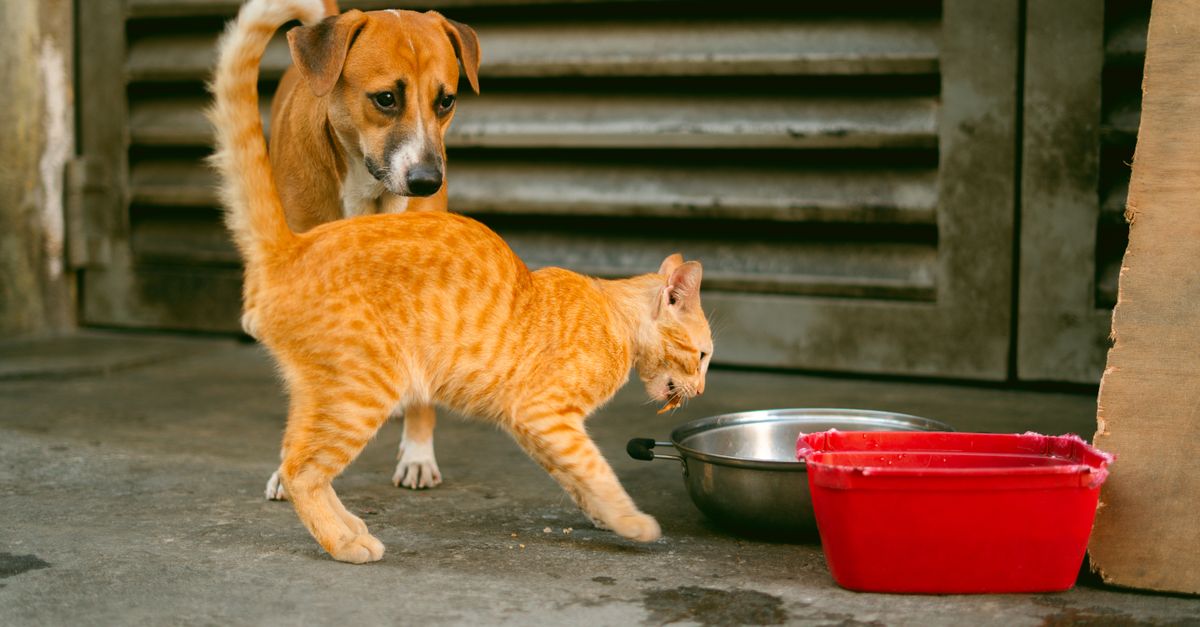
How to Switch Pet Food Without Stomach Upset
Your dog scarfed down his old kibble without a second thought for three years. Then the brand changed their formula, the store ran out, or your vet told you it was time for a senior diet — and now there’s a bowl of unfamiliar food sitting in front of him. Within 24 hours, you’ve got loose stools on the carpet and a dog who looks at you like you’ve personally wronged him.
Switching pet food is one of those tasks that sounds simple but goes wrong constantly. Most owners don’t realize the digestive system of a dog, cat, or small animal needs time to ramp up new enzymes and adjust gut bacteria. Rush it, and you get vomiting, diarrhea, or a pet who flatly refuses to eat. Do it right, and the whole transition is a non-event.
Whether you’re switching your dog to a weight-management formula, moving your cat to wet food, or changing your guinea pig’s pellets, the principles are the same — but the timelines and tricks differ. Here’s exactly how to switch pet food without the drama.
Why Sudden Food Changes Cause Digestive Problems
A pet’s gut microbiome — the community of bacteria living in the digestive tract — is calibrated to the food it processes every day. Different proteins, fiber sources, and fat levels require different bacterial populations to digest efficiently. When you swap foods overnight, you’re essentially throwing a wrench into a finely tuned system. The result is gas, loose stools, or outright vomiting, sometimes within hours.
Cats are especially sensitive because they have a shorter digestive tract than dogs and are hardwired to be suspicious of new foods — a survival instinct that makes them prone to food refusal as much as stomach upset. Small pets like guinea pigs and rabbits are even more vulnerable; their gut motility depends on a very consistent diet, and a sudden change can cause dangerous GI stasis in rabbits. Understanding this helps you treat the transition as a biological process, not just a preference issue.
The 10-Day Transition Method (And When to Stretch It)
The standard schedule for dogs
For most healthy adult dogs, a 10-day blend works well. Start with 25% new food mixed into 75% old food for days one through three. Move to a 50/50 mix for days four through six. Then 75% new and 25% old for days seven through nine. By day ten, you’re feeding the new food exclusively. If your dog has a sensitive stomach — a history of colitis, IBD, or frequent loose stools — extend each phase by two to three extra days and consider adding a plain probiotic like a capsule of Fortiflora or a tablespoon of plain unsweetened yogurt to each meal during the transition.
Cats need a slower hand
Cats often need a 14-day transition, sometimes longer. Start at just 10% new food for the first three days — yes, that little. Cats can detect a change in smell before they even taste it, so a dramatic ratio shift early on triggers refusal. Increase by roughly 10–15% every two to three days. If your cat starts leaving food in the bowl, back up one step for two more days before moving forward again. Warming wet food slightly (to about body temperature, around 38°C or 100°F) can help make a new food more appealing, especially if you’re transitioning from dry to wet. You might also find it helpful to understand your cat’s personality and breed tendencies — some breeds are far more food-conservative than others, as covered in this guide to personality traits of popular cat breeds.
Small pets: guinea pigs, rabbits, and hamsters
For small animals, a 14-to-21-day transition is safest. With guinea pigs and rabbits especially, keep the old pellets at 80% for the first week, then move to 60% old in week two, and finish the transition in week three. Never switch hay brands abruptly — hay is the backbone of their diet and a sudden change in fiber type can disrupt gut motility fast. Hamsters are more adaptable but still benefit from a two-week blend. If you’ve invested in quality bedding and habitat setup for your hamster, it’s worth giving the same care to their nutrition; a stressed gut is a stressed animal.
Reading Your Pet’s Signals During the Switch
Some soft stools in the first few days are normal. What you’re watching for is anything more severe: watery diarrhea lasting more than 48 hours, vomiting more than once or twice, blood in the stool, lethargy, or complete food refusal beyond 24 hours. Any of those signs mean you stop the transition, go back to the old food entirely, and call your vet. A pet who won’t eat for more than a day — particularly cats, who can develop hepatic lipidosis (fatty liver disease) surprisingly quickly — needs professional attention.
On the positive side, you’ll know the switch is going well when your pet eats each blended meal within 15–20 minutes without hesitation, stools remain firm, and energy levels stay consistent. Those are your green lights to keep moving forward on the schedule.
Practical Tips That Actually Speed Up Acceptance
A few techniques make the transition smoother without cutting corners on timing. For dogs, try hand-feeding a few pieces of the new kibble as treats before you mix it into the bowl — it creates a positive association before the food even hits the dish. For cats switching from dry to wet food, try placing a small amount of wet food beside (not mixed into) the dry at first, so they can investigate at their own pace.
Consistency matters more than you might think. Feed at the same times every day during the transition. Disrupted schedules add stress, and a stressed gut is more reactive. If your dog’s new food is significantly higher in protein or fat than the old one — common when moving from a budget kibble to a higher-quality formula — be especially patient. A richer diet hits the digestive system harder. For more on what quality nutrition actually looks like across pet types, this breakdown of pet nutrition is worth a read before you buy your next bag.
One thing many owners overlook: always check that the new food’s feeding guidelines match your pet’s current weight, not their ideal weight. Overfeeding during a transition compounds digestive stress and can mask whether the food itself is actually agreeing with your pet. And while you’re focused on what goes in, don’t forget the rest of your care routine — a transition period is a good time to check in on your pet’s dental health and give them a once-over with a home grooming session so you can spot any skin or coat changes that sometimes accompany a diet shift.
Special Situations: Medical Diets and Allergy Eliminations
If your vet has prescribed a hydrolyzed protein diet for allergies or a renal diet for kidney disease, the transition rules are stricter. These foods are formulated specifically, and mixing them with the old food during the transition technically compromises the diagnostic or therapeutic purpose. For allergy elimination trials, your vet may instruct you to switch cold turkey — in which case, do it under their direct guidance and monitor closely. For renal or cardiac diets, ask your vet explicitly whether a gradual blend is appropriate; many will say yes for the first week to protect gut health, but the call is theirs to make based on your pet’s specific condition.
It’s also worth noting that vet costs can add up quickly if a botched food switch lands you in the clinic with a sick pet. Being proactive about transitions is genuinely one of the cheaper things you can do for your pet’s long-term health — something worth keeping in mind alongside broader strategies for managing vet costs. And if you have multiple pets of different species sharing a household, plan each transition separately — a schedule that works for your dog is not the right pace for your rabbit or your cat.
Frequently Asked Questions
Can I switch pet food faster if my pet has no history of stomach problems?
You can compress the timeline slightly — some robust dogs tolerate a 7-day transition without issue — but going faster than 7 days is rarely worth the risk. Even pets with iron stomachs can react badly to a quick switch, especially if the new food has a significantly different protein source or fat content. Stick to at least 7 days minimum, and save the 10-to-14-day schedule for anything involving a major formula change.
My pet refuses to eat the blended food. What should I do?
Back the ratio down to where they last ate happily, hold there for three or four days, then try moving forward again more slowly. For cats especially, try warming the food slightly and offering it fresh rather than food that has been sitting out. Never try to force acceptance by withholding food entirely — that approach causes more problems than it solves, particularly in cats.
Does it matter what order I mix the foods in the bowl?
It can, particularly for cats. Some cats will eat around the new food if it’s mixed in, so try layering the new food underneath the old, or mixing it thoroughly so they can’t selectively avoid it. For dogs, thorough mixing is usually enough. If your dog is eating the old kibble and leaving the new pieces, try moistening the whole bowl slightly with warm water — it blends the smells and makes selective eating harder.
The bottom line is that your pet’s digestive system is doing real biological work every time you change what goes into the bowl. Give it the time it needs, watch the signals your pet is sending you, and the switch will be the non-event it should be. A little patience upfront saves you a lot of cleanup — and vet bills — later.