The Ultimate Guide to the Best Active Dog Harness
Whether you’re gearing up for a sunrise trail run, a weekend mountain hike, or an afternoon of dock diving, your pup’s gear is the most important part of the adventure. In 2026, pet parents are moving beyond basic gear and looking for equipment that supports a dog’s natural biomechanics while providing the safety of modern tech. Finding the perfect active dog harness ensures your furry athlete stays comfortable, secure, and ready for any terrain you tackle together.
Why a Dedicated Active Harness Matters
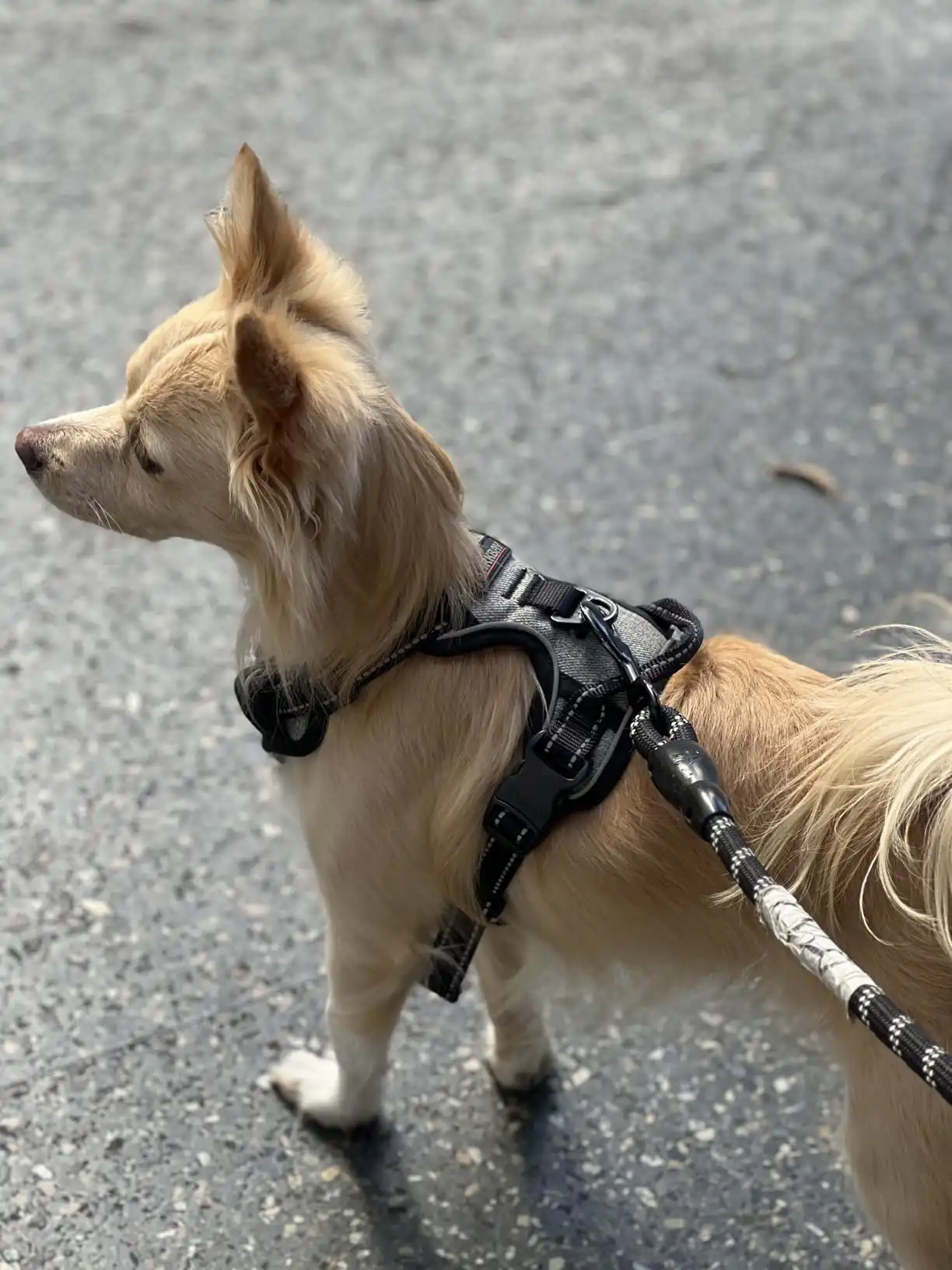
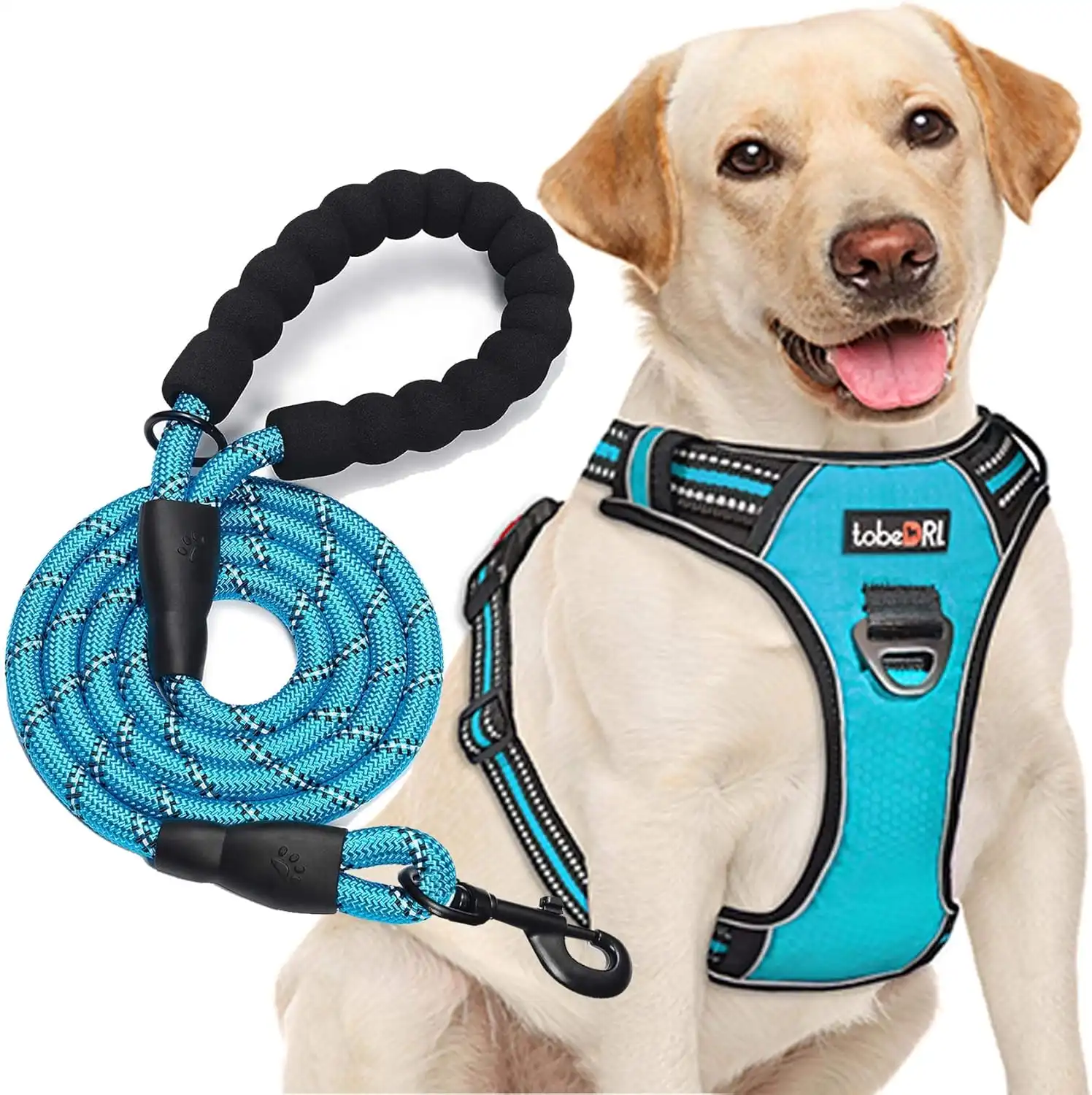
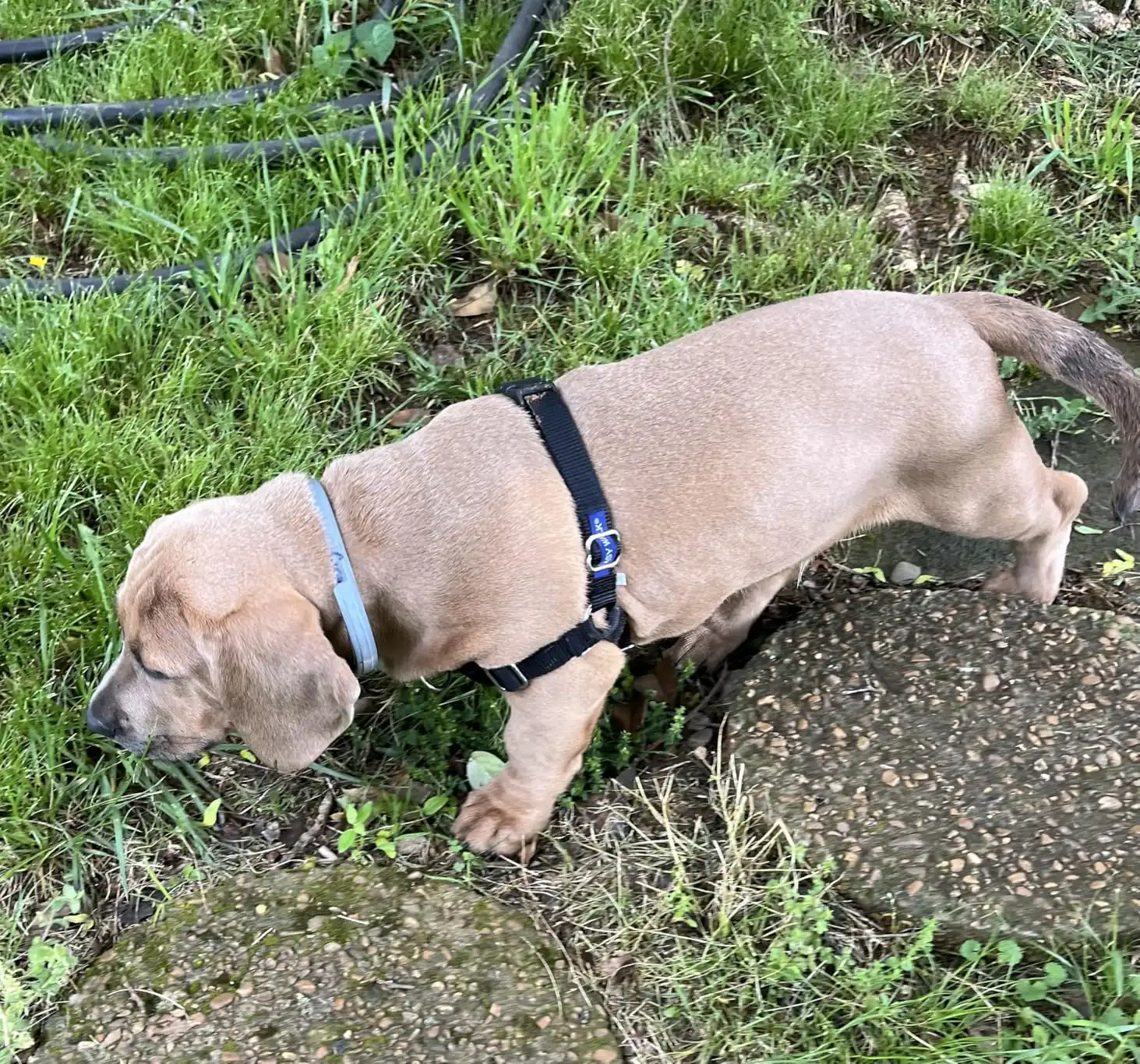

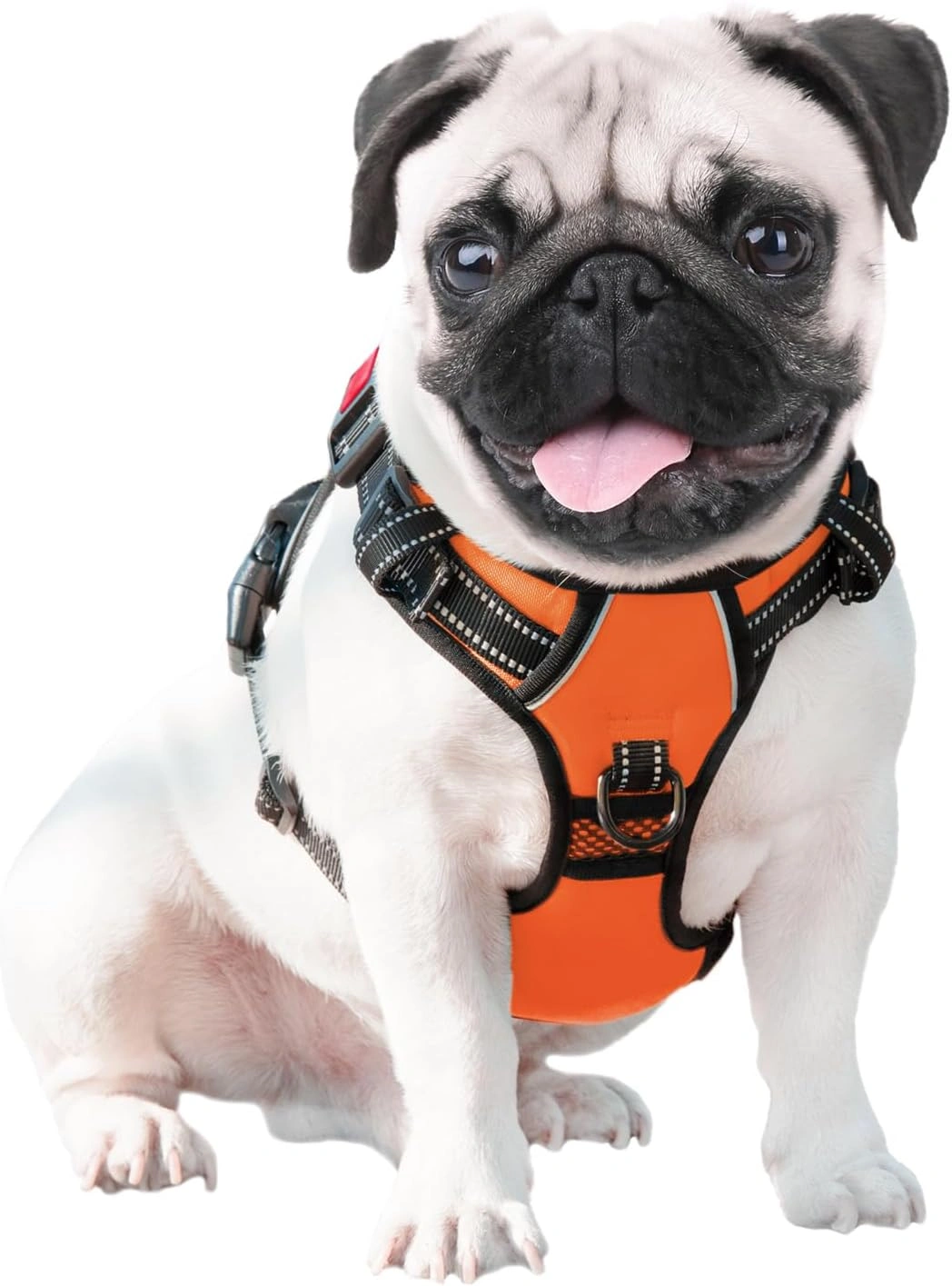
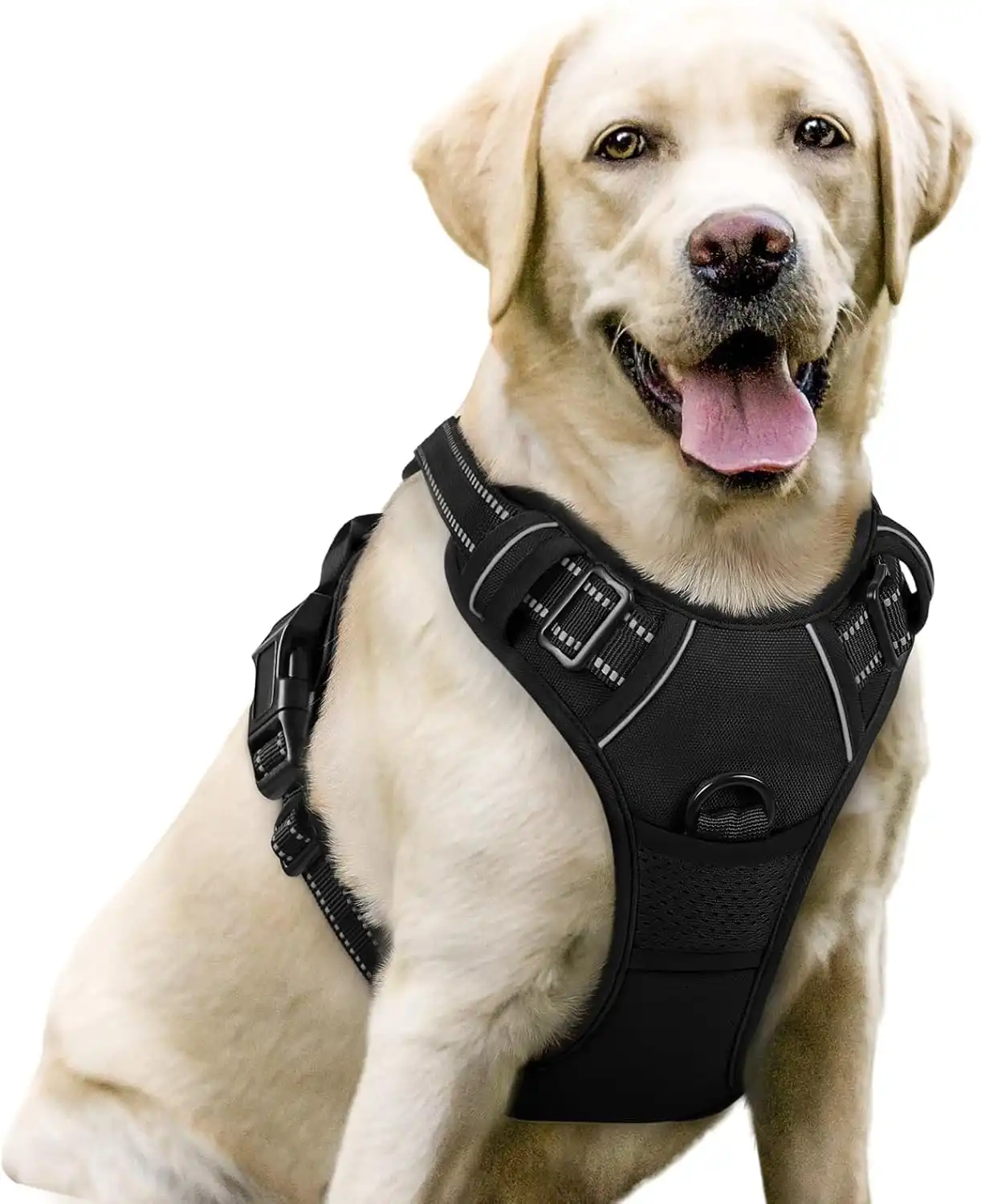



Traditional collars or “walking-only” harnesses often fall short when the pace picks up. For dogs that run, jump, and climb, a standard harness can restrict shoulder movement or cause painful chafing.
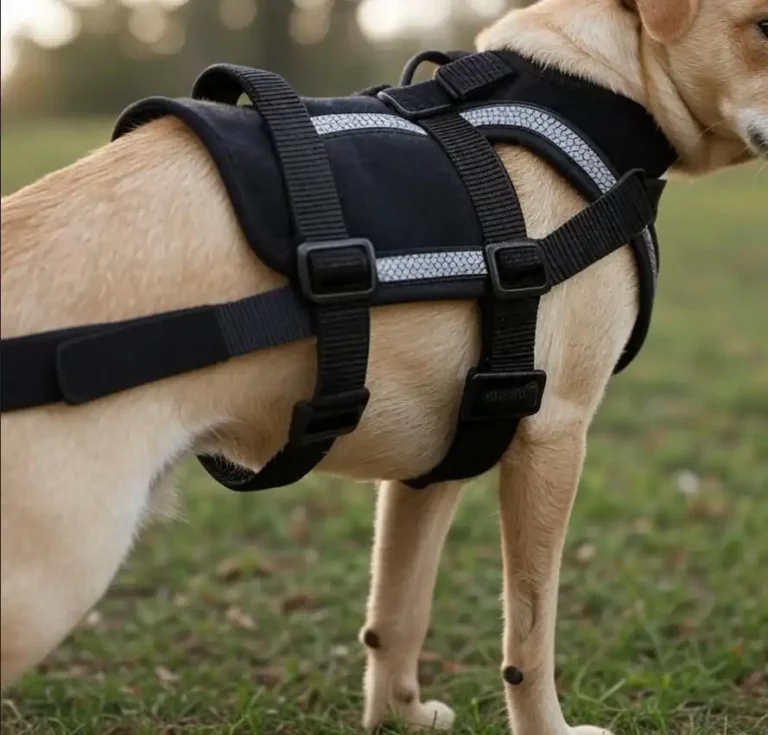
The latest designs in 2026 prioritize ergonomic “Y-shaped” chest plates. This specific geometry is crucial because it sits on the breastbone, leaving the shoulder joints free to move through their full range of motion. This prevents long-term joint strain and allows your dog to power up steep inclines without restriction.
Top Features to Look for in 2026
When shopping for an active dog harness this year, look for these “must-have” upgrades that differentiate premium gear from basic pet store finds:
1. Breathable, Technical Fabrics
Modern harnesses have ditched heavy, heat-trapping nylon for air-mesh linings and perforated foams. These materials mimic human athletic wear, promoting airflow to keep your dog’s core temperature stable during intense exercise.
2. Integrated Safety Tech
Safety has gone high-tech. Many top-tier active harnesses now feature:
- Dedicated GPS Pockets: Built-in sleeves designed to hold trackers securely without the “dangle” of a collar attachment.
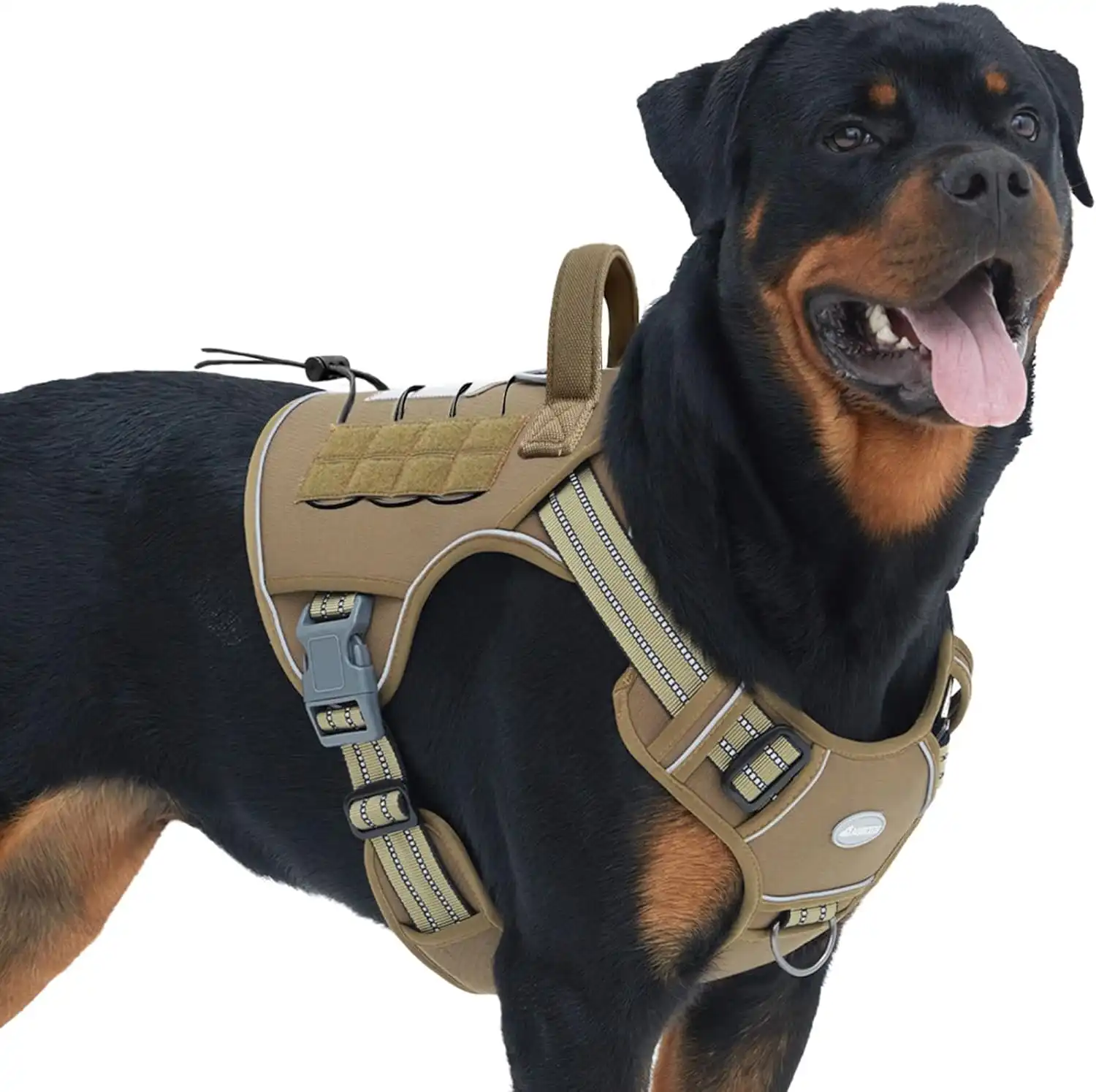
- 360° Reflective Trim: High-visibility stitching that ensures your dog is seen in low-light trail conditions.
- LED Attachment Points: Small loops specifically for “beacons” or safety lights.
3. The “Lift-and-Assist” Handle
If you enjoy hiking on rocky terrain, a reinforced back handle is a lifesaver. It allows you to safely assist your dog over large boulders or fallen trees. In 2026, look for handles that are padded and ergonomically angled to minimize strain on your wrist and the dog’s back.
Sizing and Fit: The “Two-Finger” Rule
No matter how many features a harness has, it won’t be effective if it doesn’t fit correctly. A poorly fitted harness is the leading cause of “escape artists” on the trail.
| Part of Dog | Proper Fit Guide |
| Neck | Should be snug but allow two fingers to slide underneath. |
| Girth (Chest) | The strap should sit roughly 2–3 inches behind the front armpits to prevent chafing. |
| Shoulders | Straps must not cross over the shoulder blade (scapula). |
Pro Tip: Always measure your dog’s girth at the widest part of their ribcage. If your dog is between sizes, 2026 industry experts recommend sizing up for active harnesses to allow for more adjustability.
Durability and Sustainability
Today’s pet parents are more eco-conscious than ever. Many of the leading active dog harnesses in 2026 are constructed from recycled PET (rPET) webbing and bluesign® approved materials. These fabrics aren’t just better for the planet; they are often more resistant to UV degradation and saltwater corrosion, making them ideal for the truly adventurous dog.
Ready to Hit the Trails?
Choosing the right gear is an investment in your dog’s health and your shared memories. An active harness is more than just a restraint; it’s a tool that gives your dog the confidence to explore the world by your side.
About the Author

You Might Also Like