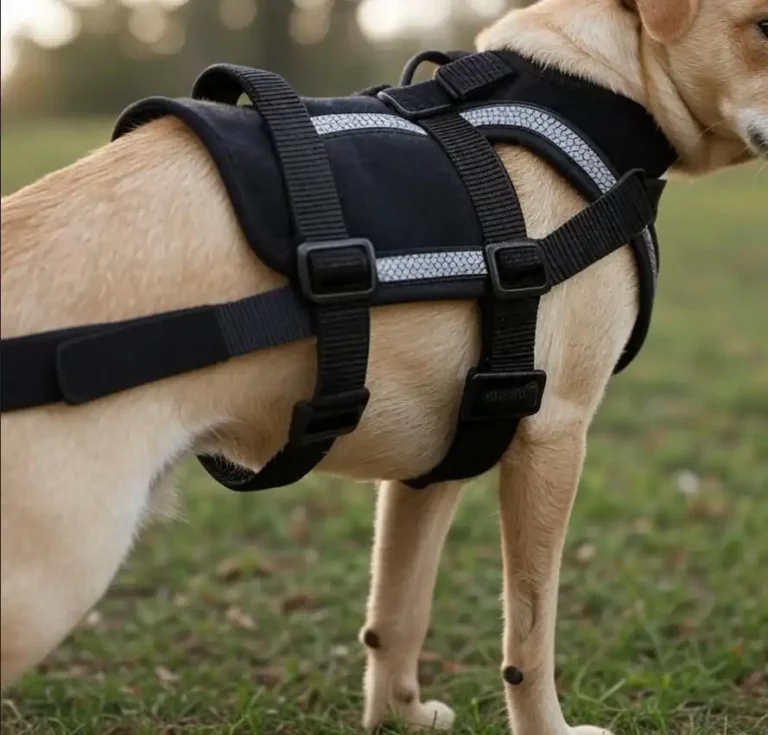
Are Harnesses Good for Dogs? 2026 Guide for Pet Parents
As a pet parent, your daily walk is more than just a bathroom break—it’s a chance to bond, explore, and get some fresh air with your best friend. But if your pup spends half that time gasping for air or pulling your arm out of its socket, that “peaceful” stroll can quickly become a stressful tug-of-war. You’ve likely seen more dogs than ever sporting colorful vests lately and wondered: Are Harnesses Good for Dogs, or is a traditional collar still the way to go?
Why Pet Parents are Switching to Harnesses in 2026
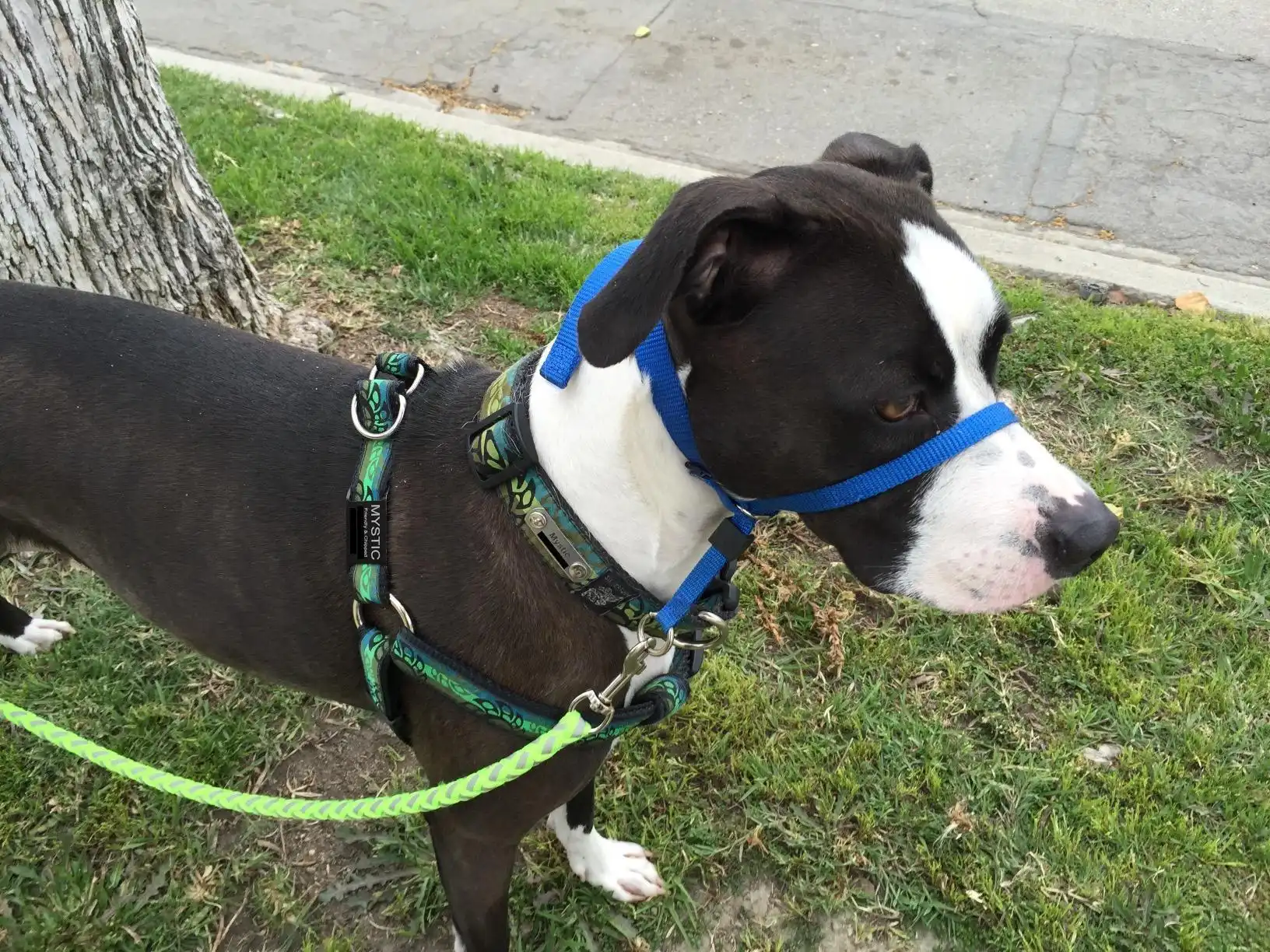
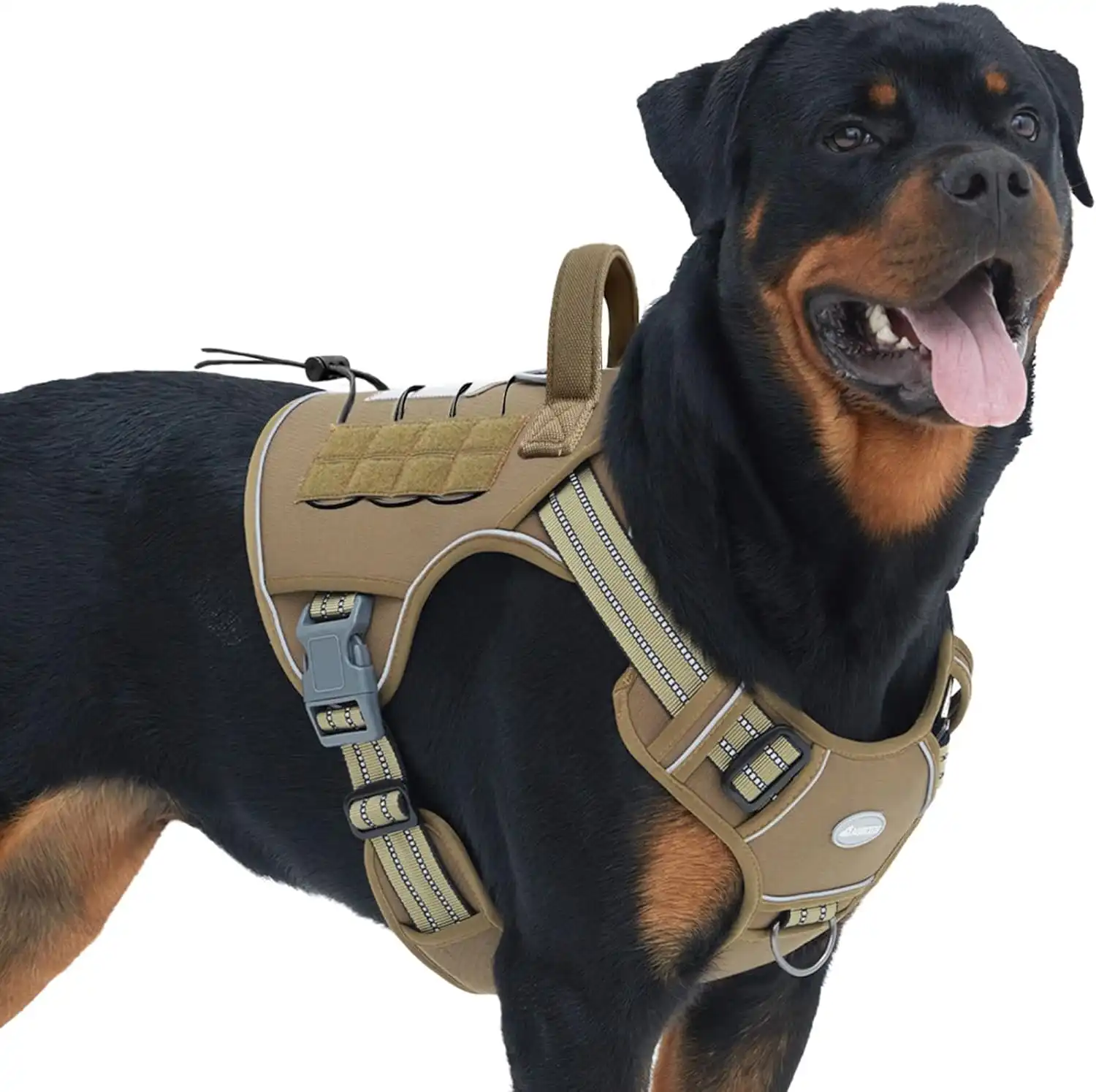
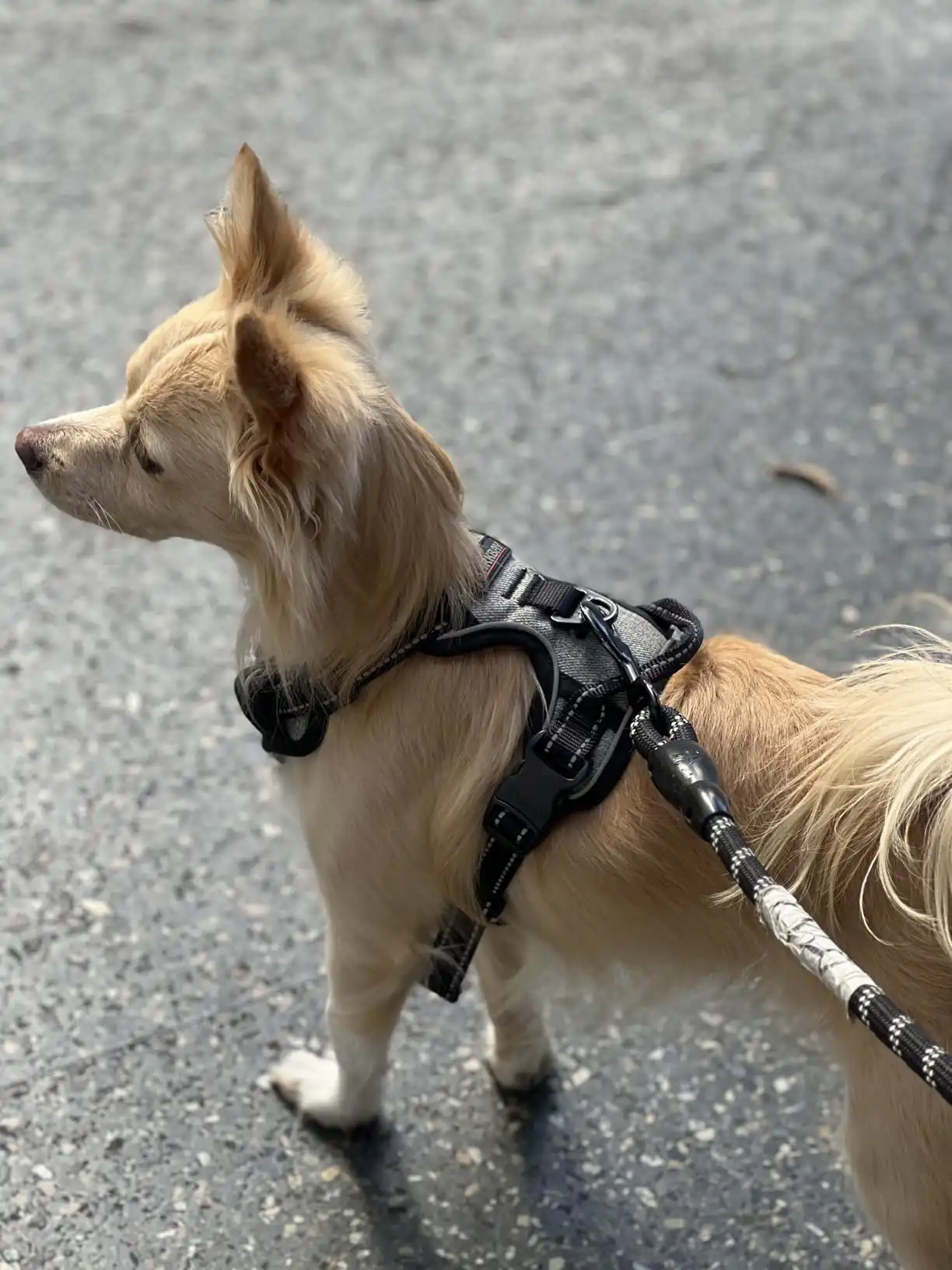
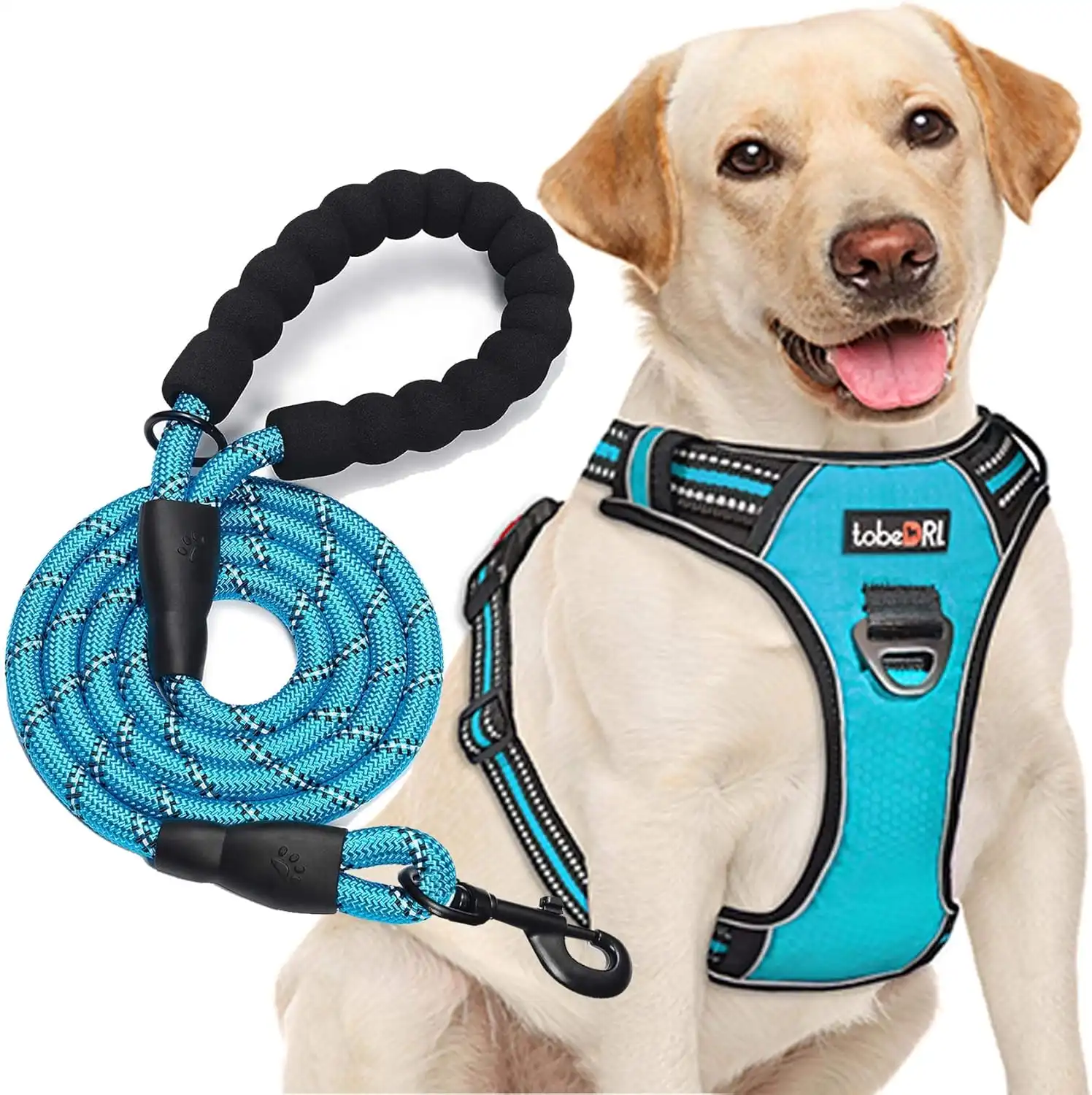
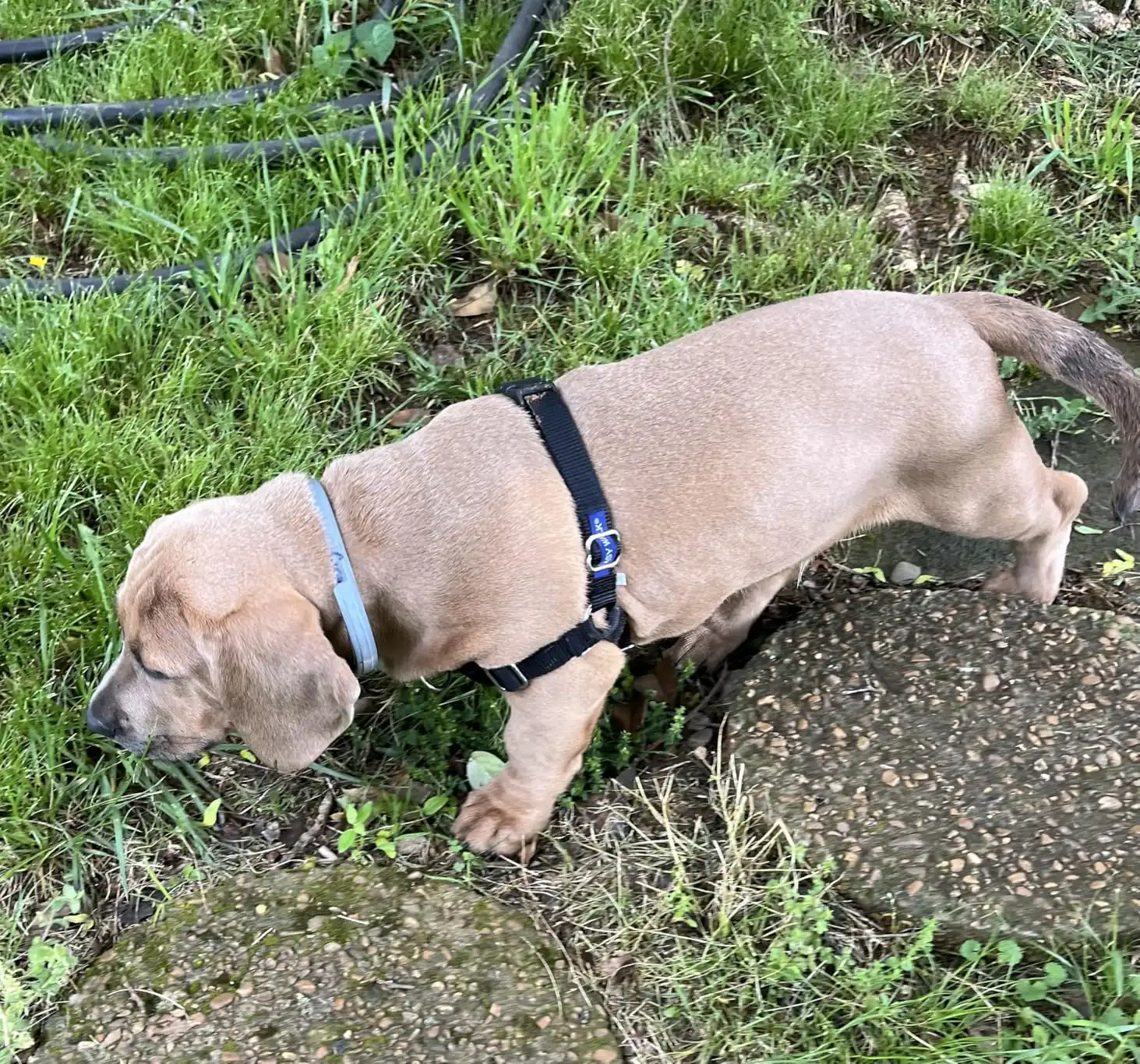

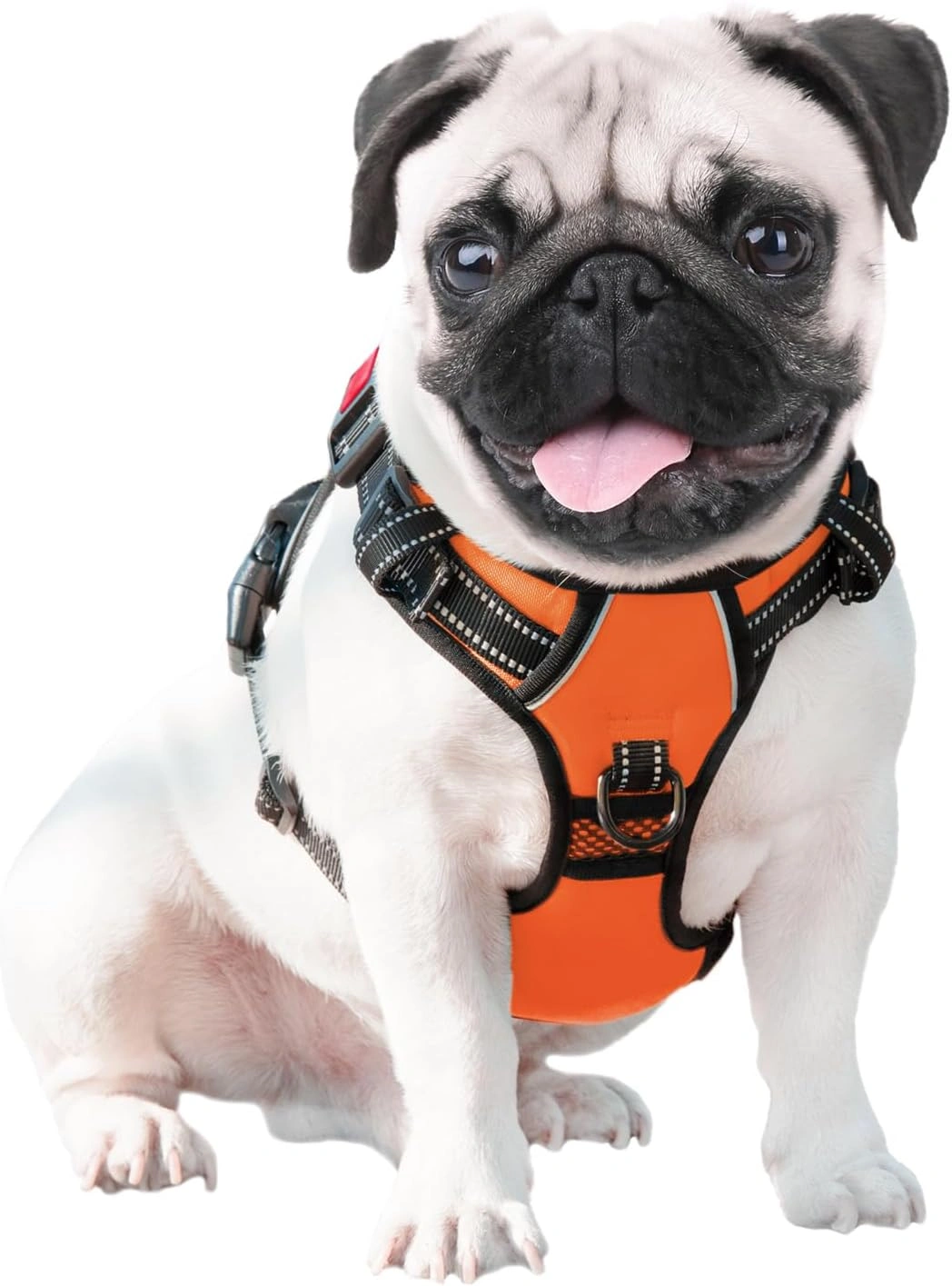
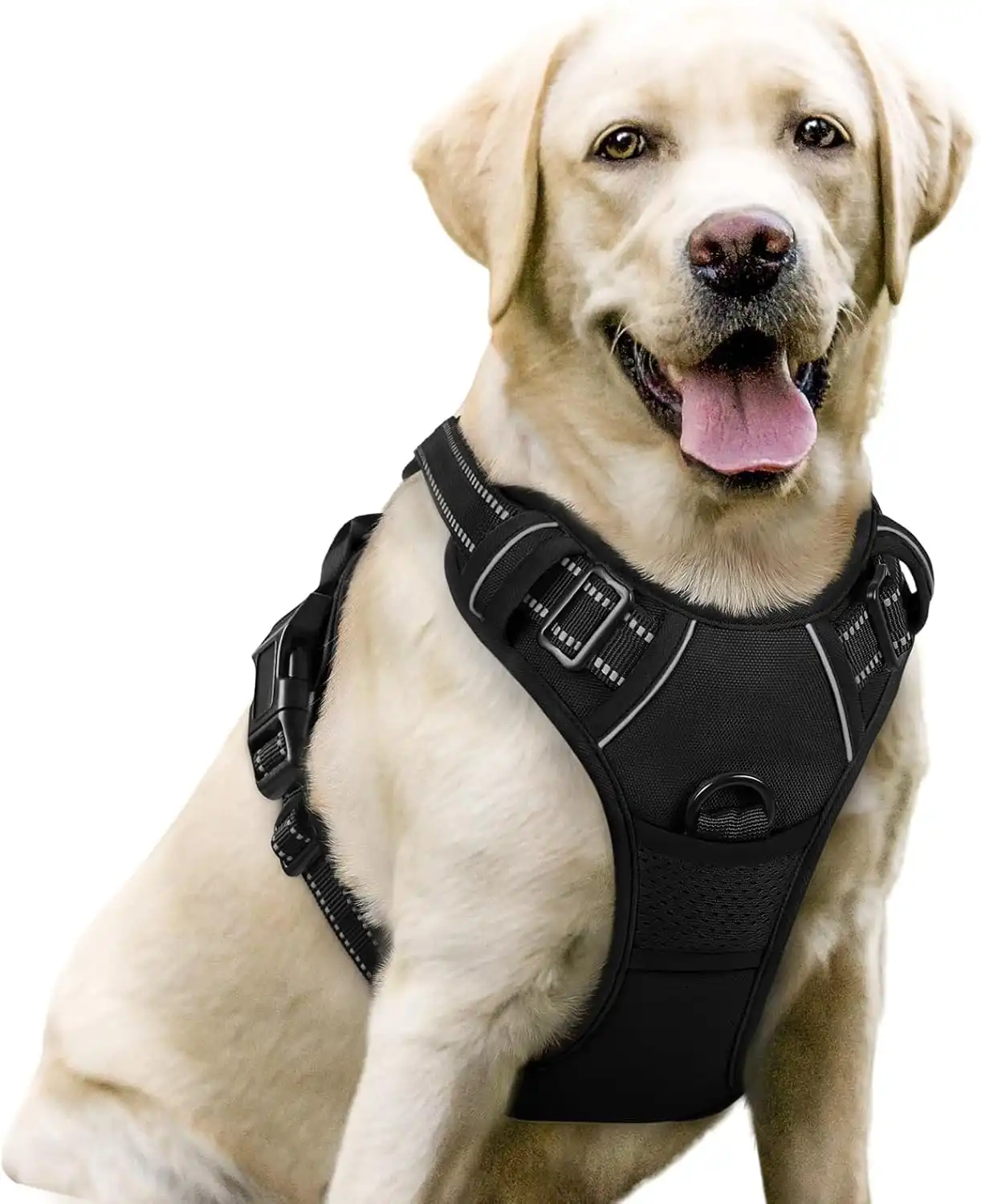



For decades, the simple buckle collar was the standard. However, current veterinary research and biomechanical studies have shifted the narrative. Today, the consensus among experts is that for the vast majority of dogs, a harness is the safer, more ergonomic choice.
Unlike collars, which put direct pressure on the sensitive structures of the neck—including the trachea (windpipe), thyroid gland, and cervical spine—a harness redistributes that force across the sturdier parts of a dog’s body: the chest, shoulders, and upper back.
The Major Health Benefits
- Tracheal Protection: Small breeds (like Chihuahuas) and brachycephalic (flat-faced) breeds (like French Bulldogs) are highly prone to tracheal collapse. A harness eliminates the risk of “choking” when they get excited.
- Ocular Safety: Sudden neck tension can actually increase intraocular pressure (pressure inside the eye). For breeds prone to glaucoma or eye proptosis (like Pugs), a harness is a medical necessity.
- Spinal Support: For dogs with a history of IVDD (Intervertebral Disc Disease), such as Dachshunds or Corgis, a harness prevents the jarring neck movements that can trigger a flare-up.
Choosing the Right Type for Your Dog’s Personality
Not all harnesses are created equal. In 2026, the market is filled with specialized designs. Here is how to pick the one that fits your dog’s specific “walking style”:
1. The No-Pull (Front-Clip) Harness
If your dog thinks they are a sled dog, this is your secret weapon. By attaching the leash to a ring on the chest, any pulling force gently pivots the dog back toward you.
- Best for: Training puppies and strong pullers like Labradors or Huskies.
- 2026 Pro-Tip: Look for “Y-shaped” front clips that allow for full shoulder extension to prevent gait issues.
2. The Back-Clip (Everyday) Harness
This is the most common style, where the leash attaches between the shoulder blades. It’s incredibly comfortable because it keeps the leash away from the dog’s face and front legs.
- Best for: Calm walkers, small dogs, and hiking adventures.
3. The Dual-Clip (The All-Rounder)
These feature rings on both the front and back. They offer the ultimate versatility—use the front clip for busy city walks where you need control, and the back clip for relaxed park sniffing.
The “Perfect Fit” Checklist
A harness is only “good” if it fits correctly. An ill-fitting harness can cause painful chafing or even allow an “escape artist” to slip out. Follow the Two-Finger Rule:
| Checkpoint | What to Look For |
| The Girth | You should be able to fit exactly two fingers between the strap and your dog’s ribs. |
| The Armpits | Ensure the straps aren’t rubbing directly against the sensitive skin of the armpits. |
| The Shoulders | The “Y” or “H” straps should sit on the bone, not the soft tissue of the neck. |
| Material | In 2026, breathable 3D mesh and recycled ripstop nylon are the gold standards for comfort and durability. |
Are There Any Cons?
While harnesses are generally superior for safety, they aren’t meant for 24/7 wear.
- Skin Irritation: Leaving a harness on all day can cause matting (especially in long-haired breeds) or “hot spots” from friction.
- Cooling Concerns: In peak summer, heavy padded vests can contribute to overheating. Opt for lightweight, “minimalist” strap harnesses during heatwaves.
Expert Insight: Always remove the harness when your dog is indoors. This keeps their fur healthy and ensures they don’t get the straps caught on furniture or crates.
Final Verdict
So, are harnesses good for dogs? Absolutely. Whether you have a tiny Yorkie or a powerful German Shepherd, a well-fitted harness provides better control for you and a much safer, pain-free experience for them.
About the Author

You Might Also Like