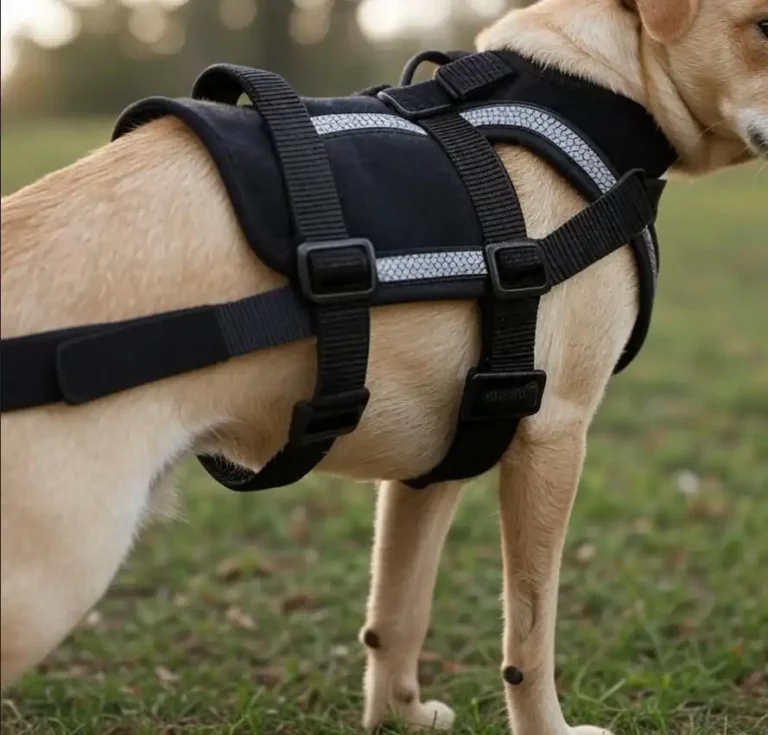
Choosing the Best Body Harnesses for Dogs: 2026 Guide
Every pet parent knows that the “daily walk” is the highlight of a dog’s day. But as we move into 2026, the way we gear up our furry friends is evolving. While the classic collar will always have a place for ID tags, more owners are realizing that a specialized harness is the key to a safer, more controlled, and more comfortable adventure.
Whether you are training a rowdy puppy who thinks every squirrel is a personal challenge or you’re looking to protect the delicate neck of a senior pup, finding the right fit is essential. The modern market offers incredible innovations in ergonomics and durability, making Body Harnesses for Dogs the gold standard for responsible pet ownership and canine spinal health.
Why a Harness Beats a Collar for Daily Walks
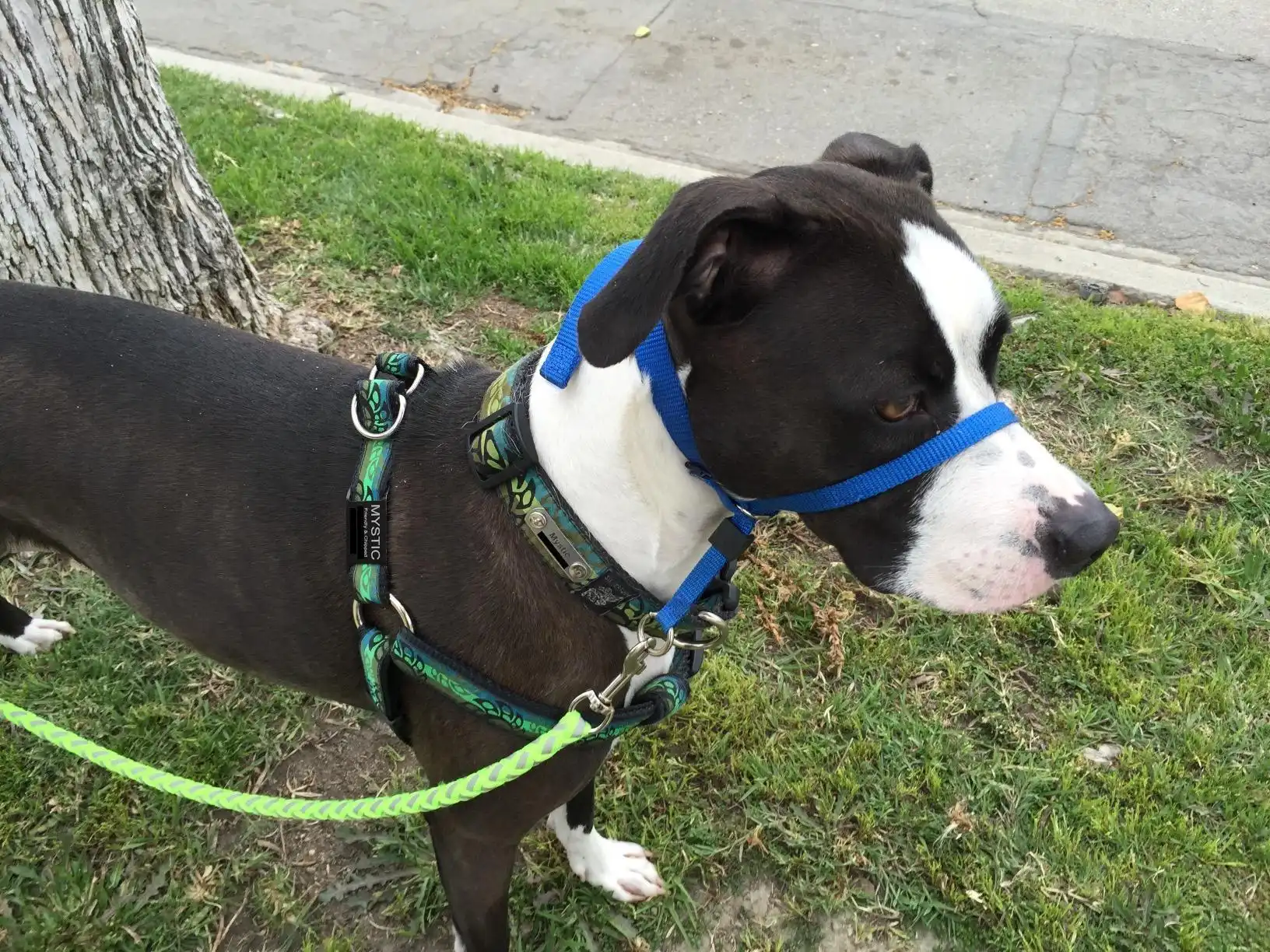
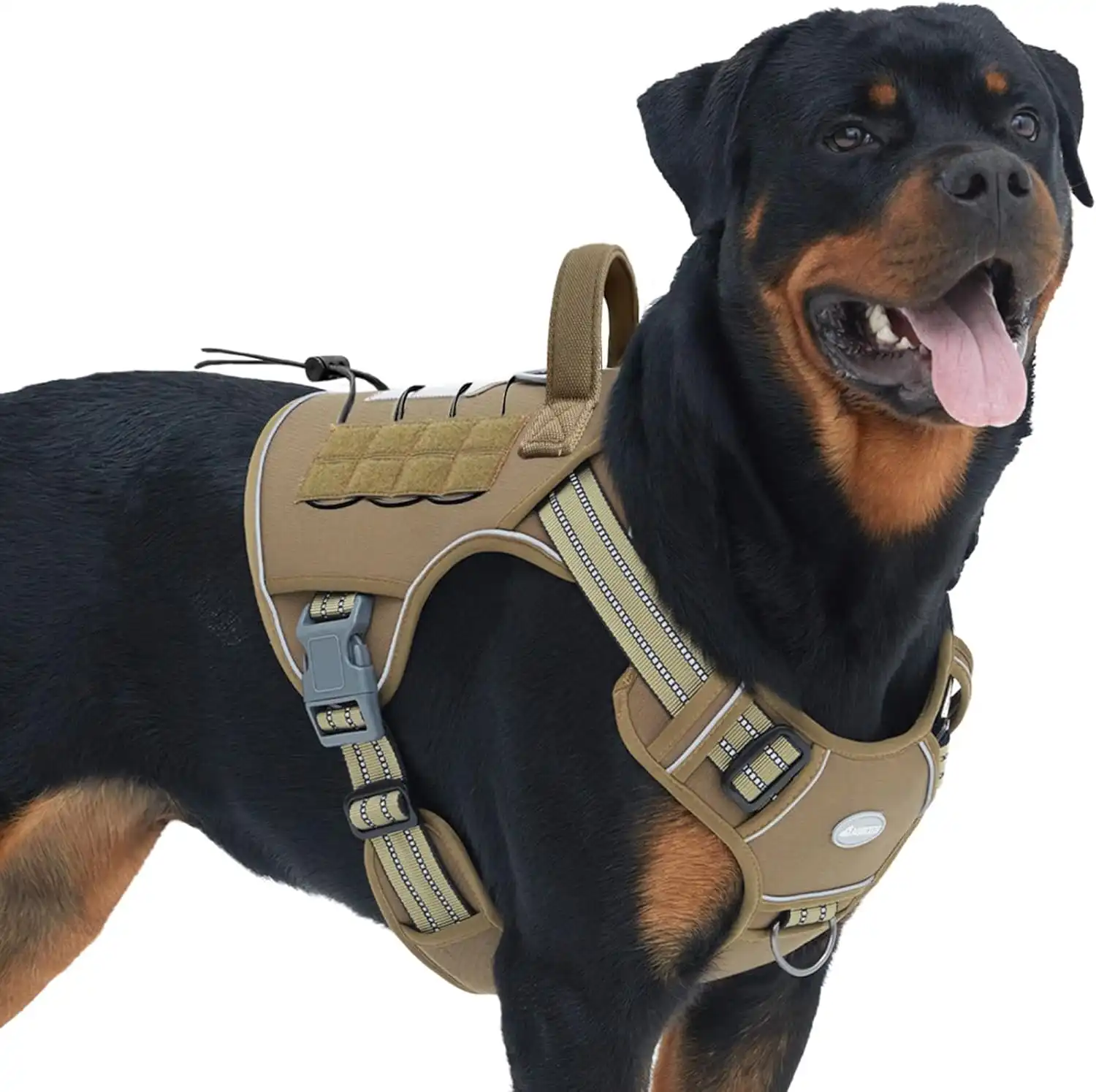
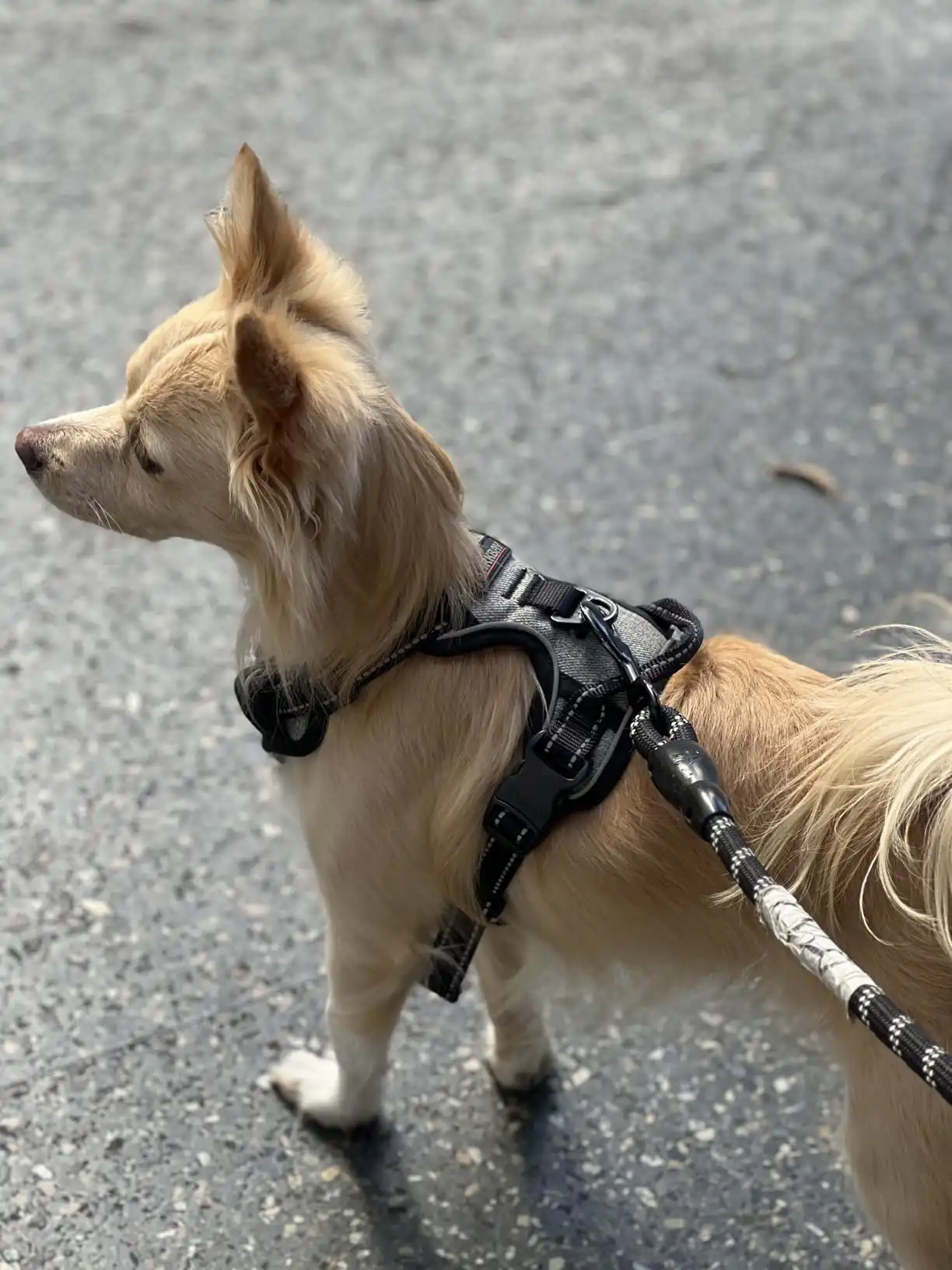
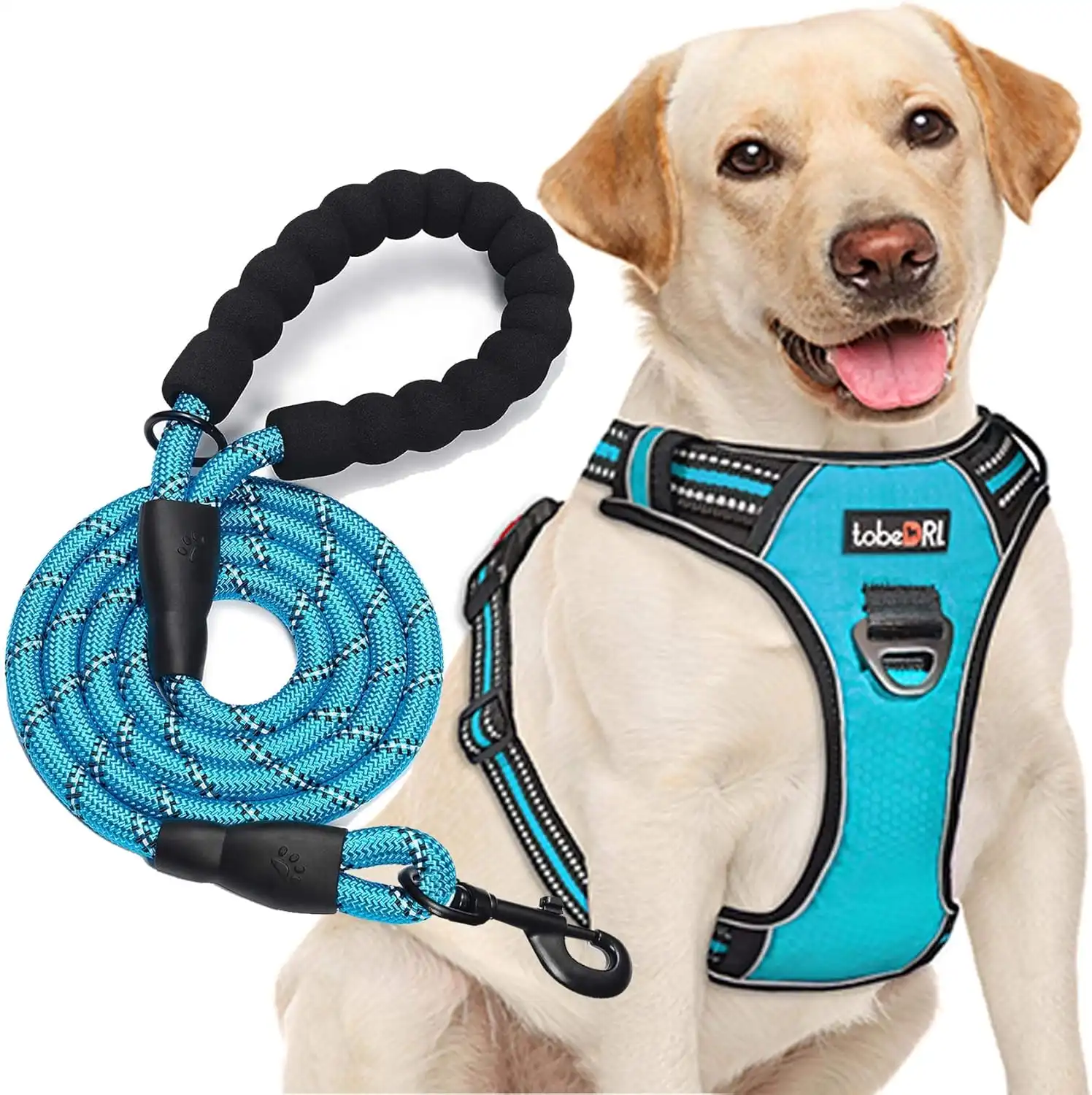
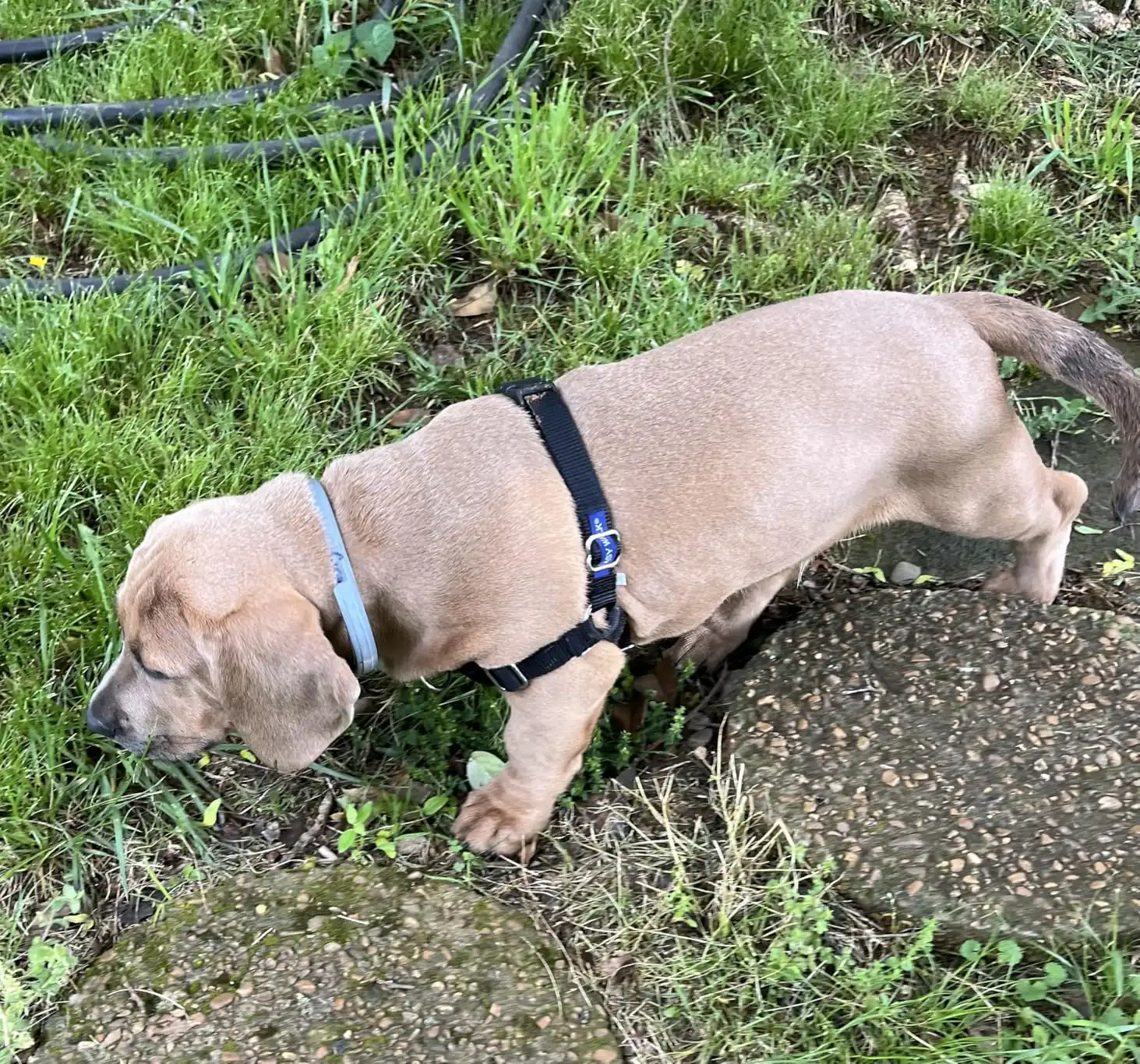

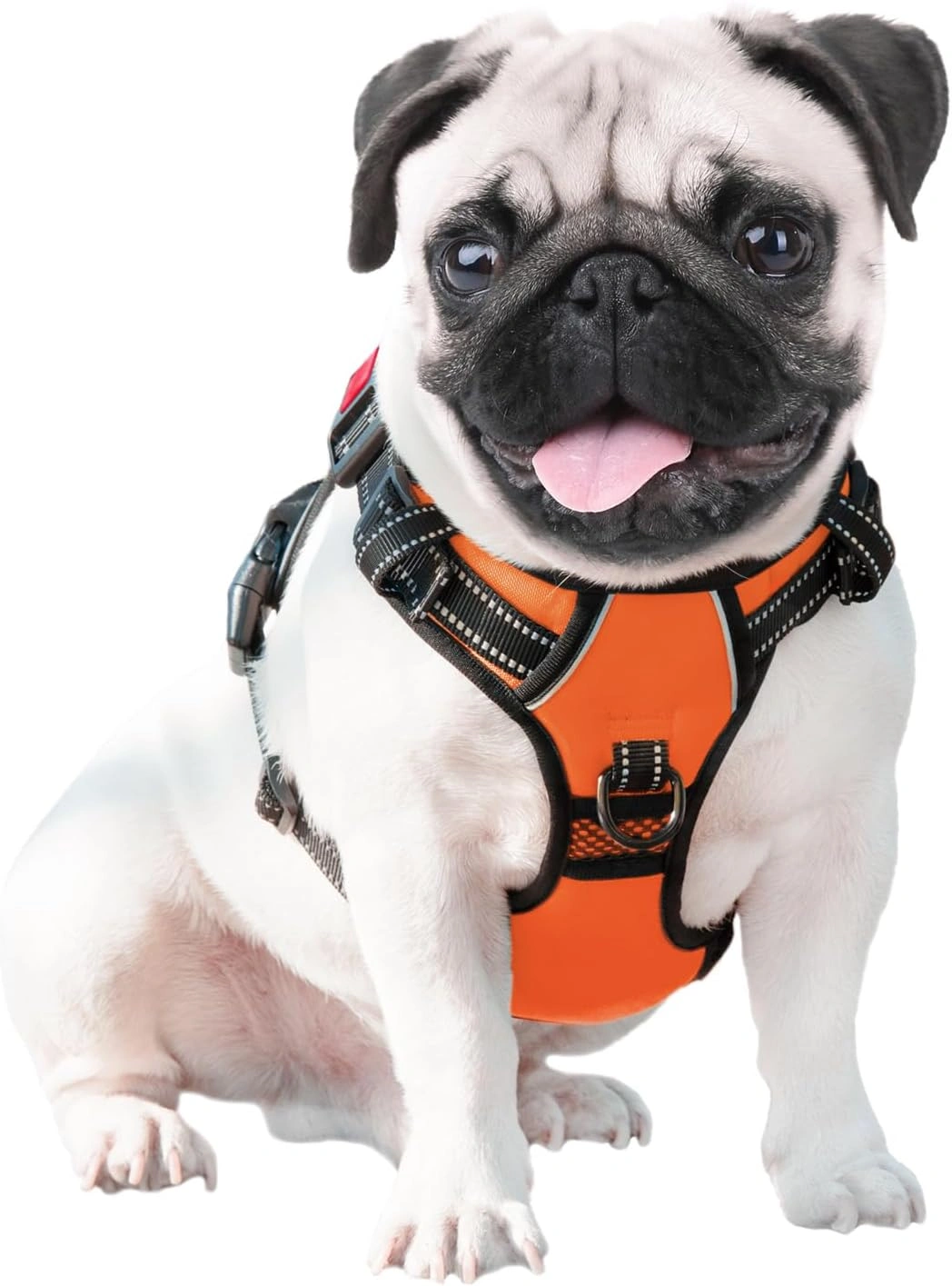
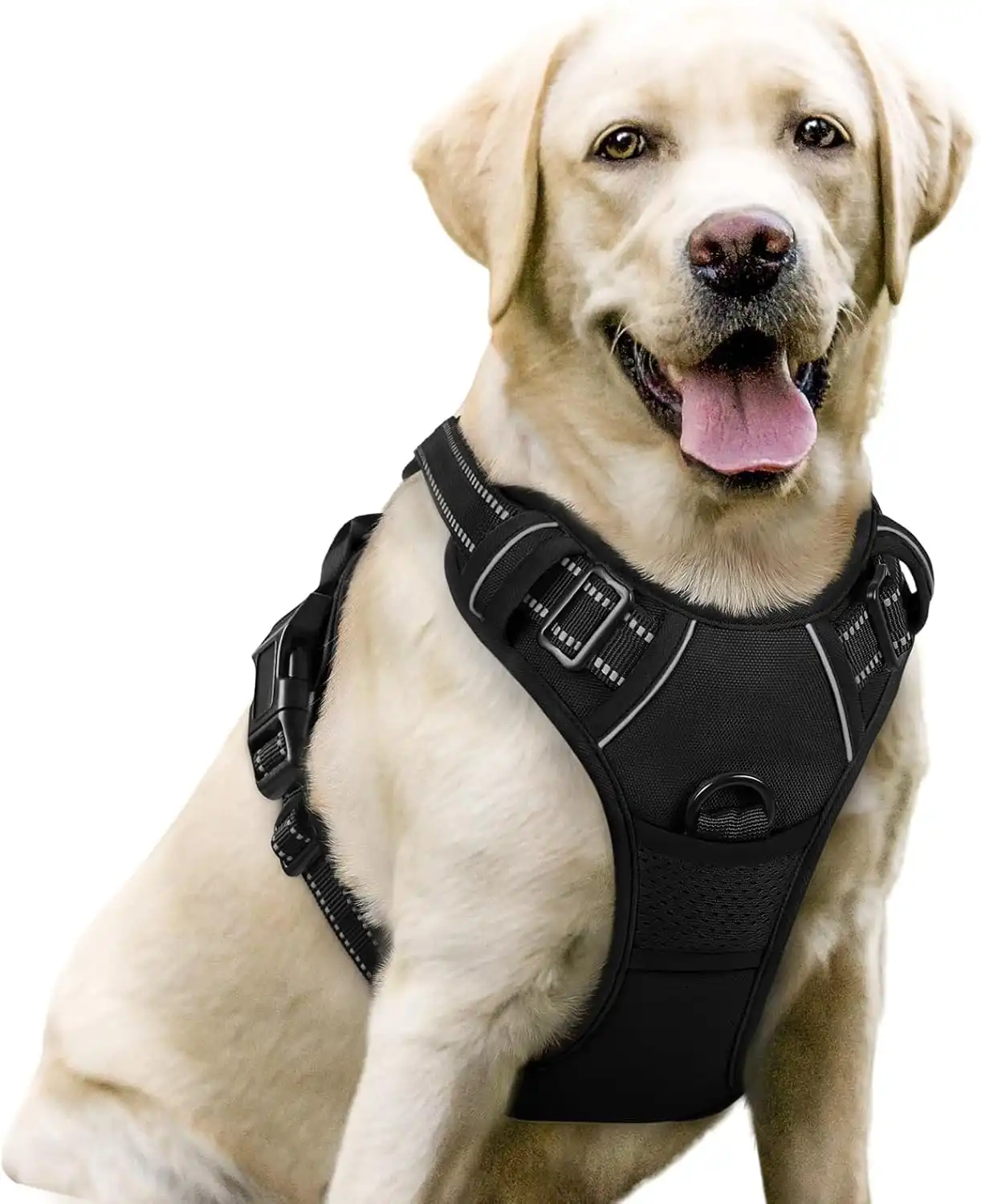



In years past, collars were the default. However, recent veterinary insights highlight the risks of “tracheal collapse” and neck strain, especially in brachycephalic (flat-faced) breeds like Frenchies or Pugs.
- Pressure Distribution: A harness moves the force of a leash pull away from the throat and onto the chest and shoulders.
- Better Control: If your dog lunges, a harness gives you a physical “handle” on their center of gravity, preventing them from spinning or slipping out.
- Eye Health: Believe it or not, heavy pulling on a collar can increase intraocular pressure. For breeds prone to glaucoma, a harness is a medical necessity.
Top-Rated Dog Harnesses for 2026
Based on the latest safety testing and user feedback, here are the standout models currently leading the pack:
| Category | Top Pick | Key Feature |
| Best Overall | Ruffwear Front Range | 4 adjustment points & durable ripstop fabric. |
| Best for Pullers | Blue-9 Balance Harness | 6-point adjustment; doesn’t restrict shoulder movement. |
| Escape-Proof | Ruffwear Web Master | Features a third belly strap for “Houdini” dogs. |
| Best Budget | Rabbitgoo No-Pull | Highly breathable mesh with reliable metal D-rings. |
| Travel Safety | Sleepypod Clickit Terrain | CPS-certified and crash-tested for car safety. |
How to Get the Perfect Fit (2026 Standards)
A harness is only as good as its fit. If it’s too loose, they’ll wiggle out; too tight, and you risk painful chafing. Follow these three steps to ensure your pup is snug and secure:
1. Measure the Girth
This is the most important number. Wrap a soft tape measure around the widest part of your dog’s ribcage, usually right behind the front legs.
2. The “Two-Finger” Rule
Once the harness is on, you should be able to fit two fingers comfortably between the straps and your dog’s body. In 2026, many high-end harnesses now use memory-foam padding, so ensure the “two-finger” gap accounts for that extra cushion.
3. Check Shoulder Mobility
Look for a Y-shaped design at the front. This ensures the straps sit on the chest bone rather than across the shoulder blades, allowing your dog to run and jump with a full range of motion.
Innovative Features to Look For
As we look at the latest gear, keep an eye out for these tech-forward additions:
- Integrated LED Fiber Optics: Gone are the days of clunky clip-on lights. Many 2026 models feature rechargeable, built-in light strips for nighttime visibility.
- Cooling Fabrics: Advanced “PCM” (Phase Change Material) linings help regulate your dog’s body temperature during summer hikes.
- Sustainable Materials: Look for “Bluesign-approved” recycled polyesters that are as tough on the trail as they are kind to the planet.
Training Tips for Harness Newbies
Some dogs are “statues” when they first feel a harness. To help them adjust:
- Let them sniff the harness and give them a treat.
- Buckle it on for 5 minutes inside the house during mealtime.
- Use the front-clip attachment initially if they are heavy pullers; this naturally redirects their momentum back toward you.
Pro Tip: Never leave a harness on your dog 24/7. Unlike collars, harnesses can cause matting in long-haired breeds and skin irritation if worn during long naps.
Choosing the right gear is one of the best ways to show your dog you care about their comfort. Whether you’re hitting the mountain trails or just strolling the neighborhood, the right support makes all the difference.
About the Author

You Might Also Like