
How Building Inspections Ensure Pet-Friendly Homes
Ensure pet-friendly homes with building inspections. Identify hazards, ensure safety, and create a comfortable space for your pets.
Pet owners searching for ways to ensure their homes are safe and comfortable for their furry companions often overlook the critical role of a building inspection. A thorough building inspection evaluates a home’s structural integrity, safety features, and potential hazards, ensuring it meets the needs of both humans and pets. By identifying issues like toxic materials, unsafe structures, or poor ventilation, these inspections help create a secure and pet-friendly environment. This blog post explores how building inspections contribute to pet-friendly homes, covering key areas like safety, comfort, and long-term maintenance to keep your pets happy and healthy.
Why Pet-Friendly Homes Matter
Pets are family, and their safety and well-being depend on the environment they live in. A home that’s safe for humans isn’t always safe for pets, who may chew on exposed wires, ingest harmful substances, or get injured by unstable structures. A building inspection tailored to pet-friendly standards goes beyond typical checks to address specific risks that could harm animals, such as sharp edges, toxic paints, or inadequate fencing. For pet owners, ensuring a home is free from these dangers is essential for peace of mind and the health of their companions.
The Role of Building Inspections in Pet Safety
A building inspection is a comprehensive assessment of a property’s condition, conducted by a licensed professional. For pet owners, this process is vital for identifying potential hazards that could endanger animals. Inspectors examine structural elements, electrical systems, plumbing, and environmental factors to ensure the home is safe and functional. For example, they check for asbestos or lead-based paint, which can be toxic if pets chew or lick surfaces. They also evaluate flooring for slipperiness, which could cause injuries to pets with mobility issues, ensuring the home supports safe movement for animals.
Key Areas Inspected for Pet-Friendly Homes
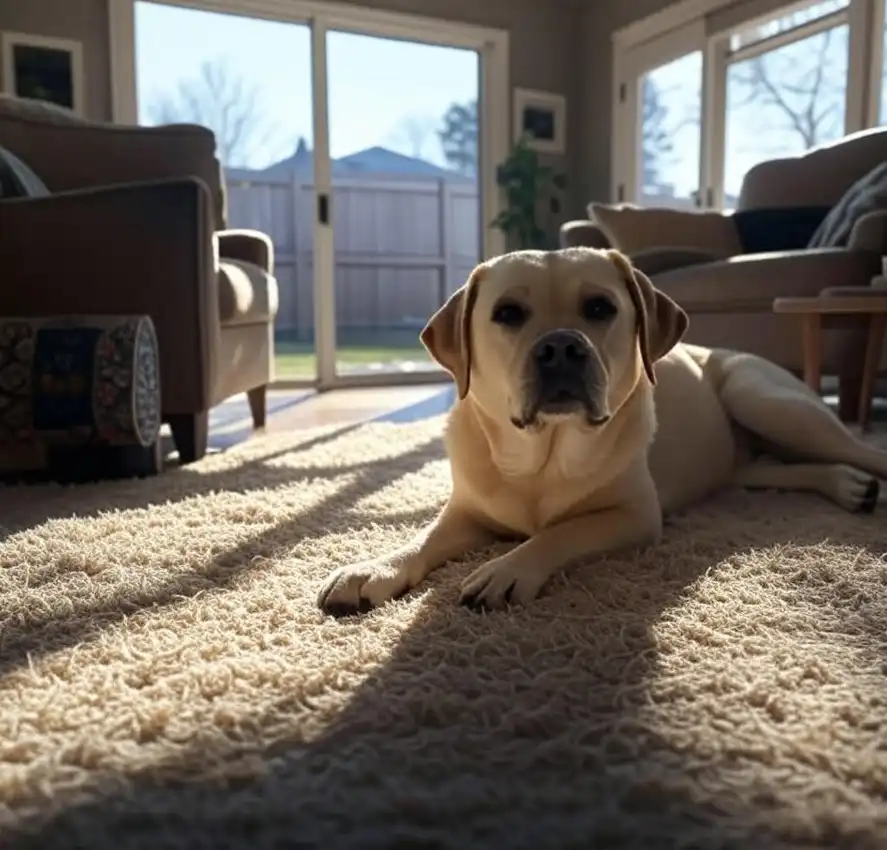
1. Structural Safety
Pets, especially dogs and cats, can be curious and destructive, chewing on walls or scratching surfaces. A building inspection ensures that walls, floors, and other structural components are sturdy and free from damage that could collapse or expose harmful materials. For instance, inspectors check for loose railings or unstable decks that could injure a pet during playtime. Ensuring structural integrity prevents accidents and creates a durable space for active animals, with a focus on a solid build to support their activities.
2. Hazardous Materials
Homes built before modern regulations may contain asbestos, lead, or other toxic substances that pose significant risks to pets. During a building inspection, professionals test for these materials, especially in older homes, to prevent exposure. Pets are particularly vulnerable because they explore with their mouths, making it critical to remove or seal any hazardous substances identified during the inspection.
3. Electrical and Fire Safety
Exposed wires or faulty electrical systems can be deadly for pets who chew or play near them. A building inspection includes a thorough check of the home’s electrical wiring to ensure it’s secure and properly insulated. Inspectors also verify that smoke detectors and carbon monoxide detectors are functional, protecting both pets and owners from fire or gas-related emergencies. This is especially important for households with pets that may be left alone during the day.
4. Ventilation and Air Quality
Proper ventilation is crucial for pet health, as poor air quality can exacerbate respiratory issues in animals, particularly in breeds prone to breathing difficulties. During a building inspection, professionals assess the home’s ventilation systems to ensure adequate airflow and check for mold or mildew, which can harm pets with allergies or sensitivities. Good air quality supports a comfortable and healthy living space for your animals.
5. Outdoor Safety and Fencing
For pet owners with yards, outdoor spaces are just as important as indoor ones. A building inspection evaluates fencing to ensure it’s secure and tall enough to prevent pets from escaping or encountering dangers like wildlife or traffic. Inspectors also check for toxic plants, sharp objects, or uneven terrain that could injure pets. A safe outdoor area allows pets to play and exercise without risk.
How Inspections Support Long-Term Pet Comfort
Beyond immediate safety, a building inspection helps pet owners plan for long-term comfort and maintenance. For example, inspectors may recommend pet-friendly flooring options, like durable tiles or non-slip surfaces, to accommodate active pets. They can also suggest improvements to insulation or windows to regulate indoor temperatures, keeping pets comfortable in extreme weather. By addressing these factors early, pet owners can avoid costly repairs and create a home that supports their pets’ needs for years to come.
Choosing the Right Inspector for a Pet-Friendly Home
Not all building inspections are created equal, so pet owners should seek inspectors familiar with pet-specific concerns. Look for professionals with experience in assessing homes for families with animals, as they’ll prioritize issues like pet-safe materials and secure outdoor spaces. Before hiring, discuss your needs as a pet owner to ensure the inspector includes checks for pet-related hazards. A detailed inspection report will provide actionable recommendations to make your home safer and more welcoming for your pets.
Making Your Home Pet-Friendly Post-Inspection
Once you receive your building inspection report, take steps to address any identified issues. For example, replace toxic materials, repair faulty wiring, or install secure fencing as recommended. You can also enhance your home’s pet-friendliness by adding features like pet doors, scratch-resistant surfaces, or designated pet areas. Regular maintenance checks, informed by the initial inspection, will help keep your home safe and comfortable for your pets over time.
Conclusion
A building inspection is a powerful tool for pet owners looking to create a safe, comfortable, and durable home for their animals. By identifying and addressing potential hazards—such as toxic materials, unsafe structures, or poor ventilation—inspections ensure that your home supports your pets’ health and happiness. For pet owners, investing in a thorough building inspection is a proactive step toward building a pet-friendly environment that both you and your furry companions can enjoy for years to come.
-

When to Call Your Landlord for Repairs
-
How Building Inspections Ensure Pet-Friendly Homes
-
How to Start a Pet Blog: Choosing the Right Web Hosting
-
15 Celebrities Who Absolutely Adore Their Dogs
-
Successful Pet Businesses With Dr. Tom Harty’s Coaching
-
Link in Bio Strategy for Pet Businesses
-
Using Pets in Children’s Counseling: A Guide for Parents
-
10 Cheapest Dog Training Pads for Tight Budgets
-
SMARTBEAN Cat Scratch Furniture Protector: A Must-Have for Pet Owners


About the Author