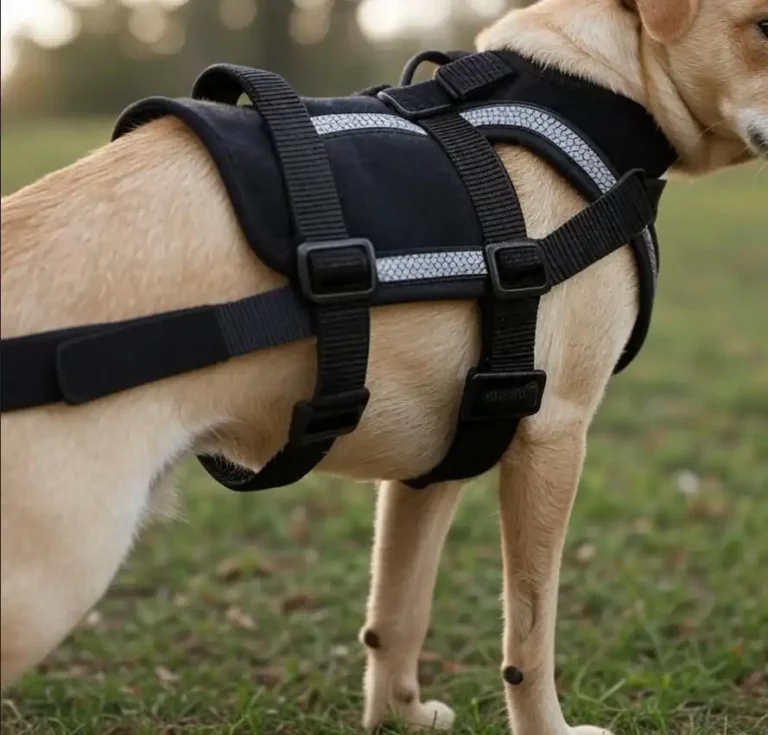
Cat vs Dog Harness: Which One Does Your Pet Need?
Whether you are planning a sunset stroll with your golden retriever or a cautious garden exploration with your curious tabby, the gear you choose matters. Many pet parents wonder if they can simply swap accessories between species to save a bit of time or money. However, understanding the technical Difference Between Cat and Dog Harness is the first step in ensuring your pet’s safety and comfort during your 2026 adventures.
1. Anatomical Design: Flexibility vs. Force
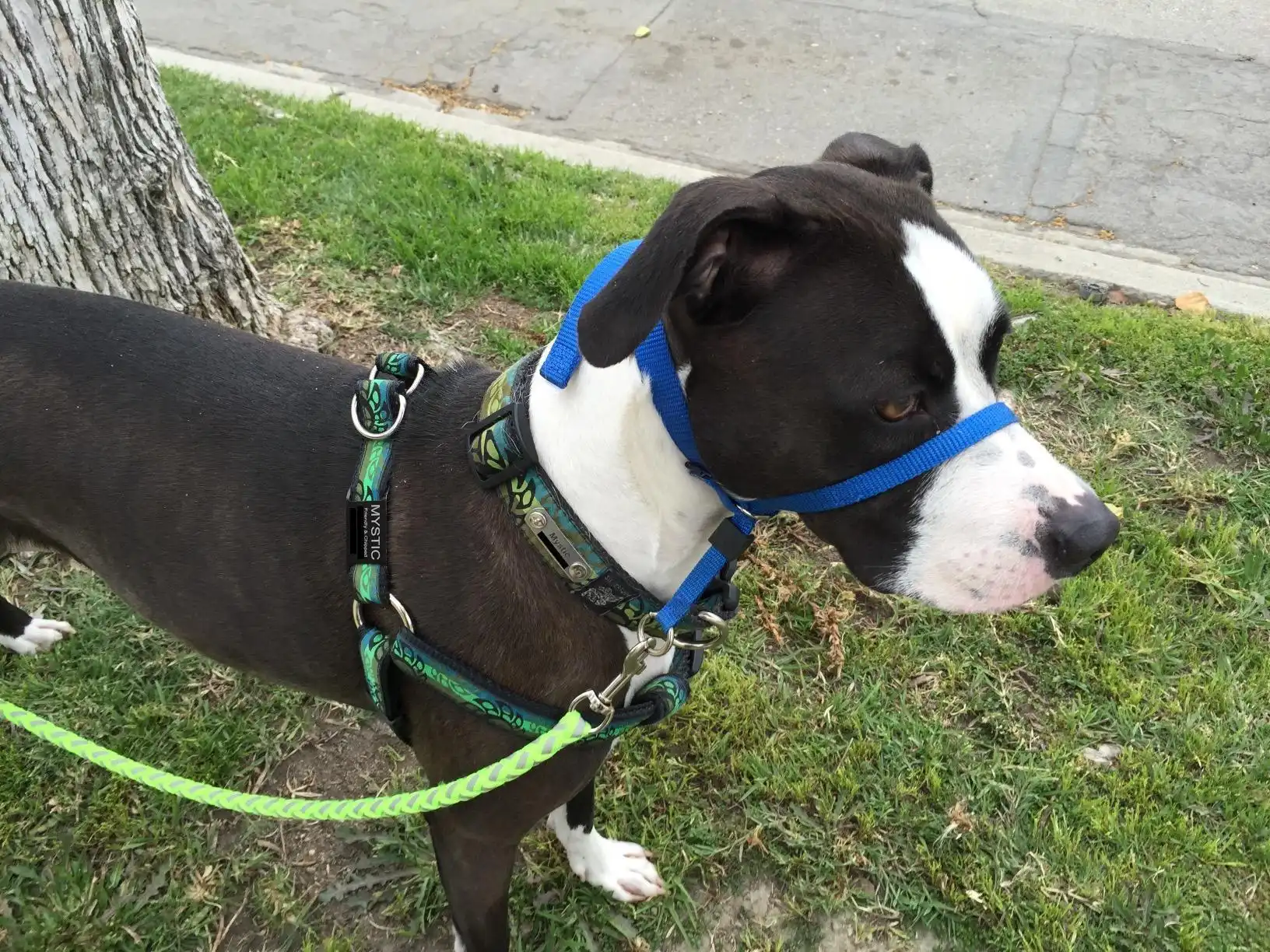
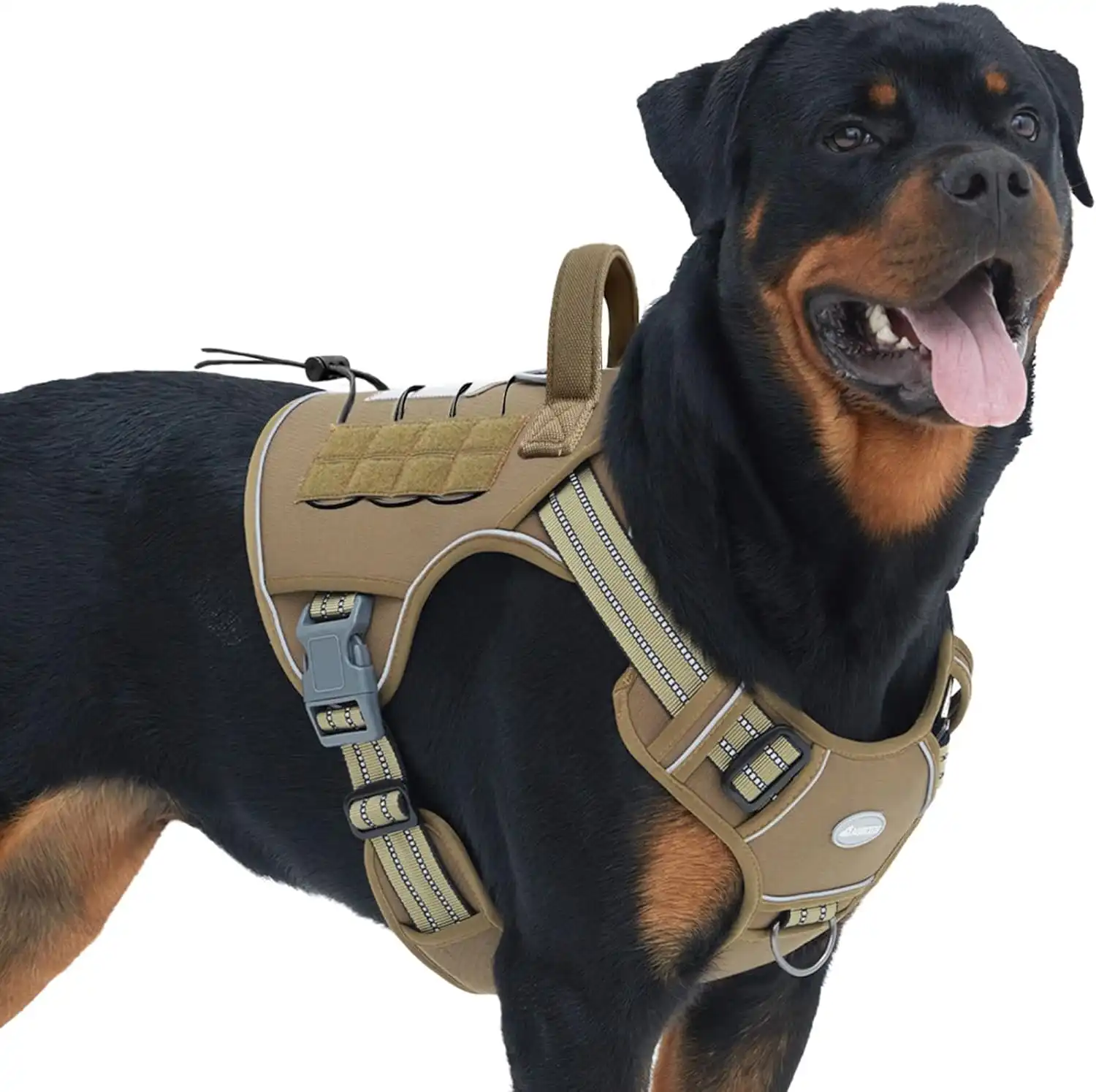
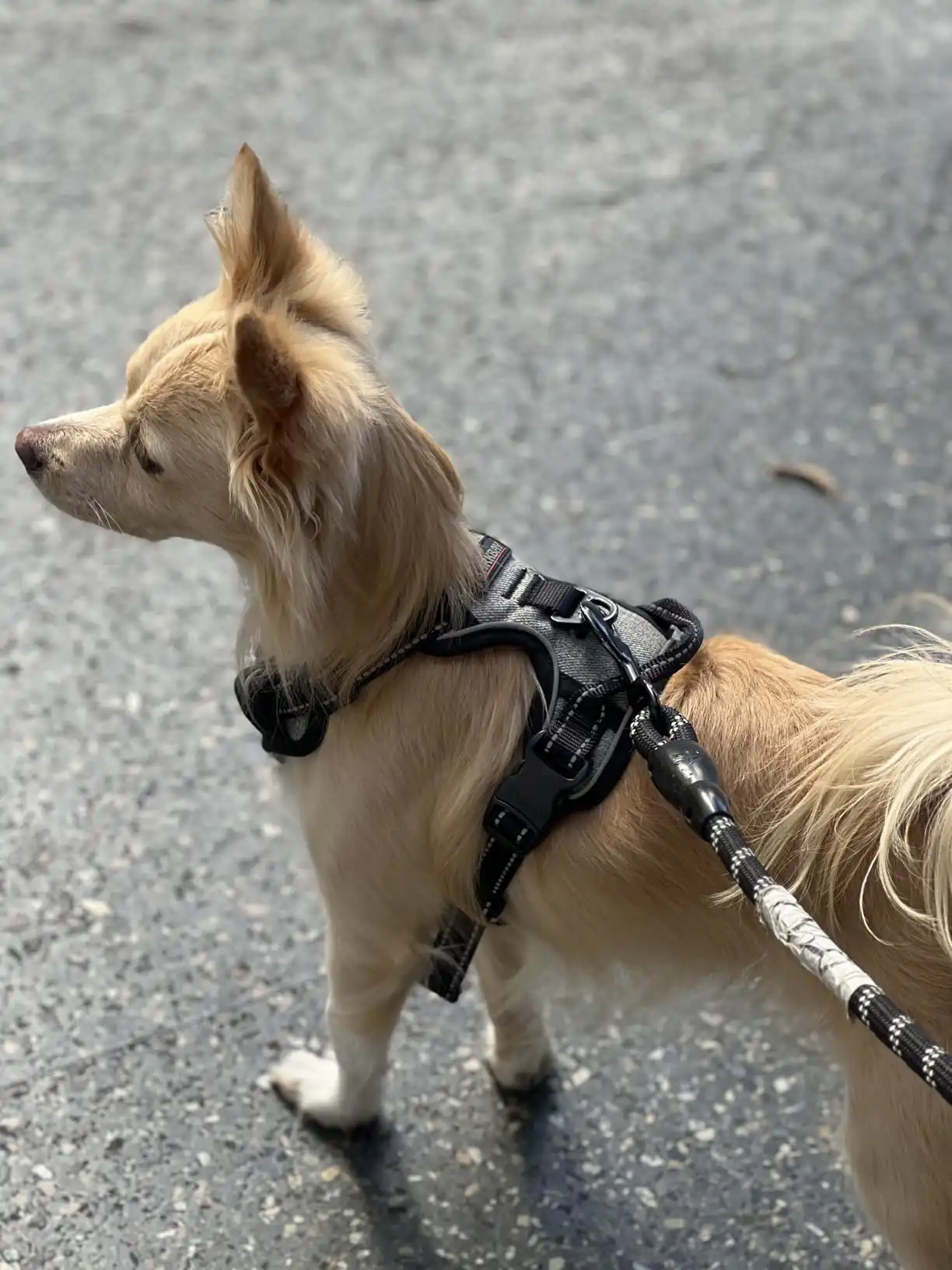





The most significant difference lies in how these harnesses interact with your pet’s skeletal structure.
- Cats (The Liquid Escape Artists): Cats have “floating” collarbones and incredibly flexible spines. They can compress their shoulders to squeeze through gaps that seem impossible. Consequently, cat harnesses are designed with a “Gentle Enclosure” philosophy. They often feature higher necklines or “H-style” designs that prevent the cat from backing out of the gear—a common feline escape move.
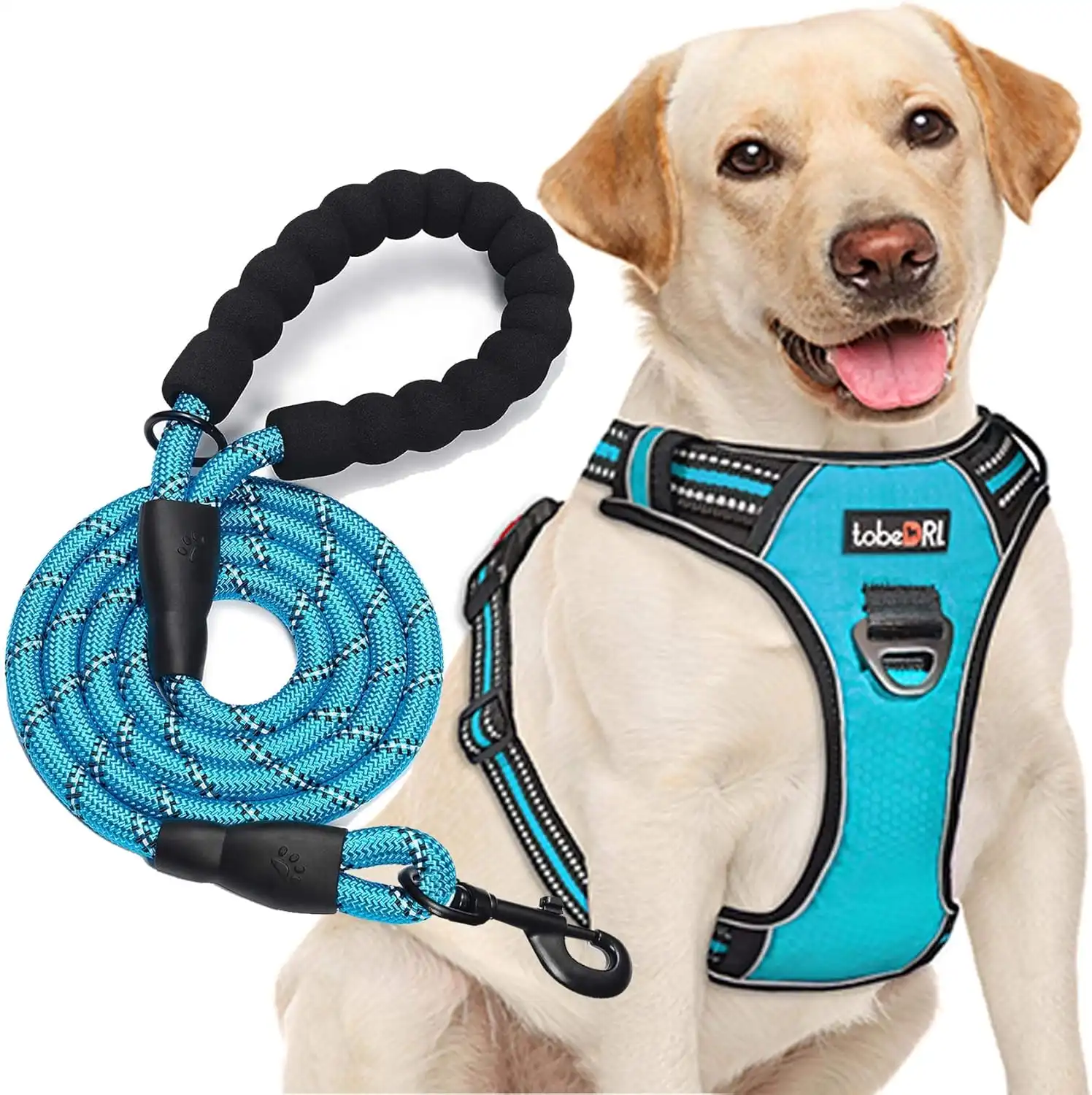
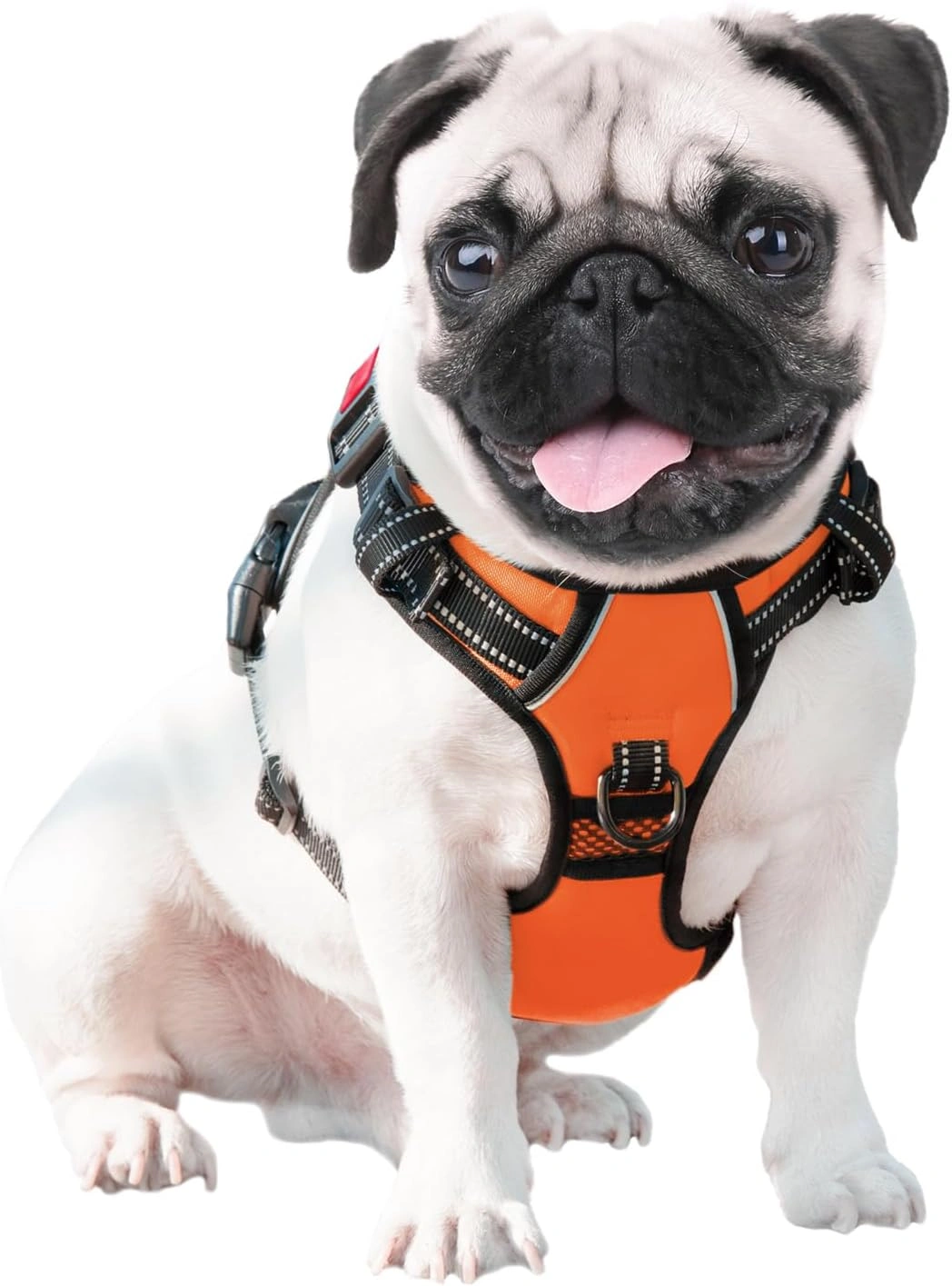
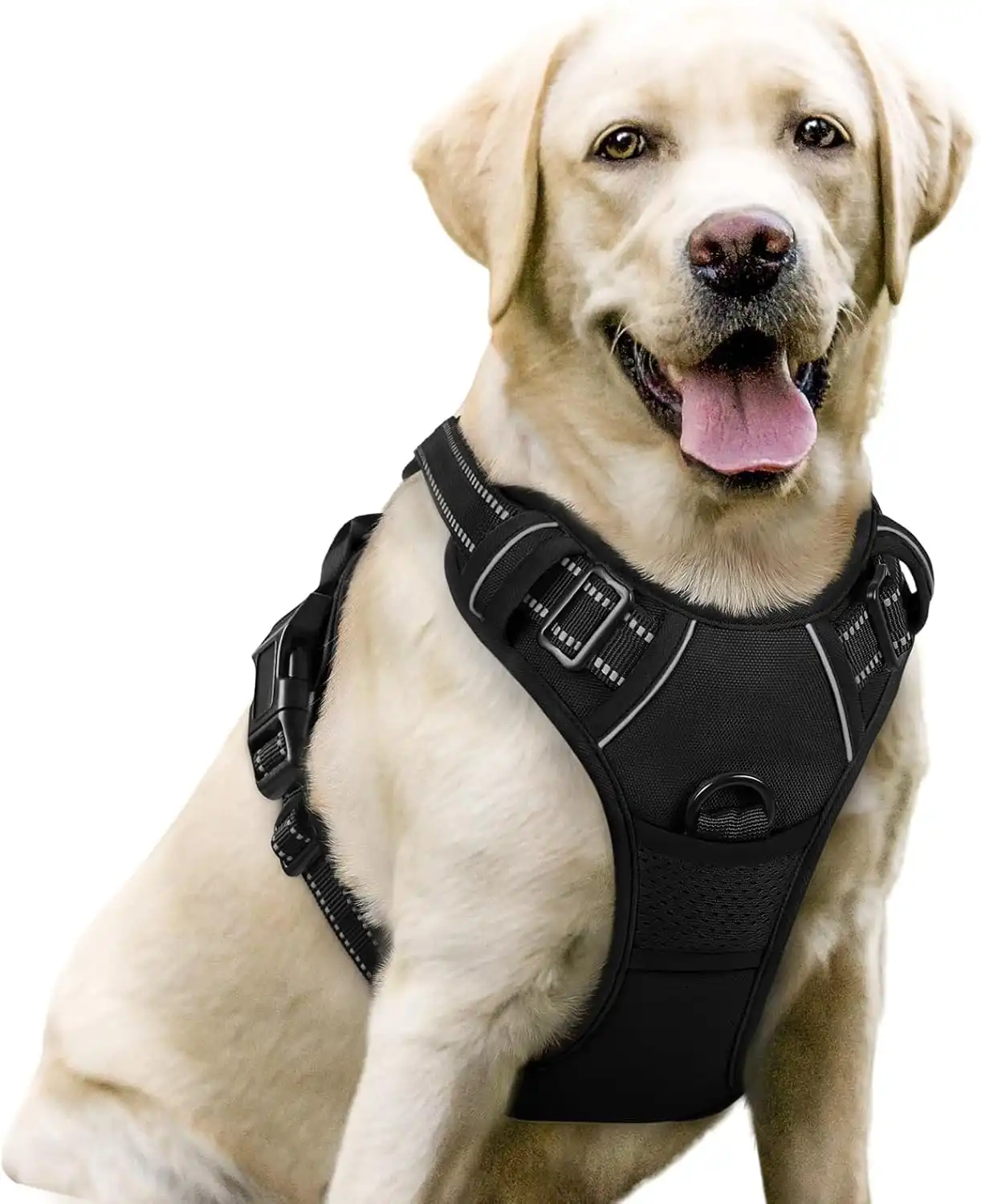
- Dogs (The Power Walkers): Dogs have a sturdier, more rigid frame. Dog harnesses are engineered for Directional Control. They are built to handle the forward momentum of a 70lb Labrador or the erratic zig-zags of a puppy. The chest pieces are broader to distribute pressure across the sternum, preventing strain on the neck and trachea.
2. Material and Weight Sensitivities
In 2026, material science has brought us ultra-lightweight, breathable fabrics that cater specifically to the sensory needs of different animals.
| Feature | Cat Harness | Dog Harness |
| Weight | Ultra-lightweight (to avoid “freeze mode”) | Heavy-duty (to withstand pulling) |
| Texture | Soft mesh or silk-touch nylon | Rugged Oxford cloth or tactical webbing |
| Hardware | Small, plastic “breakaway” or light clips | Heavy metal D-rings and reinforced buckles |
For a cat, a heavy dog harness can feel like a weighted vest, often triggering a “tharn” response where the cat simply tips over and refuses to move. Conversely, a cat harness used on a dog would likely snap under the tension of a moderate pull.
3. Safety Features: Escape-Proof vs. No-Pull
Safety priorities shift depending on who is on the other end of the leash.
For Cats: Security is Key
Because cats are easily spooked by loud noises (like a car backfiring), 2026’s top-rated cat harnesses focus on being escape-resistant. Many now include triple-locking Velcro and “jacket-style” wraps that provide a “swaddle” effect, which can actually help calm an anxious feline while keeping them securely tucked inside.
For Dogs: Control and Training
Dog harnesses often prioritize no-pull technology. Front-clip attachments are standard in 2026, designed to pivot the dog back toward the owner if they try to lunge. You’ll also find sturdy back handles on dog harnesses, allowing owners to lift or steady their pets over obstacles—a feature rarely found (or safe) on cat gear.
4. Why You Should Never Swap Them
It might be tempting to put an “Extra-Small” dog harness on your cat, but experts advise against it. A dog harness is typically cut too low on the chest for a cat, leaving a gap at the shoulders. Because of a cat’s unique anatomy, they can easily slip their front legs through that gap and vanish into the bushes before you can react.
Additionally, the hardware on dog harnesses is often too heavy for a cat’s delicate neck, potentially leading to long-term spinal discomfort.
Summary: Choosing the Right Gear
When shopping for your pet this year, look for species-specific labels. A high-quality cat harness should feel like a second skin, while a dog harness should feel like a supportive piece of athletic equipment.
About the Author

You Might Also Like