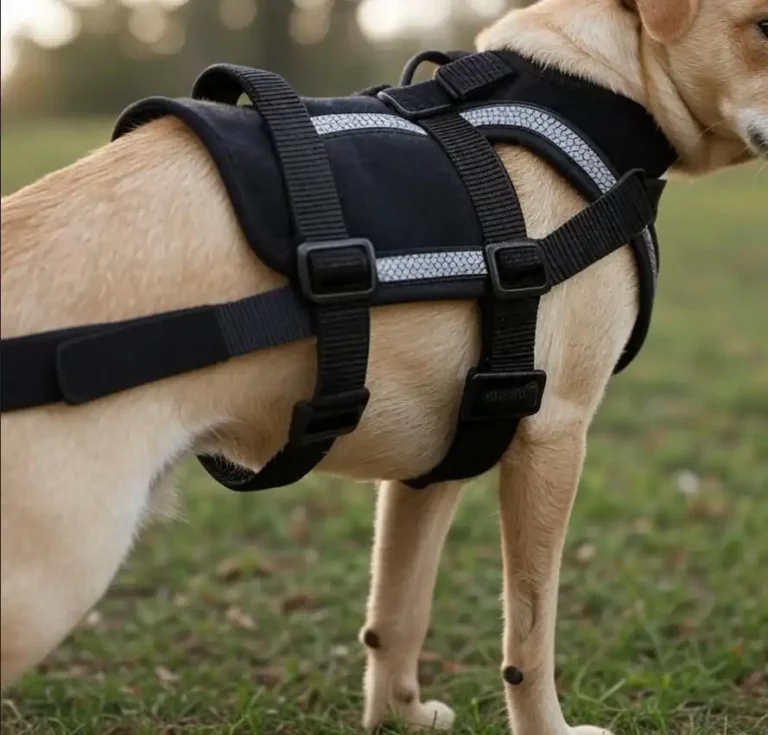
Why Every Pet Parent Needs a Dog Harness With Handle on Back
As we move into 2026, the way we explore the world with our furry companions is evolving. Whether you are navigating a bustling city sidewalk, hiking a rugged mountain trail, or simply helping an older pup into the car, having the right gear is a game-changer. While traditional collars have their place for ID tags, more pet parents are switching to specialized harnesses to ensure maximum safety and comfort.
Among the various designs available today, one particular style has become a “must-have” for active and safety-conscious owners. If you want to provide your pup with extra support while maintaining total control during unpredictable moments, you should consider a Dog Harness With Handle on Back.
What is a Back-Handle Harness?
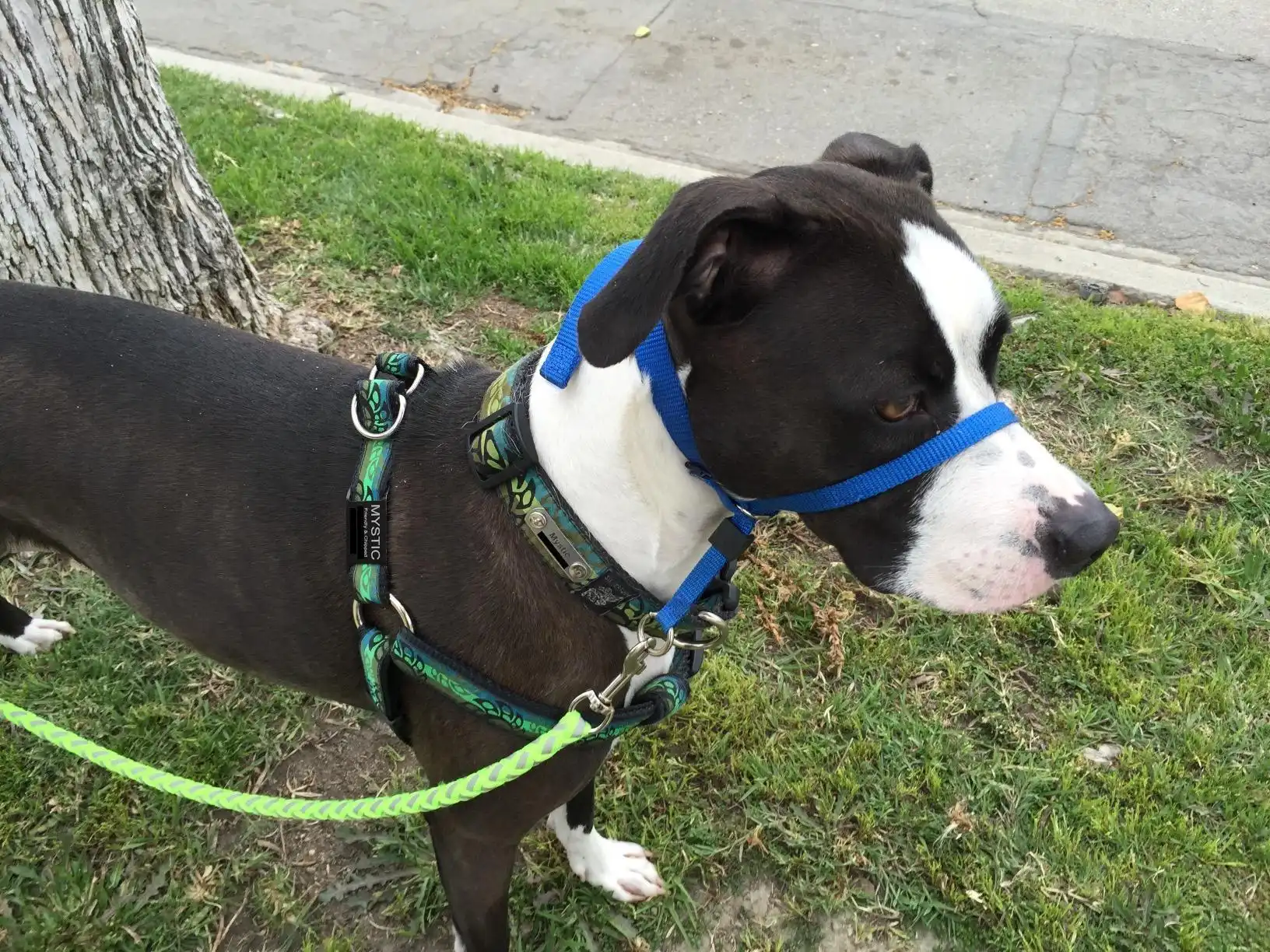
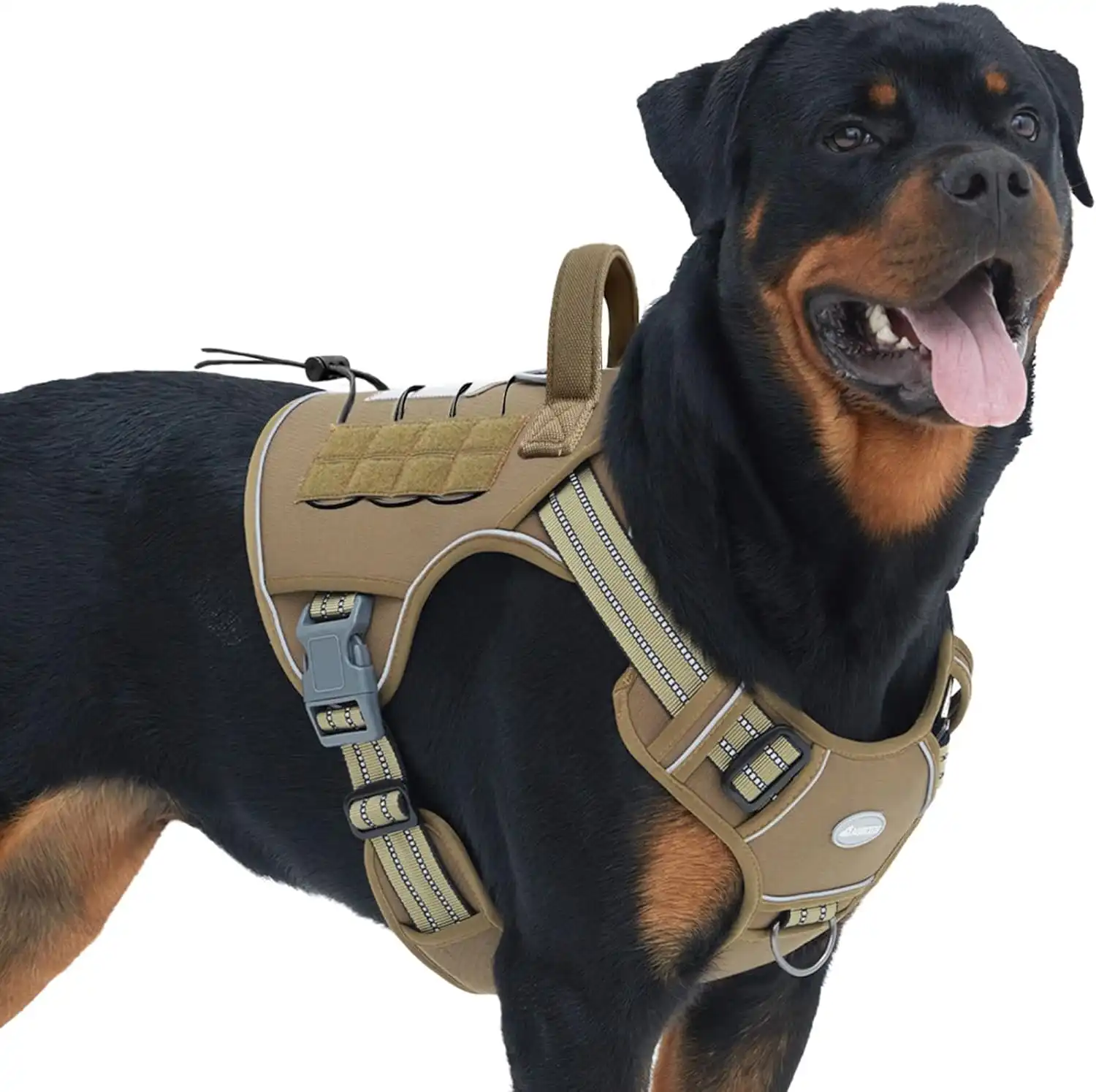
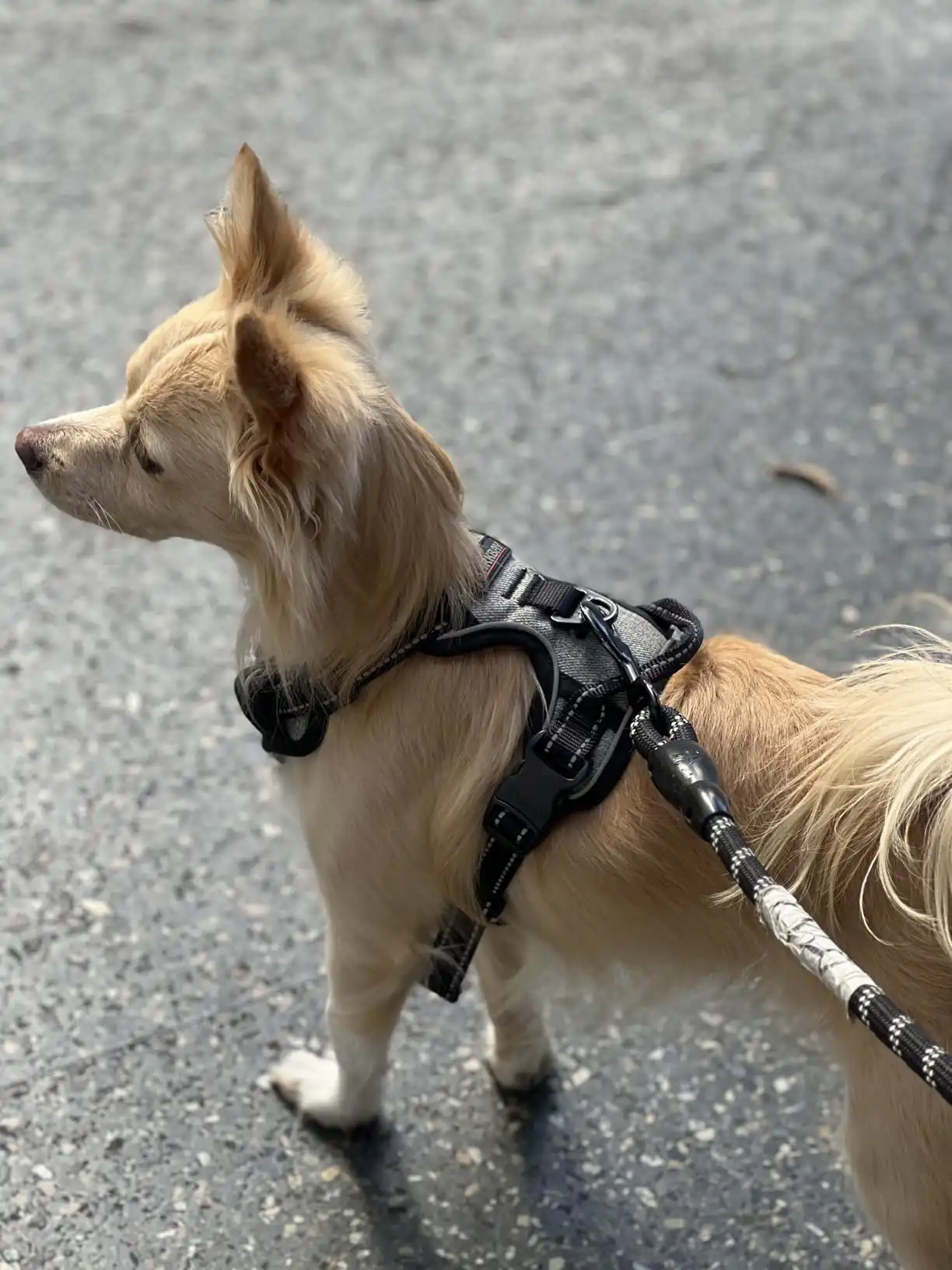
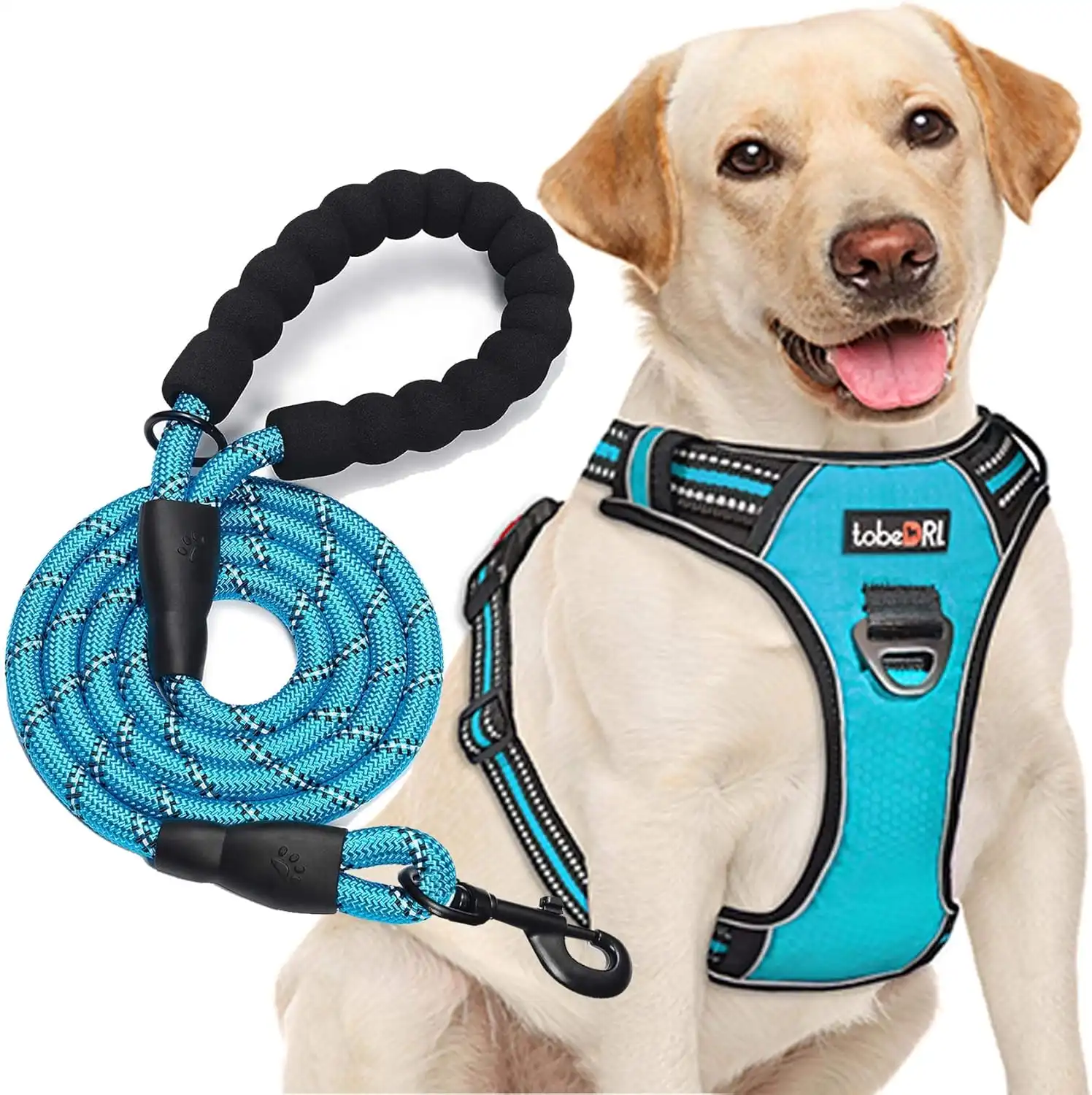
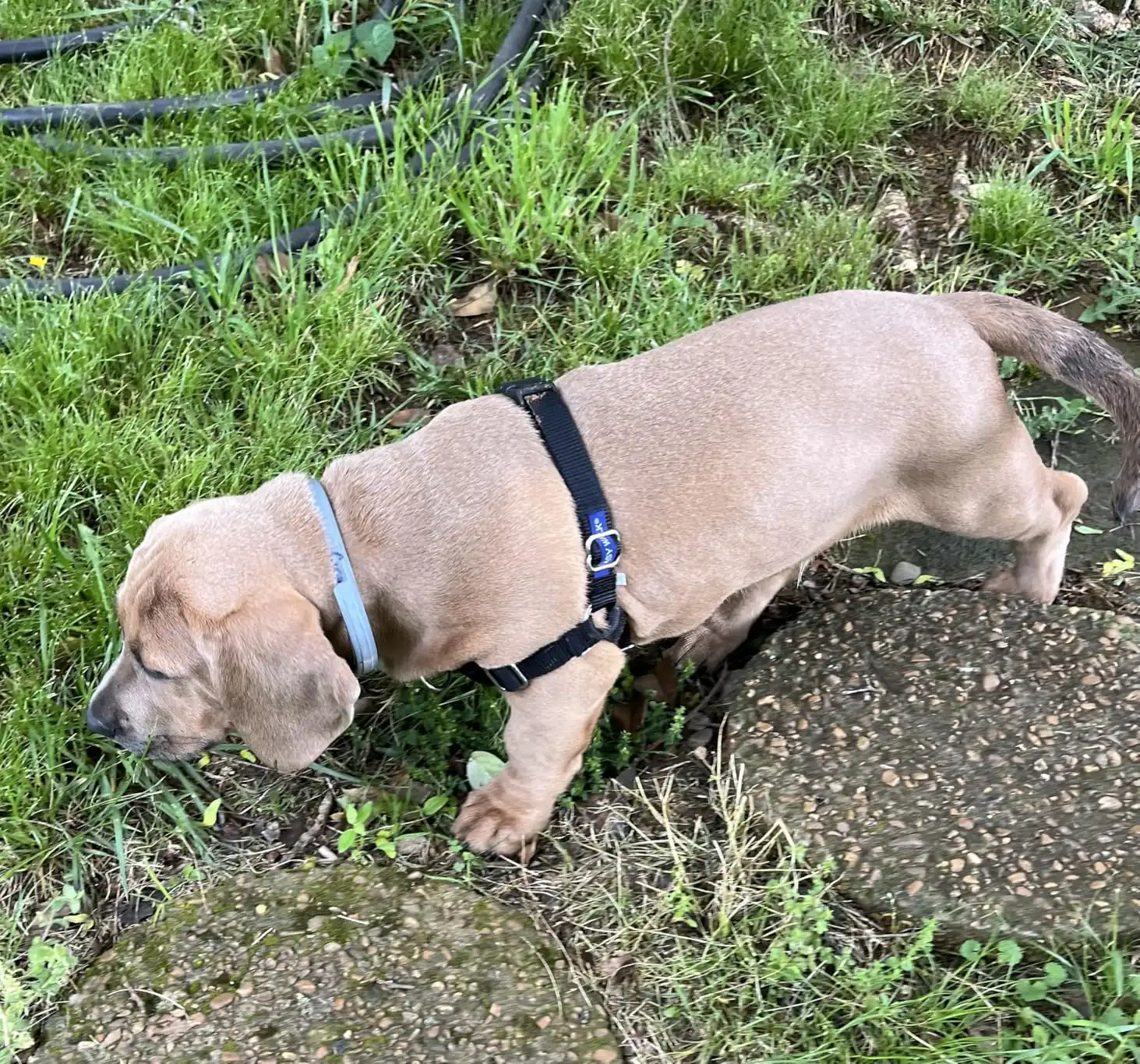

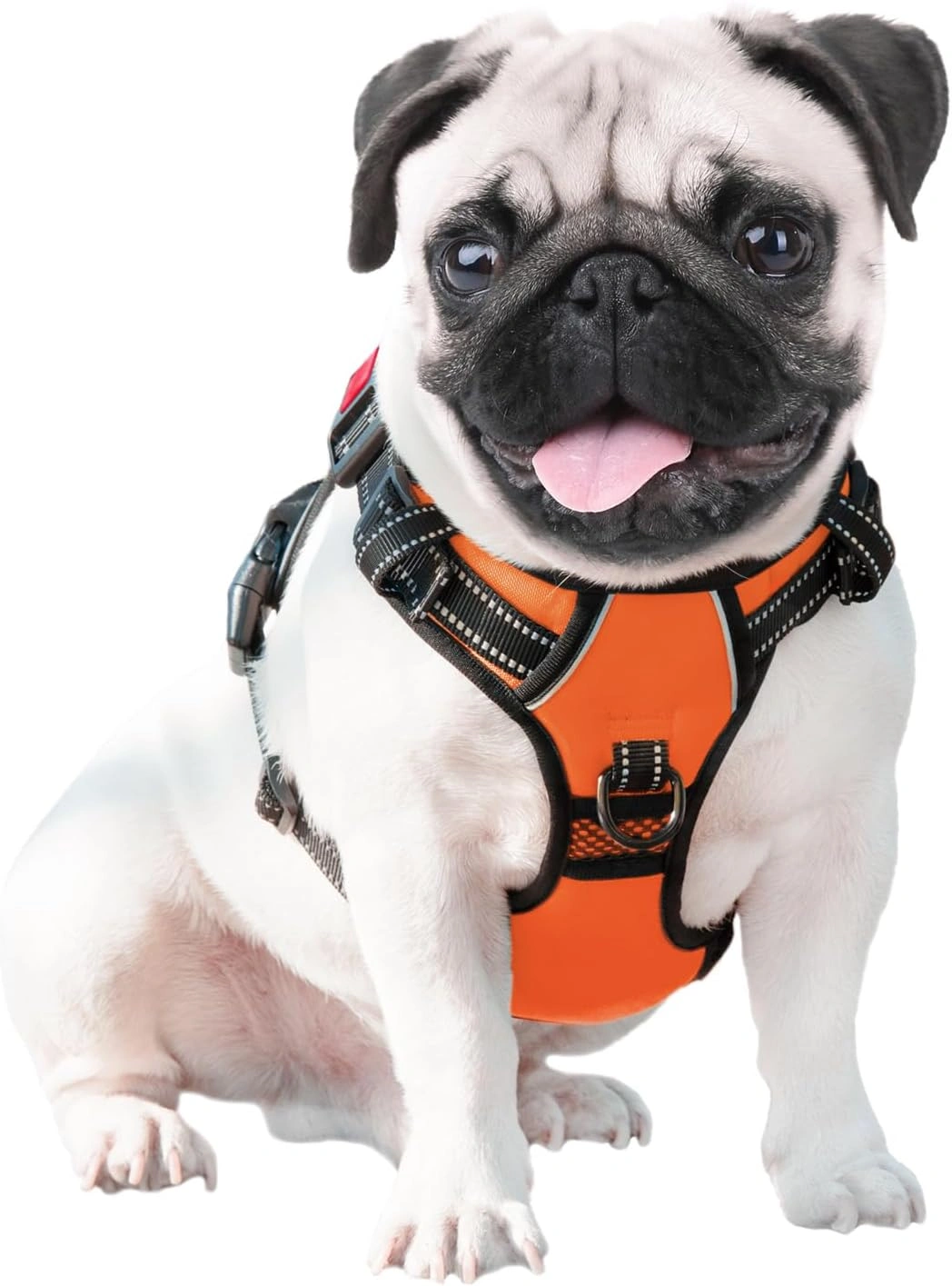
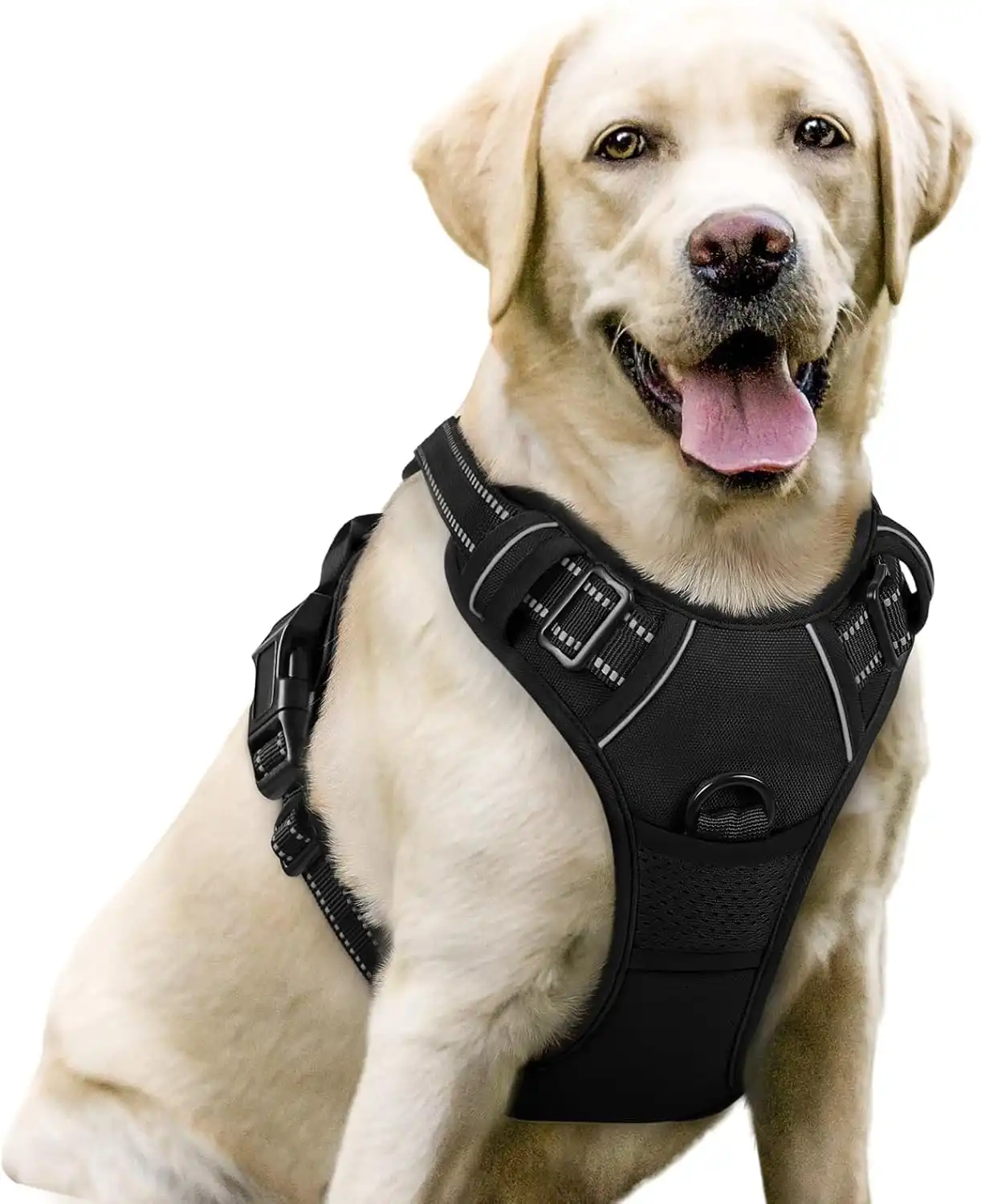



Unlike a standard walking harness, this design features a reinforced, integrated handle located between the shoulder blades or along the spine. Initially popularized by search-and-rescue teams and service dog handlers, these harnesses are now a staple for everyday pet parents.
In 2026, the best models are built with “lift-and-assist” technology, using ergonomic materials that distribute a dog’s weight evenly across the chest and belly rather than putting pressure on the neck or spine.
4 Key Benefits for You and Your Dog
1. Instant Traffic Control
Even the best-trained dog can get spooked by a loud truck or excited by a passing squirrel. A back handle allows you to “short-leash” your dog instantly without fumbling for the lead. It’s the quickest way to keep them close at crosswalks or in crowded spaces.
2. Support for Senior Pups and Mobility Issues
For dogs dealing with arthritis, hip dysplasia, or recovery from surgery, a handle is a lifesaver. It allows you to gently assist them in standing up or provide a “boost” when they are tackling stairs or jumping into an SUV, reducing the strain on their joints and your back.
3. Safety During Outdoor Adventures
If you love hiking, a handle is essential. You can use it to help your dog over fallen logs, across shallow streams, or stabilize them on slippery rocks. Modern 2026 designs often include “breathable ripstop” fabrics that keep them cool while being tough enough to handle the weight of a lift.
4. Better Training Transitions
For “escape artists” or dogs that jump when meeting new people, the back handle provides a physical point of contact that a leash simply can’t match. It helps you guide their body language more effectively, making training sessions calmer and more productive.
What to Look for in 2026: Safety & Material Standards
When shopping for a harness this year, don’t just look at the color! High-quality gear should meet these updated safety benchmarks:
| Feature | What to Look For | Why it Matters |
| Padded Chest Plate | EVA Foam or Neoprene | Prevents chafing and protects the trachea. |
| Buckle Strength | Military-grade Polymer or Metal | Ensures the harness won’t snap under high tension. |
| Visibility | 360° Reflective Stitching | Vital for safety during early morning or late-night walks. |
| Handle Design | Ergonomic & Padded | Prevents “hand fatigue” for the owner during a lift. |
| Adjustability | 4 to 5 Adjustment Points | Ensures a custom fit that prevents the dog from backing out. |
How to Get the Perfect Fit
A harness is only safe if it fits correctly. To find the right size, use a soft measuring tape to check the widest part of your dog’s ribcage (the girth) and the base of their neck.
The Two-Finger Rule: Once the harness is on, you should be able to fit two fingers comfortably between the straps and your dog’s skin. If it’s too loose, they might slip out; too tight, and it could cause skin irritation.
Final Thoughts
Investing in a high-quality harness isn’t just about style—it’s about the confidence that comes with knowing you can protect your dog in any situation. From the city streets to the mountain peaks, the added control of a back handle makes every walk a little safer and a lot more fun.
About the Author

You Might Also Like