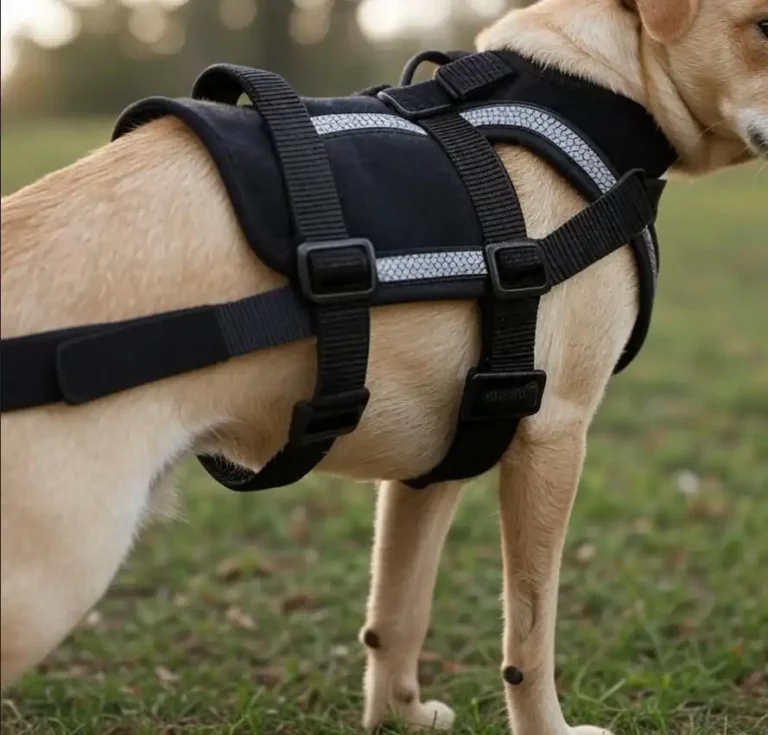
Top Ez Dog Harness Guide: Safe & Easy Walks 2026
Every pet parent knows the feeling: you grab the leash, and suddenly your calm companion turns into a high-speed locomotive. Whether you are navigating busy city sidewalks or exploring a quiet trail, the right gear makes all the difference between a stressful tug-of-war and a peaceful stroll. In 2026, the focus for pet gear has shifted toward ergonomic support and “quick-fit” technology that respects a dog’s natural anatomy while giving owners total confidence.
Finding a solution that balances comfort with control doesn’t have to be a struggle for you or your pup. If you are looking for a streamlined way to gear up for your daily adventures without the hassle of complicated straps, the Ez Dog Harness is the go-to choice for modern pet owners who value safety and simplicity.
Why Pet Parents Are Swapping Collars for Harnesses
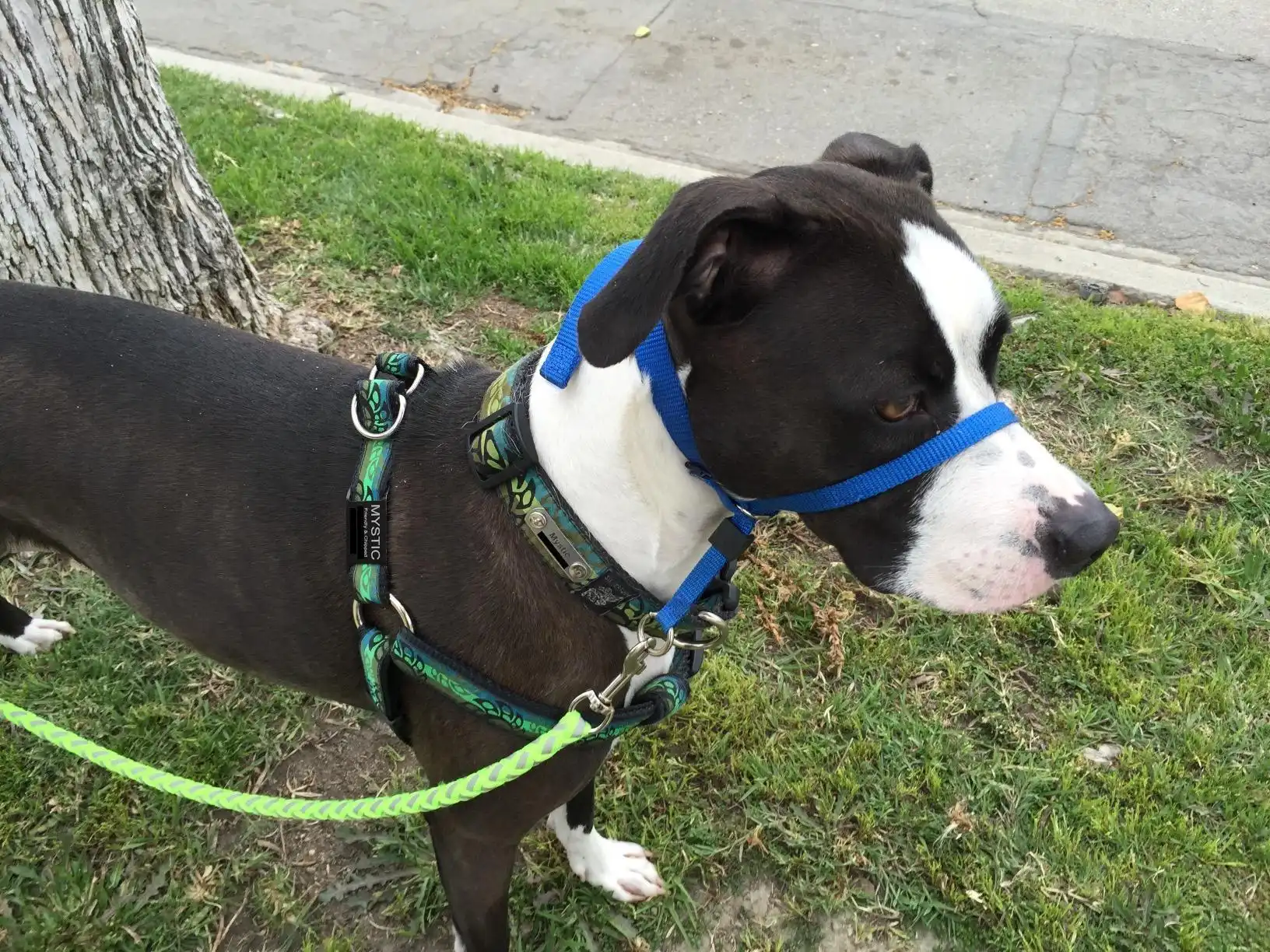
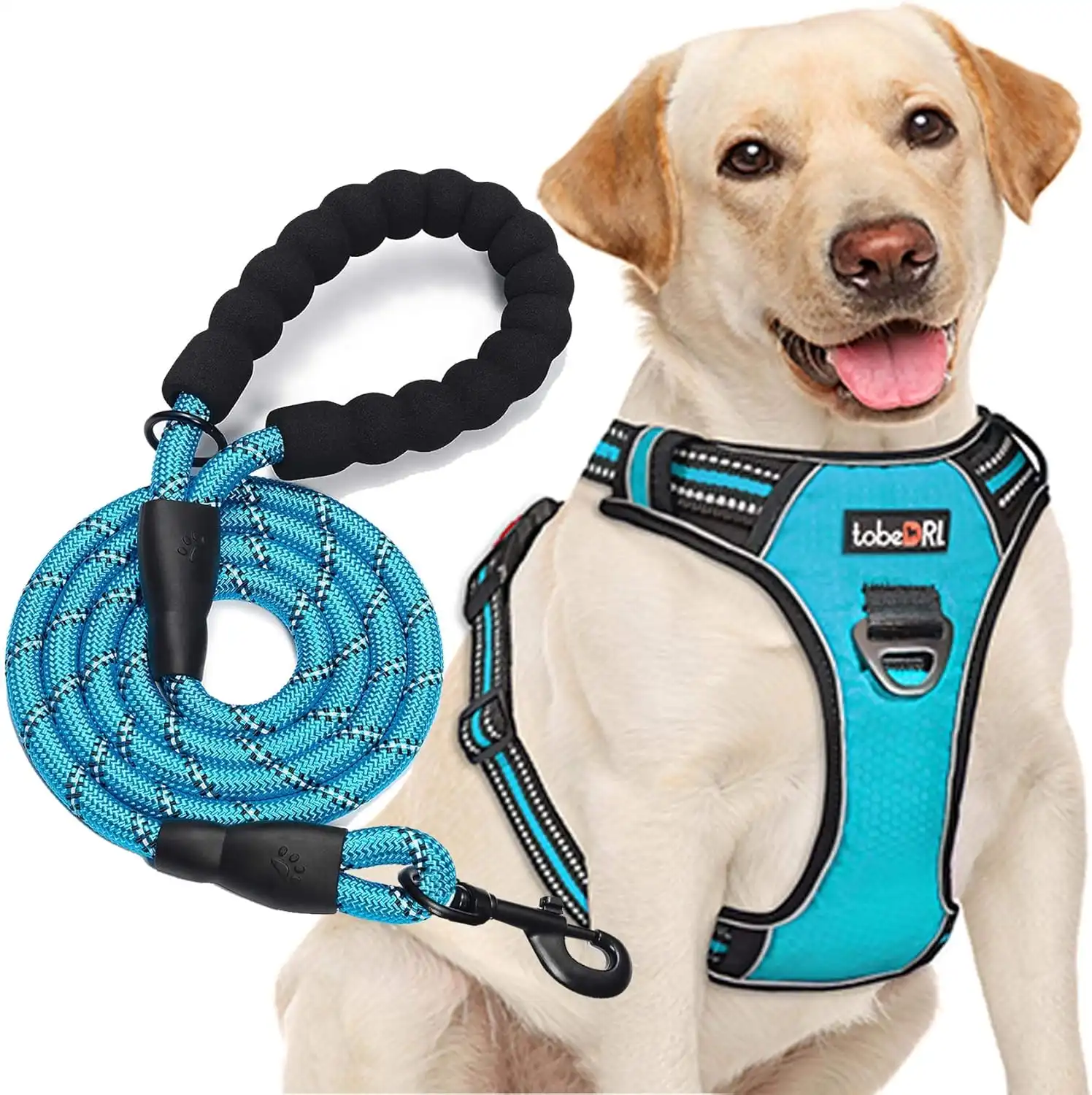
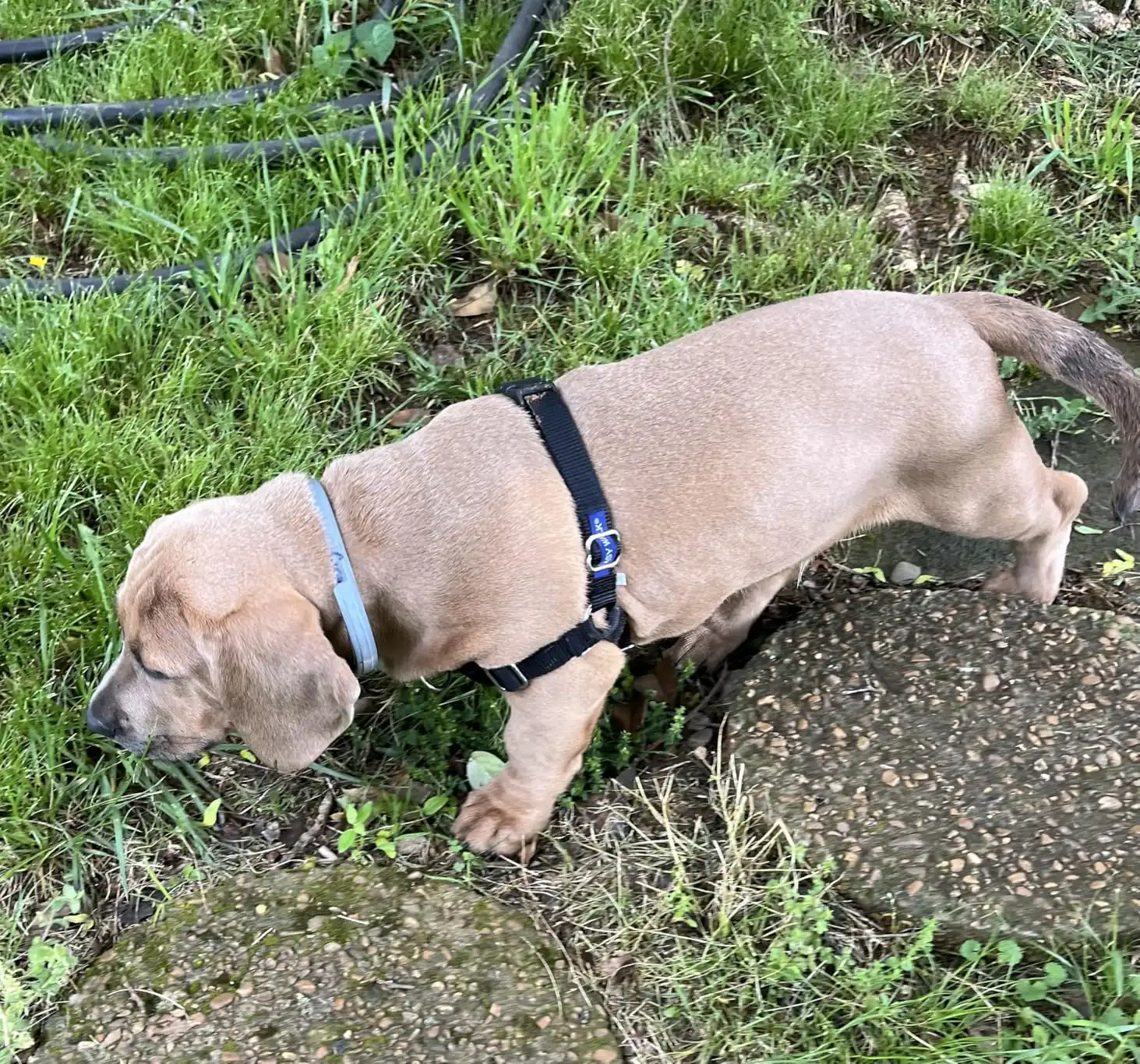

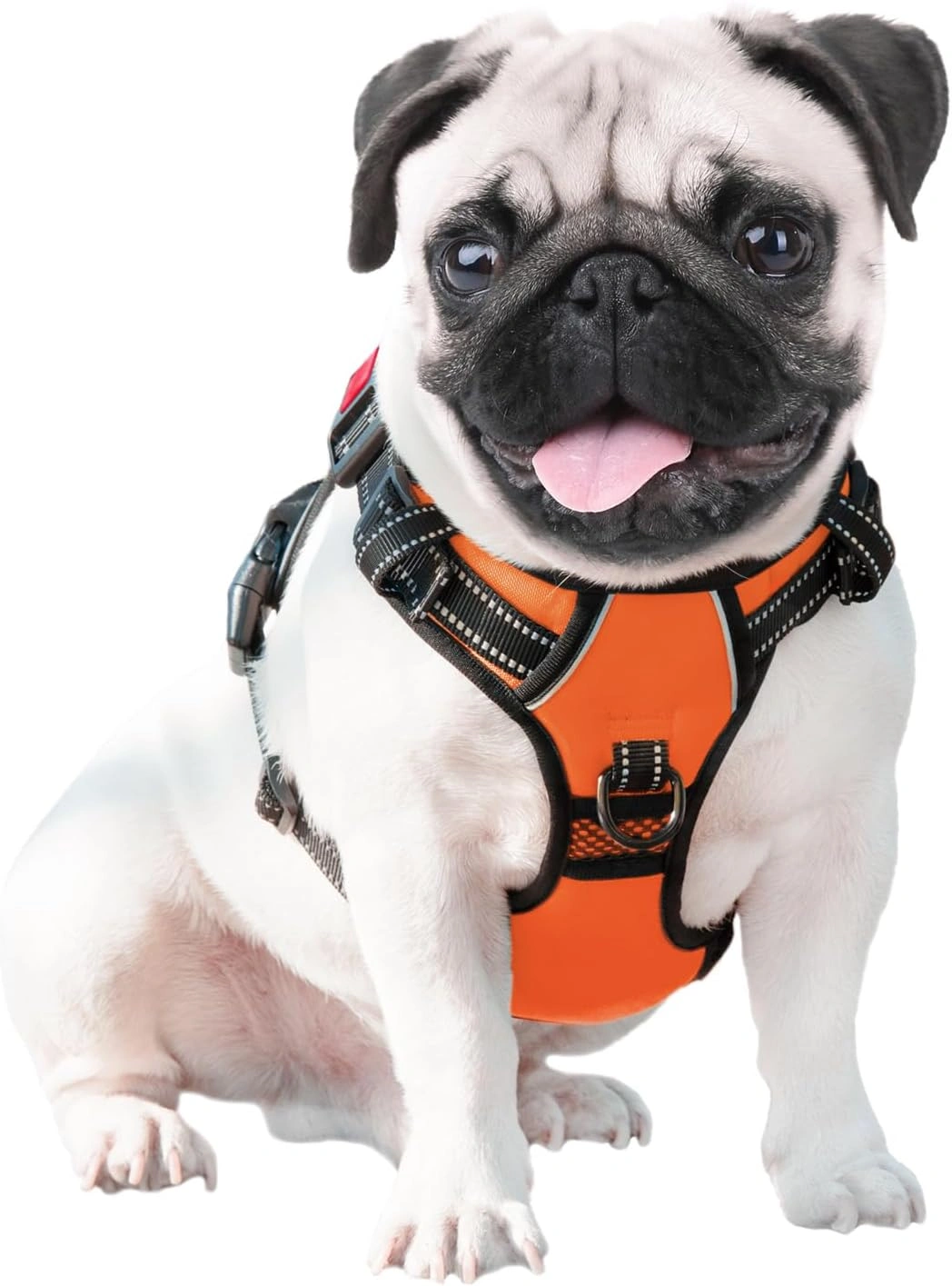
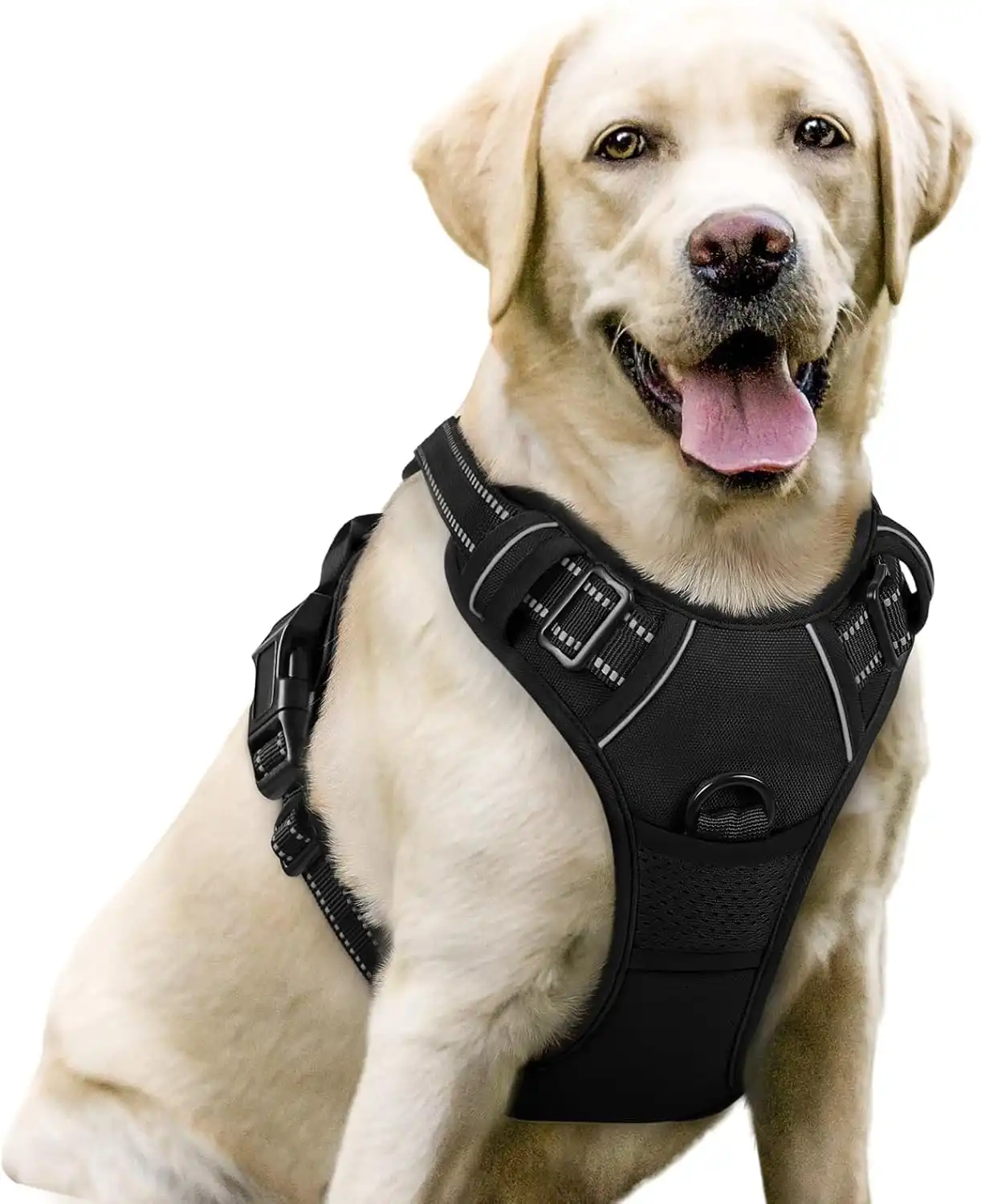
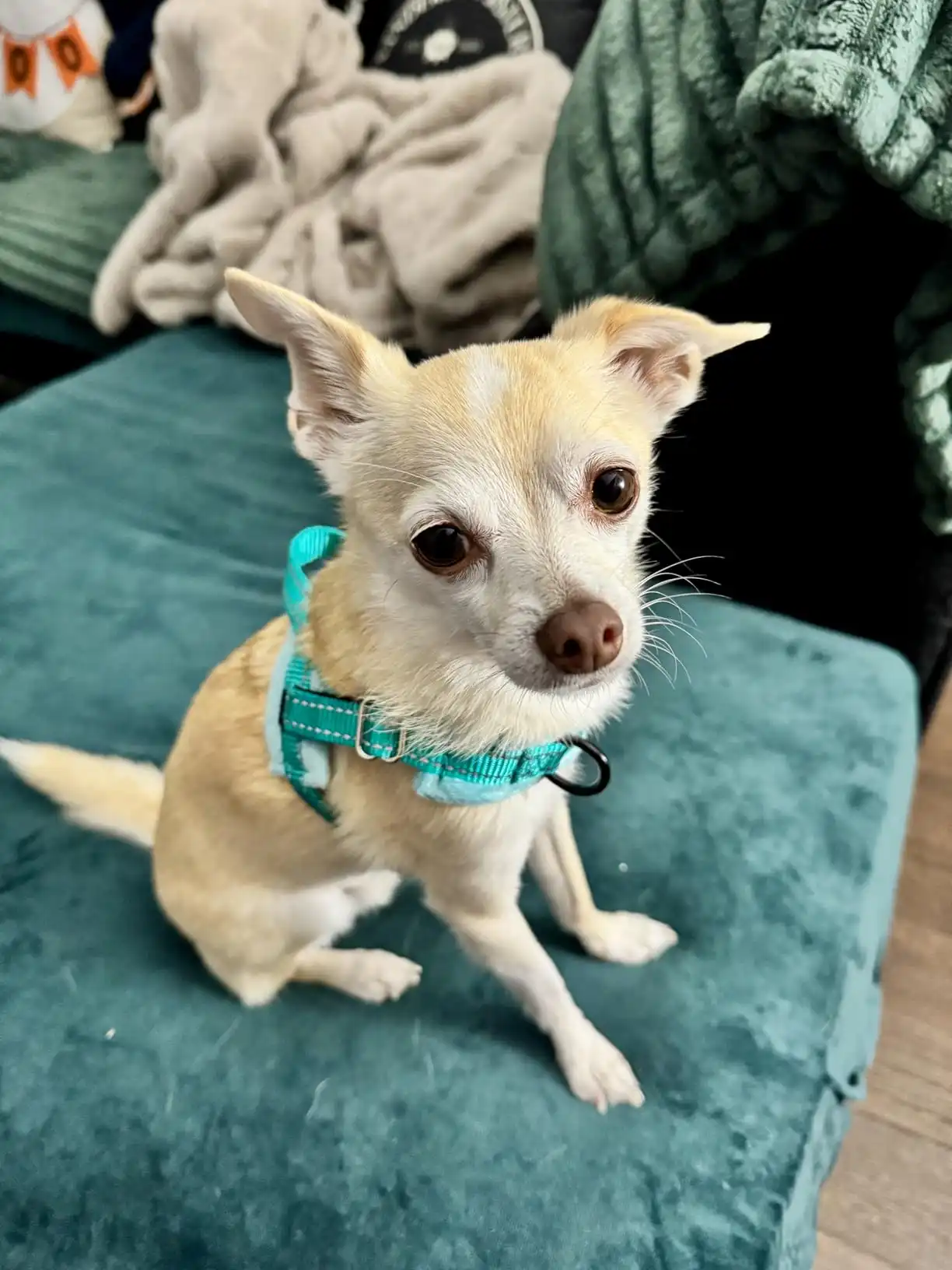


In recent years, veterinarians and professional trainers have reached a consensus: for most breeds, a harness is a far safer alternative to a traditional collar. Collars can put immense pressure on a dog’s trachea and neck, leading to long-term health issues—especially for “brachycephalic” (flat-faced) breeds like Pugs or Bulldogs.
A well-designed harness distributes pressure evenly across the chest and shoulders. This not only prevents injury but also offers:
- Better Control: It is much easier to guide a large or energetic dog when you have a secure point of contact on their torso.
- Training Support: No-pull designs help redirect your dog’s momentum without causing pain.
- Security: For “escape artists” who know how to back out of a collar, a fitted harness provides a much more secure fit.
Key Features to Look for in 2026
Technology in pet gear has come a long way. When shopping for an Ez Dog Harness style, keep these 2026 safety and comfort standards in mind:
1. Ergonomic “Y-Shape” Design
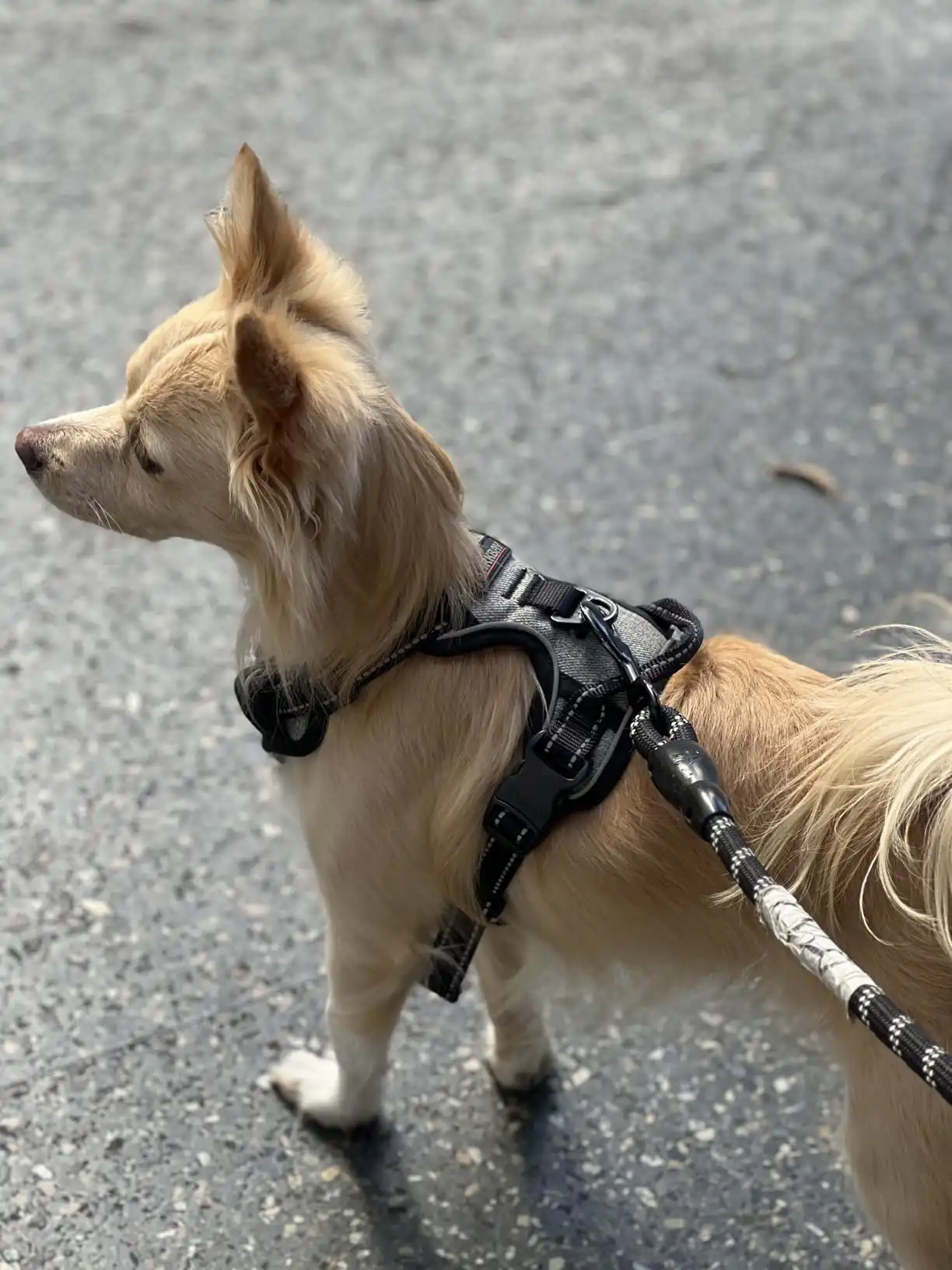
The best harnesses today utilize a Y-shape that sits below the throat. This ensures the windpipe stays clear and the shoulders have a full range of motion. If a harness sits too high or goes straight across the chest, it can restrict your dog’s natural gait and lead to joint discomfort.
2. Breathable, Anti-Chafe Materials
Look for materials like neoprene or lightweight mesh. These are essential for preventing “hot spots” and rubbing, especially in sensitive areas like the armpits. In 2026, many high-end harnesses also feature “memory foam” padding that contours to your dog’s specific body shape over time.
3. Integrated Safety Features
Visibility is no longer an afterthought. Look for:
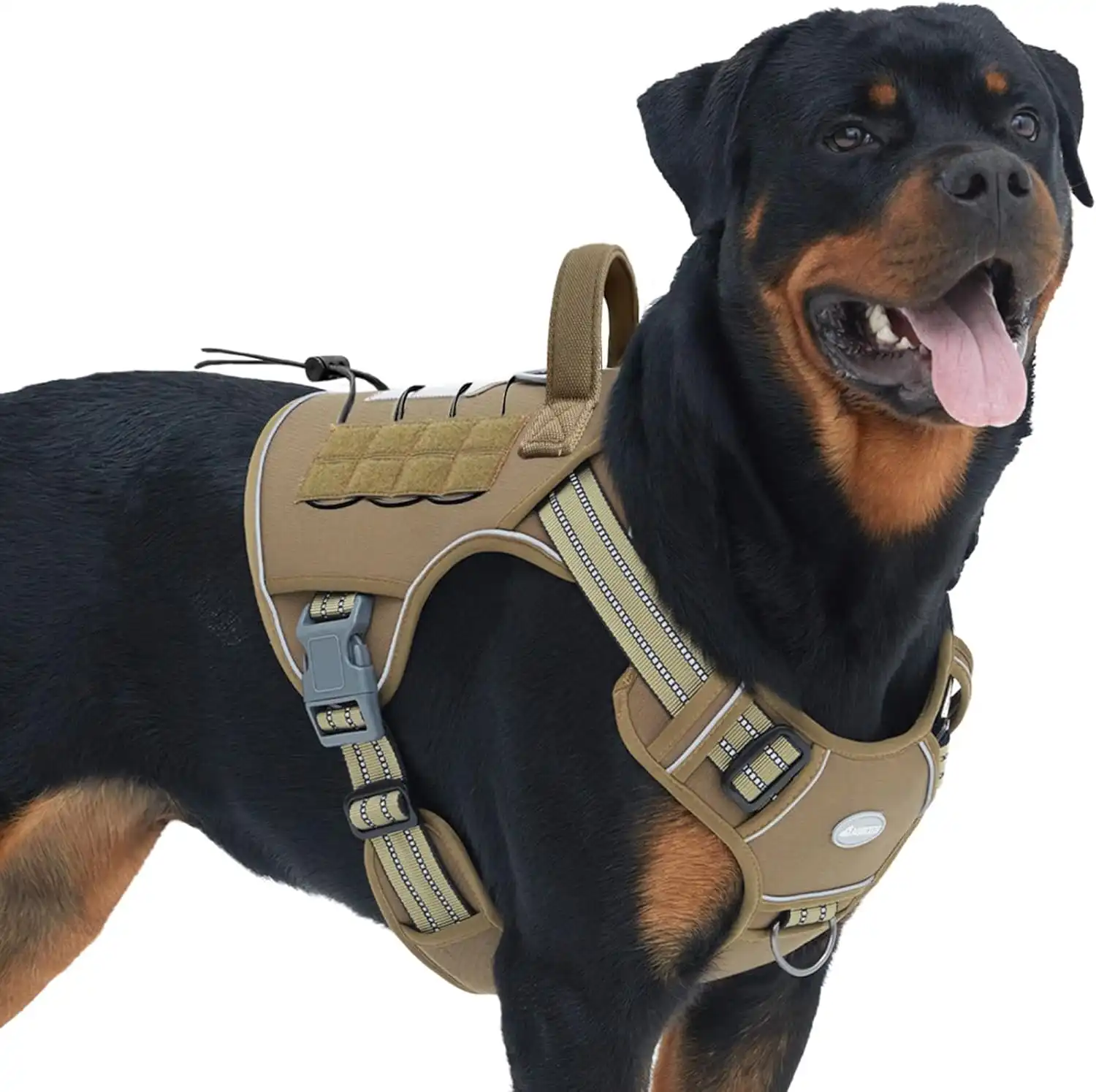
- 360° Reflective Trim: Essential for those early morning or late evening bathroom breaks.
- Molded Grab Handles: A sturdy handle on the back allows you to quickly secure your dog in crowded areas or help them over obstacles during a hike.
How to Get the Perfect Fit
A harness is only as good as its fit. If it’s too loose, your dog can slip out; if it’s too tight, it can cause skin irritation. Follow the “Two-Finger Rule”: once the harness is buckled, you should be able to snugly fit two fingers between the strap and your dog’s body.
Pro Tip: Always measure your dog’s “girth”—the widest part of their chest just behind the front legs—before ordering. This is the most accurate measurement for ensuring a secure fit.
Keeping Your Gear in Top Shape
To ensure your dog’s safety, perform a “gear check” once a month. Look for frayed webbing, cracked plastic buckles, or rusted metal D-rings. If you frequently visit the beach or go hiking, rinse the harness with fresh water after use to remove salt and grit that can degrade the fabric.
Choosing the right walking gear is one of the simplest ways to improve your dog’s quality of life. By prioritizing a design that is easy to use and anatomically supportive, you’re setting the stage for years of happy, healthy walks together.
About the Author

You Might Also Like