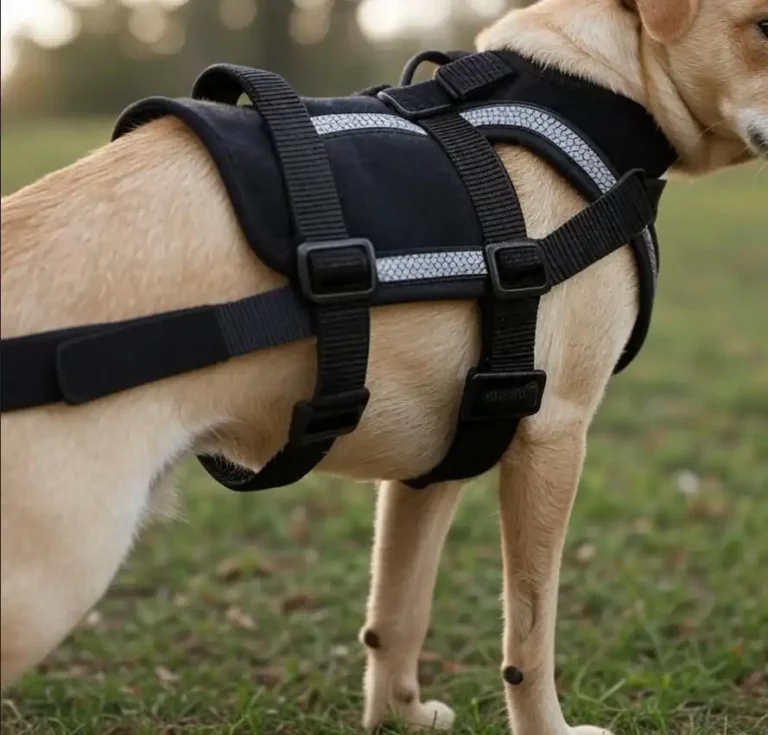
Why a Front Dog Harness Is a 2026 Essential
Every pet parent knows the feeling: the sun is out, the leash is ready, but the moment you step outside, your calm companion turns into a furry freight train. If your daily walks feel more like a high-intensity workout than a relaxing stroll, you aren’t alone. In 2026, pet safety and walking ergonomics have reached a new peak, moving away from restrictive collars toward gear that works with your dog’s natural movements.
The secret to transforming these chaotic outings lies in one specific piece of gear. By shifting the leash attachment point from the neck to the chest, a Front Dog Harness allows you to guide your pup with gentle redirection rather than force, making every walk a bonding experience rather than a tug-of-war.
Why the “Front-Clip” Design is a Game Changer
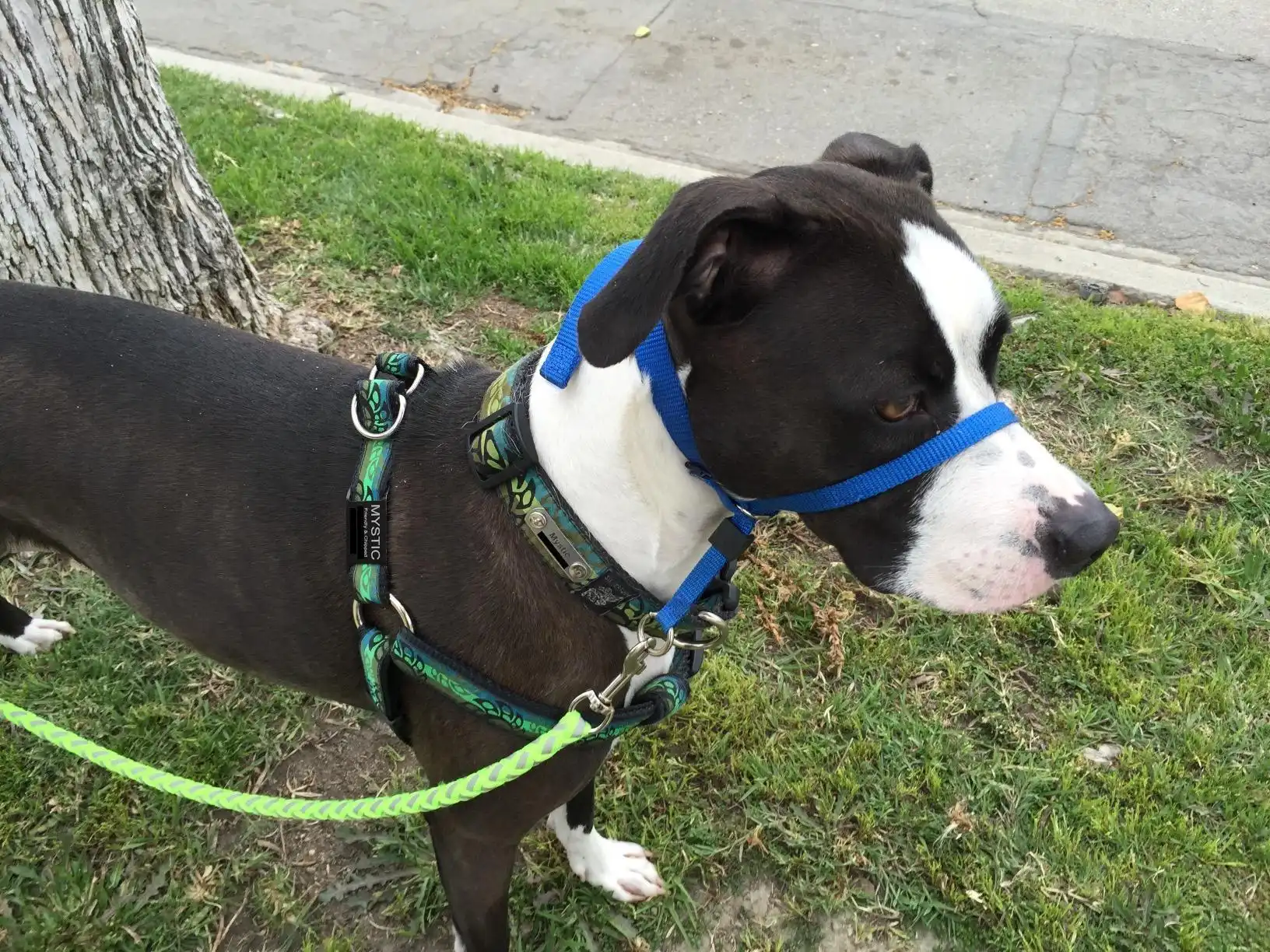
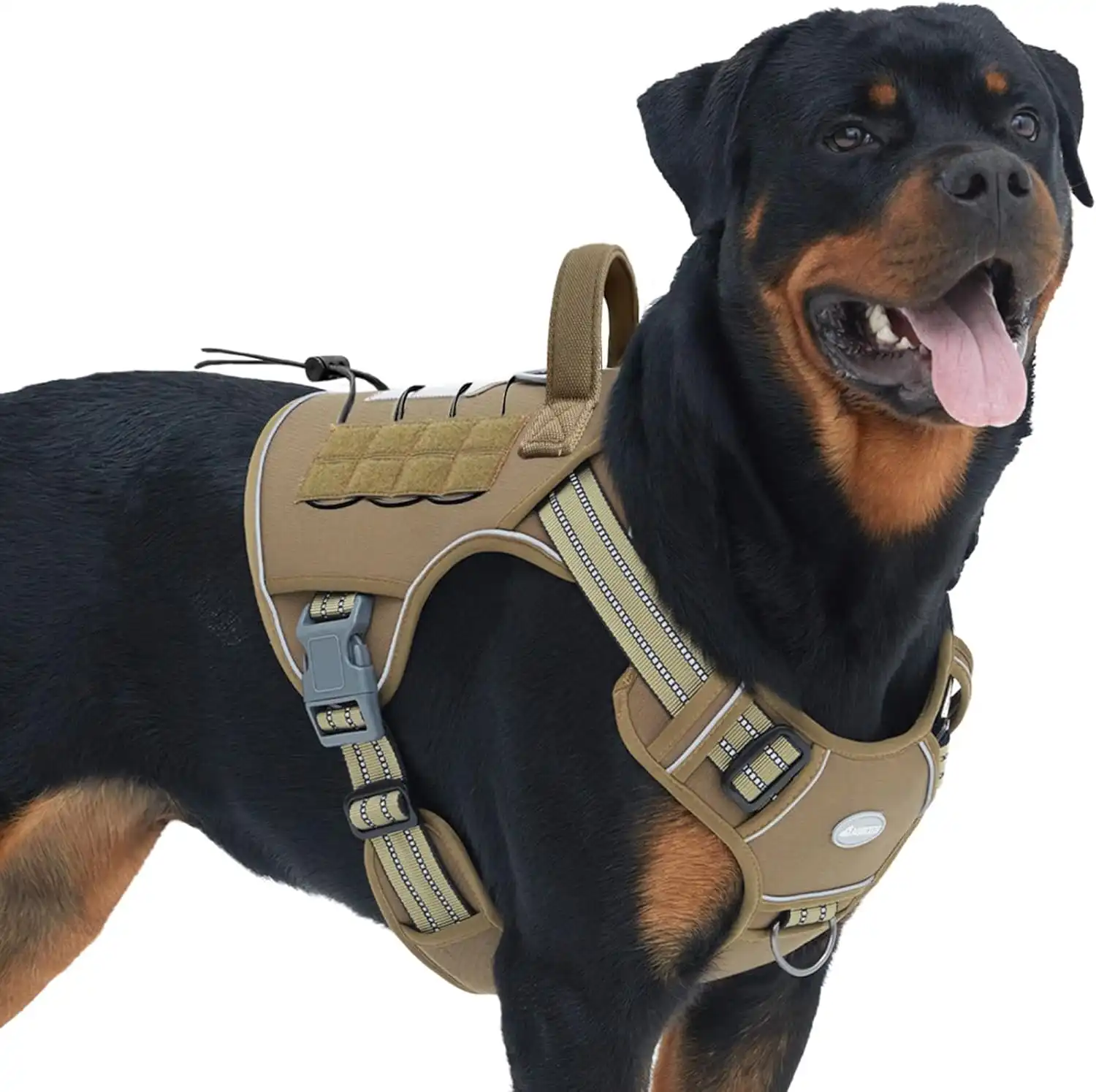
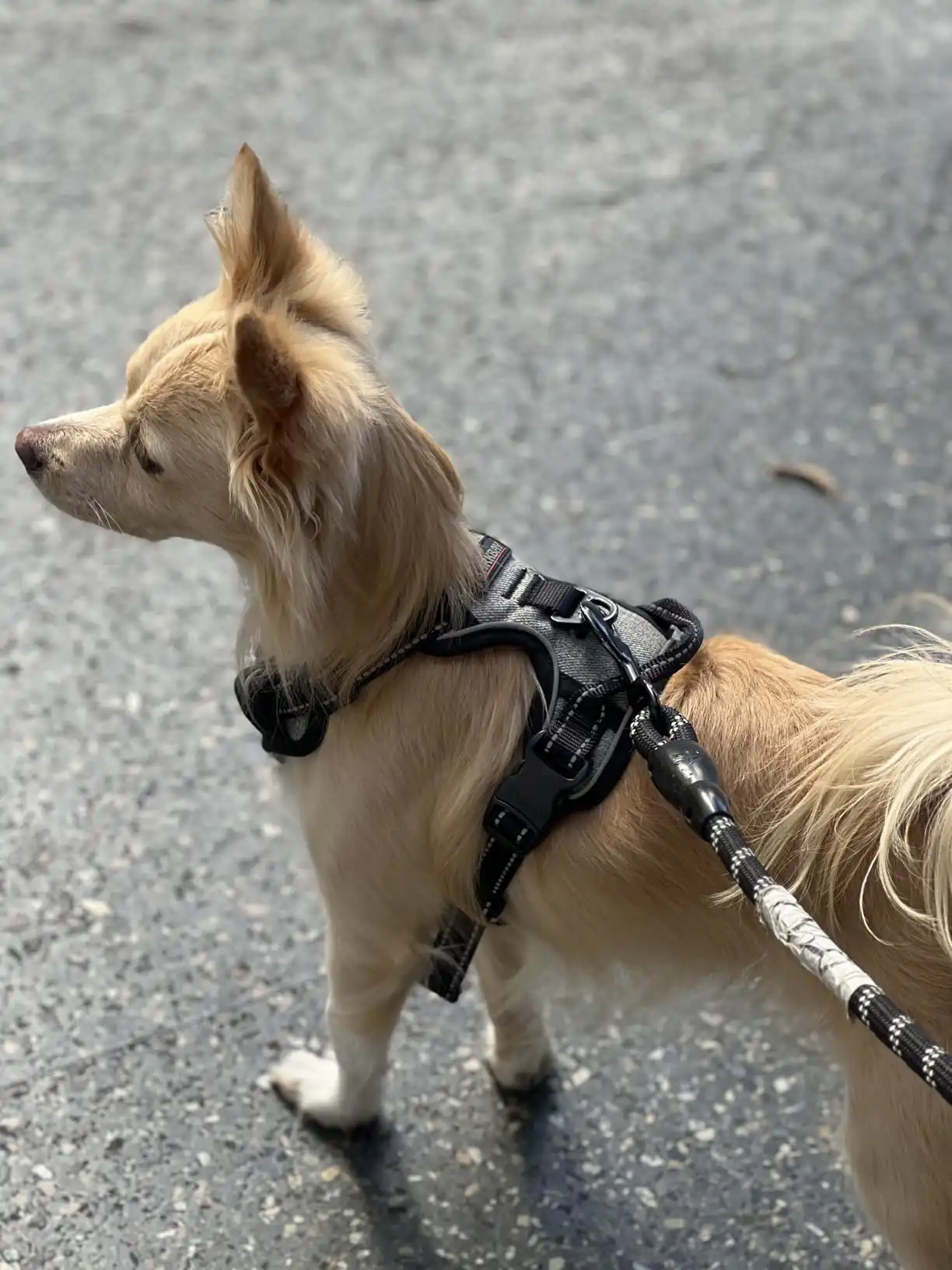
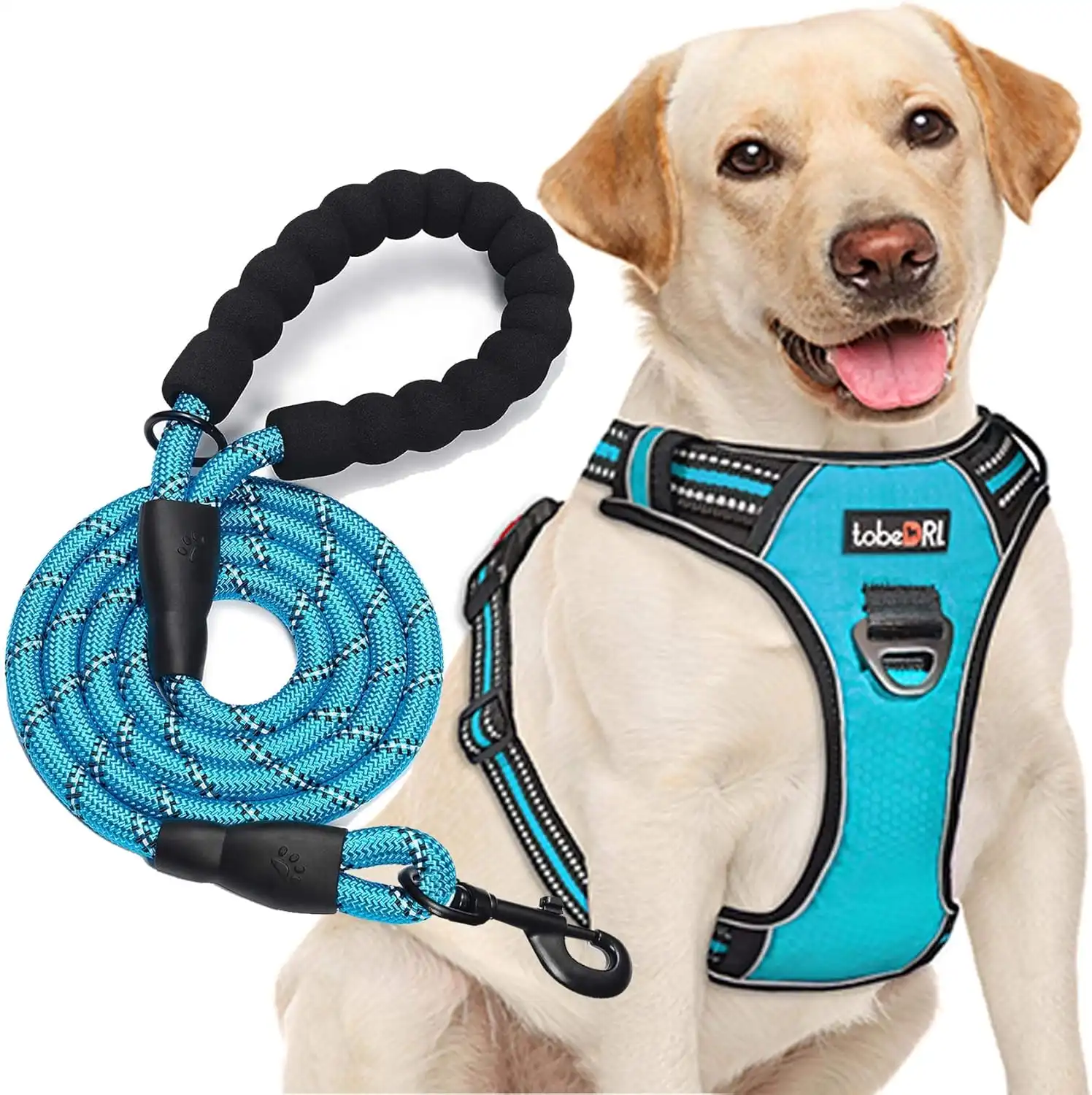


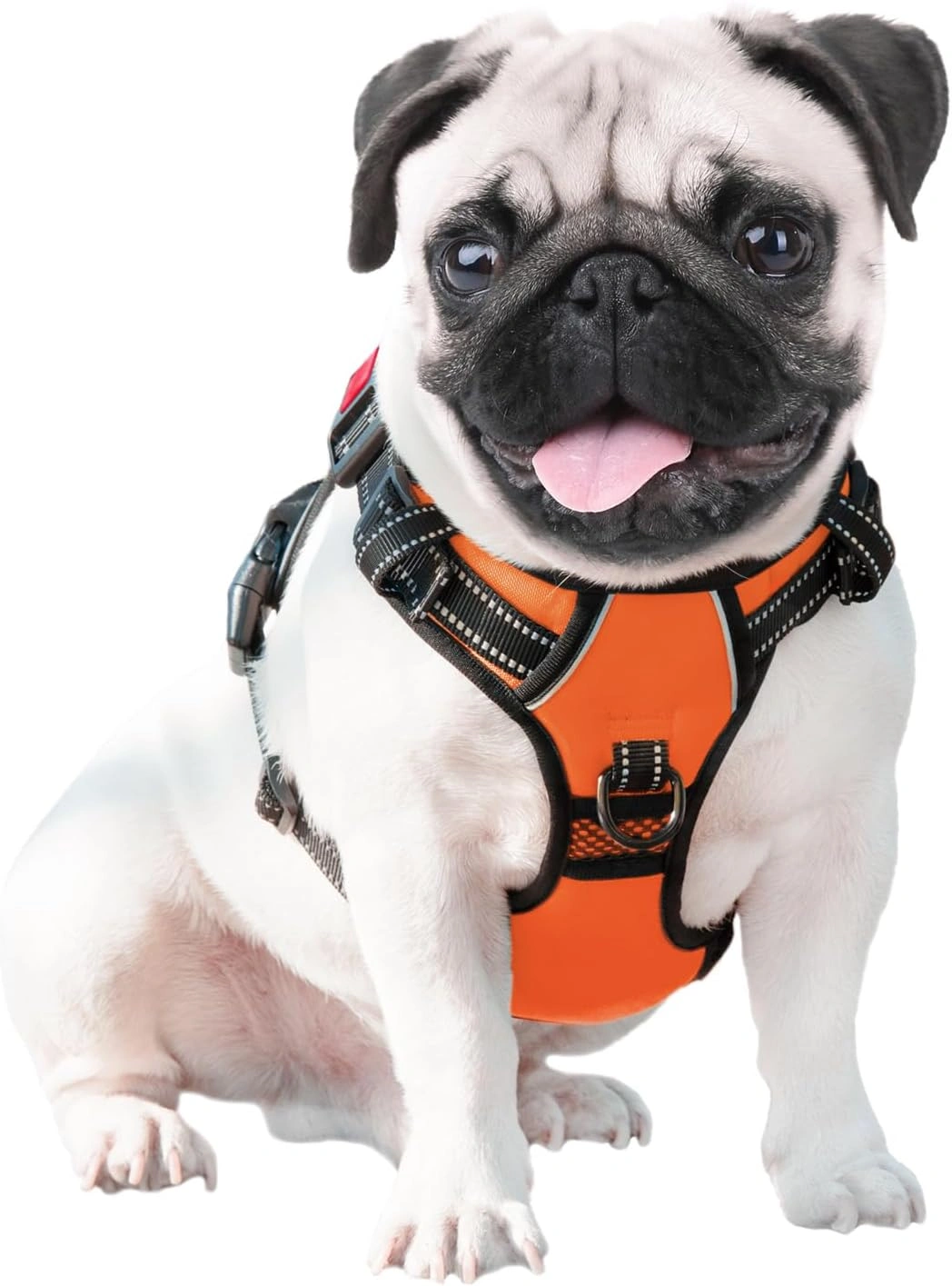
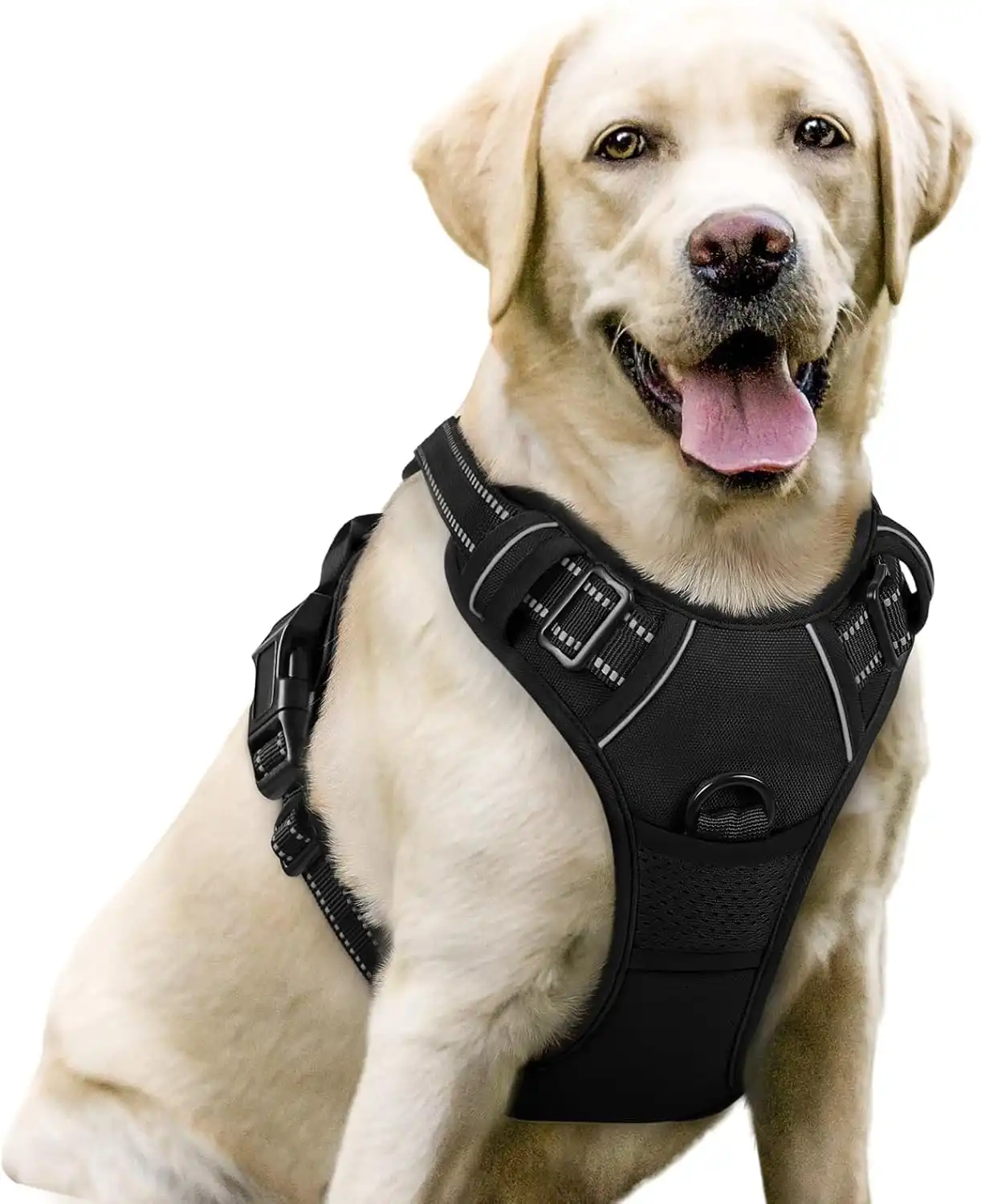



Traditional harnesses often feature a clip on the back. While great for calm walkers, back clips can actually trigger a dog’s “opposition reflex”—the natural instinct to pull against pressure (think of sled dogs!).
A front-clip design changes the physics of the walk. When your dog lunges forward, the tension on the front D-ring gently pivots them back toward you. This doesn’t hurt them; it simply halts their forward momentum and reminds them to check in with their favorite human.
Key Benefits for 2026 Pet Parents:
- Neck Safety: Protects the delicate thyroid and trachea from the “choke” effect of standard collars.
- Better Steering: Much like a horse’s halter, controlling the chest gives you control over the dog’s direction.
- Training Support: It is the gold-standard tool for teaching “loose leash” walking to puppies and reactive dogs.
Features to Look for in 2026
Not all harnesses are created equal. As we move into 2026, the latest innovations focus on sustainability, visibility, and bio-mechanical comfort.
1. Y-Shaped Ergonomics
Look for a “Y” shape rather than a “T” shape across the chest. The Y-design ensures the shoulders can move freely without the straps cutting into the joints. This is crucial for preventing long-term mobility issues.
2. Sustainable, Breathable Materials
The modern pet parent prioritizes the planet. Seek out harnesses made from recycled ocean plastics or breathable “air-mesh” that keeps your dog cool during summer heatwaves.
3. Smart Safety Add-ons
2026 models often include integrated loops for GPS trackers and 360-degree reflective stitching. Some high-end versions even feature “Aero-padding” to prevent chafing on short-haired breeds.
How to Get the Perfect Fit
A harness is only as good as its fit. If it’s too loose, your dog might “Houdini” their way out; too tight, and it causes skin irritation.
| Measurement Area | How to Measure | The 2-Finger Rule |
| Lower Neck | Measure at the base where the neck meets the shoulders. | Ensure you can slide two fingers under the strap. |
| Chest Girth | Measure the widest part of the ribcage, just behind the front legs. | The strap should be snug but not restrictive. |
Pro Tip: Always check the fit after your dog gets a haircut or if they’ve been extra active! Muscle gain and seasonal coat changes can affect how the harness sits.
Moving Toward Stress-Free Adventures
Switching to a front-attachment style isn’t just about stopping a puller—it’s about giving your dog the freedom to explore safely. When you remove the stress of neck pressure, you’ll likely find your dog is more relaxed, more attentive, and more excited to explore the world by your side.
About the Author

You Might Also Like