Tips for Putting on a Good 2 Go Harness
Every pet parent knows that look: the tail-wagging, ear-perked excitement that happens the moment you grab the leash. But if you’re fumbling with straps and buckles while your pup is doing their best “wiggle dance,” that excitement can quickly turn into a pre-walk workout. Choosing a reliable, comfortable harness is the first step toward a stress-free adventure.
If you’ve recently picked up one of the popular models from this brand, you might be looking for a quick refresher on the Good 2 Go Harness How to Put On process to ensure your dog is secure and comfortable for your 2026 outings.
Why Pet Parents Love the Good 2 Go Design
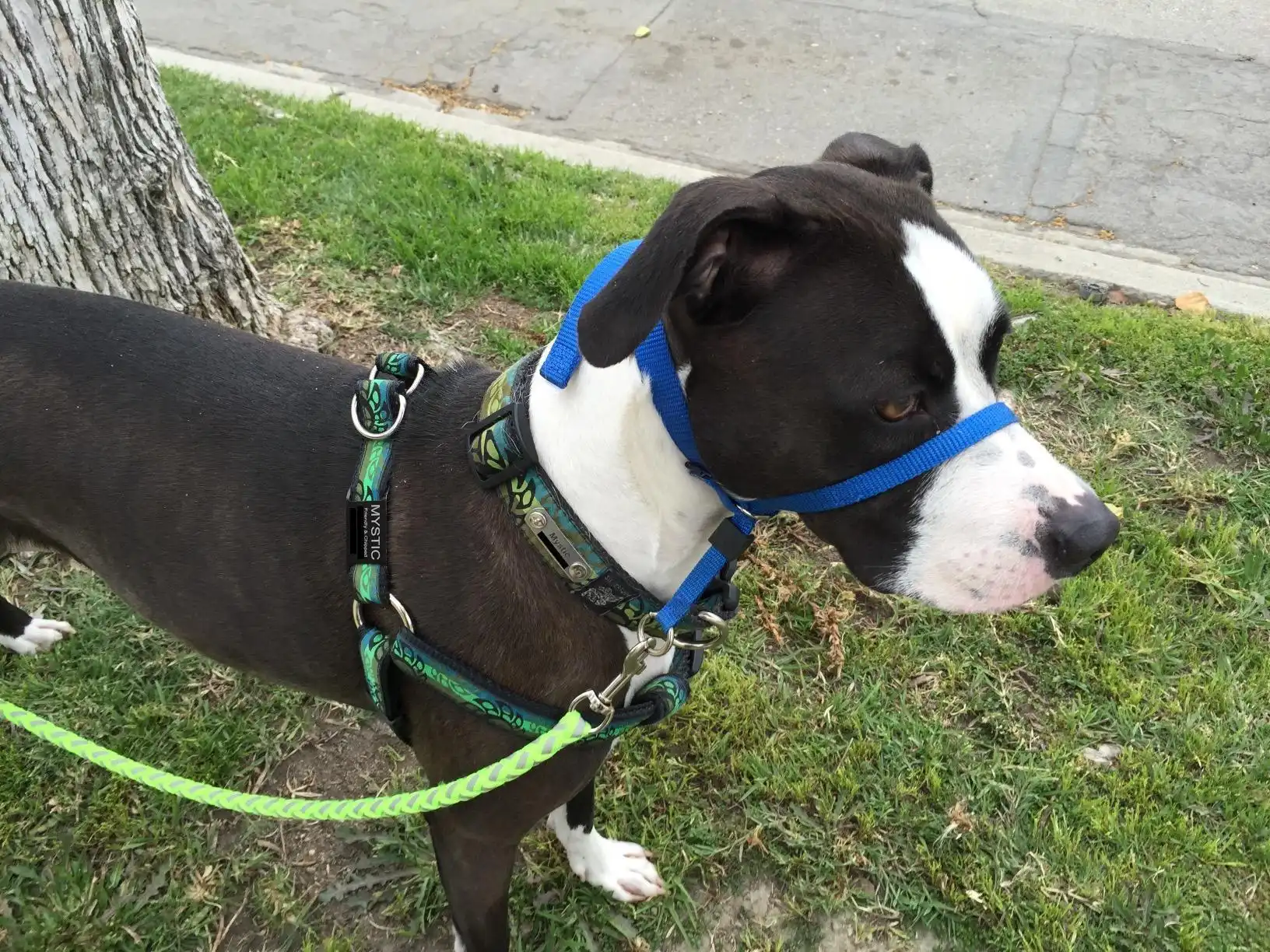
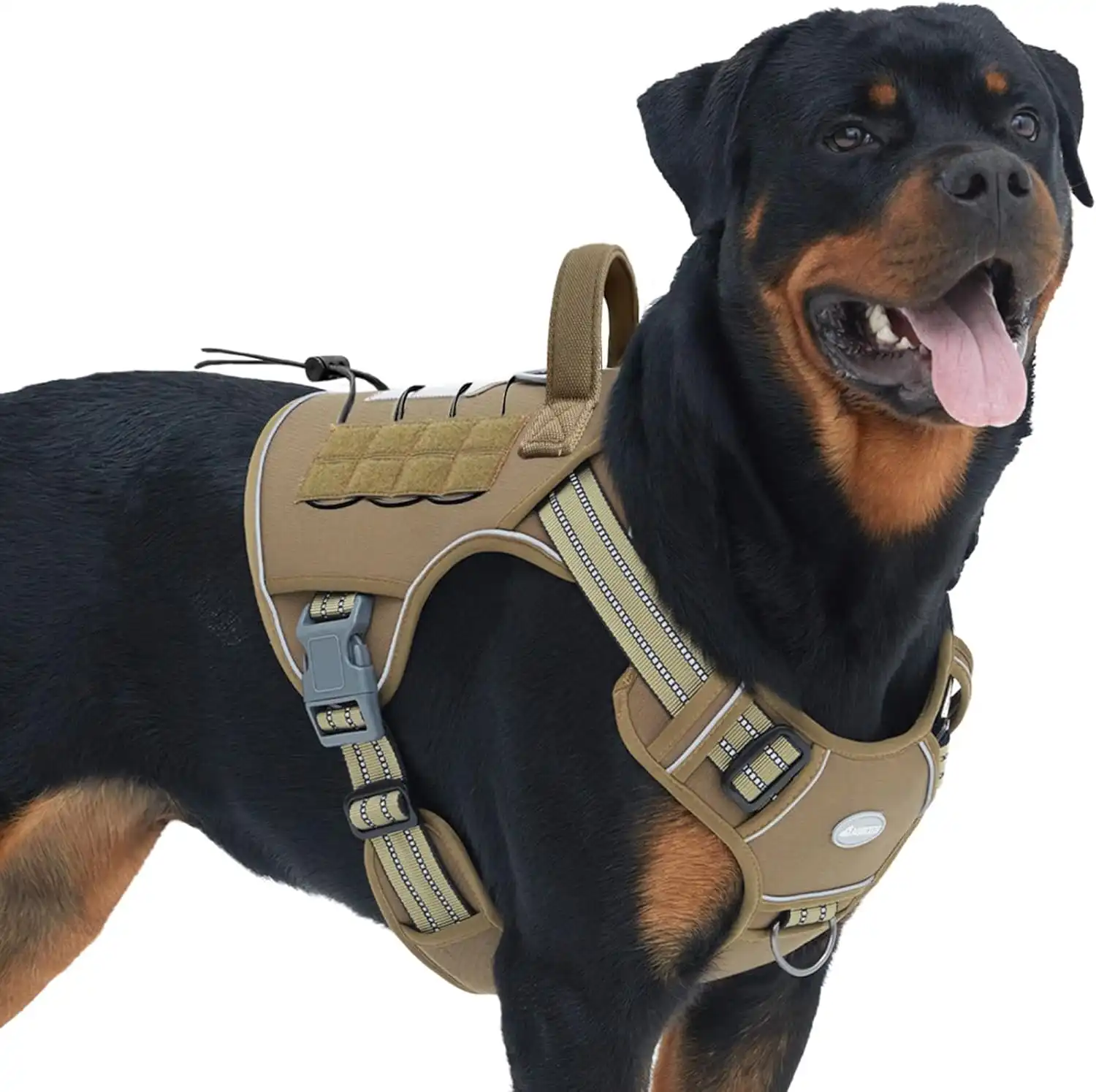
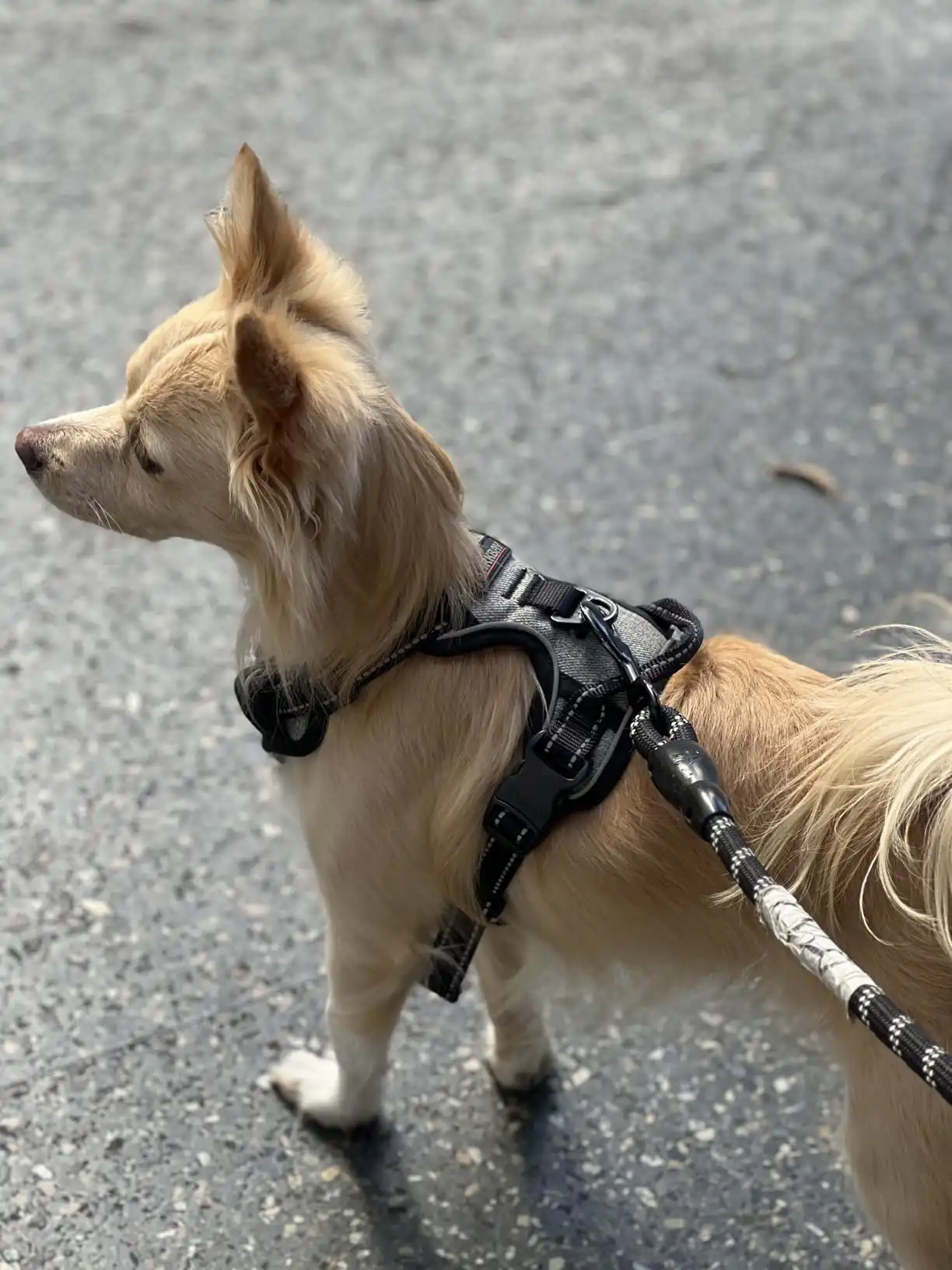
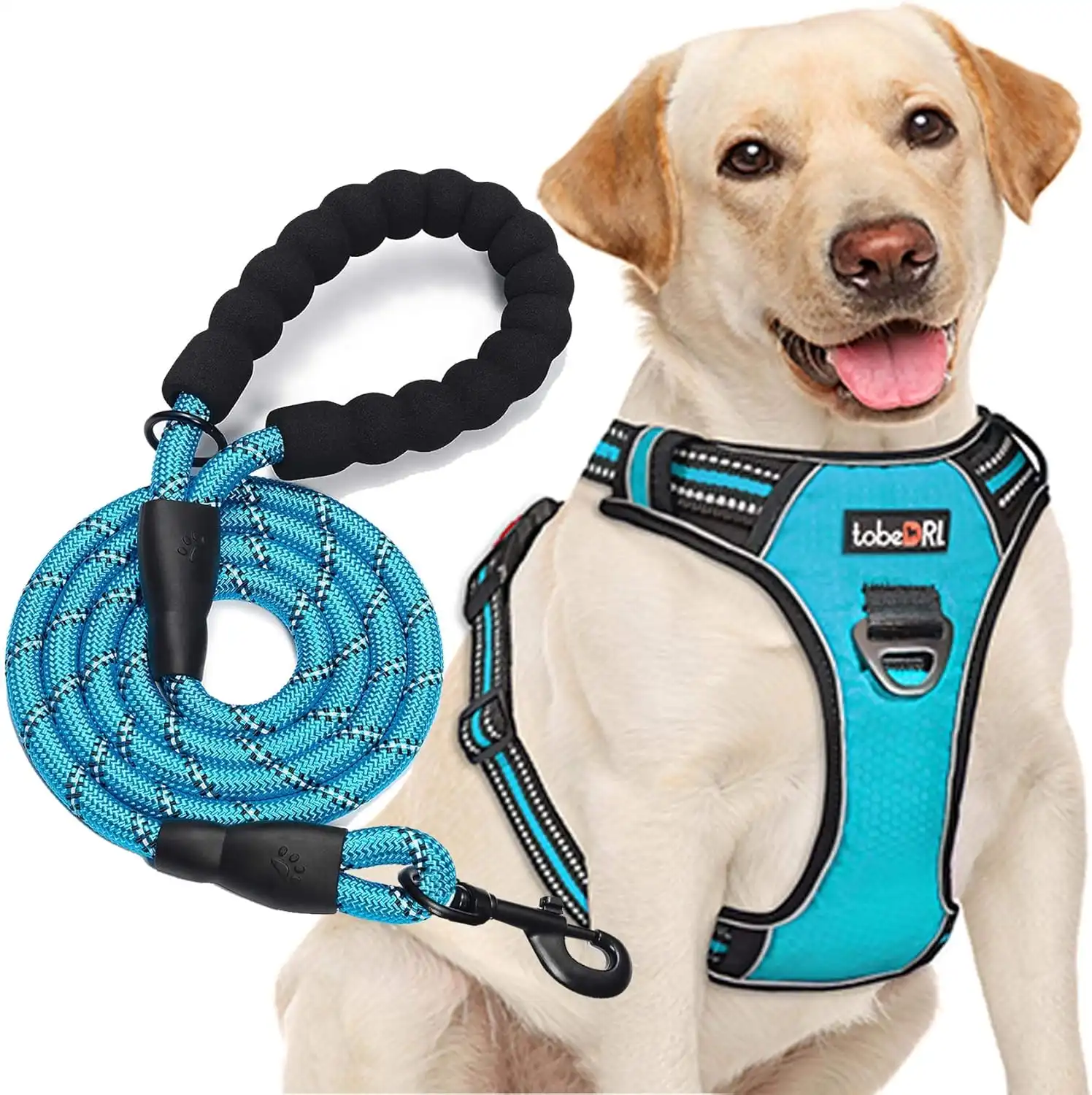
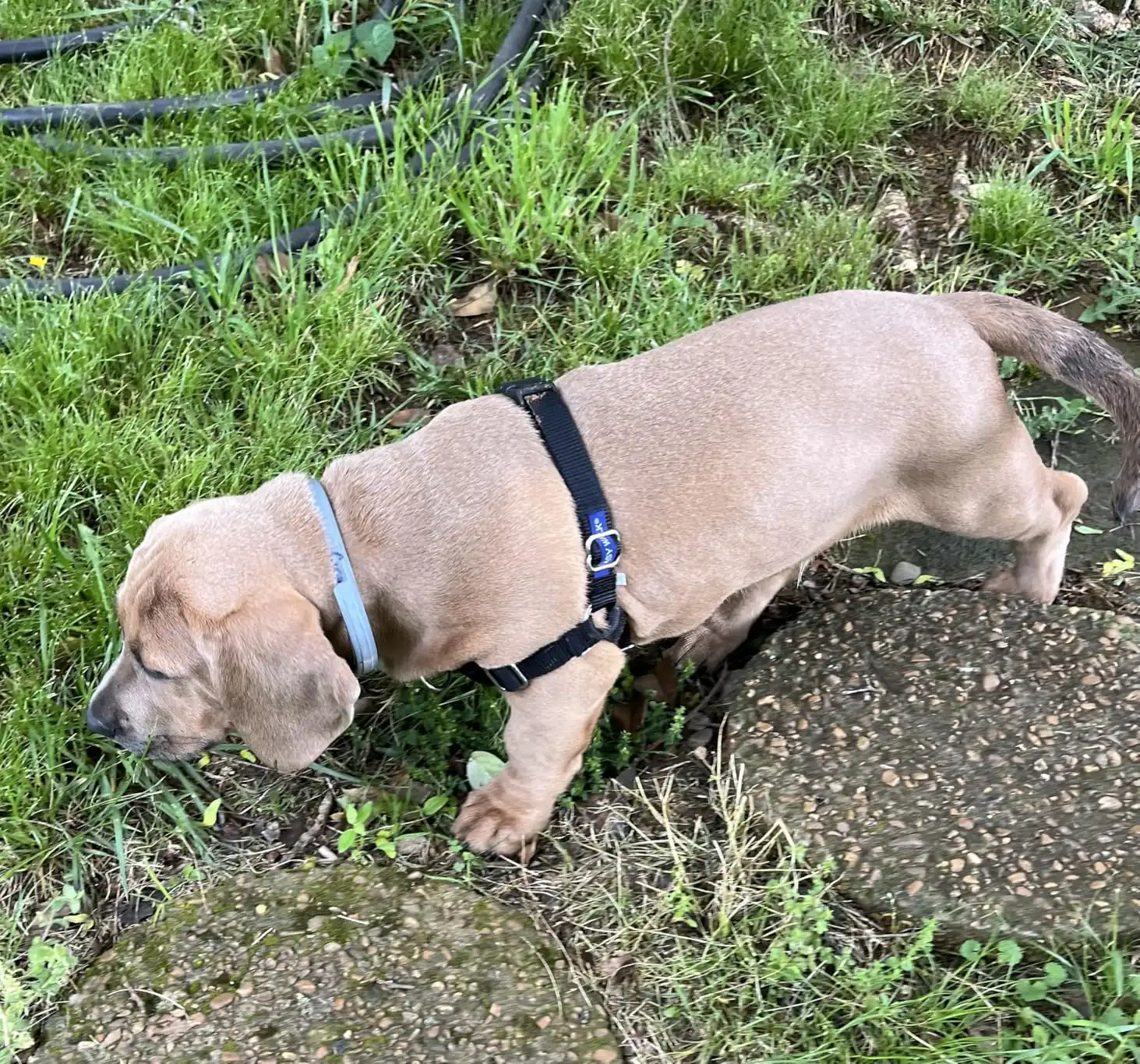
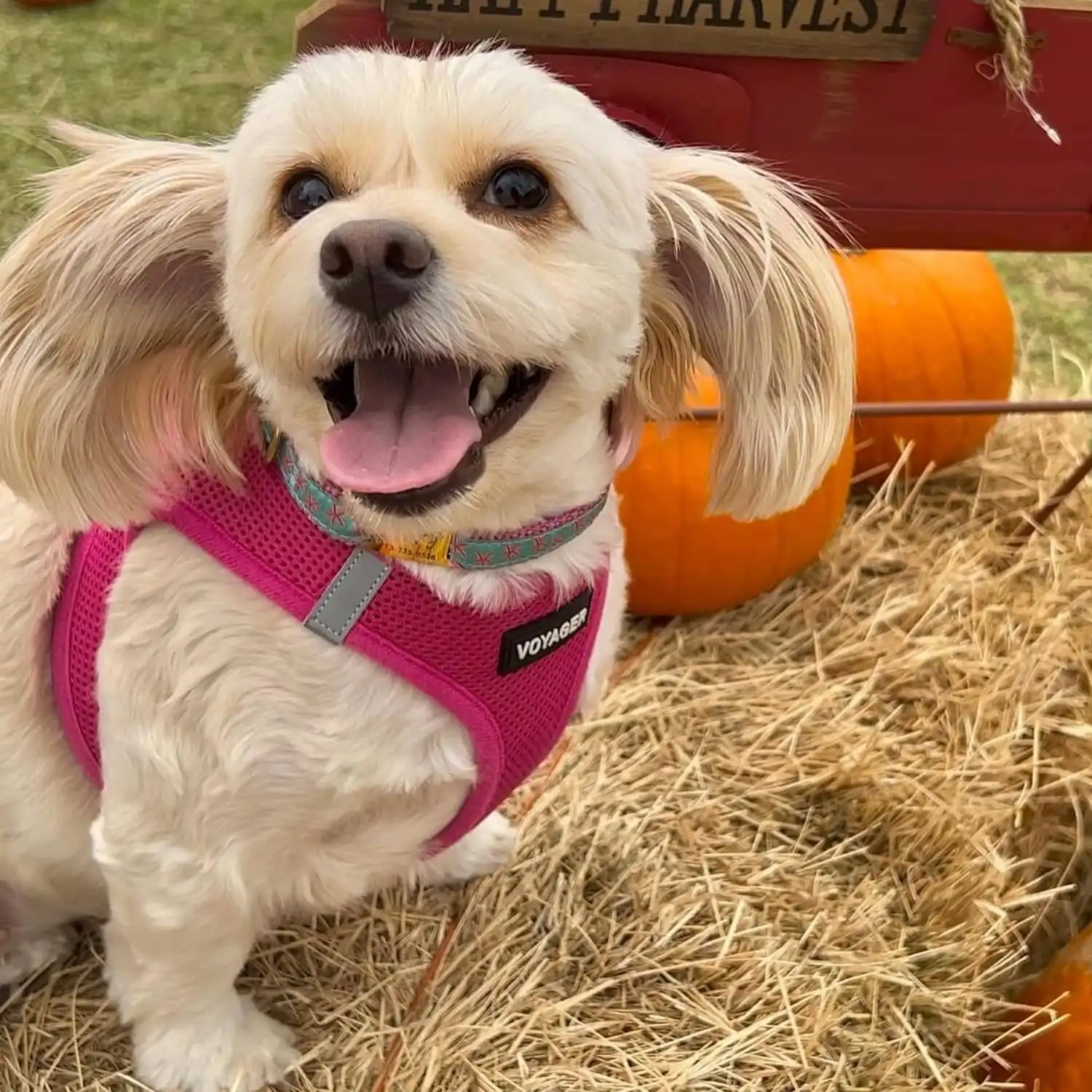
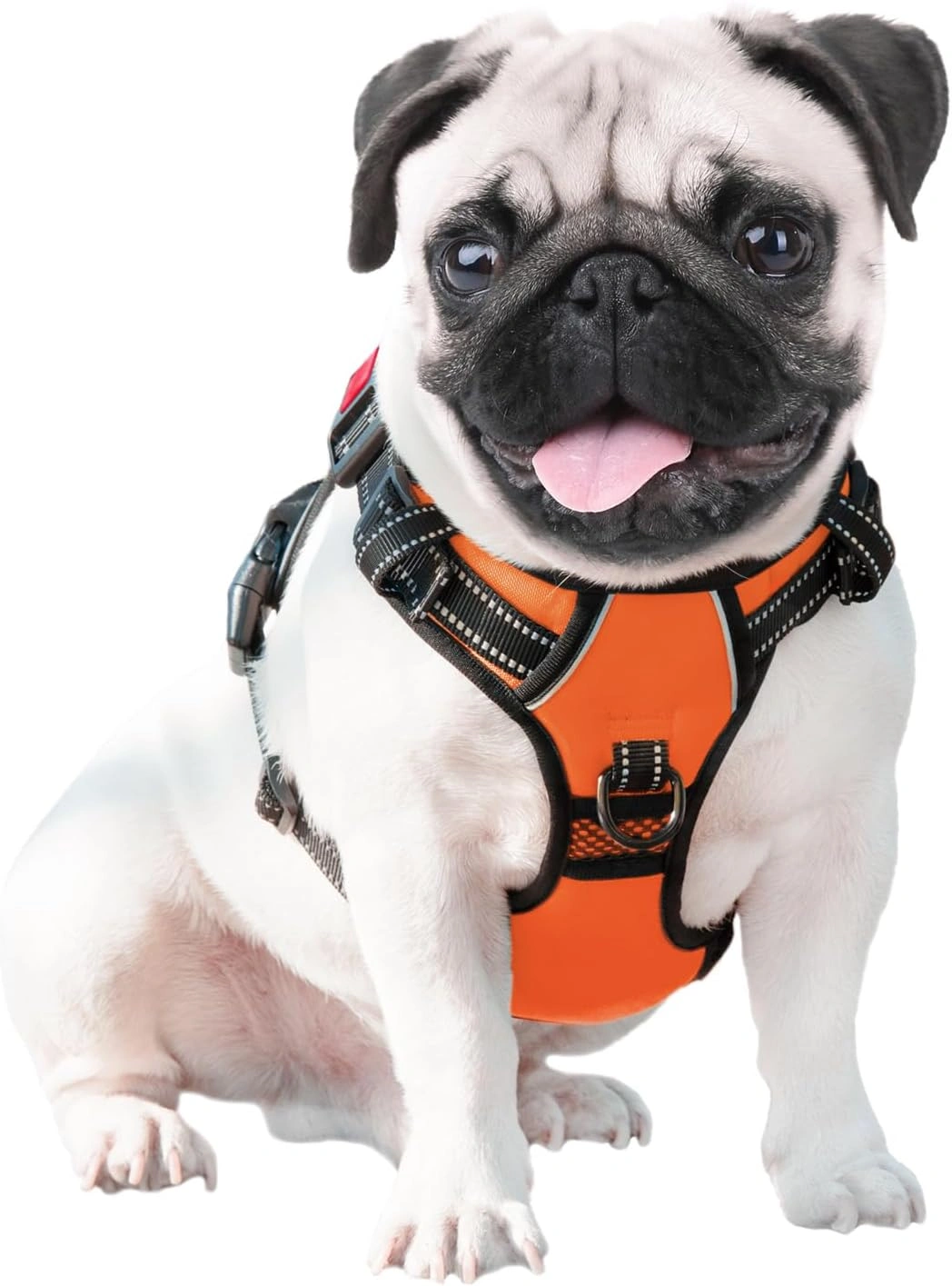
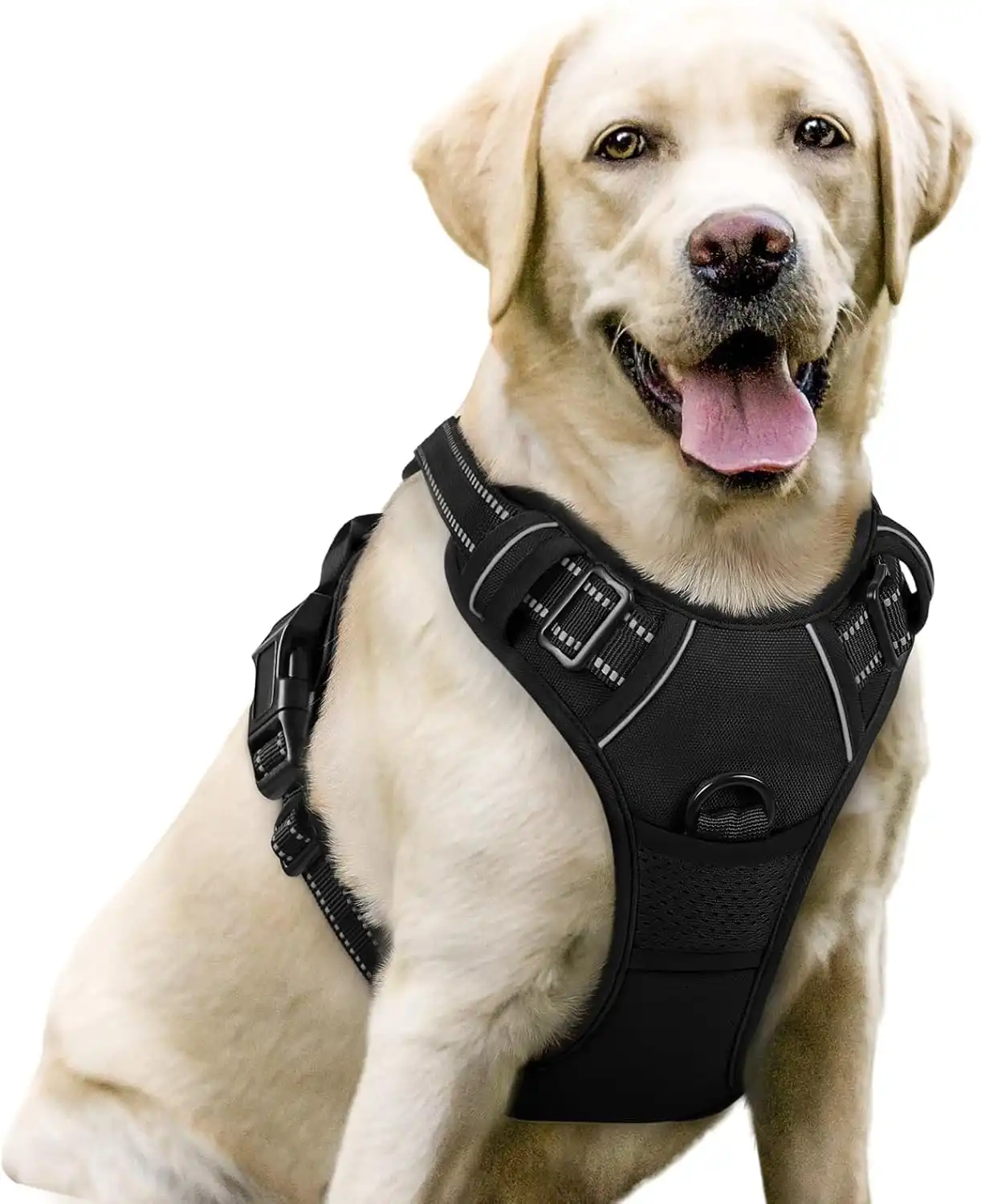
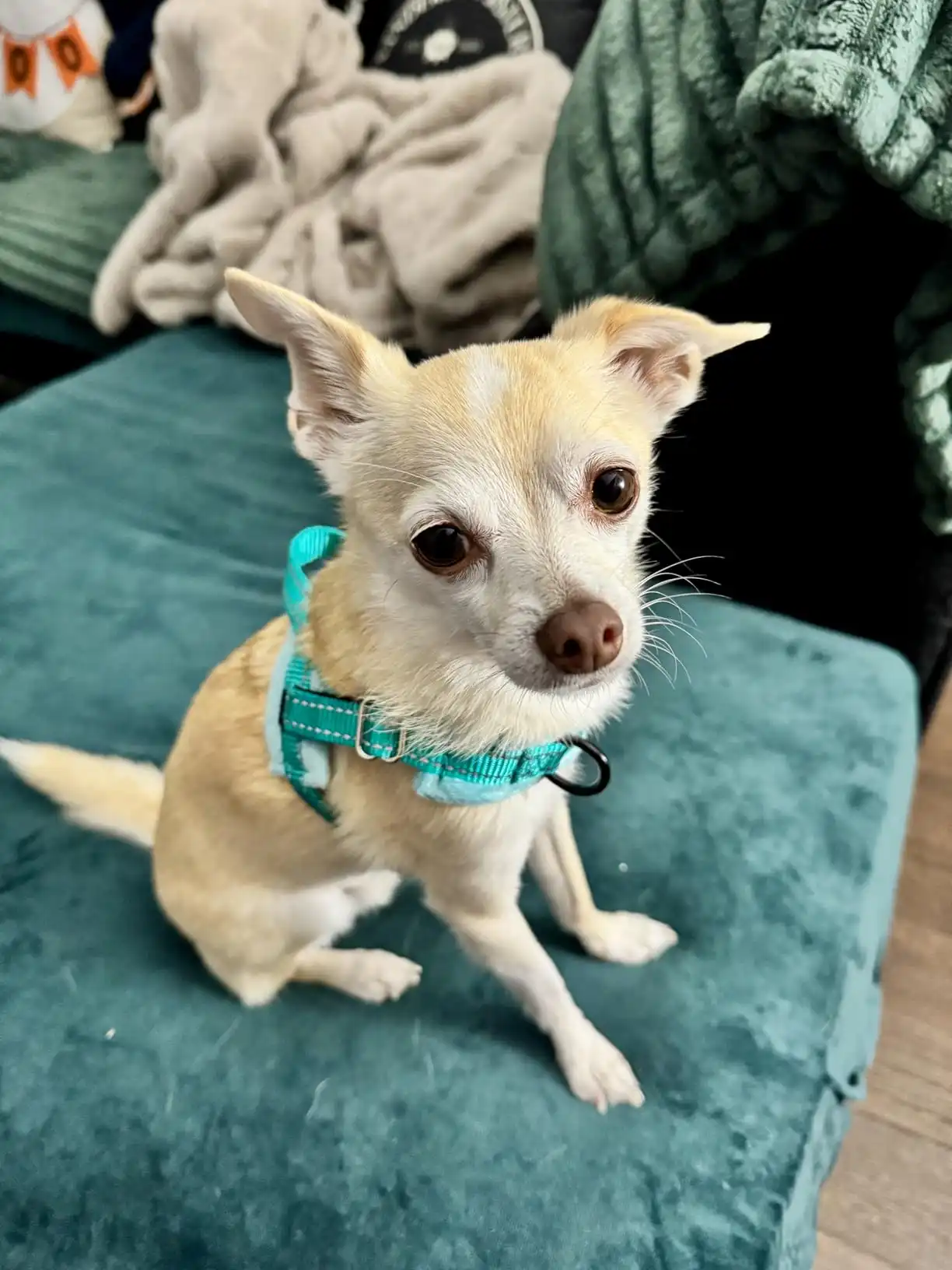


The Good 2 Go line has remained a favorite for years because it balances durability with simplicity. Whether you have the Padded Step-In, the Front-Clip No-Pull, or the Everyday Mesh version, these harnesses are designed to move with your dog rather than against them.
The 2026 models feature updated, reinforced D-rings and breathable mesh fabrics that prevent overheating—critical for those long summer treks.
Step-by-Step: Tips for Putting on a Good 2 Go Harness
Depending on your specific model, the “onboarding” process varies slightly. Here is how to master the two most common styles.
1. The Step-In Harness Style
This is the go-to for dogs who are “head-shy” or dislike things being slipped over their ears.
- Unbuckle and Lay Flat: Open the harness completely and lay it on the floor. You should see two distinct loops for the front paws.
- The “Paw Placement”: Lure your dog over the harness with a treat. Gently guide their front paws into the two openings.
- Lift and Clip: Pull the sides of the harness up their ribs and fasten the buckle over their shoulder blades.
- The Final Click: Always listen for that audible click to ensure the buckle is fully engaged.
2. The Over-the-Head Style
Ideal for active pullers, this style often provides more control points.
- Identify the Front: Look for the Good 2 Go logo; it should sit on your dog’s chest.
- Slip the Neck Loop: Gently slide the larger opening over your dog’s head.
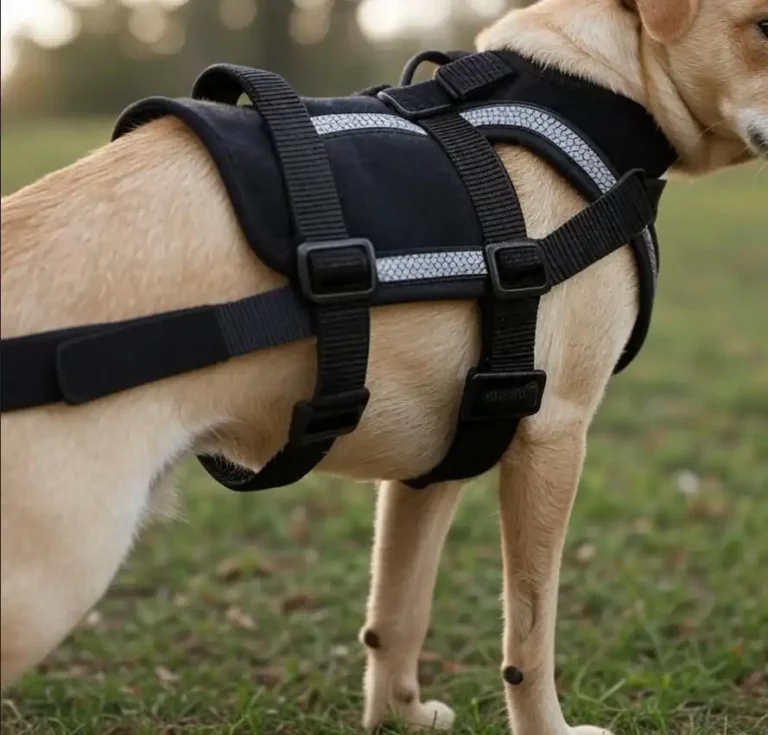
- Secure the Girth: Pull the remaining strap under the belly and snap it into the buckle on the side or back.
Perfecting the Fit: The Two-Finger Rule
A harness is only as safe as its fit. If it’s too loose, your dog can “Houdini” their way out; if it’s too tight, it can cause chafing or restrict breathing.
| Fit Check | What to Look For |
| The Girth | You should be able to fit two fingers comfortably between the strap and your dog’s skin. |
| The Neck | Ensure the harness sits above the shoulder but below the windpipe. |
| Movement | Watch your dog walk. The straps should stay centered and not slide into their armpits. |
Pro Safety Tips for 2026
- Check for Wear and Tear: Modern materials are tough, but UV rays and salt water can degrade nylon over time. Inspect your buckles for cracks every few months.
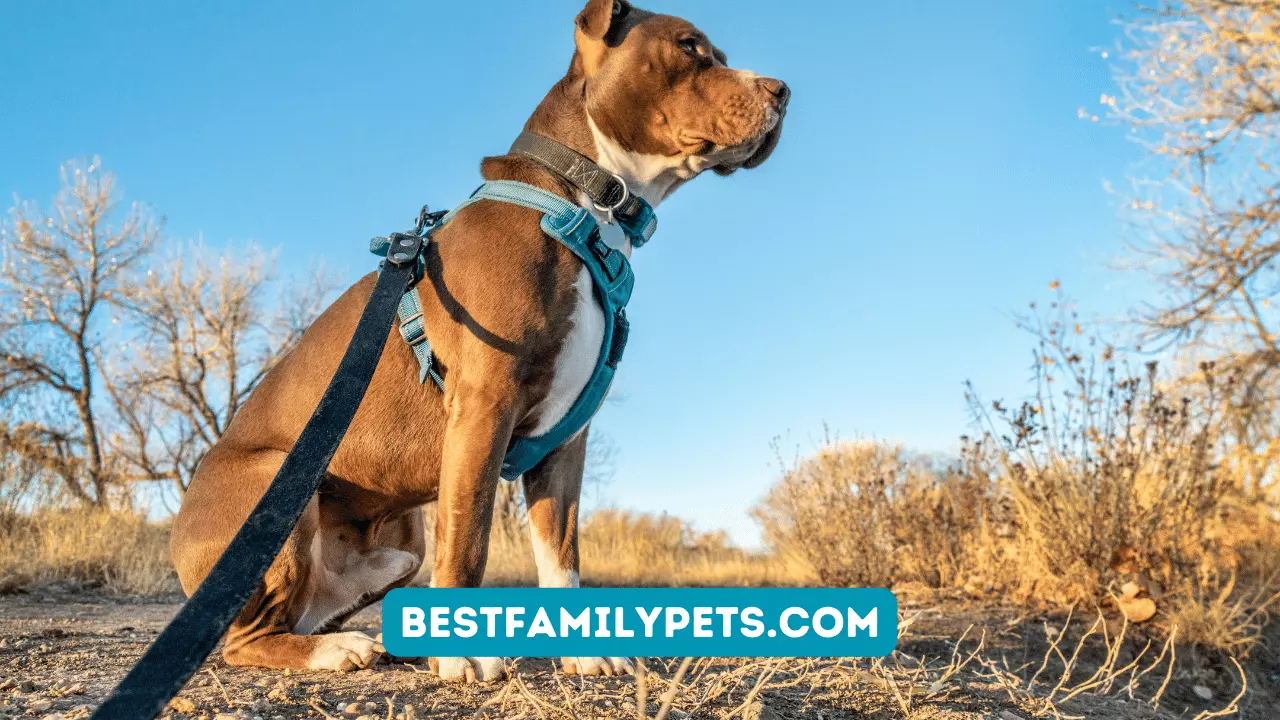
- Use the Front Clip for Training: If your dog is a heavy puller, use the chest D-ring. This redirects their momentum back toward you rather than letting them “sled dog” you down the sidewalk.
- Positive Association: If your pup is nervous, keep a jar of high-value treats by the door. Touch the harness to their side, give a treat, and repeat. Soon, they’ll associate the harness with snacks and sunshine!
Ready for Your Next Adventure?
Putting on a harness shouldn’t feel like a puzzle. With a little patience and the right technique, you’ll be out the door in seconds.
About the Author

You Might Also Like