🐾 Choosing the Perfect Dog Harness: A Visual Guide
The query “Images of Dog Harnesses” suggests a user is looking for a visual breakdown of the different types of dog harnesses available on the market, along with their features, to help them select the best and safest option for their dog. This guide provides an overview of the primary harness styles, including back-clip, front-clip, and dual-clip, detailing how each is designed to offer control, comfort, and safety for dogs of all sizes and temperaments. Understanding the visual structure and clip placement is key to finding a harness that prevents pulling and ensures a proper fit.
🐶 Understanding the Main Dog Harness Types
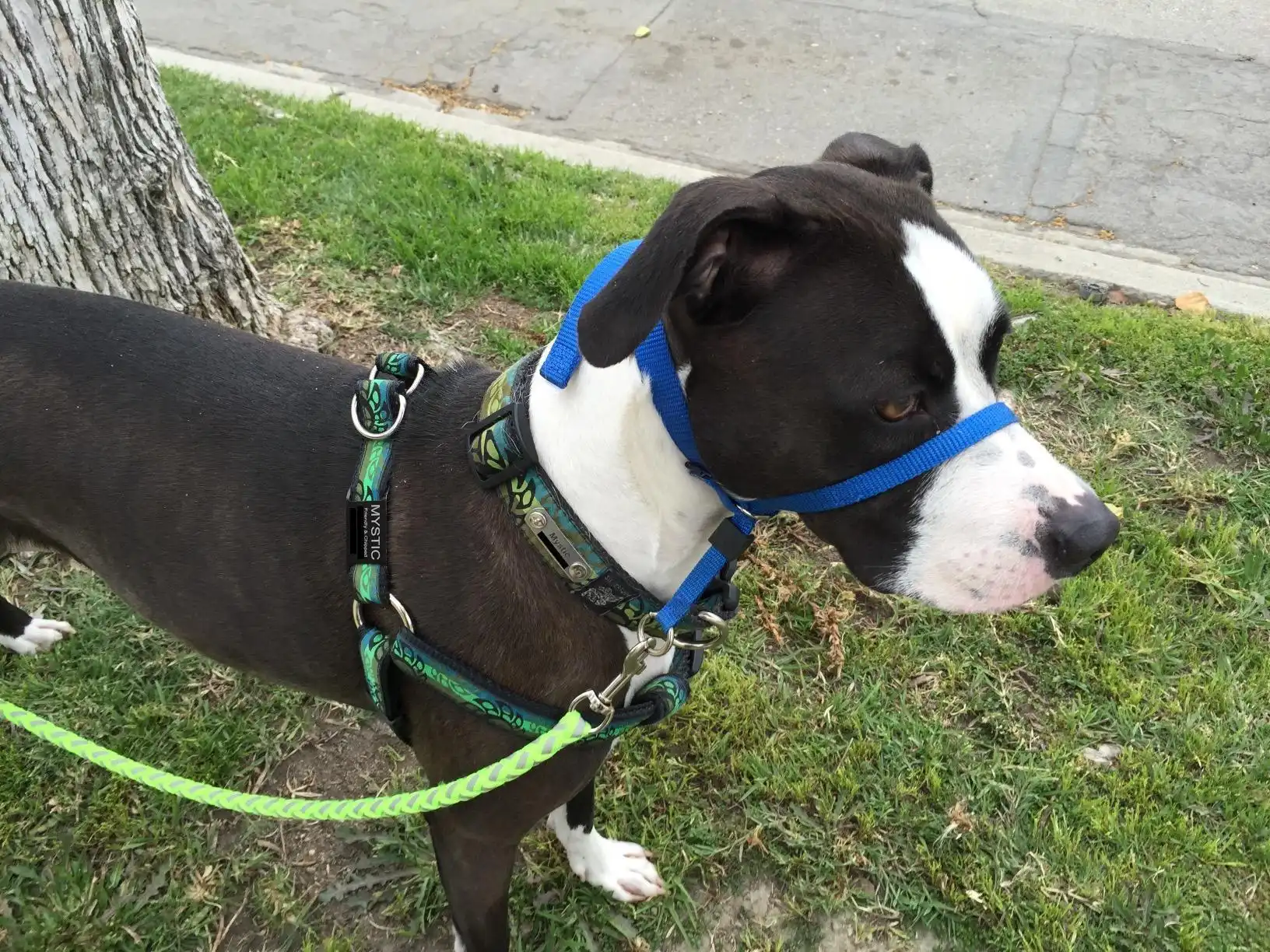
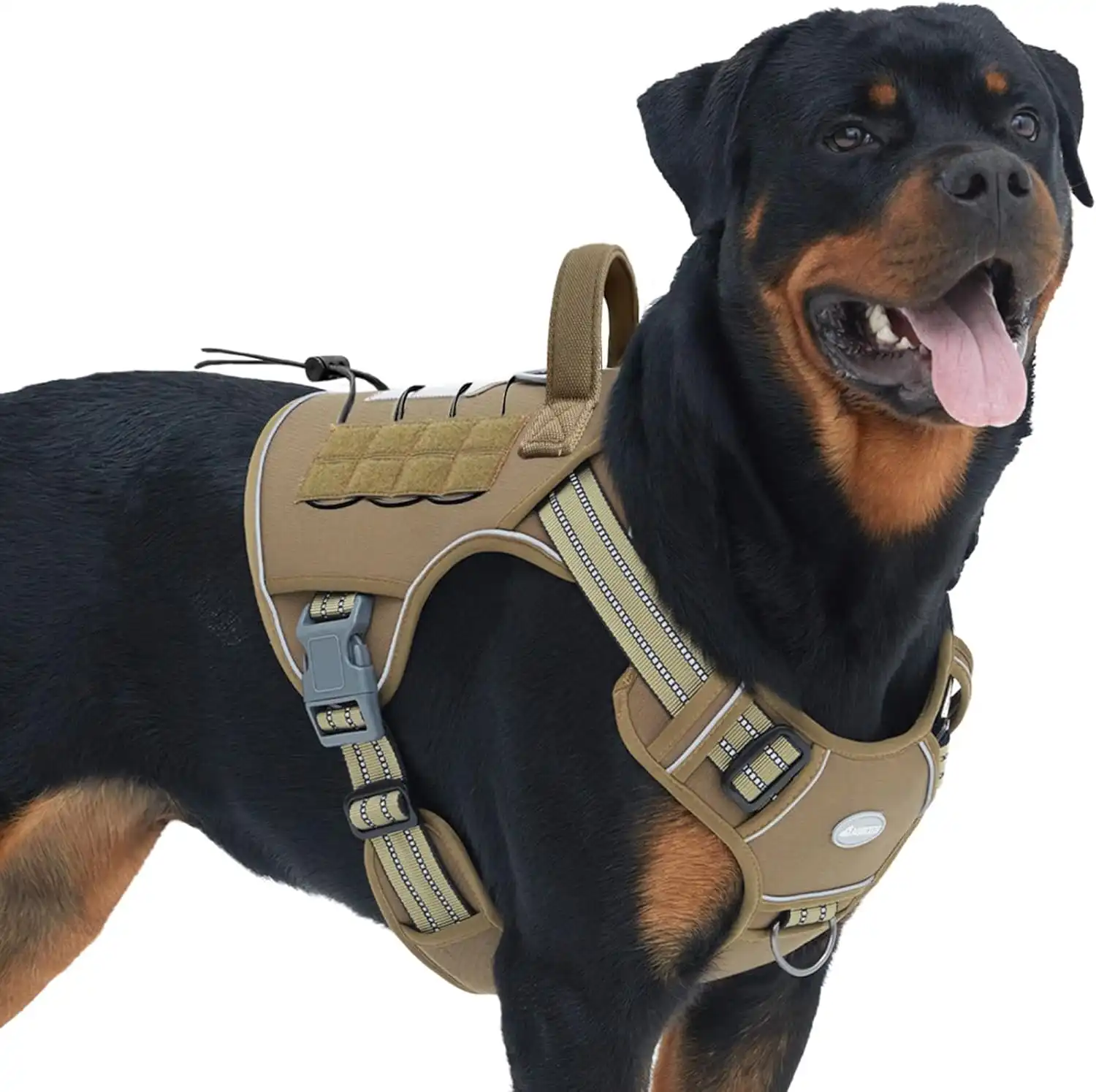
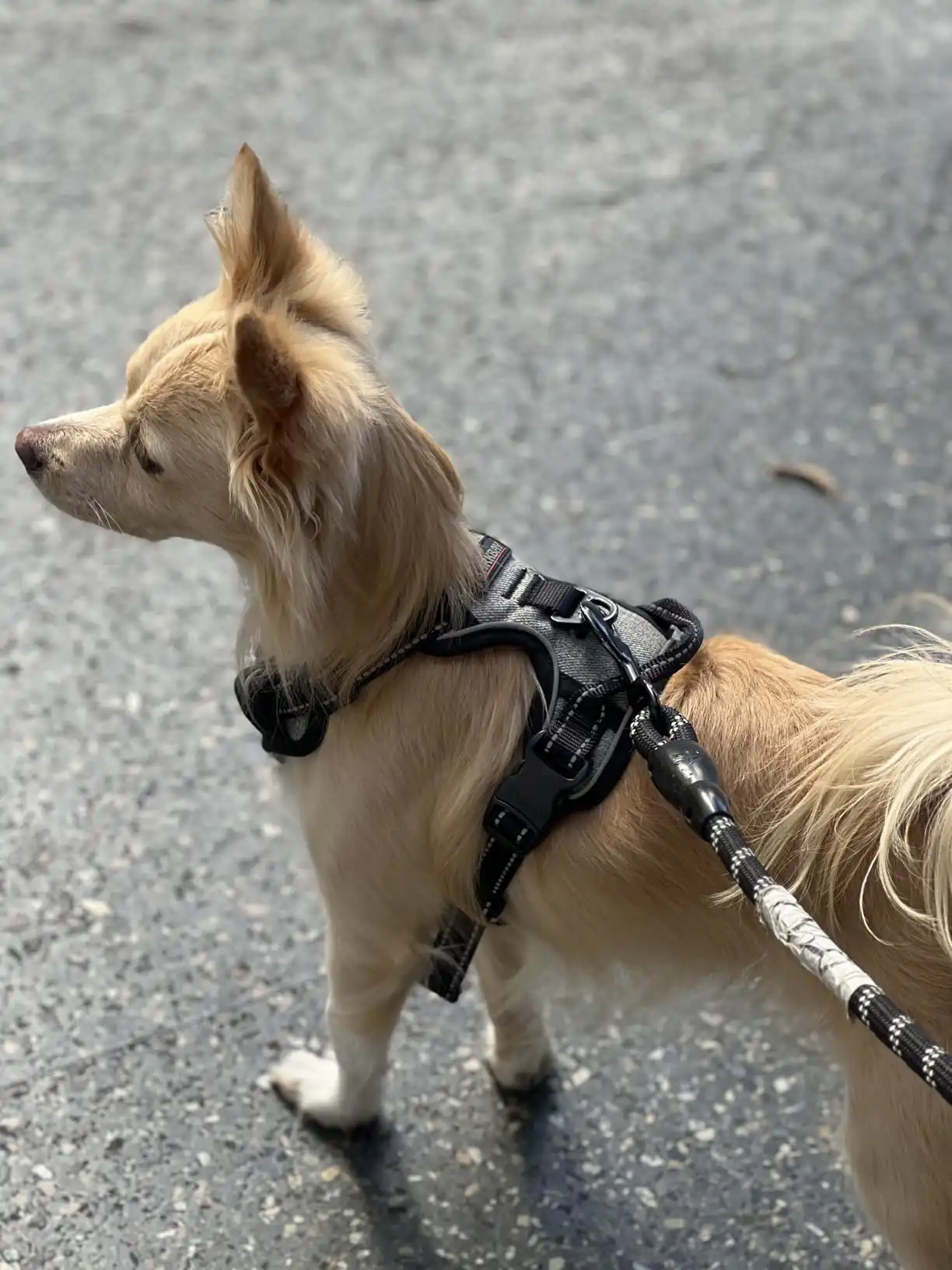
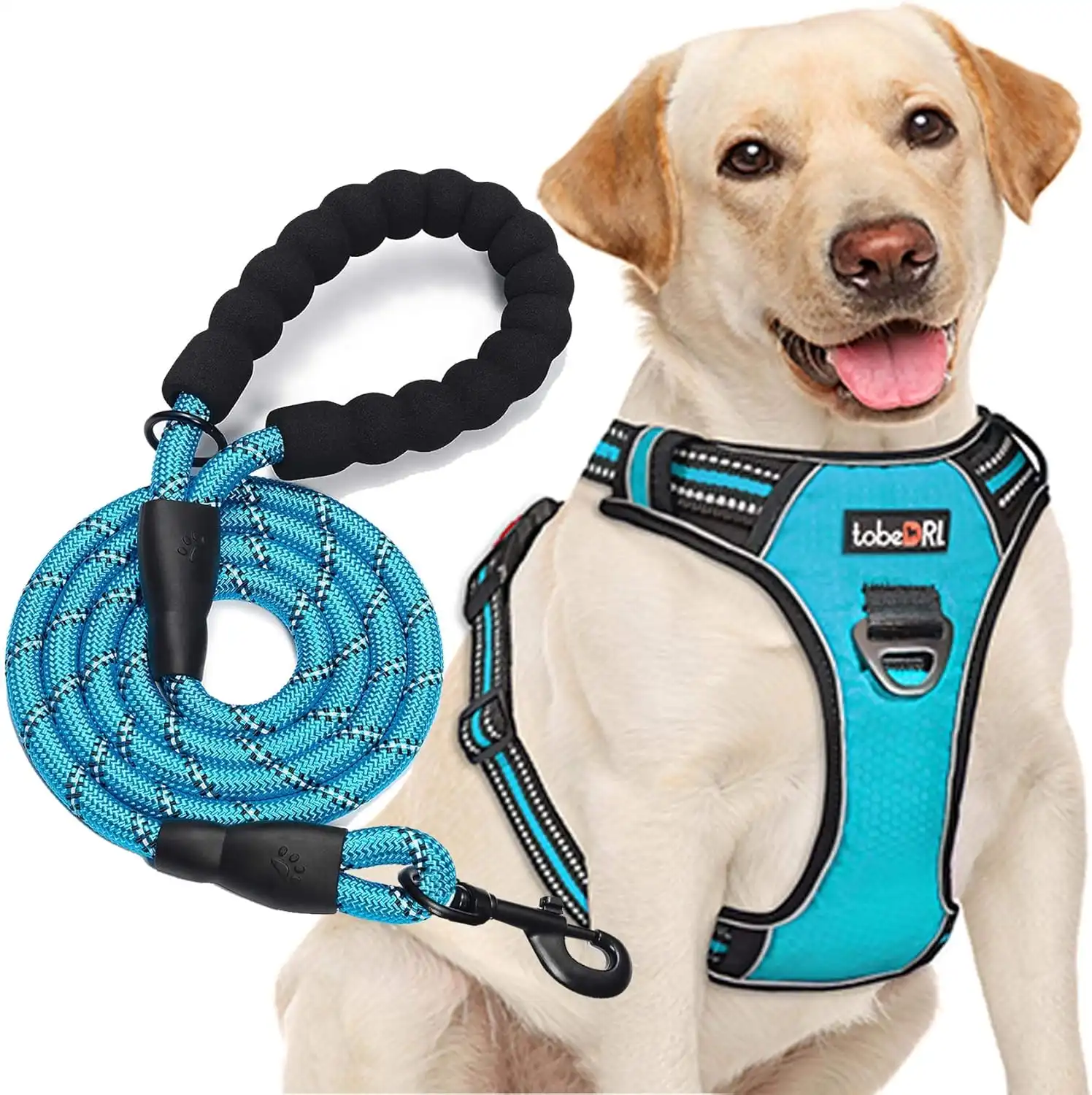
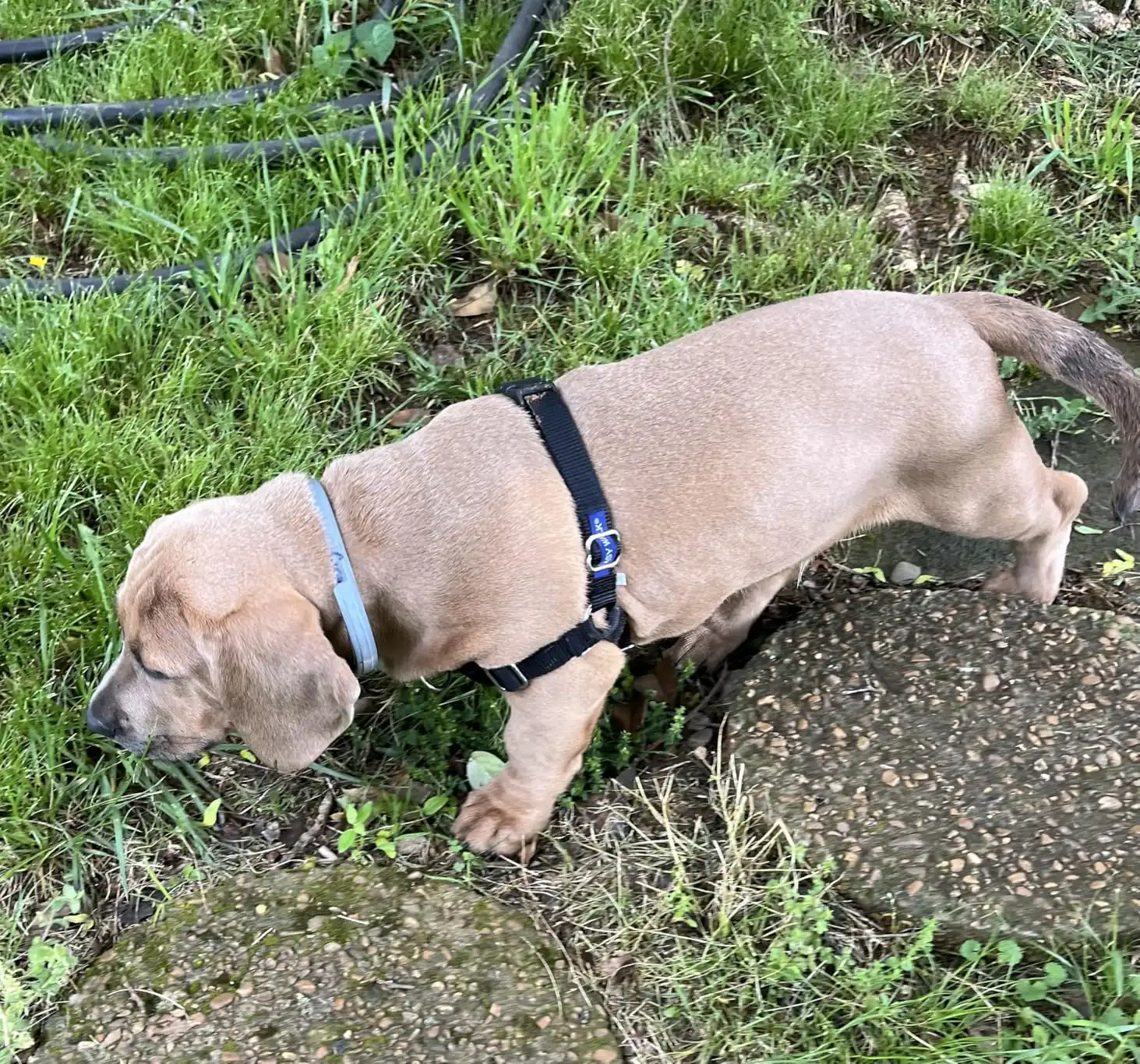
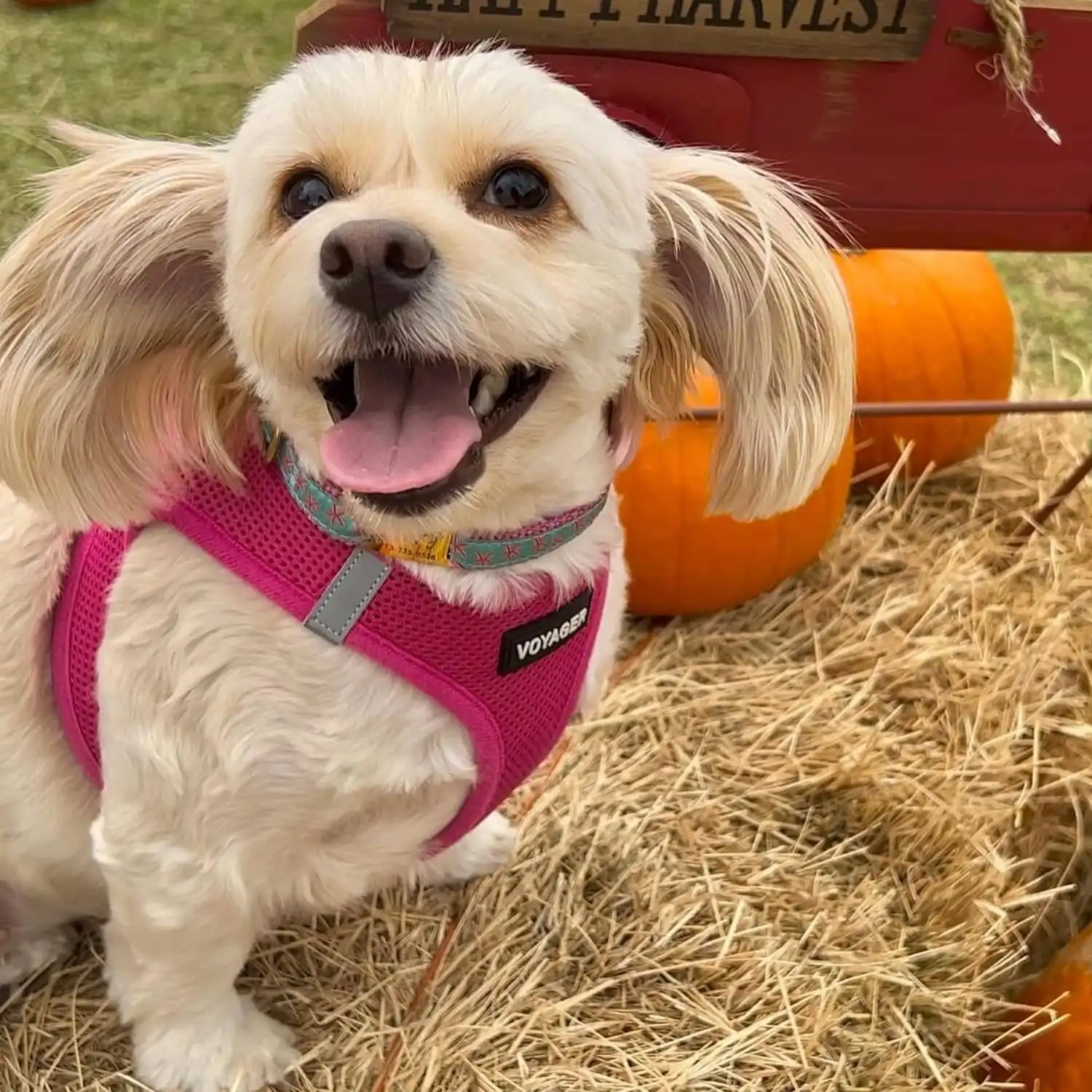
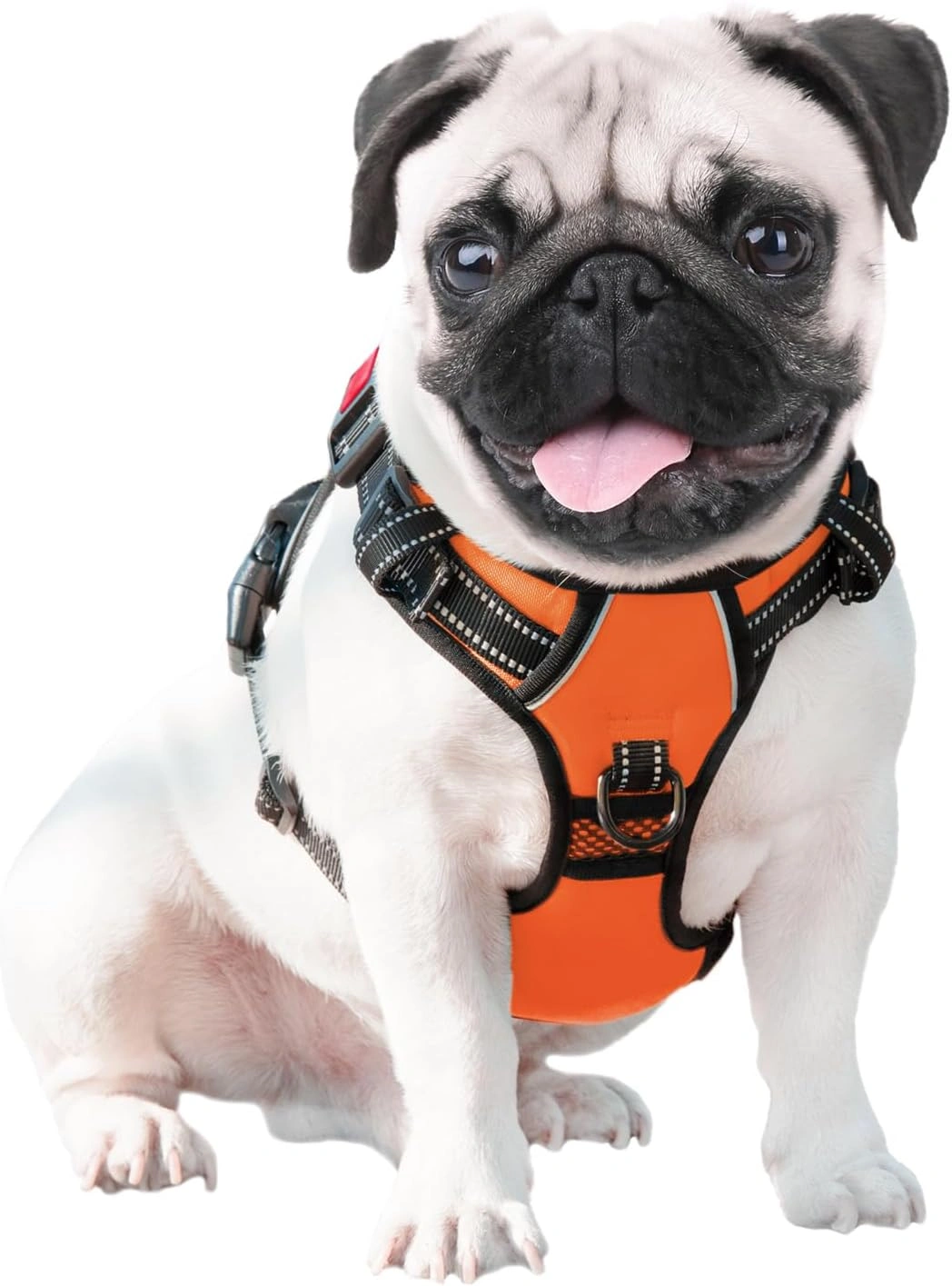
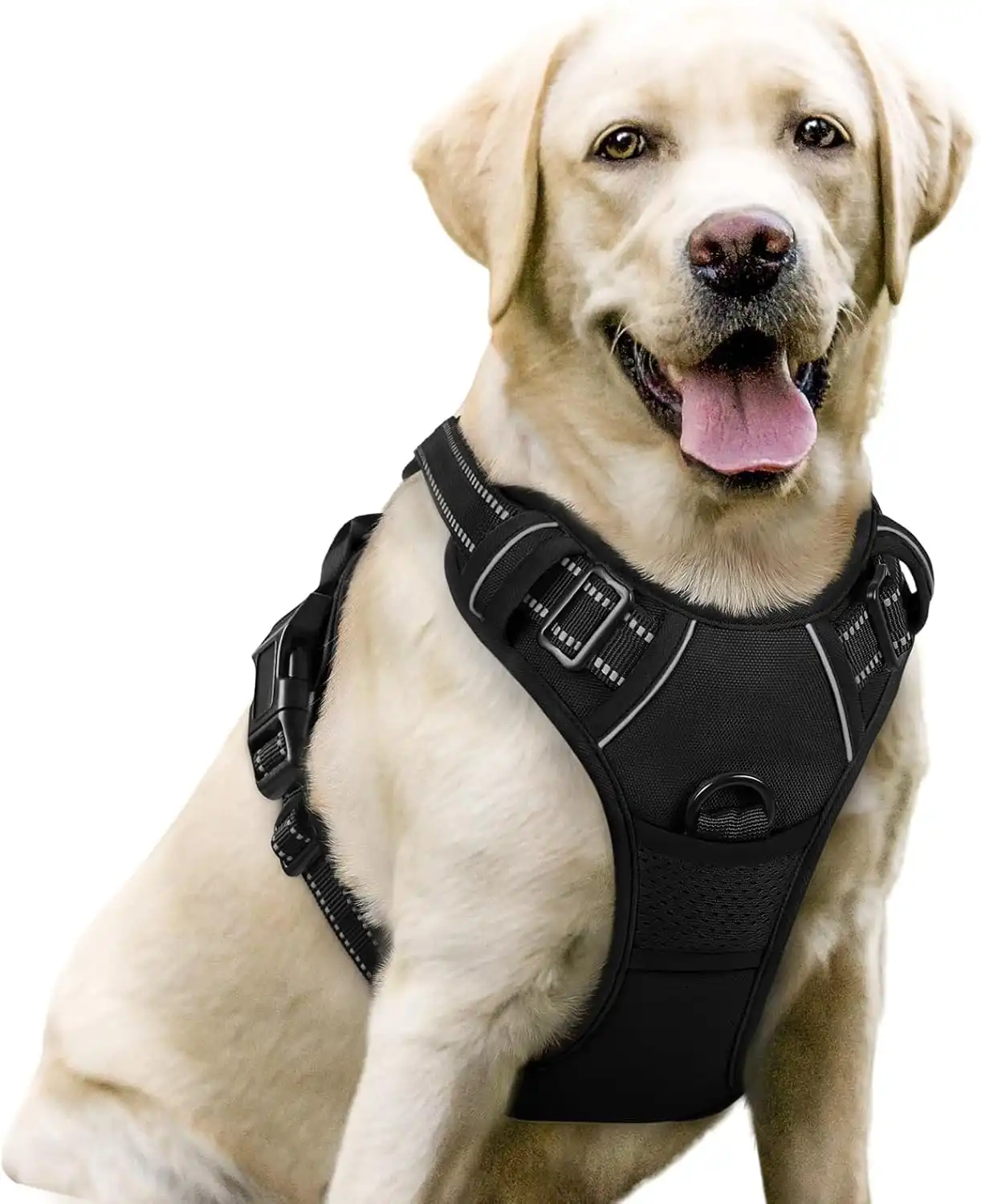
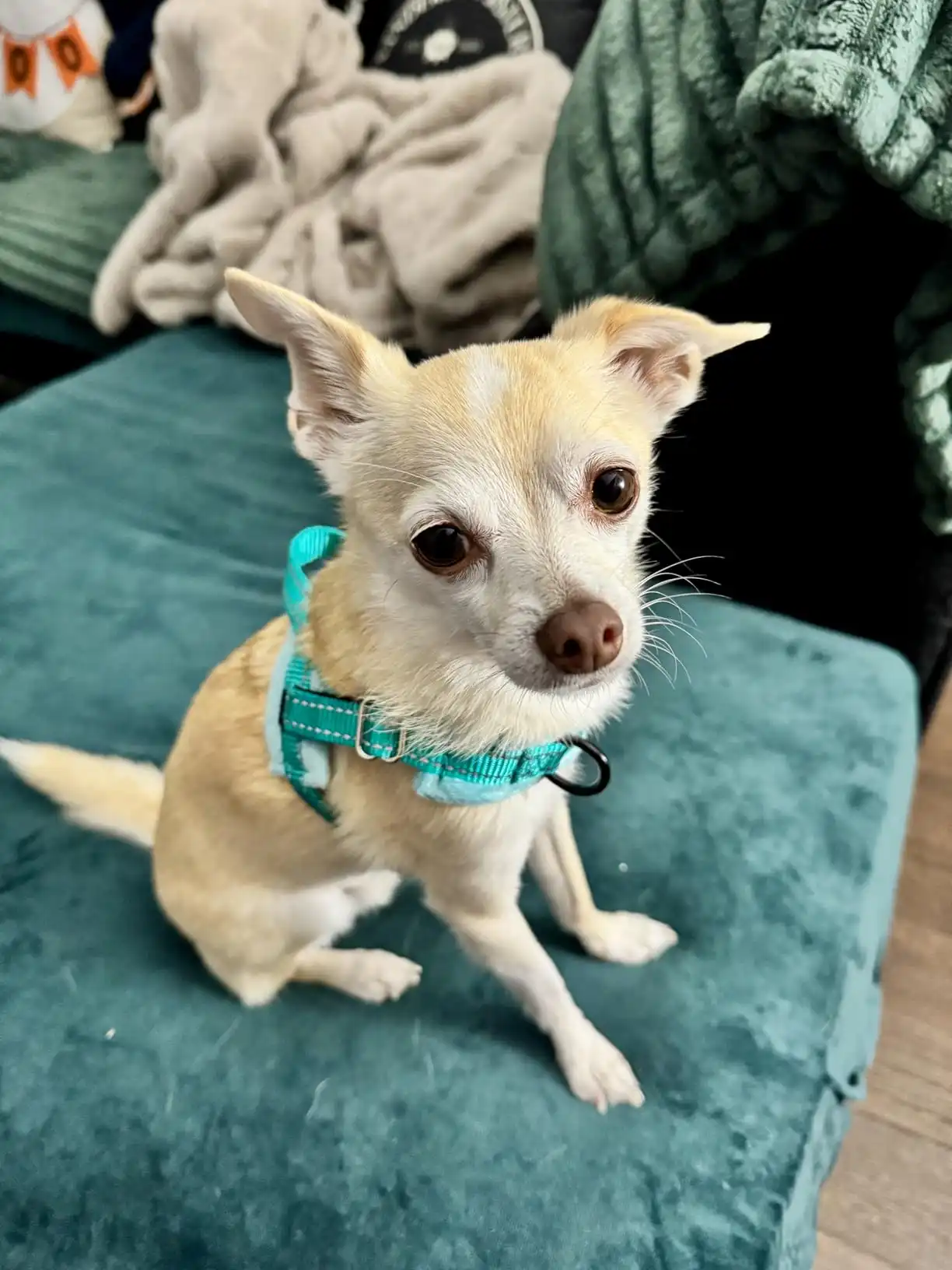


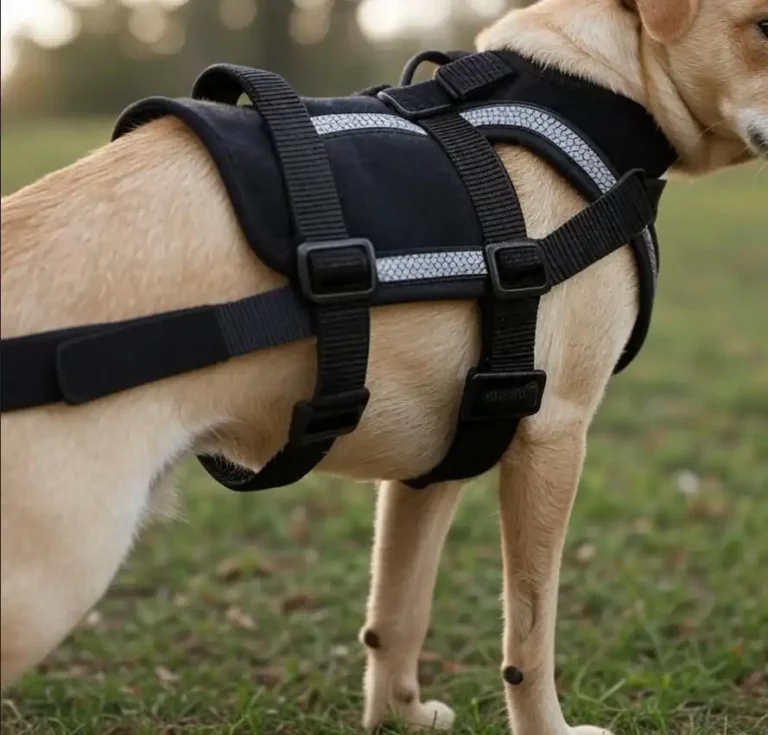
Dog harnesses are generally categorized by the location of the leash attachment point, which significantly impacts control and training effectiveness. Visualizing these differences is crucial for making the right choice.
1. Back-Clip Harness
This is the most common and traditional style of dog harness.
- Attachment Point: The D-ring is located on the dog’s back, typically between the shoulders or at the center of the back.
- Best For: Calm dogs who don’t pull excessively, small or toy breeds with sensitive necks, and general, relaxed walking.
- Pros: Easy to put on, comfortable for the dog, and works well for short-leash walking. It’s a great ‘everyday’ harness.
- Cons: Can encourage dogs to pull more, as the pressure point at the back works similarly to sled dog harnesses. Strong pullers may still be difficult to control.
2. Front-Clip (No-Pull) Harness
Designed specifically to discourage pulling, this harness provides better leverage for the handler.
- Attachment Point: The D-ring is on the dog’s chest.
- Best For: Dogs that pull strongly, owners focused on training, and large or active breeds where redirection is needed.
- Pros: When the dog pulls, the front clip redirects their body to the side (back towards the handler), discouraging the forward pulling motion. Offers greater control.
- Cons: The leash can sometimes get tangled in the dog’s front legs if the leash is too long. Requires a snug, correct fit to be effective and prevent chafing.
3. Dual-Clip Harness (Front and Back)
Also known as a multi-functional harness, this style offers the most versatility.
- Attachment Points: Features a D-ring on both the front (chest) and the back.
- Best For: Training, versatility, and dogs whose walking behavior changes depending on the environment. It’s excellent for large or powerful dogs where maximum control is sometimes necessary.
- Pros: Allows the handler to switch between the control of a front-clip and the comfort of a back-clip. Can also be used with a double-ended leash for superior control and safety.
- Cons: Often more expensive and can require more adjustment to ensure both points function correctly.
📏 Beyond the Clip: Harness Construction Styles
The basic construction of the harness is another key visual differentiator that impacts comfort, security, and fit.
Y-Harnesses vs. H-Harnesses
- Y-Harness (or H-Harness): This general term refers to the shape created by the straps across the dog’s chest when viewed from the front or top. A proper Y-shaped design features a vertical strap that runs between the dog’s front legs and up to the chest and back strap. This anatomical shape is often considered the best for shoulder mobility as it avoids putting pressure on the shoulder joints and neck/trachea.
Step-In vs. Over-the-Head Harnesses
- Over-the-Head Harness: Must be slipped over the dog’s head before buckling the girth strap around the chest. Most dual-clip and tactical harnesses are this style.
- Step-In Harness: Requires the dog to step its front paws into two loops, and then the harness is clipped and tightened over the back. This is ideal for dogs who dislike having things passed over their head.
Speciality Harnesses
- Vest/Mesh Harness: Often a step-in style, these use a wide band of breathable mesh fabric instead of thin straps. They are excellent for small dogs as they distribute pressure over a wider area of the chest, reducing strain on tiny, delicate bodies.
- Car Safety Harness: Crash-tested harnesses (like the EzyDog Drive) are designed to secure your dog safely in the car by attaching to a seatbelt, ensuring pressure is distributed across the dog’s body in the event of a sudden stop.
- Web Master/Escape-Proof Harness: Features a third, adjustable belly strap that sits further back on the dog’s rib cage. This design is highly recommended for Houdini dogs—breeds like sight hounds who are experts at backing out of standard harnesses—and for outdoor activities like hiking, where secure handling is critical.
📐 The Crucial Element: Proper Fit
Regardless of the style you choose, an improperly fitted harness will be uncomfortable, ineffective, and can even cause injury or chafing.
How to Check the Fit
- Chest/Girth Measurement: Use a soft tape measure to find the circumference of your dog’s chest at its widest point, which is typically right behind the front legs. Compare this to the manufacturer’s sizing chart.
- The Two-Finger Rule: The harness should be snug, but you should be able to comfortably slip two fingers flat between the harness straps and your dog’s body at any point.
- Elbow Clearance: Ensure the chest straps are far enough back from the armpit area (usually about a hand’s width) so they do not rub or impede the dog’s movement, which is a major cause of chafing.
- No Neck Pressure: The harness should rest on the sternum (breastbone), not high on the neck or throat, especially in Y-harnesses.
About the Author

You Might Also Like