Choosing the Best Large Breed Dog Harness: 2026 Guide
Walking a large dog is more than just a quick trip around the block—it’s an adventure that requires the right equipment. Whether you’re managing a muscular Rottweiler, a playful Golden Retriever, or a high-energy German Shepherd, the gear you choose directly impacts their safety and your comfort. Traditional collars often put undue stress on a large dog’s neck and trachea, especially if they are prone to lunging at a passing squirrel or another pup.
Finding the perfect Large Breed Dog Harness is the best way to ensure your walks are controlled, safe, and enjoyable for both you and your furry best friend.
Why Large Breeds Need a Specialized Harness
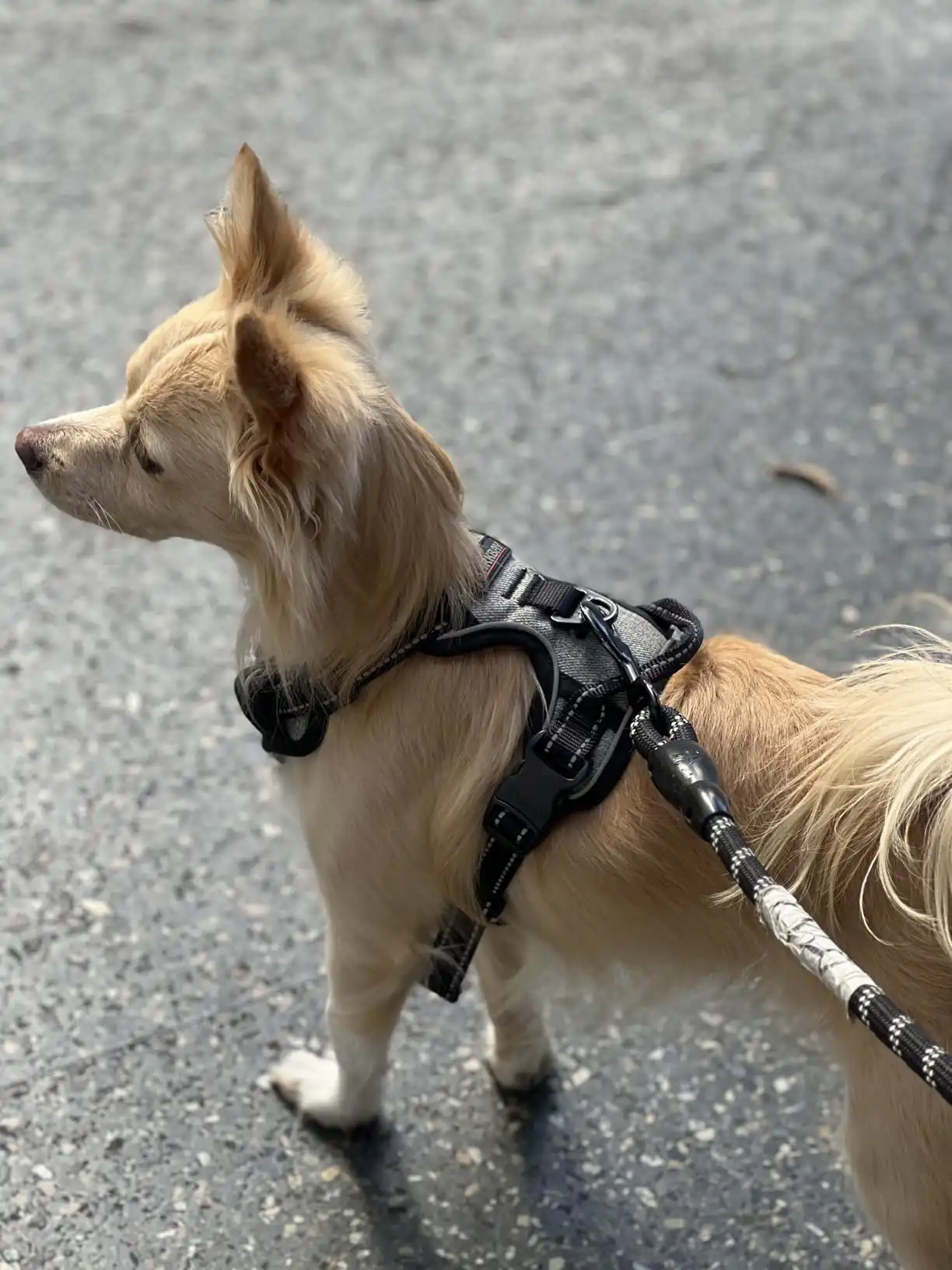
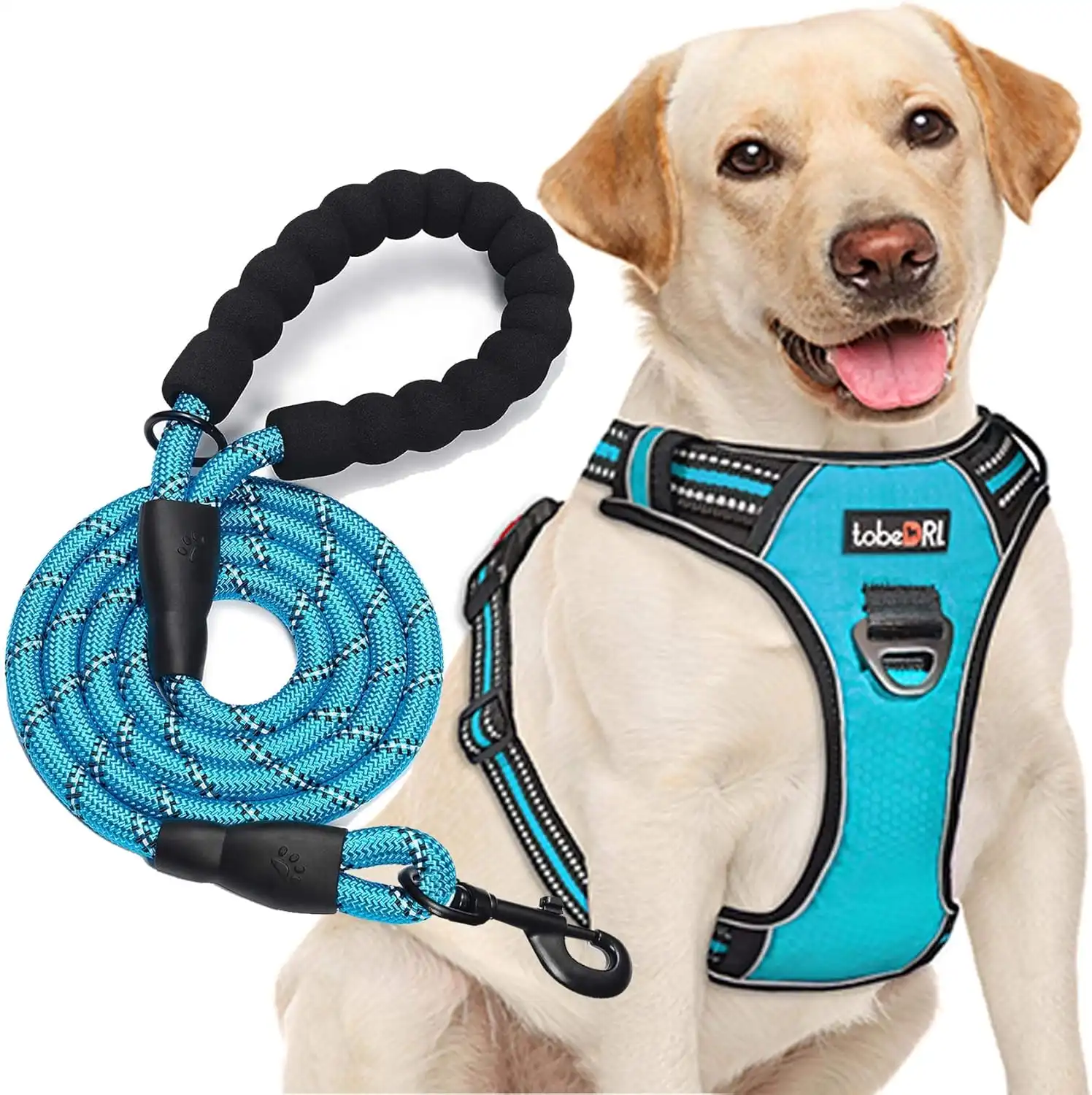
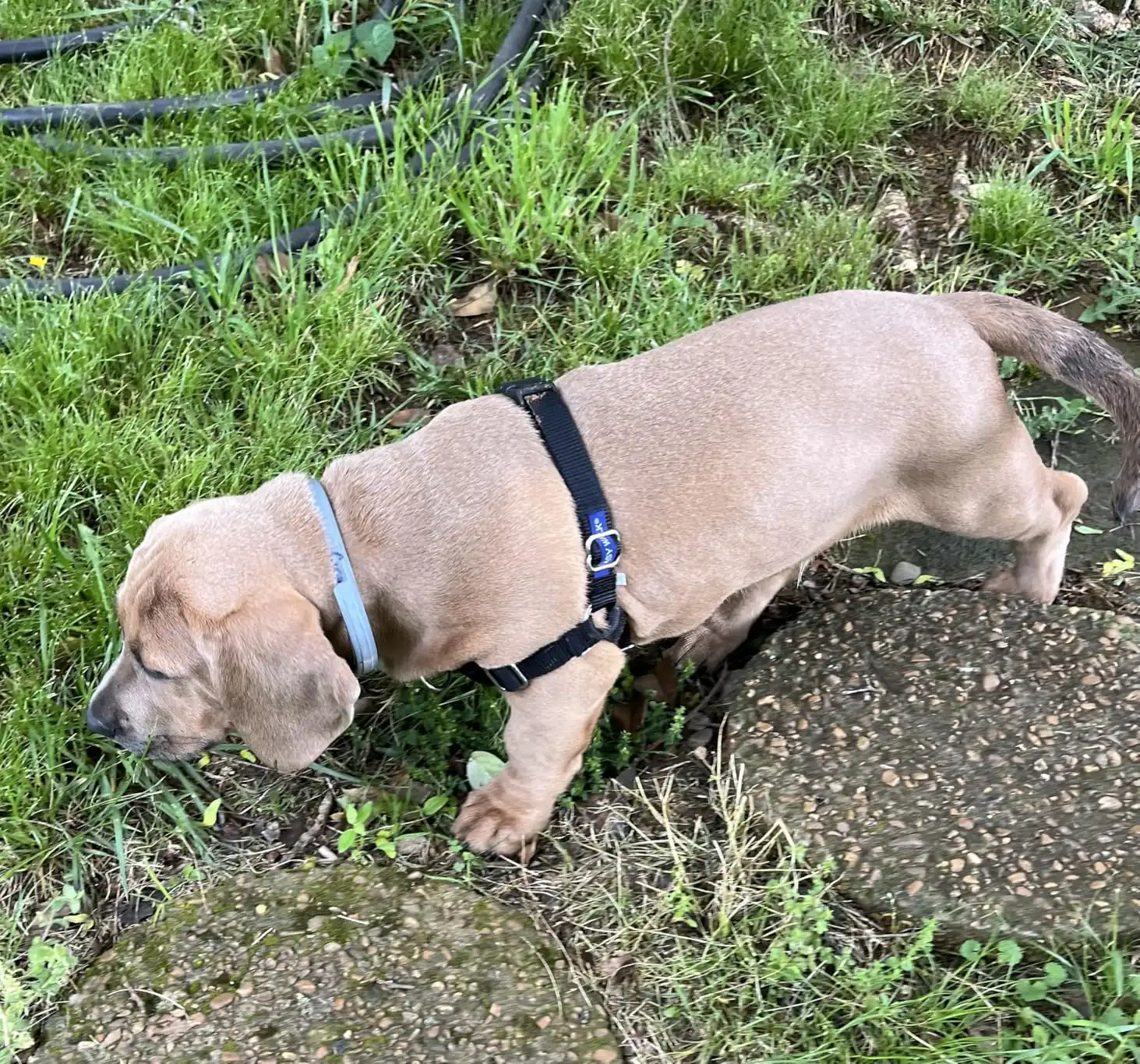
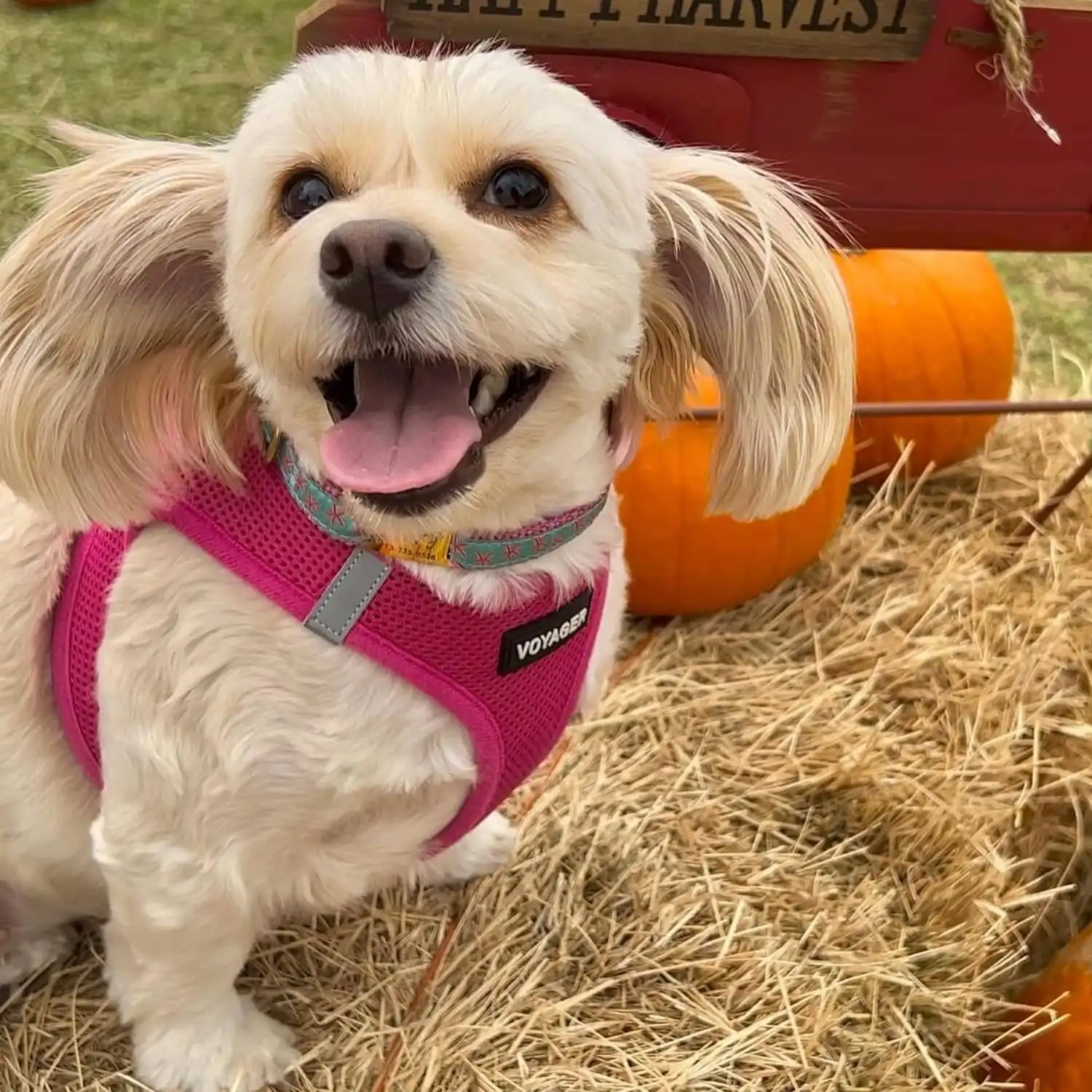
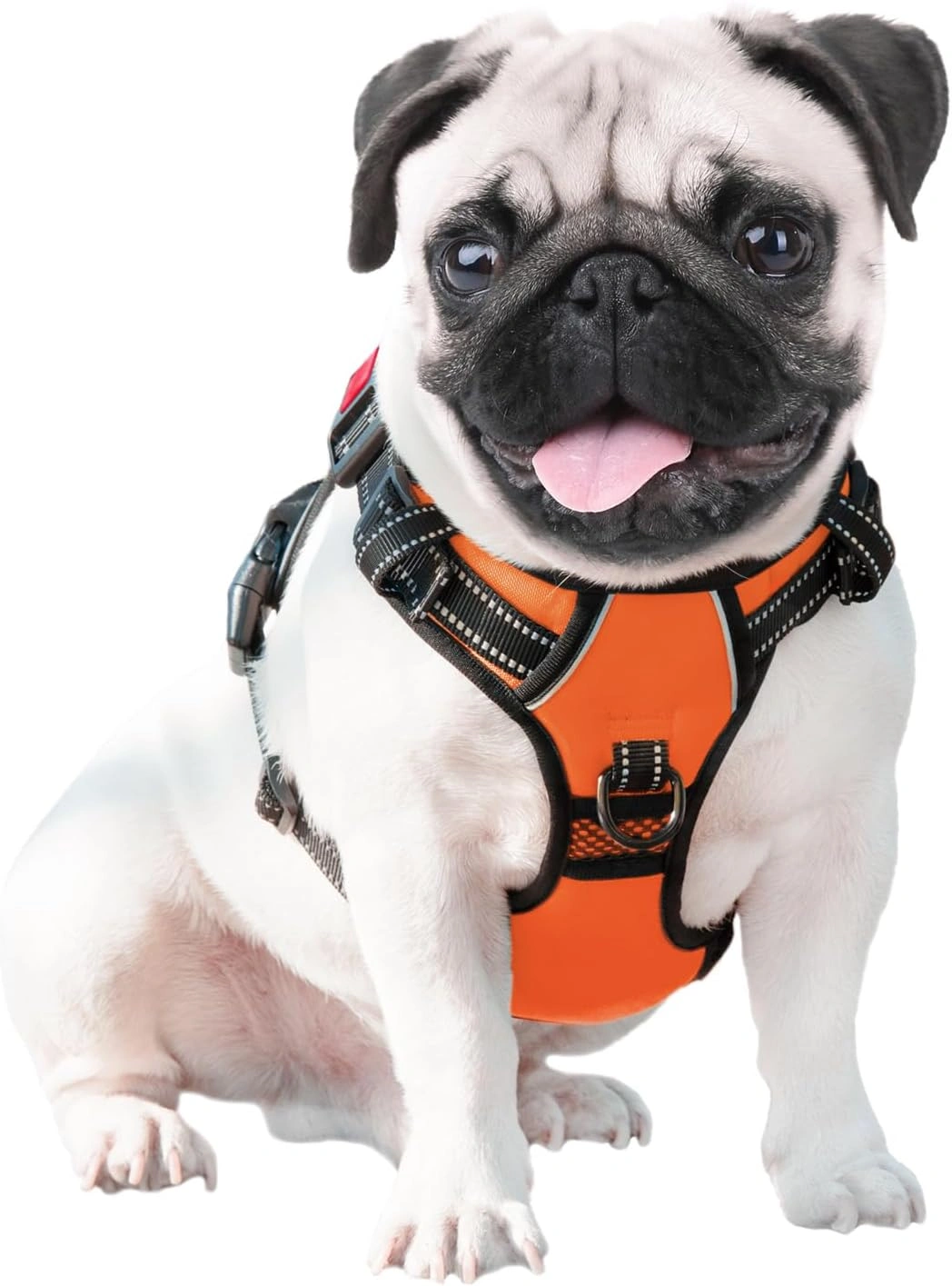
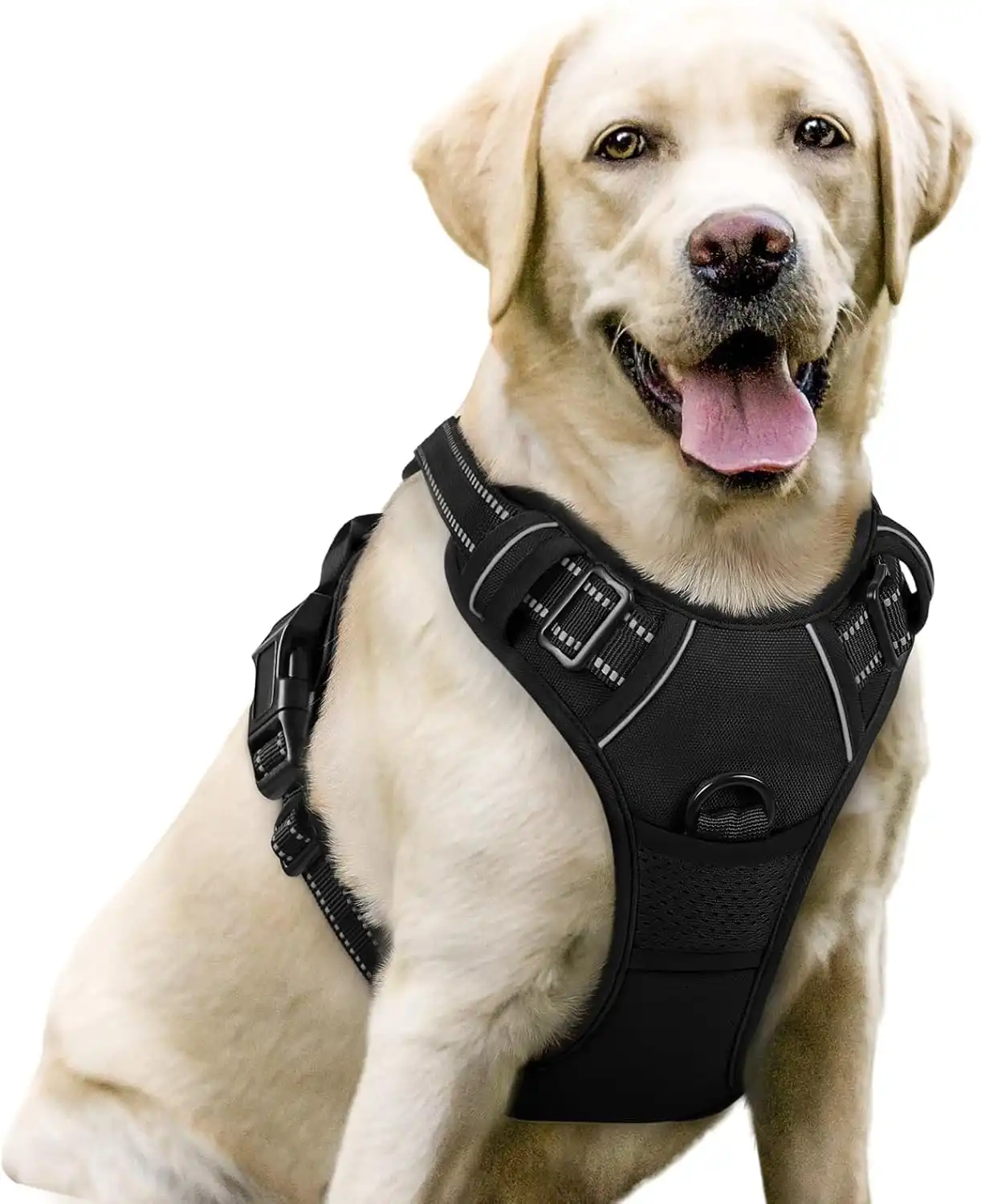



Large dogs possess incredible strength. A standard collar can’t always distribute that force safely, leading to potential long-term neck injuries or respiratory issues. A harness designed specifically for bigger frames shifts the pressure from the throat to the stronger chest and shoulder areas.
In 2026, the industry has moved toward “ergonomic-first” designs. This means harnesses are no longer just straps; they are engineered tools that support your dog’s natural gait while giving you the leverage needed to guide a 70+ pound animal without straining your own back.
Key Features to Look for in 2026
When shopping for your next harness, keep these high-performance features in mind to ensure you’re getting a product that will last:
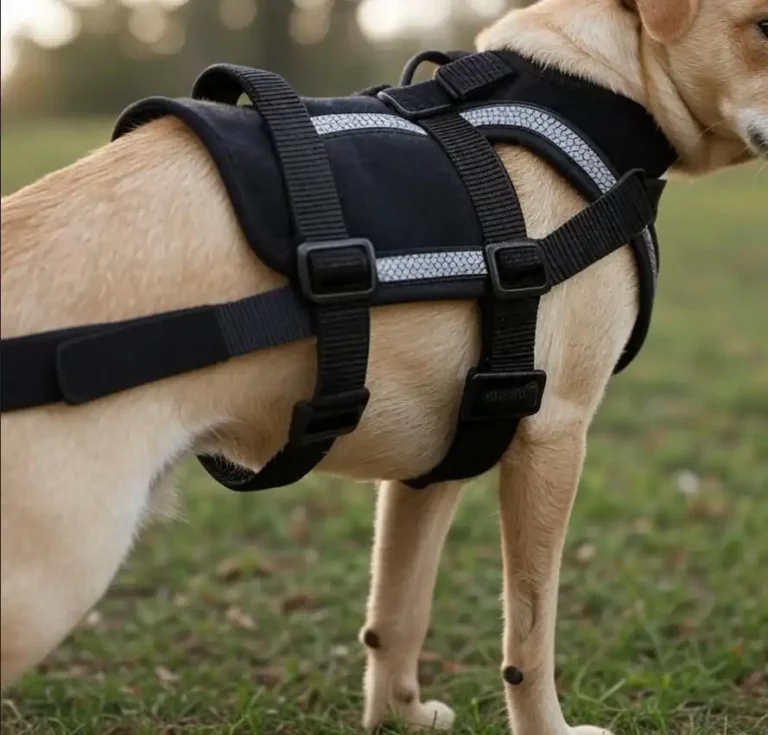
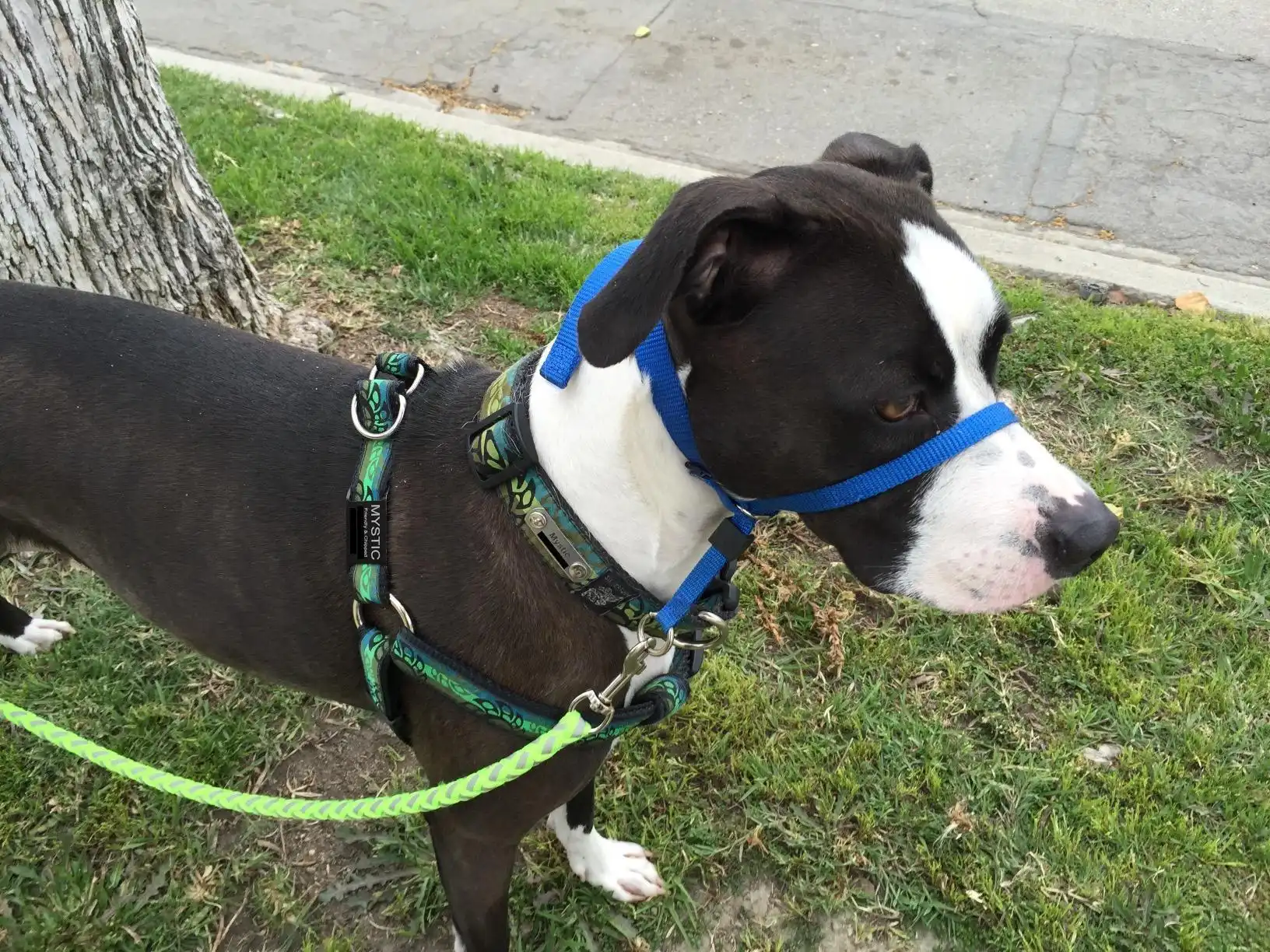
- Dual-Clip Points: Look for harnesses with both a front-clip (chest) and back-clip (top) D-ring. The front clip is essential for “no-pull” training, as it gently redirects your dog toward you if they try to forge ahead.
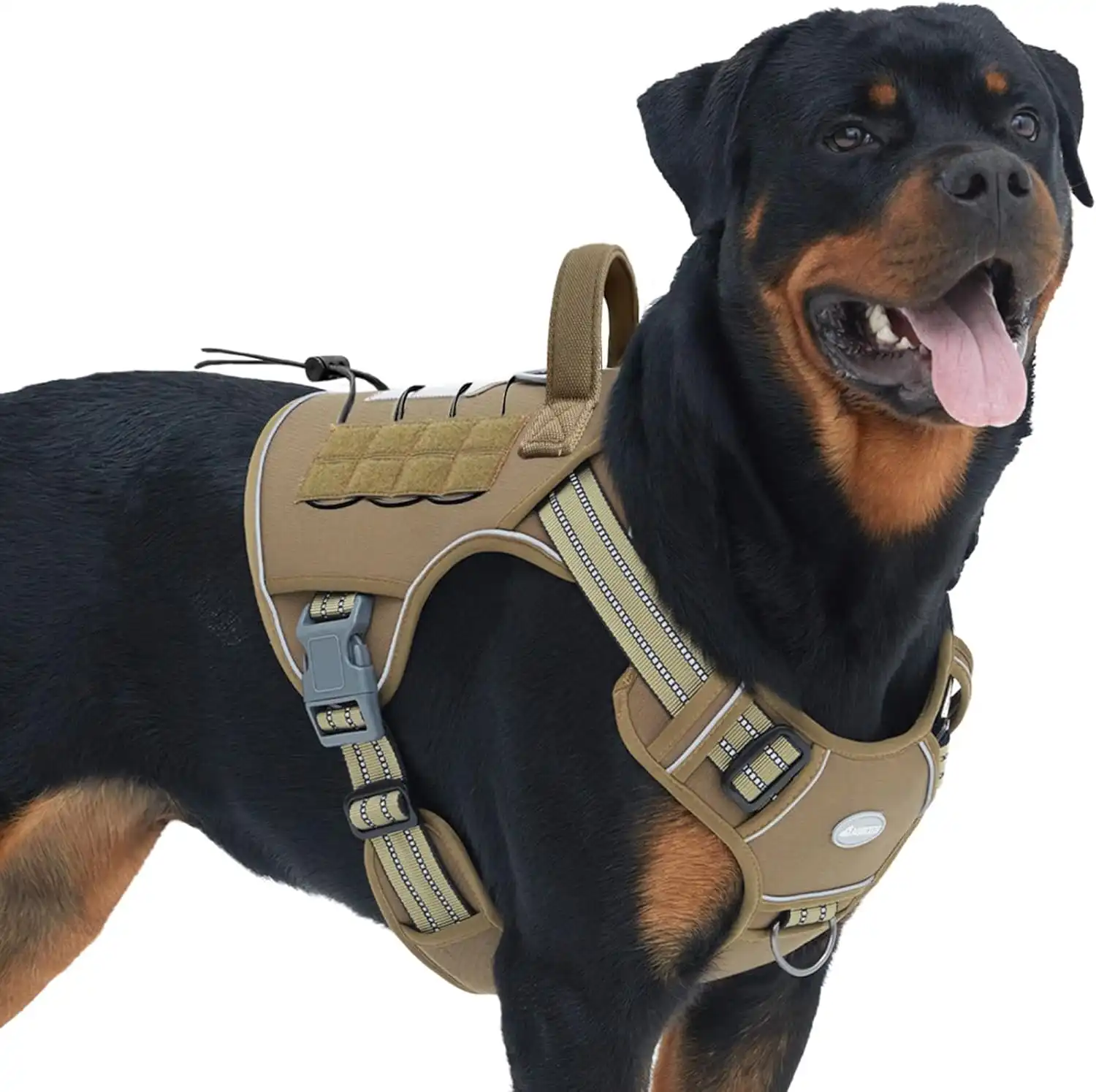
- Heavy-Duty Hardware: For large breeds, plastic buckles are a risk. Opt for reinforced nylon webbing and, ideally, aviation-grade aluminum or stainless steel hardware that can withstand high-impact tension.
- Integrated Traffic Handle: A sturdy handle on the back of the harness is a lifesaver for 2026 pet parents. It allows for “instant-control” in crowded areas or when you need to assist an older dog over an obstacle.
- Breathable, Padded Mesh: Large dogs overheat faster than smaller ones. Modern 2026 designs utilize “air-flow” mesh and neoprene lining to prevent chafing and keep your dog cool during summer hikes.
- 360° Reflectivity: Safety doesn’t stop when the sun goes down. High-visibility stitching and reflective panels are now standard for urban and trail safety.
How to Get the Perfect Fit
A harness is only effective if it fits correctly. An ill-fitting harness can cause “hot spots” (skin irritation) or, worse, allow your dog to slip out.
The Two-Finger Rule
Once the harness is secured, you should be able to fit exactly two fingers between the strap and your dog’s skin. Any more, and it’s too loose; any less, and it will restrict their breathing and movement.
Measuring Your Big Dog
To get an accurate size, use a soft measuring tape to find:
- Chest Girth: The widest part of the ribcage, usually right behind the front legs.
- Neck Circumference: The base of the neck where it meets the shoulders.
- Weight: While girth is the primary metric, many 2026 brands categorize sizes (L, XL, XXL) based on weight brackets for added safety.
Safety First: The 2026 Standard
This year, pet safety experts emphasize the importance of “Y-shaped” chest plates. Unlike horizontal “no-pull” straps that can restrict shoulder movement and lead to joint issues over time, the Y-shape allows for a full range of motion. This ensures that even during a vigorous run, your large breed’s skeletal health is protected.
Pro Tip: If your dog is a “Houdini” (an escape artist), look for a harness with a third belly strap. This “three-point” security system makes it nearly impossible for a dog to back out of the harness.
Final Thoughts for Pet Parents
Investing in a high-quality harness is an investment in your dog’s quality of life. When you have the right control, walks stop being a chore and start being the bonding experience they were meant to be.
About the Author

You Might Also Like