Choosing the Best Large Dog Harness for 2026: A Guide
Walking a big dog is more than just exercise; it’s a bonding experience that defines your day. Whether you’re navigating busy city sidewalks or exploring rugged mountain trails, the right gear makes all the difference in safety and comfort. For owners of powerful breeds, a standard collar often isn’t enough to manage that enthusiastic “squirrel!” moment without risking neck strain.
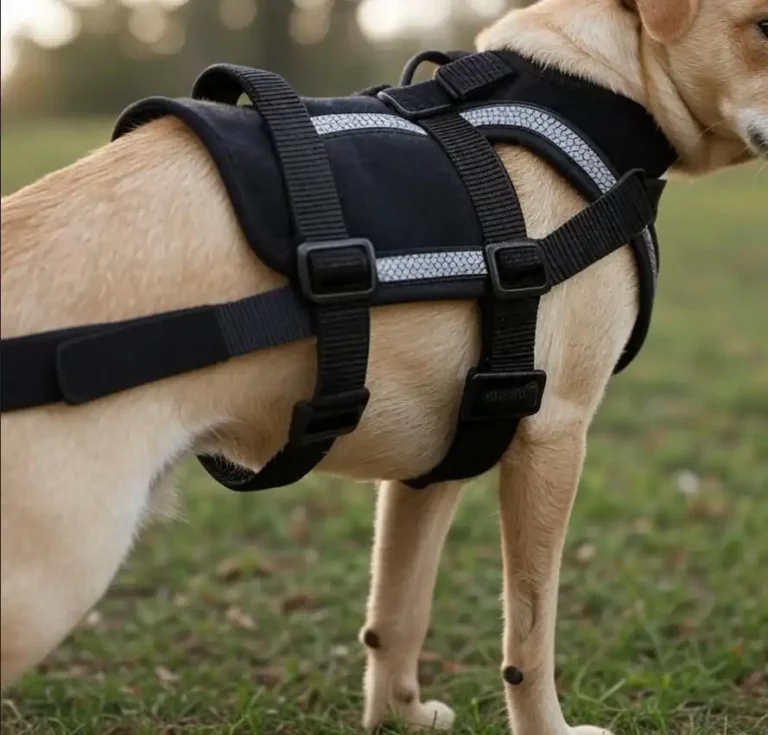
Finding a high-quality Large Dog Harness is the smartest move you can make to ensure your pup stays secure, comfortable, and responsive during every outing.
Why a Harness Beats a Collar for Large Breeds
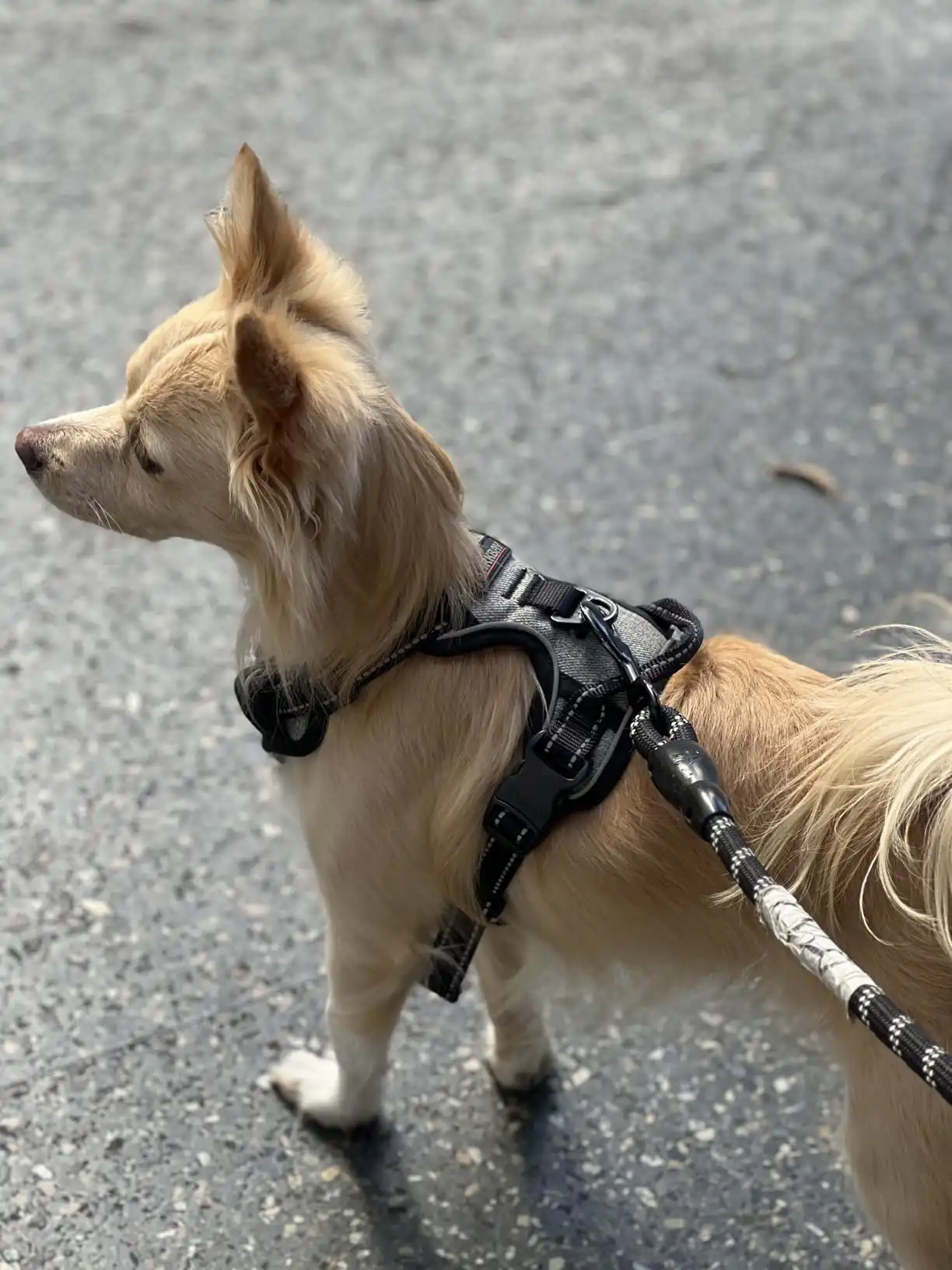
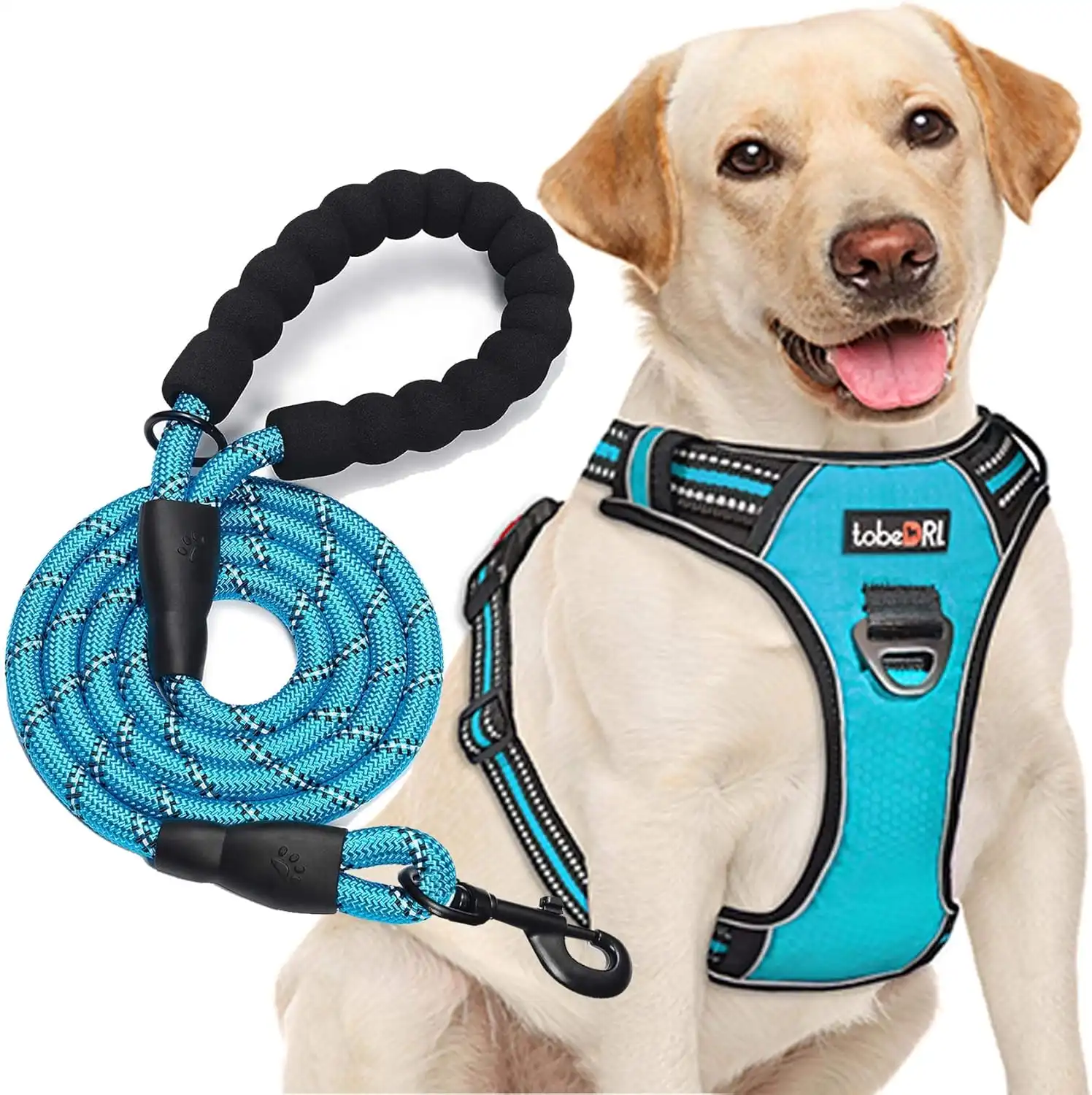
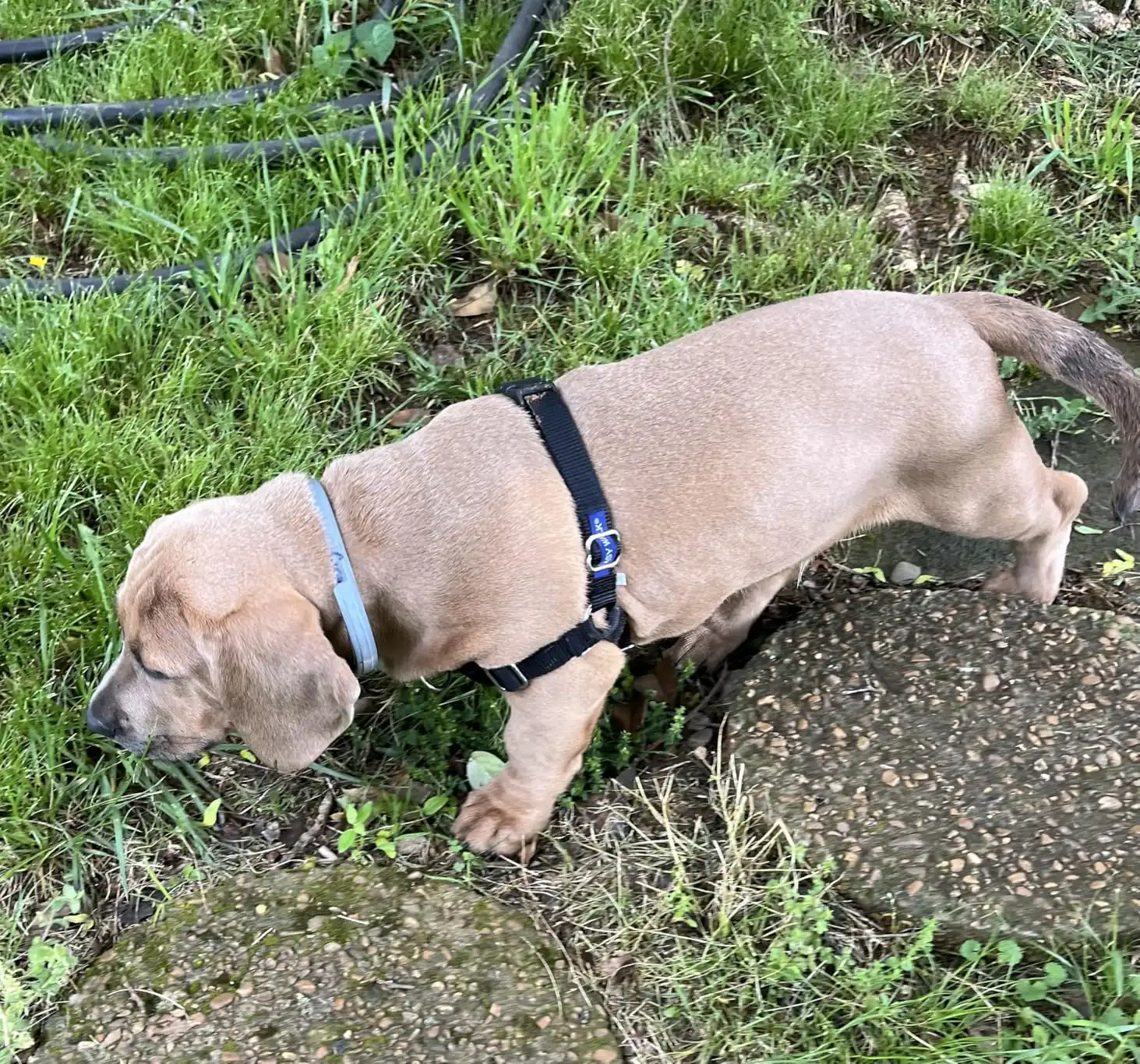

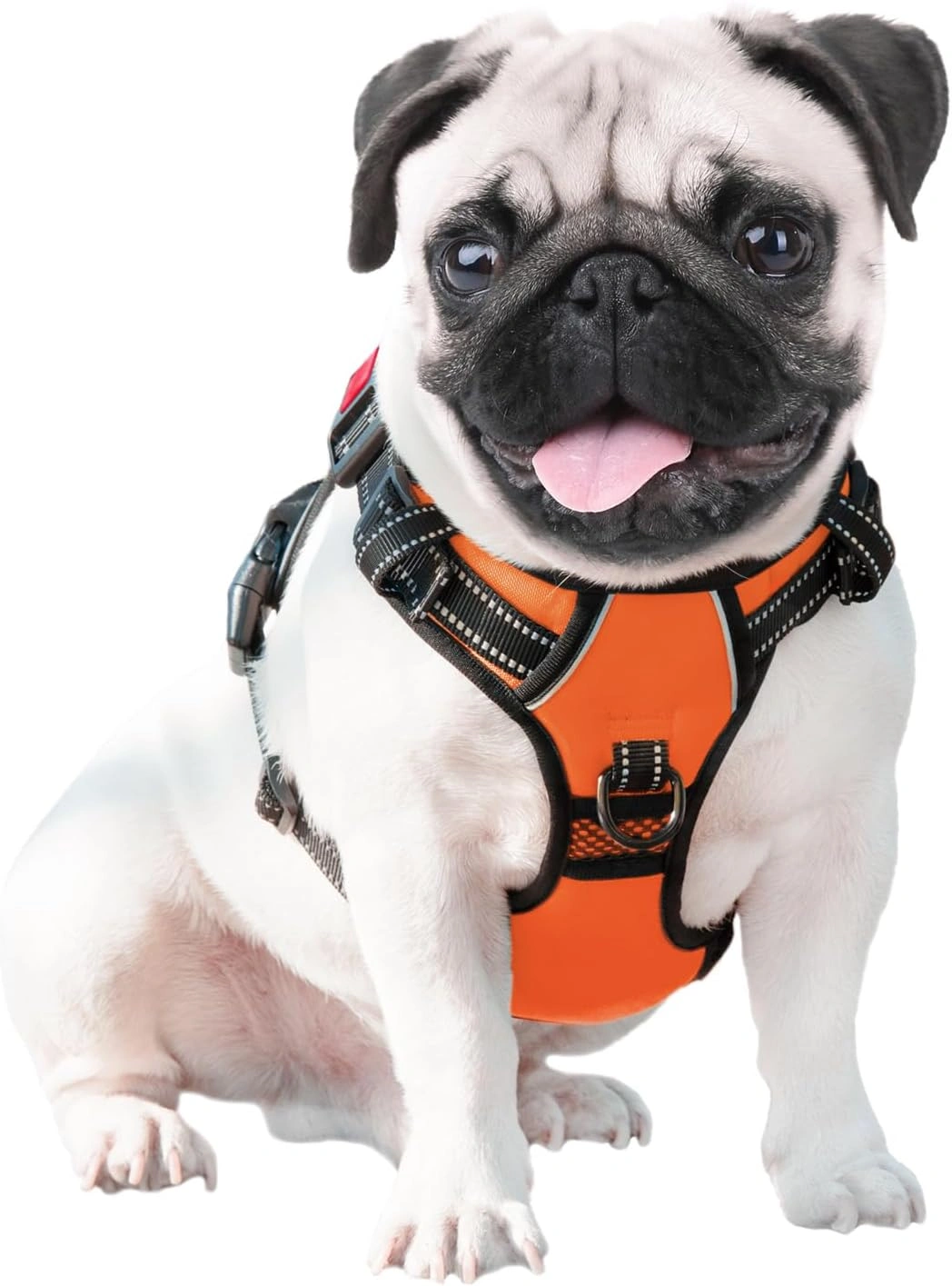
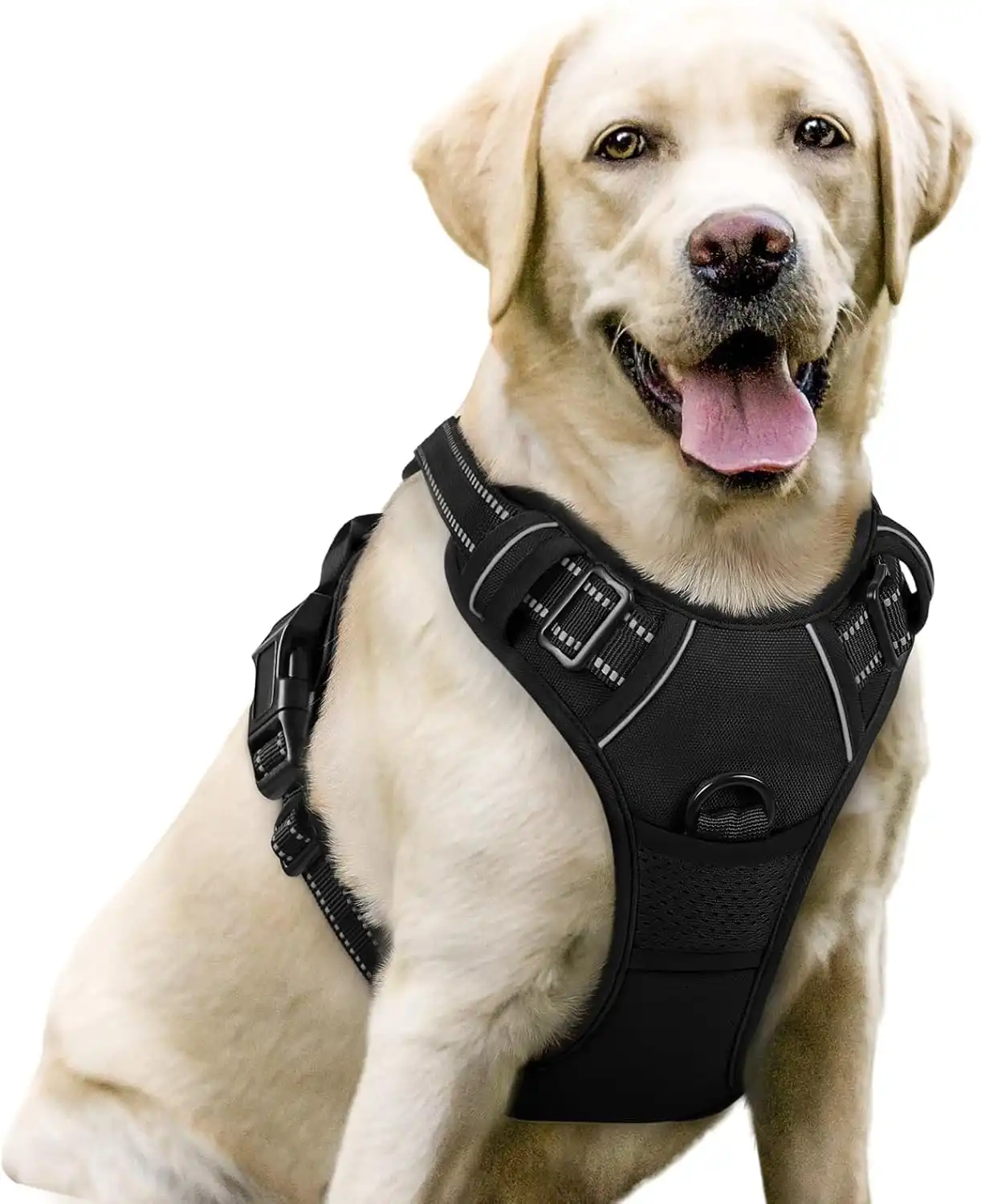



As we move into 2026, veterinary experts are increasingly recommending harnesses over traditional collars for larger dogs. Big dogs have significant pulling power, and when that force is concentrated on a thin collar, it can lead to tracheal collapse or spinal issues over time.
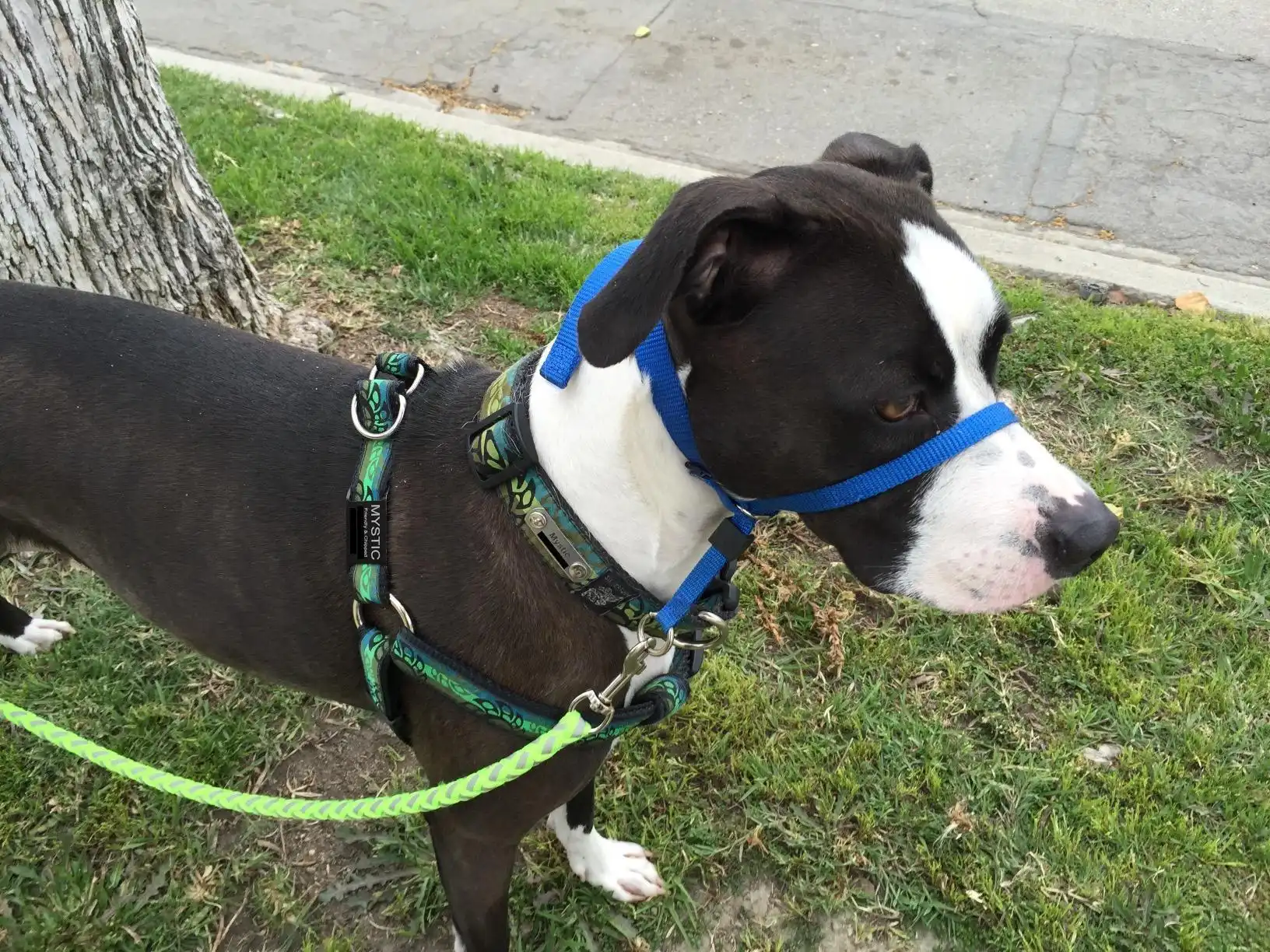
A well-designed harness redistributes that energy across the chest and shoulders—the strongest parts of a dog’s body. This not only protects their health but also gives you “power steering” control, making it much easier to guide a 70-pound Labrador or a 100-pound German Shepherd.
Top Features to Look for in 2026
Technology in pet gear has evolved rapidly. When shopping for your next harness, keep these “2026 Standards” in mind:
1. Dual-Clip Versatility
The most effective harnesses now feature two attachment points:
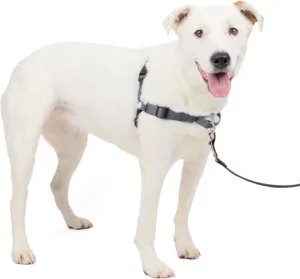
- Front-Clip (No-Pull): Perfect for training. When your dog pulls, the leash placement gently redirects their momentum back toward you.
- Back-Clip: Ideal for well-trained walkers, jogging, or hiking.
2. Advanced Safety & Visibility
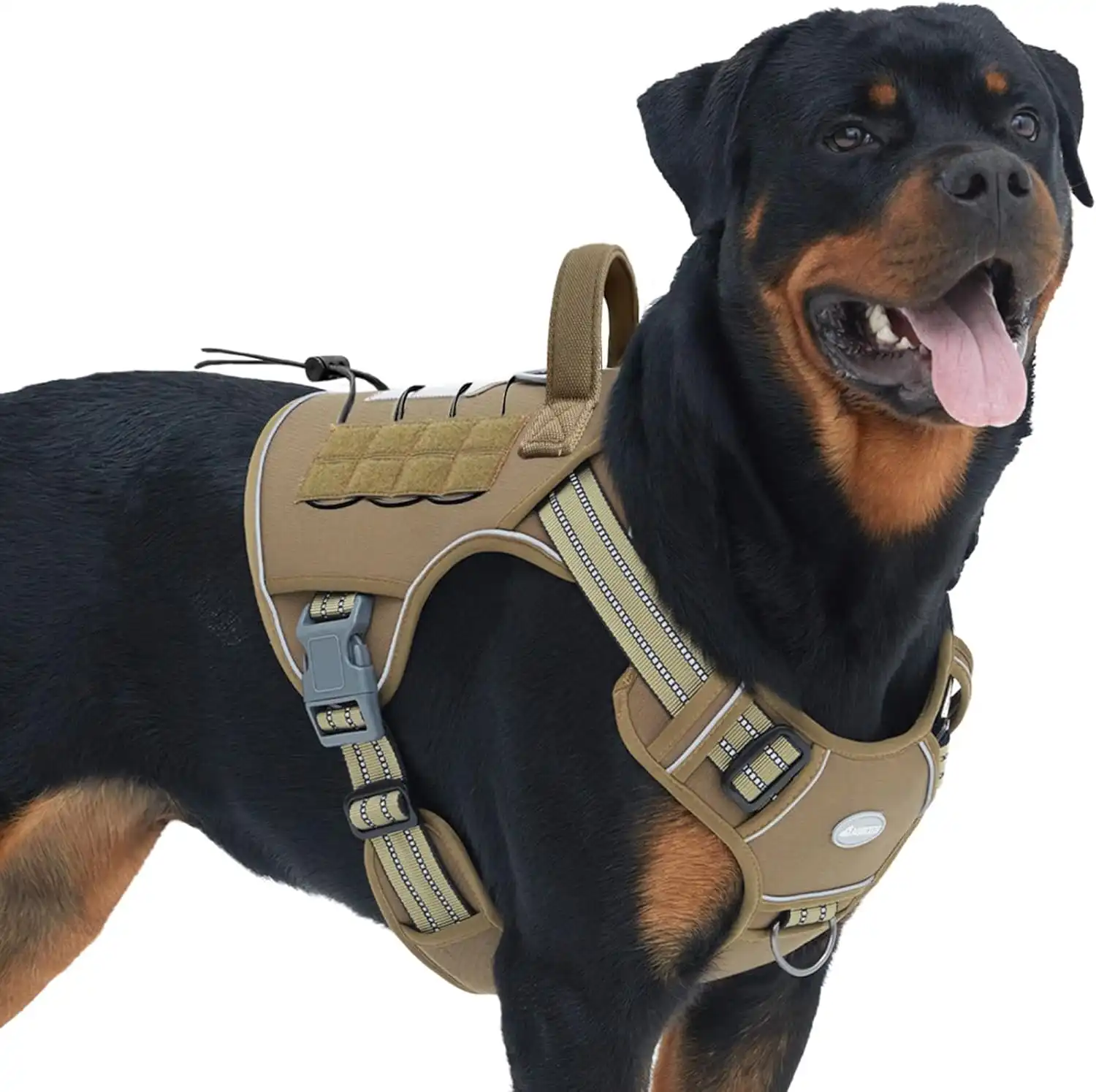
Safety is no longer just about a sturdy buckle. Look for harnesses with integrated LED piping or high-visibility reflective materials. In 2026, many premium models also include a dedicated pocket for GPS trackers (like AirTags or Tractive), ensuring your big adventurer is never truly lost.
3. Breathable, Ergonomic Padding
Large dogs generate a lot of body heat. The latest designs utilize anti-chafe air mesh and “Y-shaped” chest plates. This specific shape ensures the harness doesn’t interfere with the dog’s natural shoulder movement—a common flaw in older “restrictive” designs.
How to Get the Perfect Fit
A harness is only as good as its fit. If it’s too loose, your dog can “Houdini” their way out; if it’s too tight, it can cause skin irritation.
| Measurement | How to Measure |
| Girth | Wrap a flexible tape measure around the widest part of their rib cage (behind the front legs). |
| Neck | Measure the base of the neck where the harness will naturally sit. |
| The 2-Finger Rule | Once buckled, you should be able to fit two fingers comfortably between the harness and your dog. |
Pro Tip: For large breeds that are still growing, look for a harness with 4 or 5 adjustment points. This allows the gear to grow with them, saving you money and ensuring constant safety.
Safety First: Crash-Tested Ratings
If you travel with your dog, 2026 has brought better safety certifications. Look for harnesses that are ASTM F3725 certified or approved by the Center for Pet Safety. These harnesses are built with seatbelt-grade webbing and metal hardware designed to withstand the forces of a vehicle accident, doubling as a walking harness and a car safety restraint.
Final Thoughts
Investing in a heavy-duty harness is an investment in your dog’s long-term health and your own peace of mind. By choosing a model that offers ergonomic support, no-pull control, and modern safety features, you’re setting the stage for years of happy, tail-wagging adventures.
About the Author

You Might Also Like