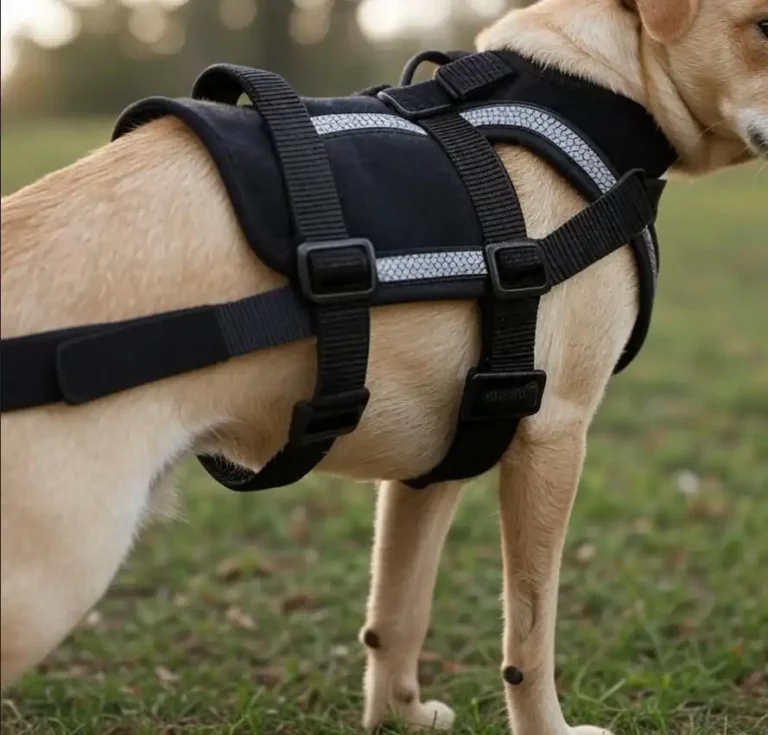
Nice Dog Harness: 2026 Comfort & Safety Guide
As we step further into 2026, the bond we share with our four-legged family members is stronger than ever. We’re taking our dogs on more road trips, longer hikes, and even into pet-friendly offices. With all this extra activity, the gear we choose—especially what they wear on their bodies—matters more than ever. If you’re looking for a balance between durability for the trail and softness for a neighborhood stroll, you likely want a Nice Dog Harness.
Why the Right Harness is a Game-Changer in 2026
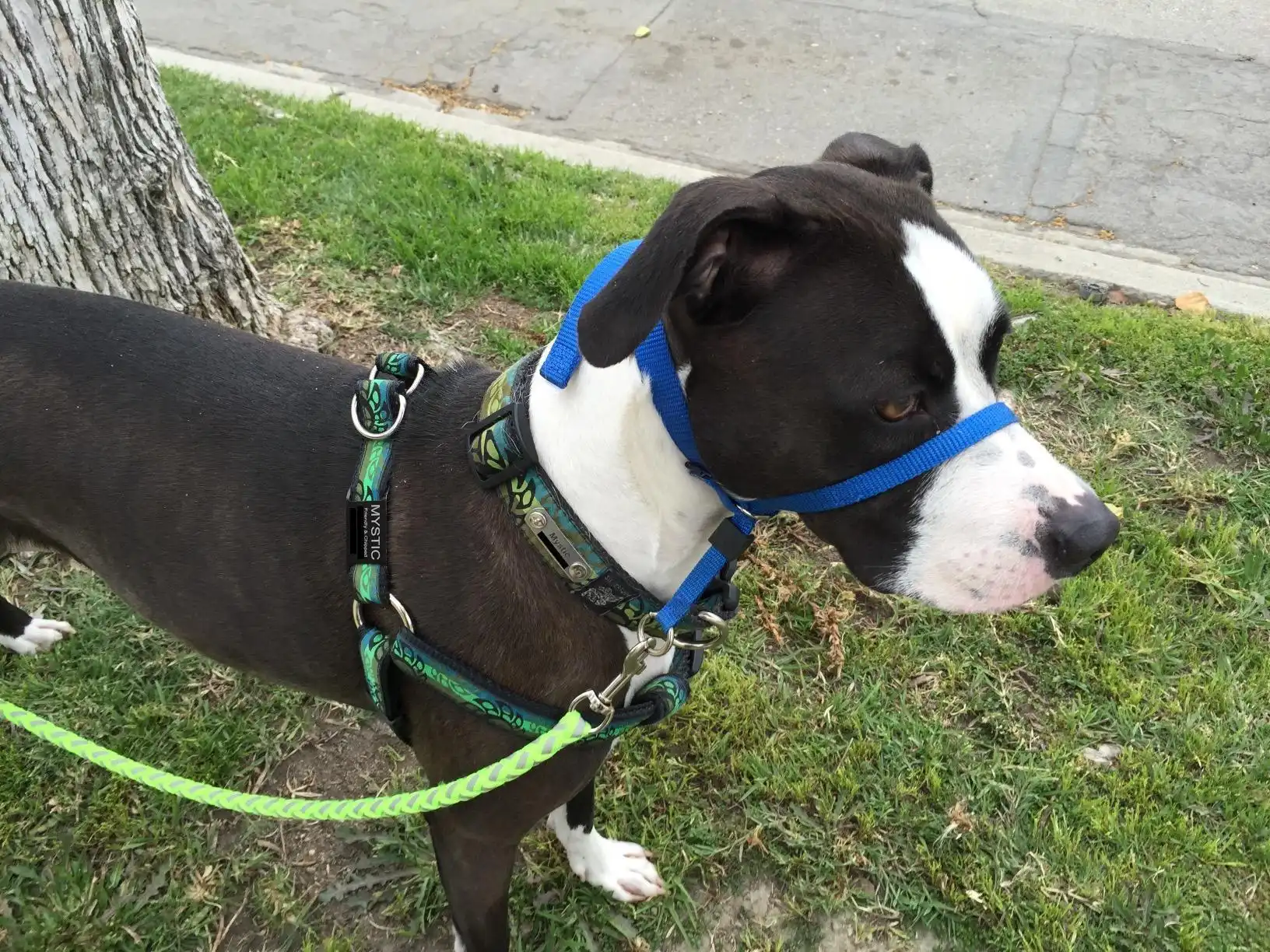
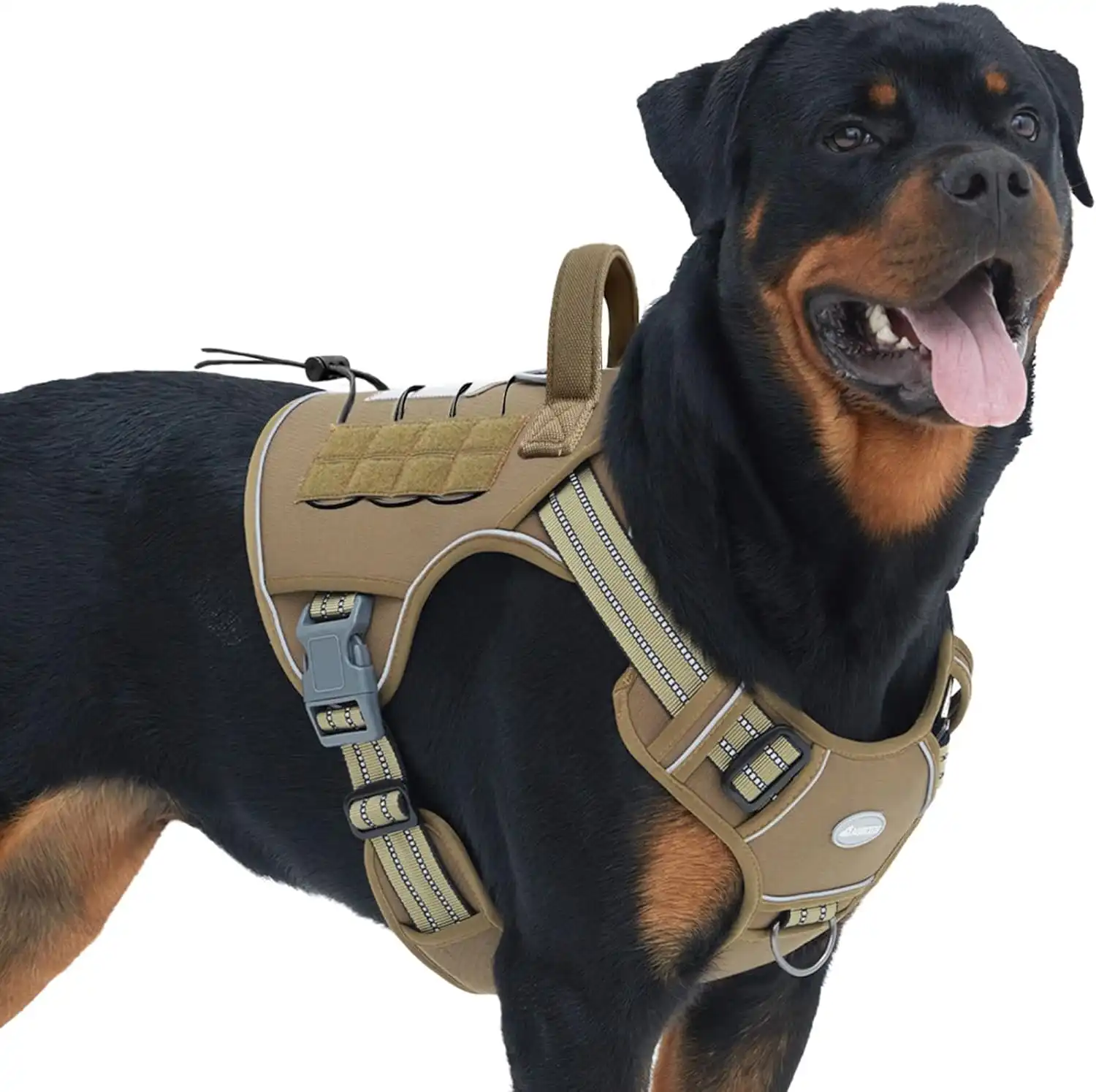
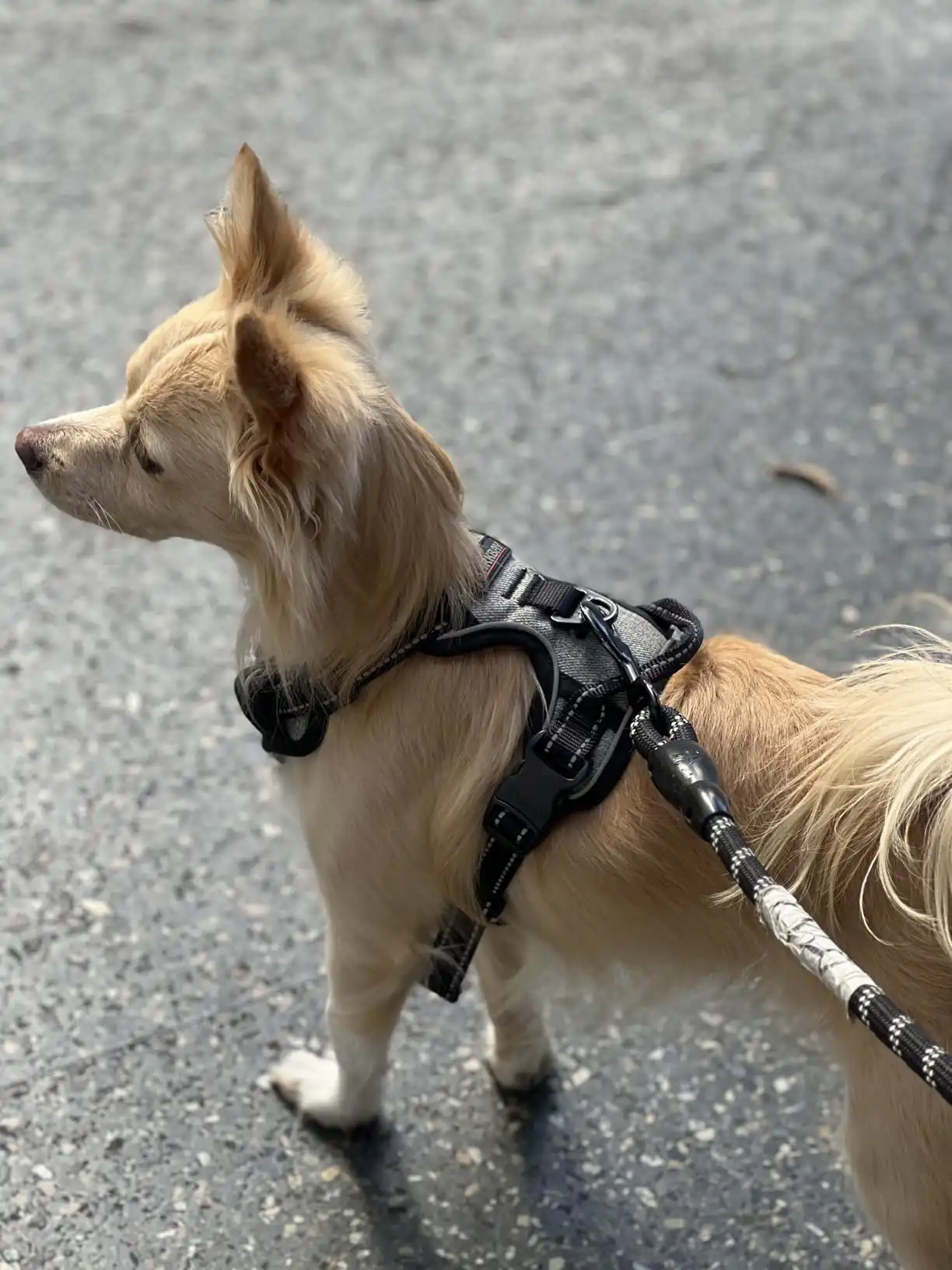
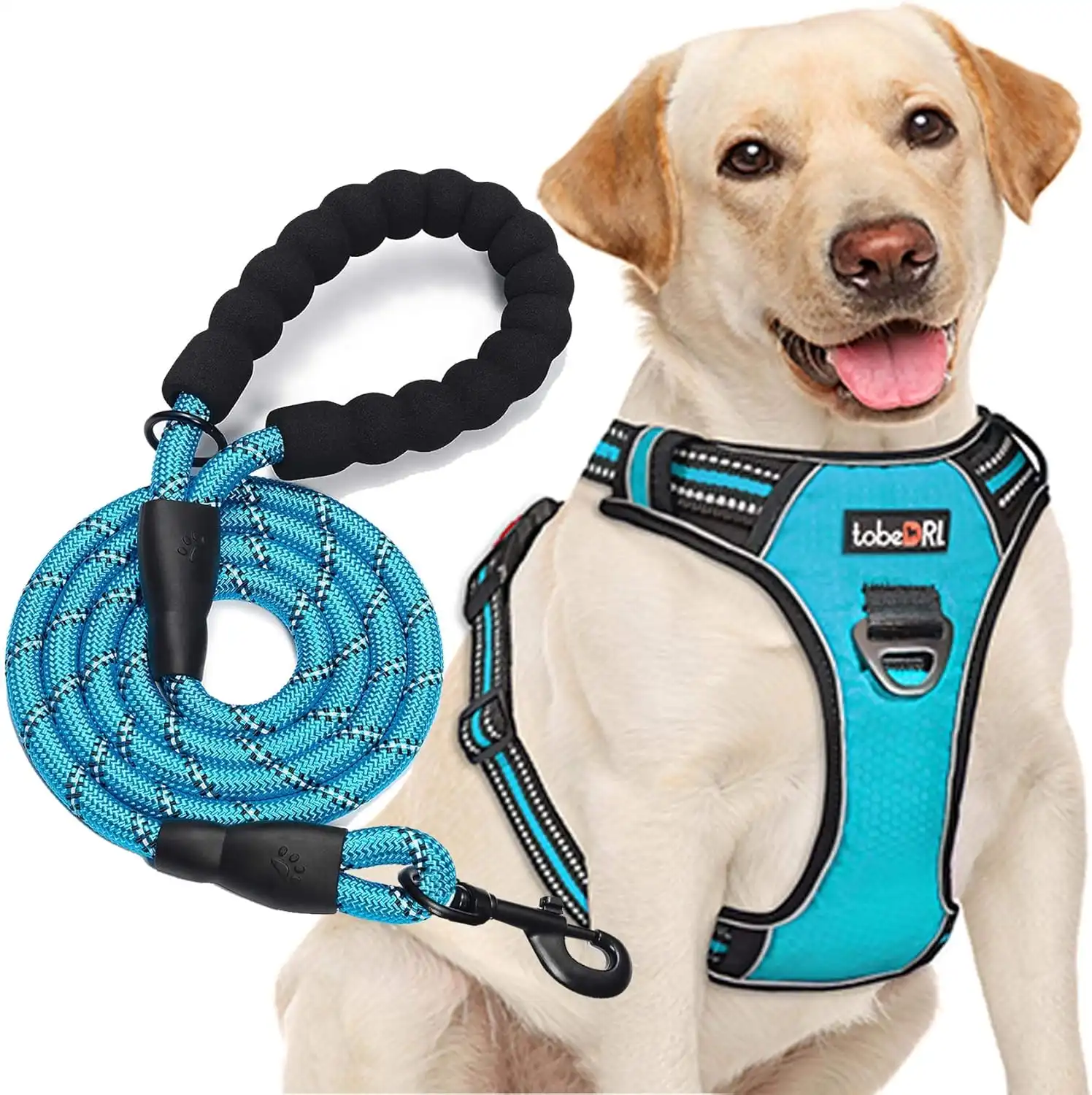
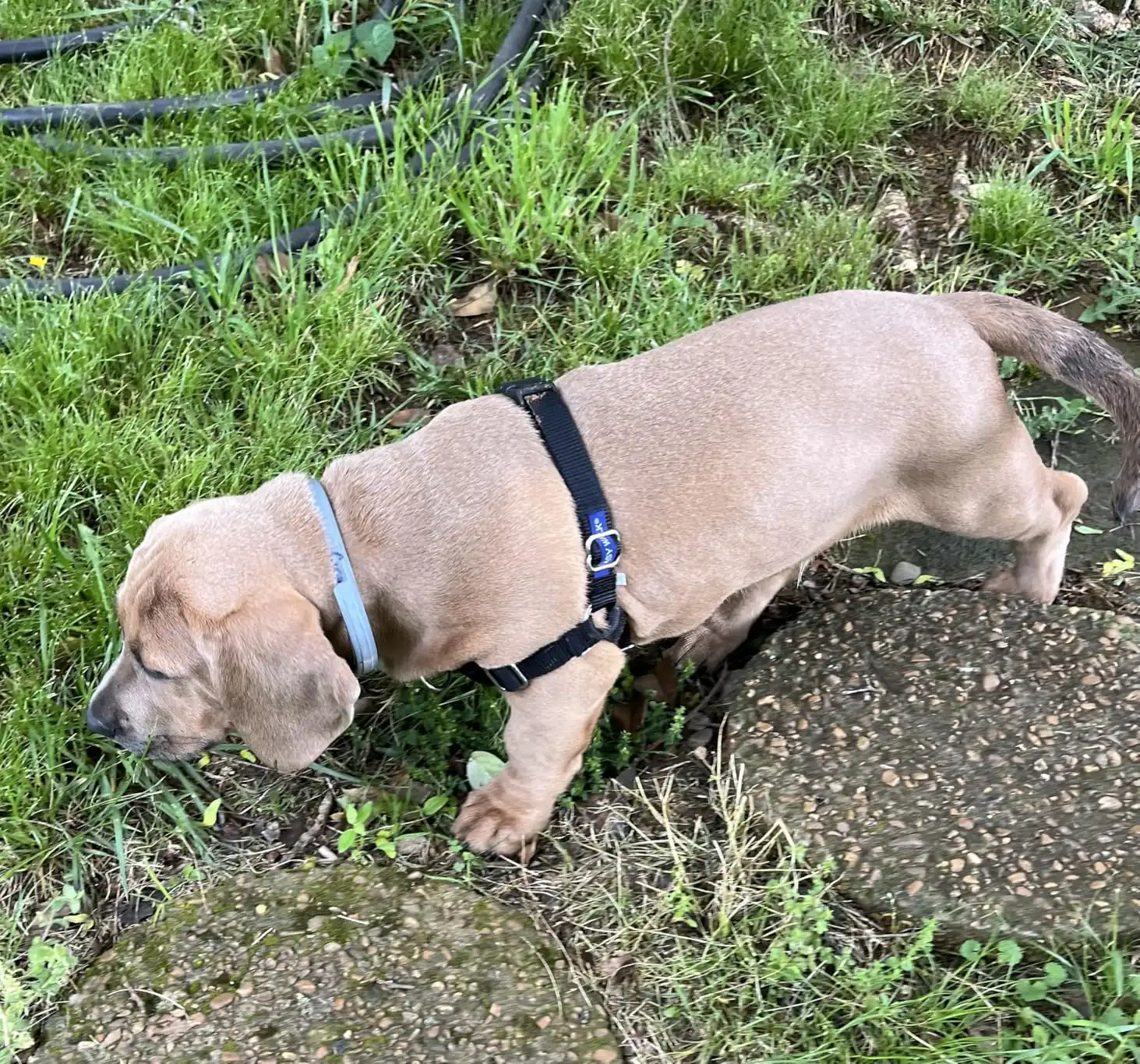

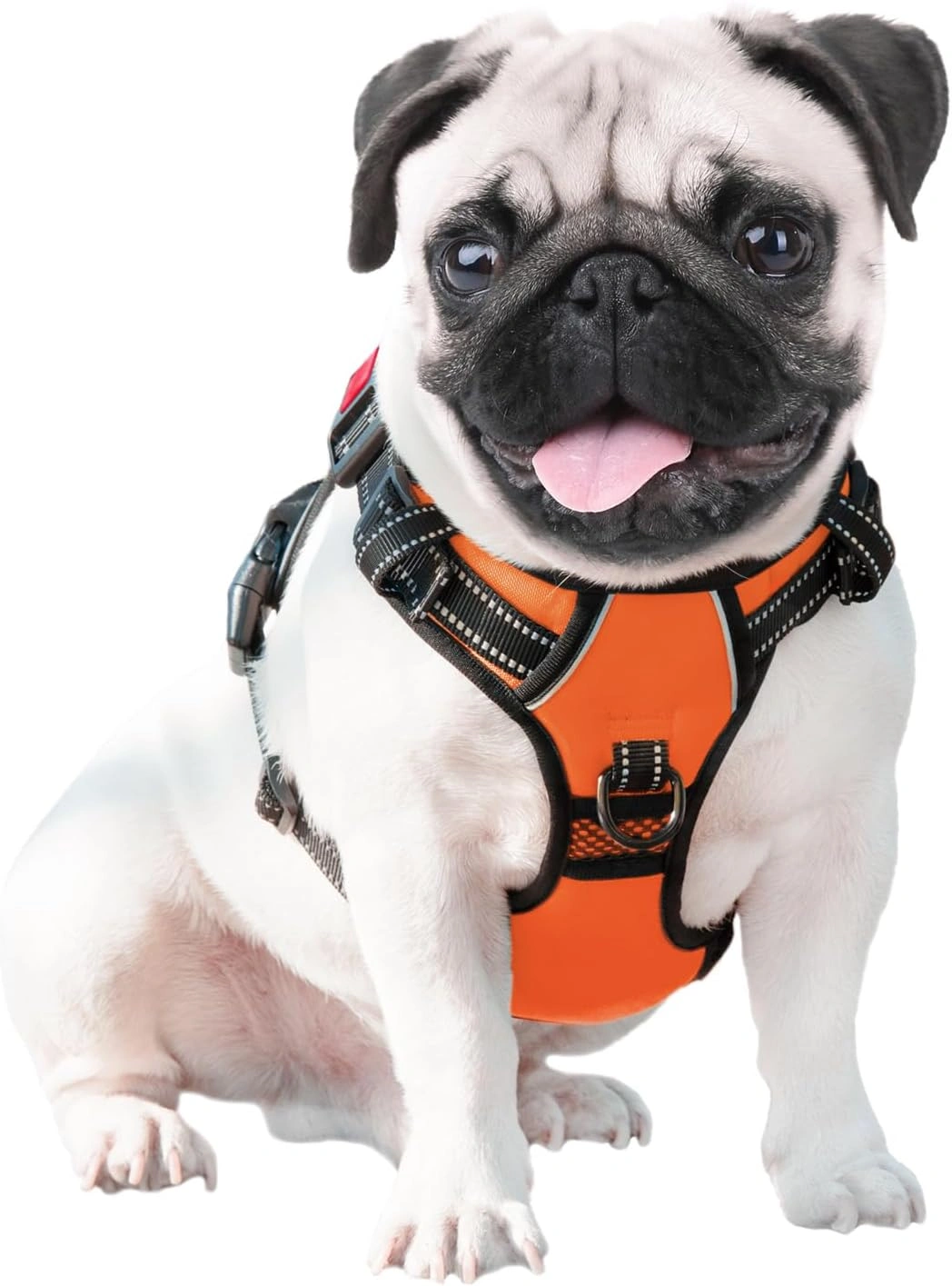
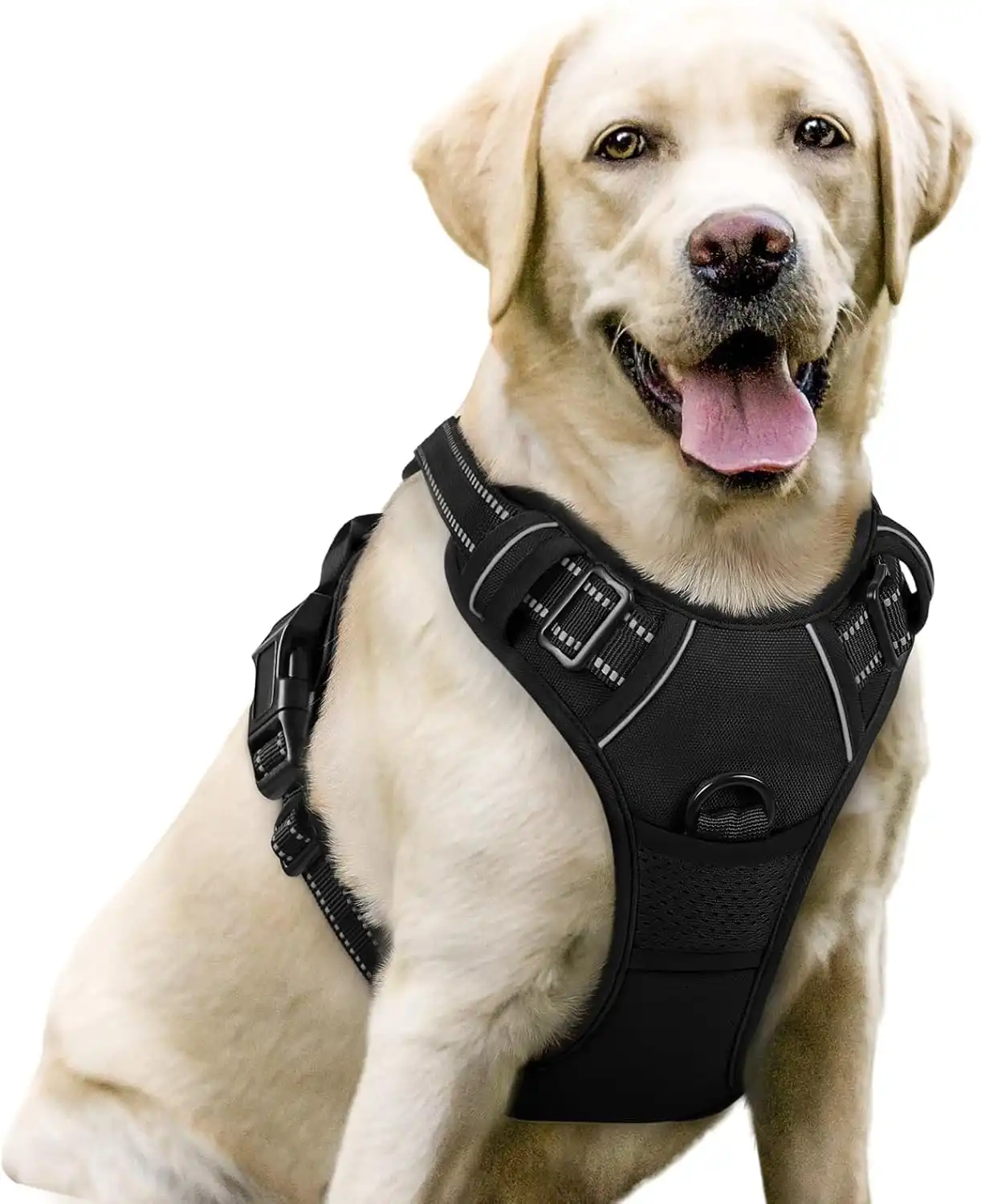



Back in the day, a simple collar was the standard. But as we’ve learned more about canine anatomy, pet parents have shifted toward harnesses to protect the delicate structures of a dog’s neck. A harness moves the point of pressure from the trachea to the much sturdier chest and shoulders.
In 2026, “nice” isn’t just about the aesthetic—though we all love a pup that looks sharp. A high-quality harness today incorporates sustainable materials like recycled ripstop polyester and advanced safety features like integrated Apple AirTag holders or NFC “digital ID” tags.
The Key Benefits:
- Tracheal Protection: Essential for “flat-faced” (brachycephalic) breeds like Frenchies or Pugs.
- Better Control: Provides a central point of contact that makes it easier to guide your dog through crowds.
- Safety Tech: Modern 2026 models often feature 360-degree reflectivity for those early morning or late-night bathroom breaks.
Finding the Perfect Fit: The 2026 Standards
A harness is only “nice” if it fits correctly. One of the biggest mistakes pet parents make is choosing a size based on weight alone. In 2026, manufacturers have standardized the “two-finger rule” and multi-point adjustment systems.
How to Measure Like a Pro
- Chest Girth: Use a soft tape measure around the widest part of your dog’s ribcage (right behind the front legs).
- Lower Neck: Measure where a collar would naturally sit, but slightly lower toward the shoulders.
- The Two-Finger Rule: Once the harness is on, you should be able to slide two fingers snugly between the straps and your dog’s fur. If you can’t, it’s too tight; if you can fit three, it’s too loose.
Types of Harnesses to Consider
Not all walks are created equal. Depending on your dog’s personality and your lifestyle, you might need a specific style.
| Harness Type | Best For… | Key Feature |
| Front-Clip (No-Pull) | Training and strong pullers | Redirects the dog’s momentum back toward you. |
| Back-Clip | Calm walkers and small breeds | Easy to put on and keeps the leash away from legs. |
| Dual-Clip | Versatility and hiking | Offers attachment points on both the chest and back. |
| Crash-Tested | Car travel and road trips | Built with metal hardware to withstand collision forces. |
Safety First: Crash Testing and Materials
In 2026, we are seeing a massive rise in “Crash-Tested” certifications. If you frequently take your dog in the car, look for harnesses that meet FMVSS 213 standards. These aren’t just walking tools; they are engineered safety restraints.
Material Matters:
Modern harnesses are moving away from heavy, heat-trapping fabrics. Look for breathable 3D air-mesh for summer comfort and DWR (Durable Water Repellent) coatings if you live in a rainy climate. This prevents the harness from becoming heavy and “soggy” during your walk.
Making the Best Choice for Your Pup
Choosing a harness is an investment in your dog’s daily happiness. A well-fitted, high-quality harness prevents chafing, reduces anxiety during walks, and gives you the peace of mind that your best friend is secure.
Whether you’re heading to the mountains or just the local cafe, the right gear makes every adventure better. Keep an eye out for reinforced stitching and “grab handles” on the back—they are lifesavers for helping senior dogs into the car or managing a sudden squirrel sighting!
About the Author

You Might Also Like