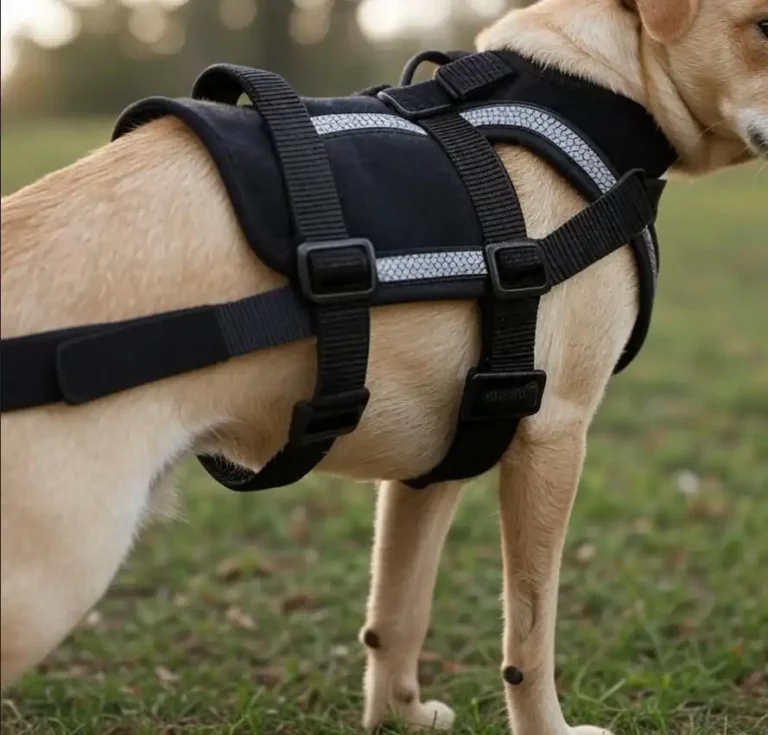
Stop the Tugging: The Best No Pulling Dog Harness for 2026
If your daily walks feel more like a game of tug-of-war than a relaxing stroll, you’re not alone. Many pet parents struggle with dogs who pull, jump, or lunge on leash—turning what should be an enjoyable outing into a stressful ordeal. That’s where the No Pulling Dog Harness comes in. This simple yet smart piece of gear can transform your walks from chaotic to calm, helping you keep control without compromising your dog’s comfort or well-being.
Why Dogs Pull on the Leash
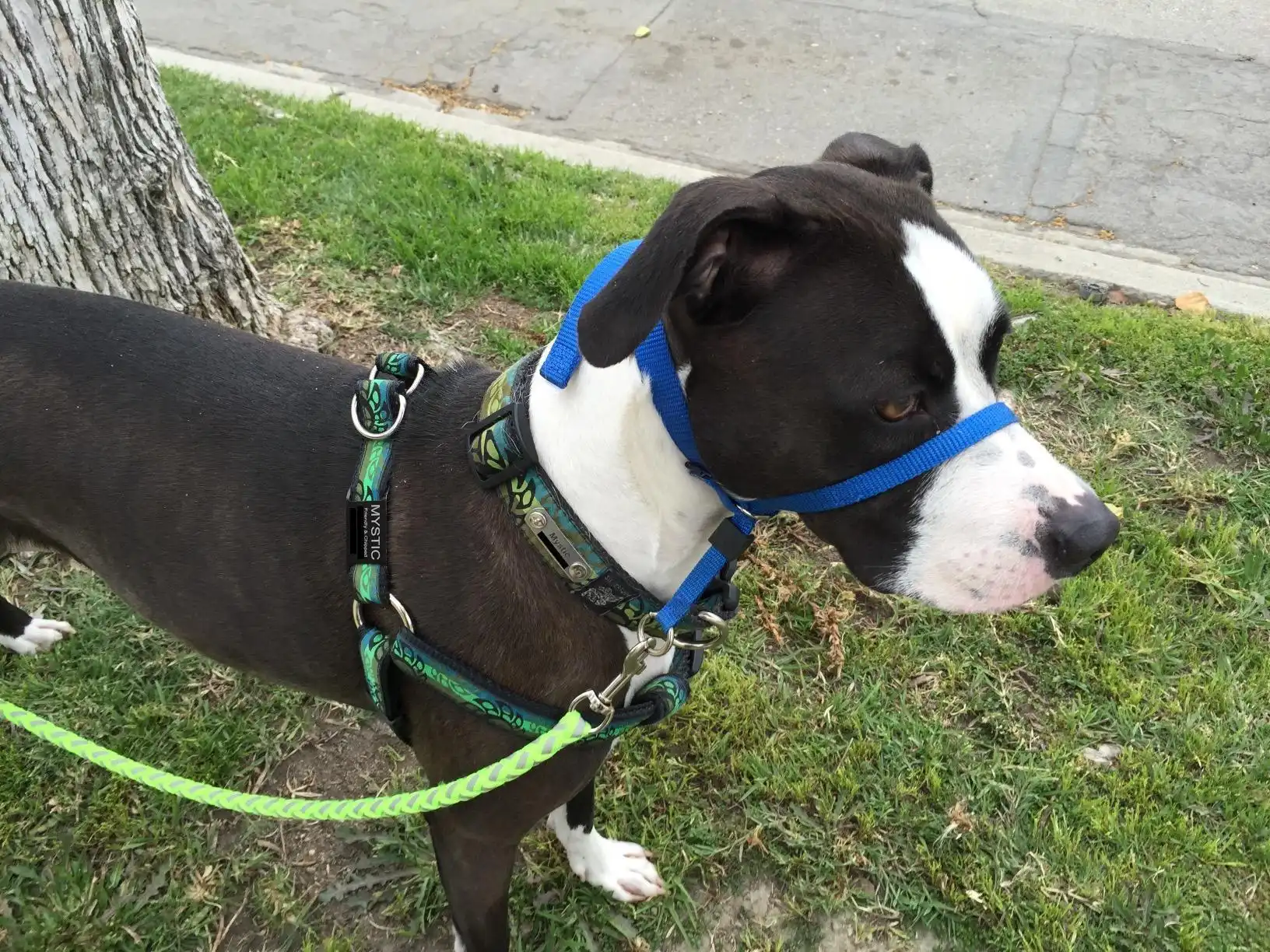
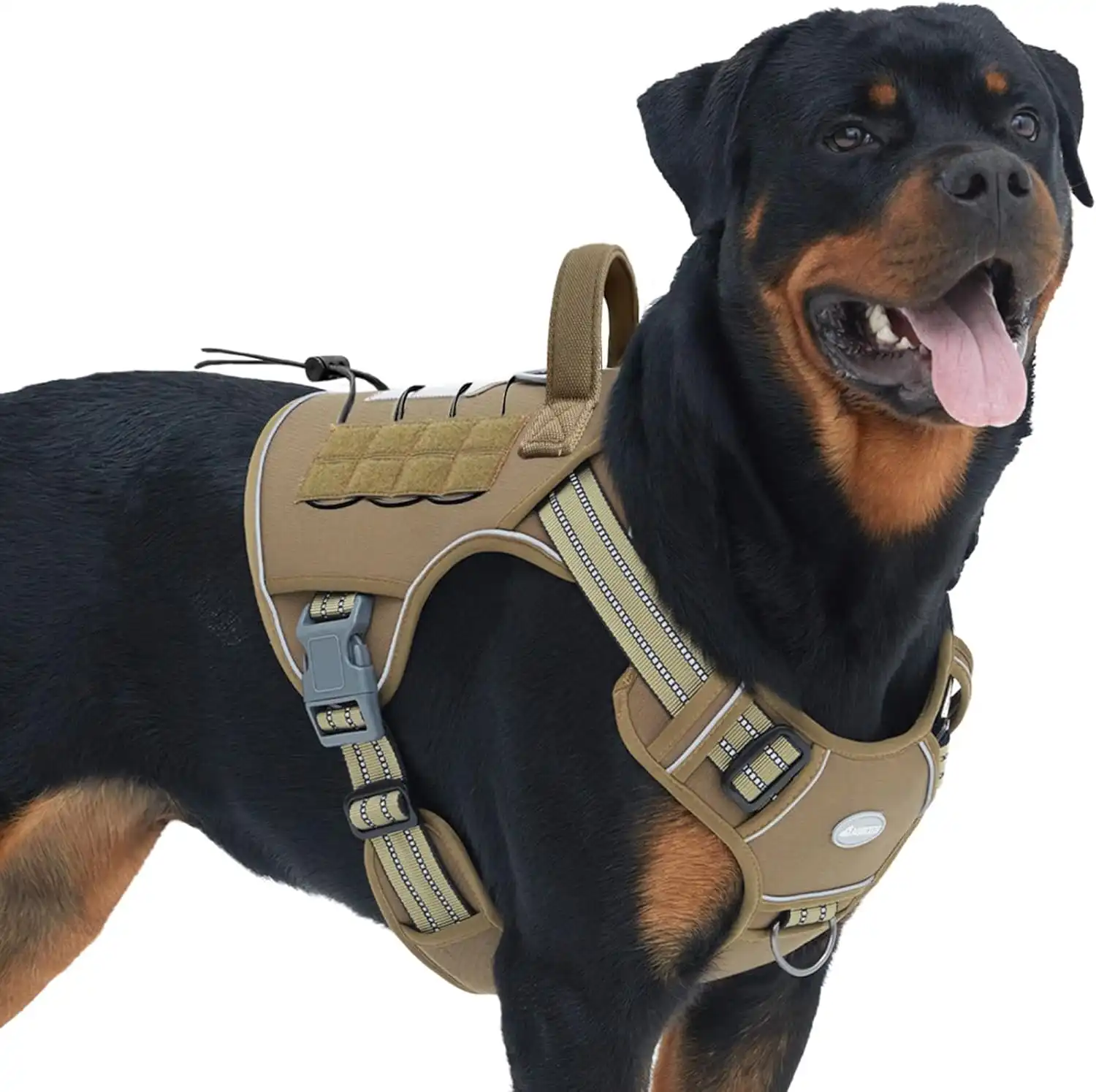
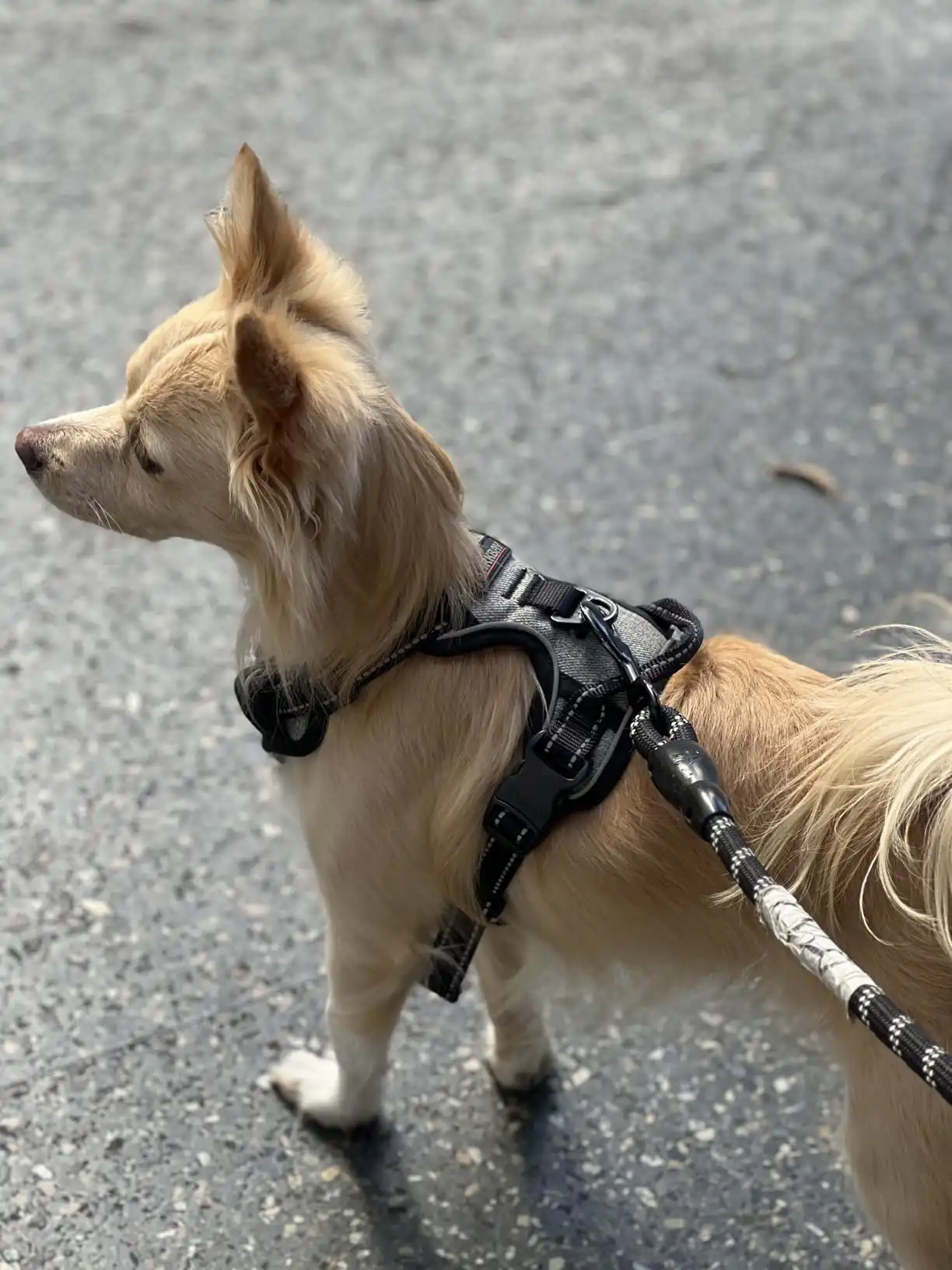
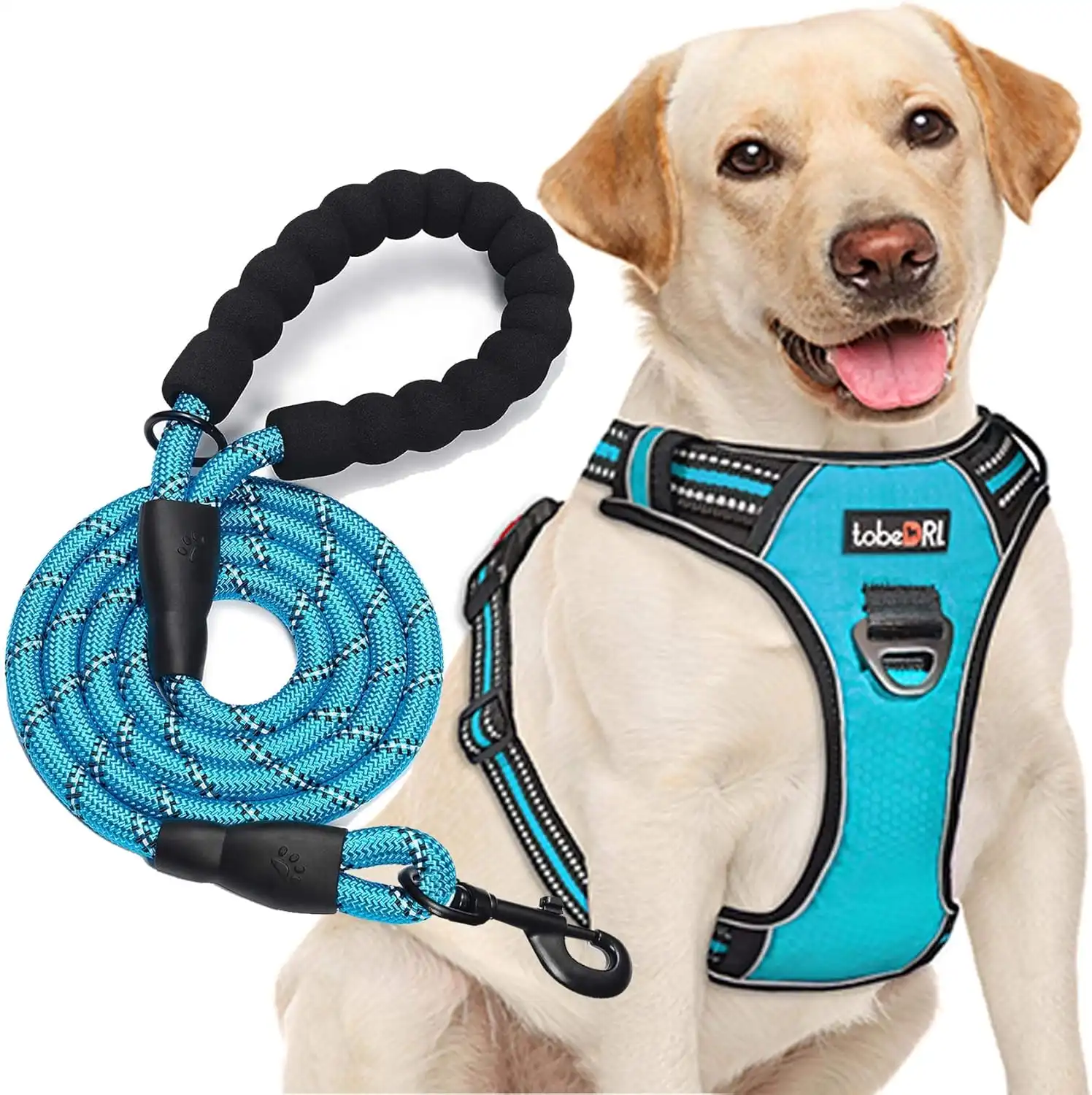
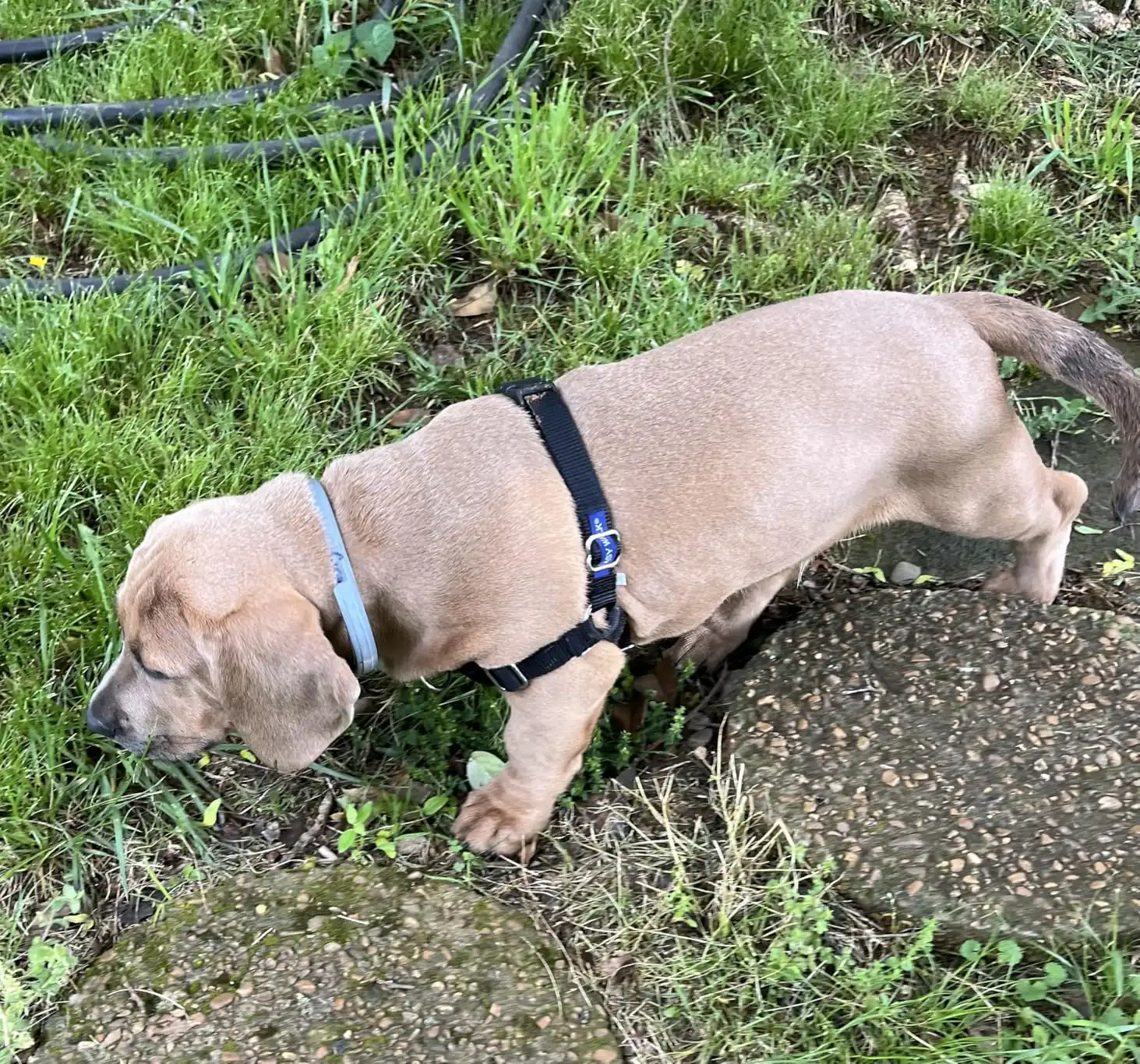

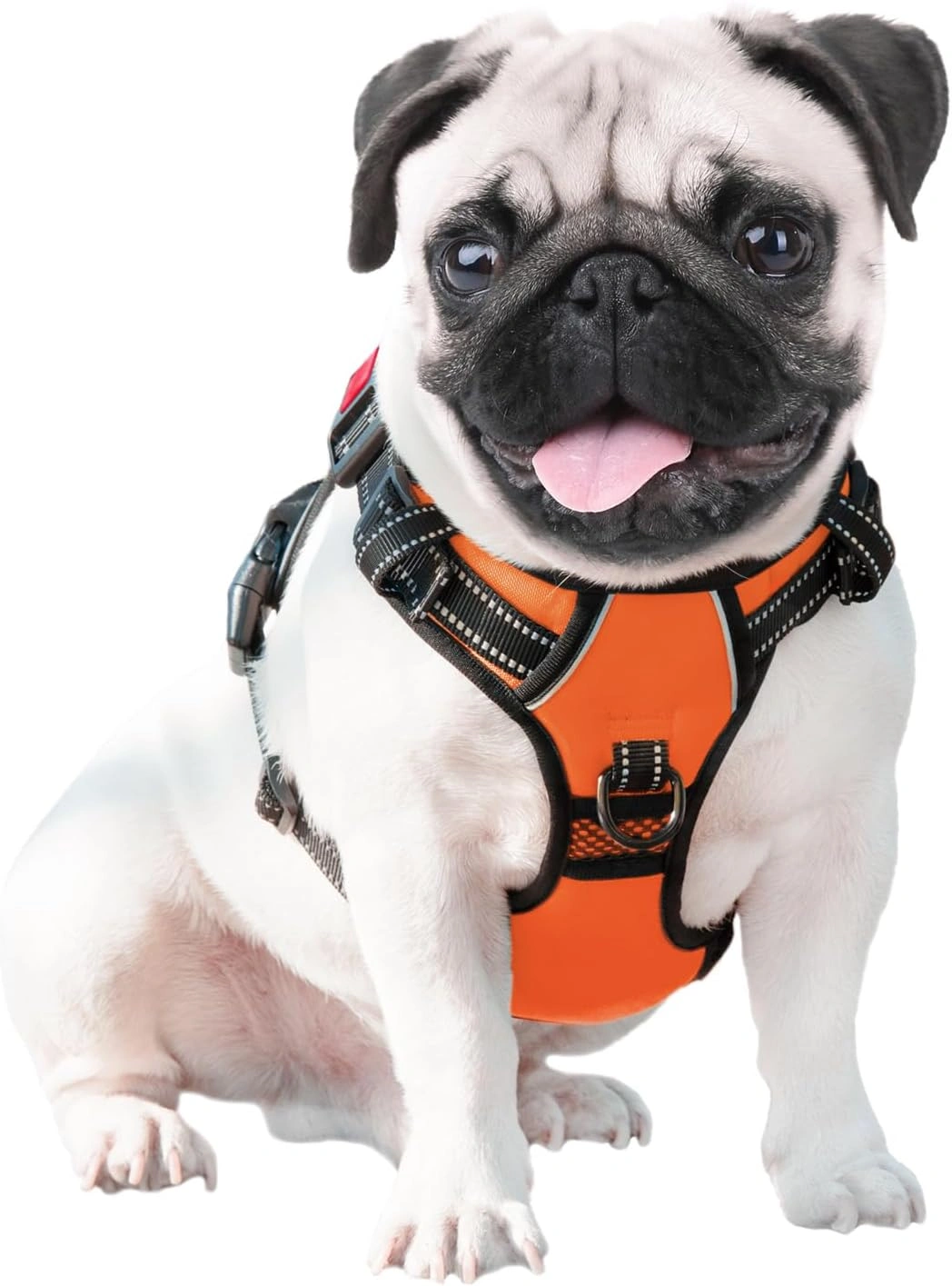
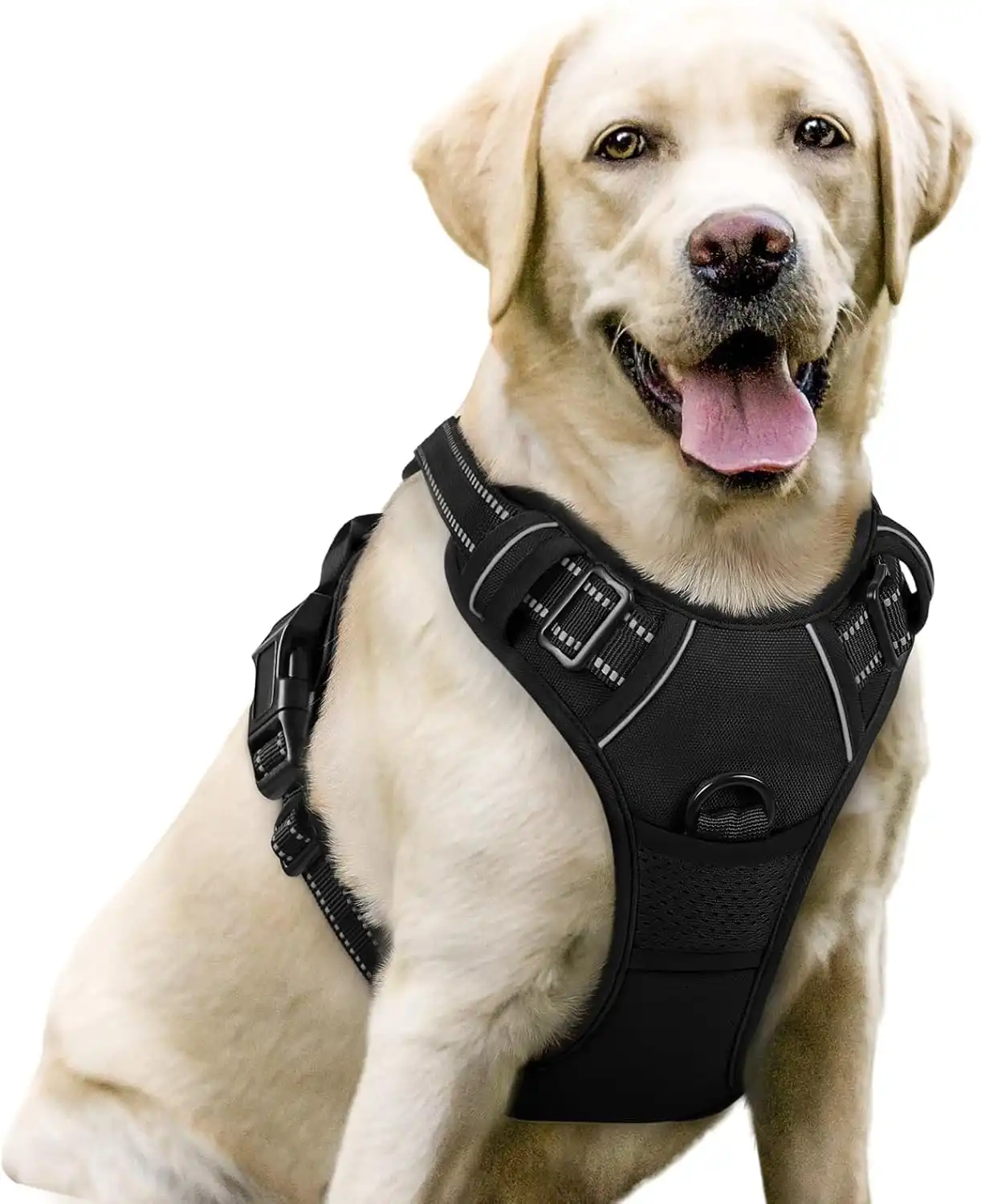



Pulling is a natural behavior for dogs; they’re curious explorers who want to reach every scent and sight as quickly as possible. Unfortunately, traditional collars can make things worse. They place pressure on the throat and neck, risking injury to your dog’s trachea, especially for smaller breeds or excitable pups. A no-pull harness shifts that pressure safely to the chest and shoulders, guiding your dog’s movement gently instead of restricting it harshly.
The Benefits of Using a No-Pull Harness
Modern no-pulling harnesses are designed for safety, comfort, and control. Here’s what makes them stand out:
- Even pressure distribution: Prevents choking and neck strain.
- Front-clip design: Encourages the dog to walk beside you instead of ahead.
- Adjustable fit: Provides comfort for all sizes, from toy breeds to large dogs.
- Reinforced padded straps: Prevent rubbing or irritation during longer walks.
- Reflective stitching: Keeps you both visible during early morning or late-night walks.
These features make walking your dog safer, more enjoyable, and stress-free for both of you.
What’s New for 2026: Updated Safety and Comfort Features
In 2026, the best no-pull harnesses are smarter and safer than ever. Many now come with breathable mesh panels for temperature regulation, eco-friendly recycled materials, and quick-snap buckles for easy fitting. Some advanced models even include integrated smart tags that work with GPS trackers, ensuring your pet’s location is always within reach. Manufacturers are focusing more on ergonomic chest plates that follow your dog’s body movement, preventing pressure points while maintaining a secure grip.
Training Tips to Help Reduce Pulling
A harness alone can make a huge difference, but pairing it with good leash manners speeds up progress.
- Start indoors. Practice short walking sessions around the house before heading outside.
- Use treats and praise. Reward your dog when they walk calmly beside you.
- Stop when they pull. Stand still until your dog loosens the leash; then move forward again.
- Stay consistent. Repetition reinforces positive behavior faster than correction.
With patience, your dog will learn that walking nicely gets them where they want to go much faster.
Choosing the Right Harness for Your Dog
When selecting a no-pull harness, consider your dog’s breed, body shape, and temperament.
- For small dogs: A lightweight mesh harness works best.
- For strong pullers: Choose one with dual clips (front and back) for added control.
- For growing puppies: Look for an adjustable model that can expand as they mature.
- For sensitive skin: Opt for soft, breathable fabrics with flat seams.
Always measure your dog’s chest girth before purchasing, ensuring the harness fits snugly but not too tight.
Building Trust Through Comfort and Connection
Walking your dog should strengthen your bond, not test your patience. With the right gear and a calm approach, you can build trust and confidence on every outing. A No Pulling Dog Harness allows you to guide, not force—encouraging your dog to feel safe, understood, and eager to follow your lead.
About the Author

You Might Also Like