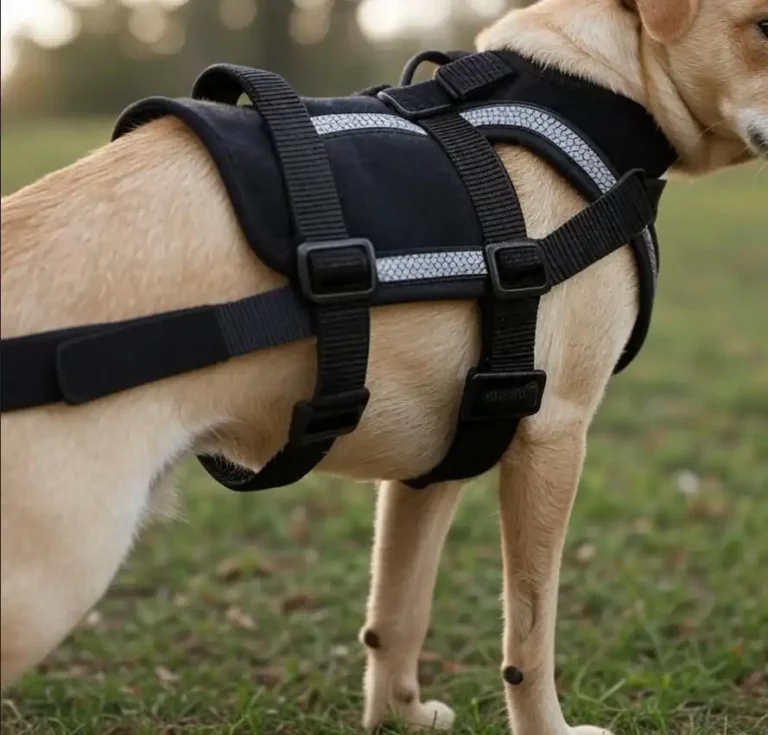
Top Dog Harness Safety and Style Trends for 2026
Choosing the right gear for your pup is one of the most important decisions you’ll make as a dog owner. Whether you have a high-energy Husky or a petite Pomeranian, a high-quality Pet Harness ensures that every walk is a safe, comfortable, and controlled experience for both of you.
Why Modern Pet Parents are Switching to Harnesses
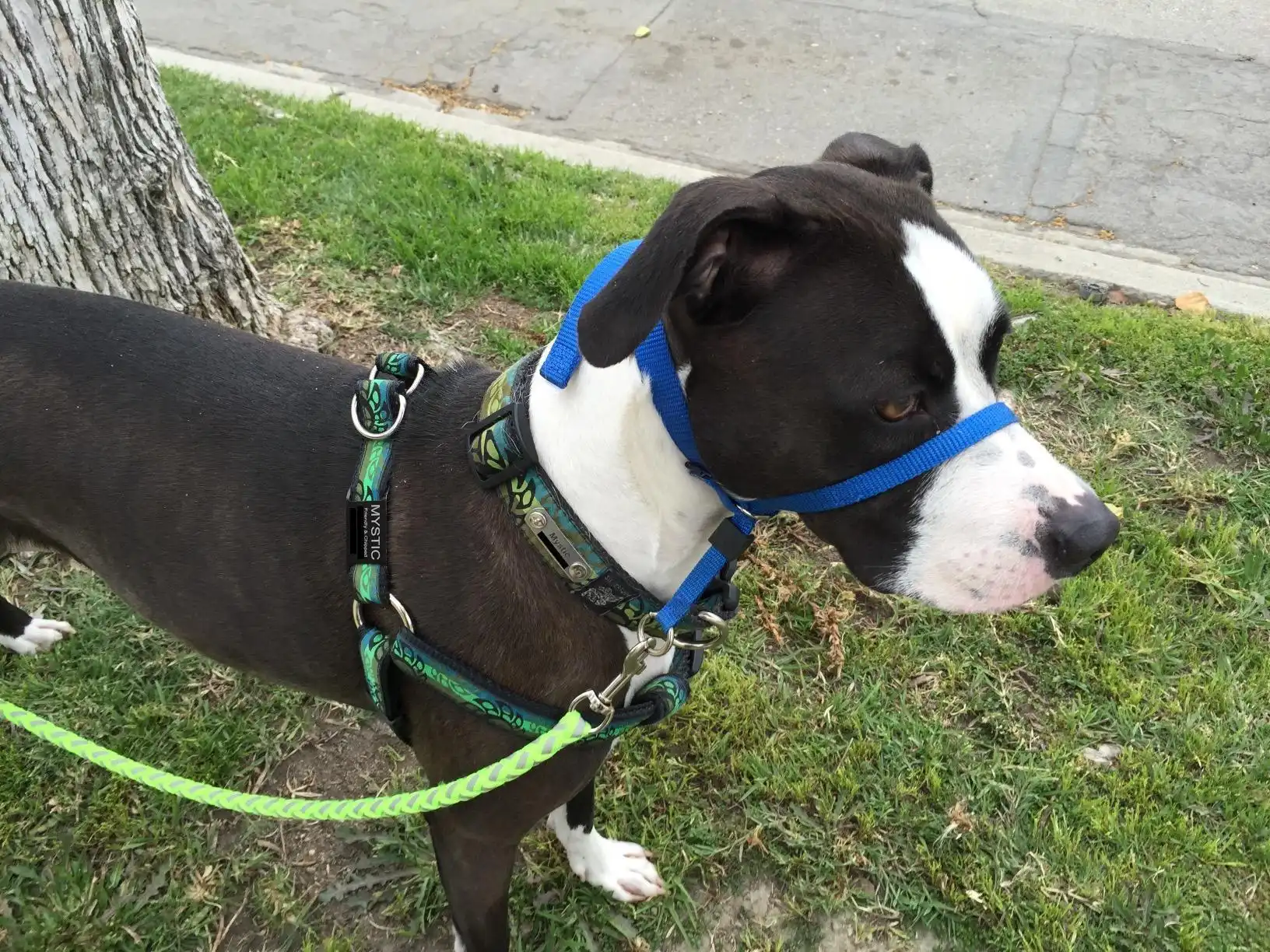
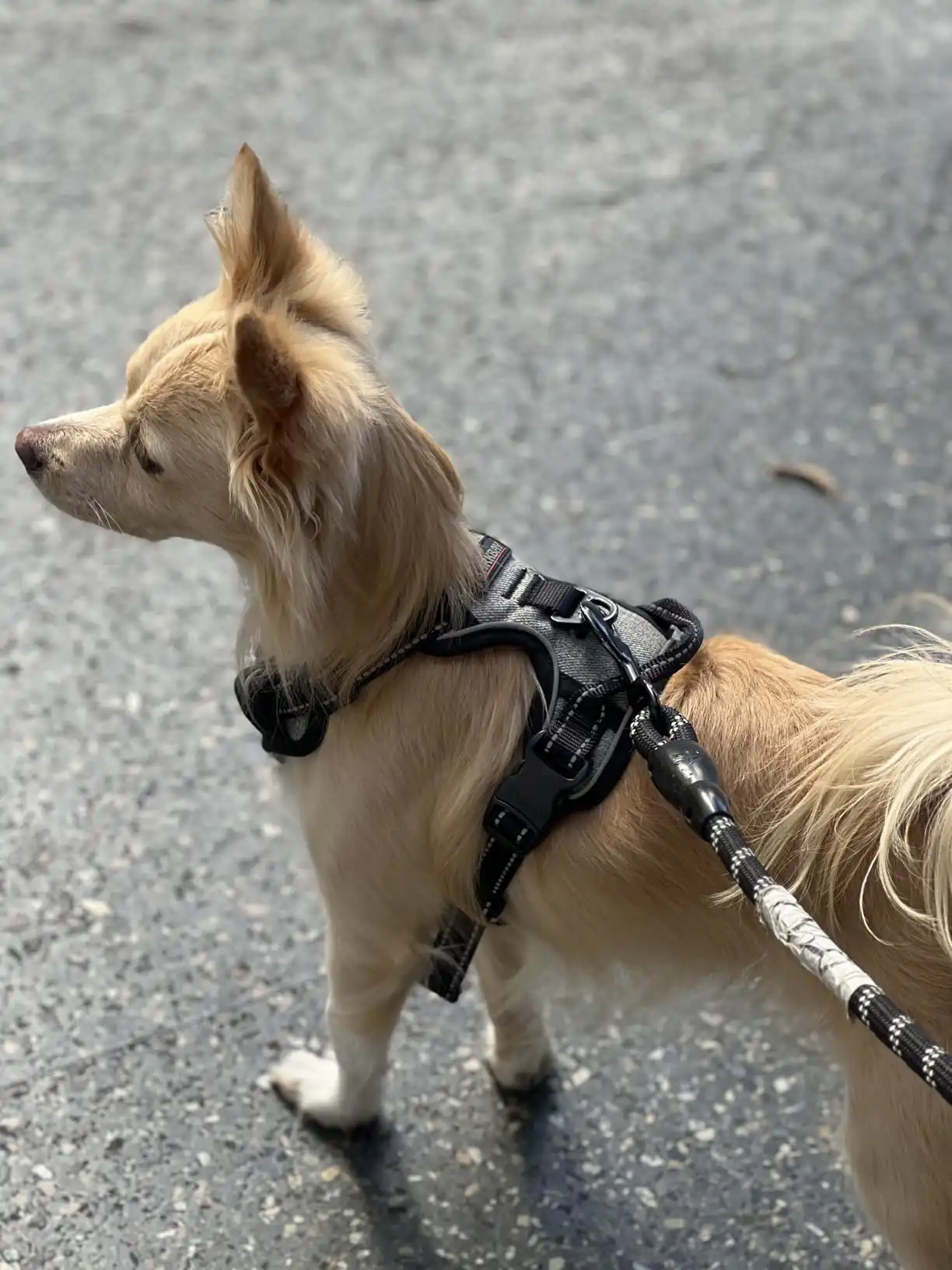
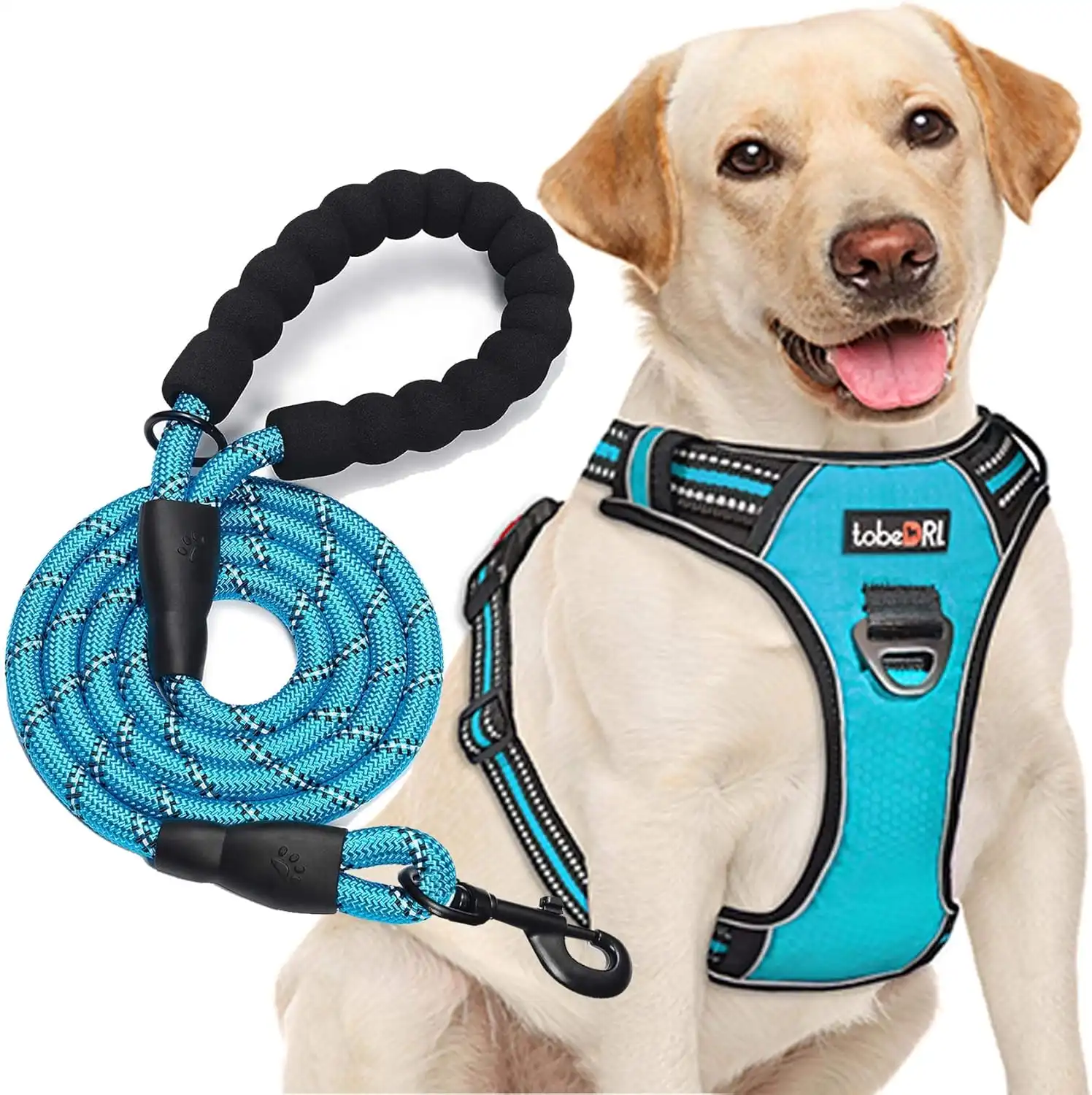


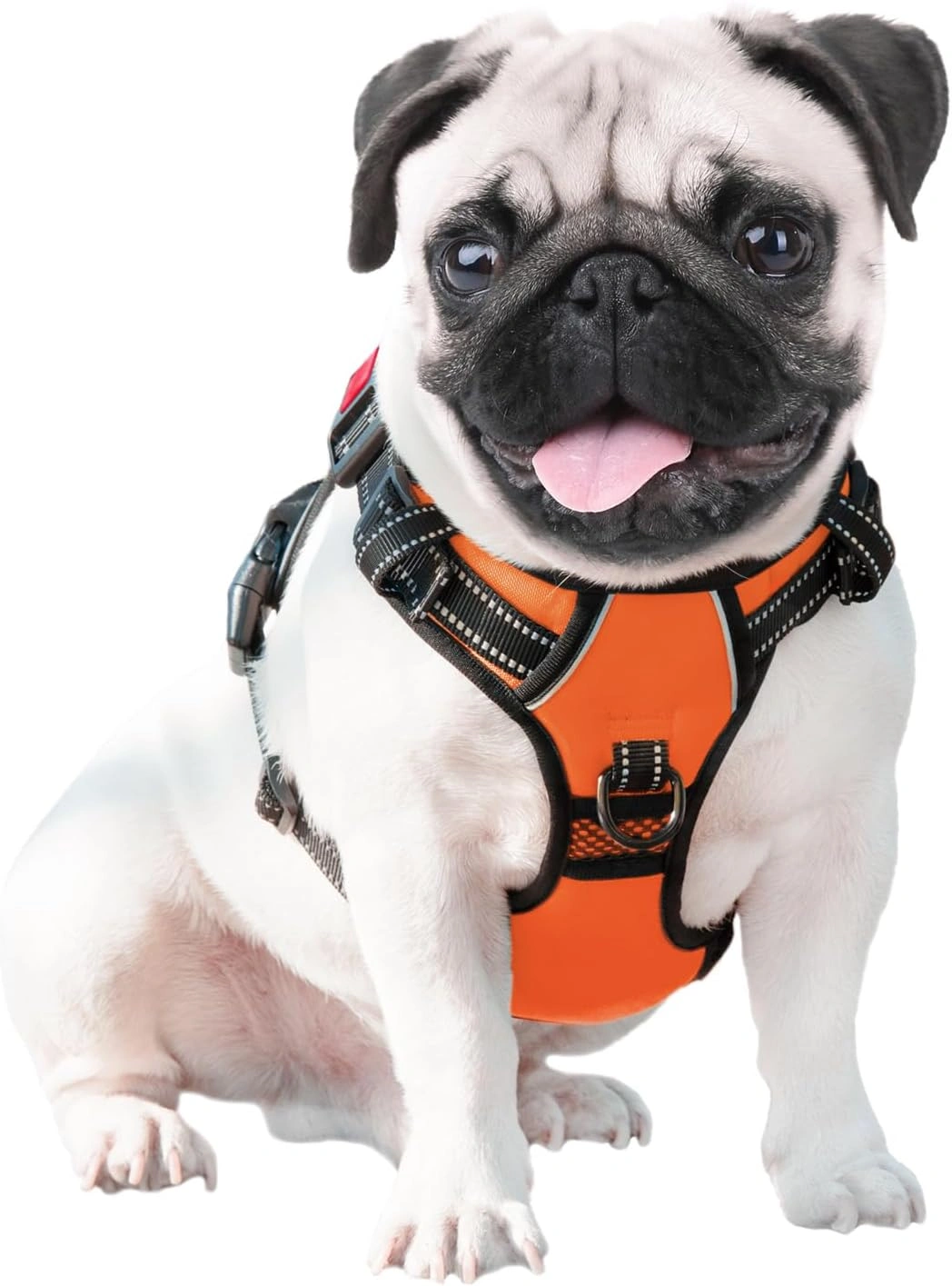
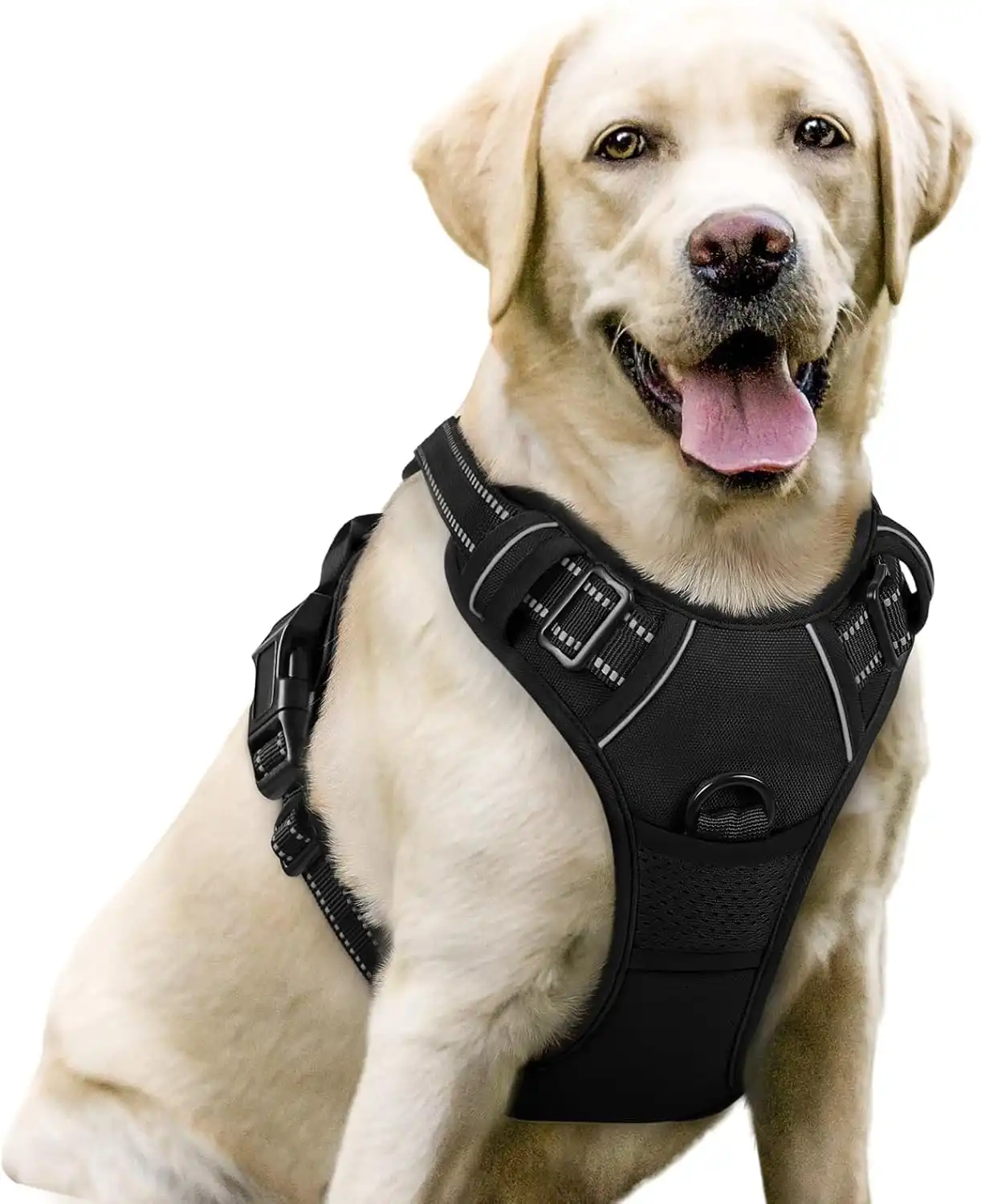



While traditional collars have their place for holding ID tags, the pet industry in 2026 has seen a massive shift toward full-body support. Medical research continues to highlight the risks of “leash-pulling” on a dog’s delicate neck, which can lead to tracheal collapse or spinal misalignment—especially in brachycephalic (flat-faced) breeds like Frenchies and Pugs.
A modern Pet Harness distributes pressure evenly across the chest and shoulders, protecting the throat and giving you better “steering” power without the risk of choking.
Key Features to Look for in 2026
Safety technology for pets has leaped forward this year. When shopping for your next harness, keep these 2026 standards in mind:
1. Advanced “Smart” Integration
We are seeing a rise in harnesses with dedicated slots for GPS trackers (like the Fi Series 3) and even integrated LED fiber-optics. These features ensure your dog is visible during late-night winter walks and easy to find if they ever slip their lead.
2. Ergonomic “Y-Shape” Designs
The “Y-shape” is the gold standard for 2026. Unlike older “horizontal bar” designs that can restrict a dog’s shoulder movement, a Y-shaped harness allows for a full range of motion, preventing long-term joint issues.
3. Crash-Tested Materials
If you travel by car, look for the ASTM F3725 standard. This is a new safety benchmark for 2026 that ensures a harness can actually protect your dog (and you) during a motor vehicle accident. Brands like Ruffwear and EzyDog are leading the way in crash-tested durability.
Choosing the Right Type for Your Dog
Not all dogs walk the same way, and their gear should reflect that.
| Harness Type | Best For… | Key Benefit |
| Front-Clip (No-Pull) | Training & Heavy Pullers | Redirects the dog’s momentum back toward you. |
| Back-Clip | Calm Walkers & Small Breeds | Prevents the leash from getting tangled in legs. |
| Dual-Clip | Versatility | Offers both options for training or casual strolls. |
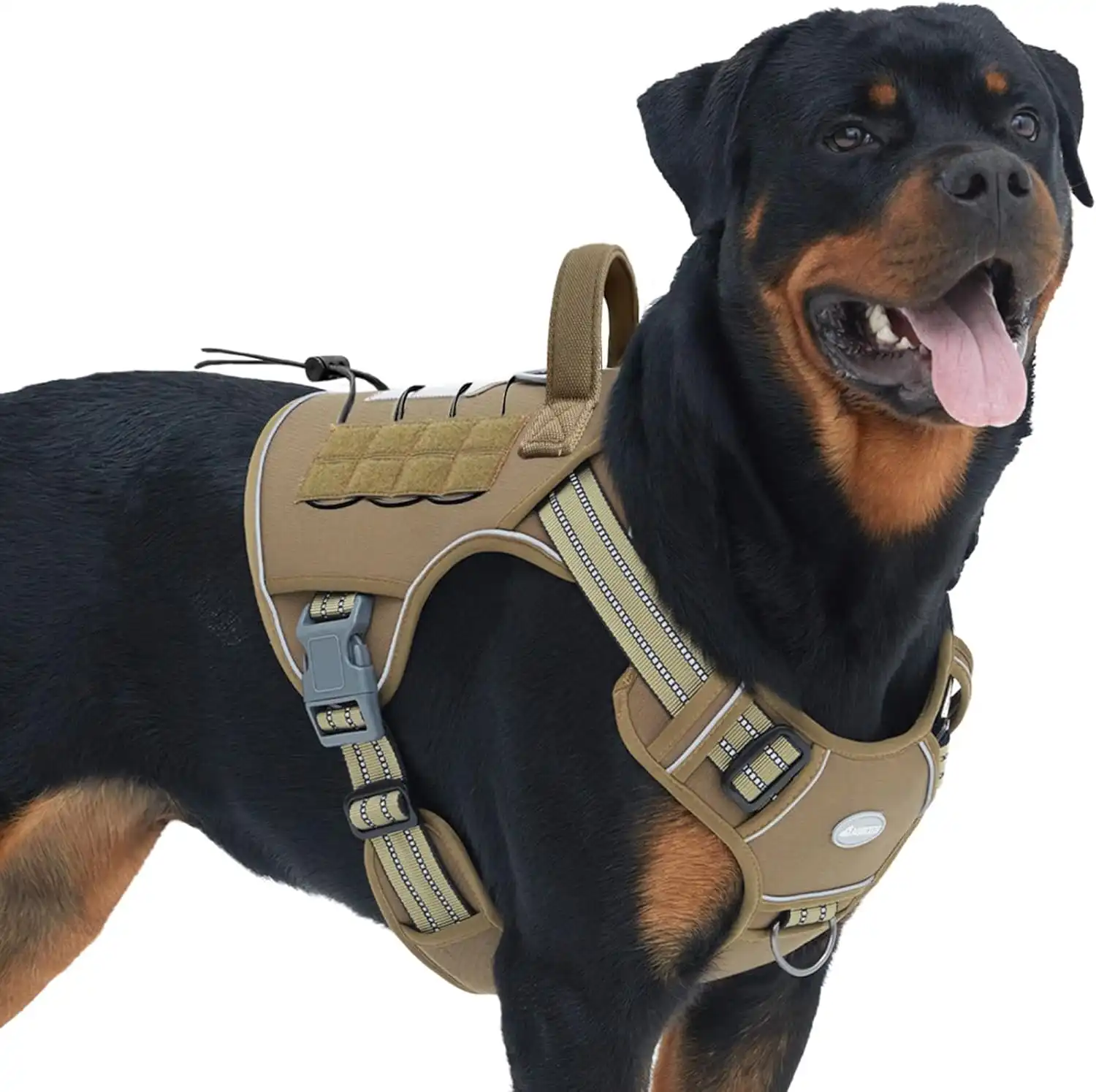
| Tactical/Hiking | Adventure & Large Breeds | Often includes handles for lifting dogs over obstacles. |
How to Get the Perfect Fit (The 2-Finger Rule)
A harness is only safe if it fits correctly. In 2026, many brands have moved toward 6-point adjustment systems to accommodate “hard-to-fit” breeds like Greyhounds or Bulldogs.
- Measure twice: Use a soft measuring tape around the widest part of the ribcage.
- The 2-Finger Test: Once fastened, you should be able to snugly fit two fingers between the harness and your dog’s skin.
- Check the “Armpits”: Ensure the straps aren’t rubbing against the sensitive skin behind the front legs, as this can cause painful chafing.
Final Thoughts for 2026
Investing in a high-quality harness isn’t just about style—it’s about the long-term health and happiness of your best friend. With new eco-friendly materials like recycled ocean plastics and antimicrobial linings becoming standard this year, there’s never been a better time to upgrade your walking routine.
About the Author

You Might Also Like