Ultimate Guide to Choosing the Best Running Dog Harness
Lace up your sneakers and grab the leash! Whether you are a marathon enthusiast or a weekend trail jogger, running with your pup is one of the best ways to bond. However, your standard walking gear won’t always cut it when you pick up the pace. To ensure your dog moves naturally and stays safe from chafing or strain, you need a high-performance Running Dog Harness.
Why a Dedicated Running Harness Matters
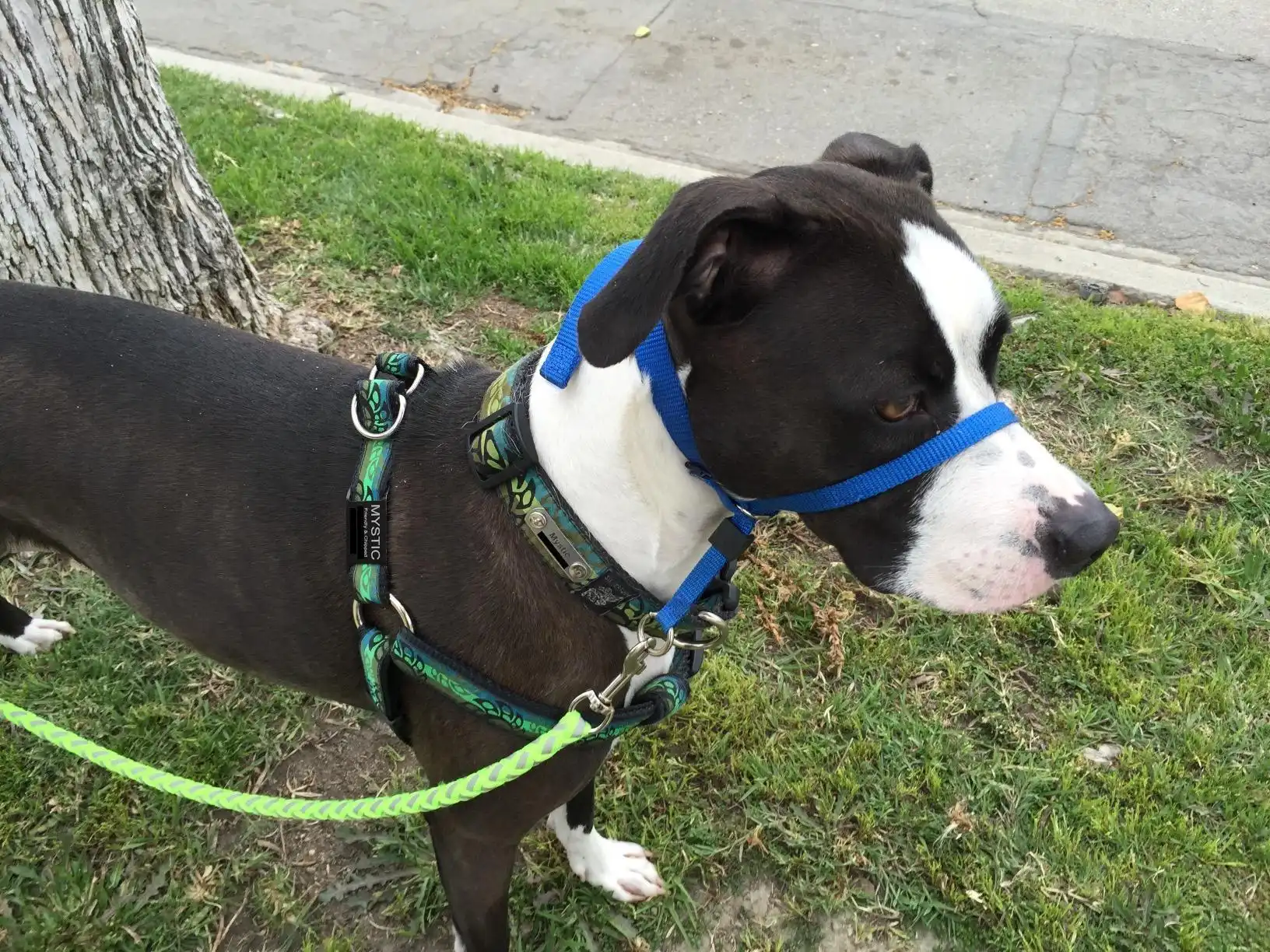
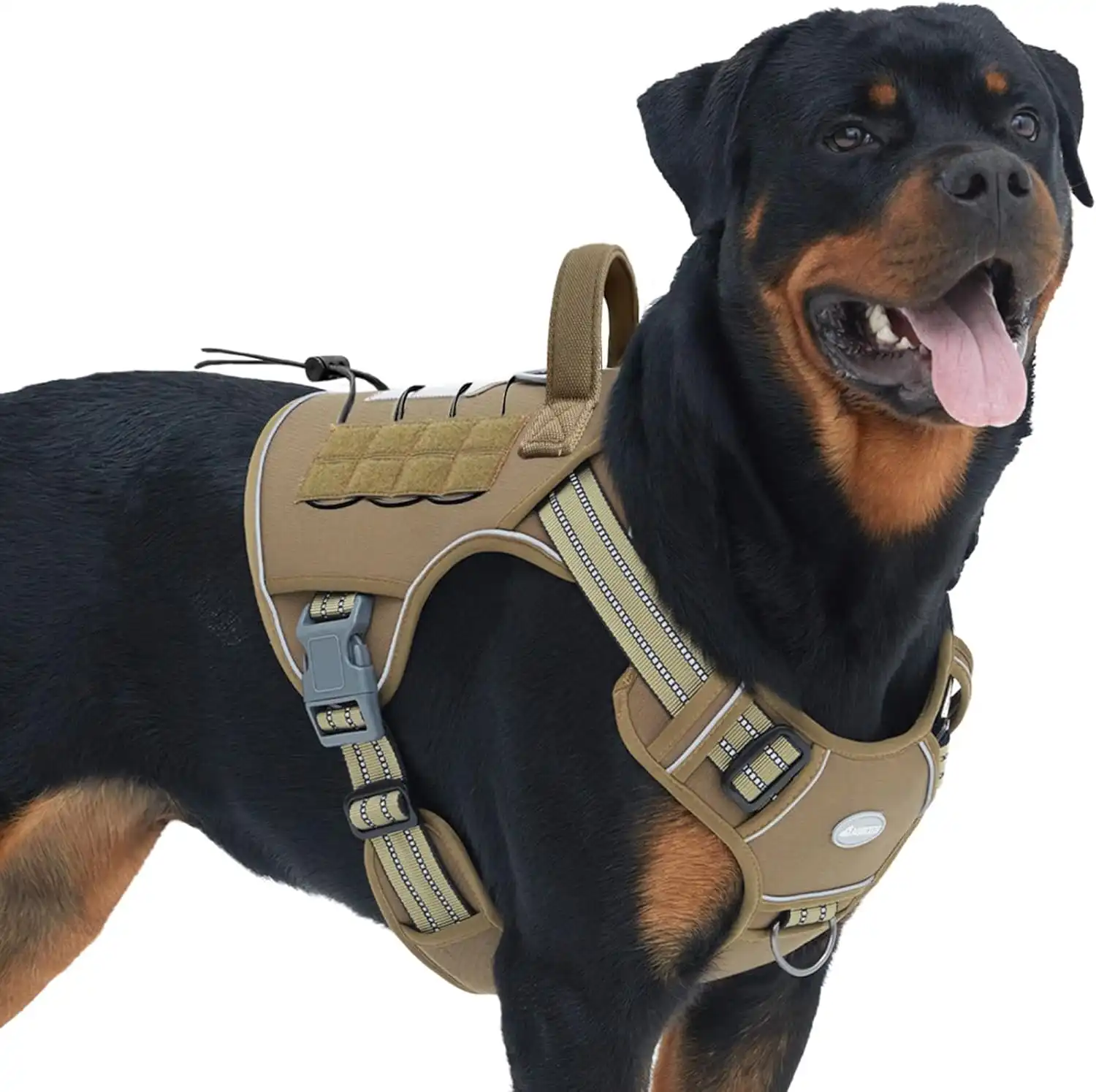
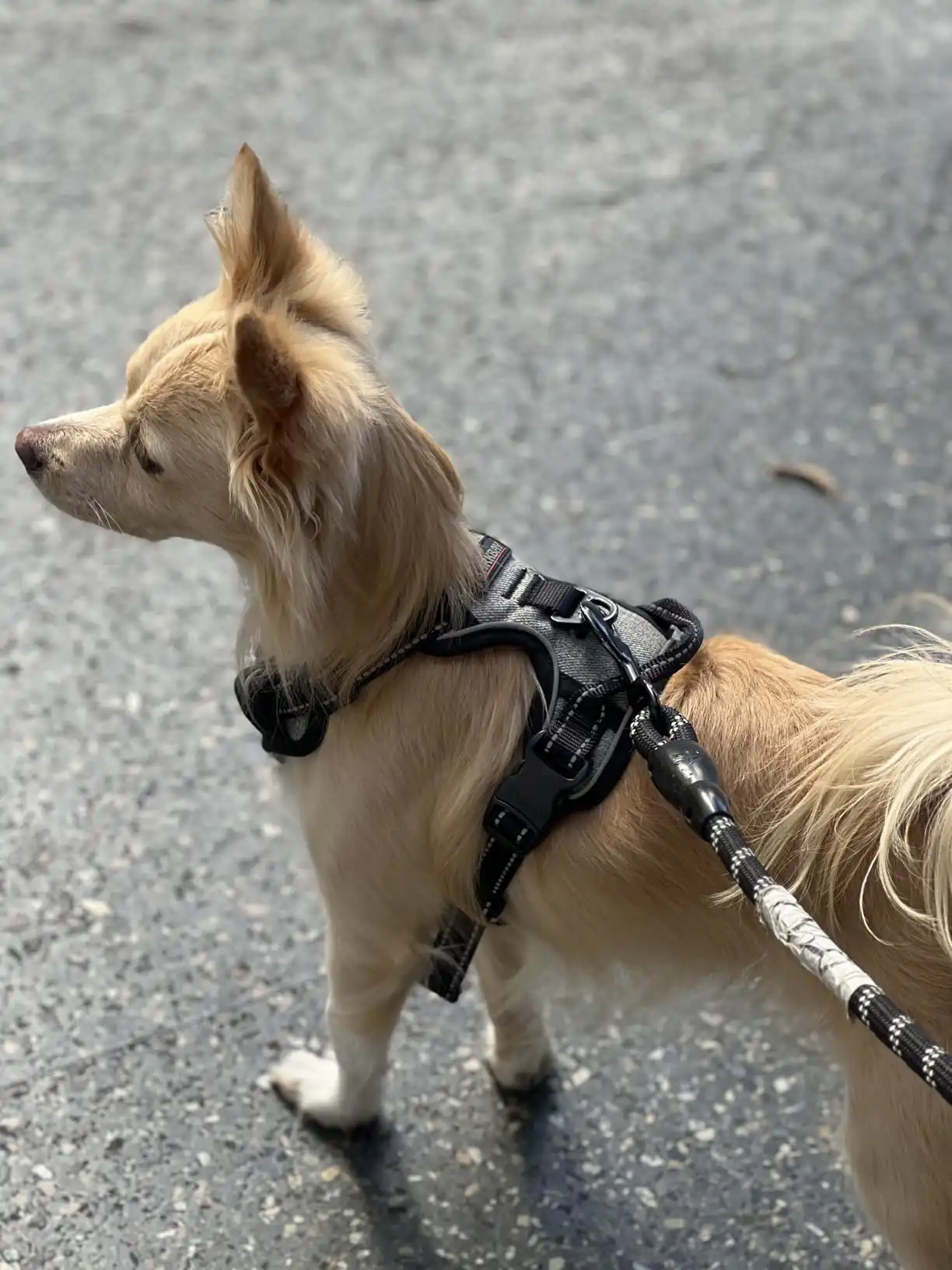
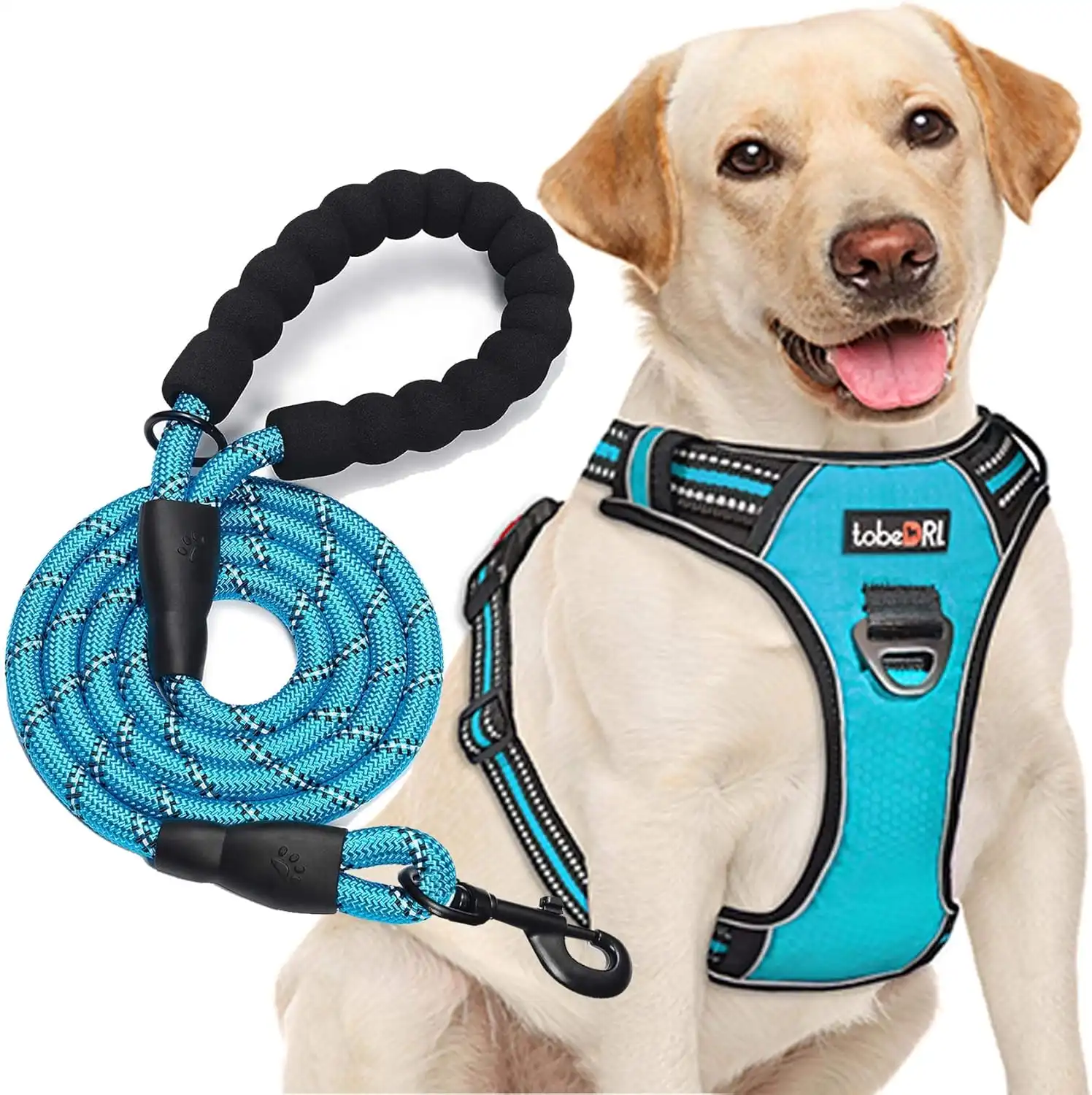
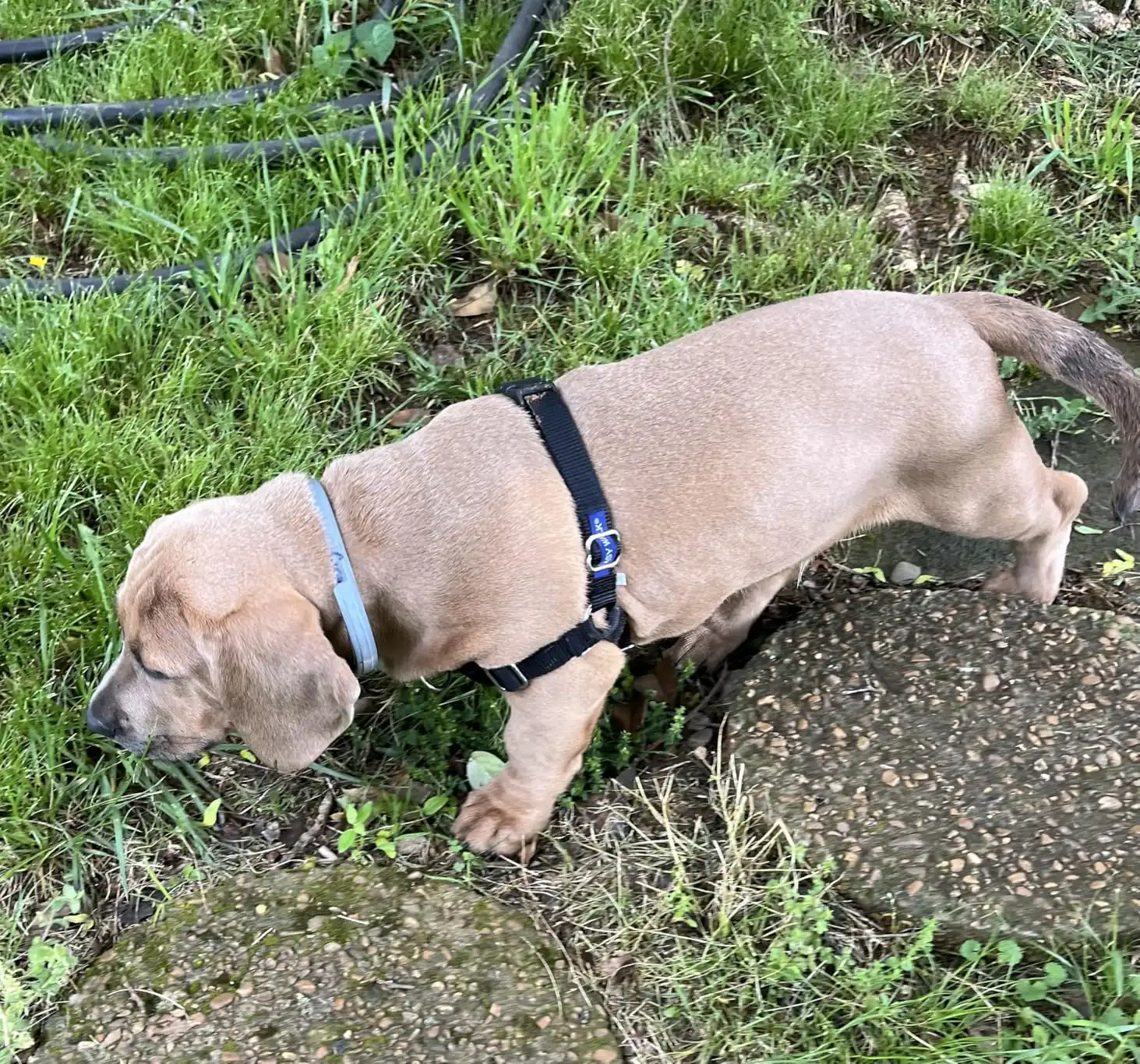
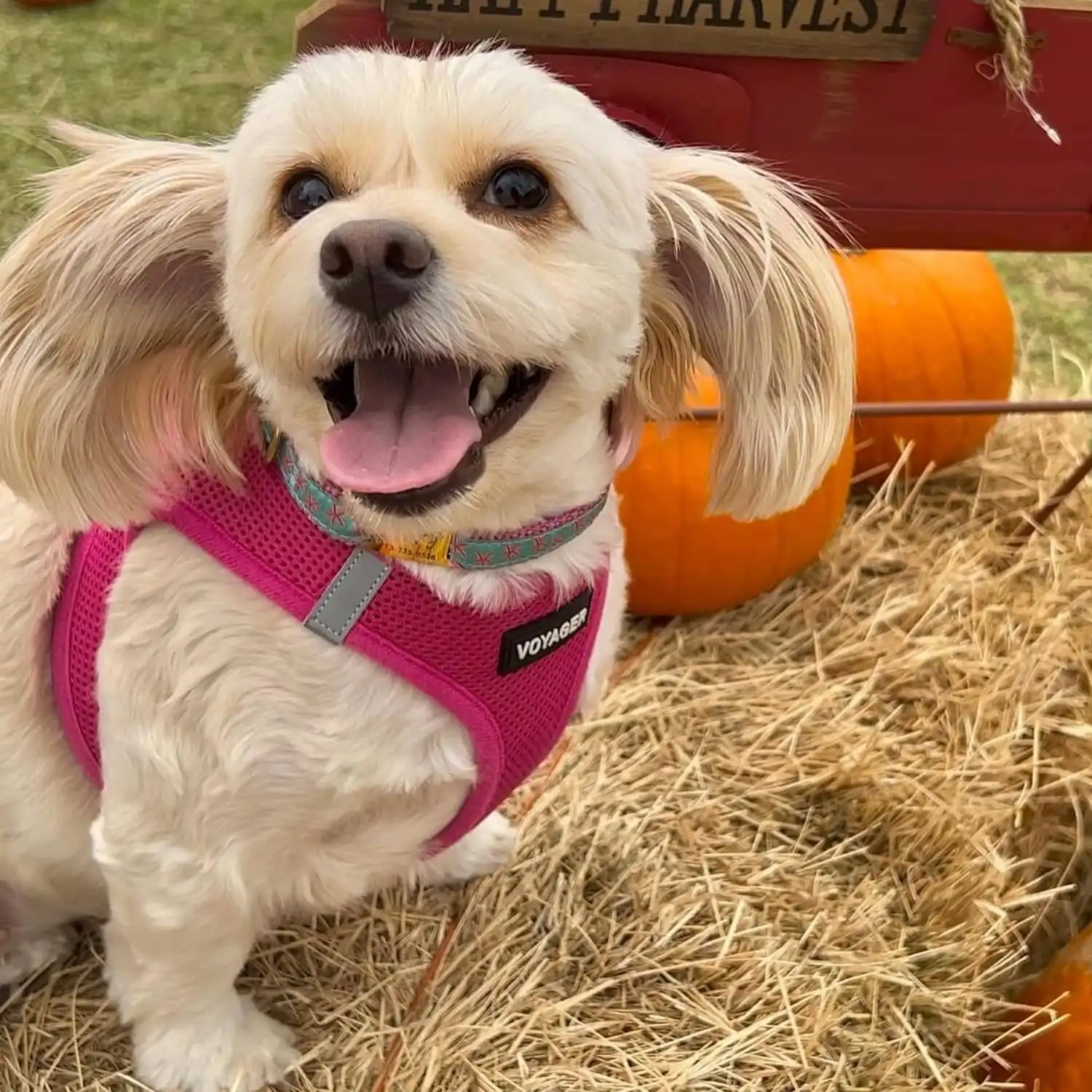
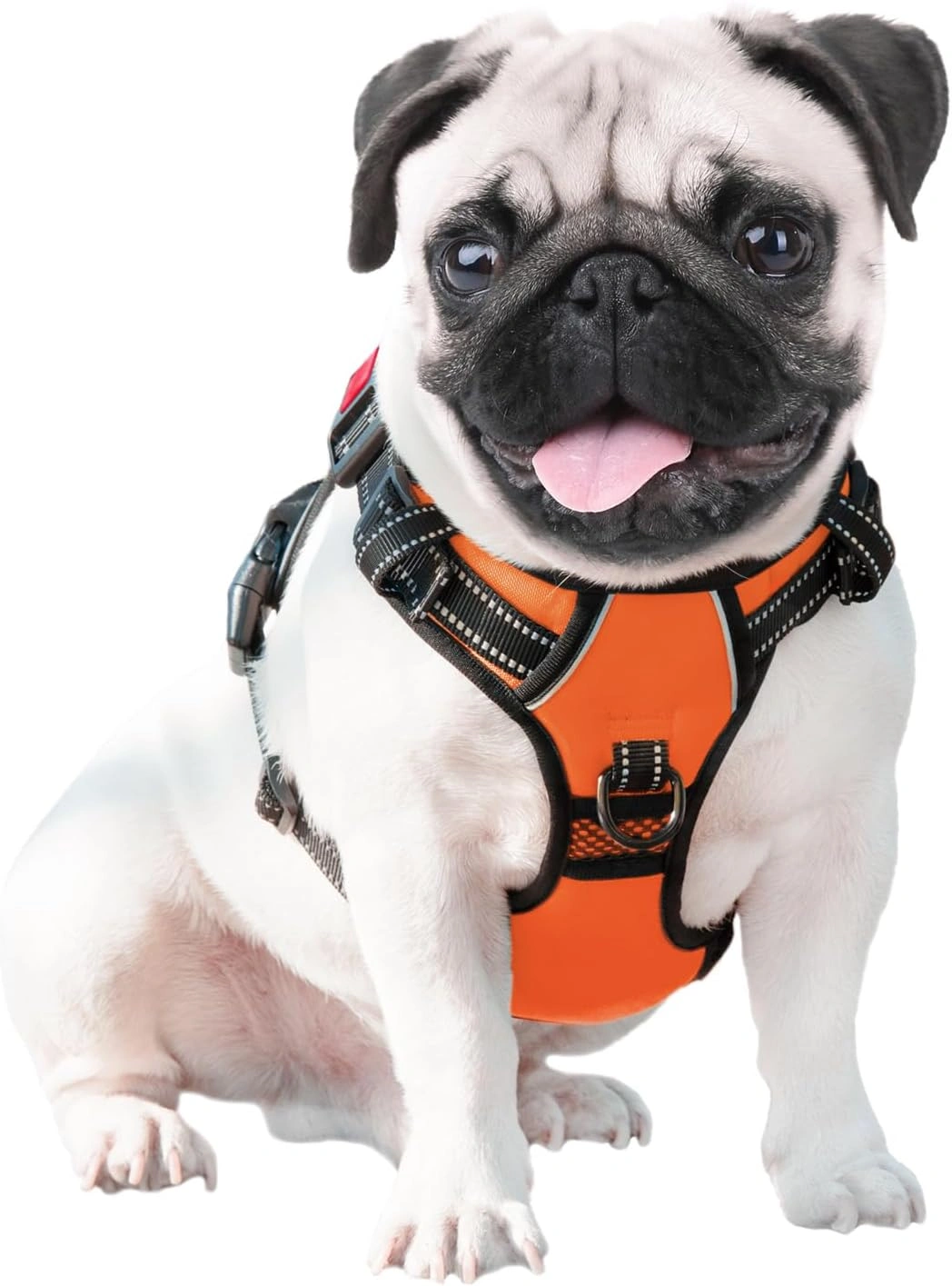
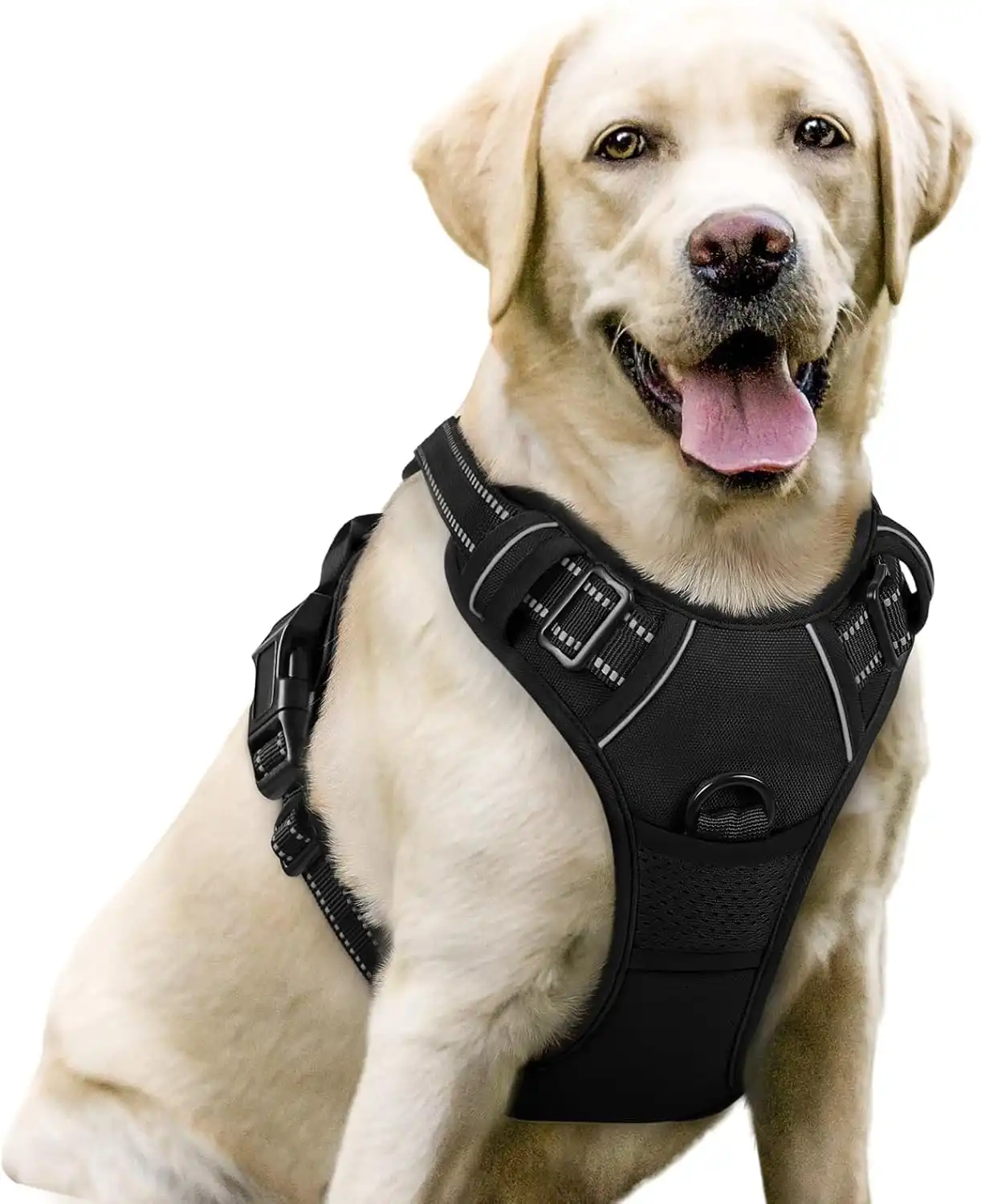
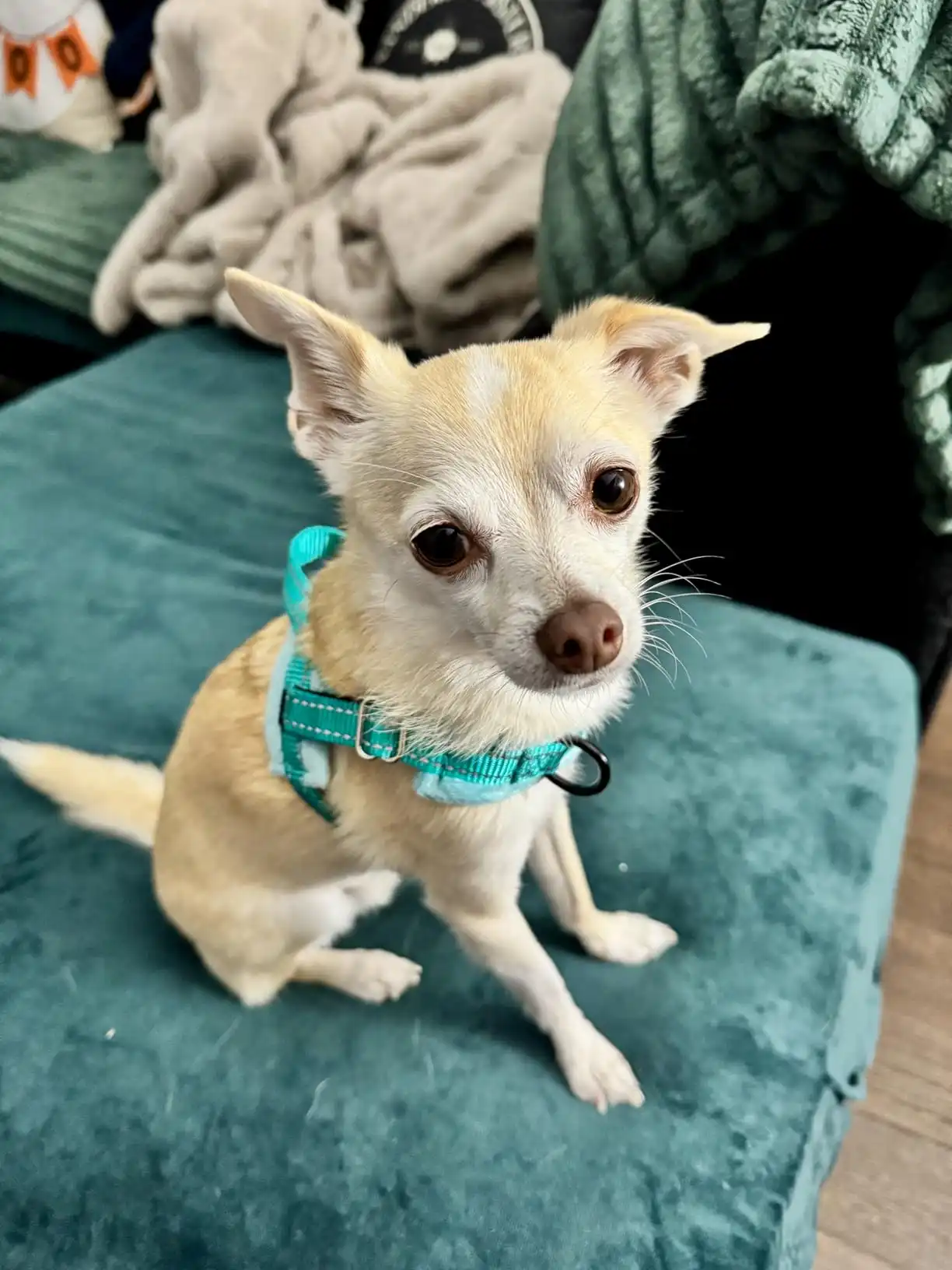


When your dog runs, their body mechanics change. Their stride lengthens, and their shoulders require a full range of motion. A traditional collar can put dangerous pressure on the trachea if they lunge, while a poorly designed harness might rub against their armpits or restrict their shoulder blades.
In 2026, pet ergonomics have come a long way. The latest designs focus on Y-shaped chest plates that sit on the breastbone, keeping the windpipe clear and the joints free to move.
Key Benefits:
- Even Pressure Distribution: Spreads the force across the chest rather than the neck.
- Better Control: Rear-clip attachments prevent the leash from getting tangled in their legs.
- Comfort for Long Distances: Padded, breathable materials prevent “hot spots” and fur irritation.
Essential Features to Look for in 2026
Not all harnesses are created equal. When shopping for your active companion, prioritize these four pillars of performance:
1. Ergonomic “Y-Frame” Design
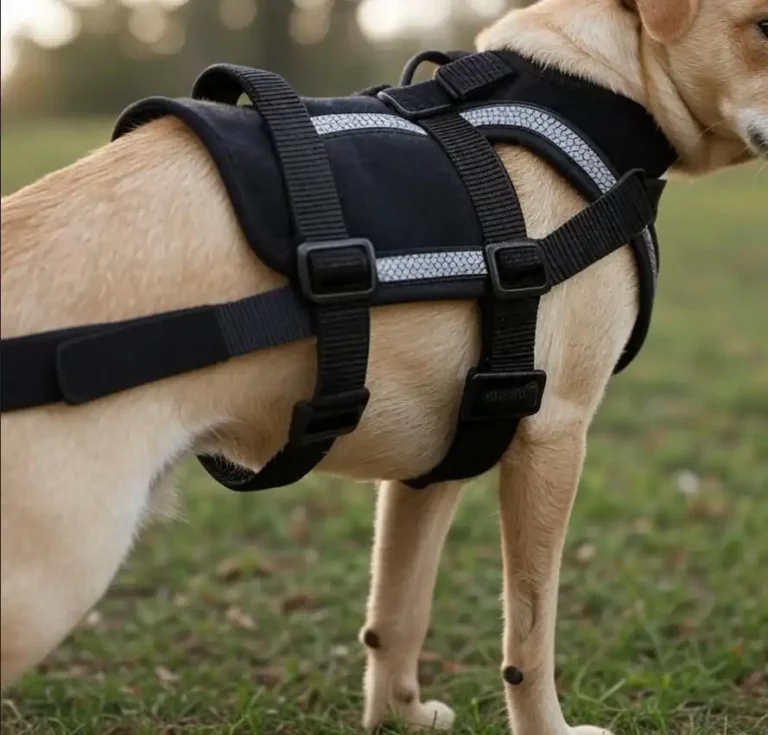
Look for a harness where the straps form a “Y” shape across the chest. This ensures the shoulders are completely unobstructed. Avoid “no-pull” harnesses with a horizontal strap across the front for running, as these can alter your dog’s gait and lead to long-term joint issues.
2. Breathable, Lightweight Materials
Modern harnesses often feature hex-mesh or ripstop nylon. These materials allow heat to escape—crucial for preventing overheating—and don’t hold onto water, meaning the harness won’t get heavy and soggy if you hit a puddle or run in the rain.
3. Reflective Trim and Safety Points
Safety is paramount, especially for dawn or dusk runners. Look for 360° reflectivity. Many 2026 models now include integrated loops specifically for clipping on LED safety lights or even small GPS tracking tiles.
4. Multiple Adjustment Points
A snug fit is a safe fit. You should be able to fit two fingers comfortably between the harness and your dog’s skin. Look for a model with at least four adjustment points to account for your dog’s unique chest-to-neck ratio.
Types of Running Harnesses
Depending on how your dog runs, you might choose a different style:
| Harness Type | Best For… | Key Advantage |
| Back-Clip Active | General jogging | Keeps leash away from paws. |
| Canicross / Long | Strong pullers | Distributes pull force toward the tail. |
| Lightweight Vest | Hot climates | Maximum breathability and low weight. |
| Lift-and-Assist | Trail/Technical running | Includes a handle to help dogs over logs/rocks. |
Pro-Tips for a Safe Run
- The Two-Finger Rule: Always check the fit before you head out. A harness that is too loose can cause friction burns, while one too tight can restrict breathing.
- Watch the Pavement: Remember that if the ground is too hot for your hand, it’s too hot for their paws.
- Warm Up: Give your dog 5–10 minutes of sniffing and walking time to “warm up” their muscles before hitting your target pace.
Selecting the right gear is the first step toward a lifetime of healthy, happy miles together. By investing in a quality setup, you aren’t just buying gear—you’re protecting your best friend’s health.
About the Author

You Might Also Like