Best Toy Dog Harness: 2026 Safety & Comfort Guide
As a pet parent, your tiny companion’s safety is your top priority. Whether you have a feisty Chihuahua or a graceful Toy Poodle, finding gear that fits their delicate frame can be a challenge. Because smaller breeds are prone to unique health risks like tracheal collapse, choosing a high-quality Toy Dog Harness is the smartest way to ensure every walk is both secure and comfortable for your little adventurer.
Why Toy Breeds Need a Specialized Harness
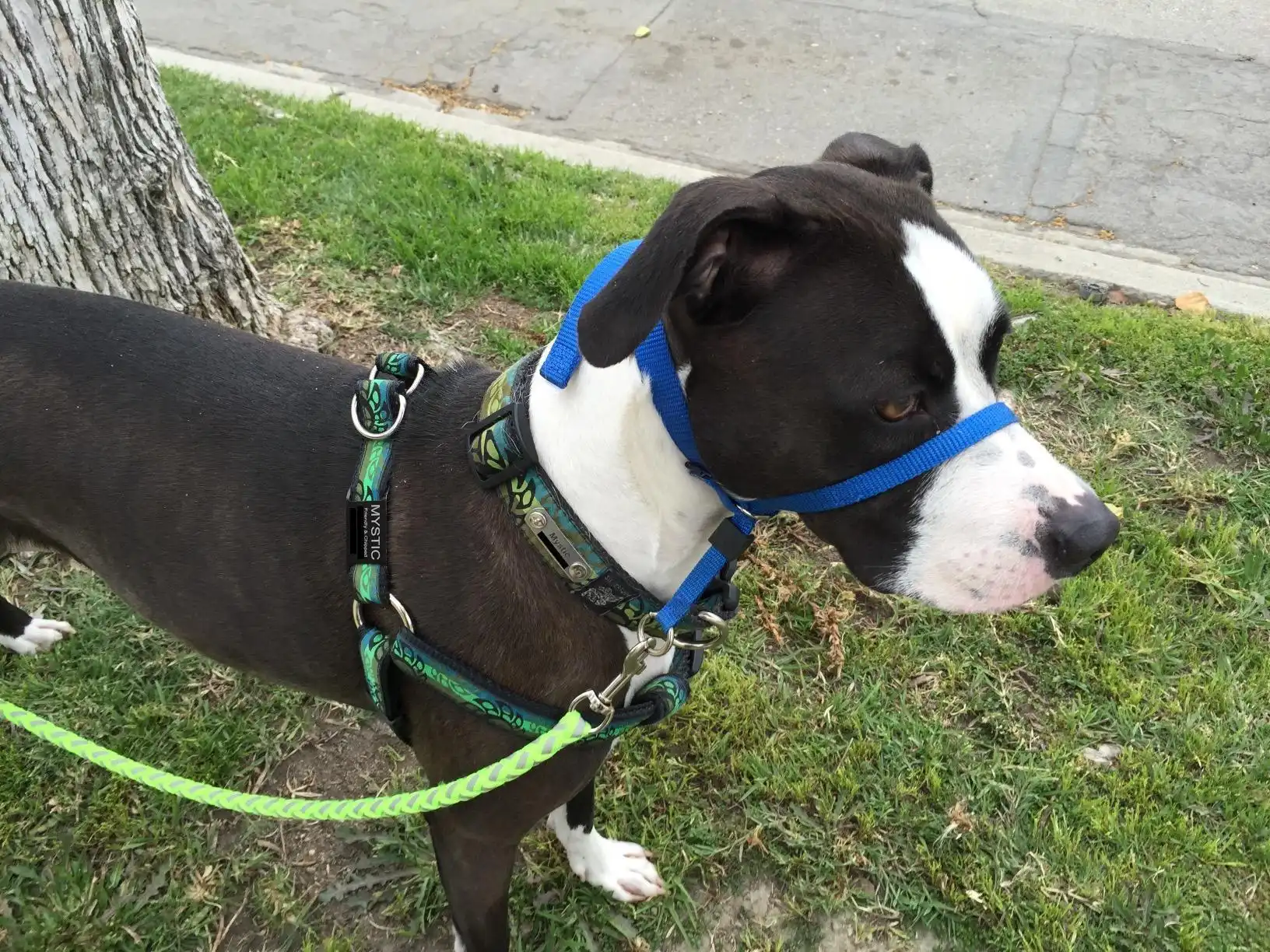
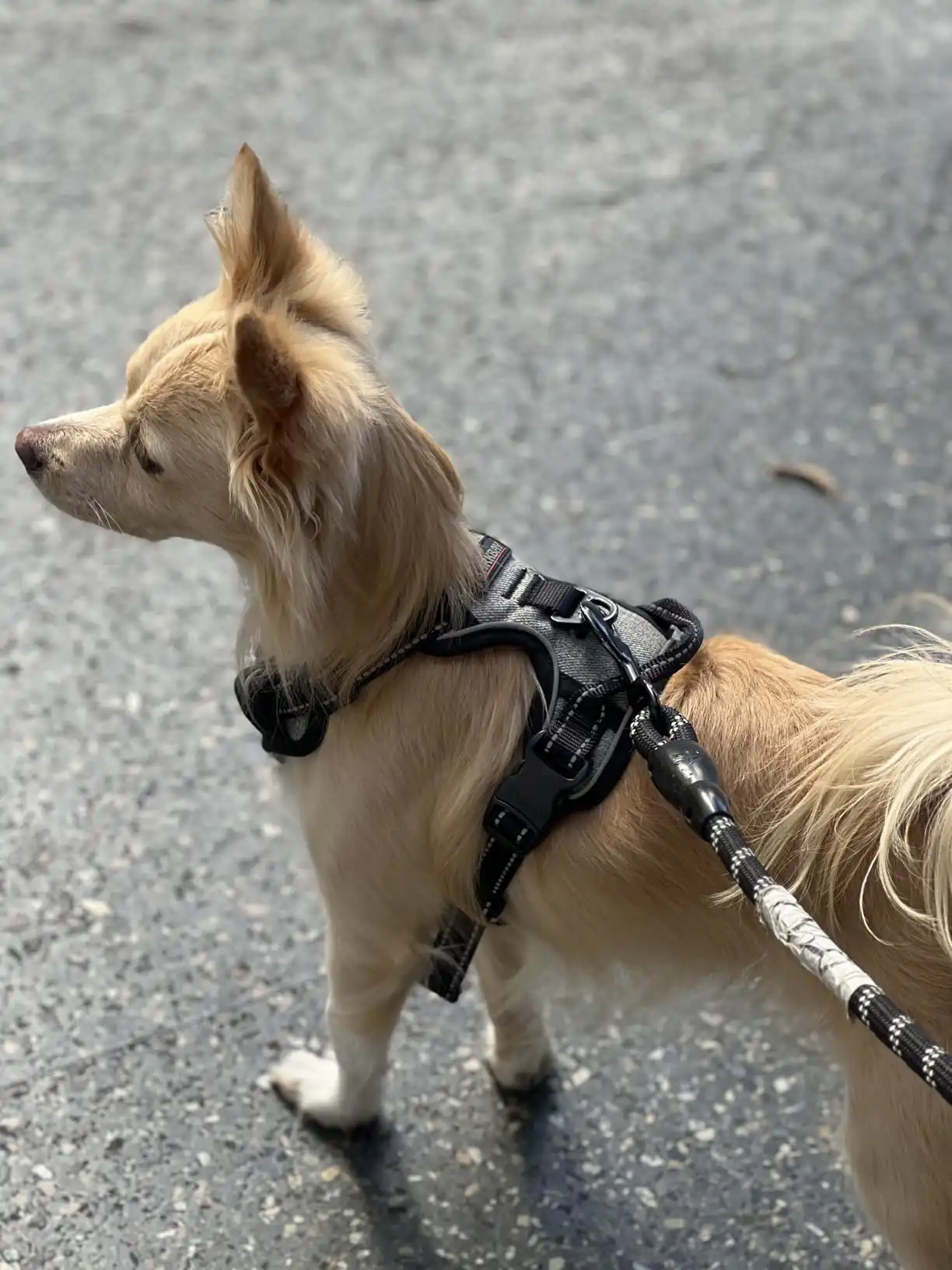
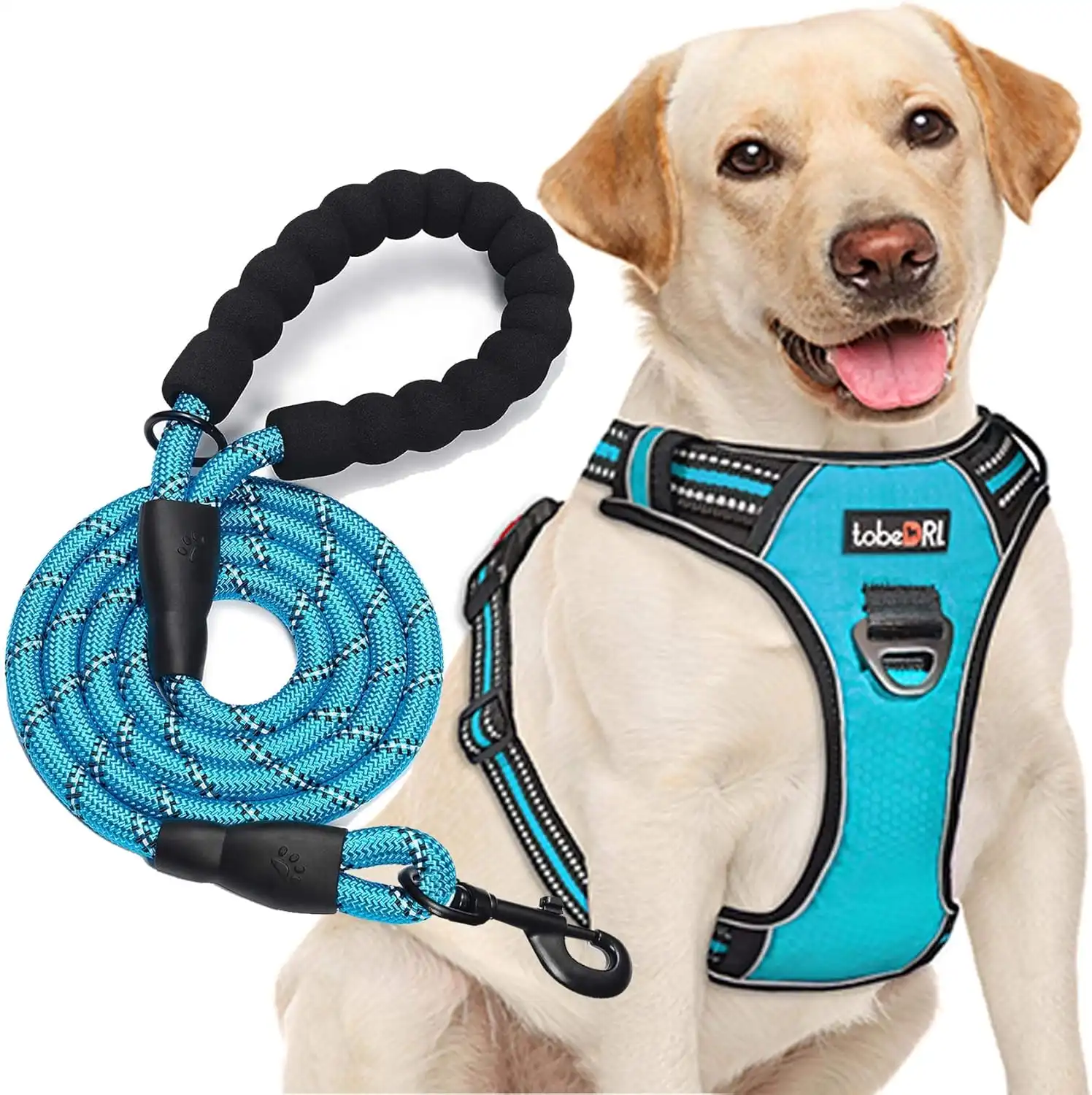
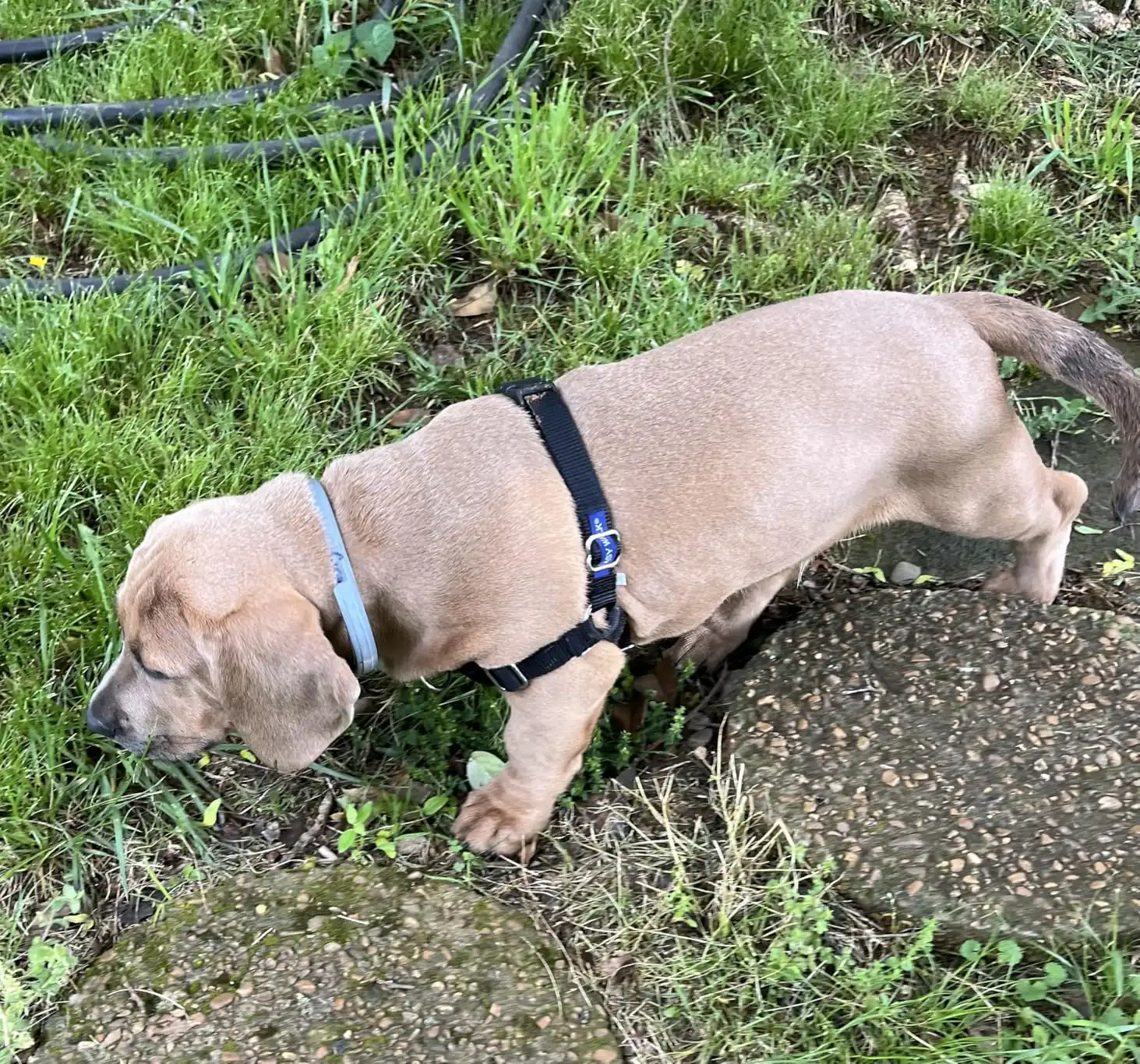

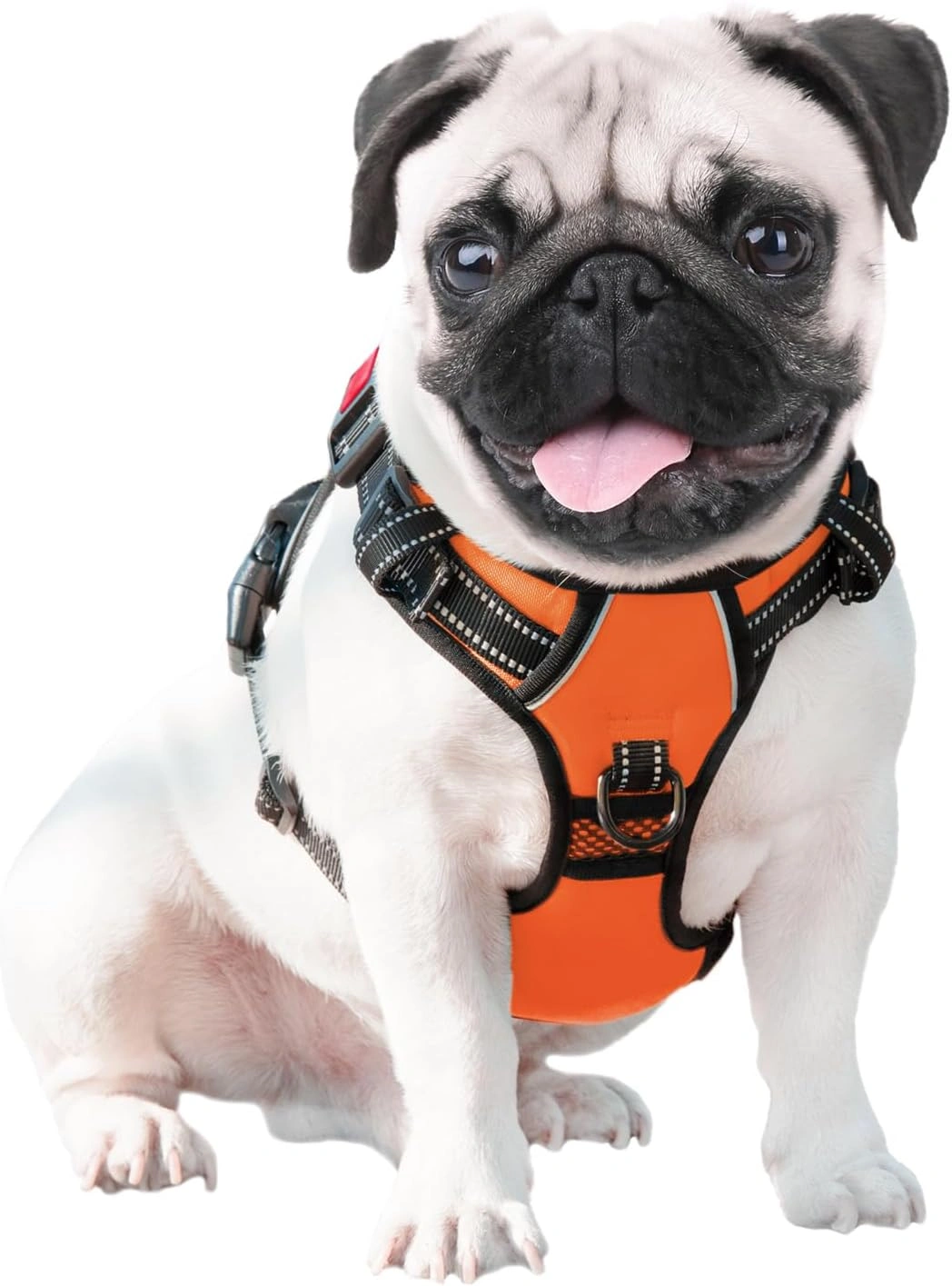
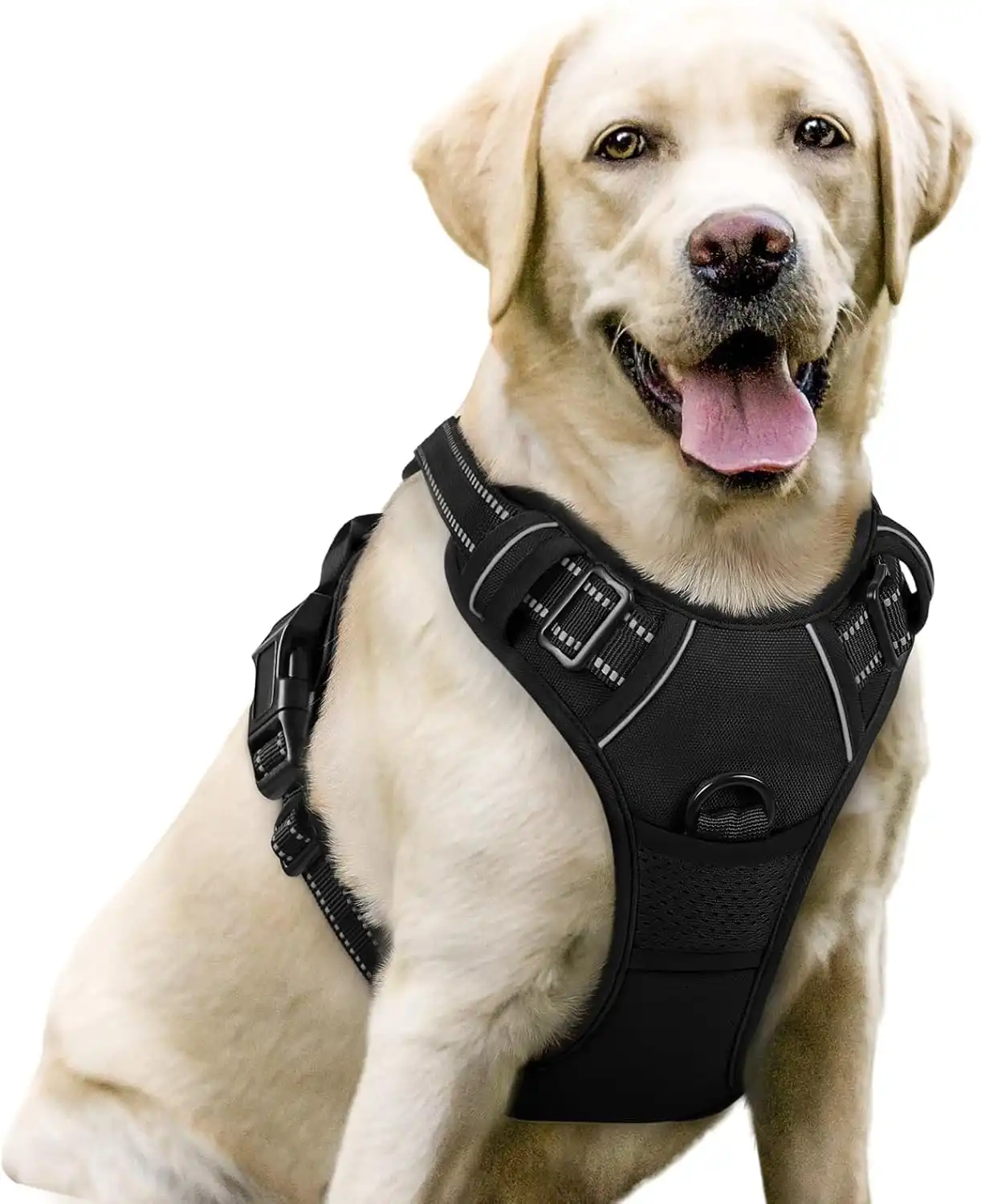



Unlike larger dogs, toy breeds have incredibly fragile necks and windpipes. Standard collars can put immense pressure on their throat if they pull or even just get excited. By 2026, veterinary experts have emphasized that “choke-free” designs are no longer optional—they are essential.
A specialized harness redistributes the force of the leash across the chest and shoulders. This protects the trachea and prevents long-term respiratory issues. Plus, because toy dogs are natural escape artists, a harness designed for their specific proportions offers a much more secure “hug” than a one-size-fits-all small dog vest.
Key Features to Look for in 2026
When shopping for your pup this year, keep an eye out for these advanced features that prioritize both health and style:
1. The “V-Neck” or “X-Frame” Design
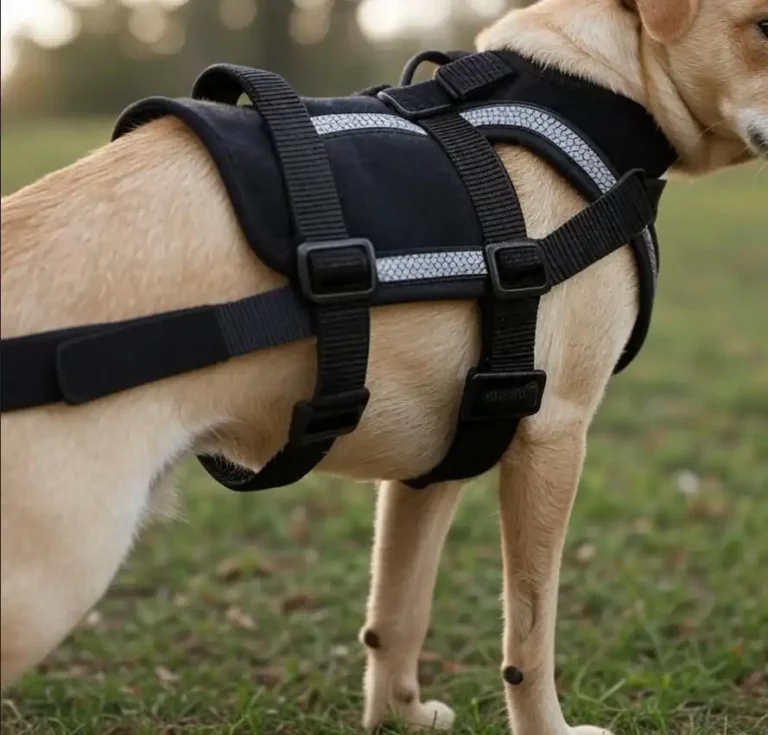
Look for harnesses that sit below the neck area. An X-frame design ensures that the pressure point is squarely on the breastbone, keeping the sensitive throat area completely free.
2. Ultra-Lightweight Materials
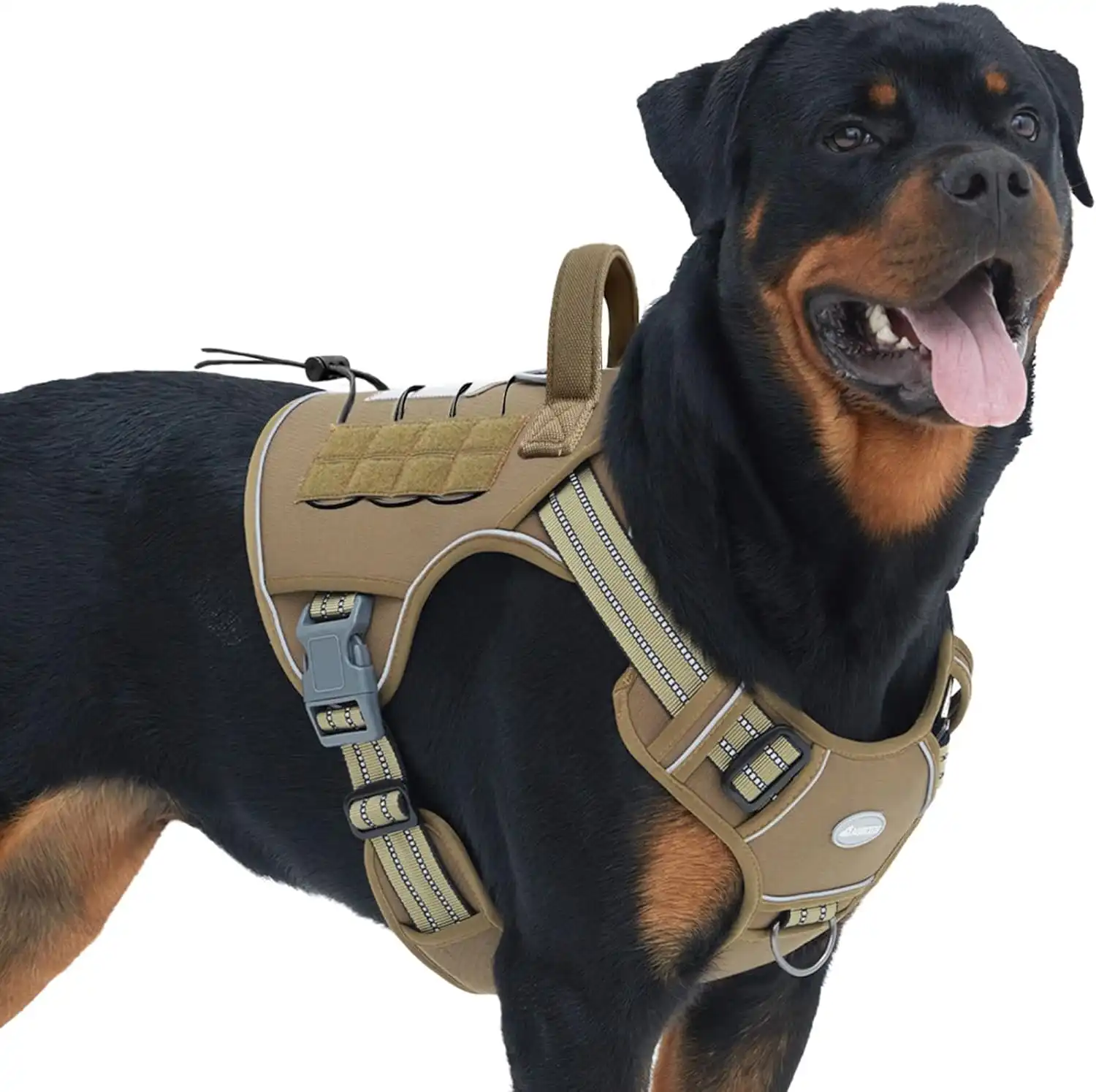
In 2026, the trend is toward breathable 3D air mesh and recycled dual-layer nylon. Toy dogs can easily feel weighed down by heavy buckles or thick padding. You want something that feels like a second skin.
3. Multiple Adjustment Points
Every toy dog is shaped differently—some are “barrel-chested” while others are slim. A harness with at least four adjustment points allows you to customize the fit so there’s no gapping where a tiny paw could slip through.
4. Step-In vs. Over-the-Head
- Step-In: Ideal for dogs who are head-shy or nervous about gear.
- Over-the-Head: Often offers more security for “Houdini” dogs who know how to back out of a harness.
Top Safety Tips for Pet Parents
Before you head out for your next stroll, keep these 2026 safety standards in mind:
- The Two-Finger Rule: You should be able to fit exactly two fingers between the harness and your dog’s body. Any looser, and they might escape; any tighter, and it could chafe.
- Check the Hardware: Regularly inspect plastic clips and D-rings. For toy breeds, look for lightweight aluminum or high-grade reinforced plastic to avoid unnecessary weight.
- Visibility Matters: Even if you only walk during the day, 2026 models with 360° reflective piping are a must-have for those unexpected moments of low visibility.
How to Measure Your Toy Dog Correctly
Getting the size right is the most important step in choosing a harness. Don’t rely on weight alone!
| Measurement | How to Do It |
| Chest Girth | Measure around the widest part of the ribcage (just behind the front legs). |
| Neck Girth | Measure the base of the neck where the harness would naturally sit. |
| Back Length | From the base of the neck to the start of the tail. |
Pro Tip: If your dog is between sizes, always size up. Most modern toy harnesses are highly adjustable, and a slightly larger frame with tightened straps is safer than a cramped fit.
Final Thoughts
Investing in a dedicated harness for your toy breed is about more than just a fashion statement—it’s about protecting their health for years to come. With the lightweight, throat-safe technology available in 2026, there’s never been a better time to upgrade your walking gear.
About the Author

You Might Also Like