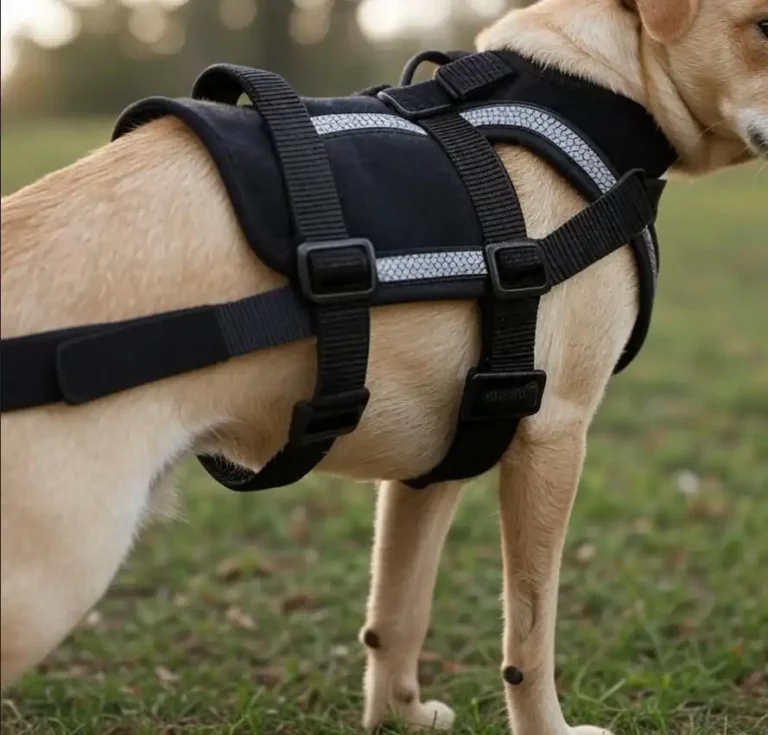
Why Every Dog Needs a Vest Style Dog Harness in 2026
As we step further into 2026, the way we care for our four-legged family members continues to evolve with better technology and a deeper understanding of canine health. Gone are the days when a simple neck collar was the only option for a walk. Today, pet parents are prioritizing gear that supports a dog’s natural movement while ensuring maximum safety.
Choosing the right walking gear can feel overwhelming with so many options on the shelf. However, if you are looking for the perfect balance of control, comfort, and safety, you should consider a Vest Style Dog Harness.
The Evolution of Canine Comfort: Why Vest Style?
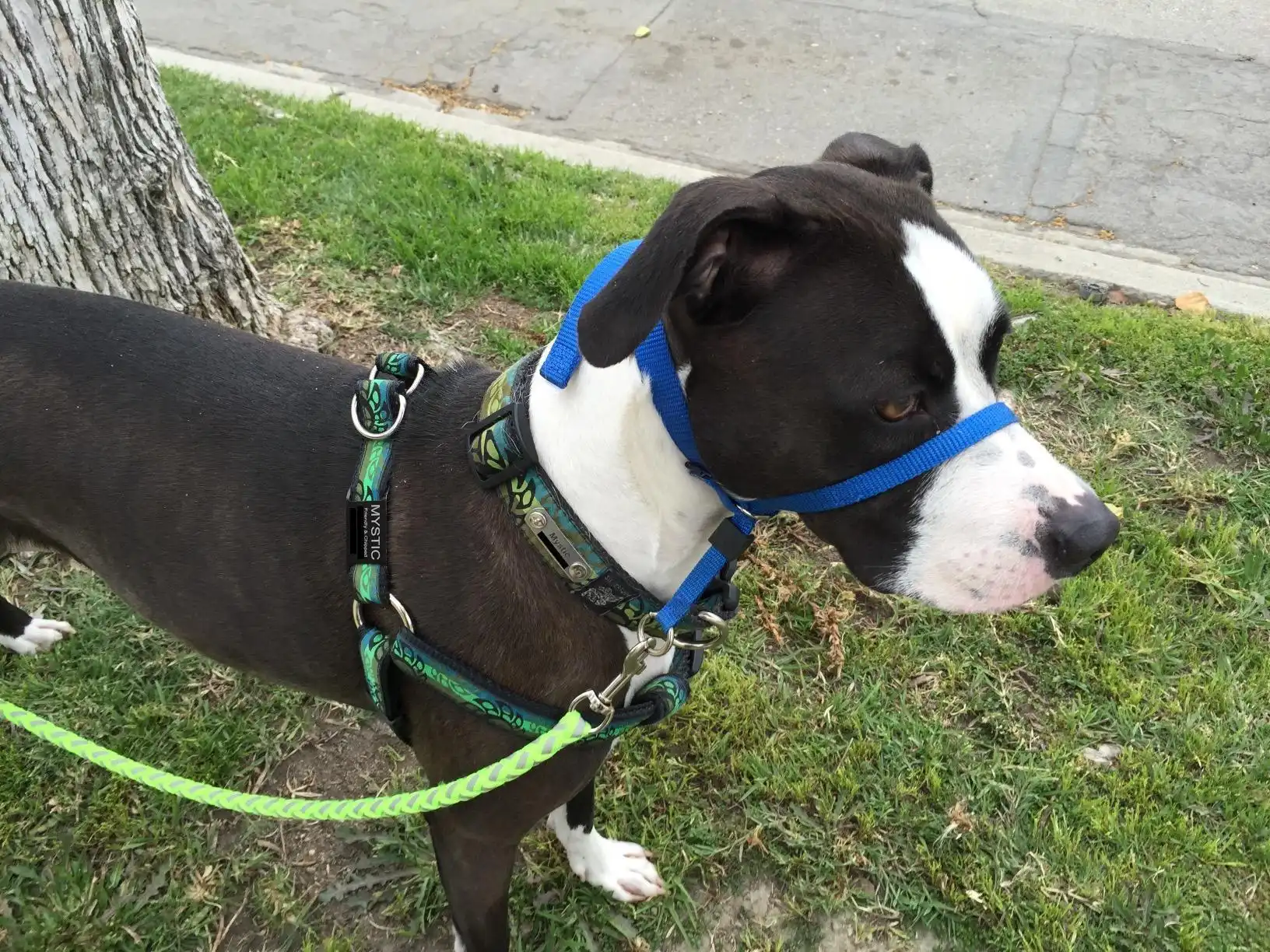
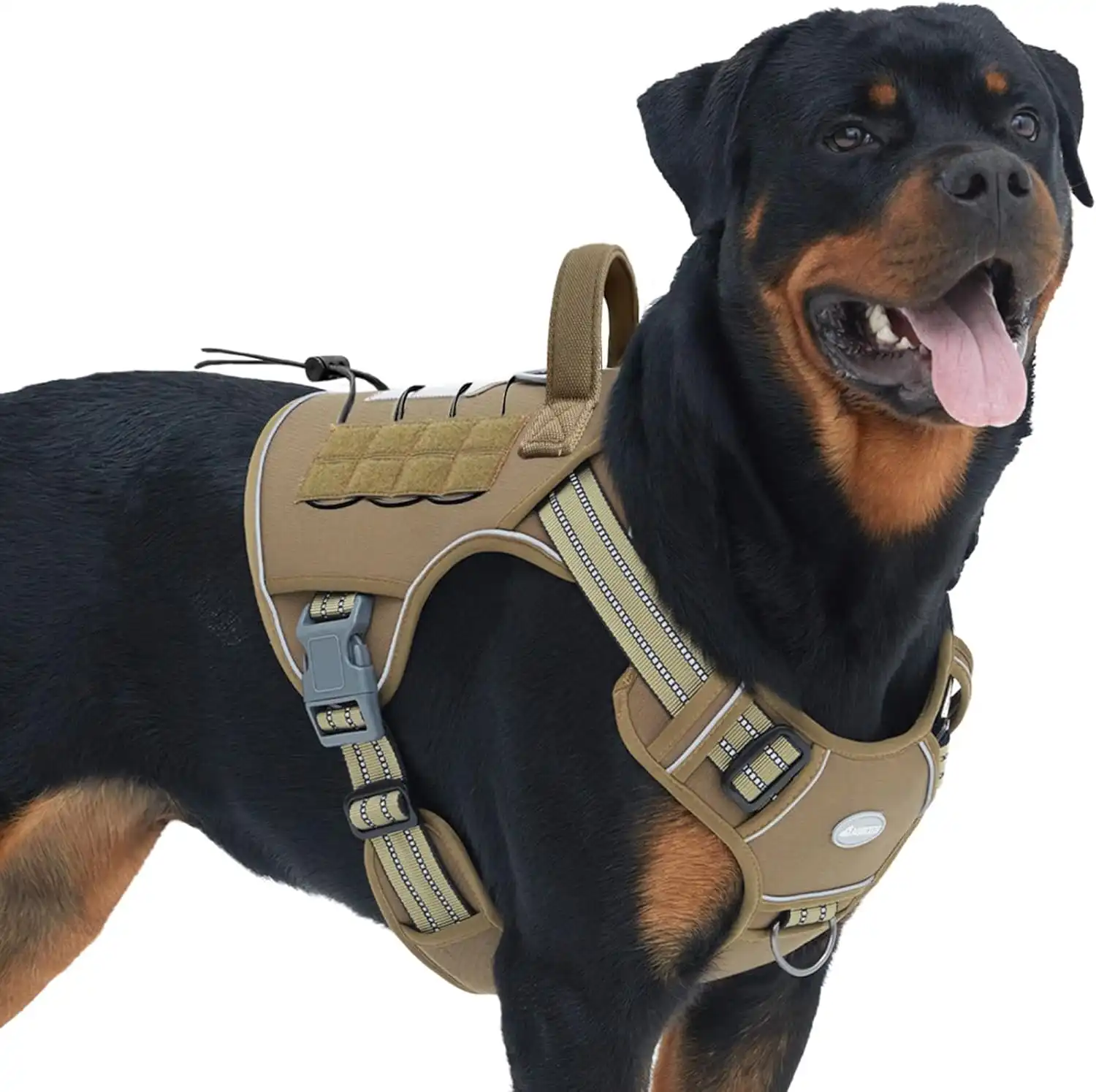
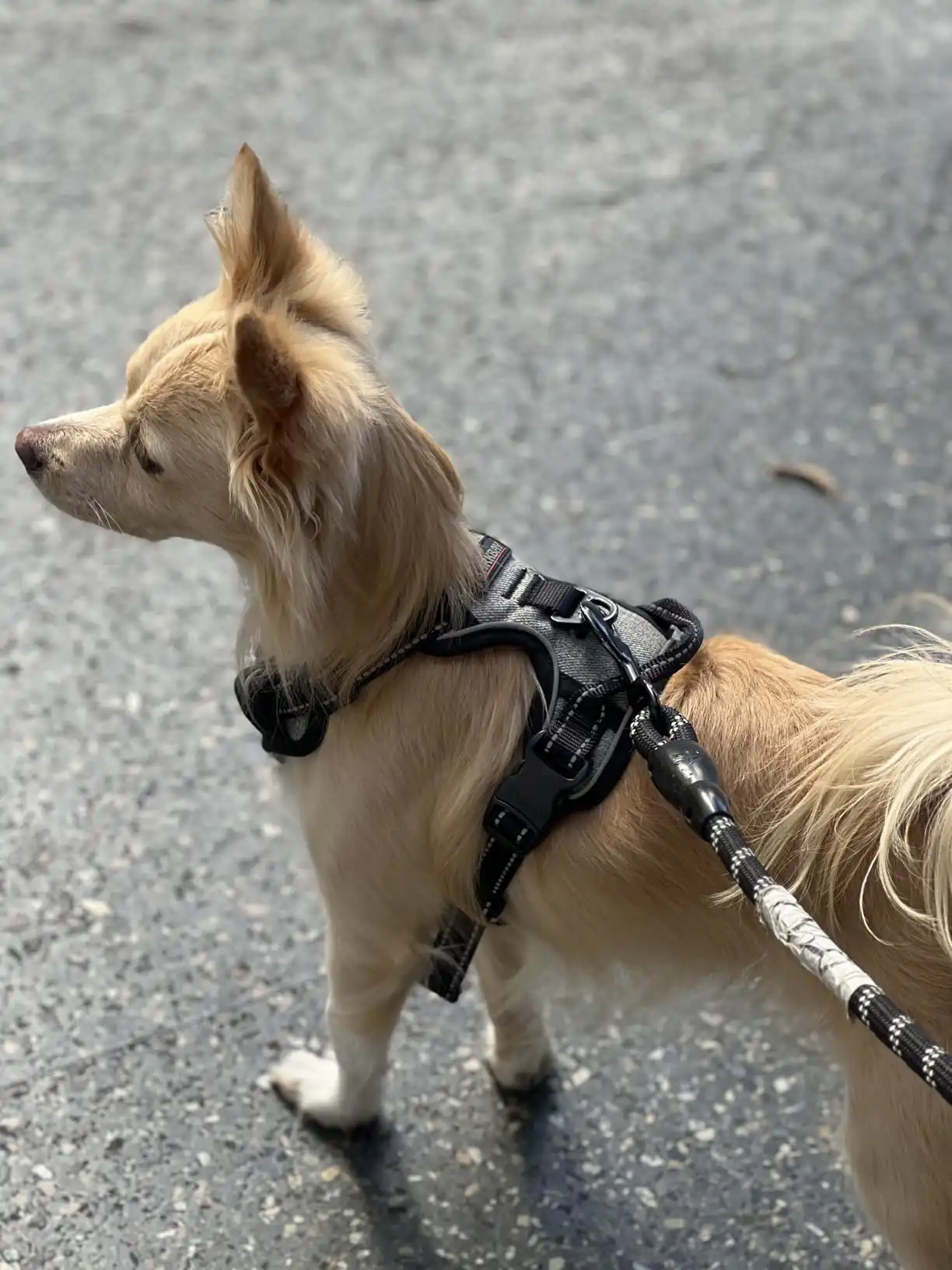
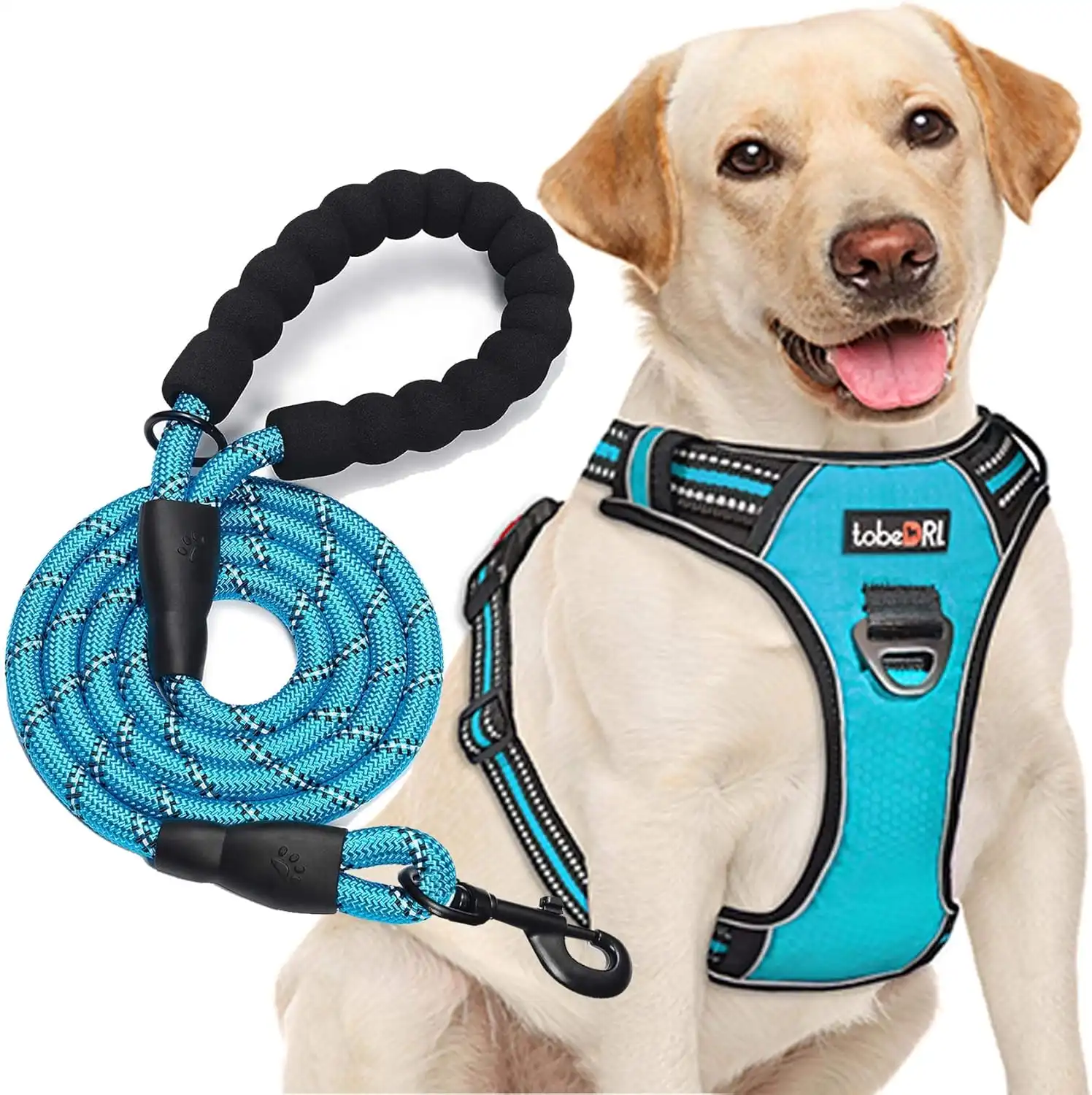


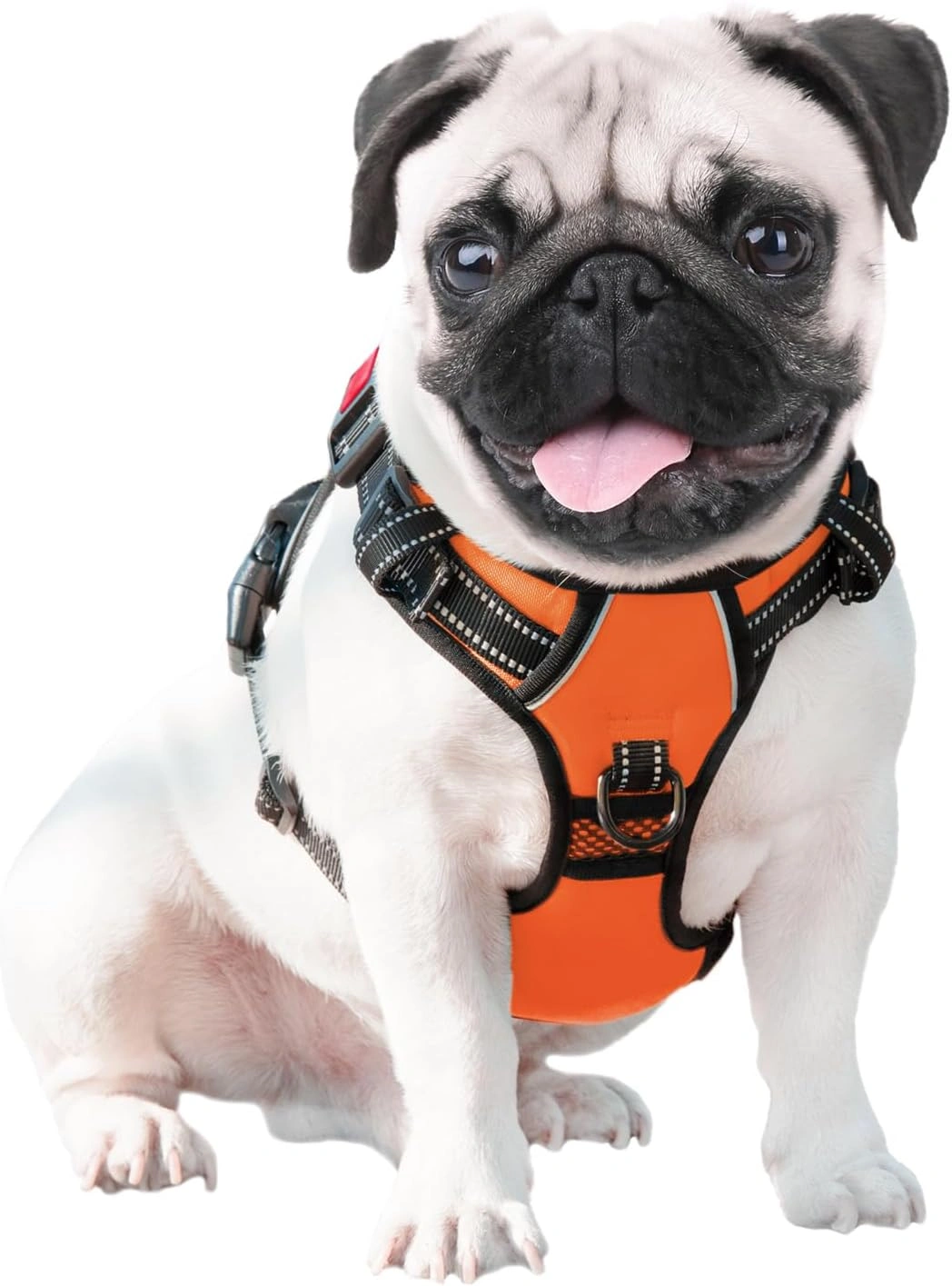
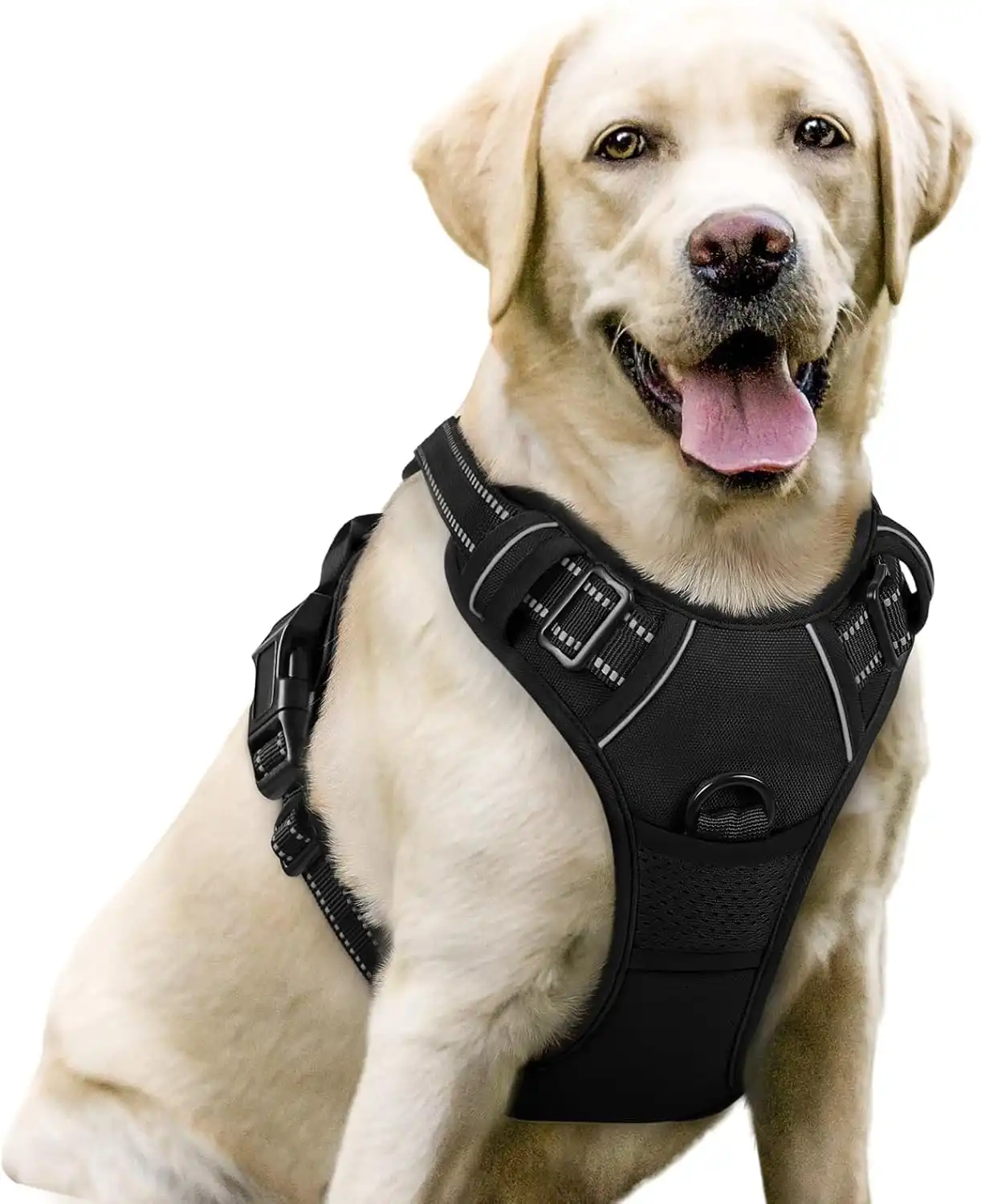



Traditional “strap” harnesses are great, but the vest style design has surged in popularity for a reason. Unlike thin straps that can sometimes dig into a dog’s skin, a vest style harness uses a broader chest plate—often made from breathable mesh or padded neoprene—to distribute pressure across the strongest part of your dog’s body.
1. Superior Pressure Distribution
In 2026, veterinarians are more vocal than ever about protecting the “delicate throat zone.” When a dog lunges or pulls while wearing a standard collar, it puts immense pressure on the trachea and thyroid gland. A vest style harness moves that force to the sternum and ribcage, significantly reducing the risk of neck injuries.
2. The “Hug” Effect for Anxious Pups
Many pet behavioral experts note that the snug, wrap-around fit of a vest harness provides a calming sensation similar to a weighted blanket. For dogs that get nervous in high-traffic areas or loud environments, this secure fit can help them feel more grounded during their adventures.
Key Features to Look for in 2026
When shopping for your next harness, keep an eye out for these modern innovations that have become industry standards this year:
- Eco-Friendly Performance Fabrics: Look for harnesses made from recycled ocean plastics or sustainable bamboo fibers that offer high durability without the environmental footprint.
- Integrated Safety Tech: Many premium models now feature hidden pockets for GPS trackers (like AirTags or specialized pet chips) and 360-degree reflective piping for midnight strolls.
- Breathable “Air-Mesh”: Especially important for the warmer months, 2026 designs utilize 3D-knit fabrics that allow heat to escape, preventing your pup from overheating.
Quick Comparison: Choosing Your Style
| Feature | Step-In Vest | Over-the-Head Vest |
| Best For | Dogs who hate things touching their ears | High-energy dogs who need extra security |
| Ease of Use | Very high; just two legs and a clip | Medium; requires slipping over the head |
| Adjustment | Usually 1–2 points | Often 4+ points for a custom fit |
Safety First: Fit and Function
A harness is only as safe as its fit. For the 2026 season, many brands have moved toward “Active-Fit” sizing. To find the right match, always measure your dog’s girth (the widest part of their ribcage) rather than relying on weight alone.
Pro-Tip: You should always be able to fit two fingers comfortably between the harness and your dog’s body. If it’s too loose, they might “Houdini” their way out; too tight, and it could cause chafing under the armpits.
Is it Right for Your Dog?
While vest style harnesses are fantastic for most breeds, they are particularly beneficial for:
- Brachycephalic Breeds: Pugs, Frenchies, and Bulldogs who already struggle with breathing.
- Small & Toy Breeds: Whose tiny necks are incredibly fragile.
- Senior Dogs: Who may need the extra support of a padded chest plate when navigating stairs or curbs.
Ready to Upgrade Your Walks?
Investing in high-quality gear is one of the simplest ways to show your dog you care about their comfort. By switching to a design that prioritizes ergonomics and safety, you aren’t just buying an accessory—you’re investing in years of happy, pain-free adventures together.
About the Author

You Might Also Like