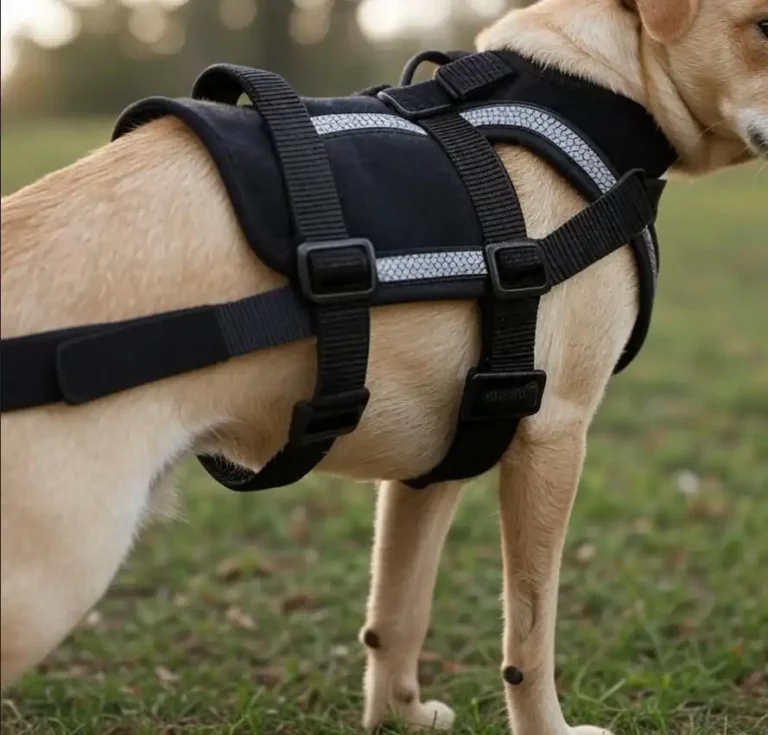
Ultimate Guide: Choosing a Walking Dog Harness
Every pet parent knows that a walk is the highlight of a dog’s day. It’s their time to explore, sniff every blade of grass, and burn off that boundless energy. However, if your pup is a “puller” or an escape artist, those peaceful morning strolls can quickly turn into a stressful tug-of-war. Ensuring your dog is safe, comfortable, and well-behaved on the leash starts with the right gear. In this guide, we’ll explore the latest 2026 trends in safety and ergonomics to help you find the perfect Walking Dog Harness for your furry best friend.
Why Choose a Harness Over a Traditional Collar?
While collars are great for holding ID tags, they can pose risks during active walks. When a dog pulls against a collar, it puts immense pressure on their trachea and spine. For 2026, veterinarians and trainers are increasingly recommending harnesses as the “safety-first” standard.
- Neck Protection: Harnesses distribute pressure across the chest and shoulders, protecting sensitive windpipes.
- Better Control: You have more leverage over your dog’s center of gravity, making it easier to guide large or reactive dogs.
- Escape Prevention: High-quality harnesses are much harder to slip out of than a standard buckle collar.
- Assist Features: Many modern designs include “lift handles,” allowing you to help senior dogs over obstacles or quickly grab your pup in an emergency.
Key Features to Look for in 2026
As we move into 2026, dog gear has become smarter and more durable. When shopping, look for these advanced features to ensure you’re getting the best for your pet:
- Sustainable, Tech-Infused Materials: Look for harnesses made from recycled ripstop nylon or eco-friendly neoprene. These materials are not only “green” but also breathable and quick-drying for those rainy-day walks.
- Integrated Safety Tech: Some of the latest models now feature built-in LED fiber optics or high-visibility 360° reflective piping for safer night-time strolls.
- The “Y-Shape” Ergonomic Design: This specific shape is the gold standard for 2026. It ensures the dog’s shoulder joints are completely free to move, preventing the long-term gait issues sometimes caused by “horizontal bar” chest straps.
- Multi-Point Adjustment: A great harness should have at least four adjustment points to create a custom, “no-chafe” fit regardless of your dog’s unique shape.
Finding the Right Fit: The Two-Finger Rule
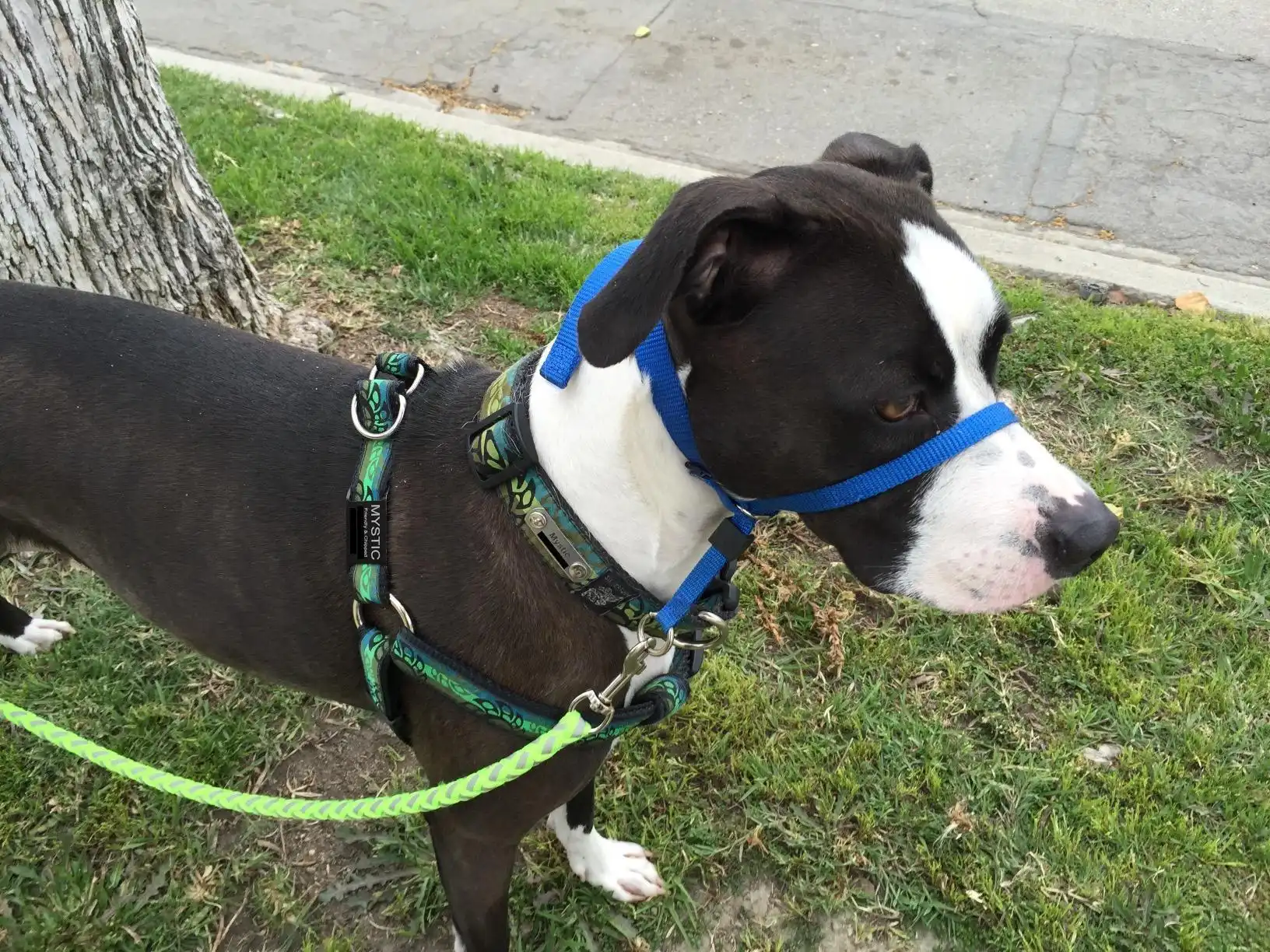
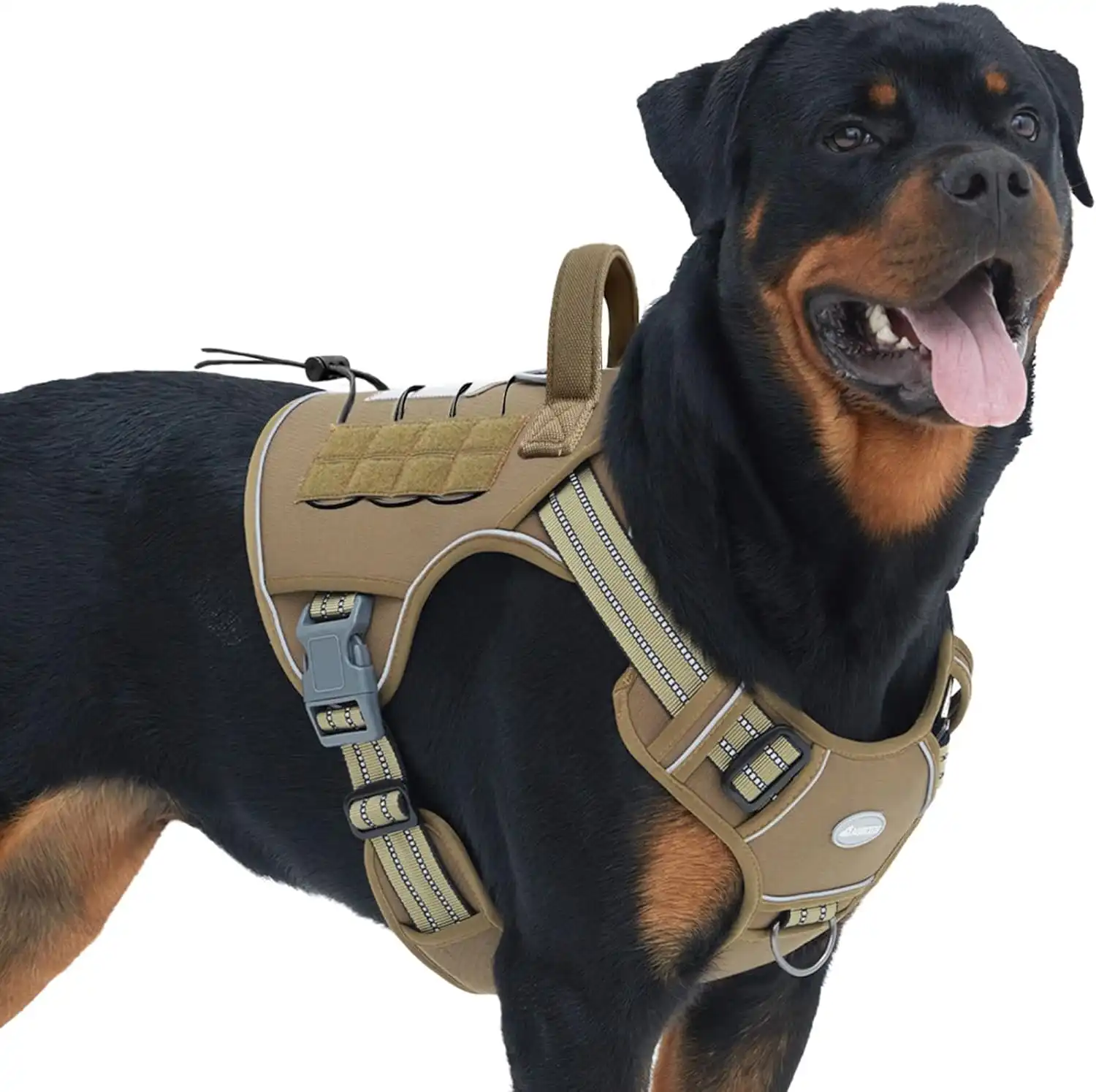
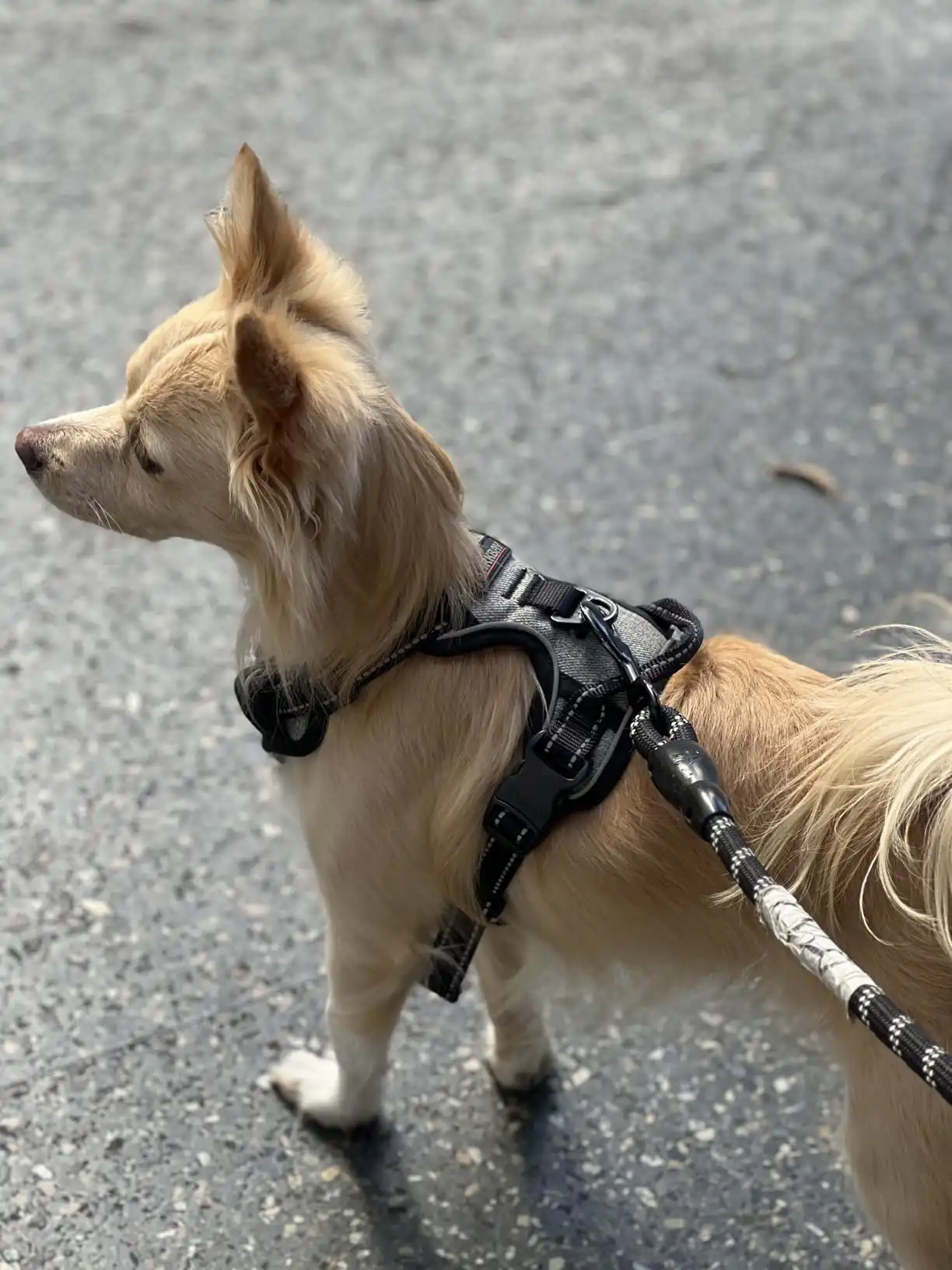
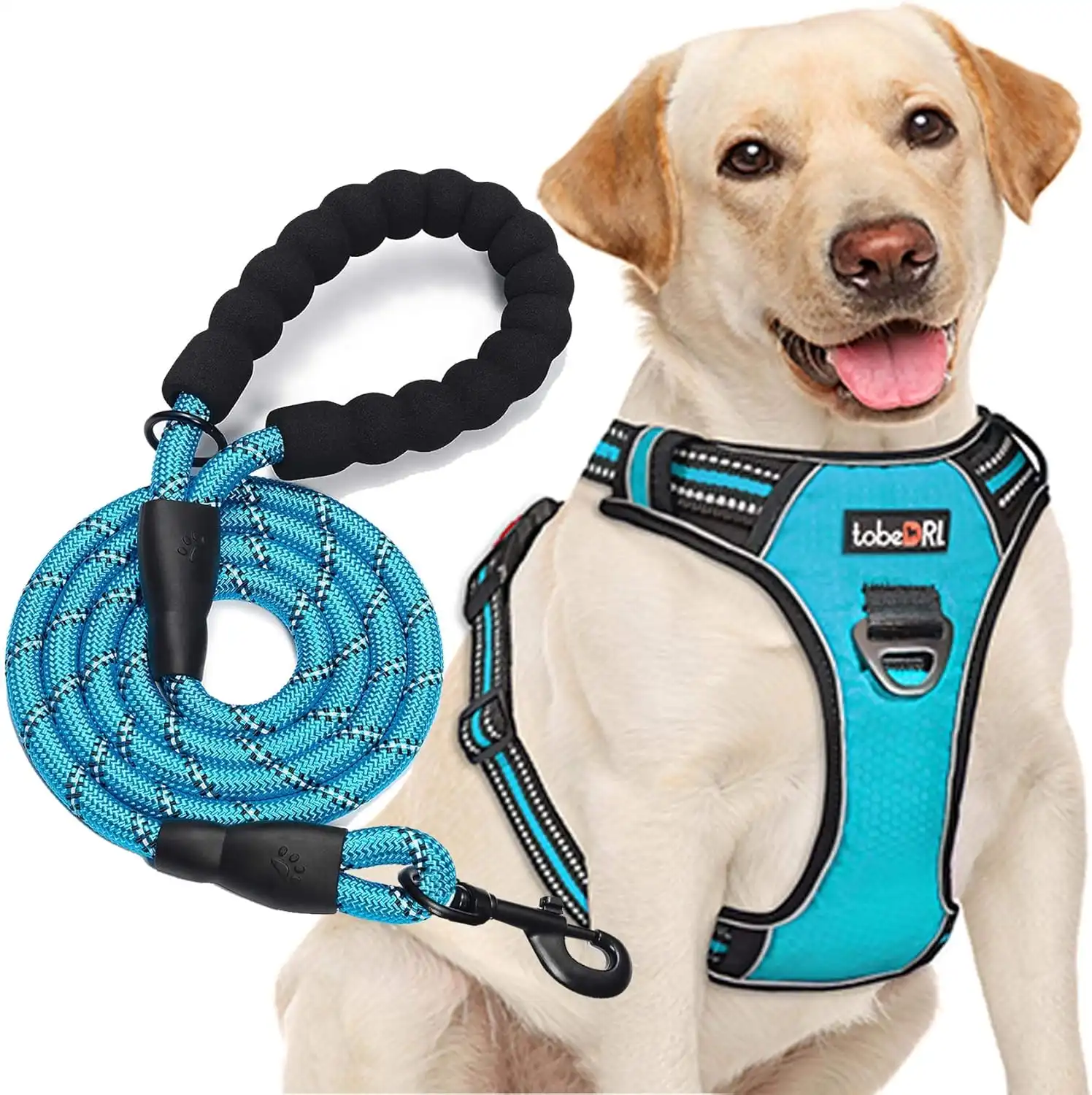
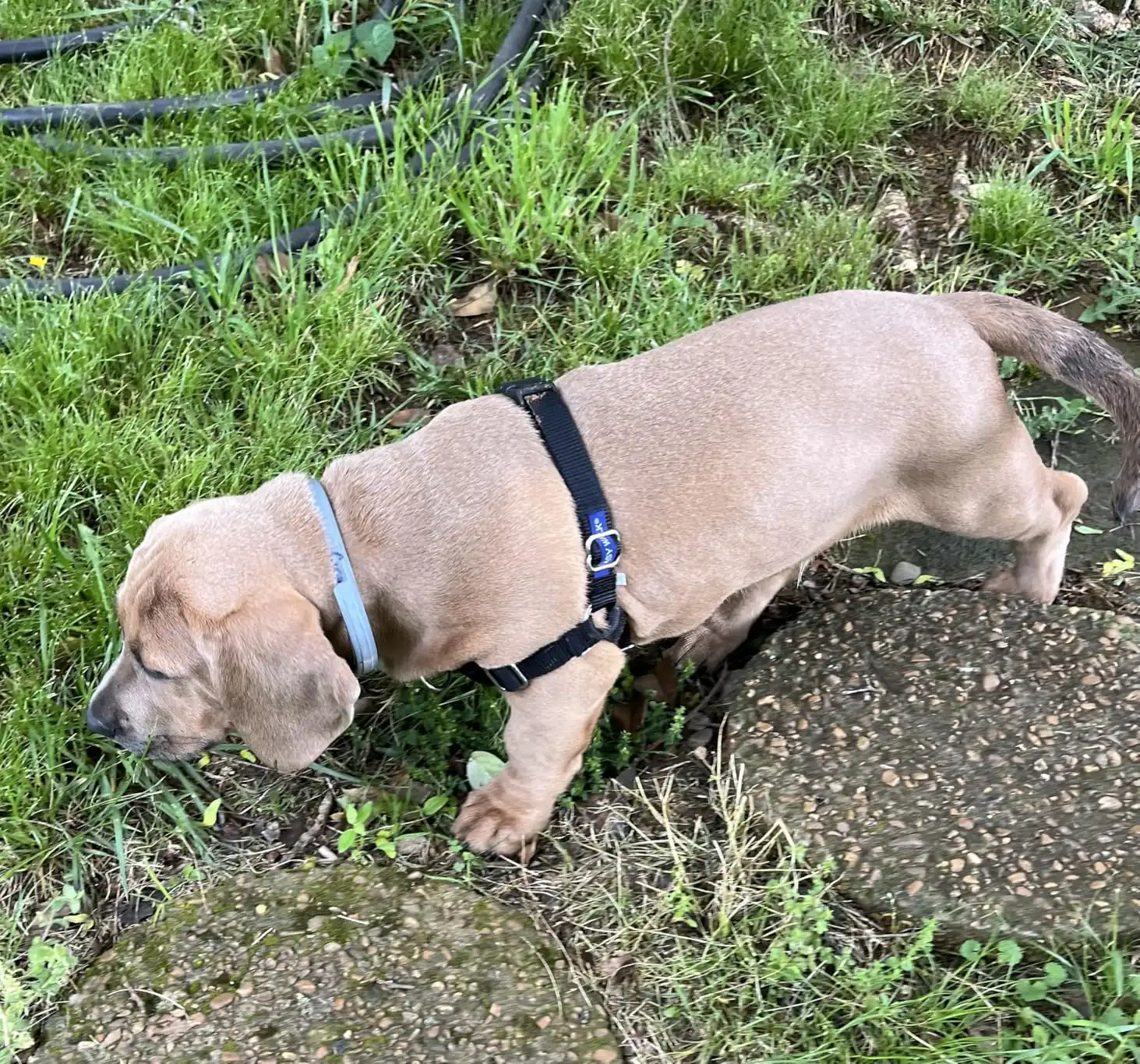

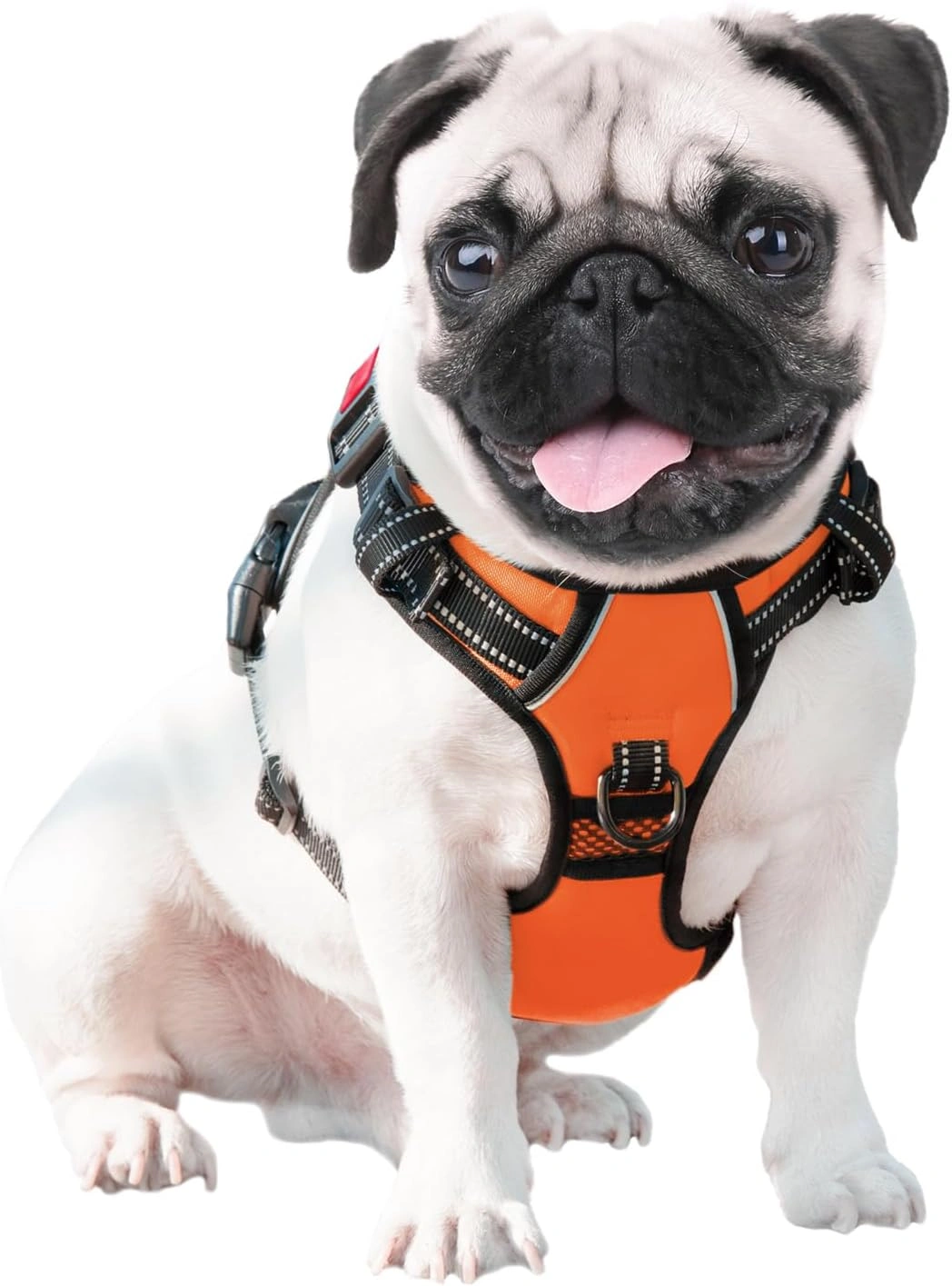
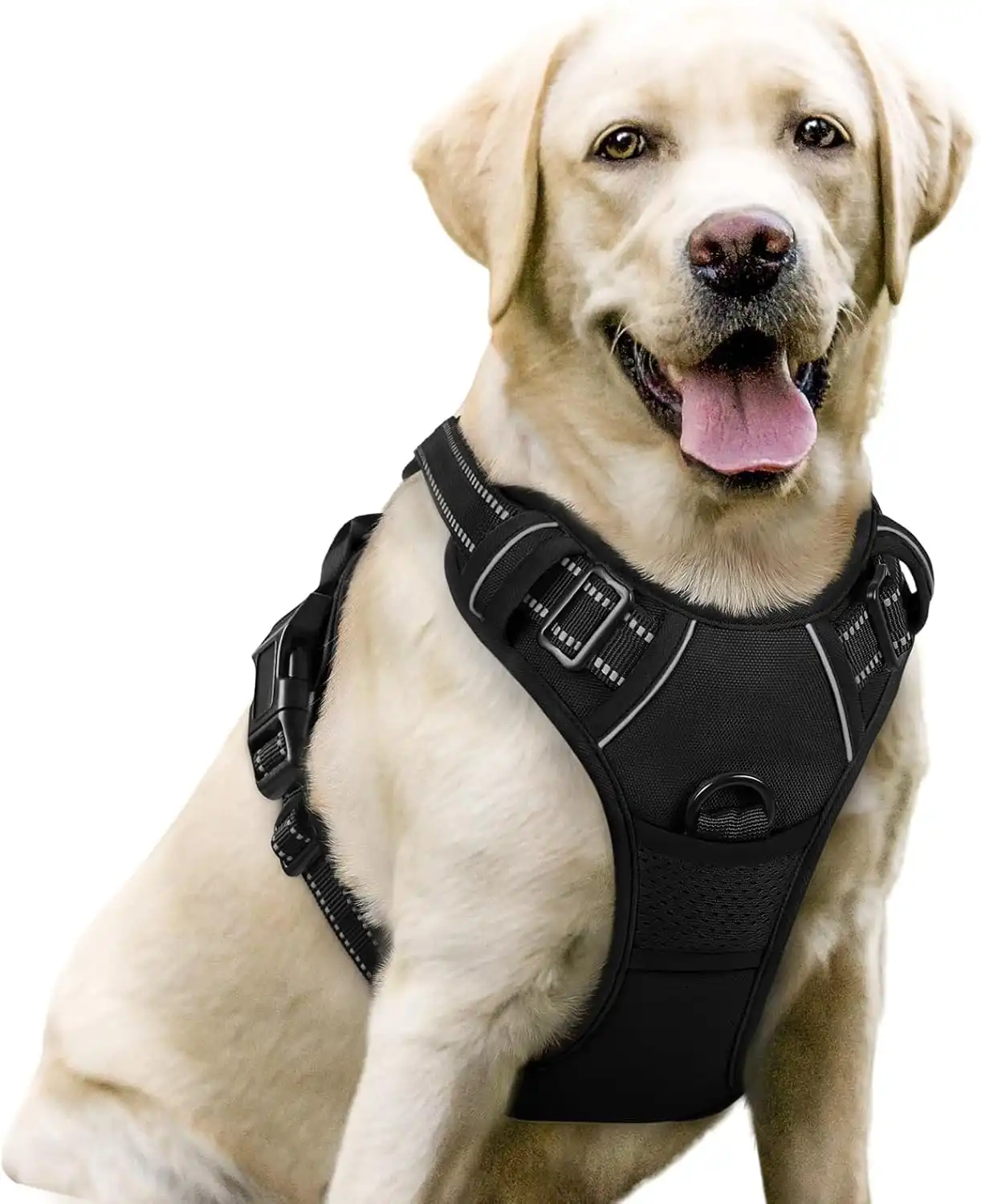



Even the most expensive harness won’t work if it doesn’t fit correctly. To find the perfect size, follow these steps:
- Measure Twice: Measure your dog’s chest girth (the widest part of their ribcage) and their lower neck.
- The Snugness Test: Once the harness is on, you should be able to fit exactly two fingers comfortably between the straps and your dog’s body. If you can fit more, it’s too loose (escape risk); if you can fit less, it’s too tight (chafing risk).
- Check for Movement: Watch your dog walk. If the fabric bunches up under the armpits or the harness shifts to one side, you may need to adjust the tension.
Safety First: Harnesses and Car Travel
In 2026, “multi-use” is the name of the game. Many pet parents are now opting for crash-tested harnesses that transition seamlessly from the sidewalk to the car. If you travel frequently, look for a Walking Dog Harness that is CPS (Center for Pet Safety) Certified. These are specifically engineered to withstand the force of a sudden stop, keeping your pup secure in the backseat while acting as a comfortable walking tool once you reach the park.
Selecting the right gear is one of the best ways to show your dog you care about their comfort and safety. Whether you have a tiny Chihuahua or a massive Great Dane, the right harness makes every adventure better.
About the Author

You Might Also Like