
What to Do Before, During, and After Tick Season
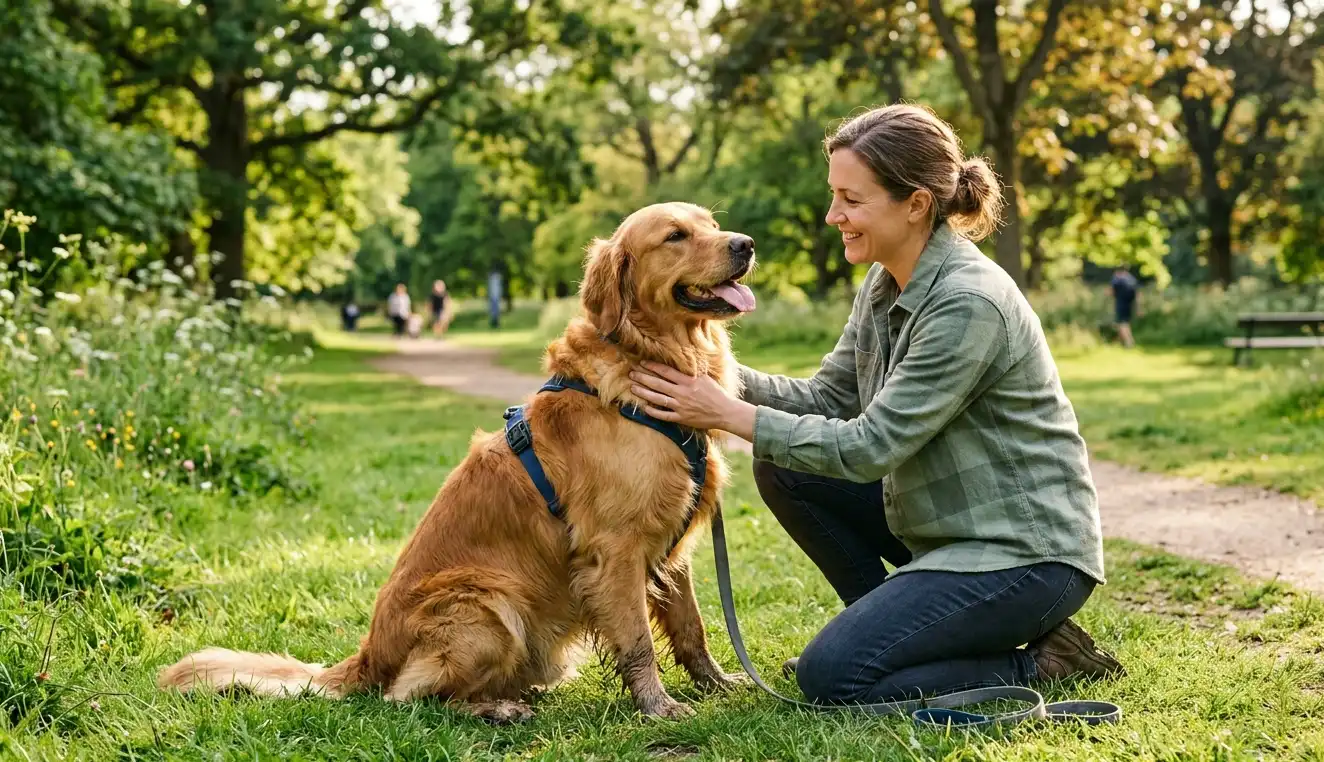
Patty used to look forward to the breaks in her day when she’d bring Hopper to the park across the street for his walk. For her, those outings were a chance to destress, get fresh air, take in the city views, and enjoy a little greenery.
Tick season changed that.
They still go, but now she’s more careful about where Hopper runs, avoiding certain patches of grass. Plus, she does a full-body check after every walk. The fear of latching ticks has even ruined their post-walk cuddle.
Ticks and Fleas: What’s the Difference?
Ticks and fleas are easy to lump together. They’re both tiny, both show up in places pets love to explore, and both can leave your dog or cat scratching, uncomfortable, or acting a little off. But they are not the same pest, and the difference matters.
Fleas are insects, while ticks are parasitic arachnids. Fleas also tend to make themselves known much faster. They often appear in groups, especially around a pet’s back end, belly, or tail area, and the itching can start almost right away. You might notice sudden scratching, small dark “flea dirt” specks in the coat, irritated skin, or signs of bites around the areas where your pet sleeps.
They are also fast movers in more ways than one. Once fleas get inside, they can settle into carpets, bedding, furniture, and soft surfaces around the home. What starts as a few fleas on a pet can turn into a much bigger household problem before you realize it.
Ticks are sneakier. Instead of jumping around or spreading through the home in the same way, they wait for a host to pass by. You’re more likely to find them in tall grass, wooded or shaded areas, trails, and brushy edges. After attaching to a pet, a tick can feed slowly and may go unnoticed for a while, especially if it’s hidden under fur or in a hard-to-check spot.
That’s part of what makes ticks so stressful for pet owners, but the bite itself is not the only issue. Some ticks can carry diseases, including Lyme disease, anaplasmosis, and ehrlichiosis. These can affect pets and, in some cases, people. Warning signs may include tiredness, fever, stiffness, joint discomfort, or changes in appetite. The earlier a tick is found and removed, the better, which is why regular checks after walks, hikes, or time outside are so important.
When Tick Season Peaks
While ticks can survive cold temperatures, some enter a dormant state or burrow into the soil as temperatures drop. This makes it less likely that our furry family members will pick them up on daily routes.
During warmer months, these pests become more active. And so do our pets. As more time is spent outdoors, exposure naturally goes up. The risk is in everyday moments like brushing past tall grass, exploring bushes, and rolling around on the ground.
Protect Before You Step Outside
The easiest time to deal with fleas and ticks is before they even find your pet. A good walking route helps, and so does the little inspection you do when you get home, but those habits are not meant to do all the heavy lifting. Prevention works best when it is already part of the routine.
For dogs, TevraPet Activate II helps repel and kill fleas, flea eggs, ticks, and mosquitoes in one application. For cats, TevraPet FirstAct Plus provides waterproof, multi-month protection against fleas, ticks, and lice. Think of it as the baseline, especially during warmer months or anytime your pet is spending time in grass, brush, wooded areas, or shared outdoor spaces.
A few additional habits reinforce that protection. Choose open paths when possible. Steer curious dogs away from tall grass and leaf piles. After a walk, check the spots pests like to hide: around the ears, under the collar, between the toes, along the belly, and anywhere the coat gets dense. For thick-coated pets, a quick brush-through can make it easier to catch what your eyes might miss.
At home, keep bedding washed and outdoor spaces trimmed back to help reduce exposure over time.
Tick Season Shouldn’t Change the Routine
The last thing tick season should do is keep you and your pet from enjoying the warmer months. Hikes, park runs, and afternoon walks are healthy habits to enjoy, especially in the summer. Being prepared doesn’t mean overhauling the routine. It just means building in a few consistent habits that reduce risk and anxiety.
Patty and Hopper haven’t stopped going to the park. But these days, they stick to open paths and do a quick once-over before Hopper climbs onto the couch. The walks are still a highlight. The cuddles? Always mandatory.
About the Author