
When to Call Your Landlord for Repairs
Learn when to call your landlord for repairs, what fixes are your duty, how to document issues, and understand tenant rights for a safe, well-maintained home.
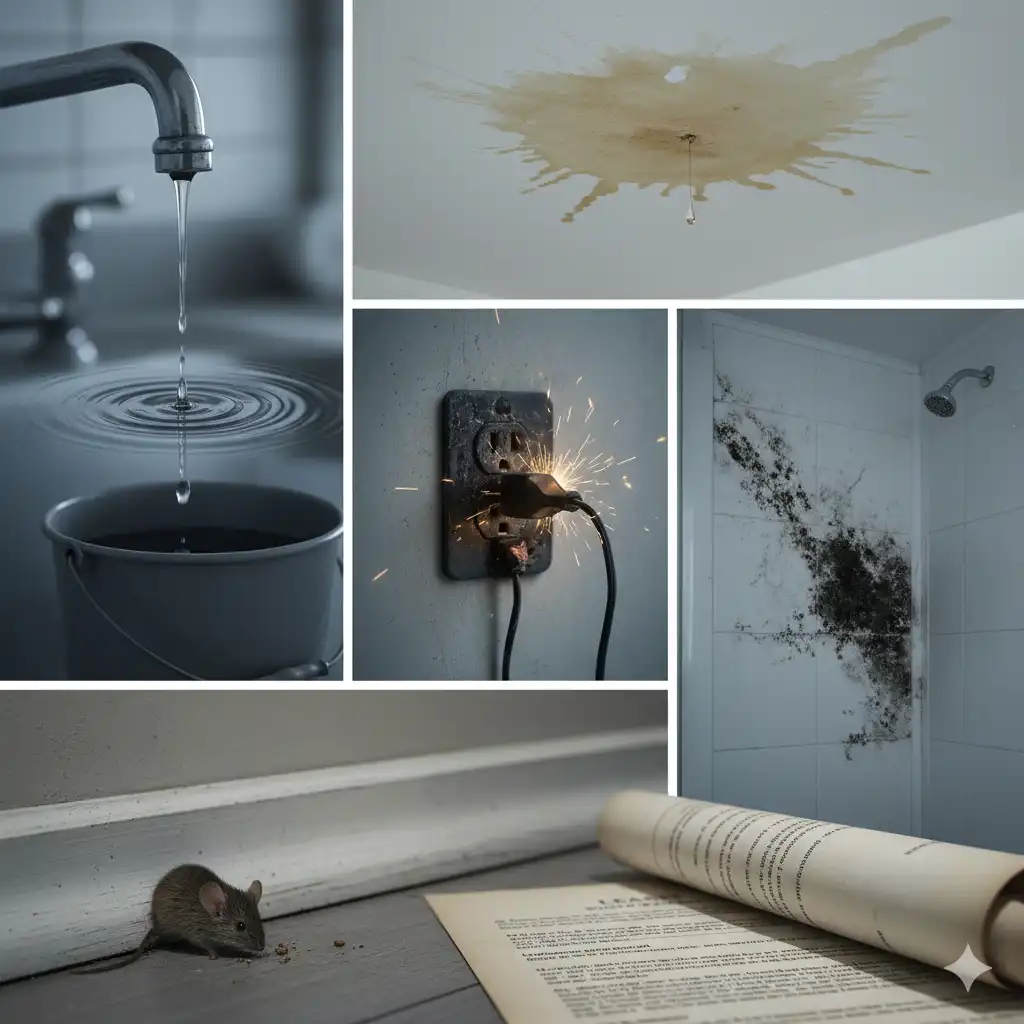
We’ve all been there, staring at a dripping tap, a dodgy power point, or a ceiling stain and wondering if it’s worth bothering our landlord. Do you wait it out, fix it yourself, or risk becoming ‘that tenant’ who calls for every little thing?
The truth is, not every problem deserves a late-night call, but some issues are far too risky to ignore.
The trick is knowing where the line is. Keep reading, and you’ll learn exactly when it’s your job, when it’s theirs, and how to keep your rental running smoothly.
Understand Your Lease Agreement
Before you start fixing things or chasing your landlord, you should actually know what your lease says. Here’s how to use this document to your advantage:
General Terms
Start by giving your rental terms a good read-through. This document typically outlines which tasks fall to you and which ones are your landlord’s job.
If you’ve got a furry companion roaming around, check for any pet-related clauses too. Some leases mention extra responsibilities in case your dog scratches the flooring or your cat decides to scale the curtains.
Everyday maintenance, like replacing burnt-out bulbs or yard work, is likely your responsibility. On the other hand, bigger concerns, such as broken pipes or faulty wiring, generally belong to the property owner.
End-of-Lease Clauses
Don’t forget the fine print around the end of your lease, especially if you’re moving out soon. Whether it’s exit cleaning or repair obligations, knowing what’s expected before you hand back the keys will save you from last-minute panic and surprise costs.
We recommend keeping your lease somewhere you can find it, not buried under takeaway menus and spare charger cables.
Finally, don’t be shy about asking for clarification if anything in the paperwork feels vague or straight-up confusing.
Identify the Urgent Repairs
Some repairs need sorting straight away, especially if they affect your safety, comfort, or peace of mind. Sagging ceilings, crackling sockets, or no heating in the middle of winter? Those can’t sit on the back burner.
Pest problems, especially bed bugs, cockroaches, or rodents, also fall into this category. They spread quickly, cause health concerns, and can make your place unlivable if left unchecked.
If you’re not quite sure where responsibility falls, it’s better to ask than guess. A quick message to your landlord can clear things up fast.
Document the Problem
Good record-keeping makes all the difference when dealing with ongoing issues. This is why you need to save every text, email, and photo related to the problem in one place.
Snap photos of every bit of damage, and remember to write down exactly when you first noticed the problem. Did you jump into action by shutting off the water to a burst pipe? Make sure to document those steps, too.
If your puppy chewed part of the carpet or your cat knocked something loose, it’s still worth documenting. Being upfront will help you avoid mix-ups about what needs fixing and who’s responsible.
Building this kind of evidence trail will put you in a stronger position if things remain unresolved and show you didn’t just sit back and watch.
Communicate Clearly and Politely
When you do need to contact your property manager, keep your message brief and friendly. Just explain the problem, when you noticed it, and attach a few photos if possible.
For urgent situations, like having no heat in June, make that clear right away. Mention when you’d appreciate a response without coming across as demanding. You can also send a simple reminder message to get a faster response if things drag on.
Remember, having a clear, written trail of your communication is helpful if the matter takes longer than expected to resolve.
Brush Up on Your Legal Knowledge
Your landlord isn’t doing you a favour by keeping the place liveable. By law, they’re required to make sure your home is safe, functional, and not falling to bits around you.
So, take ten minutes to brush up on the housing regulations in your area. Being informed about tenant protections puts you on solid ground when issues crop up.
Once you grasp these basics, you’ll walk into repair discussions with unwavering confidence and boost your odds of sorting out these issues quickly.
Most landlords pick up the pace when they realise you’ve done your homework on tenant-protection rules.
Seek Guidance and Support
You don’t have to play lawyer all on your own. If things start feeling complicated or your landlord is dragging their heels, there are tenant advocacy groups and local organisations whose whole job is helping people like you.
These organisations understand the ins and outs of housing regulations and can suggest the next steps, whether that involves writing a firmer email or filing a complaint.
Think of them as your rental safety net. One call, and suddenly, it’s not just you versus that leaky roof.
Weigh Up Formal Action
When nothing is moving and the problem keeps dragging on, don’t second-guess reaching out to local authorities or renters’ help organisations. They know your rights inside out and can steer you in the right direction.
If it gets to a point where you’re writing a formal letter, stick to the facts. Note exactly what’s wrong and refer to the rights you’ve looked up.
However, before jumping in with a formal complaint, make sure you’ve got your ducks in a row. Gather every message, every missed reply, and every promise not kept. That way, if things go awry, you’ll have a record to back up your side.
Timing matters, too. Before escalating, make sure you’ve given your landlord a fair chance to respond.
Laws usually allow a certain window of time for urgent versus non-urgent repairs, and jumping the gun can muddy your claim.
Overall, going down this route should be your last option, but if you reach that point, it’ll definitely help to know that you’ve played it by the book.
Conclusion
Life is too short to live with dodgy wiring or a heater that quits the minute it gets cold. Fortunately, once you know your rights and keep things documented, you’ll stay ahead of the game.
So, the next time something goes haywire, don’t wait for the mould to start its own Airbnb or the leaky pipe to flood your kitchen. Instead, take the initiative and make your rental a better place to live in.
About the Author