Best Type of Dog Harness: A 2026 Guide for Pet Parents
Walking your dog should be the highlight of your day—a chance to bond, explore, and get some fresh air. However, if your pup spends the entire walk lunging at squirrels or gagging against a traditional collar, that “leisurely stroll” can quickly turn into a stressful tug-of-war. Modern pet gear has evolved significantly, moving beyond simple straps to advanced ergonomic designs that prioritize your dog’s skeletal health and your peace of mind.
Choosing the right gear depends entirely on your dog’s unique personality, whether they are a “professional” puller, a tiny toy breed, or a rugged hiking companion. To make sure every outing is safe and enjoyable, you need to identify the Best Type of Dog Harness for your specific needs and lifestyle.
Why the Right Harness Matters in 2026
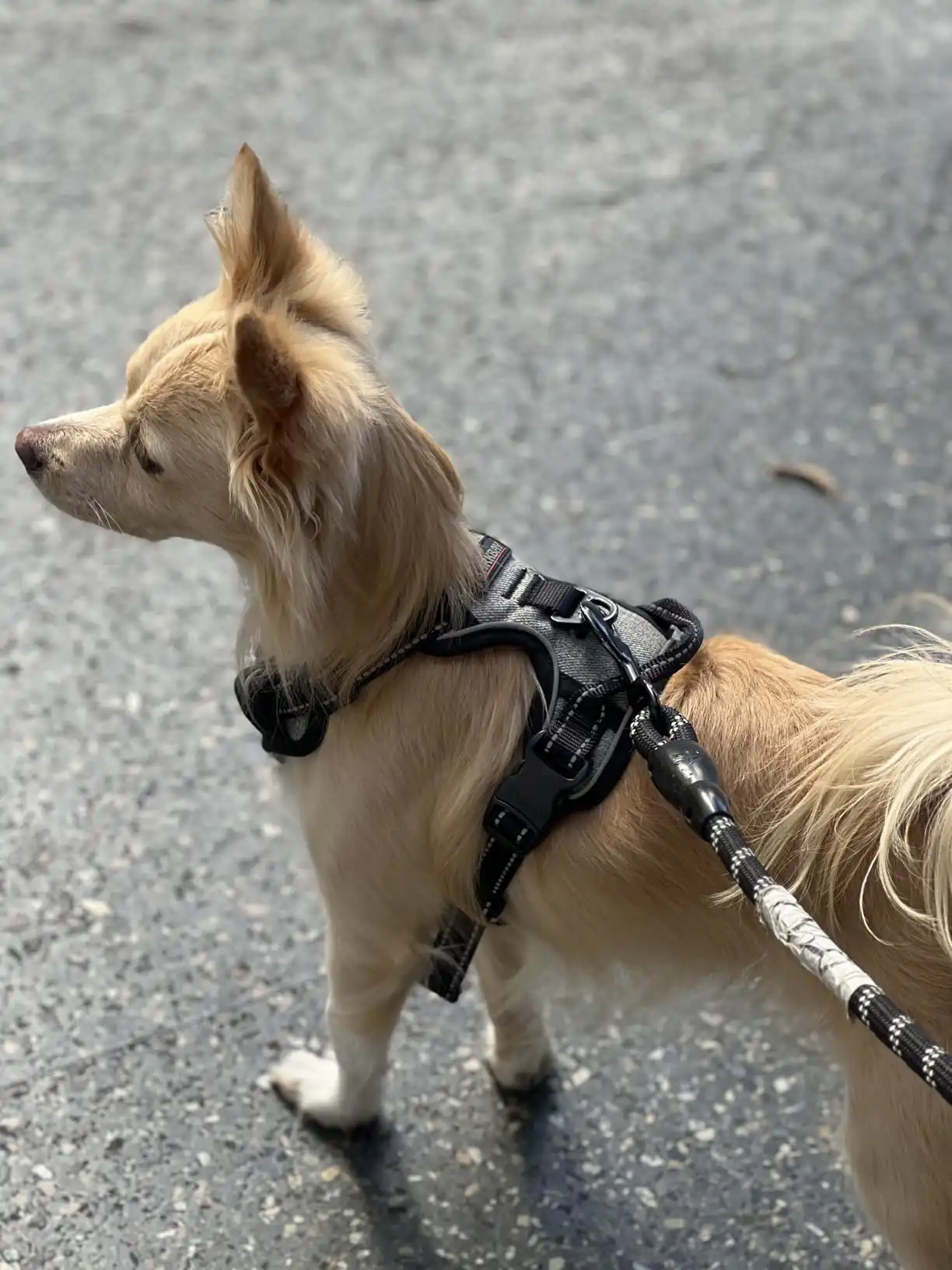
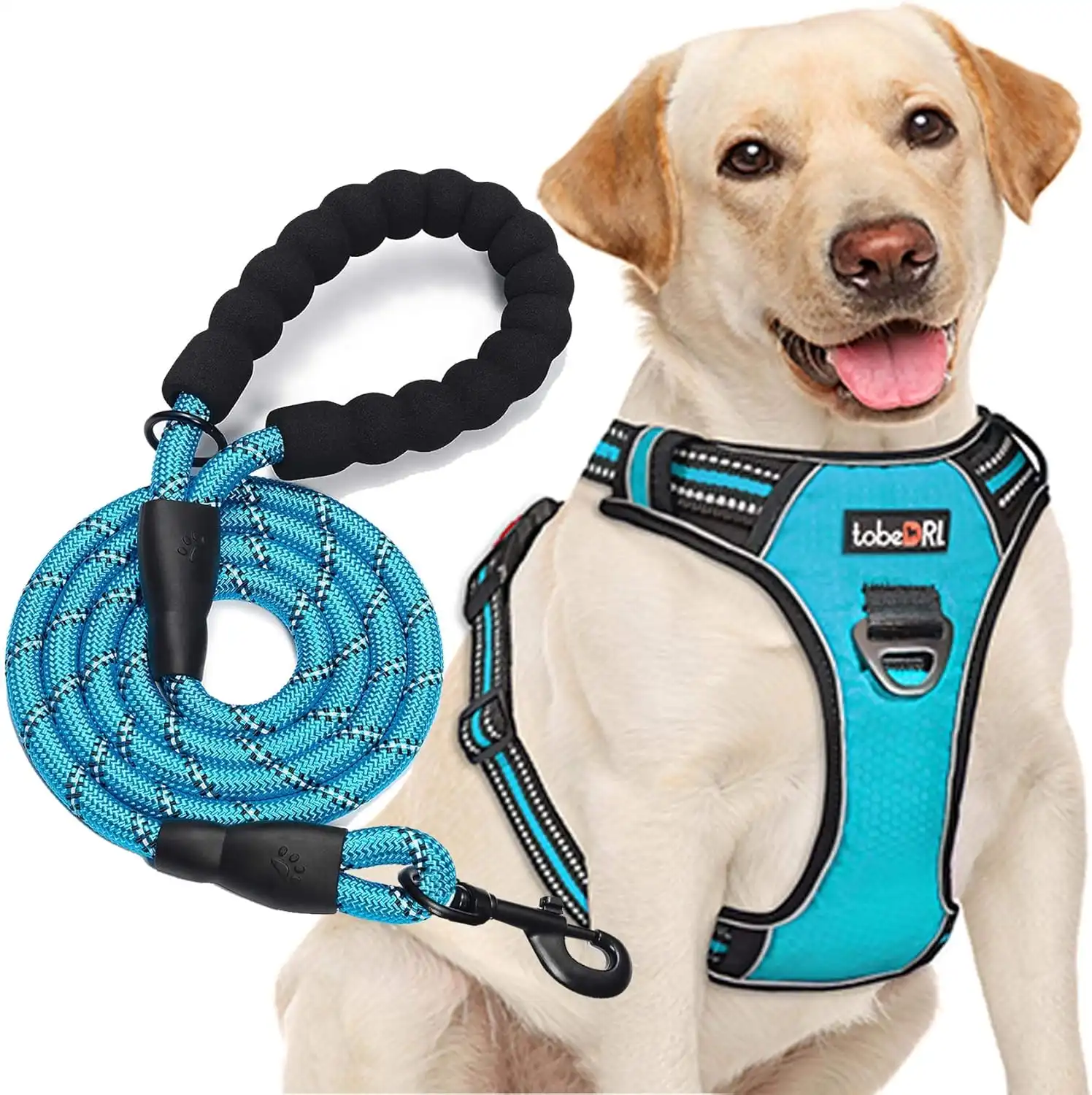
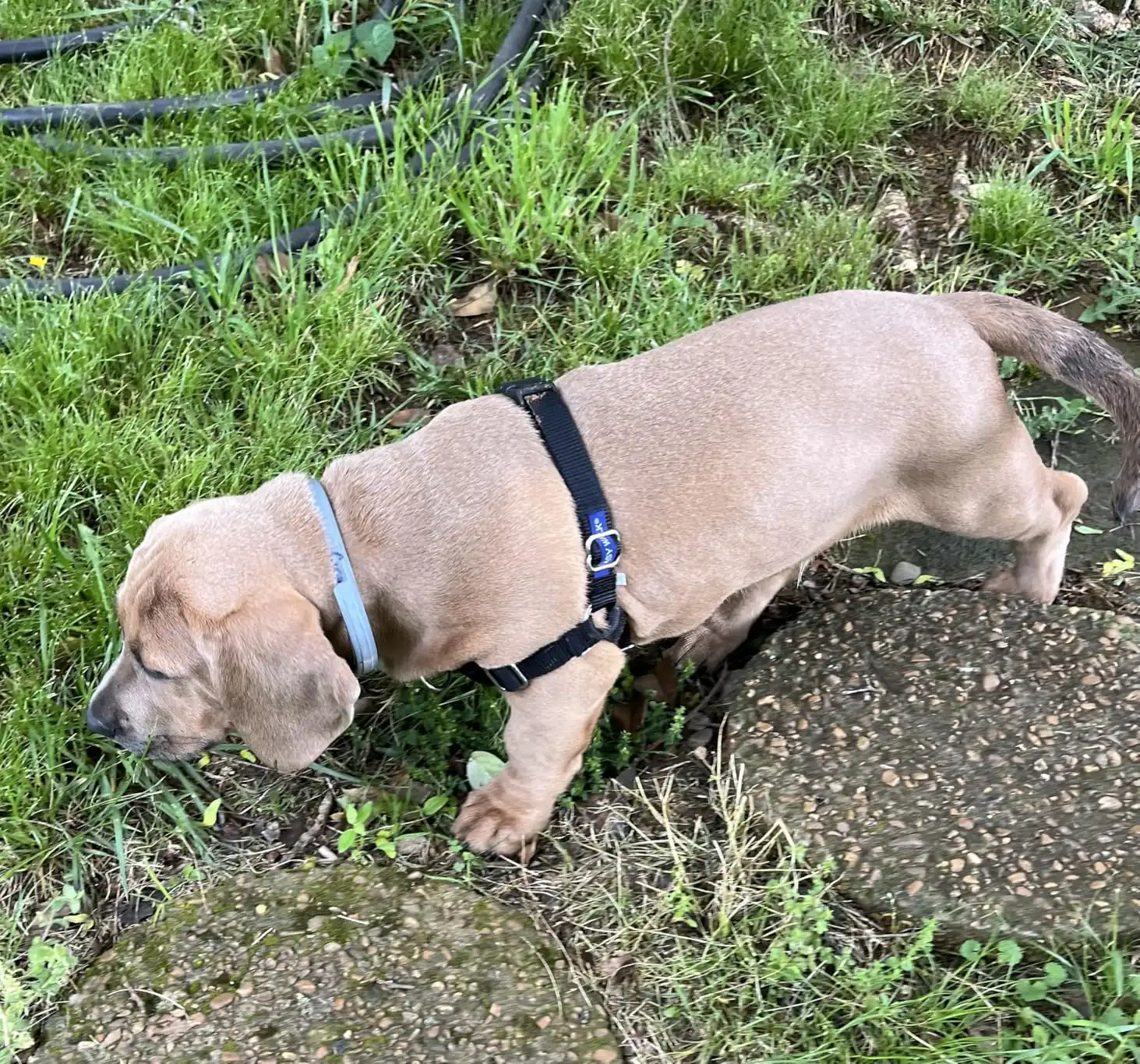
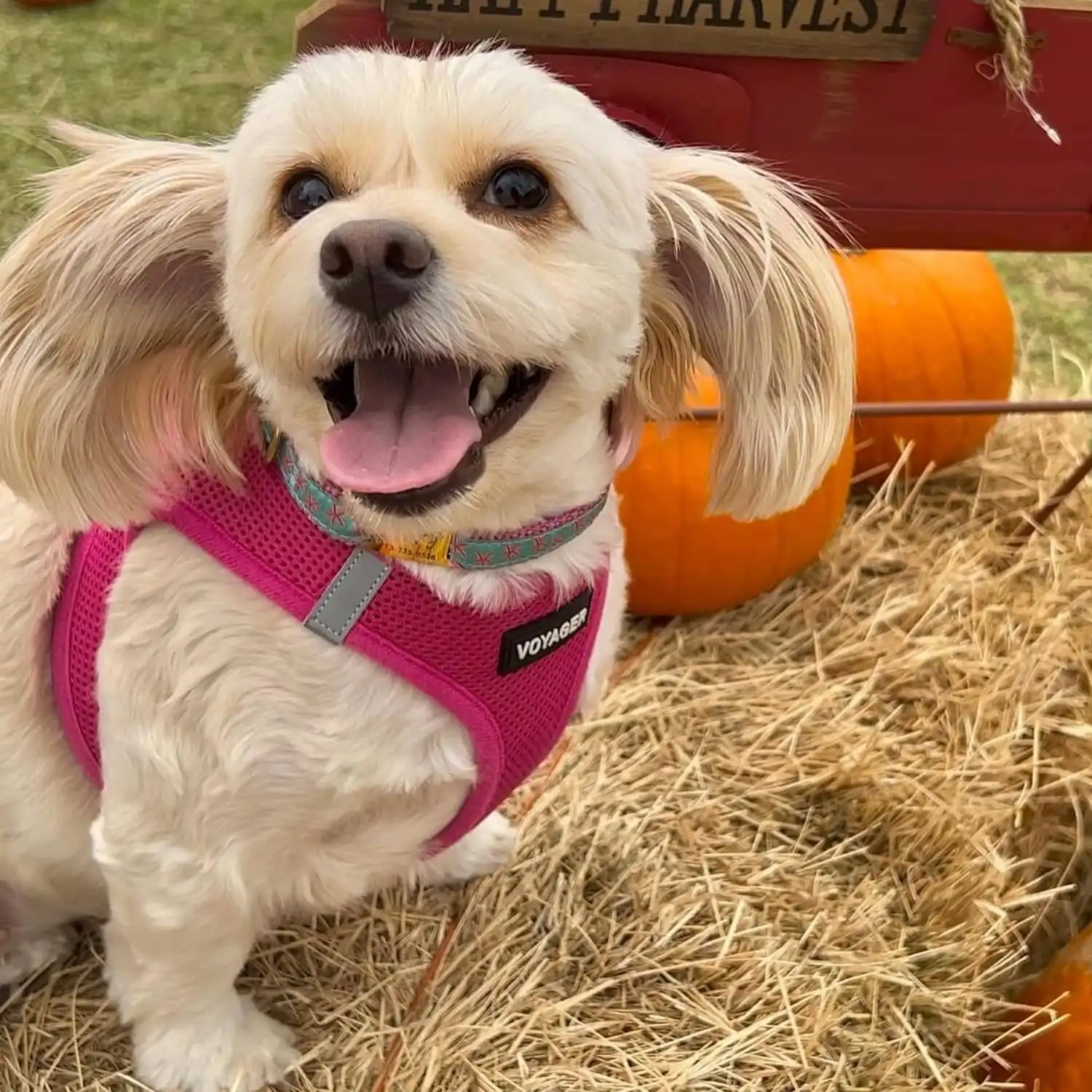
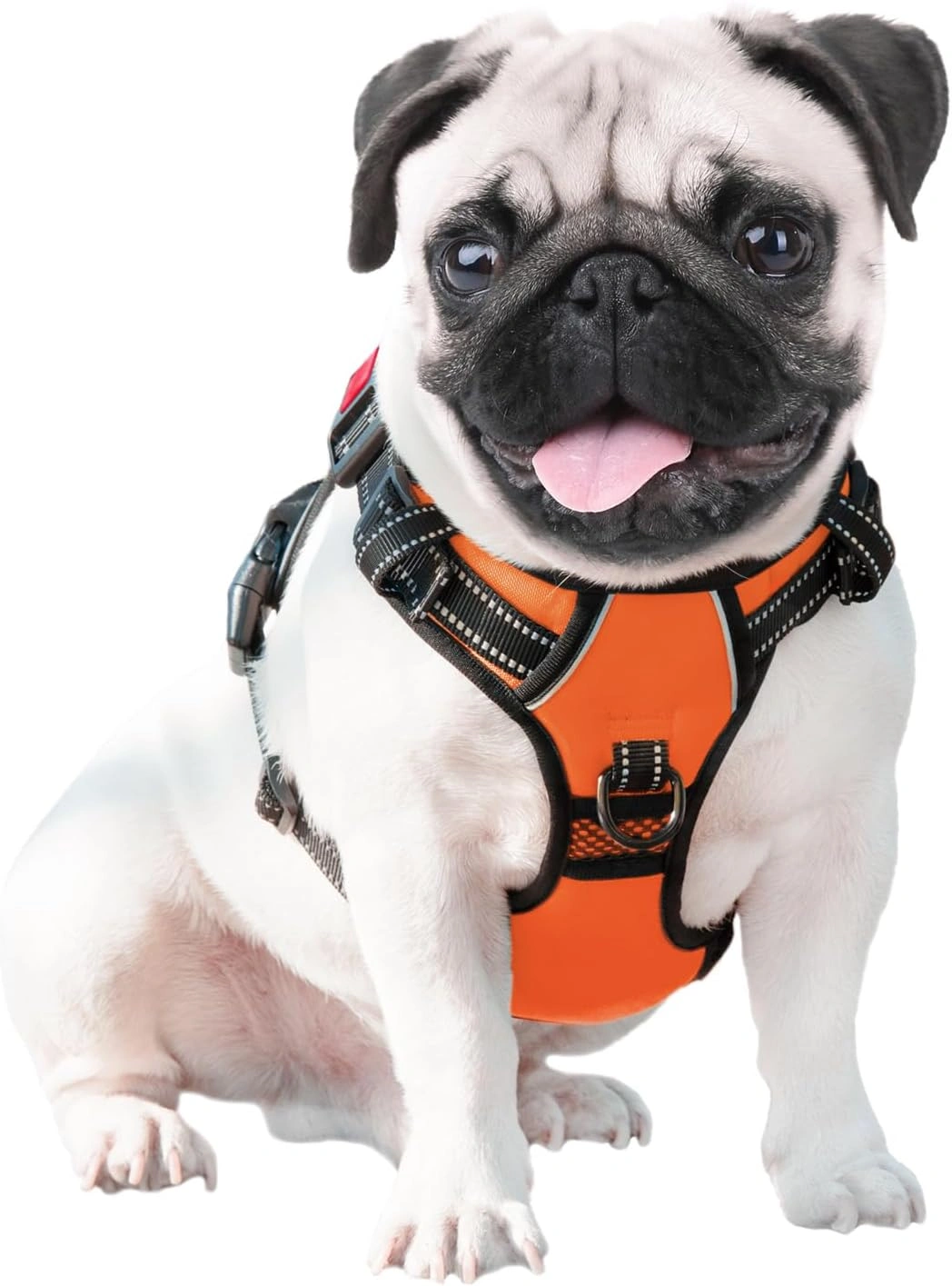
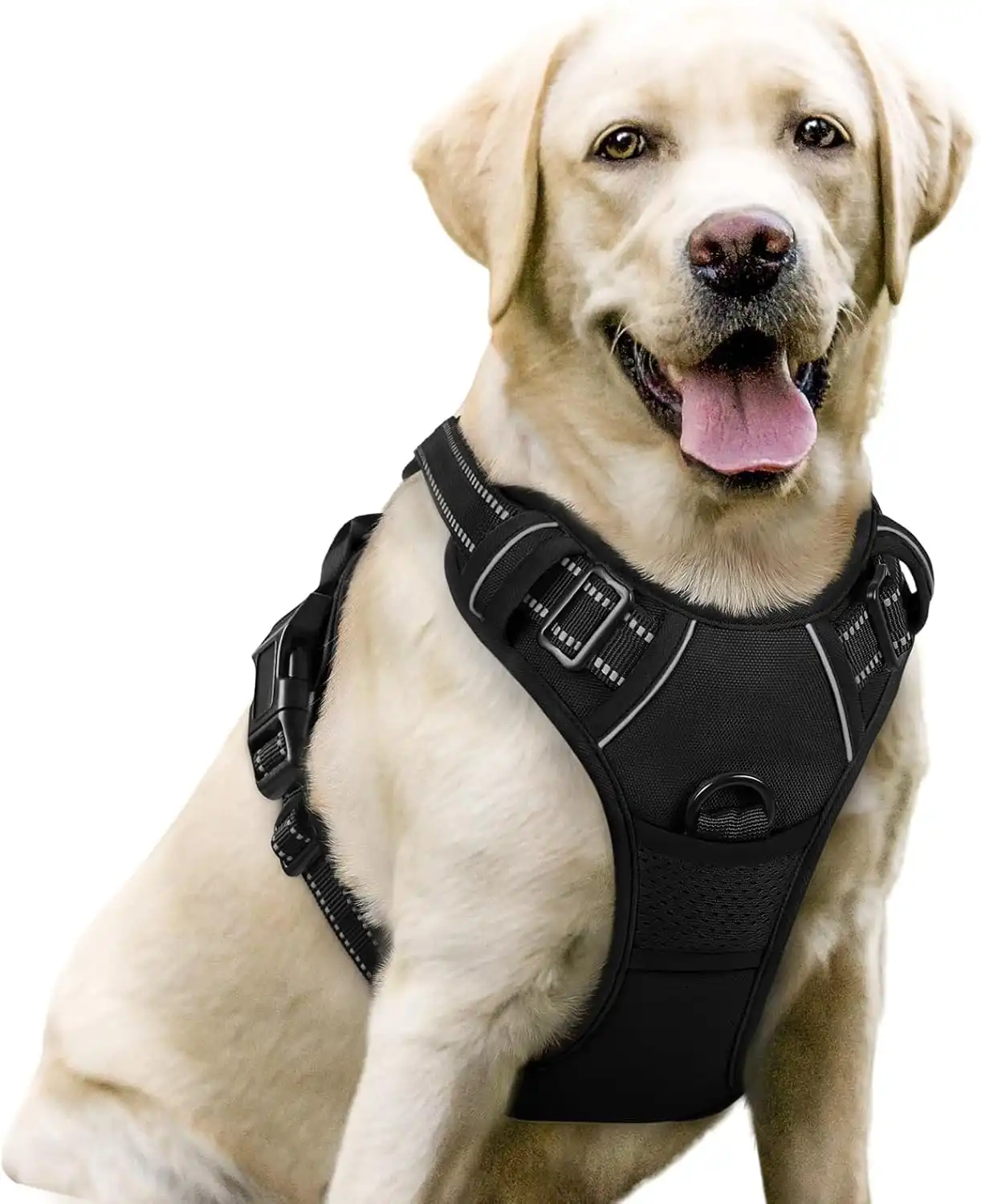



In recent years, veterinary experts have emphasized the long-term impact of neck strain caused by traditional collars. For dogs with respiratory issues (like Pugs or Frenchies) or those prone to tracheal collapse, a harness isn’t just an accessory—it’s a medical necessity.
The latest 2026 designs focus on Y-shaped chest pieces, which allow for a full range of shoulder motion. Unlike older “restrictive” models that cut across the shoulders and can cause gait issues over time, modern harnesses distribute pressure across the strongest parts of a dog’s body: the chest and ribcage.
1. The Best for Daily Walks: The Y-Shaped Padded Harness
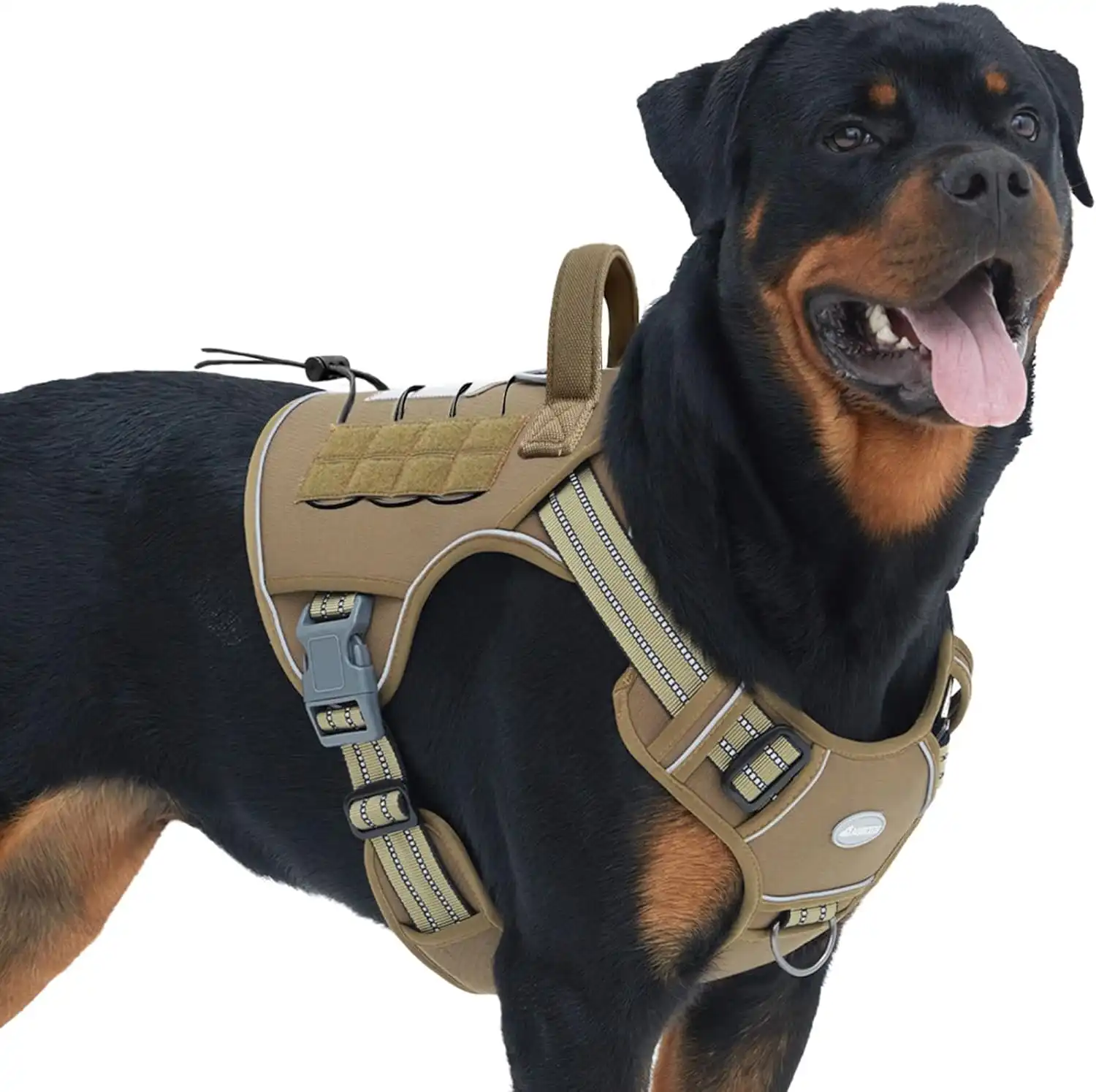
For the average dog who enjoys neighborhood strolls, a well-padded, Y-shaped harness is the gold standard. These are designed for all-day comfort and are the most versatile option for most pet parents.
- Top 2026 Pick: Ruffwear Front Range
- Why it works: It features four points of adjustment and a padded chest plate that prevents chafing during long walks.
- Best for: Most breeds, especially those with sensitive skin or short fur.
2. The Best for Training: Front-Clip (No-Pull) Harnesses
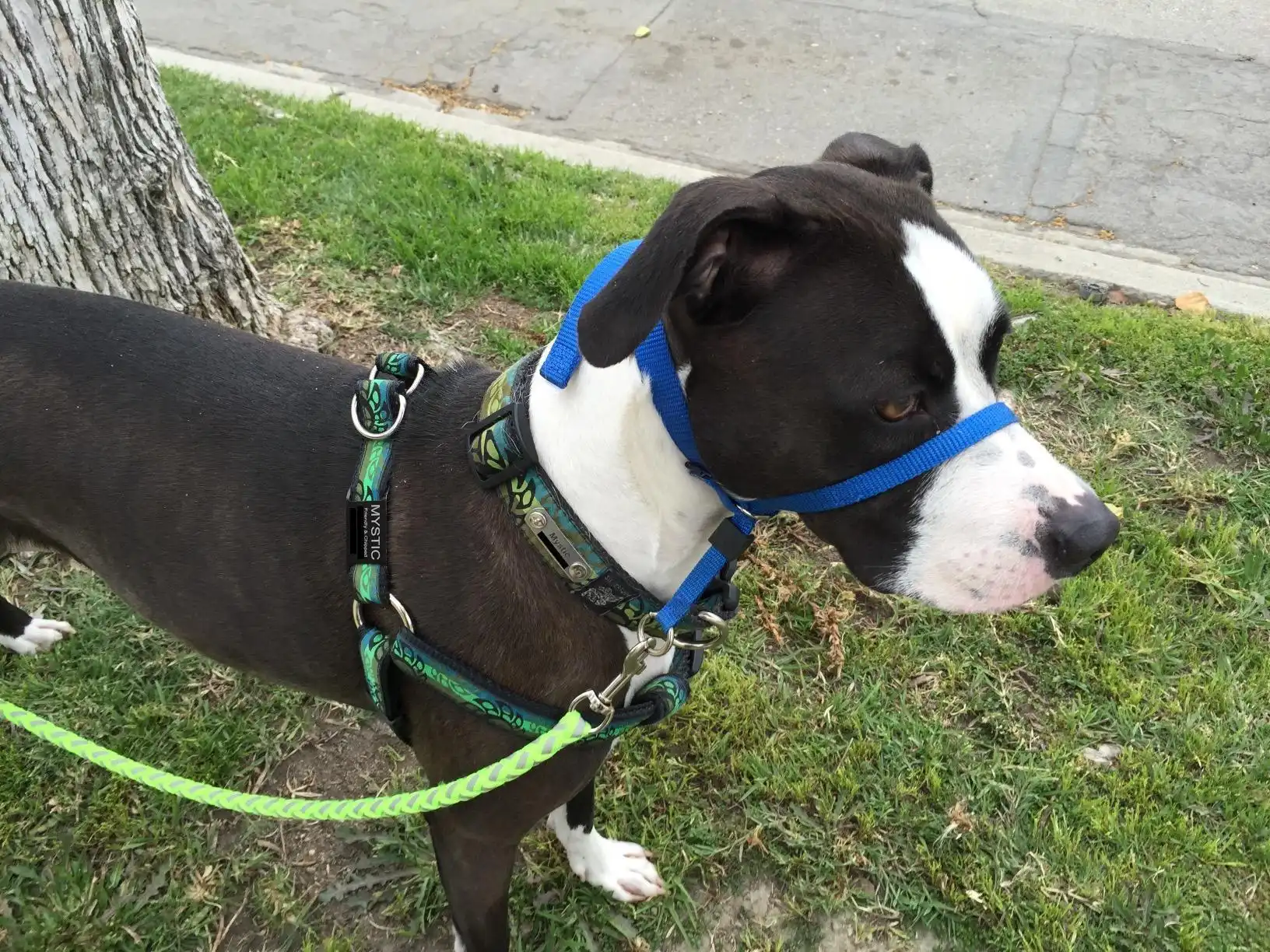
If you’re currently being dragged down the sidewalk, a front-clip harness is your best friend. By placing the leash attachment on the chest, the harness naturally redirects your dog back toward you when they pull, rather than allowing them to lean their full weight into a back-clip.
- Top 2026 Pick: 2 Hounds Design Freedom No-Pull Harness
- Why it works: It often features a patented dual-loop design that discourages pulling without causing pain or restricting movement.
- Best for: Enthusiastic pullers and dogs in leash-manners training.
3. The Best for Adventure: Hiking & Multi-Point Harnesses
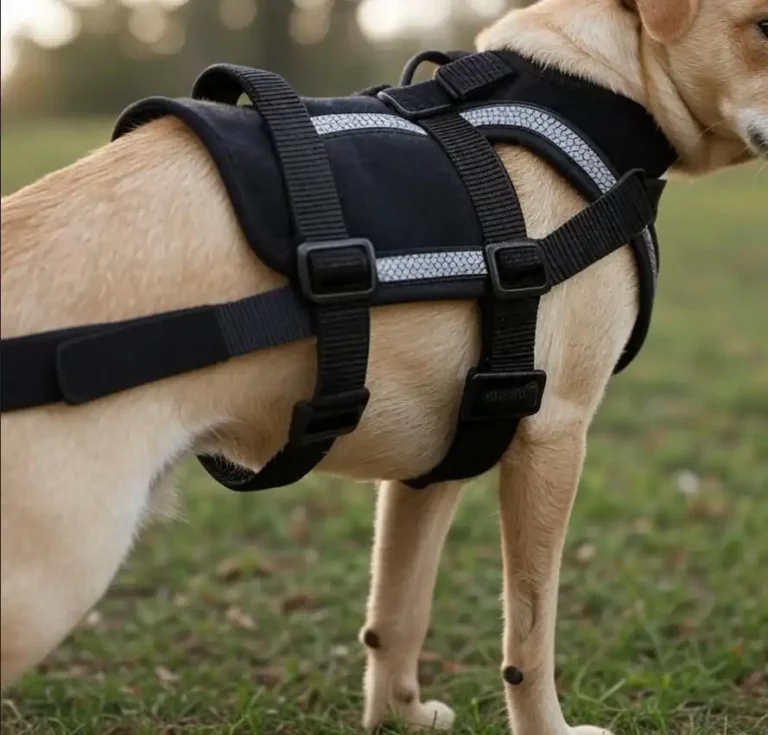
For those who hit the trails, you need a “three-strap” system. These harnesses have an extra belly strap that sits further back on the ribcage, making it virtually impossible for “escape artists” to back out of the gear. They also typically include a sturdy handle for assisting your dog over rocks or fallen logs.
- Top 2026 Pick: Non-stop Dogwear Line Harness 5.0 or Ruffwear Web Master
- Why it works: These are built with ripstop materials and reinforced stitching to handle rugged terrain.
- Best for: Hikers, escape artists, and senior dogs who need a little help standing up.
4. The Best for Small Breeds: Soft Mesh Step-In Harnesses
Tiny dogs have delicate frames. A heavy, tactical harness can be cumbersome for a 5-pound Yorkie. Soft mesh “step-in” designs are lightweight, breathable, and put zero pressure on the throat.
- Top 2026 Pick: Voyager Step-In Air or Puppia Soft Harness
- Why it works: They are incredibly easy to put on—just have your dog step in and Velcro the back.
- Best for: Chihuahuas, Pomeranians, and puppies.
New 2026 Safety Trends to Look For
As we move into 2026, keep an eye out for these “smart” and safety-first features now becoming standard in high-end harnesses:
| Feature | Why You Need It |
| Integrated LED Fibers | Better than simple reflective strips; these provide 360° active visibility for night walks. |
| BioThane Accents | Stink-proof and waterproof materials that don’t hold bacteria or “wet dog” smells. |
| GPS Tracking Sleeves | Built-in pockets specifically designed to hold AirTags or Fi trackers securely. |
| Crash-Tested Hardware | Harnesses that double as car safety restraints, certified by the Center for Pet Safety. |
How to Get the Perfect Fit
No matter which style you choose, the “two-finger rule” remains the gold standard. You should be able to fit two fingers snugly between the harness straps and your dog’s body. If the harness is too loose, it will chafe; too tight, and it will restrict breathing and movement.
Pro-Tip: Always measure your dog’s girth (the widest part of the ribcage) rather than relying on weight alone. A 20-pound Bulldog and a 20-pound Whippet require very different harness shapes!
Ready to upgrade your walks?
Finding the perfect gear is the first step toward a happier, healthier pup. Would you like me to help you find a specific size chart for one of the brands mentioned above?
About the Author

You Might Also Like