
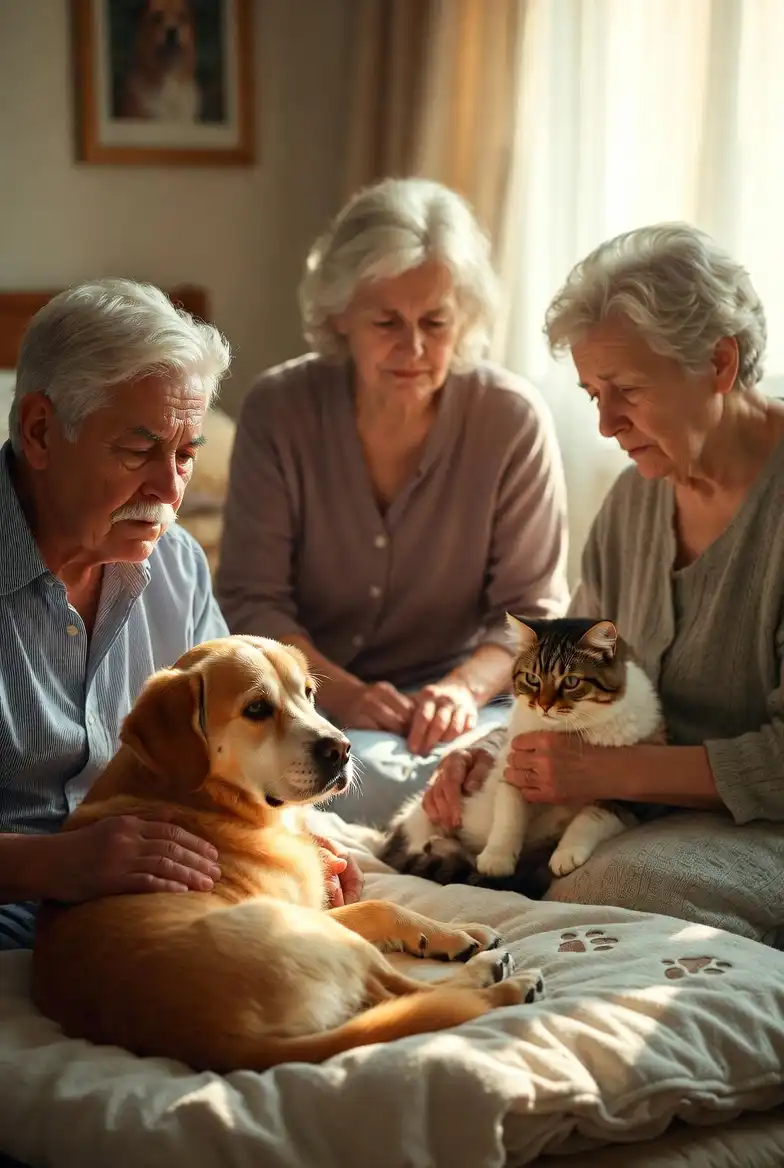
Dog and Cat Euthanasia: A Compassionate Decision for Pets in Pain
Pets become part of the family. Dogs greet us at the door with excitement, cats curl up beside us for comfort, and over time they become woven into our daily lives. Because of this deep bond, one of the hardest moments any pet owner faces is deciding when it may be time to say goodbye. Euthanasia, while emotionally painful, is often chosen as a humane way to prevent animals from experiencing prolonged suffering due to illness, injury, or advanced age.
Veterinary euthanasia is designed to be peaceful, controlled, and painless. The word itself comes from Greek, meaning “good death,” reflecting the goal of ending a pet’s life in a gentle and compassionate way. When a pet’s quality of life declines significantly and medical treatments can no longer restore comfort or mobility, euthanasia can spare them further pain. Veterinarians typically guide families through this decision by evaluating symptoms such as chronic pain, inability to eat or drink, severe breathing difficulties, or the inability to stand or move normally.
Determining quality of life is often the most difficult part of the process. Many pet owners struggle with the question of whether their dog or cat still experiences more good days than bad ones. Veterinarians may suggest monitoring key indicators such as appetite, hydration, hygiene, comfort, and social interaction. If a pet consistently appears distressed, withdrawn, or unable to enjoy normal activities, it may be a sign that suffering has overtaken comfort.
The euthanasia procedure itself follows strict veterinary protocols designed to prevent distress. In most cases, the veterinarian begins by giving the animal a sedative. This medication helps the pet relax and fall into a deep sleep, similar to the effects of anesthesia used during surgery. Once the animal is fully sedated and unaware, a second injection is administered that gently stops brain function and the heart. Because the pet is already unconscious, they do not feel pain during this stage.
Many veterinary clinics try to make the experience as calm and respectful as possible. Quiet rooms, soft lighting, and comfortable bedding are often used to create a peaceful environment. Pet owners are usually encouraged to stay with their animal during the procedure if they feel comfortable doing so. For many families, being present during their pet’s final moments provides a sense of closure and reassurance that their companion was surrounded by love.
According to the American Veterinary Medical Association, humane euthanasia should cause a rapid loss of consciousness followed by the stopping of vital functions, all while minimizing fear or discomfort. Veterinary professionals are trained to follow specific guidelines that prioritize the welfare and dignity of the animal throughout the process.
In recent years, many pet owners have chosen mobile veterinary euthanasia services as an alternative to visiting a clinic. With these services, a veterinarian travels to the pet’s home to perform the procedure. For animals that become anxious during car rides or veterinary visits, this option can greatly reduce stress. Remaining in a familiar environment can help pets stay calm during their final moments.
In-home euthanasia also allows families to create a more personal setting. Some owners choose to gather in a living room, while others prefer a quiet backyard or a favorite resting spot where their pet often relaxes. Because the pet remains in familiar surroundings with the people they trust most, the experience can feel more peaceful and intimate than a clinical visit. Mobile veterinarians usually follow the same medical process used in veterinary clinics, including sedation before the final medication is administered.
Another advantage of mobile euthanasia services is the additional time they often provide. Unlike busy veterinary offices that operate on tight appointment schedules, many mobile providers dedicate longer appointments specifically for end-of-life care. This allows families time to say goodbye without feeling rushed. Many mobile veterinarians also assist with aftercare arrangements such as cremation services or transportation of the pet’s remains.
After euthanasia, pet owners must decide how they would like to honor their pet’s memory. Common options include communal cremation, private cremation with the ashes returned to the family, or burial in accordance with local laws. Some families choose memorial items such as paw print impressions, engraved urns, or framed photographs. These keepsakes can help preserve the bond shared with a beloved companion.
Grieving the loss of a pet is natural and often deeply emotional. For many people, losing a dog or cat can feel similar to losing a family member. It is important to allow time for mourning and to recognize that grief may come in waves. Veterinary clinics and animal organizations sometimes provide resources such as pet loss support groups or counseling services for individuals who need additional support.
Ultimately, euthanasia is not about giving up on a pet. Instead, it is about recognizing when continued treatment may prolong suffering rather than improve quality of life. By choosing a peaceful and humane passing, many pet owners feel they are offering their animal one final act of love and compassion.
Frequently Asked Questions
How do I know when euthanasia may be the right choice?
If your pet is experiencing constant pain, severe mobility issues, breathing problems, or has stopped eating and drinking, it may be time to speak with a veterinarian about end-of-life care options.
Is the euthanasia procedure painful for pets?
No. Veterinarians administer a sedative first so the pet falls into a deep sleep. The final medication is given only after the animal is unconscious.
Can family members stay with the pet during euthanasia?
Yes. Most veterinarians allow owners to remain with their pets during the process if they wish.
What happens to my pet afterward?
Owners typically choose between cremation (private or communal) or burial where permitted by local regulations.
Are mobile euthanasia services common?
Yes. In-home euthanasia services have become increasingly popular because they allow pets to remain in a familiar, comfortable environment.
Is it normal to feel guilty after euthanasia?
Many pet owners experience guilt or second-guess their decision. These feelings are common, but euthanasia is usually chosen to prevent suffering and is considered a compassionate choice for pets with severe illness or pain.
About the Author