Dog Collars and Harnesses: 2026 Safety Guide
Every pet parent knows that the highlight of a dog’s day is the moment you grab the “walking gear.” Whether it’s a quick bathroom break or a weekend hike, the equipment you choose directly impacts your dog’s spinal health, thyroid function, and overall joy. As we move into 2026, the technology behind pet gear has evolved far beyond simple nylon straps, offering smarter ways to keep our furry best friends secure.
Choosing the right Dog Collars Harnesses combination is no longer a matter of fashion alone; it’s about understanding your dog’s unique anatomy and walking style.
The Great Debate: Collar vs. Harness
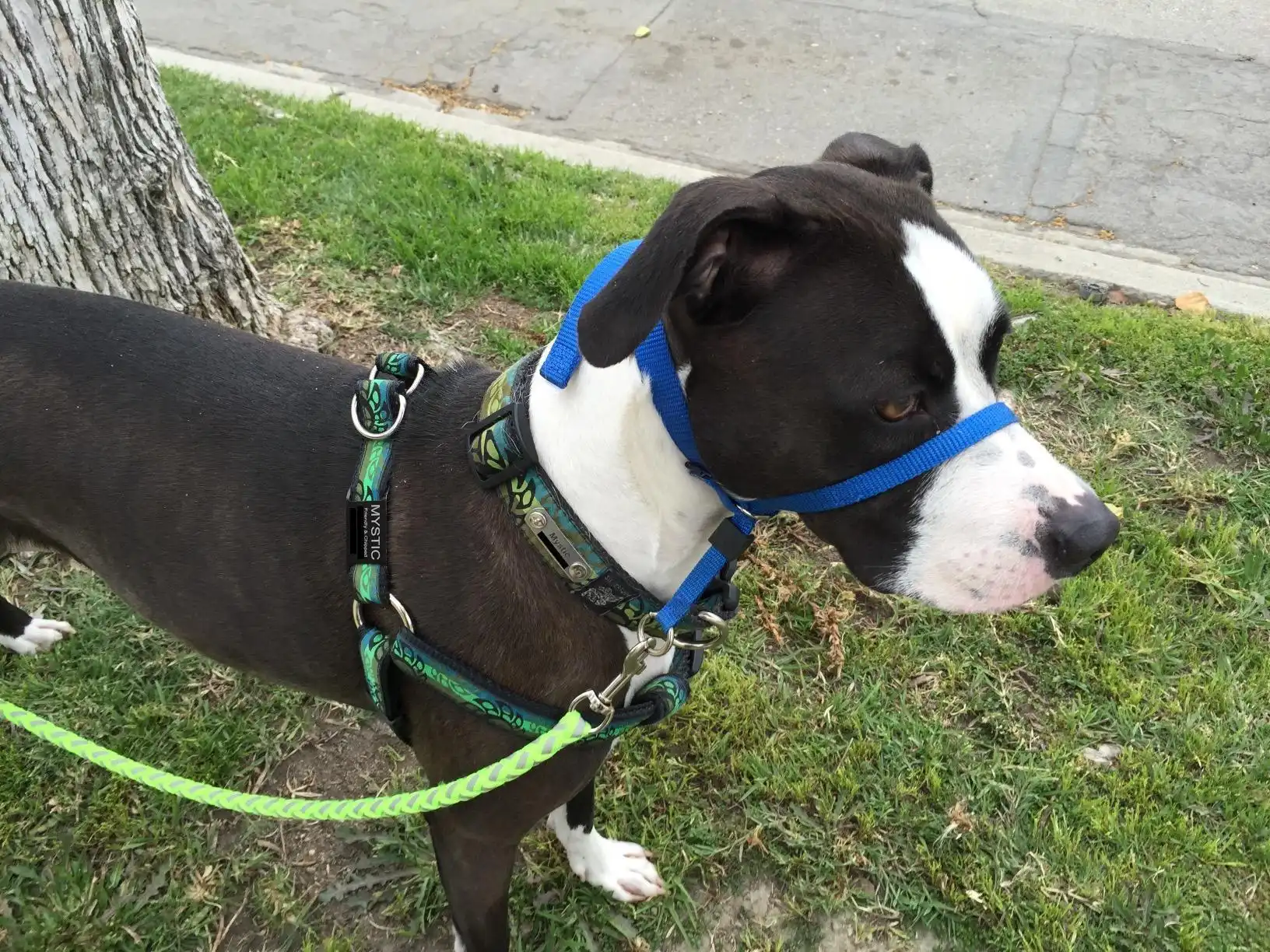
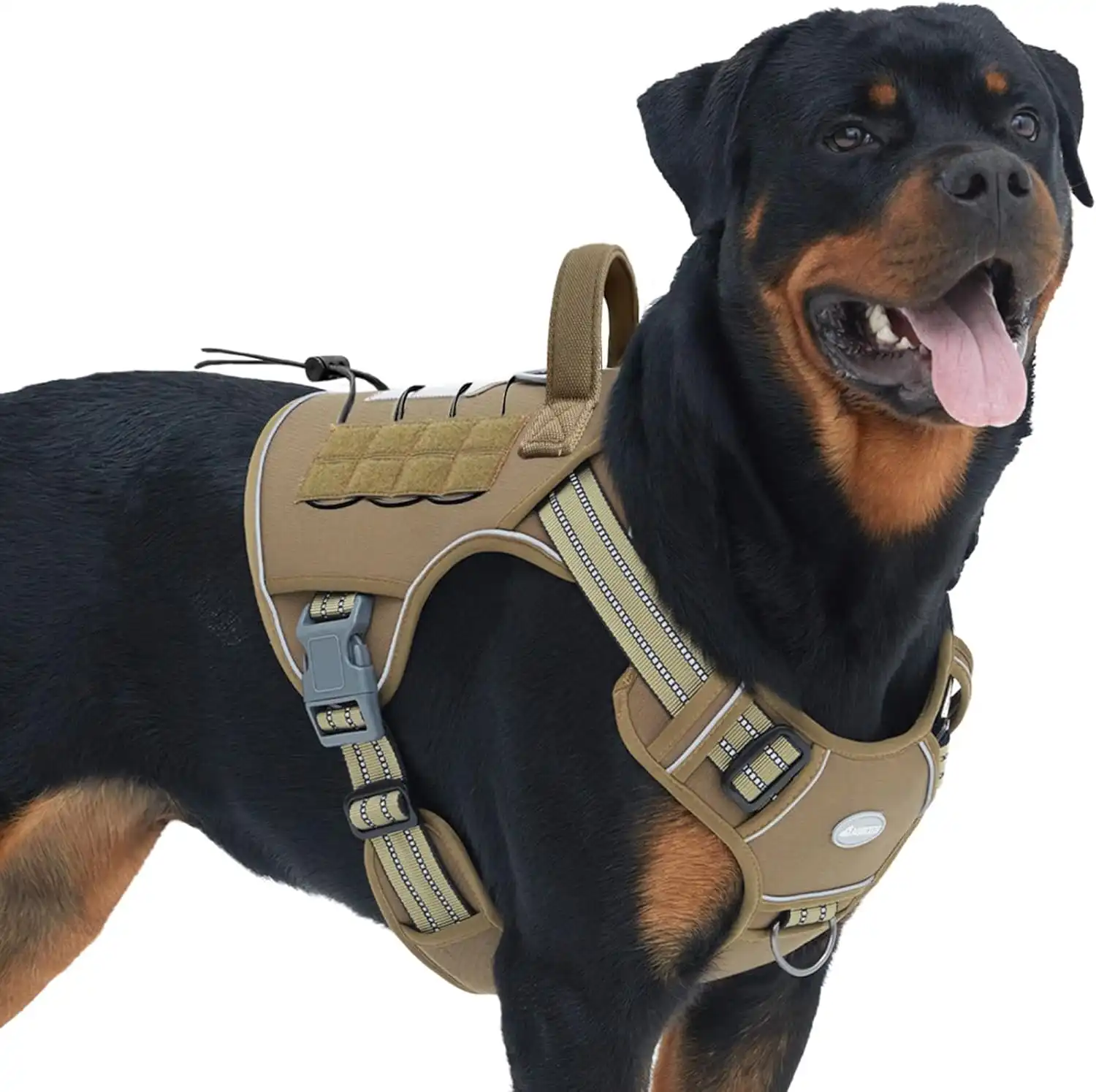
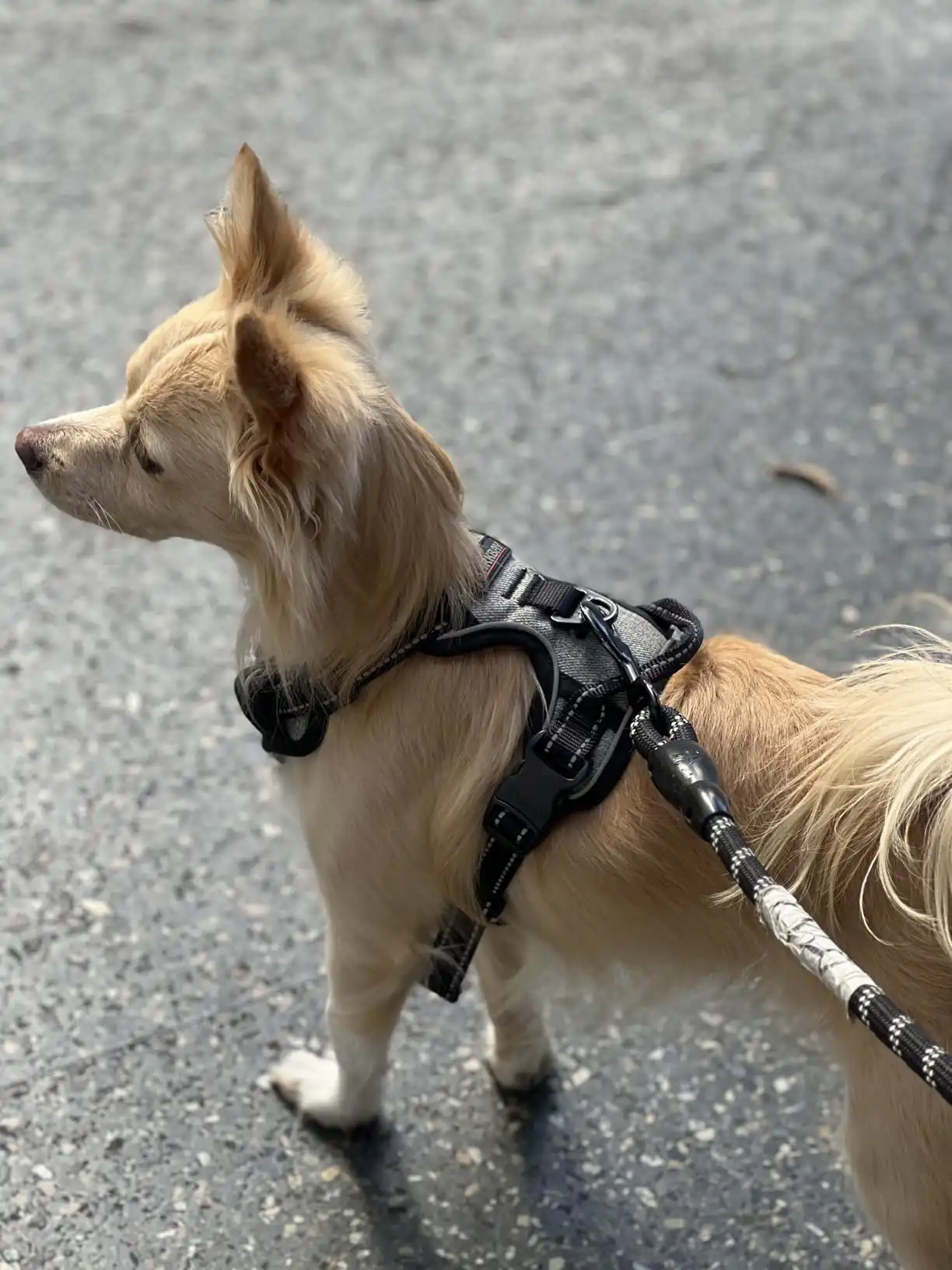
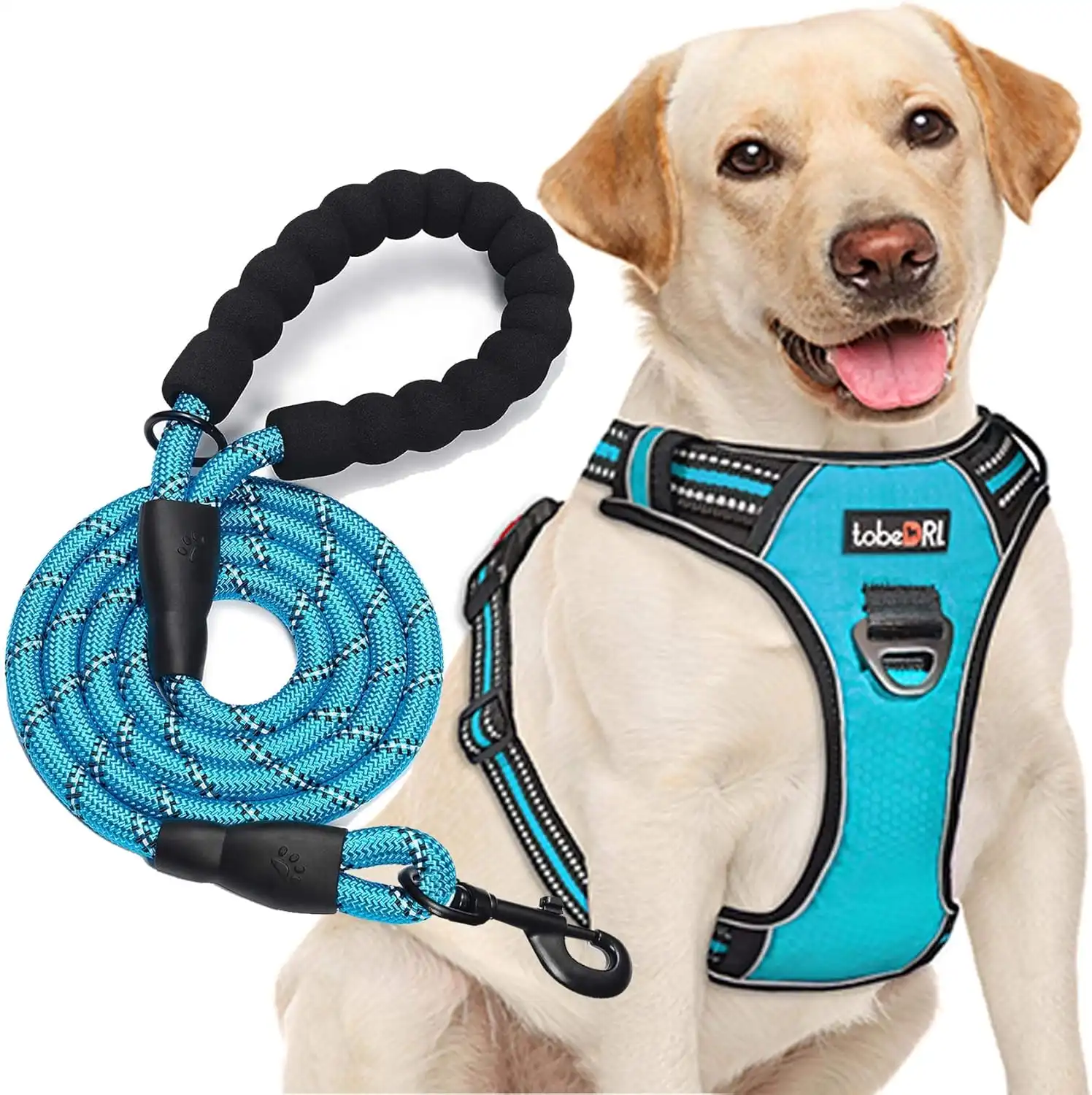


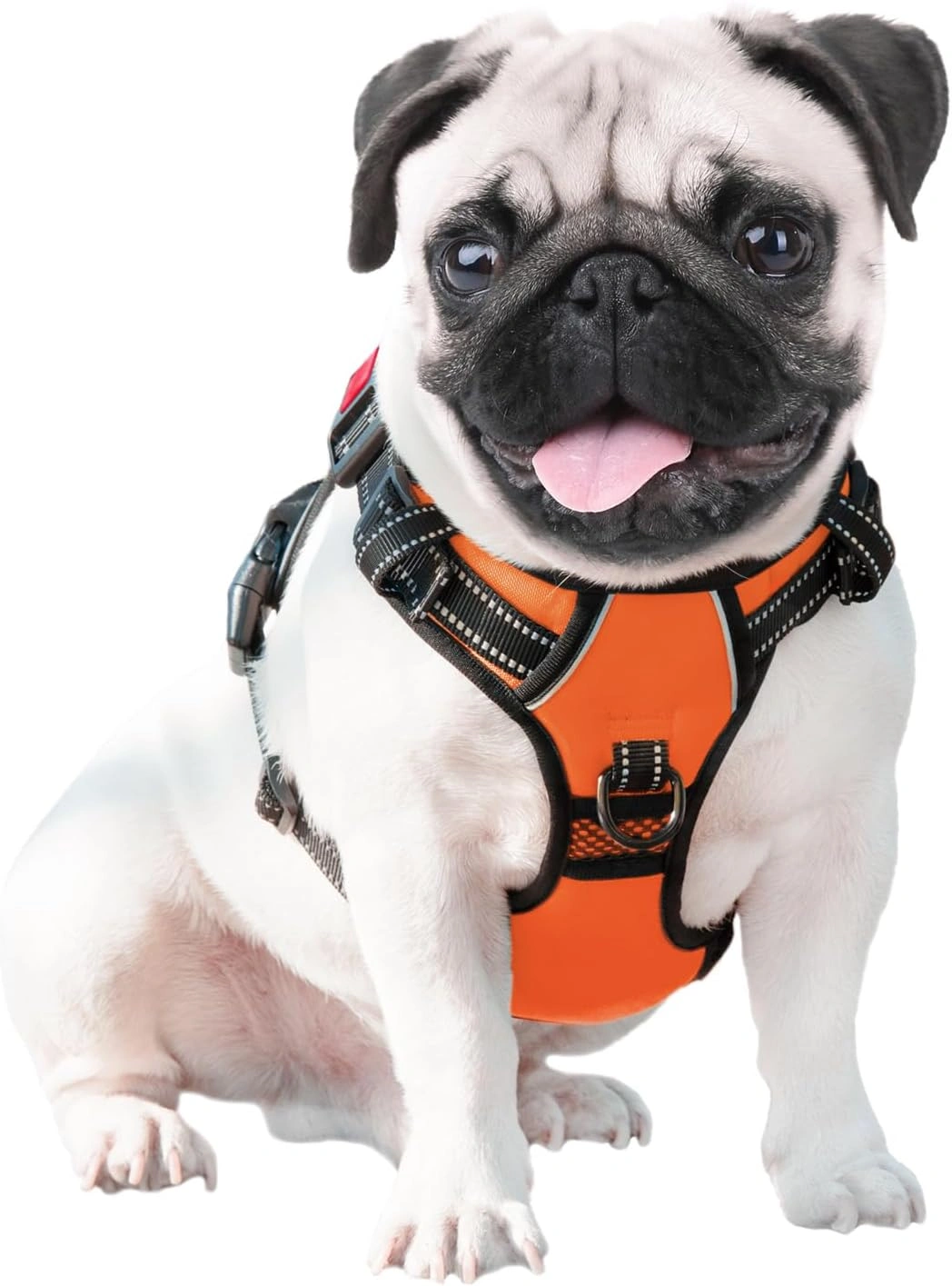
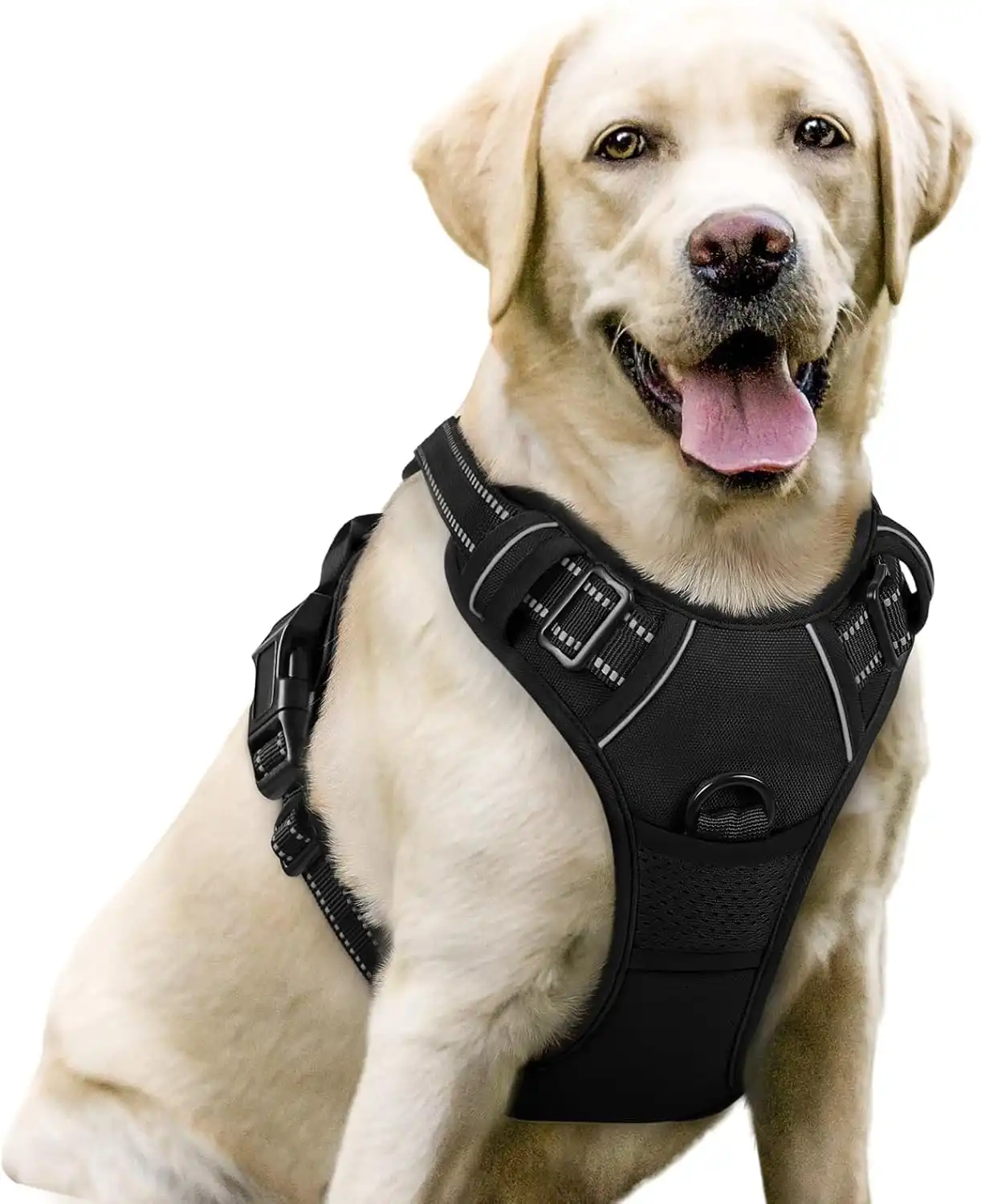



While both serve the primary purpose of keeping your dog attached to a leash, they function very differently on a dog’s body.
When to Stick with a Collar
Collars remain the industry standard for identification. In 2026, many pet parents use “house collars” for 24/7 wear to hold ID tags and GPS trackers like the latest Fi or Tractive models.
- Best for: Calm walkers, well-trained adult dogs, and holding essential ID.
- The Risk: For dogs that pull, a collar can put up to $50$ lbs of pressure on the delicate trachea and thyroid gland, potentially leading to long-term health issues.
When to Upgrade to a Harness
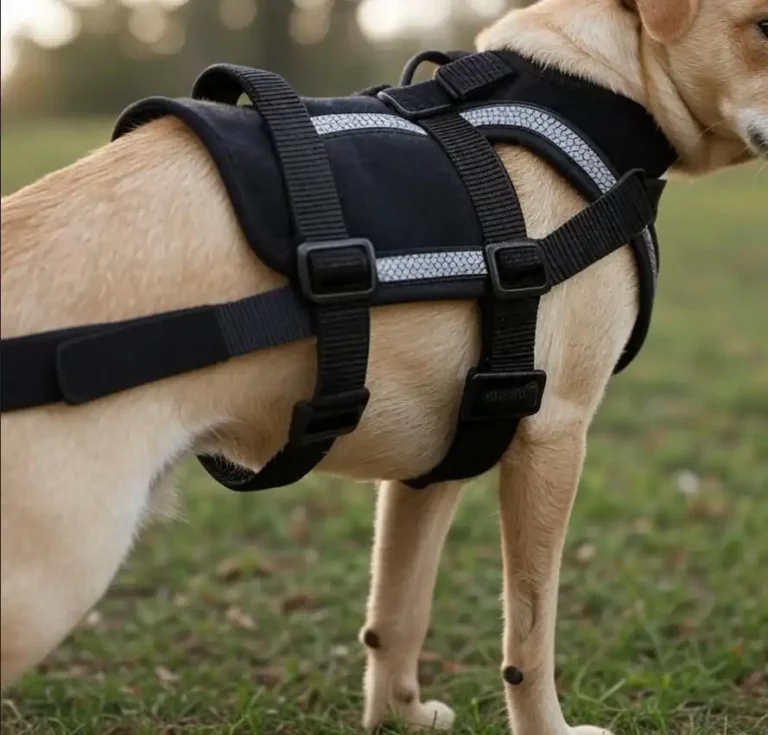
Harnesses have become the preferred choice for the modern pet parent. By distributing force across the chest and shoulders, they eliminate the “choke” factor.
- Best for: Puppies, heavy pullers, and “flat-faced” (brachycephalic) breeds like Frenchies or Pugs.
- The Benefit: Enhanced control. A front-clip harness naturally redirects a dog’s momentum back toward you without causing pain.
2026 Innovation: What’s New in Pet Gear?
The pet industry has reached new heights of safety and comfort this year. If you haven’t updated your gear lately, here is what you’re missing:
- Smart Integrated Tech: We are seeing a massive shift toward collars with built-in health monitoring. These can track respiratory rates and even detect early signs of joint pain through gait analysis.
- Sustainable Bio-Materials: 2026 is the year of “Apple Leather” and recycled ocean plastic webbing. These materials are not only eco-friendly but are antimicrobial and odor-resistant.
- Y-Shaped Ergonomics: Experts now emphasize Y-shaped harnesses over “T-shaped” or “No-Pull” styles that go straight across the shoulders. A Y-shape ensures total shoulder mobility, preventing the “gait-pinching” that was common in older designs.
Safety Checklist for Pet Parents
Before you head out on your next adventure, run through this quick safety check to ensure your gear is performing at its best:
| Feature | What to Look For | Why It Matters |
| The Two-Finger Rule | You should fit exactly two fingers under any strap. | Prevents rubbing/chafing while ensuring they can’t slip out. |
| Reflective Points | 360-degree high-visibility stitching. | Essential for 2026 urban environments and low-light safety. |
| Buckle Integrity | Reinforced “Double-Lock” buckles. | Prevents accidental “pop-offs” if your dog lunges at a squirrel. |
| Hardware | Rust-proof aircraft-grade aluminum. | Durability against salt, rain, and mud. |
Finding the Perfect Fit for Your Dog
Every breed has different needs. A Greyhound with a slim neck requires a Martingale collar (which tightens slightly but safely to prevent slipping), while a broad-chested Bulldog needs a padded vest harness to support their weight.
If you are currently training a puppy, consider a dual-clip harness. It features an attachment on the back for casual strolls and one on the chest for training sessions where you need to discourage pulling.
Pro Tip: Always remove harnesses when your dog is inside. Unlike collars, harnesses are “walking clothes” and can cause skin irritation or matting if left on during a long nap!
Your Next Step
Choosing the right walking gear is one of the most important safety decisions you’ll make for your dog this year.
About the Author

You Might Also Like