Best Dog Harness With Leash: 2026 Safety Guide
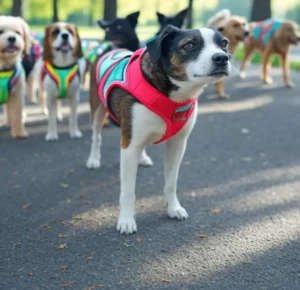
Every pet parent knows that the highlight of a dog’s day is the moment you grab those walking essentials. But as we move into 2026, the way we approach those daily adventures is evolving. It’s no longer just about a quick stroll; it’s about ensuring your pup’s long-term spinal health, neck safety, and overall comfort. Whether you have a tiny “velcro dog” or a powerful lunger, the right gear makes all the difference in your bonding time.
Choosing a high-quality dog harness with leash setup is the most effective way to protect your dog’s delicate trachea while maintaining full control in busy environments.
Why a Harness is Your Dog’s Best Friend
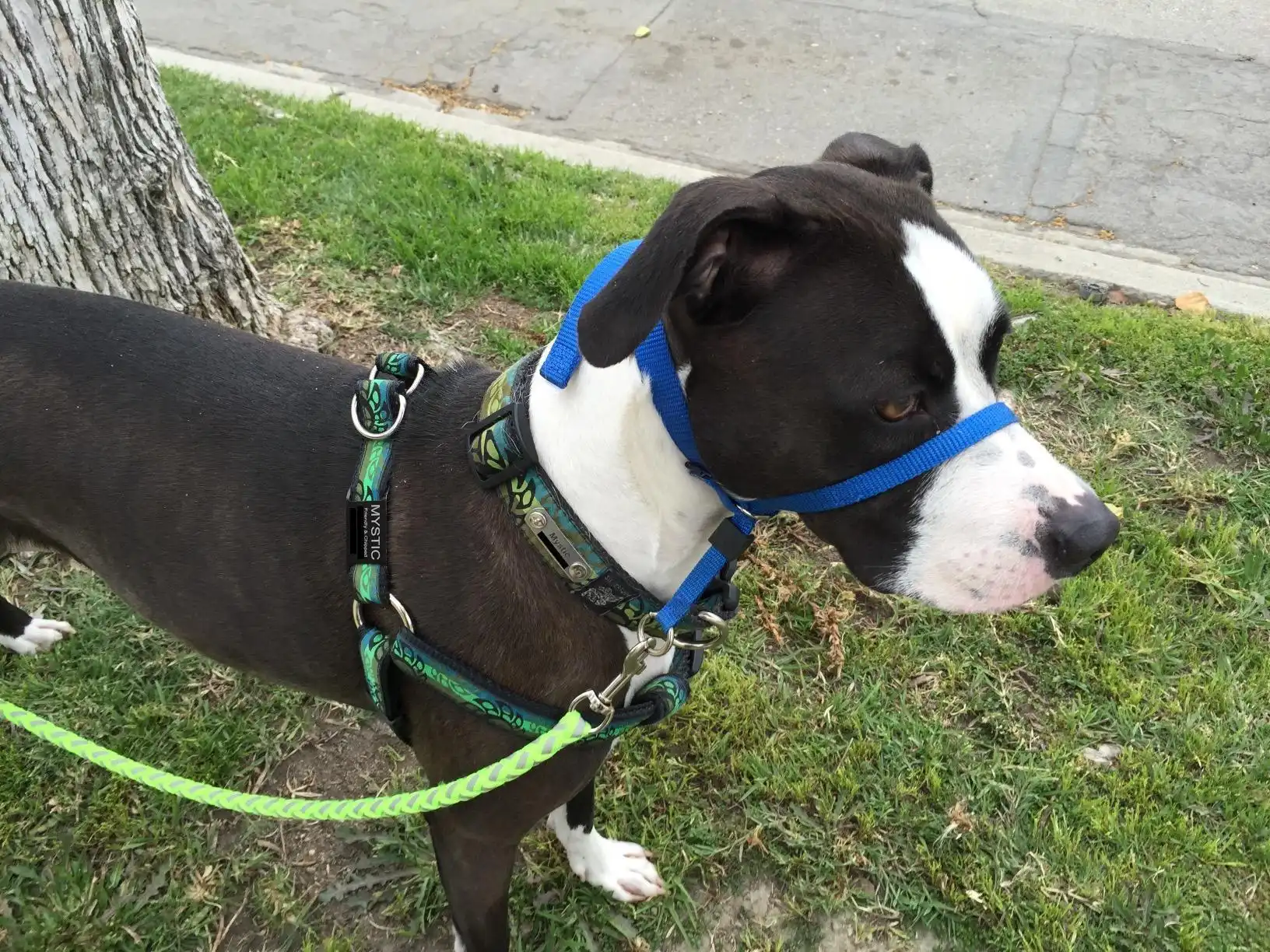
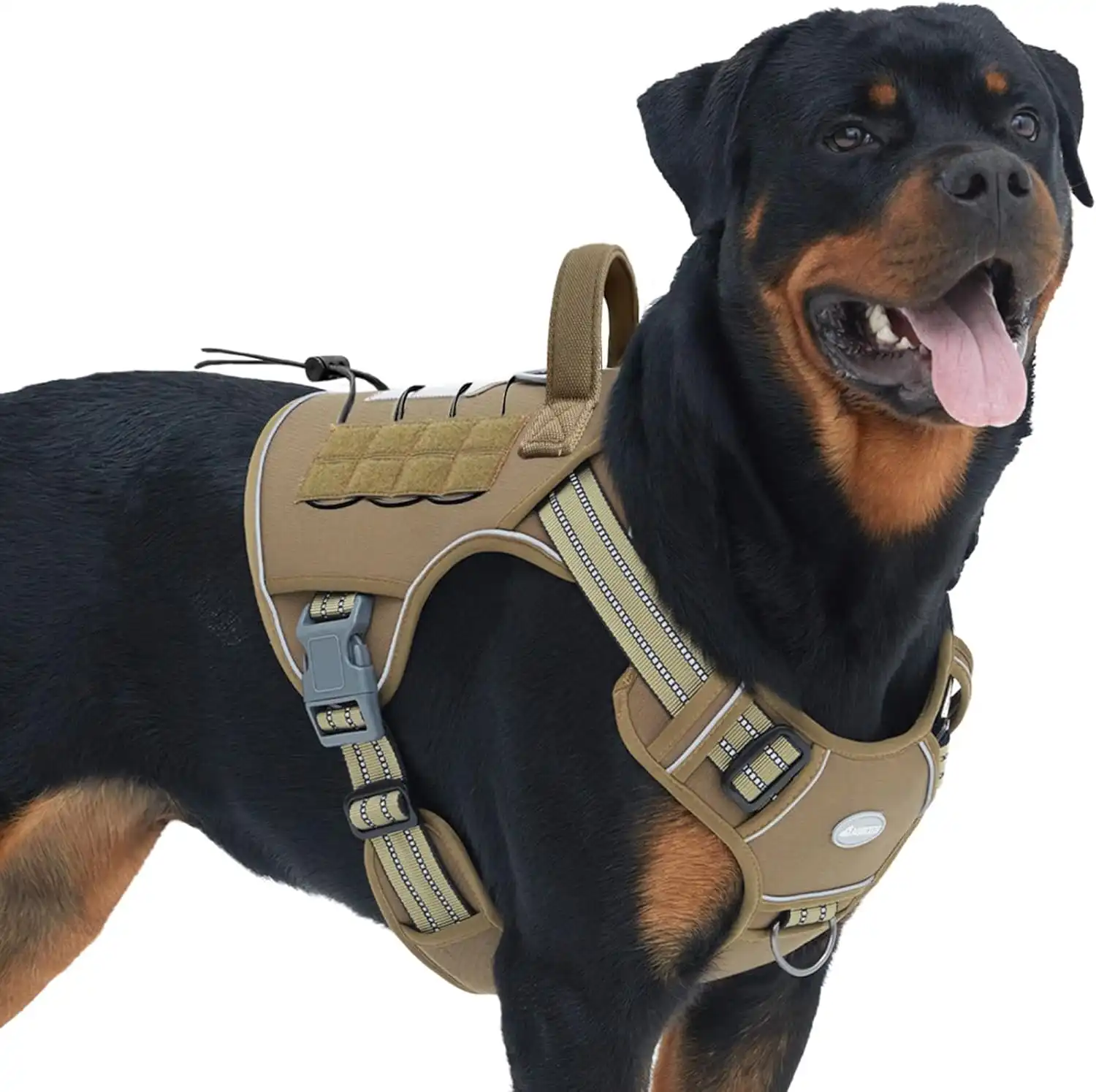
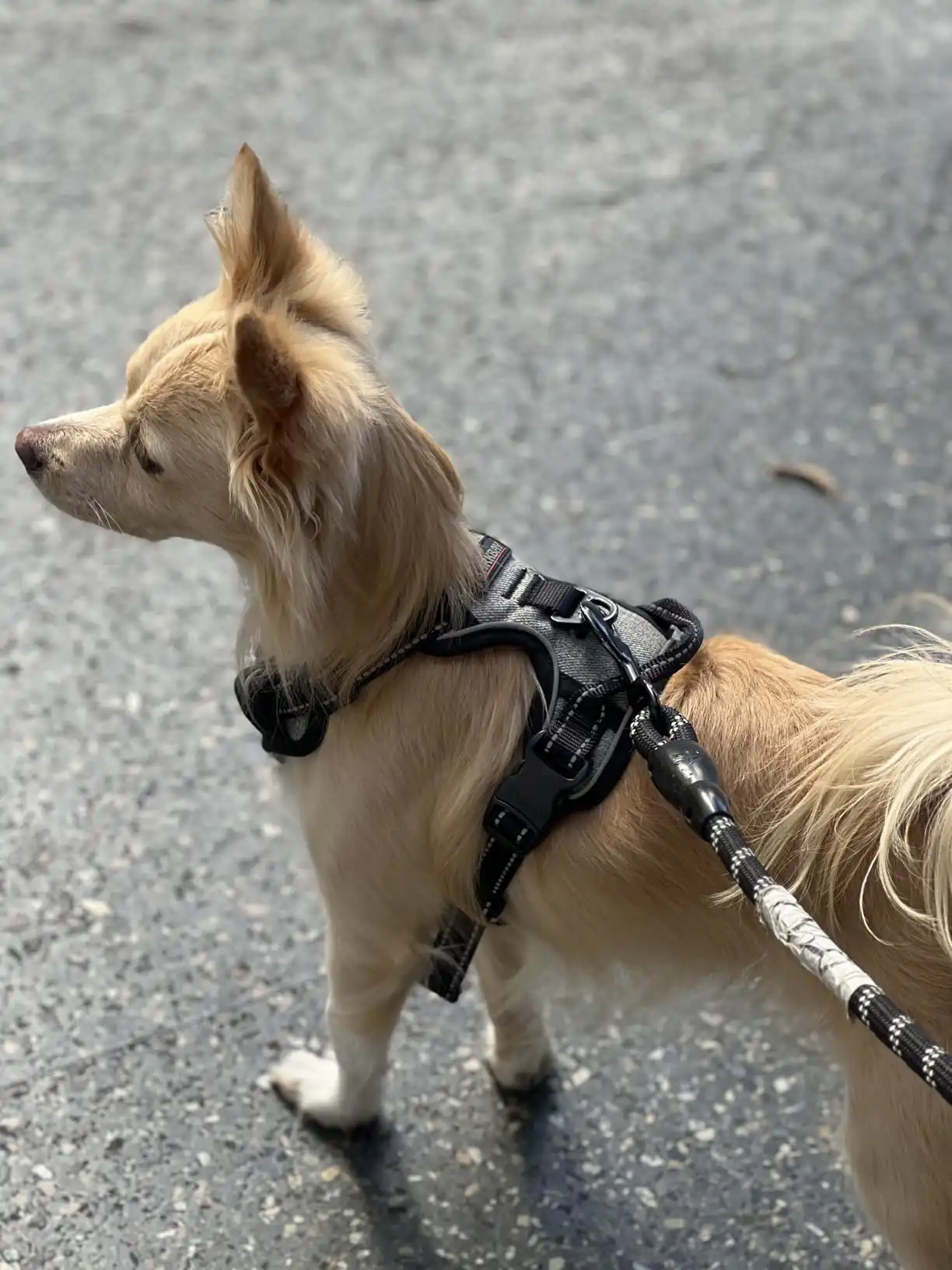
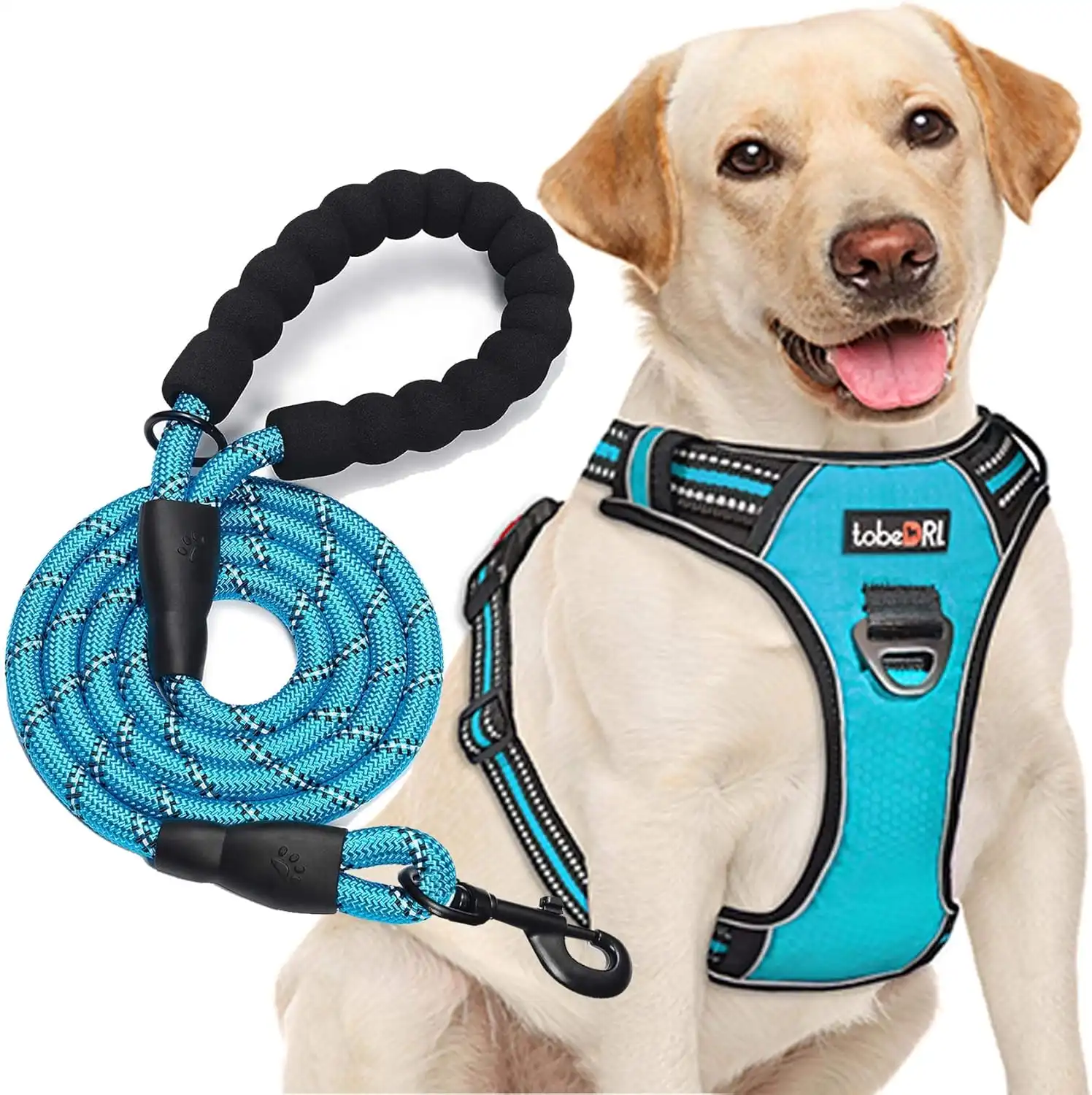
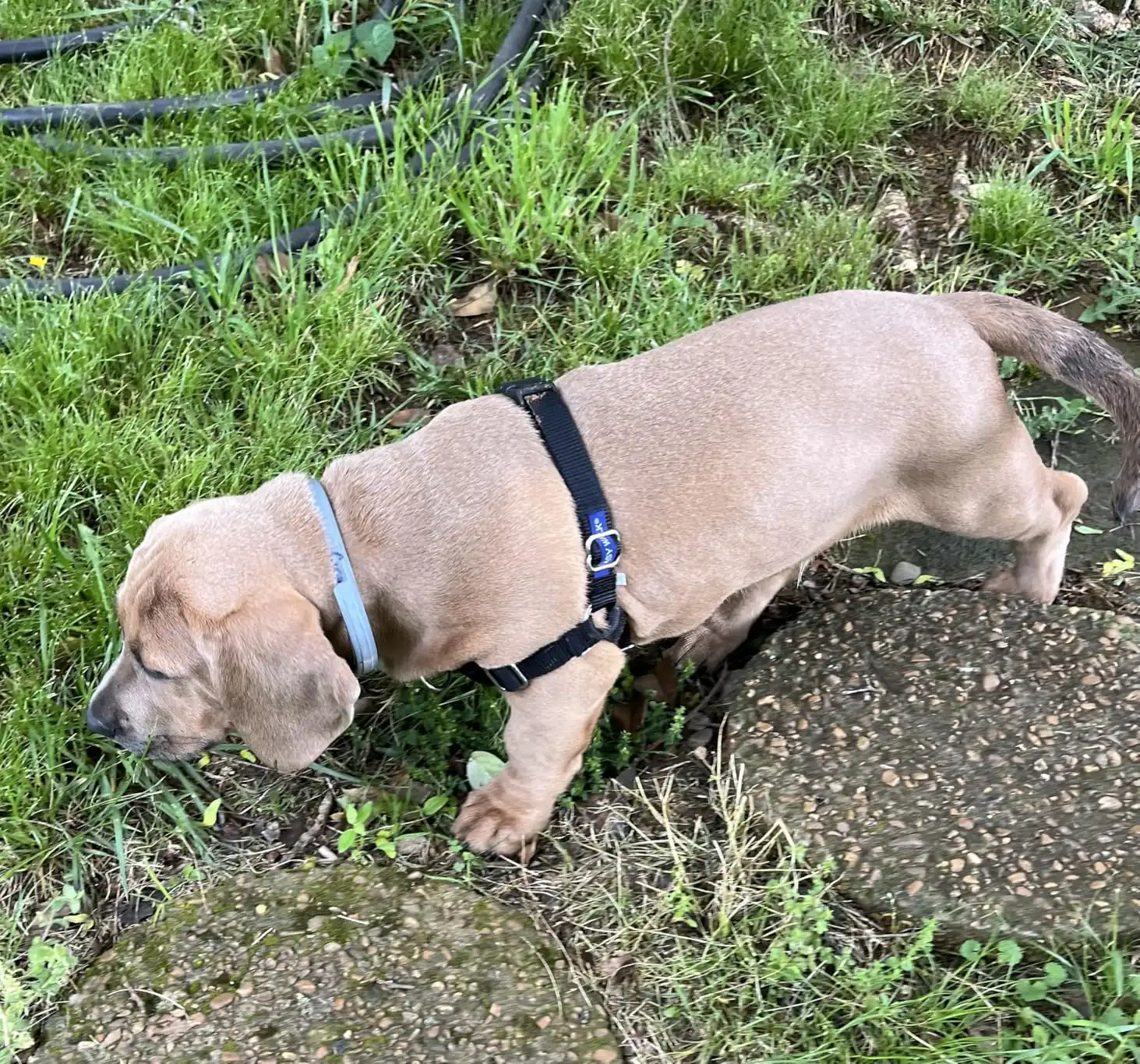
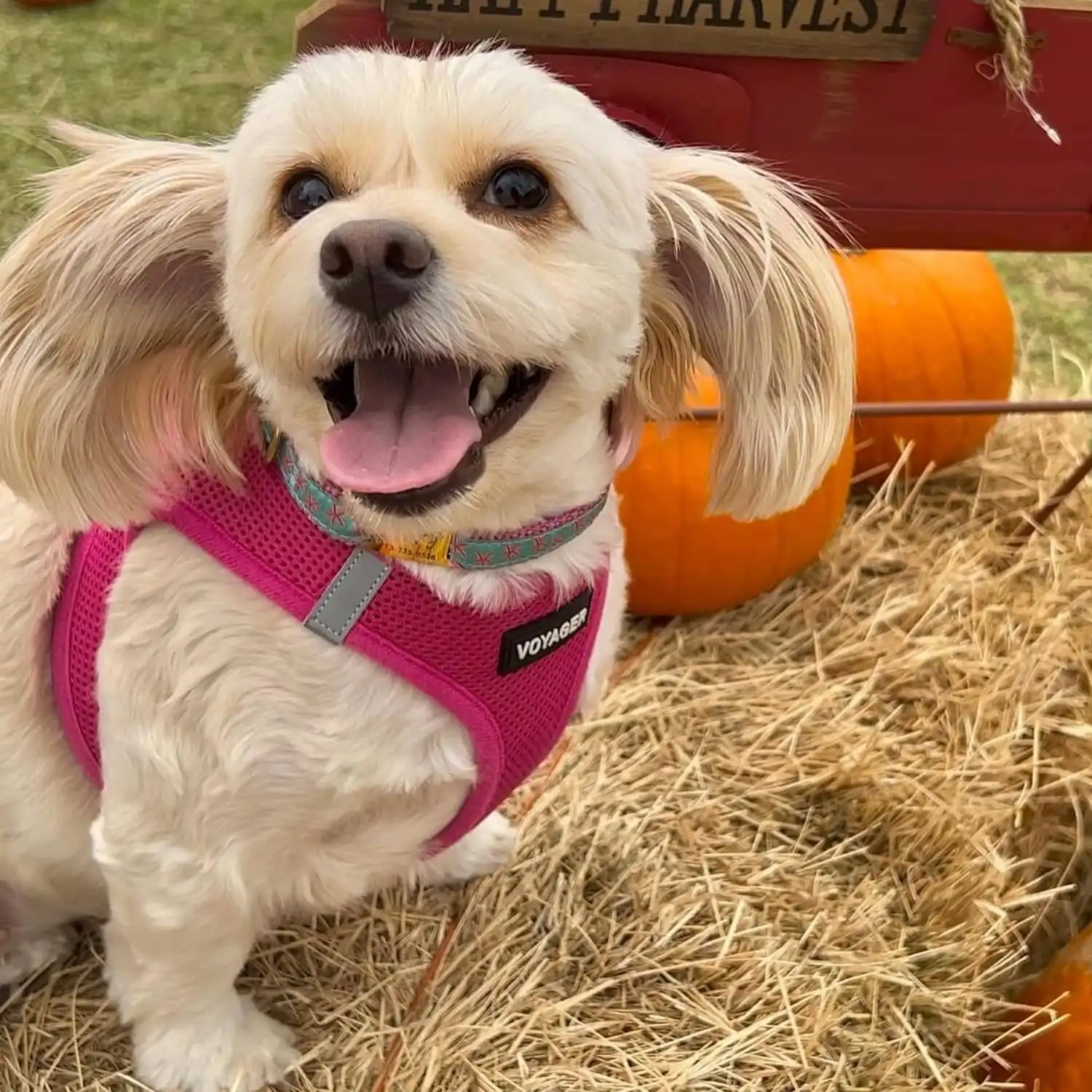
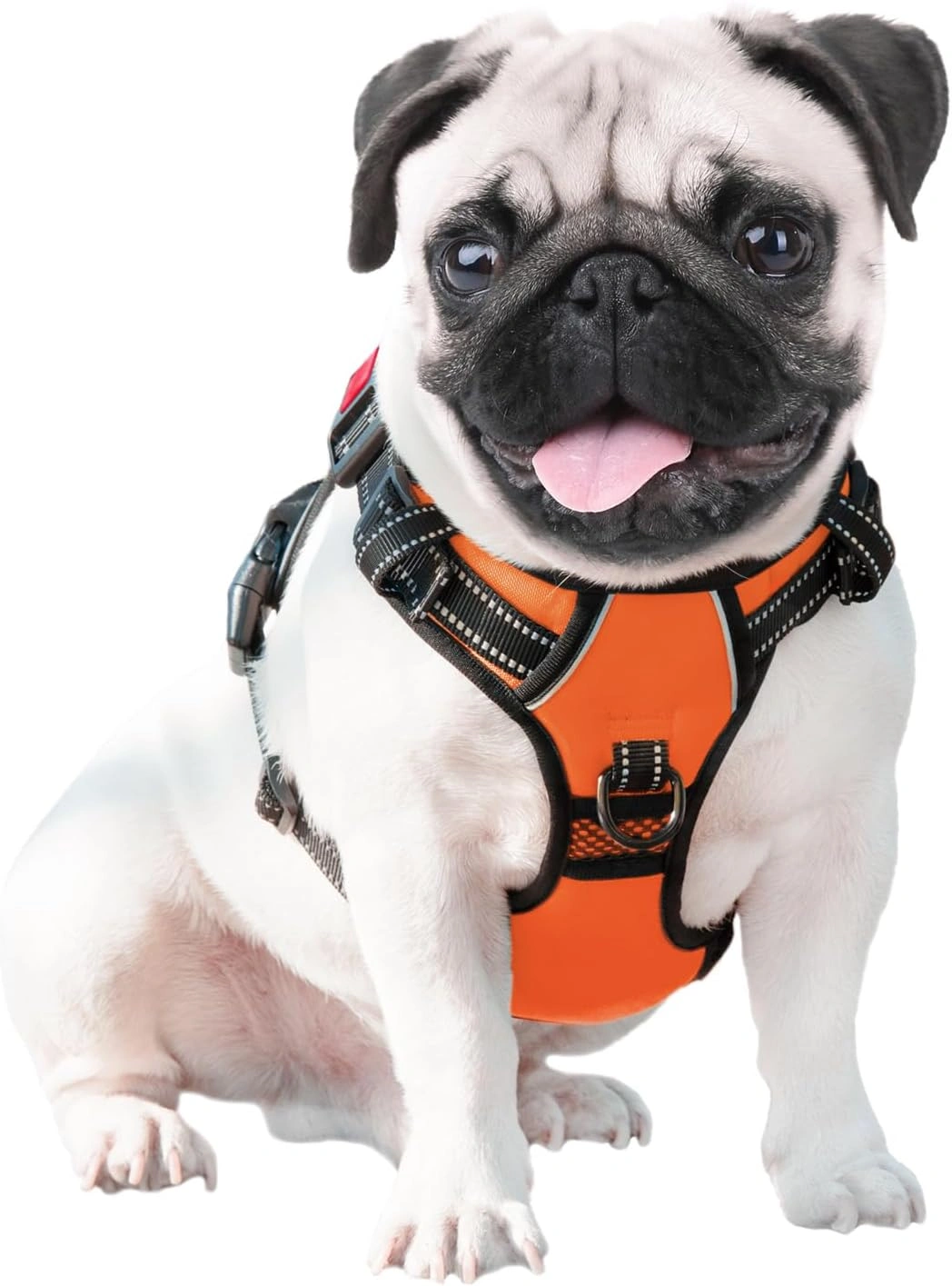
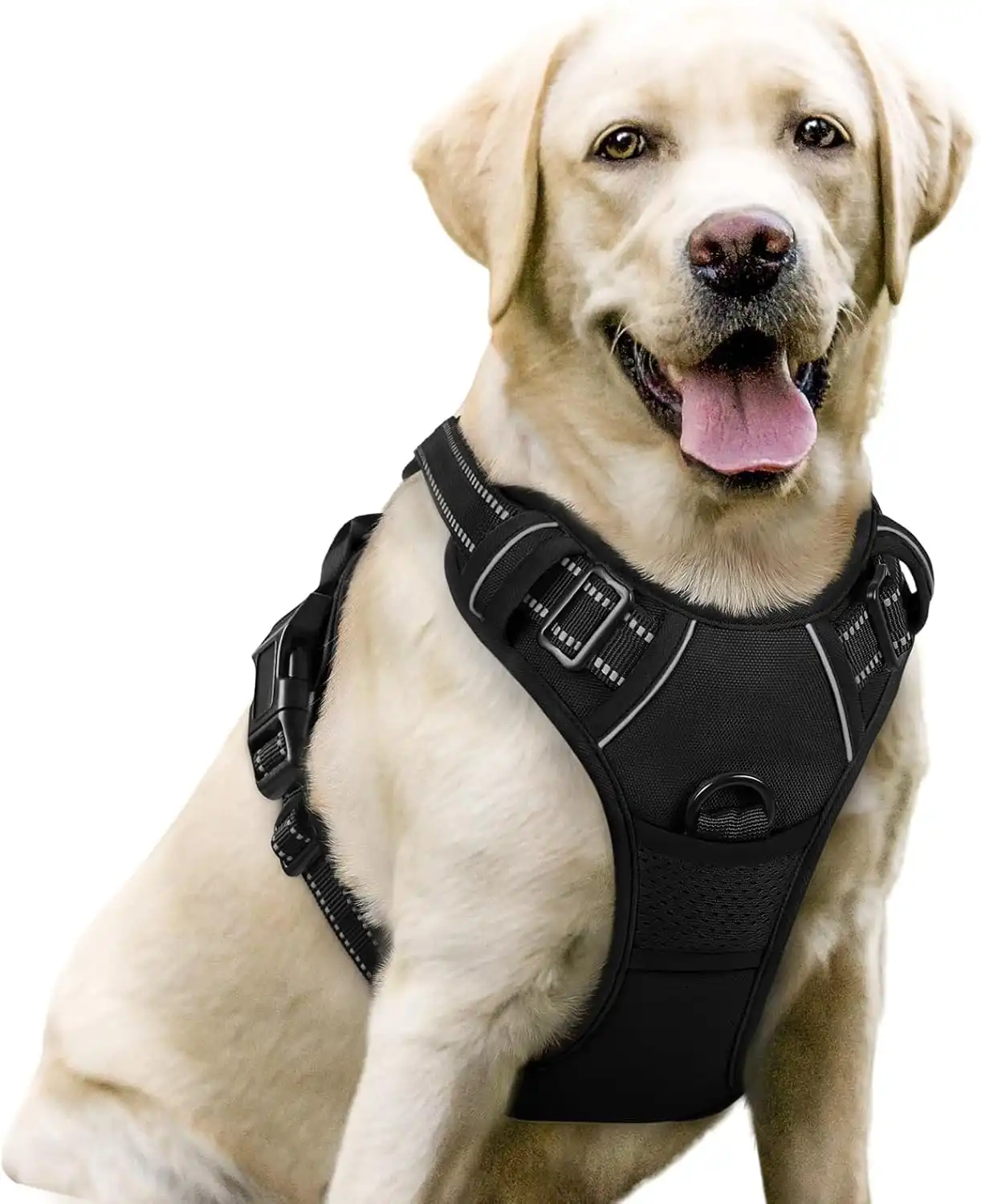



In the past, a simple collar was the gold standard. However, 2026 veterinary insights emphasize that collars can put undue pressure on the thyroid gland and windpipe, especially for “pullers.” A harness redistributes that force across the strongest parts of a dog’s body: the chest and shoulders.
- Trachea Protection: Essential for brachycephalic (flat-faced) breeds like Frenchies and Pugs.
- Enhanced Control: Better leverage for managing large breeds without “tug-of-war” neck strain.
- Security: High-quality “escape-proof” designs prevent wiggly artists from backing out of their gear.
Top Features to Look for in 2026
Safety technology has come a long way. When shopping for your next set, look for these modern essentials:
1. Dual-Clip Attachments
The most versatile harnesses now feature two rings: a front-clip for training (to discourage pulling) and a back-clip for relaxed, everyday walks.
2. Breathable, Smart Fabrics
2026 designs prioritize “Active-Cool” mesh and ripstop nylons. These materials prevent overheating during summer hikes and resist the “wet dog” smell by drying almost instantly.
3. Integrated Reflectivity and LED Loops
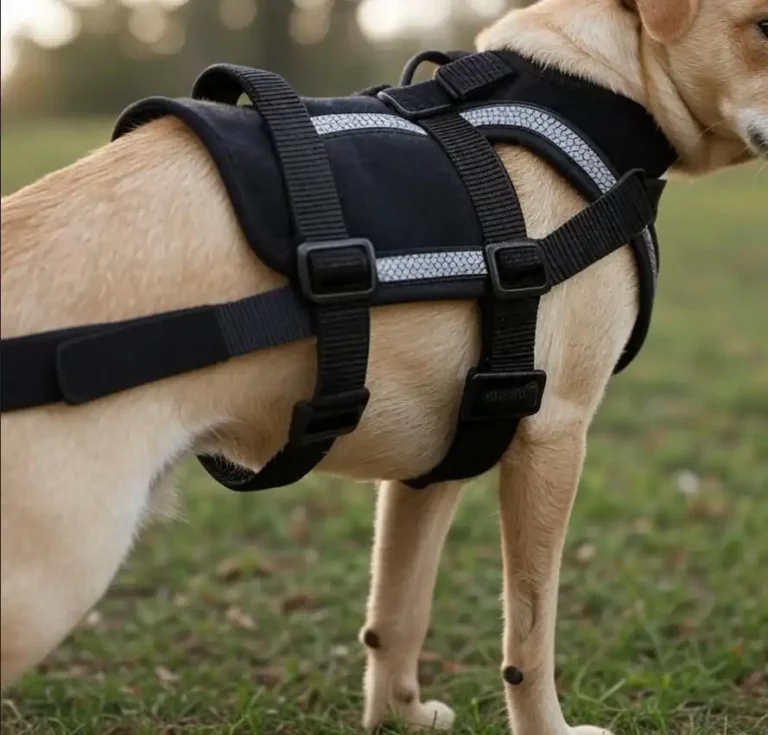
Visibility is a non-negotiable safety feature. Look for 360° reflective piping and dedicated loops for attaching safety lights for those late-night or early-morning outings.
Choosing the Right Fit: The Two-Finger Rule
A harness is only as safe as its fit. If it’s too loose, your dog can slip out; if it’s too tight, it can cause painful chafing or restrict their natural gait.
| Size Guide | How to Measure |
| Girth | Measure the widest part of the ribcage (right behind the front legs). |
| Neck | Measure where a collar would naturally sit, at the base of the neck. |
| The Rule | You should always be able to fit two fingers comfortably between the harness and your dog’s skin. |
Pro-Tips for Stress-Free Walks
- The “Harness-Leash” Synergy: Pair your harness with a shock-absorbing bungee leash. This reduces the “jolt” on both your dog’s spine and your own shoulder if they spot a squirrel.
- Check for Wear: Inspect the buckles and stitching once a month. Modern reinforced stitching is durable, but salt from winter roads or sand from the beach can degrade hardware over time.
- Positive Association: If your dog is “harness-shy,” use high-value treats to turn the gear into a “reward” rather than a chore.
Safety First, Adventures Second
At the end of the day, your dog’s gear is the bridge between their curiosity and their safety. By investing in a modern, ergonomic setup, you aren’t just buying a walking tool—you’re investing in years of healthy, happy joints and wagging tails.
About the Author

You Might Also Like