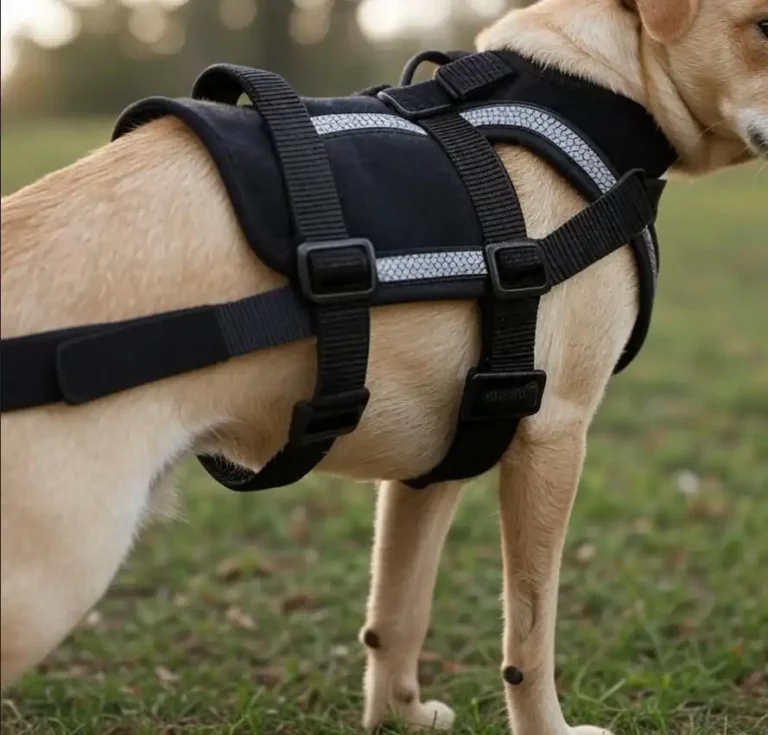
Top Dog Running Harness Reviews for 2026
Lacing up your sneakers for a morning jog is a great way to clear your head, but bringing your four-legged best friend along makes it a true adventure. However, as any pet parent who has been tripped up by a loose leash or felt their dog gasp against a standard collar knows, the right gear is non-negotiable. Whether you are training for a 5K or just hitting the local trails, finding the perfect fit is about more than just style—it is about safety, biomechanics, and shared comfort.
To help you navigate the sea of options available this year, we have compiled the most comprehensive and up-to-date Dog Running Harness Reviews to ensure your next run is smooth, safe, and tail-waggingly fun.
1. Best Overall: Non-stop Dogwear Line Harness 5.0
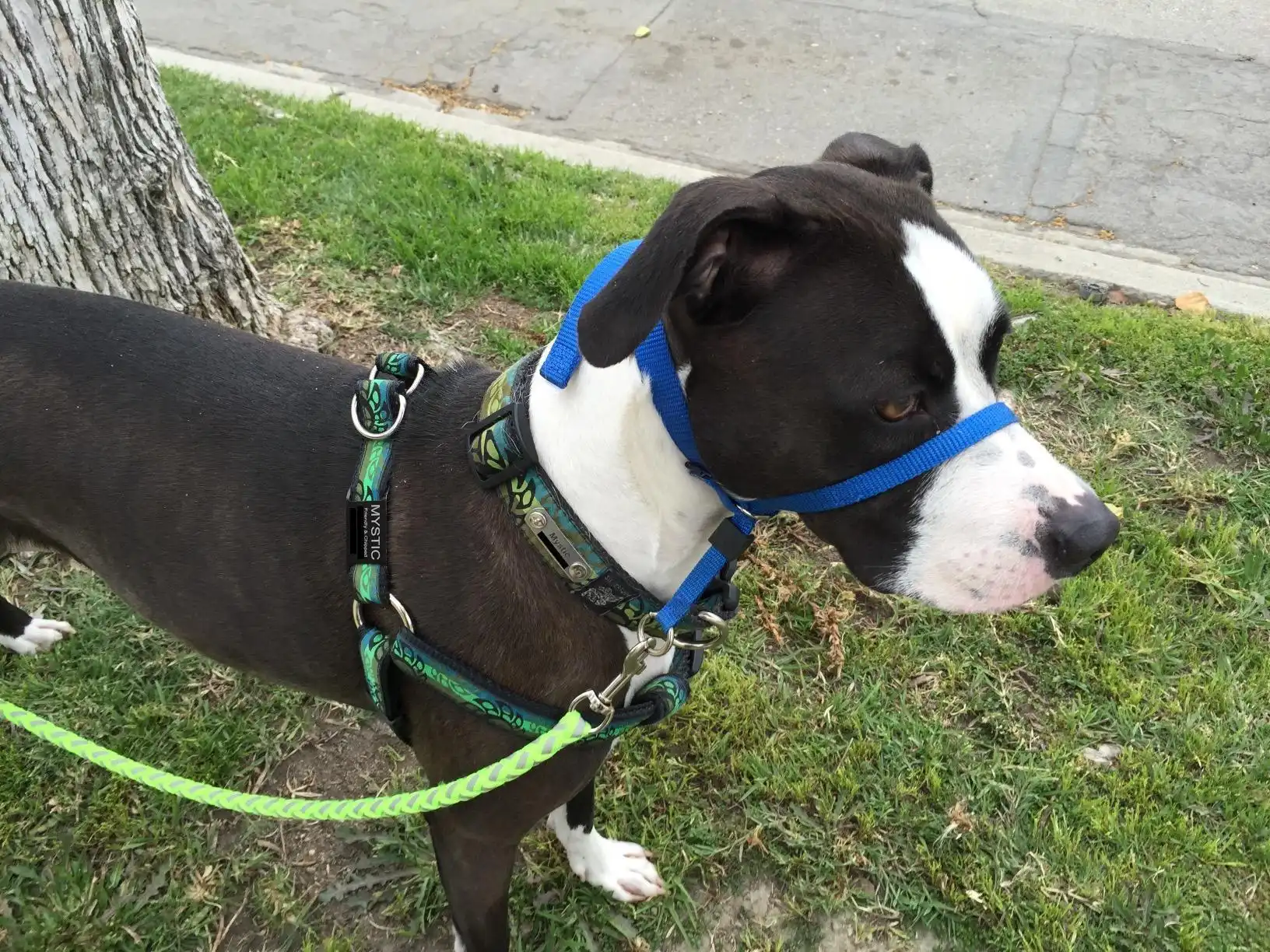
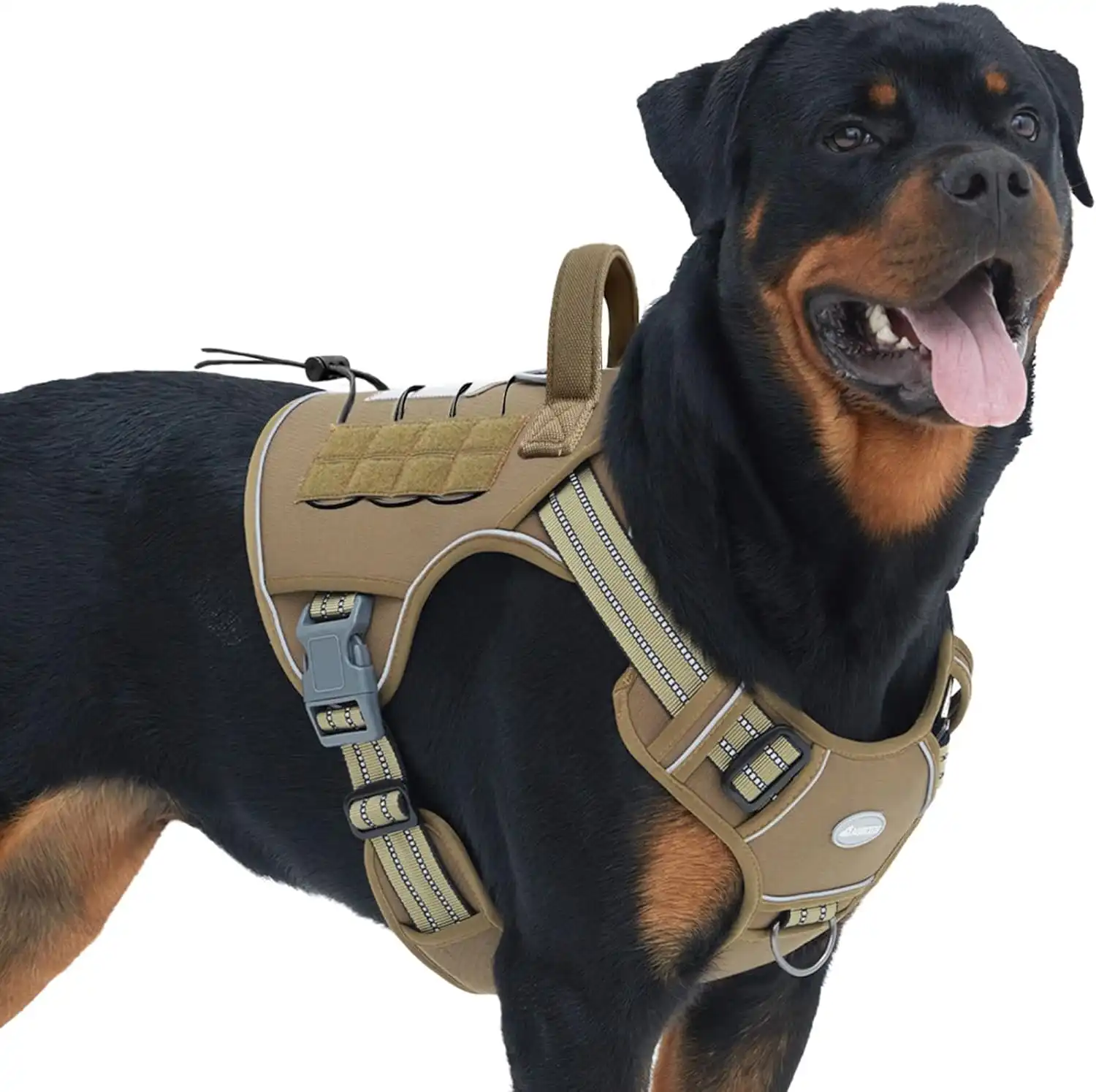
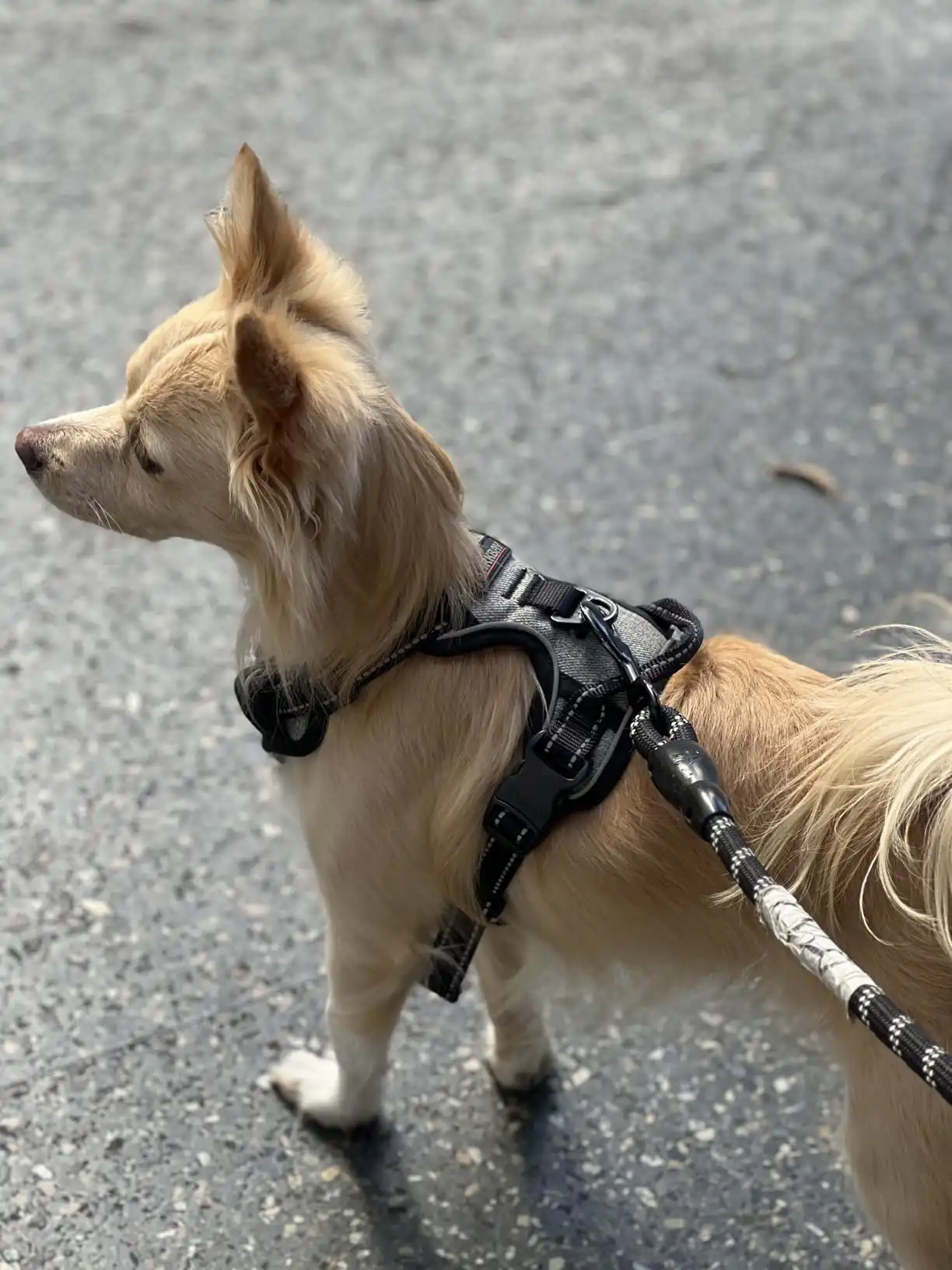
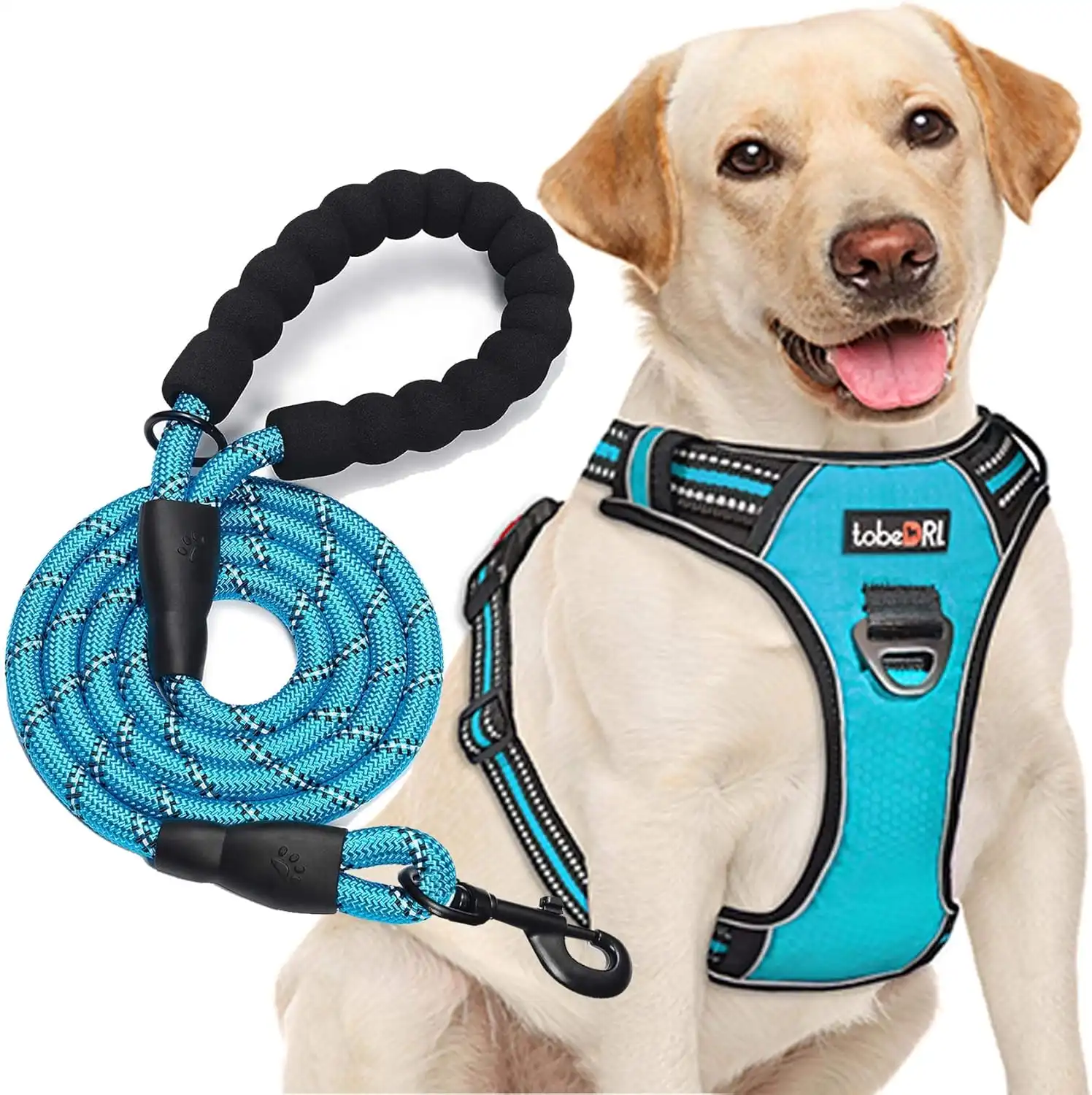
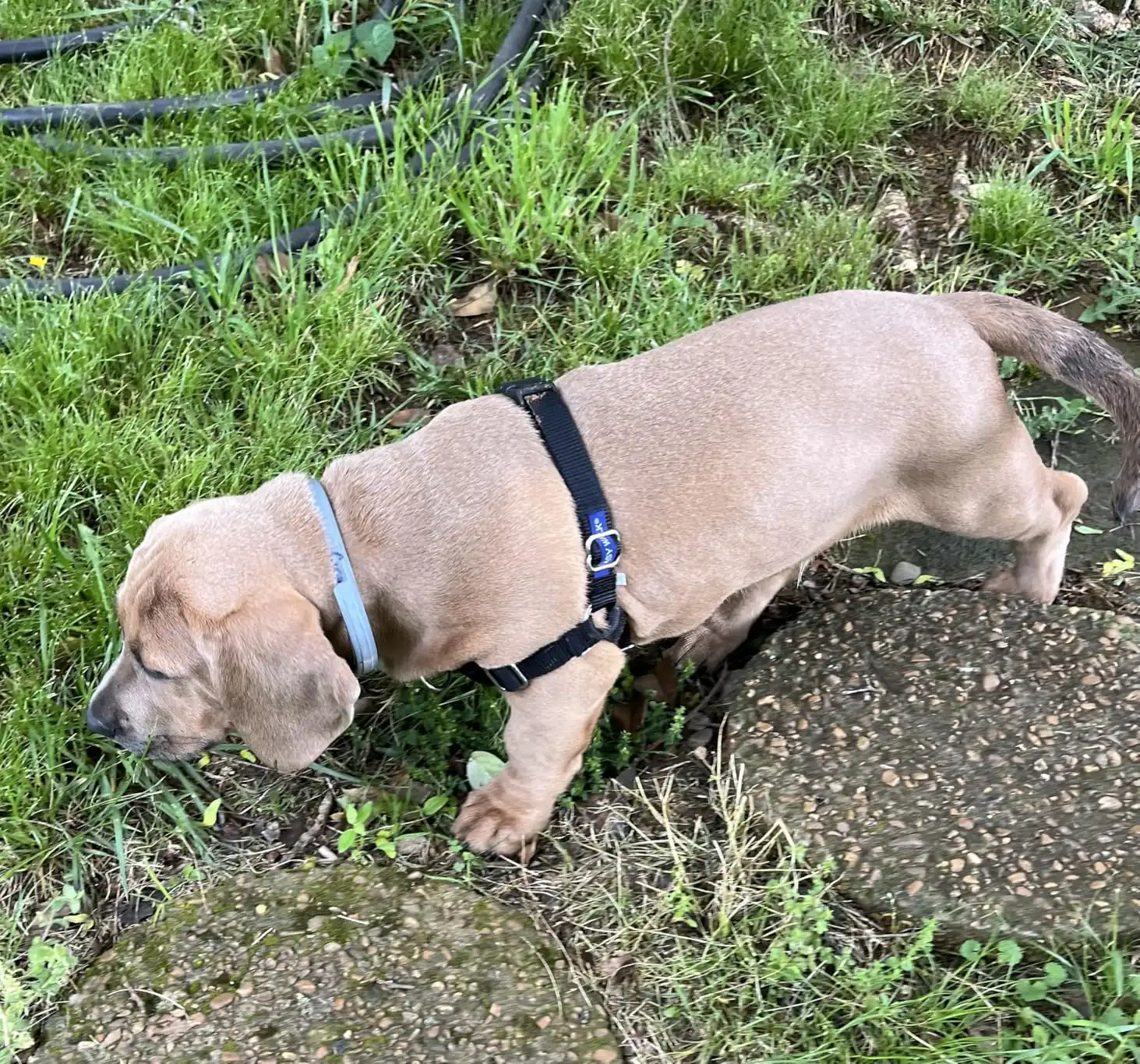
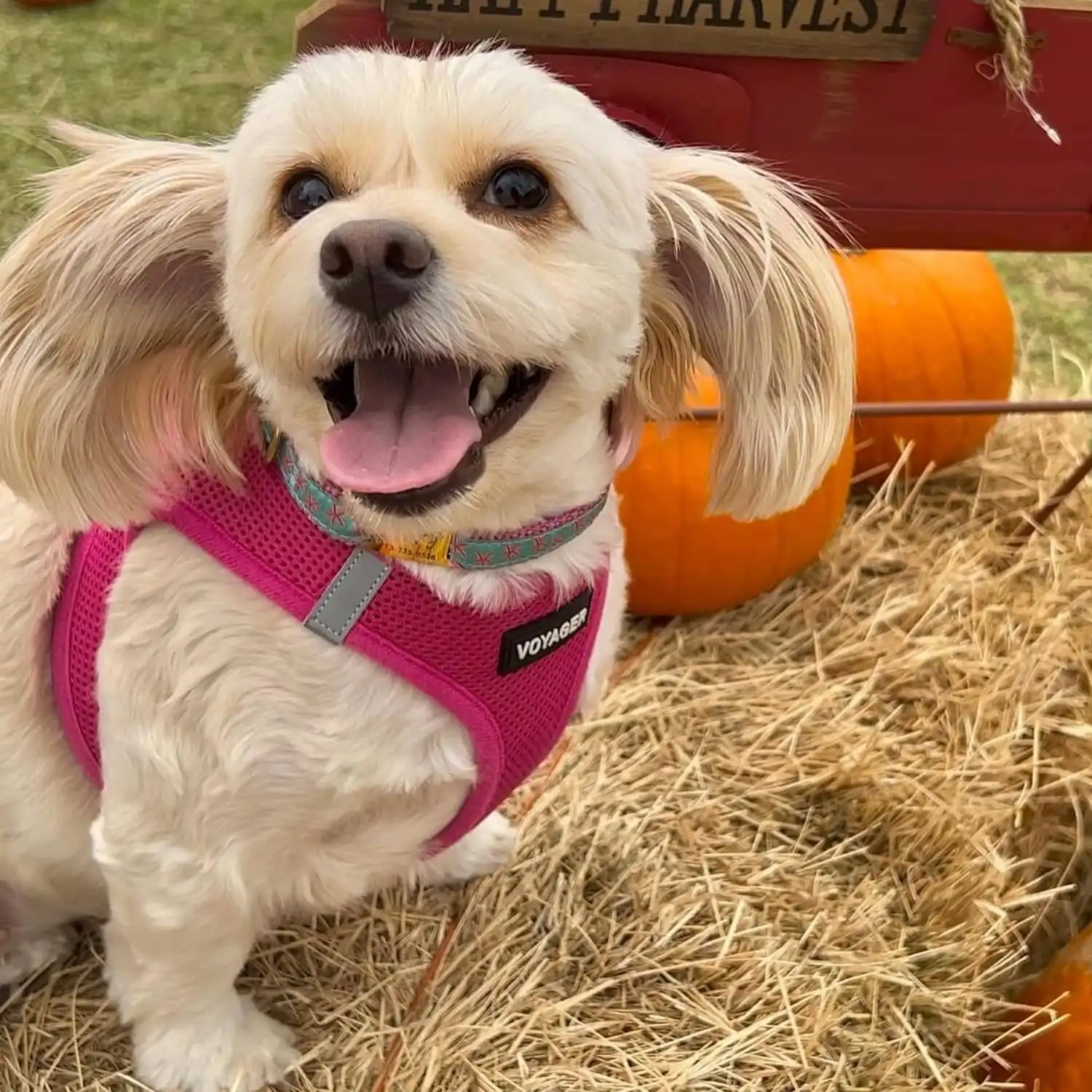
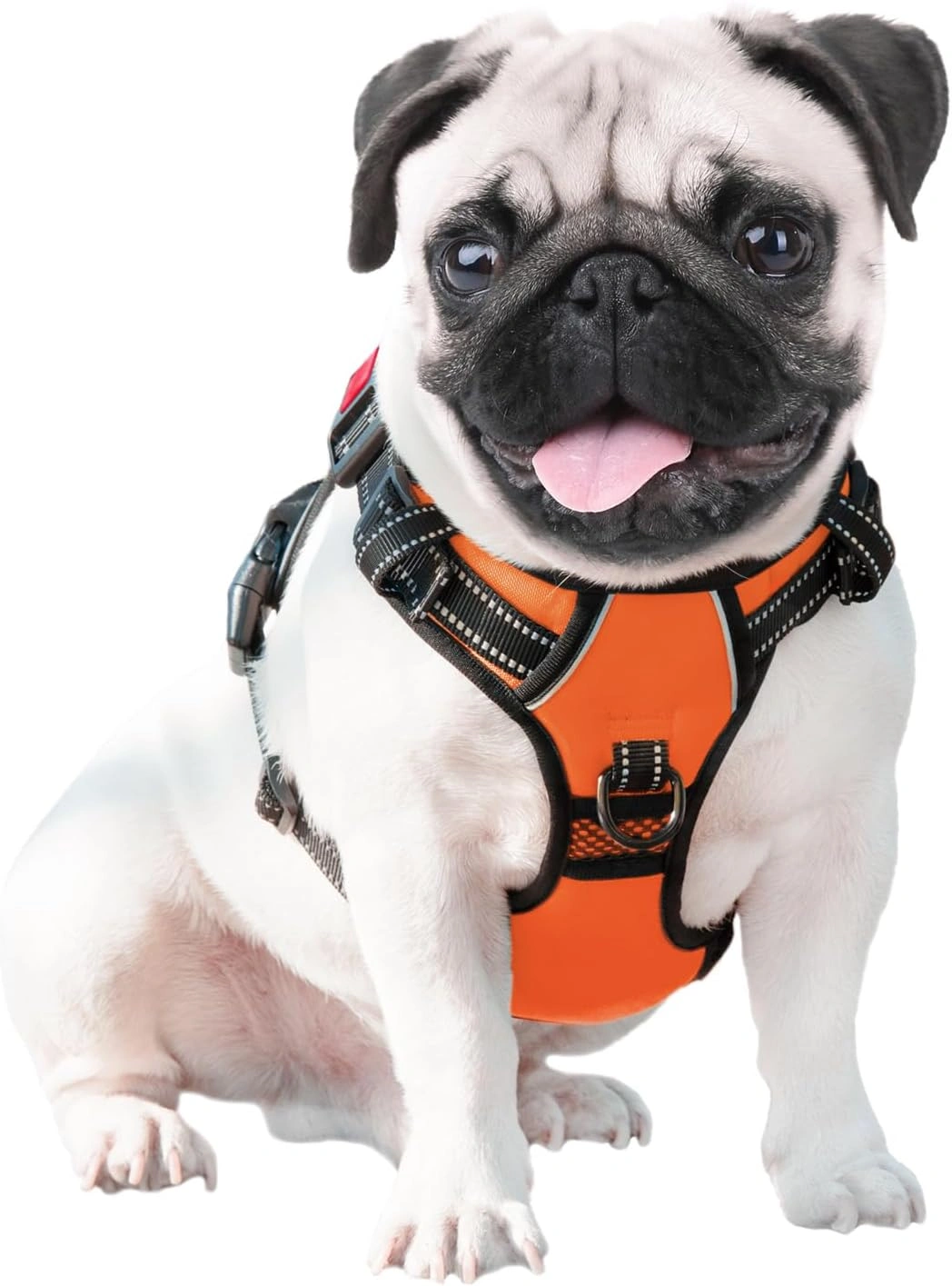
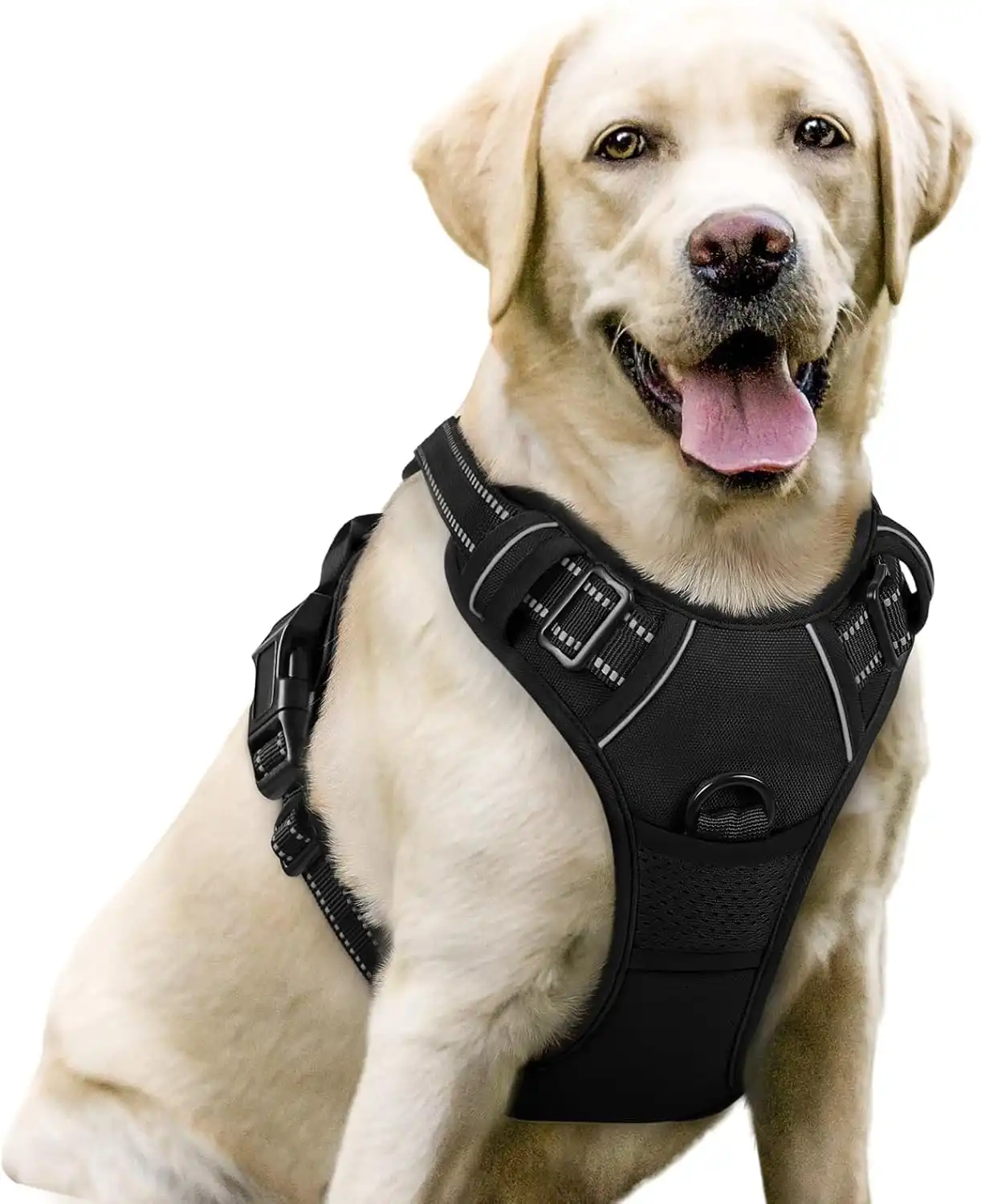
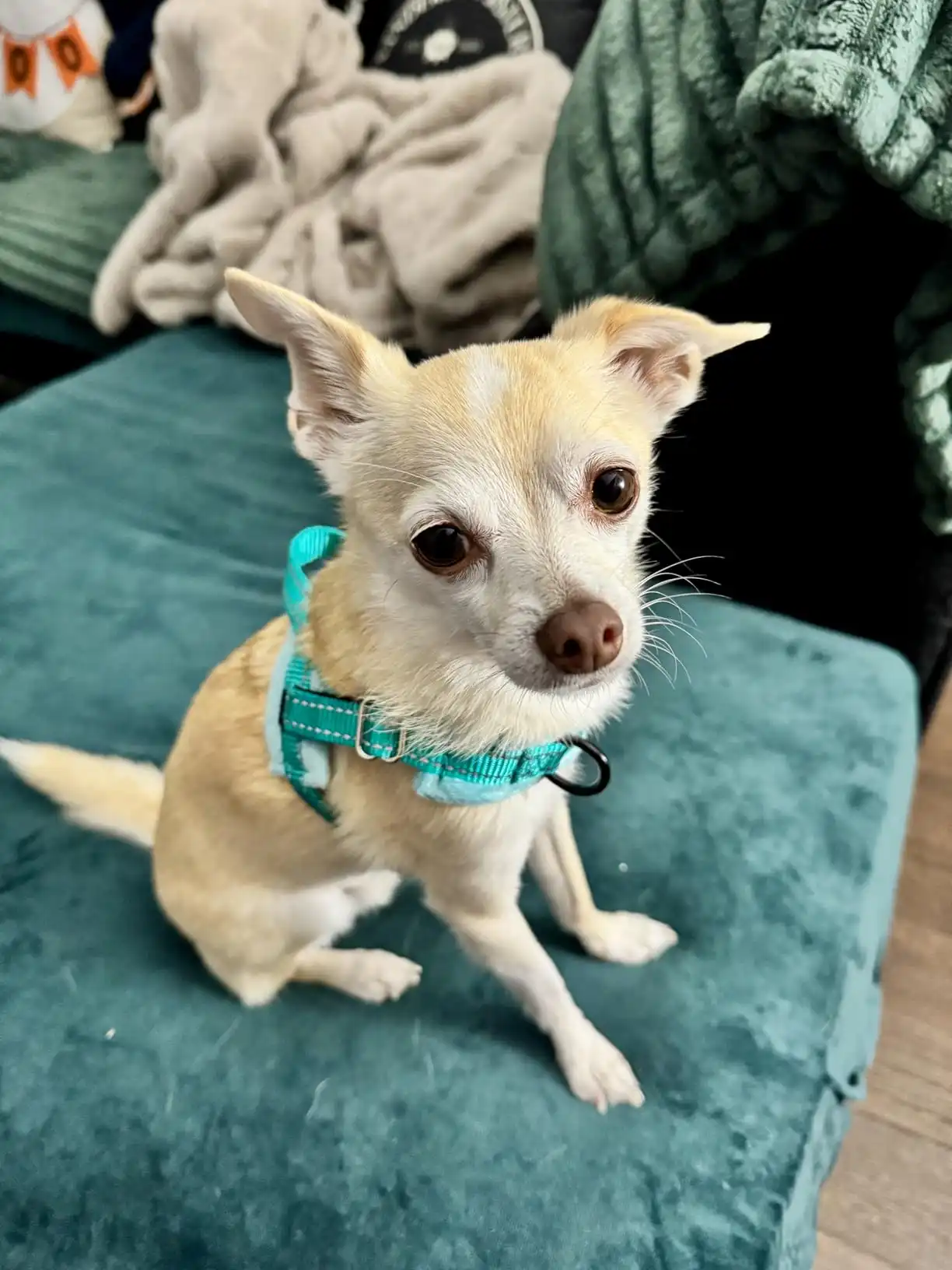


If you are looking for a harness that transitions seamlessly from a sidewalk stroll to a high-speed trail run, the Non-stop Dogwear Line Harness 5.0 is the gold standard for 2026.
Unlike standard walking harnesses, the Line 5.0 features an ergonomic Y-shaped neck design. This is crucial because it allows for a completely free range of shoulder motion, ensuring your dog can reach their full stride without restriction.
- Key Specs: Hypalon reinforcements, breathable foam core, and three leash attachment points.
- Why We Love It: It’s incredibly lightweight but built with “ripstop” durability. It doesn’t absorb water, which is a lifesaver if your dog loves hitting puddles or running in the rain.
- Best For: Everyday runners who want a mix of performance and simplicity.
2. Best for Technical Trails: Ruffwear Web Master
For the adventure-loving pet parent who tackles rocky terrain or steep inclines, the Ruffwear Web Master remains a top-tier choice. Its standout feature is the secure “three-strap” design, including a belly strap that makes it virtually escape-proof.
- Key Specs: Five points of adjustment, padded assistance handle, and reflective trim.
- Why We Love It: The reinforced handle on the back is a game-changer. If you need to lift your dog over a fallen log or steady them on a slippery slope, you can do so safely without putting pressure on their joints.
- Best For: Hiking, scrambling, and “Houdini” dogs who can back out of standard harnesses.
3. Best for Pullers: Blue-9 Balance Harness
Many dogs get a little too excited when they see a squirrel mid-run. The Blue-9 Balance Harness is widely recommended by trainers in 2026 because it offers six different adjustment points, ensuring a custom fit for every unique body shape—from deep-chested Greyhounds to stocky Bulldogs.
- Key Specs: Dual-clip (front and back), buckle at the neck (no need to slide over the head).
- Why We Love It: It provides the control of a no-pull harness without the “chaffing” often caused by restrictive front-clip designs. It’s a minimalist’s dream—just enough webbing to keep them secure without overheating them.
- Best For: Dogs still learning their “running manners” or those with hard-to-fit body types.
What to Look for in 2026: A Buyer’s Guide
The world of pet gear has evolved. When reading through various reviews, keep these three “Safety Pillars” in mind to ensure you’re getting a 2026-standard product:
Y-Shaped Chest Plates
Avoid “Straight-Front” harnesses (the ones with a horizontal strap across the chest). In 2026, canine kinesiologists have confirmed that horizontal straps can impede the shoulder blade and potentially cause long-term joint issues. Always look for a Y-shape that sits on the breastbone.
Material Science & Breathability
Modern harnesses now utilize closed-cell foam and 3D mesh. These materials are essential for running because they don’t trap heat against your dog’s skin and won’t become heavy and soggy if it starts to drizzle.
Reflectivity and Tech-Integration
High-visibility is no longer just a “nice-to-have.” The best 2026 models feature 360-degree reflectivity. Additionally, many new harnesses include dedicated pockets for “Smart Tags” or GPS trackers, allowing you to keep tabs on your pup’s fitness metrics and location.
How to Check the Fit
Once you’ve chosen your harness, the “Two-Finger Rule” is still the gold standard:
- The Girth: You should be able to fit two fingers between the strap and your dog’s ribs.
- The Neck: Ensure the Y-joint sits on the bone, not the soft tissue of the throat.
- The Armpits: Ensure there is a “three-finger” gap between the front legs and the girth strap to prevent painful chafing during high-speed movement.
Ready to hit the pavement?
Choosing the right gear is the first step toward a healthier, happier lifestyle for both you and your pup. If you’re still unsure which size to pick for your specific breed, would you like me to help you find a size chart or measurement guide for one of these specific brands?
About the Author

You Might Also Like