
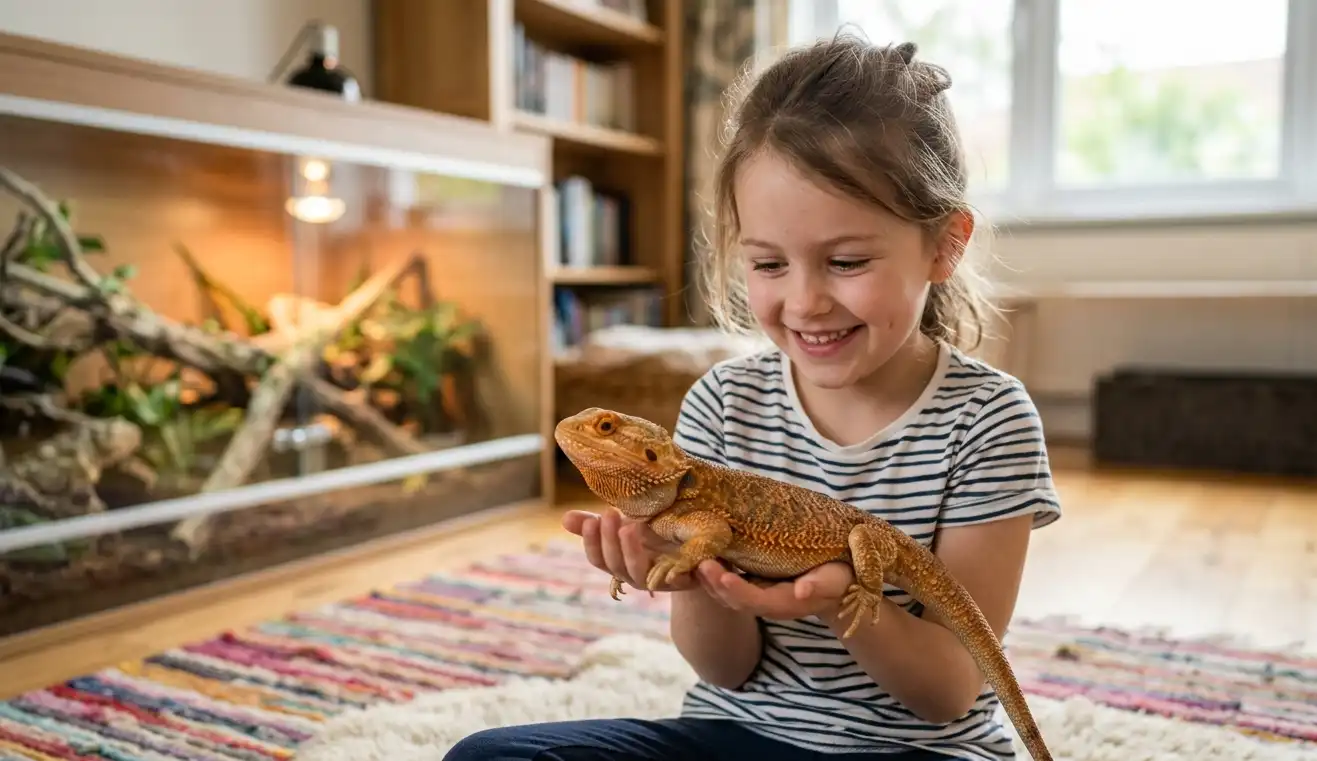
Exotic Pets and Kids: Safety, Care, and Bonding Tips Every Family Should Know
Bringing an exotic pet into a home with children can be one of the most rewarding decisions a family makes. From the gentle curiosity of a bearded dragon to the playful antics of a sugar glider, exotic pets teach kids responsibility, empathy, and a lifelong appreciation for the animal world.
But exotic pets also come with unique needs and a few real safety considerations that ordinary cats and dogs don’t. The good news? With the right preparation, exotic pets and kids can form a wonderful, lasting bond.
In this guide, you’ll learn how to keep everyone safe, master the exotic pets care basics, and help your child build a genuine connection with their new companion.
Are Exotic Pets a Good Fit for Families With Kids?
Before falling in love with a particular animal, it helps to ask an honest question: Is your family ready for an exotic pet?
Exotic pets often require specialized diets, controlled habitats, and a longer time commitment than people expect. Some reptiles live 20 years or more, and many small mammals need daily handling to stay tame.
A good exotic pet for a family with children usually checks these boxes:
- Manageable size and temperament — gentle, slow-moving, or easy to handle
- Reasonable care requirements — not overly fragile or high-maintenance
- A predictable daytime schedule that fits family life
- Low risk of bites, scratches, or injury when handled correctly
If you’re a first-time exotic pet family, start with a beginner-friendly species rather than something delicate or demanding.
The Most Kid-Friendly Exotic Pets
While “exotic” covers a huge range of animals, a handful stand out as especially good choices for households with children.
Bearded Dragons
Calm, curious, and surprisingly social, bearded dragons are often considered one of the best reptiles for kids. They tolerate handling well and rarely bite when treated gently.
Leopard Geckos
These hardy little lizards are low-maintenance, don’t need special lighting like many reptiles, and are easy for older children to care for with supervision.
Guinea Pigs
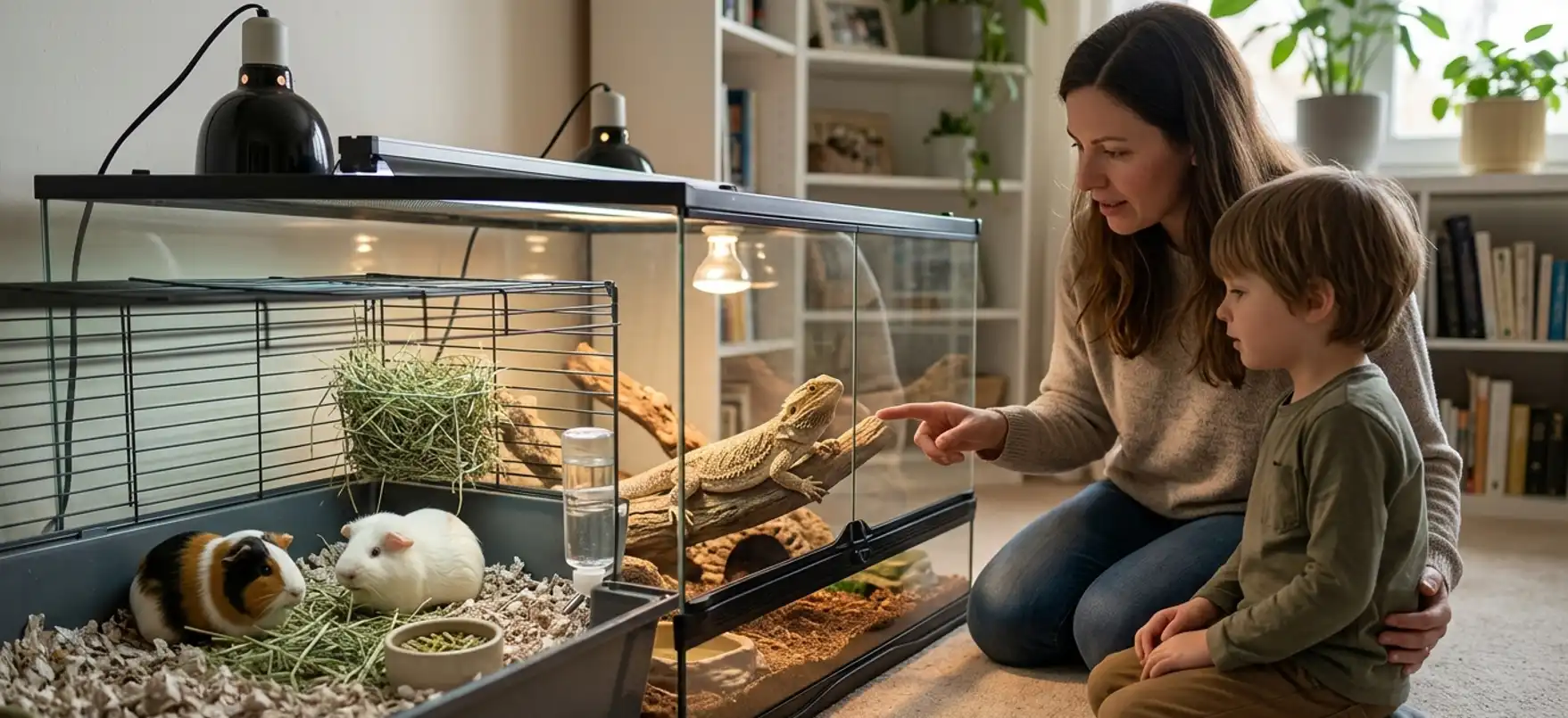
Technically a small pet rather than a true exotic, guinea pigs are gentle, vocal, and love human interaction—making them a fantastic “starter exotic” for younger kids.
Corn Snakes
For families open to snakes, corn snakes are docile, manageable in size, and one of the most forgiving reptile species for beginners.
Sugar Gliders
Affectionate and playful, sugar gliders bond closely with their owners. They’re better suited to families with older, patient children because they’re nocturnal and require careful handling.
Tip: Always research the specific species’ lifespan, diet, and habitat needs before committing. Matching the pet to your child’s age and your family’s lifestyle is the single biggest factor in success.
Exotic Pet Safety Tips for Kids
Safety is where exotic pet ownership differs most from keeping a traditional pet. A few simple house rules go a long way toward protecting both your child and your new animal.
1. Always Supervise Young Children
Children under the age of five should never handle an exotic pet without an adult present. Small hands can accidentally squeeze, drop, or startle an animal—leading to injury for either party.
2. Teach Gentle Handling From Day One
Show kids how to support an animal’s whole body, move slowly, and recognize signs of stress. Calm, confident handling keeps the pet relaxed and prevents defensive bites.
3. Make Handwashing Non-Negotiable
Many reptiles and amphibians can carry Salmonella, even when they look perfectly healthy. Washing hands thoroughly before and after handling—and after cleaning the habitat—is the most important hygiene rule in the house.
4. Keep Habitats Secure
A secure, properly latched enclosure protects your pet from curious toddlers and prevents escapes. It also keeps the animal’s environment stable and stress-free.
5. Know Your Pet’s Stress Signals
Hissing, puffing up, flattening, or trying to flee are all signs an animal needs space. Teaching kids to read these cues prevents bites and builds empathy at the same time.
6. Check Local Laws and Allergies
Some exotic species are restricted or illegal in certain areas, and others may trigger allergies. A quick check before adopting saves heartache later.
Exotic Pet Care Basics for the Whole Family
Caring for an exotic pet is a team effort. Sharing age-appropriate responsibilities helps kids stay engaged while ensuring the animal’s needs are always met.
Habitat Setup
Most exotic pets need a carefully controlled environment. Depending on the species, that may include:
- Correct temperature gradients and heating
- UVB lighting for many reptiles
- Proper humidity levels
- Safe, species-appropriate bedding or substrate
- Hiding spots and enrichment items
Get the habitat fully set up before bringing your pet home so it can settle in immediately.
Feeding
Exotic diets vary widely—from live insects to fresh greens to specialized pellets. Create a simple feeding chart your child can follow, and let them help with age-appropriate tasks like measuring food or offering greens.
Cleaning and Maintenance
Regular spot-cleaning and scheduled deep cleans keep your pet healthy and odor-free. Older kids can take ownership of daily tidying, while adults handle full habitat cleaning.
Veterinary Care
Exotic pets need vets who specialize in them—an “exotics vet.” Locate one before you bring your pet home, and schedule an initial wellness check so you have a baseline for your animal’s health.
How Kids Can Bond With an Exotic Pet
Bonding with an exotic pet looks different than cuddling a puppy, but the connection can be just as meaningful. Here’s how to help your child build trust over time.
Start Slow and Let the Pet Set the Pace
New animals need time to adjust. Encourage your child to sit calmly near the habitat, talk softly, and let the pet grow comfortable with their presence before handling begins.
Use Daily Routines to Build Trust
Animals quickly learn to associate their caretaker with good things. Letting your child help with feeding and gentle interaction creates positive associations and strengthens the bond.
Practice Calm, Consistent Handling
Short, gentle handling sessions—done regularly—help an exotic pet become tame and trusting. Consistency matters far more than long sessions.
Encourage Observation and Learning
Bonding isn’t only about touch. Watching an animal explore, eat, or bask, and learning about its natural behavior, helps kids develop genuine affection and respect.
Celebrate Small Milestones
The first time a pet eats from your child’s hand or climbs onto their arm willingly is a huge moment. Celebrating these wins keeps kids motivated and emotionally invested.
Common Mistakes Families Make (And How to Avoid Them)
Even well-meaning families slip up. Watch out for these common pitfalls:
- Choosing a pet based on looks alone instead of care needs and temperament
- Underestimating the time commitment and long lifespans of many species
- Skipping research on diet and habitat, leading to preventable health problems
- Allowing unsupervised handling by very young children
- Forgetting hygiene routines like handwashing after contact
Avoiding these mistakes sets your family—and your pet—up for long-term success.
Frequently Asked Questions
What is the best exotic pet for a child?
Bearded dragons and leopard geckos are among the best exotic pets for kids thanks to their calm temperaments and manageable care needs. For younger children, gentle small pets like guinea pigs are a great starting point.
Are exotic pets safe to keep around kids?
Yes—when families follow basic safety rules. Adult supervision, gentle handling, secure habitats, and consistent handwashing make exotic pet ownership safe and enjoyable for children.
What age is appropriate for a child to care for an exotic pet?
Children can begin helping with simple care tasks around age five or six under supervision. Independent care, like handling and feeding, is usually appropriate for older children and pre-teens, depending on the species and the child’s maturity.
Do exotic pets carry diseases?
Some reptiles and amphibians can carry Salmonella, which is why handwashing before and after handling is essential. With proper hygiene, the risk is low and easily managed.
How long do exotic pets live?
It varies widely. Some lizards and snakes live 15–20 years or more, while small mammals may live only a few years. Always research lifespan before committing—an exotic pet is often a long-term family member.
Final Thoughts: Building a Happy Home for Exotic Pets and Kids
Raising an exotic pet alongside children is a journey of discovery, responsibility, and connection. With the right species, clear safety rules, and a little patience, your family can give an unusual animal a loving home—and give your kids an experience they’ll treasure for years.
Take your time choosing the right pet, prepare its habitat thoughtfully, and let the bond grow naturally. The reward is a unique friendship that teaches your children compassion and care in a way few other experiences can.
Ready to find your family’s perfect companion? Explore more of our beginner-friendly guides on choosing, caring for, and bonding with pets here at BestFamilyPets.com.
-

Exotic Pets and Kids: Safety, Care, and Bonding Tips Every Family Should Know
-
Best Exotic Pets for Families: What to Know Before Bringing One Home
-
Are Exotic Pets Safe for Families? A Practical Guide for Curious Households
-
What You Should Know Before Getting An Exotic Pet
-
Top 10 Best Small Exotic Dog Breeds
-
Exotic Birds and Caring for Them



About the Author