
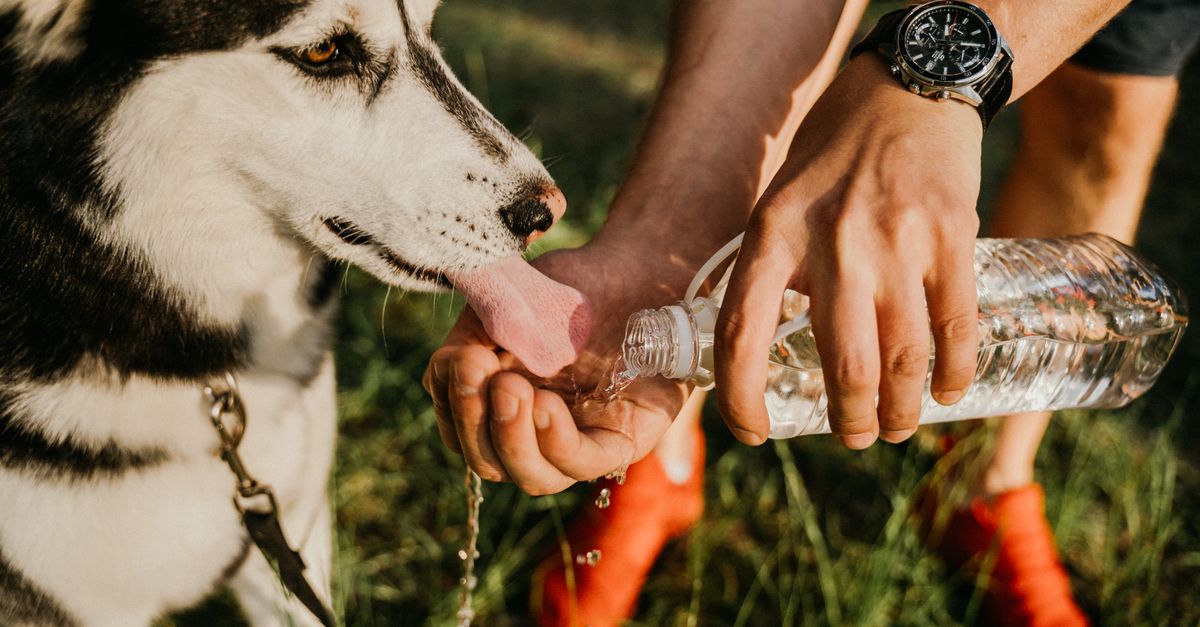
How to Keep Pets Hydrated: Signs and Simple Fixes
Your cat walks past her water bowl for the third time without stopping. Your dog drank plenty yesterday — or so you think — but today he seems sluggish and his nose looks dry. You’re not sure if it’s a problem or just a quirk. That uncertainty is exactly where dehydration does its quiet damage.
Water is involved in nearly every function a pet’s body performs — digestion, temperature regulation, joint lubrication, kidney filtering. When intake drops even slightly below what your pet needs, things start going wrong before any obvious symptom appears. And the tricky part is that different pets have wildly different drinking habits, so “normal” looks different in every household.
Learning how to keep pets hydrated isn’t about obsessing over every sip. It’s about understanding what your specific animal needs, recognizing the early warning signs, and making a few small adjustments that genuinely help. Here’s what actually works.
How to Tell If Your Pet Is Dehydrated
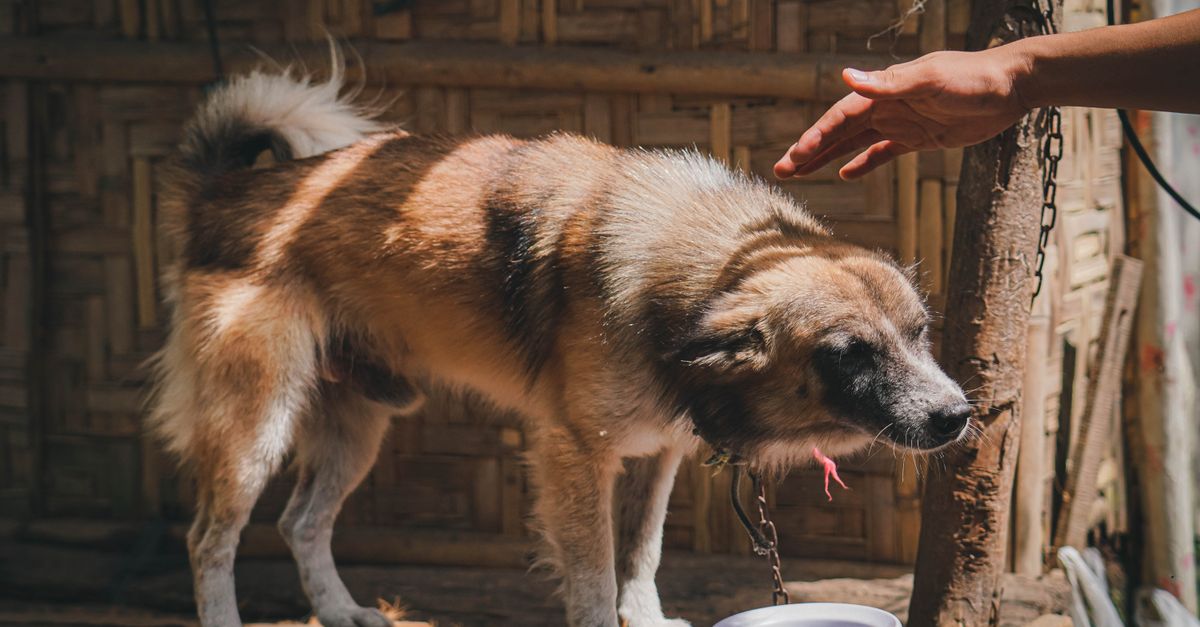
The skin tent test is the fastest check you can do at home. Gently pinch the loose skin at the back of your dog’s or cat’s neck, lift it slightly, then release. In a well-hydrated animal, it snaps back within one second. If it slides back slowly — taking two or three seconds — dehydration is likely. This works less reliably on overweight pets or older animals with less skin elasticity, but it’s still a useful starting point.
Gum color and moisture tell you even more. Press your finger against your pet’s gums, then release. The pink color should return within two seconds — that’s capillary refill time. Pale, dry, or tacky gums are a red flag. Healthy gums feel slick, almost slippery. If they feel sticky or pasty, your pet needs water now, not later.
Signs Specific to Small Pets
Rabbits, guinea pigs, and hamsters are harder to assess with the skin test because their skin behaves differently. Watch for sunken eyes, reduced droppings, and a sudden drop in activity. A guinea pig that normally scrambles around its enclosure but is sitting hunched in a corner on a warm day is showing you something important. Check the water bottle or bowl immediately — the sipper tube on bottle-style dispensers can clog without warning, leaving your pet with no access to water at all. Test it daily by pressing the ball bearing and watching for flow.
How Much Water Do Pets Actually Need?
Dogs need roughly one ounce of water per pound of body weight each day under normal conditions. A 40-pound Labrador should be drinking about 40 ounces — around five cups. That number goes up on hot days, after exercise, or if your dog eats a dry kibble diet. Wet food contributes significant moisture, which is one reason cats who eat canned food often drink noticeably less from their bowl without being dehydrated at all.
Cats are notoriously low-thirst animals by evolutionary design — they developed in arid environments and historically got most of their moisture from prey. A cat eating exclusively dry food typically needs to drink about a cup of water daily, but many simply don’t. That chronic mild dehydration is a leading contributor to urinary tract issues and kidney disease in cats. If your cat is on dry food and you’re not actively encouraging water intake, it’s worth reconsidering that balance. Even replacing one dry meal per day with wet food makes a measurable difference.
Adjusting for Age and Health Conditions
Senior pets and those on medications — especially diuretics, steroids, or treatments for kidney disease — often have altered hydration needs. A dog with Cushing’s disease drinks excessively; a cat in early kidney failure may drink more while still becoming dehydrated because the kidneys can’t concentrate urine efficiently. If you notice a sudden increase or decrease in drinking, that’s worth a vet call. It’s one of the clearest early signals that something systemic is shifting.
Why Many Pets Refuse to Drink Enough
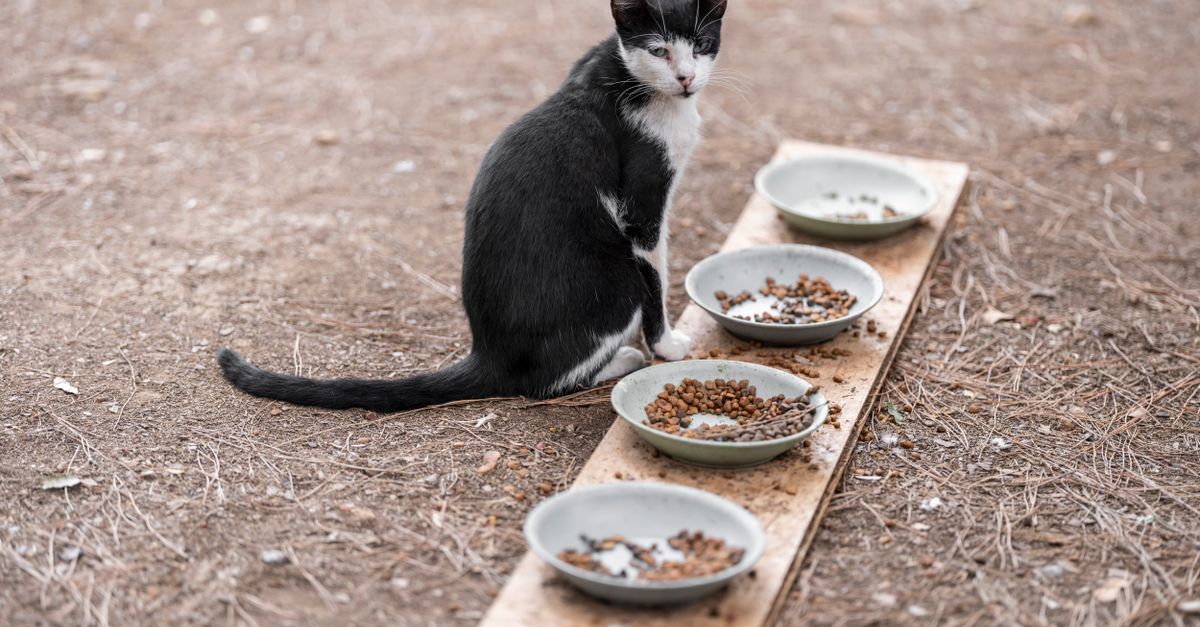
Cats in particular are sensitive to water placement. Putting the bowl next to the food dish feels logical to us, but cats instinctively avoid drinking near where they eat — in the wild, a carcass near a water source signals contamination. Move the water bowl to a completely different room and you’ll often see immediate improvement. Try three separate locations if you have a multi-cat household.
Bowl material matters more than you’d expect. Many cats refuse to drink from plastic bowls because plastic retains odors that humans can’t detect. Stainless steel and ceramic are better choices. The bowl should also be wide enough that your cat’s whiskers don’t touch the sides — whisker fatigue is real, and a cat who associates the bowl with discomfort will drink less.
Dogs are generally less fussy, but they’ll still avoid a bowl that smells of old food residue or cleaning product. Wash water bowls daily with plain hot water and mild dish soap, rinse thoroughly, and refill with fresh water. It takes 30 seconds and makes a genuine difference.
Practical Strategies That Actually Increase Water Intake
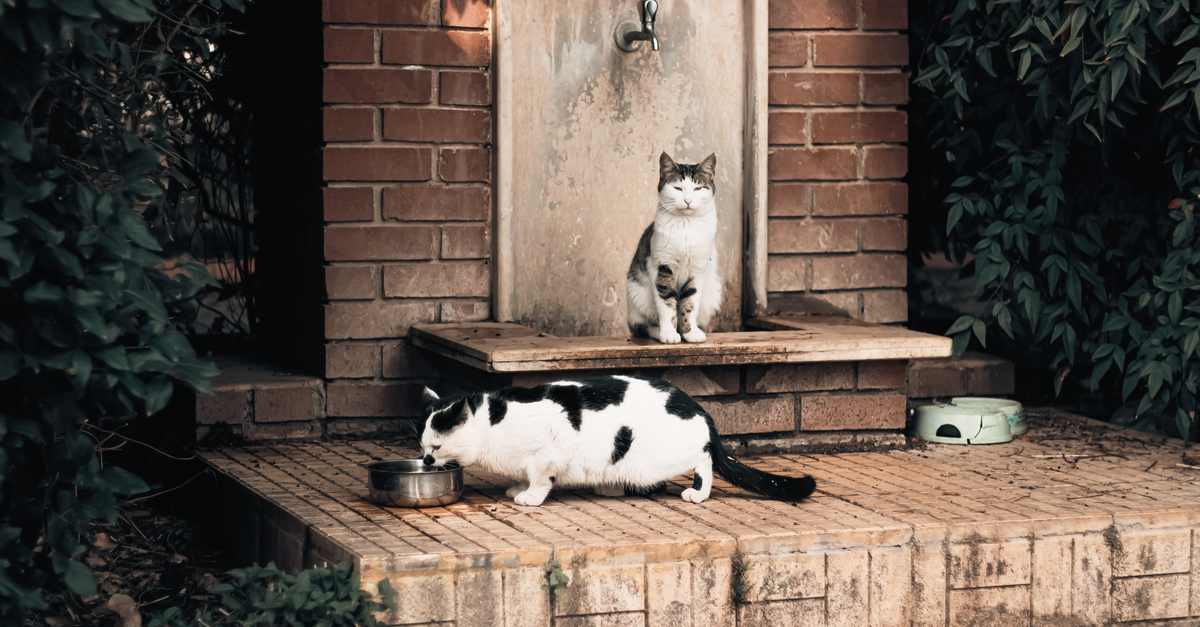
Running Water for Cats and Dogs
A circulating pet fountain is one of the highest-impact changes you can make for a reluctant drinker. Moving water stays oxygenated, tastes fresher, and appeals to the instinct that still-water might be stagnant. Most cats who ignored their bowl will drink readily from a fountain within a few days. Look for one with a carbon filter (replace it monthly) and a motor rated for quiet operation — some cheaper models run loudly enough to deter skittish cats.
Flavor Boosters for Dogs
If your dog is recovering from illness, exercising heavily, or just stubbornly under-drinking, add a small amount of low-sodium chicken or beef broth to the water bowl — about a tablespoon per cup. You can also freeze broth into ice cubes and offer them as treats on warm days. Dogs almost universally love this. Just double-check the broth label: it must contain no onion, garlic, or added salt, all of which are harmful to dogs.
Understanding your pet’s body language can also help you catch early dehydration signals — lethargy, reluctance to play, and unusual clinginess can all be subtle indicators before physical signs appear.
Hot Weather, Travel, and High-Activity Days
On days above 80°F, your dog’s water needs can double. Bring water on every walk longer than 20 minutes — collapsible silicone bowls weigh almost nothing and fold into a pocket. Don’t rely on finding a public water source. Asphalt temperatures can be 40 to 60 degrees hotter than air temperature, which means your dog is absorbing heat from the ground while also panting to cool down, losing moisture rapidly through both routes.
Car travel is another hydration trap. Many owners skip water in the car to avoid accidents, but a dehydrated pet is far more stressed and motion-sick-prone than a well-hydrated one. Offer water every two hours during road trips. If you’re moving with pets over a long distance, plan your stops around water breaks, not just bathroom breaks — they’re often the same stop anyway.
Small pets like rabbits and guinea pigs overheat quickly and dehydrate even faster. Keep their enclosures out of direct sunlight and below 75°F when possible. A frozen water bottle wrapped in a towel placed in the corner of a rabbit’s enclosure gives them something cool to press against and helps regulate body temperature on hot days.
Frequently Asked Questions
How do I know if my cat is drinking enough if she eats wet food?
A cat on a fully wet diet typically needs very little additional water from a bowl — wet food is about 70–80% moisture. Watch litter box output instead: a well-hydrated cat produces pale yellow urine and visits the box two to four times daily. Dark, concentrated urine or fewer trips than usual suggests she needs more fluid, even on wet food. Adding a small amount of warm water mixed into her food can help.
My dog drinks a lot but seems tired — should I be concerned?
Excessive drinking paired with lethargy is worth a vet visit, not a wait-and-see approach. That combination can indicate diabetes, kidney disease, Addison’s disease, or Cushing’s syndrome — all of which are manageable when caught early. Keep a rough mental note of how often your dog refills the bowl over 24 hours so you can give your vet a useful baseline when you call.
Can I give my hamster or guinea pig fruits to boost hydration?
Yes, with limits. Cucumber, romaine lettuce, and watermelon (seedless) are high in water and safe for most small pets in small quantities — a one-inch cube of cucumber two or three times a week is a reasonable amount for a guinea pig. Avoid citrus and high-sugar fruits. These should supplement water, never replace it. Always ensure the primary water source — bottle or bowl — is clean and flowing before relying on food moisture.
One last thing worth keeping in mind: hydration and diet are deeply connected. If you’ve recently changed your pet’s food and noticed a shift in drinking habits, that’s not a coincidence — switching pet food changes moisture content and palatability in ways that ripple into water intake. Track both together when making any dietary change, and you’ll catch problems much earlier than most owners do.