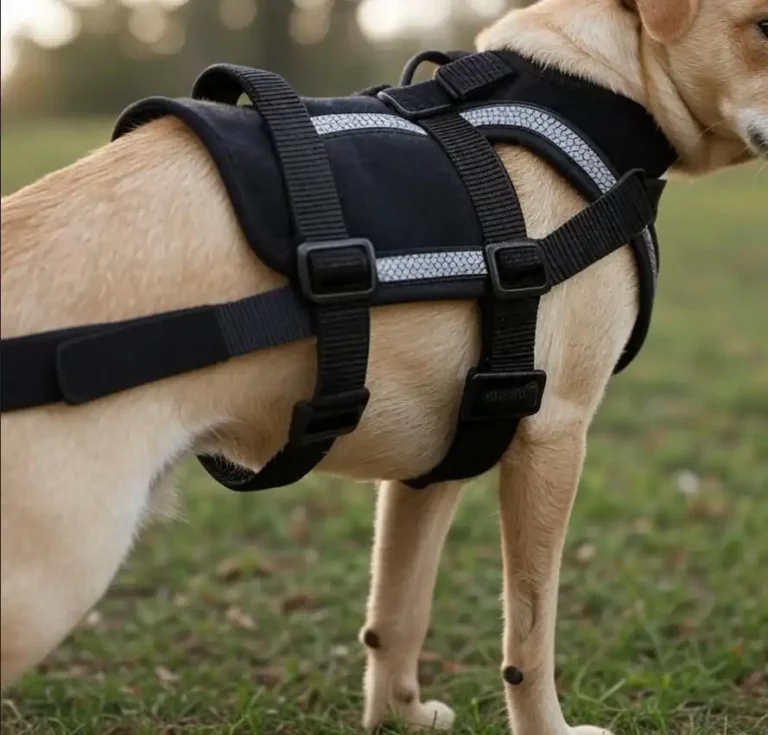
Best Non Pulling Dog Harness: 2026 Guide for Parents
Every pet parent knows the feeling: the sun is shining, the birds are chirping, and you’re ready for a relaxing stroll with your furry best friend. But the moment you step outside, your 40-pound “angel” transforms into a freight train, lunging at every squirrel and dragging you down the sidewalk. It’s exhausting, it’s frustrating, and—most importantly—it can be tough on your dog’s health.
Finding the right gear is the first step toward reclaiming your daily walks. By choosing a high-quality Non Pulling Dog Harness, you aren’t just making the walk easier for yourself; you’re protecting your dog’s delicate neck and spine from the repetitive strain of a traditional collar.
Why a Harness Beats a Collar in 2026
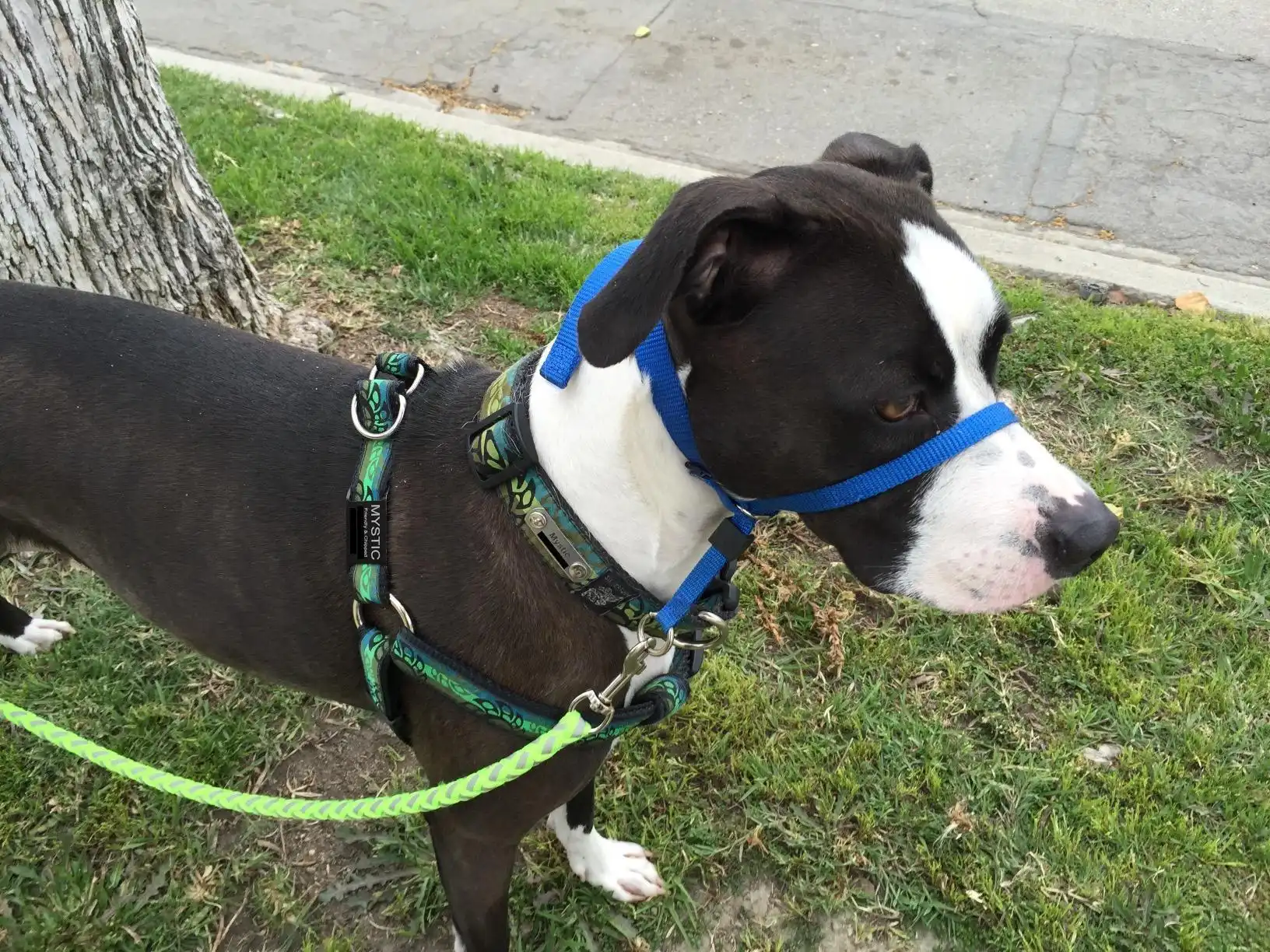
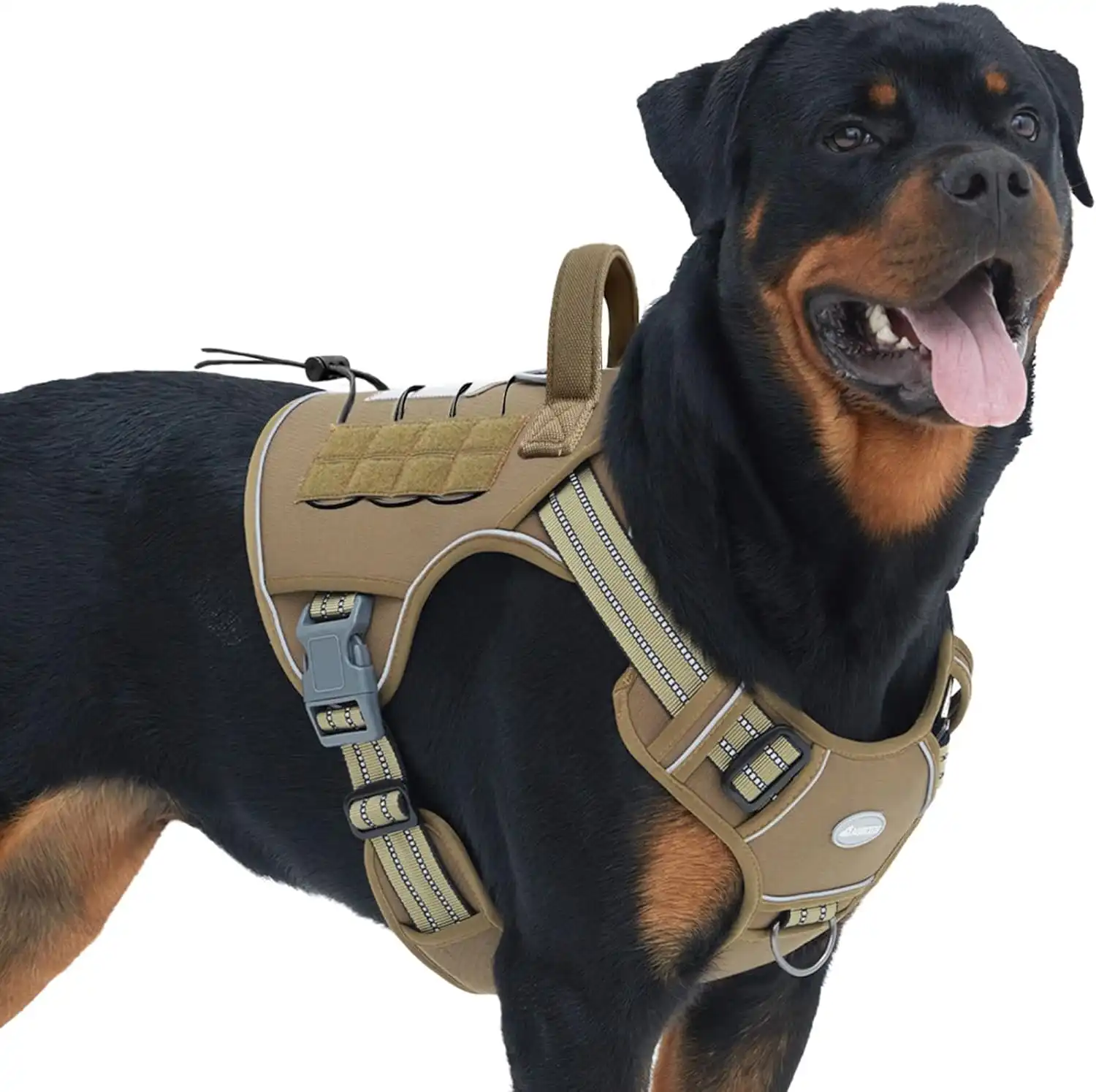
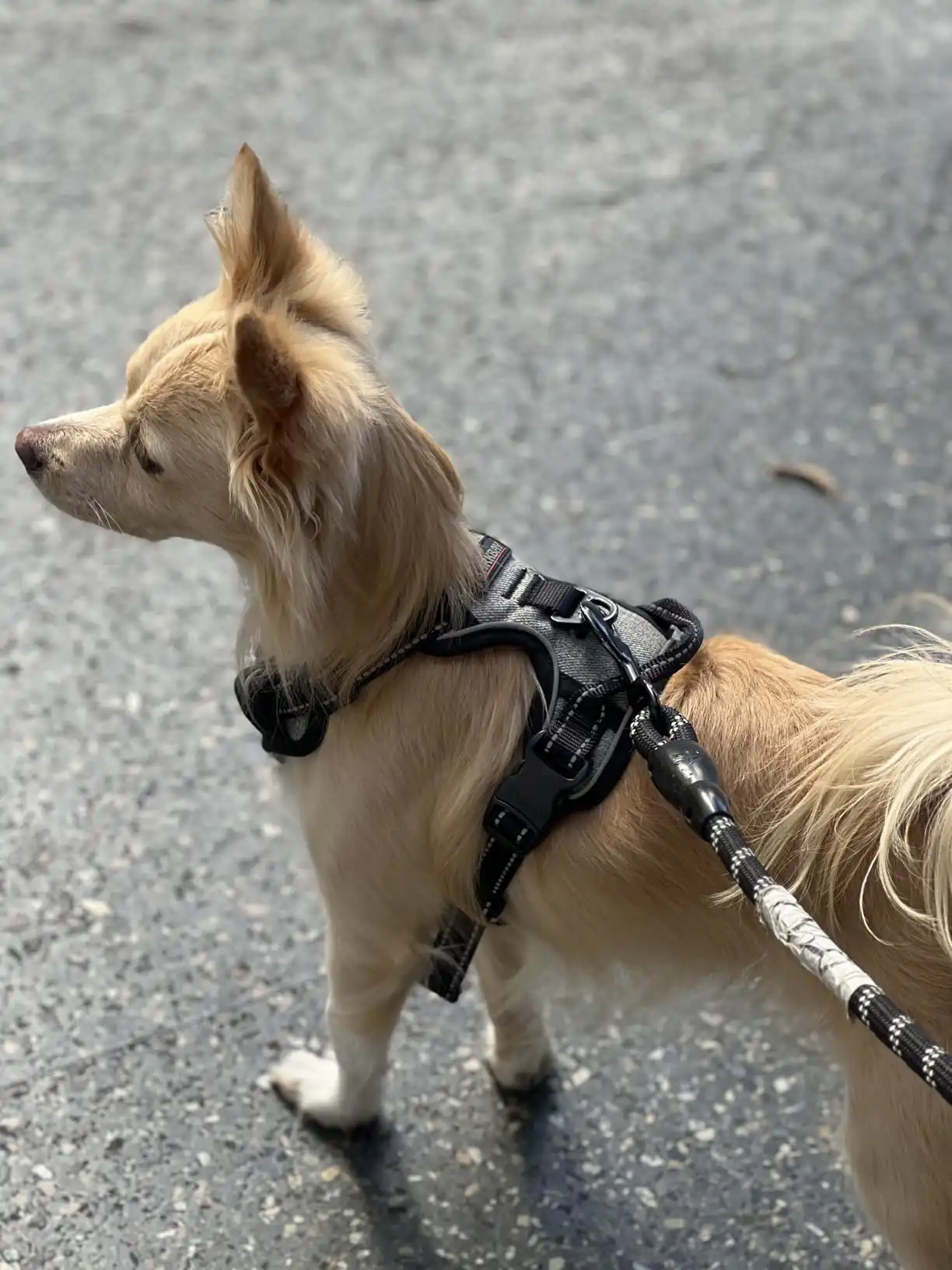
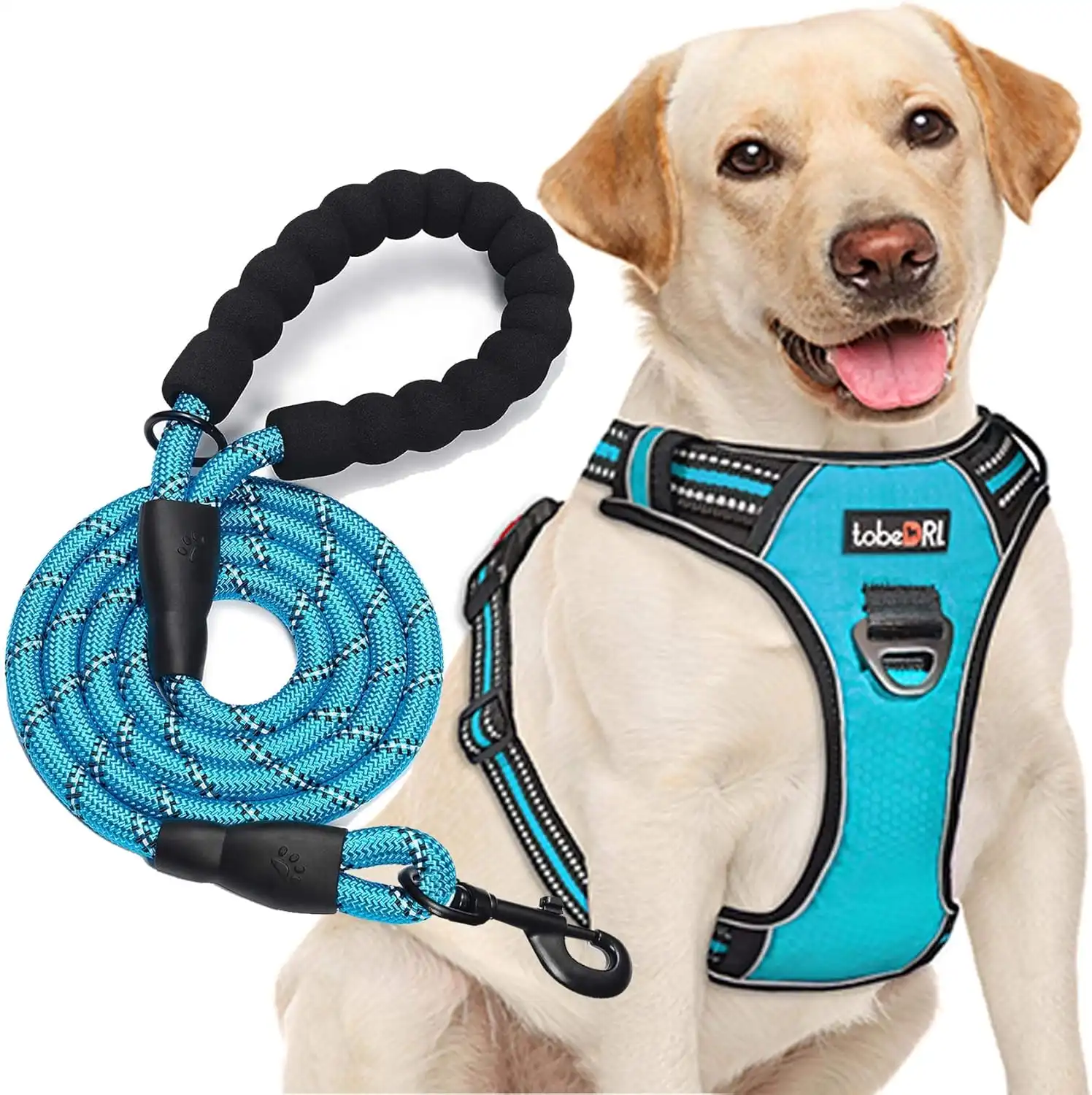
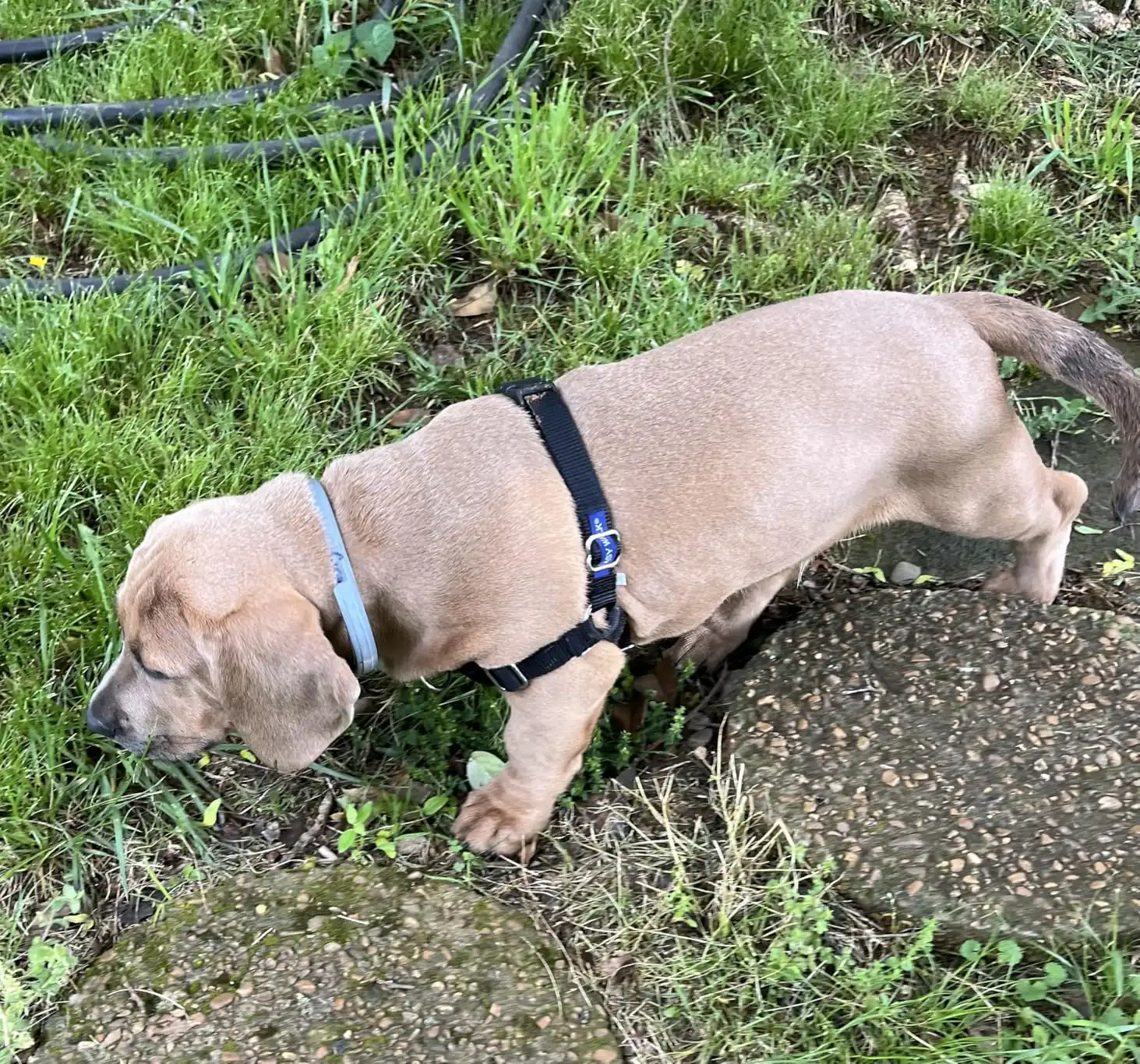

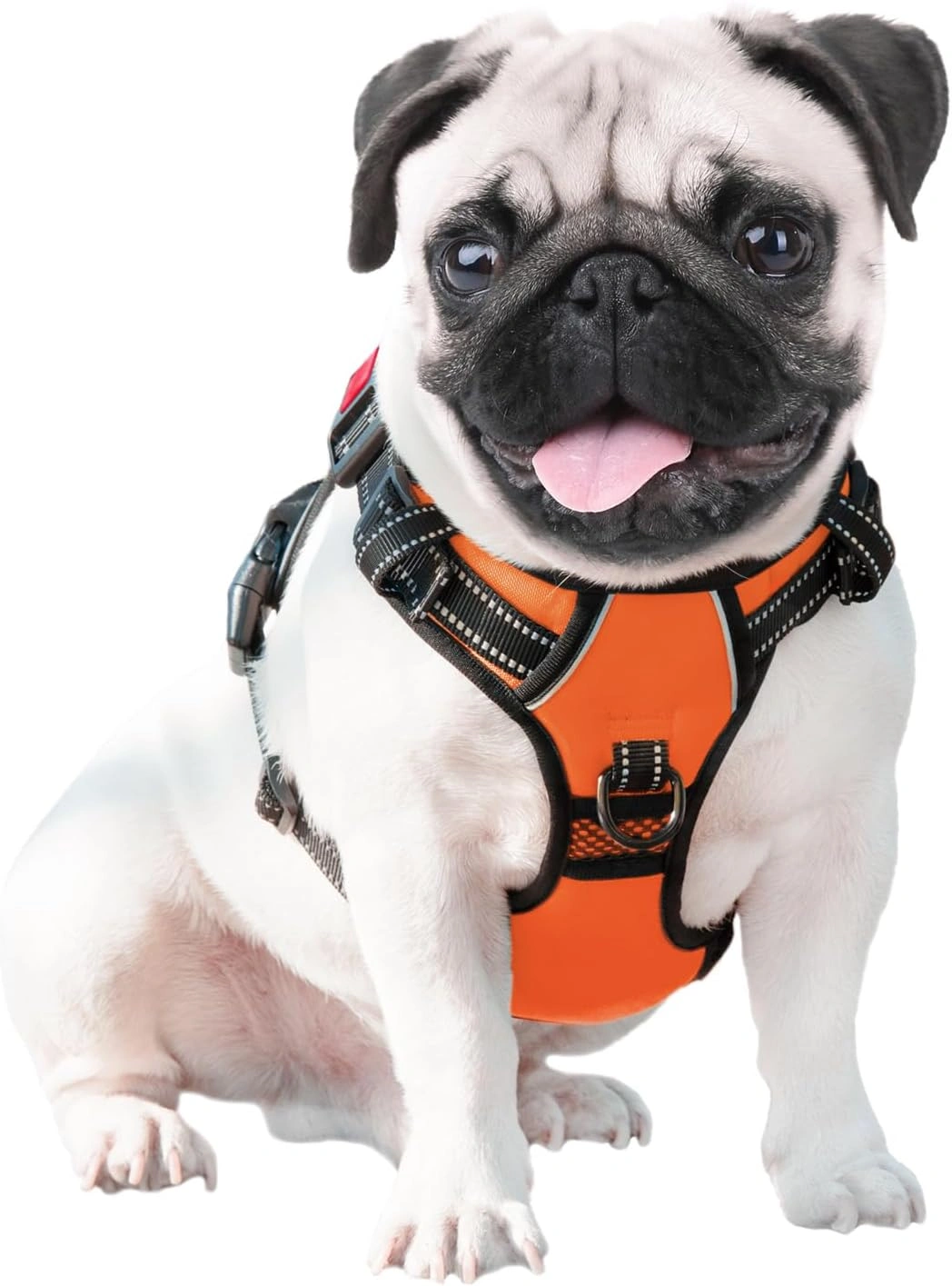
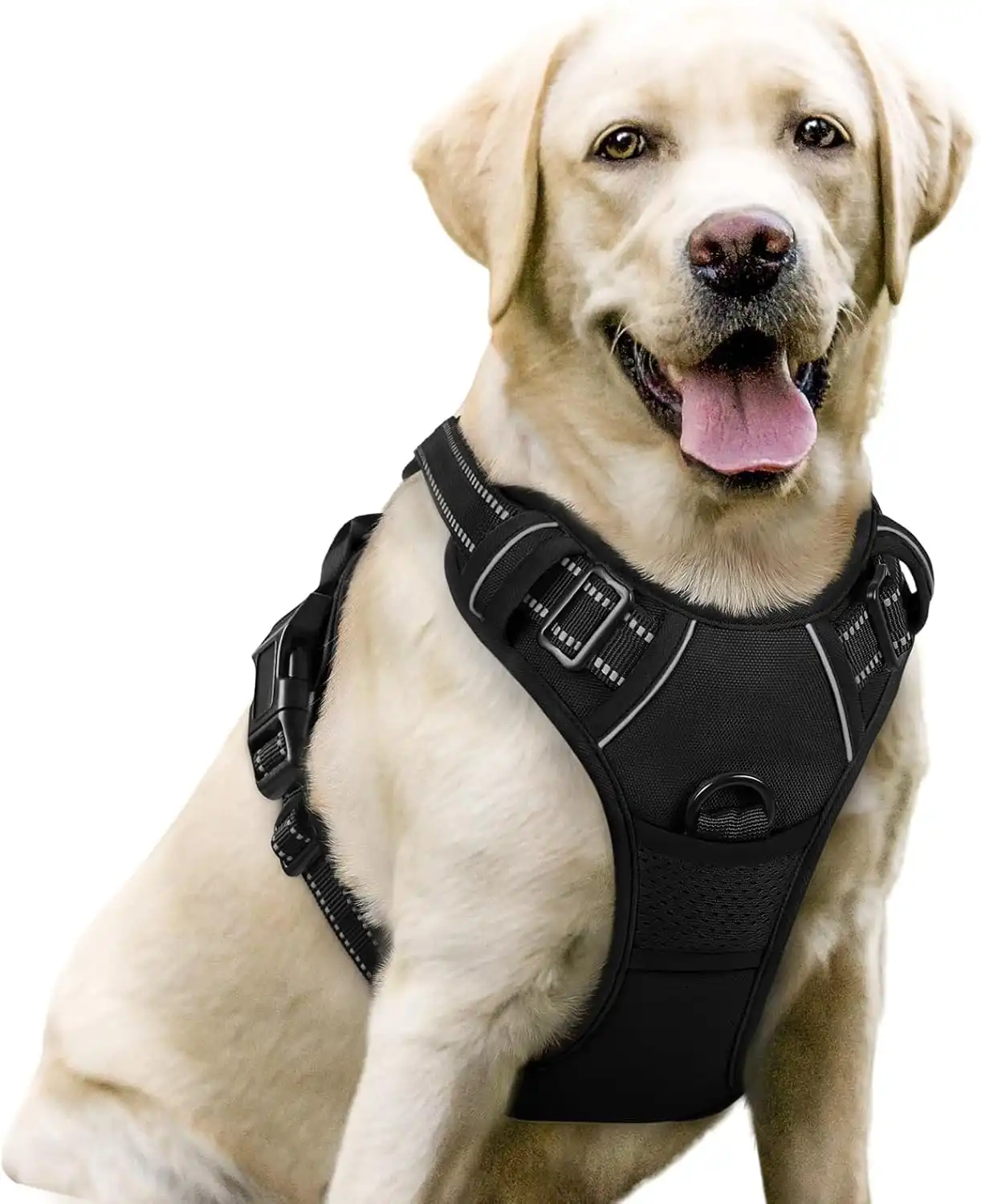



In recent years, veterinary experts have leaned heavily toward harnesses for one primary reason: safety. Traditional collars put immense pressure on the trachea (windpipe) and the thyroid gland. For brachycephalic breeds (like Pugs or Frenchies) or dogs prone to collapsing tracheas, this pressure can be dangerous.
A modern no-pull harness redistributes that force across the strongest parts of a dog’s body—the chest and ribcage—ensuring that even if they do get excited, they stay safe and comfortable.
How Does a No-Pull Harness Actually Work?
Unlike standard harnesses that often have a single clip on the back (which can actually encourage dogs to pull harder, known as the “opposition reflex”), a non-pulling design usually features a front-clip attachment.
- Redirection: When your dog lunges forward, the leash attachment at the chest gently pivots them back toward you.
- Control: It allows you to guide their steering, much like a halter on a horse, without needing to use force.
- Communication: It provides subtle feedback that tells your dog, “Hey, let’s slow down,” without the “choke” sensation of a collar.
Top Features to Look for This Year
The pet tech world has moved fast. If you’re shopping for a harness in 2026, keep an eye out for these essential features:
- Dual-Clip Versatility: Look for a harness with both a front and back D-ring. Use the front for training and the back for casual, loose-leash sniffing.
- Breathable “Smart” Fabrics: 2026 models often feature heat-dissipating mesh to prevent overheating during summer months.
- Four-Point Adjustability: Every dog is built differently. A harness with four adjustment points ensures a snug, “escape-proof” fit that doesn’t chafe the armpits.
- Reflective Safety Strips: High-visibility 3M piping is now a standard for those early morning or late evening potty breaks.
Training Tips for a Stress-Free Walk
While a Non Pulling Dog Harness is a fantastic tool, it works best when paired with positive reinforcement. Here’s a quick pro-tip: carry high-value treats (like small bits of dried liver) and reward your dog the second the leash goes slack.
If they start to pull, simply stop moving. Wait for them to look back at you or step back toward you. When the tension on the harness disappears, praise them and start walking again. This “stop-and-go” method teaches them that pulling actually gets them nowhere!
The Verdict: Is It Worth It?
Investing in a specialized harness is one of the kindest things you can do for your dog. It turns a “battle of wills” into a bonding experience. You’ll feel more confident, your dog will feel more comfortable, and those afternoon walks will finally become the highlight of the day you both deserve.
About the Author

You Might Also Like