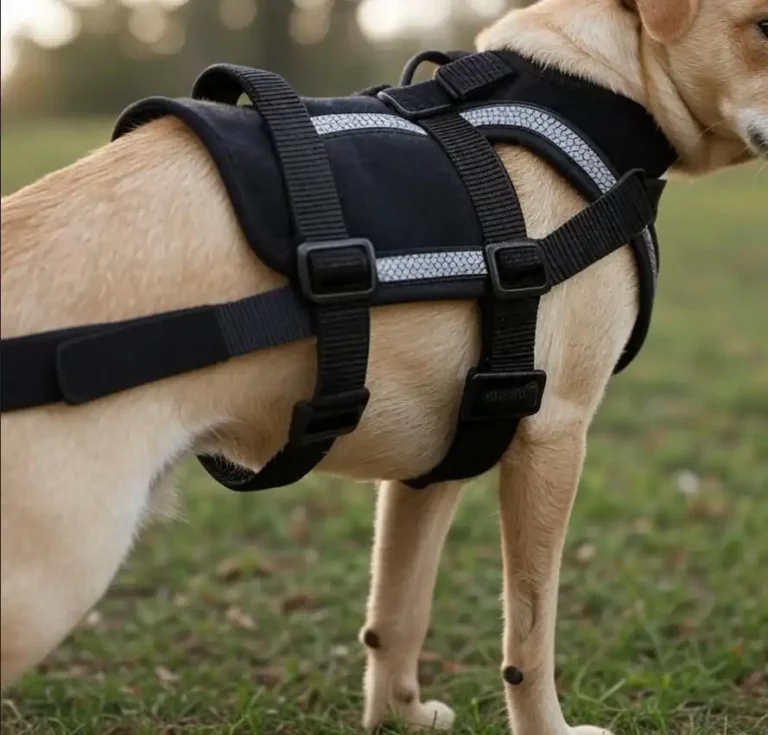
Top Vet Recommended Dog Harnesses for 2026
Every dog owner knows that a walk is the highlight of a pup’s day, but the wrong gear can turn a fun outing into a literal pain in the neck. As we move through 2026, the shift away from traditional neck collars toward more ergonomic solutions has never been more prominent. Choosing a Vet Recommended Dog Harness ensures that you are protecting your dog’s delicate trachea and spinal health while maintaining the control you need for a safe, stress-free stroll.
Why Veterinarians Are Swapping Collars for Harnesses
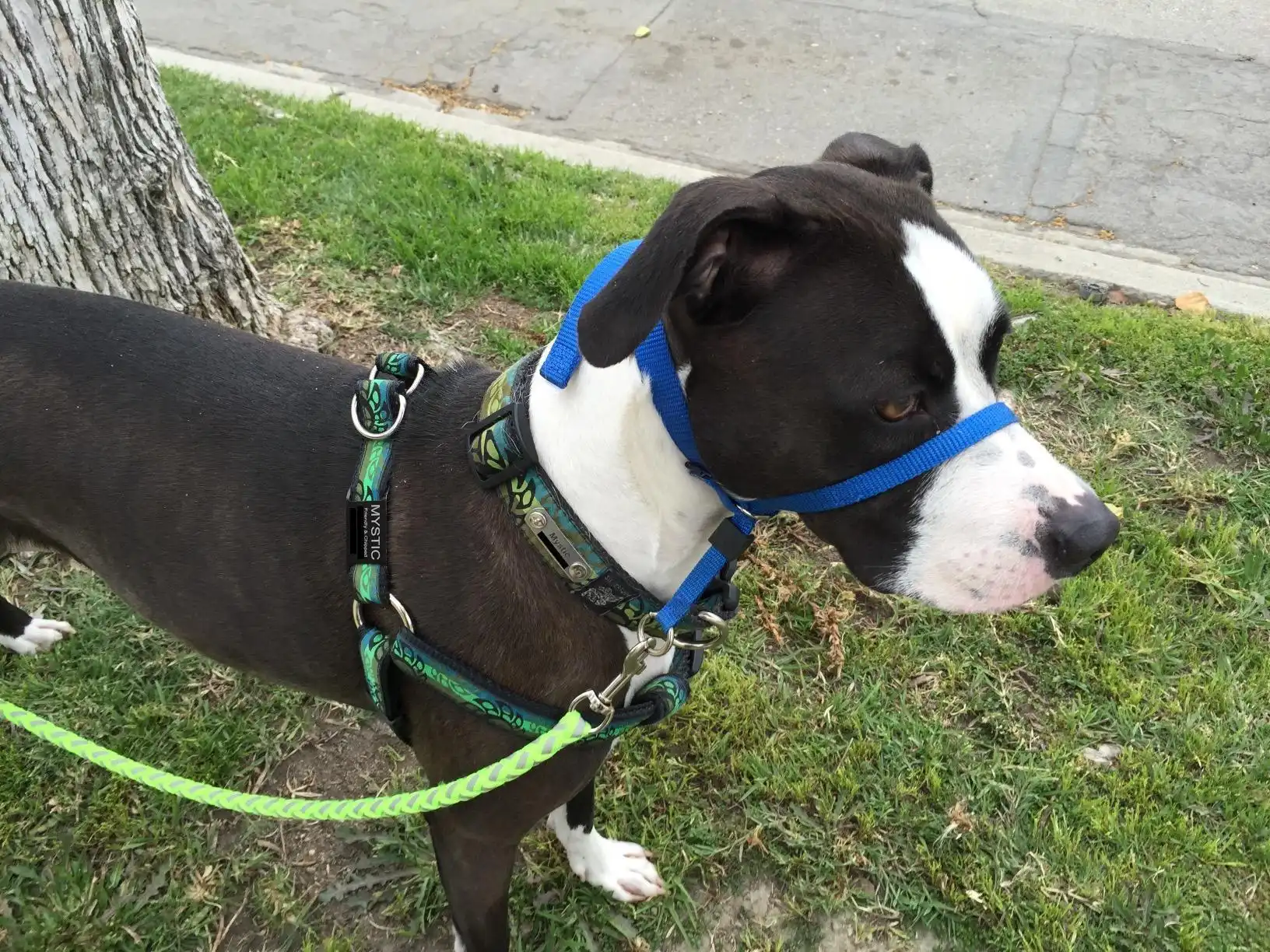
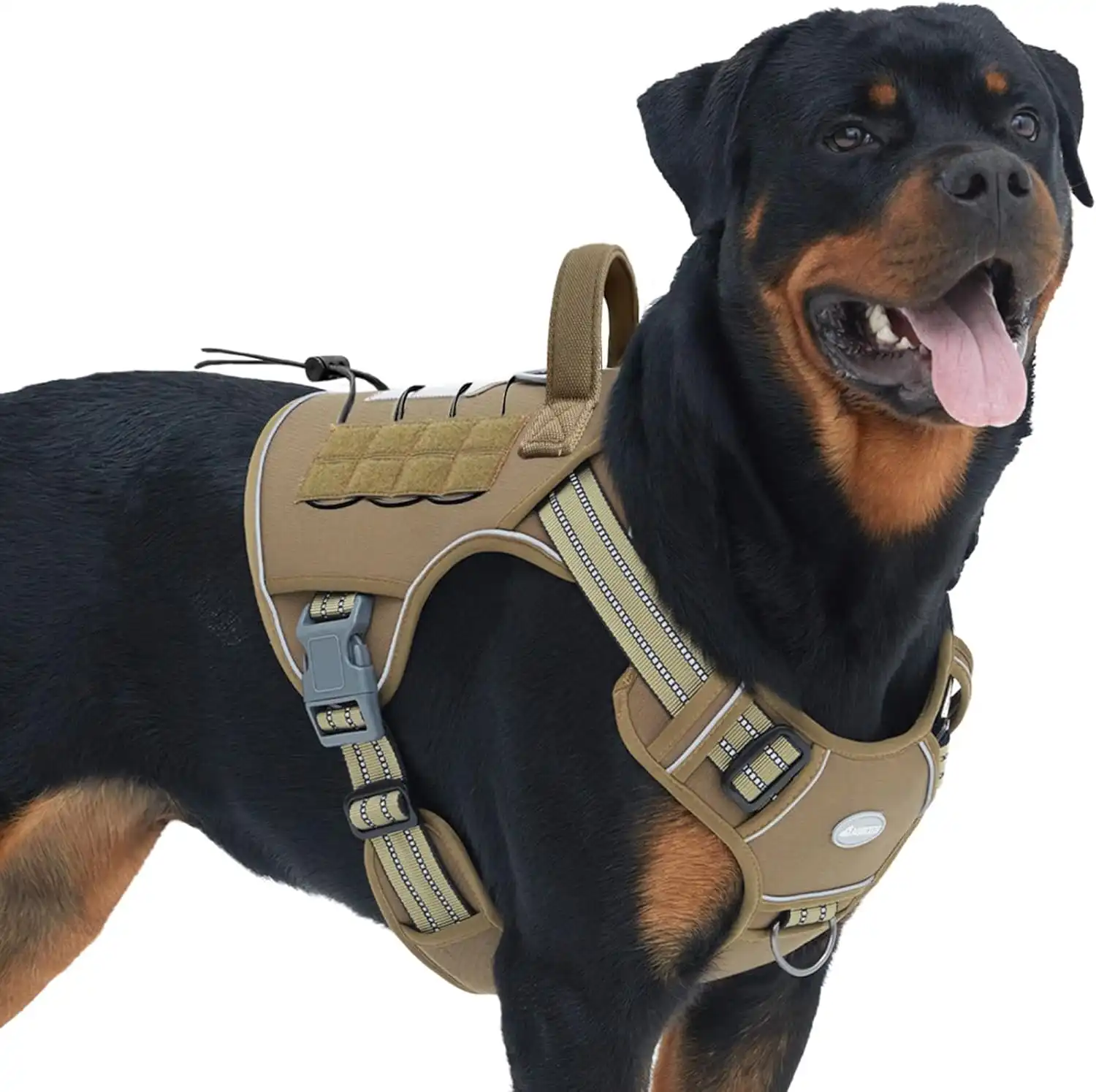
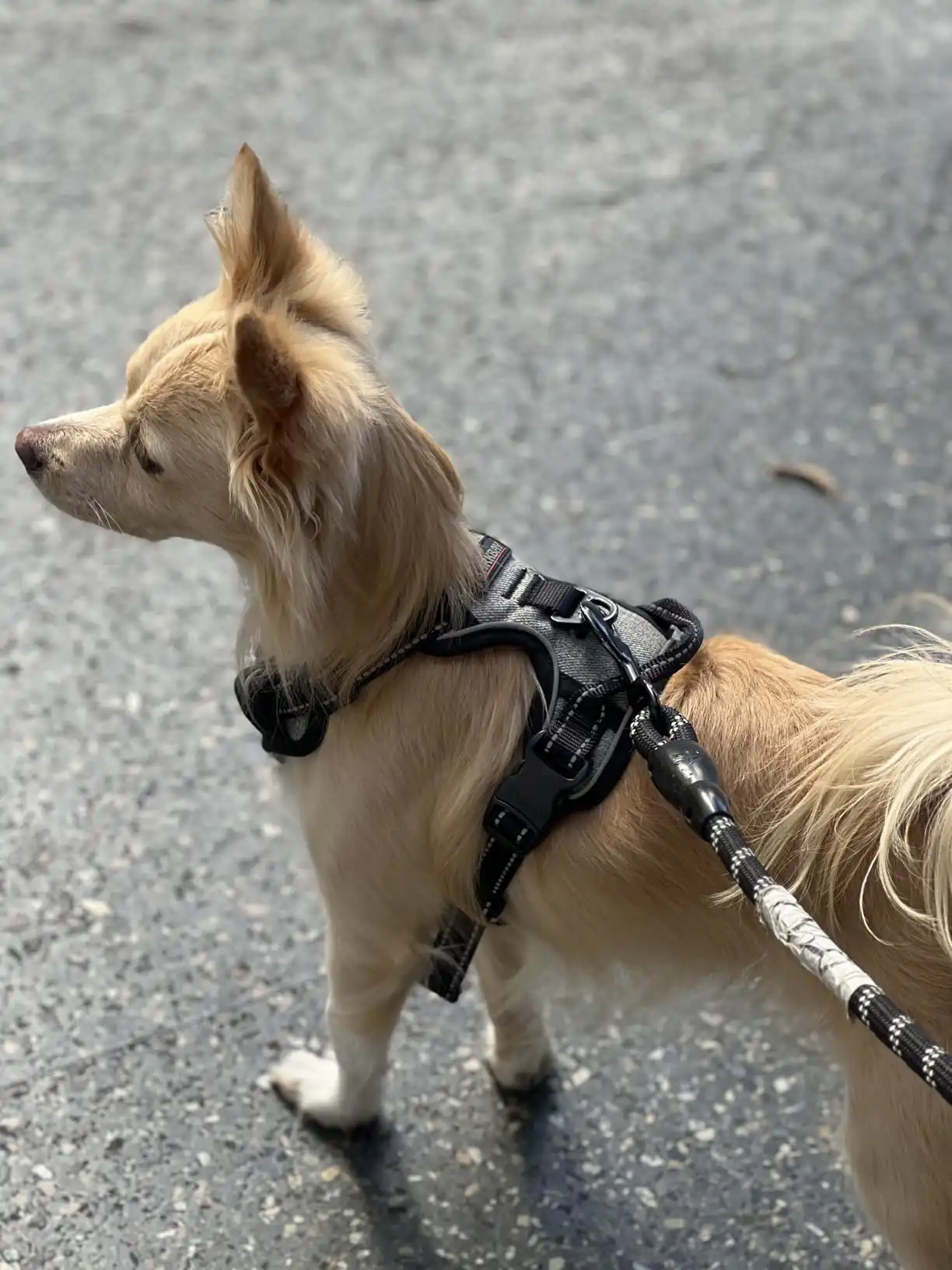
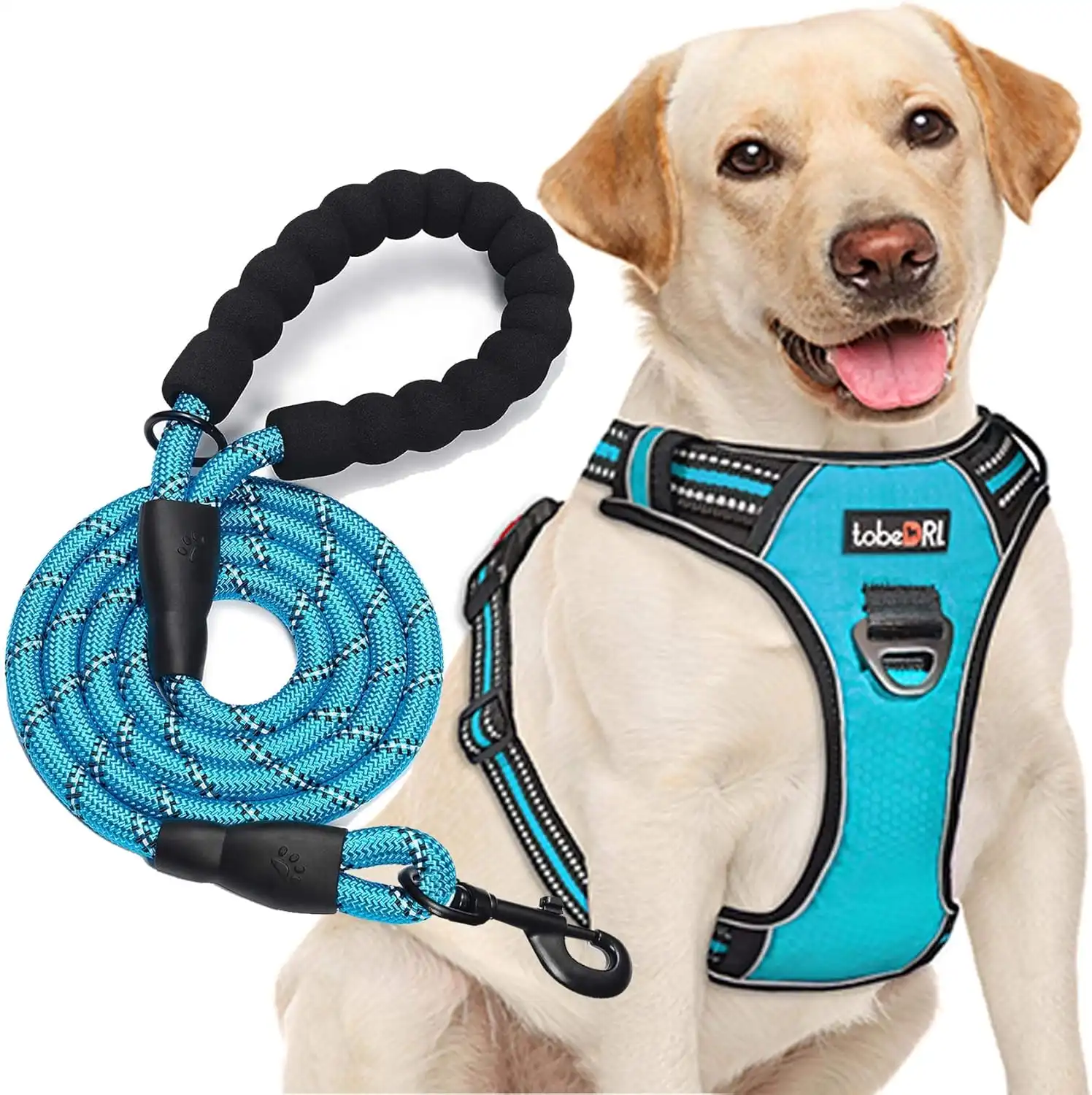
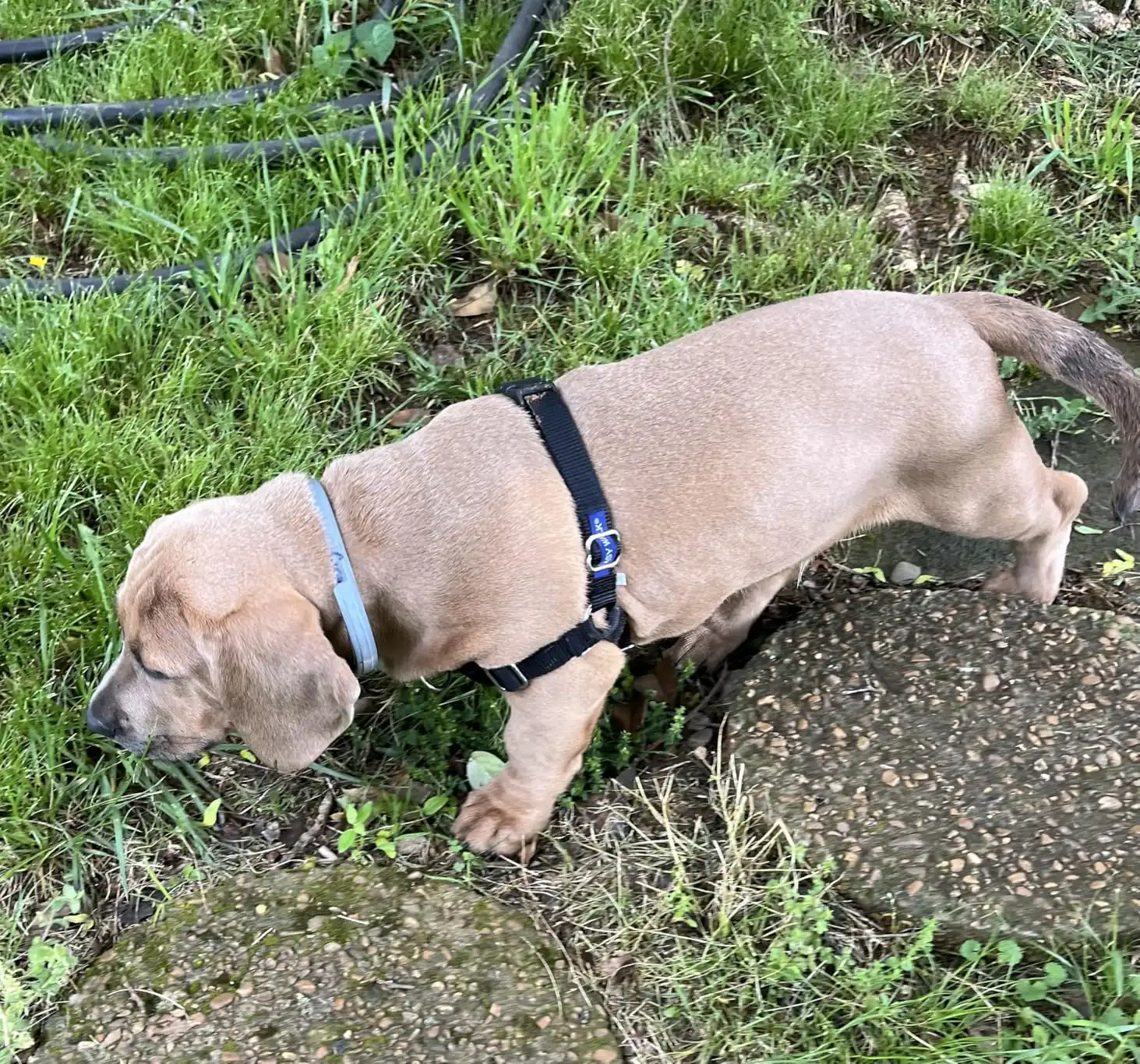

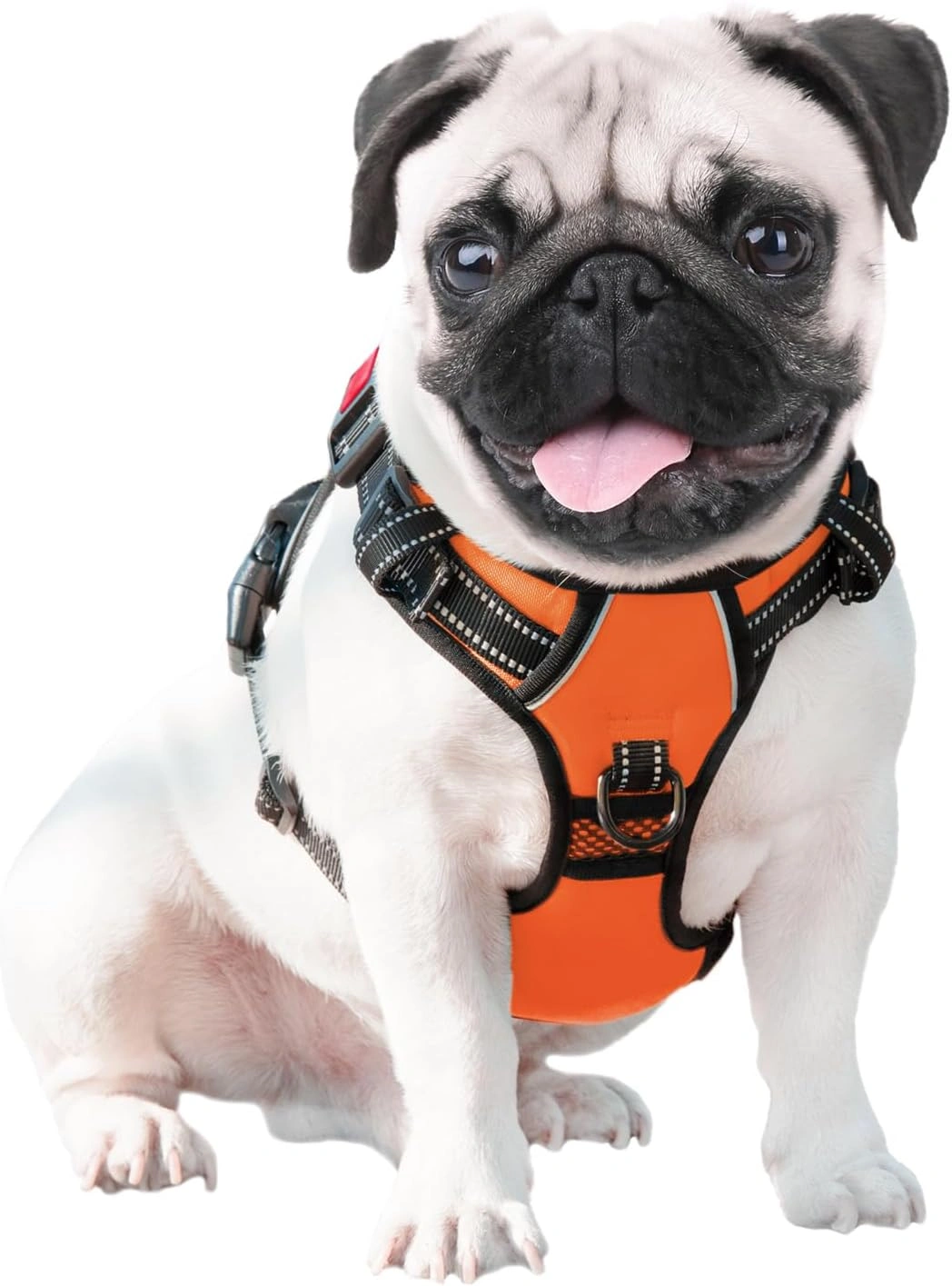
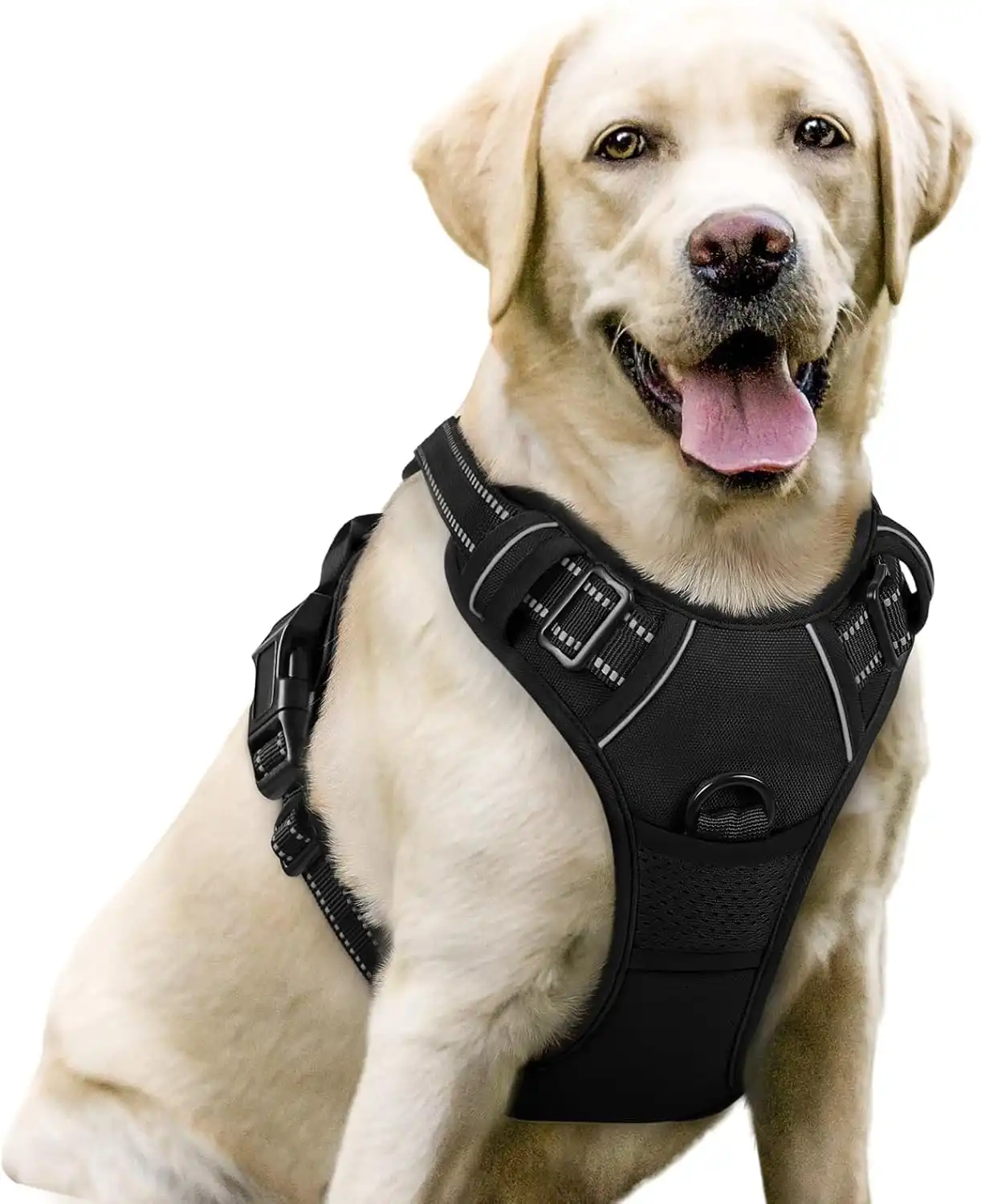



In years past, the “flat collar” was the industry standard. However, recent veterinary studies have highlighted the long-term risks of neck-only restraint, especially for “brachycephalic” (flat-faced) breeds like Pugs or Bulldogs, and small breeds prone to tracheal collapse.
When a dog pulls against a collar, it puts immense pressure on the thyroid gland, the jugular vein, and the cervical spine. A high-quality harness redistributes that force across the strongest parts of the dog’s body—the chest and shoulders—preventing acute injuries and chronic respiratory issues.
The Key Benefits:
- Tracheal Protection: Eliminates the “choke” factor for dogs with sensitive throats.
- Spinal Alignment: Better weight distribution prevents long-term back and neck strain.
- Eye Health: Believe it or not, excessive neck pressure can increase intraocular pressure (eye pressure), which is dangerous for breeds predisposed to glaucoma.
Top Vet-Approved Harness Categories for 2026
Not all harnesses are created equal. Depending on your dog’s age, breed, and “pulling personality,” a veterinarian might recommend one of these three primary styles:
1. The Y-Shaped Harness (Best for Ergonomics)
Modern vets almost universally prefer the Y-shape over the older “T-shape” or horizontal chest-strap designs.
- Why it works: The straps form a “Y” around the neck and chest, leaving the shoulder blades completely free to move.
- The 2026 Favorite: The Ruffwear Front Range remains a gold standard for its padded support and non-restrictive fit.
2. Front-Clip Control Harnesses (Best for Pullers)
If you have a 70-pound Labrador that thinks every walk is a sledding race, a front-clip harness is a lifesaver.
- Why it works: By attaching the lead to the chest, the harness gently redirects the dog’s momentum back toward you whenever they pull, rather than allowing them to lean their full weight into a back-clip.
- The 2026 Favorite: The Blue-9 Balance Harness is highly praised for having six points of adjustment, ensuring it doesn’t chafe the armpits.
3. Lift-and-Assist Harnesses (Best for Seniors)
For our silver-muzzled friends dealing with arthritis or hip dysplasia, mobility is the goal.
- Why it works: These feature a sturdy handle on the back, allowing pet parents to help their dogs over curbs or into the car without putting pressure on painful joints.
- The 2026 Favorite: The Help ‘Em Up Harness is a clinical favorite for post-surgery recovery and senior support.
What to Look for When You Shop
When browsing for your next harness, keep these “Vet-Approved” criteria in mind:
| Feature | Why It Matters |
| Breathable Mesh | Prevents overheating, especially during summer months. |
| Multiple Adjustment Points | A loose harness can cause chafing; a tight one can restrict breathing. |
| Reflective Stitching | Essential for safety during early morning or late evening “potty walks.” |
| Padded Chest Plate | Distributes pressure and provides comfort for deep-chested breeds. |
A Quick Fitting Guide
A harness is only as good as its fit. To ensure your dog is comfortable, use the “Two-Finger Rule.” Once the harness is buckled, you should be able to fit two fingers comfortably between the strap and your dog’s body. If you can’t, it’s too tight; if you can fit three or four, it may cause rubbing or allow your dog to “Houdini” their way out.
Final Thoughts
Investing in a veterinarian-recommended harness is more than just a style choice—it’s a commitment to your dog’s long-term physical health. Whether you’re training a rowdy puppy or supporting a loyal senior, the right gear makes every mile together better.
About the Author

You Might Also Like