
Are Exotic Pets Safe for Families? A Practical Guide for Curious Households
Discover if exotic pets like budgies, bearded dragons, and axolotls are safe for families. Learn care tips, safety, and responsibility in this practical guide for curious households.
When we think of family pets, cats and dogs usually spring to mind. But for families seeking something a little different, exotic pets like reptiles, birds, and small mammals are quickly becoming popular household additions. They’re fascinating, often hypoallergenic, and can teach children valuable lessons about responsibility and the natural world. But are they safe? And more importantly, are they right for your family?
Let’s take a closer look at the world of exotic pet ownership, with a practical focus on safety, suitability, and joy.
Why Choose an Exotic Pet?
For families with allergies, limited space, or a love for the unusual, exotic pets offer a compelling alternative. From the colourful chatter of a budgerigar to the gentle movements of a bearded dragon, exotic animals invite curiosity and learning into the home.
Some of the most popular exotic pets for families include:
- Budgies and cockatiels – Small, social birds that are easy to care for and enjoy interaction
- Bearded dragons – Calm reptiles known for their gentle nature and low-maintenance lifestyle
- Guinea pigs – Affectionate and vocal companions that are easy to handle
- Axolotls – Unique aquatic pets that require only minimal handling
- Turtles – Long-living reptiles that appeal to kids and adults alike
- Blue-tongue skinks – Hardy lizards that tolerate handling well and rarely show aggression
Unlike traditional pets, exotic species can spark an interest in science, biology, and conservation from an early age. They’re not just pets – they’re a chance to foster respect for life in all its fascinating forms.
Safety First: What Families Should Know
When choosing any pet for a home with children, safety is the top priority. Exotic pets are no different – but their care and handling can be very specific. Here are a few safety points to keep in mind:
1. Hands-on, Not Hands-off
Many exotic pets, especially reptiles and amphibians, are better admired than cuddled. While they can tolerate gentle handling, their skin and immune systems are sensitive. Importantly, some reptiles (like turtles and iguanas) may carry Salmonella, a bacteria that can be harmful to humans, especially young children.
This doesn’t mean reptiles are unsafe – it just means families need to implement good hygiene habits. Supervise all handling and ensure children wash their hands thoroughly after any contact.
2. Secure Environments
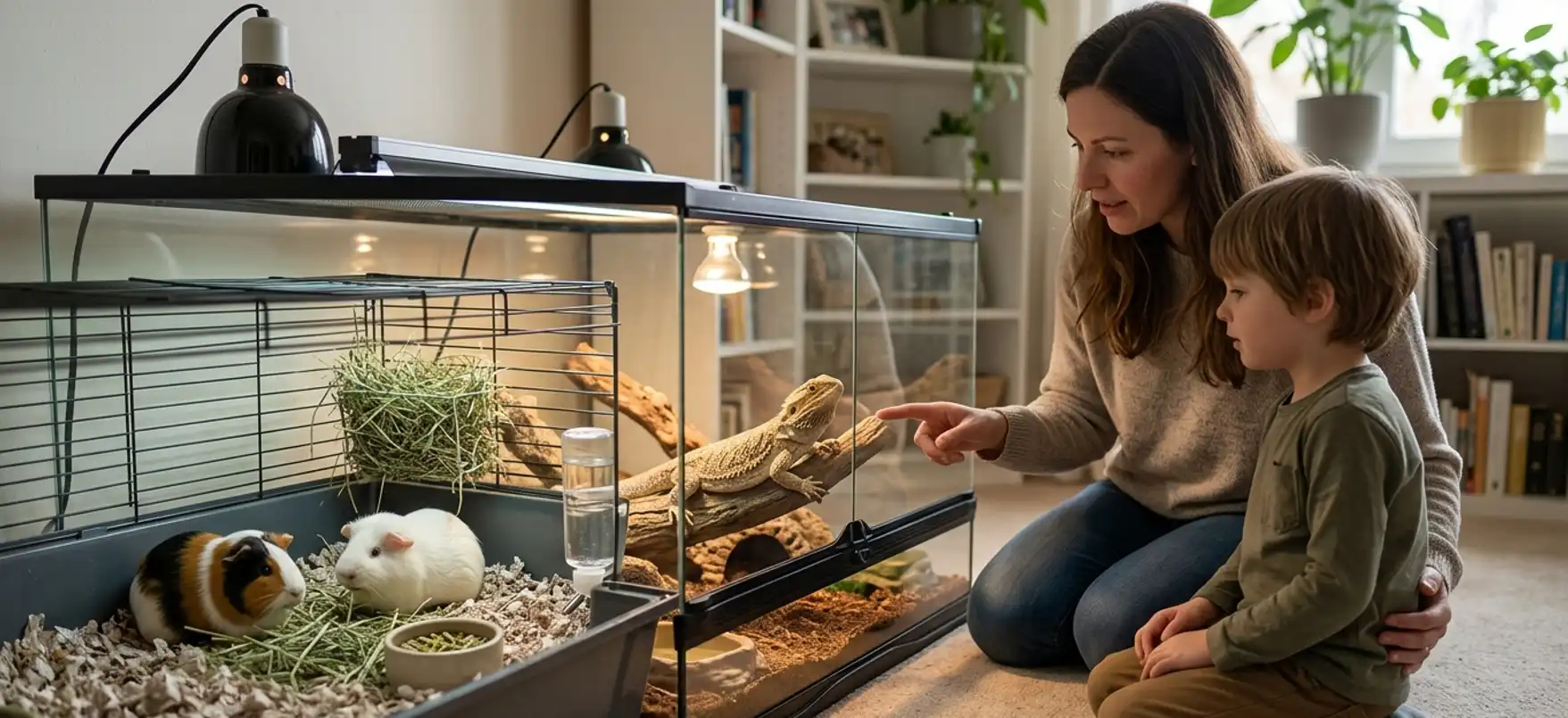
Exotic pets need species-specific housing. That means glass terrariums with tight-fitting lids for reptiles, escape-proof aviaries for birds, and well-ventilated cages for mammals like ferrets or guinea pigs.
It’s essential that enclosures are located away from hazards like heating units, direct sunlight, and areas that toddlers or pets like dogs can access easily. A well-designed setup protects both the animal and your family.
3. Education for Everyone
Before you bring home an exotic animal, ensure the whole household understands how to care for it. Children should be taught:
- Not to tap on tanks or bird cages
- To respect the animal’s need for space or quiet
- How to offer food safely, if appropriate
Some families make a fun project out of creating care guides and observation journals, helping kids feel involved and informed from day one.
4. Legal and Ethical Sourcing
Never purchase exotic pets from questionable sellers or online platforms without research. Always check local regulations – some species are illegal to keep in certain areas due to conservation concerns or safety risks.
Ethically sourced pets come from breeders or rescues who prioritise animal welfare. Not only does this help you avoid trouble with the law, but it ensures you’re not supporting unsustainable practices or the illegal wildlife trade.
Choosing the Right Exotic Pet for Your Family
Not all exotic pets are created equal – some are ideal for families with young children, while others are better suited to teens or adults. Here’s a more detailed look at common choices and what they require:
Bearded Dragons
- Pros: Known as the “puppy dogs” of the reptile world – relaxed, tolerant, and easy to bond with
- Cons: Require specific lighting (UVB) and diet rotation between insects and vegetables
- Ideal for: Families with primary-school-age children and above
Budgerigars and Cockatiels
- Pros: Social and talkative, can form strong bonds with their owners
- Cons: Need regular out-of-cage time, mentally stimulating toys, and patience for taming
- Ideal for: Families willing to invest time in interaction and training
Guinea Pigs
- Pros: Extremely affectionate and love gentle pats and cuddles
- Cons: Need large enclosures, a companion guinea pig, and daily vegetable portions
- Ideal for: Families with younger kids (under supervision)
Axolotls
- Pros: Rare and fascinating aquatic creatures that don’t require direct handling
- Cons: Sensitive to water conditions, need regular water quality checks and cooler tanks
- Ideal for: Children who enjoy observing animals more than handling them
Blue-Tongue Skinks
- Pros: Calm, easy to handle, and expressive
- Cons: Require protein-rich diets and consistent heating setups
- Ideal for: Older kids or teens ready for more responsibility
These animals each come with unique pros and cons. Matching their care needs to your household’s schedule and interest levels is essential for a successful pet–family relationship.
Teaching Responsibility Through Pet Ownership
One of the biggest upsides of introducing an exotic pet to your family is the built-in opportunity for teaching responsibility. Unlike cats and dogs that may remind you when it’s feeding time, reptiles or amphibians rely on routine and observation. This creates daily learning moments for children:
- Monitoring temperature and humidity with a gauge
- Preparing species-specific meals or feeding schedules
- Cleaning enclosures or changing water
- Noticing changes in behaviour that could indicate stress or illness
Children learn consistency, empathy, and an understanding that animals have needs that must be met – even when it’s inconvenient. For many families, these experiences form the foundation for respectful relationships and even long-term interest in animal sciences or conservation.
Bonding with Exotic Pets
While some exotic pets may not seek out affection in the same way a dog does, many can still bond with their human family.
- Parrots and cockatiels will often mimic their favourite family member and enjoy riding on shoulders.
- Guinea pigs develop trust over time and will chirp happily when you walk in the room.
- Bearded dragons are known to relax in their owner’s hands or even snooze on a warm chest.
These quiet but profound moments can help children build emotional intelligence and confidence as they learn to read and respond to their pet’s cues.
When to Seek Expert Advice
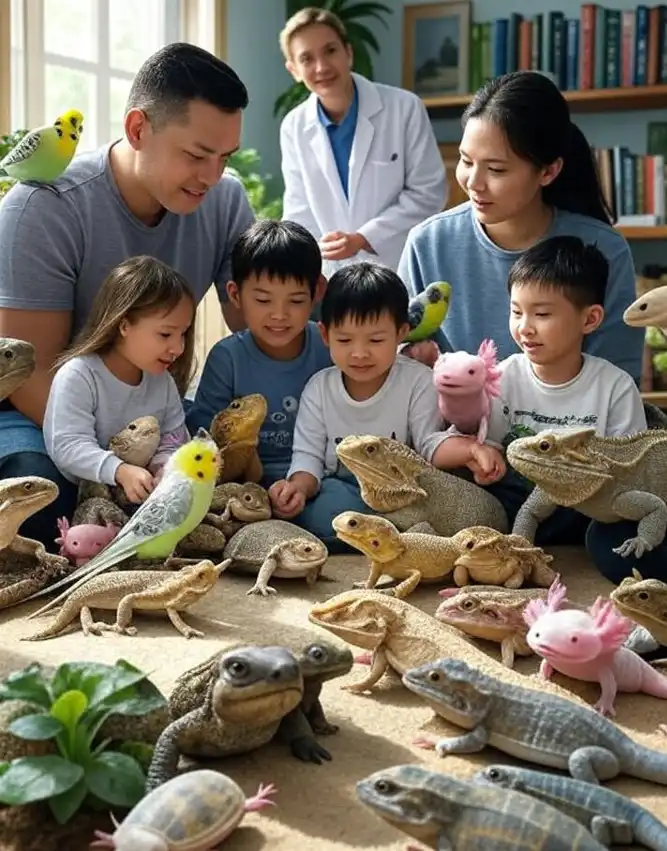
One of the most overlooked aspects of exotic pet ownership is veterinary care. Unfortunately, not all vets are trained in exotic species. Birds, reptiles, amphibians, and small mammals each have vastly different anatomies, metabolisms, and disease profiles compared to cats and dogs.
That’s where holistic vets come in. These professionals understand the environmental, nutritional, and behavioural needs of exotic pets, offering guidance that goes far beyond simple check-ups.
From tailored diets to enrichment recommendations and early disease detection, a holistic vet can become your best resource in providing comprehensive care that matches your pet’s natural lifestyle.
Is an Exotic Pet Right for Your Family?
Ultimately, exotic pets are not a trend or toy – they are complex animals deserving of the same level of care and commitment as any dog or cat.
If your family is curious, compassionate, and ready to learn, an exotic pet can be a safe, rewarding, and endlessly fascinating addition to the household. They offer children a doorway into the wider animal kingdom and can help cultivate patience, responsibility, and a lasting love of wildlife.
So, whether you’re drawn to the gentle sway of a bearded dragon or the cheeky whistle of a cockatiel, the world of exotic pets is full of potential – provided you’re ready to meet it with open hearts and informed minds.



About the Author