
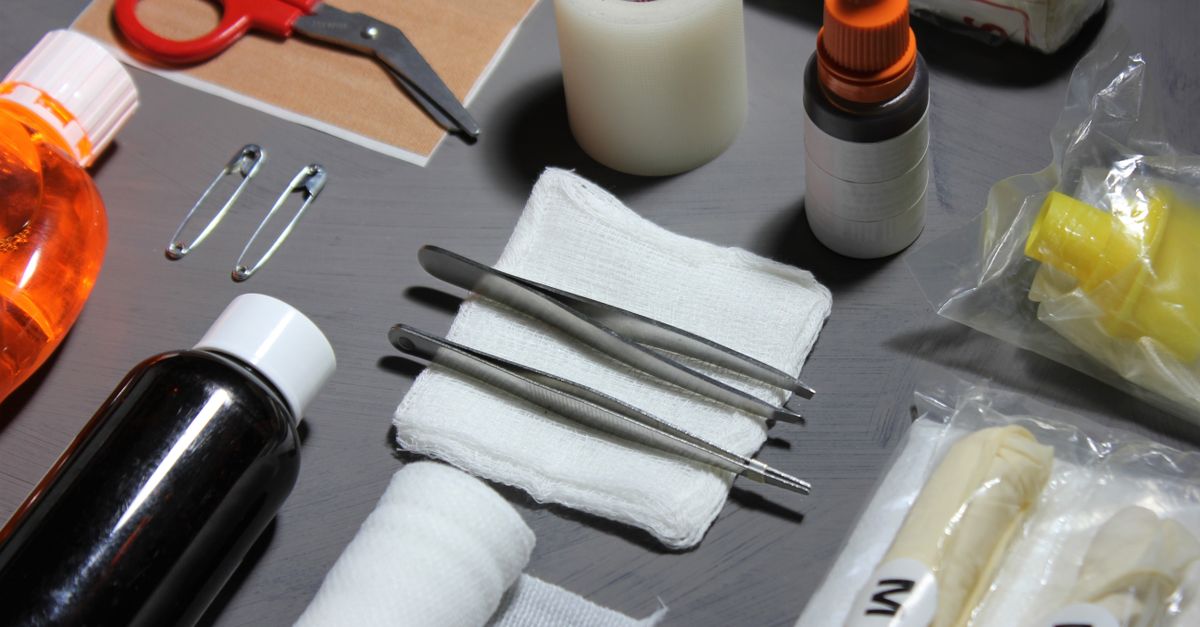
How to Build a Pet First Aid Kit That Actually Works
Your dog cuts his paw on a piece of glass in the backyard. Your cat gets into something she shouldn’t have. Your guinea pig is hunched in the corner of her cage, barely moving. In any of these moments, the last thing you want to be doing is Googling “what do I need for a pet emergency” while your animal is in distress. A solid pet first aid kit doesn’t prevent emergencies — but it buys you time, keeps you calm, and can genuinely make a difference in the outcome.
Most owners assume a human first aid kit covers the basics. It doesn’t. Hydrogen peroxide, for example, is safe to induce vomiting in dogs only under direct vet instruction — and it’s never appropriate for cats. Aspirin is toxic to cats. Even the dosing on antihistamines differs. Your pet needs their own kit, stocked with the right items, and you need to know how to use them.
This guide breaks down exactly what belongs in a pet first aid kit for dogs, cats, and small pets like rabbits and guinea pigs — and what to do with each item in a real situation.
The Core Supplies Every Pet Owner Needs
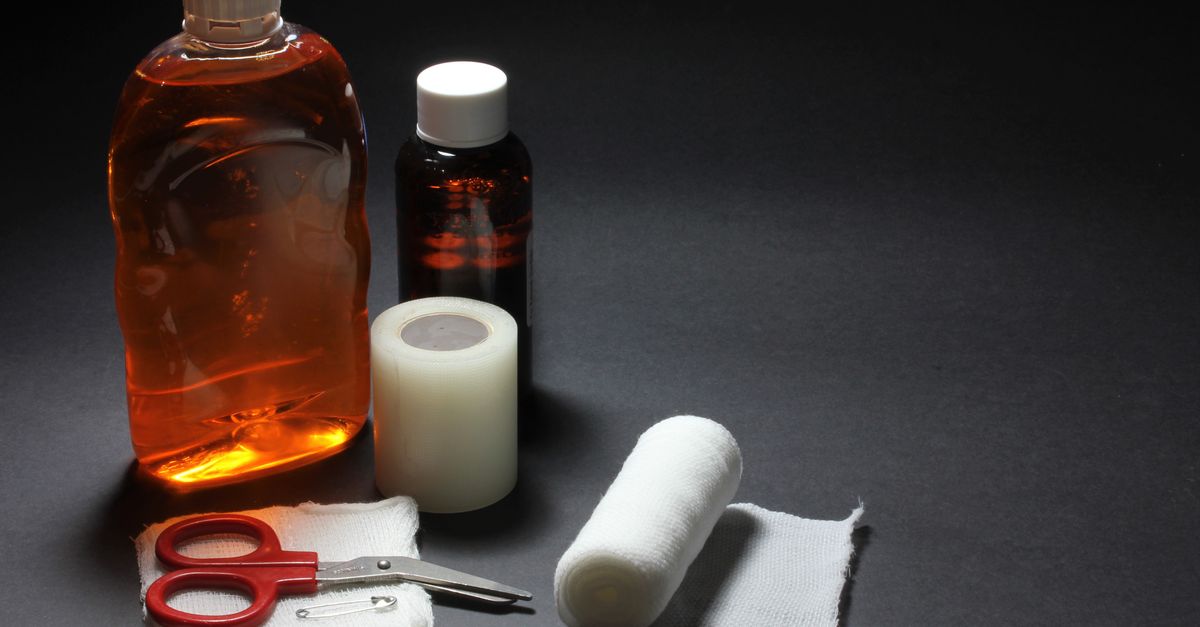
Start with a dedicated container — a waterproof, hard-sided case works best. Label it clearly and store it somewhere every adult in the household can find in the dark. Here’s what goes inside:
- Gauze pads and rolls (non-stick, at least 10 of each) for wound coverage and pressure bandaging
- Self-adhesive bandage wrap (like VetWrap) — it sticks to itself, not fur, and is far more useful than standard bandage tape
- Digital rectal thermometer and petroleum jelly (normal temp: 100–102.5°F for dogs and cats; 99–103.5°F for small mammals)
- Blunt-tipped scissors and tweezers for removing debris or splinters
- Sterile saline solution for flushing wounds or eyes
- Disposable gloves — two pairs minimum
- A small flashlight or penlight
- Your vet’s phone number, the nearest emergency animal hospital’s number, and the ASPCA Animal Poison Control hotline (888-426-4435) written on a card inside the kit
That last point matters more than people expect. When you’re panicking, you will not remember a phone number. Write it down. Laminate it if you have to.
Species-Specific Items: Dogs, Cats, and Small Pets

Dogs
For dogs, add a muzzle in your pet’s size. A dog in pain — even the gentlest one — may bite reflexively. Fabric muzzles are compact and work for most snouts; keep a spare strip of gauze as a backup if the muzzle doesn’t fit. You’ll also want a spare leash (a second point of control during transport), and diphenhydramine (plain Benadryl, 1mg per pound of body weight) for allergic reactions — but only after calling your vet or poison control first. Dogs are also more prone to paw injuries, so include a few non-stick wound pads sized for larger surfaces. If your dog has a history of anxiety, note that an emergency visit can spike stress significantly — a familiar-smelling item or toy in the kit can help keep them calmer during treatment.
Cats
Cats present differently in emergencies — they hide pain and go very still. For cats, include a thick towel for safe restraint (wrapping a distressed cat in a “burrito” holds them securely without injury to you or them). Skip the muzzle; a towel wrap is safer. Add a spare pillowcase as a quick, low-stress carrier if your cat’s regular carrier isn’t accessible. Never use hydrogen peroxide on cats under any circumstances — their systems cannot metabolize it. Activated charcoal is sometimes mentioned online as a home remedy for poisoning; don’t use it without direct veterinary guidance, as it can cause aspiration pneumonia if given incorrectly.
Small Pets: Rabbits, Guinea Pigs, and Hamsters
Small mammals crash fast. A rabbit showing labored breathing or a guinea pig that stops eating needs veterinary attention within hours, not days. Your kit for small pets should include a small heating pad (set to low, placed under half the carrier so they can move off it) to manage shock-related temperature drops, a 1ml oral syringe for administering fluids or medication, and a small bottle of unflavored Pedialyte for emergency hydration support — useful only as a bridge while getting to the vet. If you have a hamster, check out vet-reviewed habitat recommendations to understand what a healthy baseline looks like, which makes spotting emergencies much easier.
Expert tip: Take a 2-hour pet first aid course through the Red Cross or a local vet clinic. Knowing how to apply a pressure bandage or perform a modified Heimlich on a dog isn’t something you can learn from a label in the moment. Most courses cost $25–$50 and cover dogs and cats. Some cover small animals too.
Wound Care: What to Do Before You Reach the Vet
Bleeding Wounds
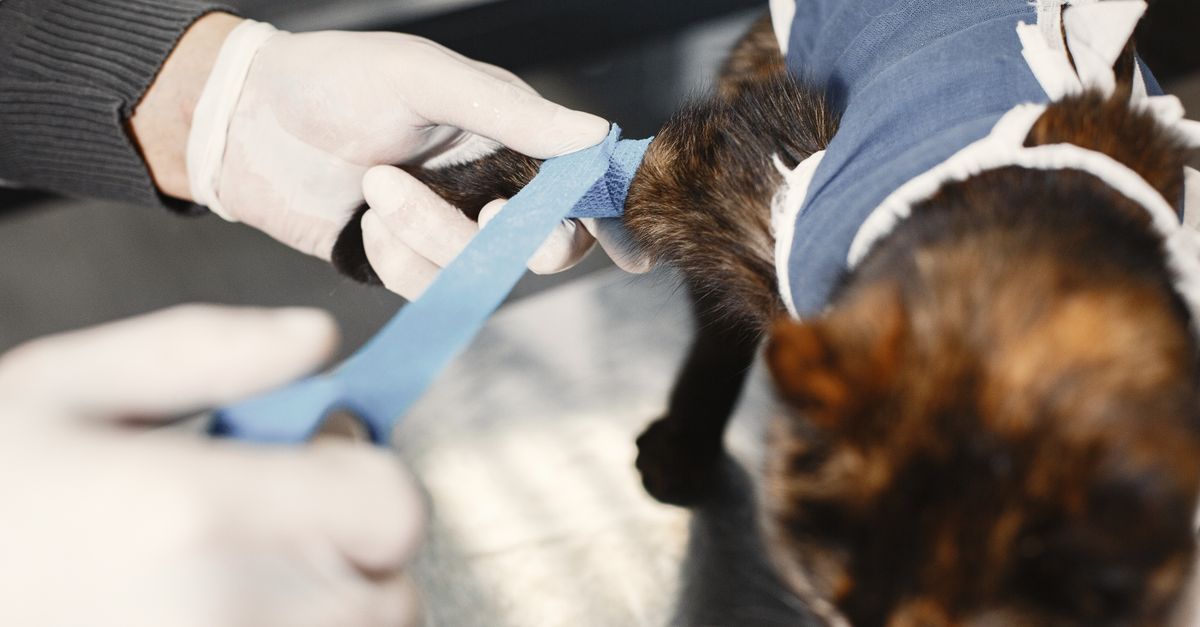
Apply firm, direct pressure with a gauze pad for a minimum of three minutes — don’t lift it to check, because that disrupts clot formation. If blood soaks through, add another layer on top rather than replacing the first. Once bleeding slows, cover with a non-stick pad and secure with VetWrap. Do not use a tourniquet unless bleeding is catastrophic and uncontrollable; improper tourniquet use causes tissue death within 30 minutes. Get to a vet even if the wound looks minor — puncture wounds especially can be deceptive.
Eye and Ear Injuries
For eye injuries, flush immediately with sterile saline — not tap water, which contains chlorine and minerals that irritate tissue. Use a steady, gentle stream from a syringe or eyewash bottle. Don’t rub the eye or let your pet do so; cover it loosely with a damp gauze pad and head to the vet. For ears, visible debris can be gently flushed with saline, but never probe inside the ear canal with anything — you can push the object deeper or rupture the eardrum.
Recognizing a Real Emergency vs. A “Watch and Wait”
Not everything requires an emergency room visit at 2am, but some things absolutely do. Knowing the difference saves money and avoids under-reacting when it matters most.
Go immediately — don’t wait for morning — if your pet shows any of the following: difficulty breathing or open-mouth breathing in a cat, bloated or distended abdomen (especially in large dogs, which can indicate GDV/bloat), seizures lasting more than 90 seconds, suspected poisoning, loss of consciousness, pale or white gums, inability to urinate (especially in male cats, which can be fatal within 24–48 hours), or a wound with exposed tissue or bone.
Watch and schedule a same-day or next-day appointment for: a single vomiting episode in an otherwise alert dog, minor limping with no swelling, a small cut that has stopped bleeding and is clean. Monitoring your pet’s baseline behaviors makes these judgment calls much easier — understanding your pet’s normal body language is one of the most underrated skills an owner can develop.
Warning: Cats that stop eating for more than 24–48 hours are at risk for hepatic lipidosis (fatty liver disease), which can become life-threatening quickly. Don’t assume a cat “just isn’t hungry.” If yours is refusing food, call your vet the same day.
Keeping Your Kit Current and Ready
Expiry Dates and Restocking
Set a calendar reminder every six months to check your kit. Saline solution, gauze, and adhesive wraps all have expiry dates. Medications — even over-the-counter ones — lose potency. If you used anything from the kit, replace it within 48 hours, not “eventually.” A half-stocked kit in an emergency is almost worse than no kit, because it creates false confidence.
Keeping Records in the Kit
Include a small waterproof folder with your pet’s vaccination records, a current medication list with dosages, and a recent photo of each pet. In a disaster scenario — house fire, flood, evacuation — this folder becomes critical for identifying your pet and getting them treated quickly. If you have multiple pets with different medical needs, a separate card for each one prevents dangerous mix-ups. This pairs well with keeping your pets’ overall health records organized at home, especially if you’re managing ongoing costs — something many owners underestimate, as navigating vet expenses can catch families off guard without preparation.
Travel Versions of Your Kit
A full kit lives at home, but a compact travel version belongs in your car. A ziplock bag with gauze, VetWrap, saline, gloves, and emergency phone numbers handles most roadside situations. If you hike with your dog, add a tick removal tool — straight-pull, not twist — since twisting can leave mouthparts embedded. Speaking of which, knowing how to handle tick season end-to-end is worth reviewing before any outdoor adventure.
Frequently Asked Questions

Can I use human antiseptic creams like Neosporin on my dog or cat?
Plain Neosporin (neomycin/polymyxin B/bacitracin) is generally considered low-risk on dogs for very minor surface wounds, but it should never go near eyes, and cats should not have it applied at all — they groom themselves and can ingest enough to cause gastrointestinal issues. Chlorhexidine solution (0.05% dilution) is a much safer and more effective antiseptic for both dogs and cats, and it’s worth keeping in your pet first aid kit instead.
My small pet seems injured but my regular vet doesn’t see rabbits or guinea pigs. What do I do?
This is more common than most owners realize. Call your regular vet anyway — they can often advise by phone and refer you to an exotic or small mammal specialist in your area. Search specifically for “exotic animal veterinarian” or “small mammal vet” rather than general emergency clinics, which may not have staff experienced with prey animals. Keep this contact saved before an emergency happens, not during one.
Is it safe to give my dog water if I think they’ve swallowed something toxic?
It depends entirely on what they swallowed. For some toxins, water dilutes the substance and reduces absorption. For others — particularly caustic substances like cleaning products — water can trigger vomiting and cause additional damage on the way back up. Call the ASPCA Poison Control line (888-426-4435) before giving anything, including water. They charge a consultation fee (~$95) but provide specific, real-time guidance that generic online advice cannot match.
A pet first aid kit is only as useful as the person holding it. Build it, learn it, and check it twice a year. When something goes wrong — and eventually, something will — you’ll be the calm one in the room.