Types of Dog Harnesses
Finding the right gear for a large dog can feel like a high-stakes mission. If you have a 70-pound Labrador who thinks every squirrel is a personal invitation to sprint, or a muscular Boxer that doesn’t realize its own strength, you know that a standard collar just doesn’t cut it. Beyond the risk of neck strain, a poor fit can lead to “Houdini” escapes or painful chafing during your weekend hikes.
Choosing the right gear involves understanding your dog’s walking style, energy level, and body shape. Whether you are looking for better control during training or a rugged vest for mountain adventures, it is essential to understand the different Types of Dog Harnesses available to ensure your big pup stays safe and comfortable.
Why Large Dogs Need Specialized Harnesses
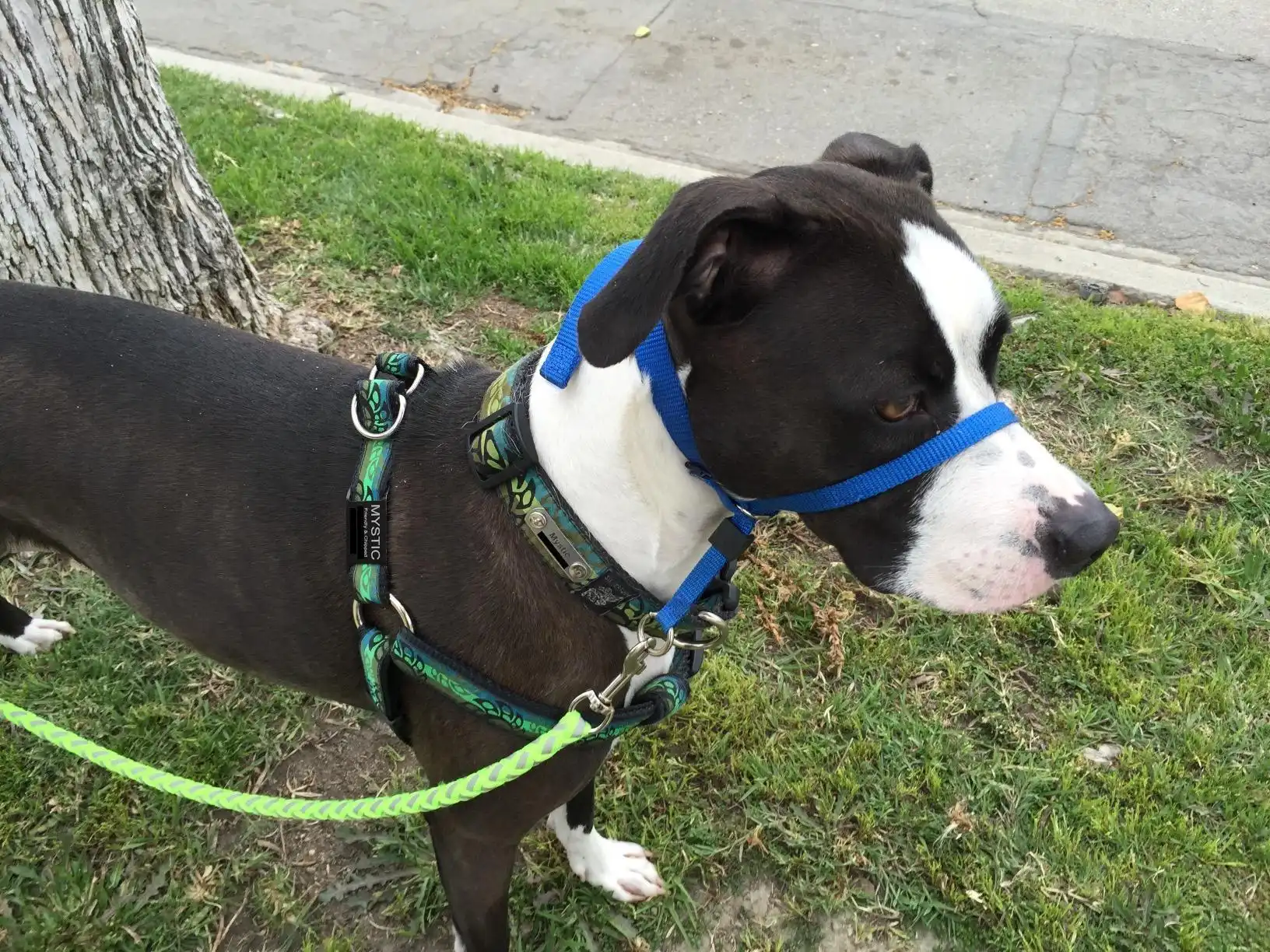
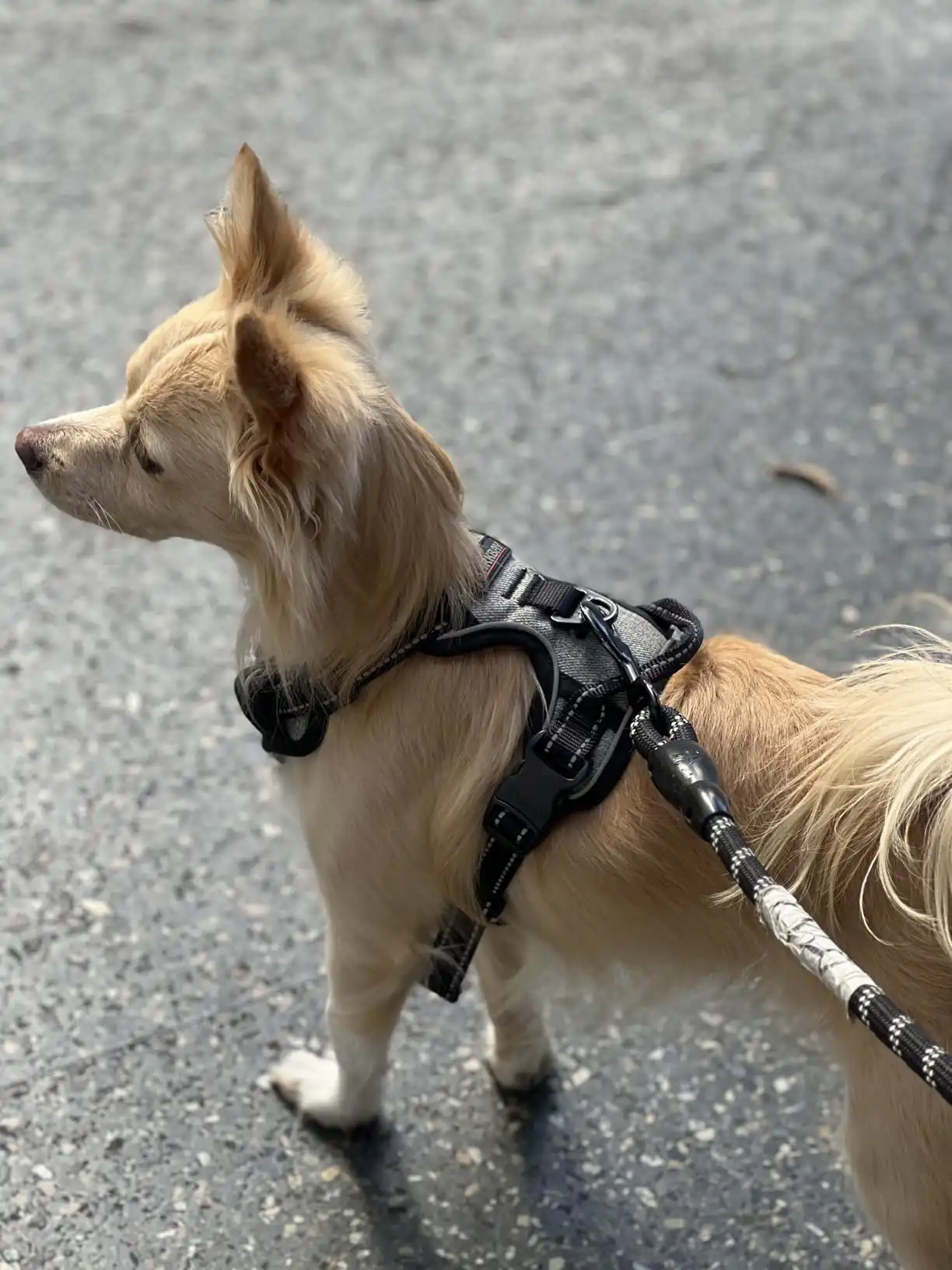
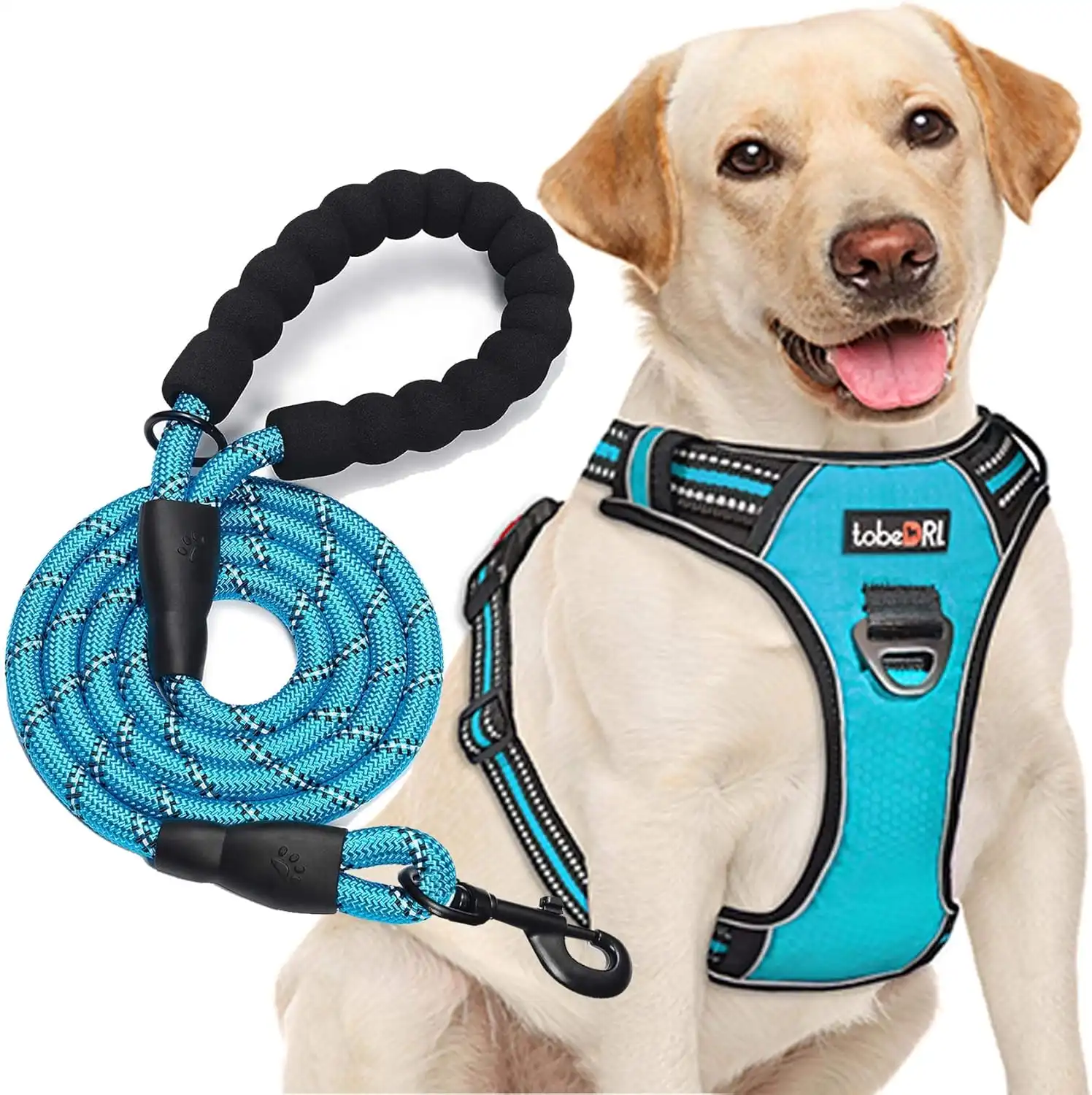
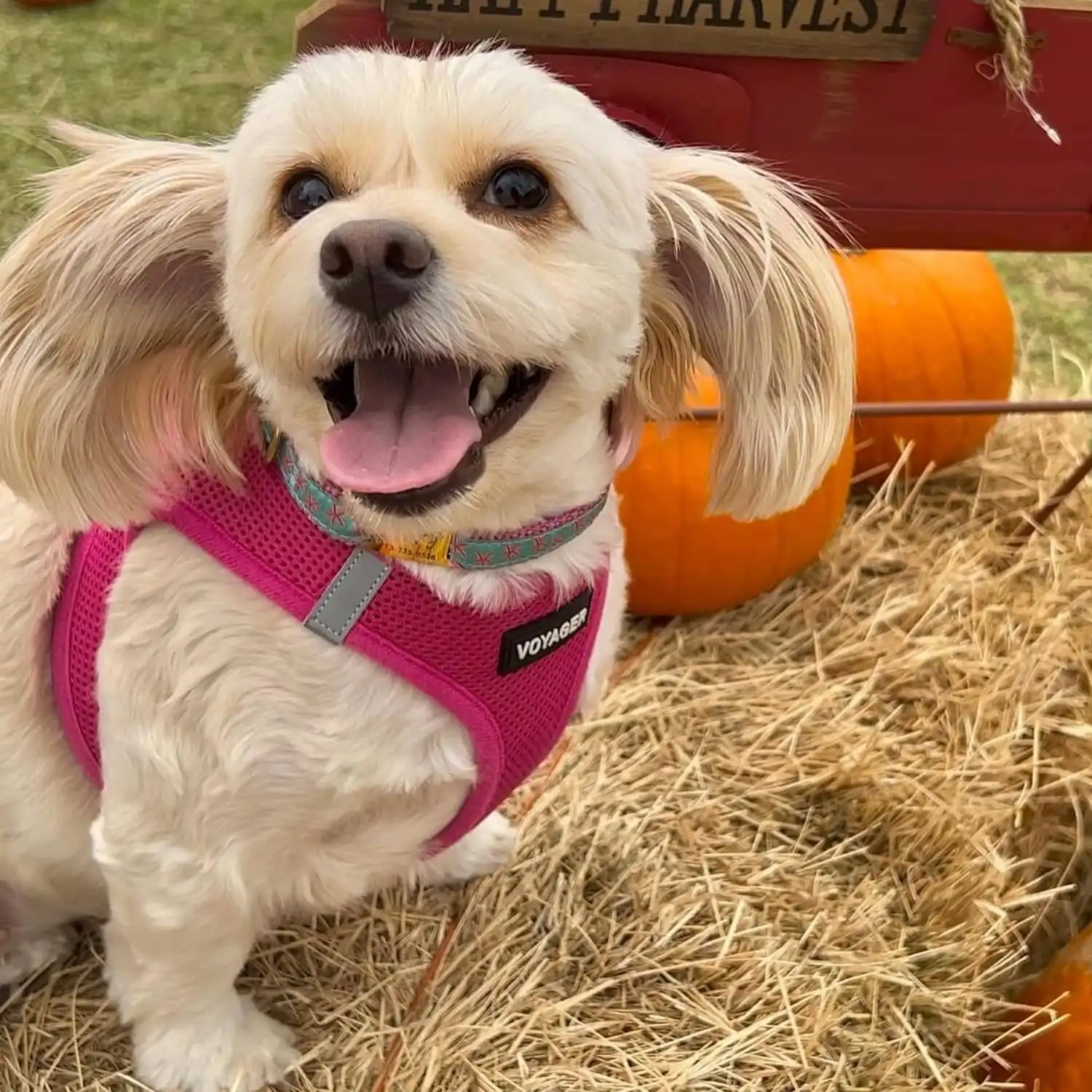
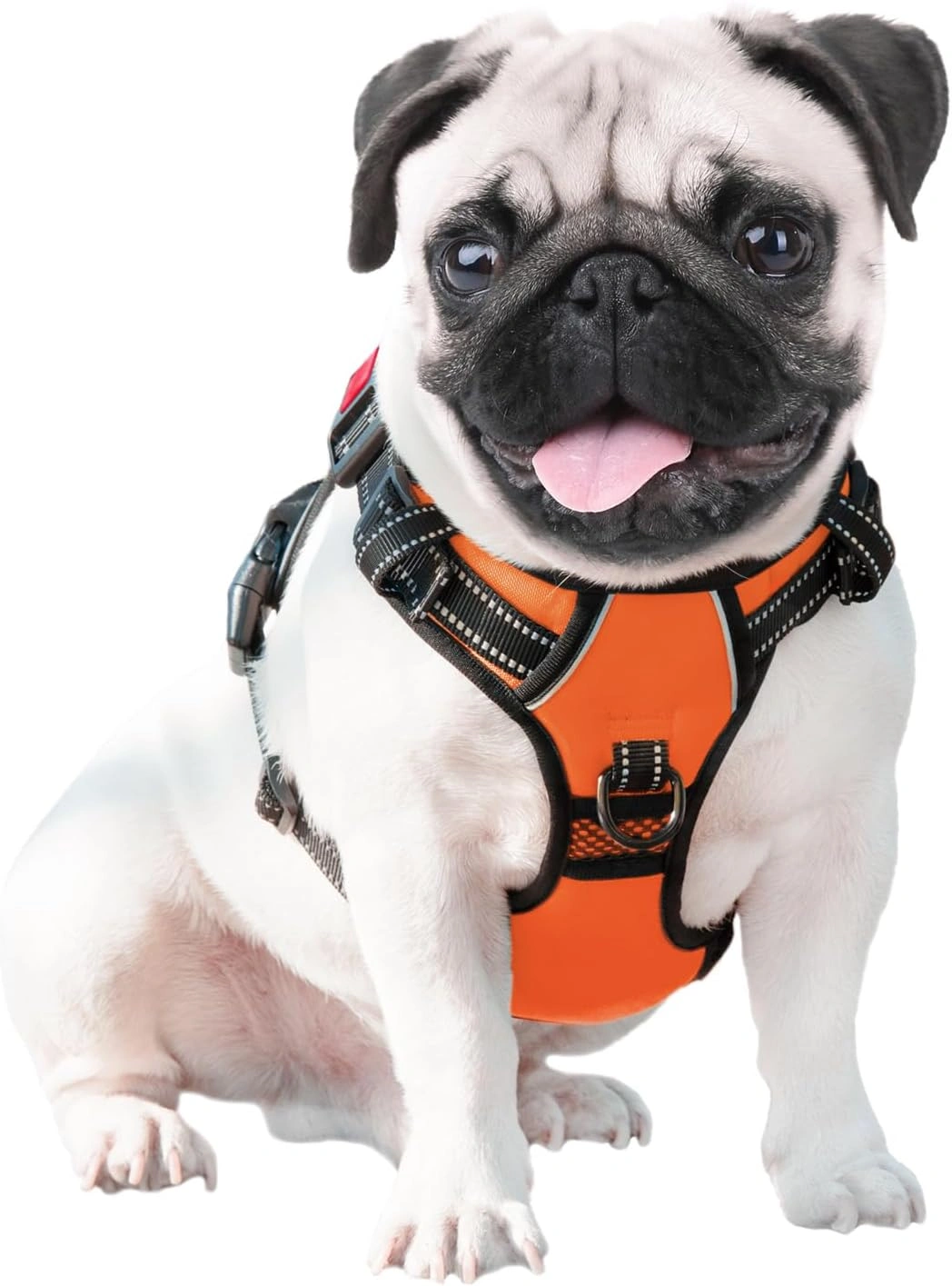
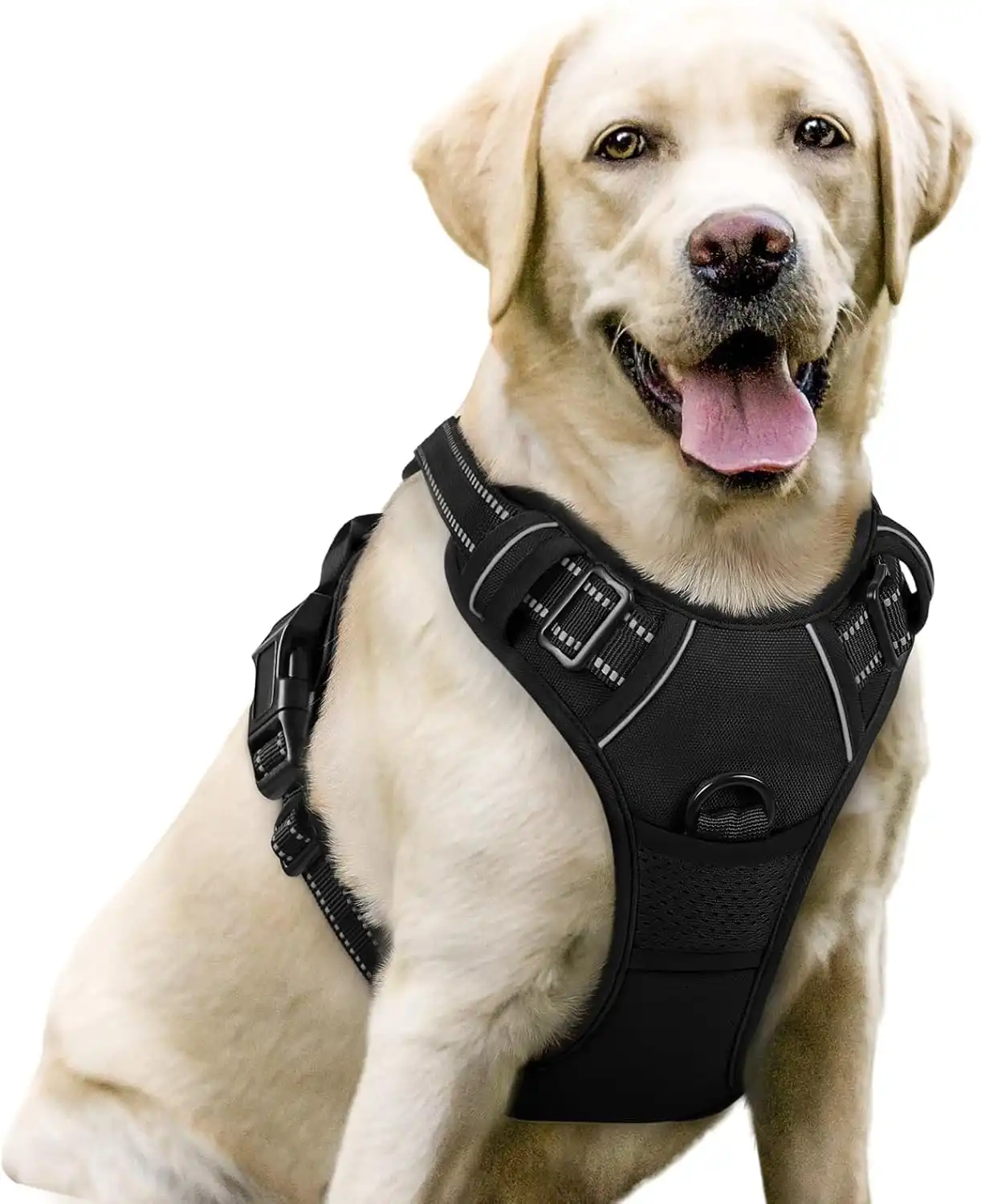
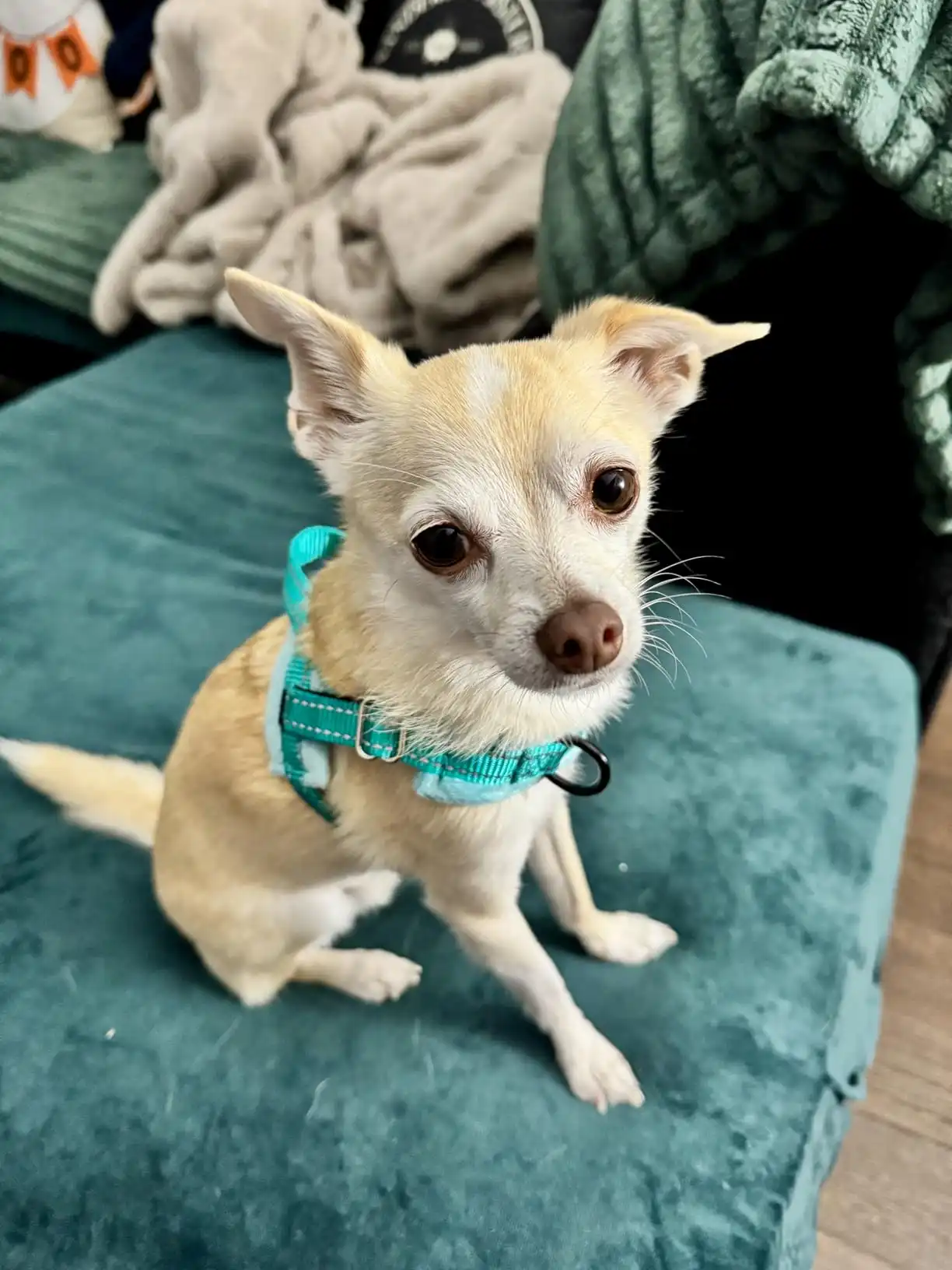


For big breeds, a harness isn’t just an accessory; it’s a safety tool. Unlike collars, which put direct pressure on the trachea and neck (especially dangerous for strong pullers), a harness distributes force across the sturdier chest and shoulders.
- Injury Prevention: Reduces the risk of tracheal collapse and spinal strain.
- Better Control: Gives you a “handle” on your dog’s center of gravity.
- No More Escapes: Large dogs are notorious for backing out of collars; a well-fitted harness makes this nearly impossible.
1. No-Pull Front-Clip Harnesses
Best For: Heavy pullers, training sessions, and city walks.
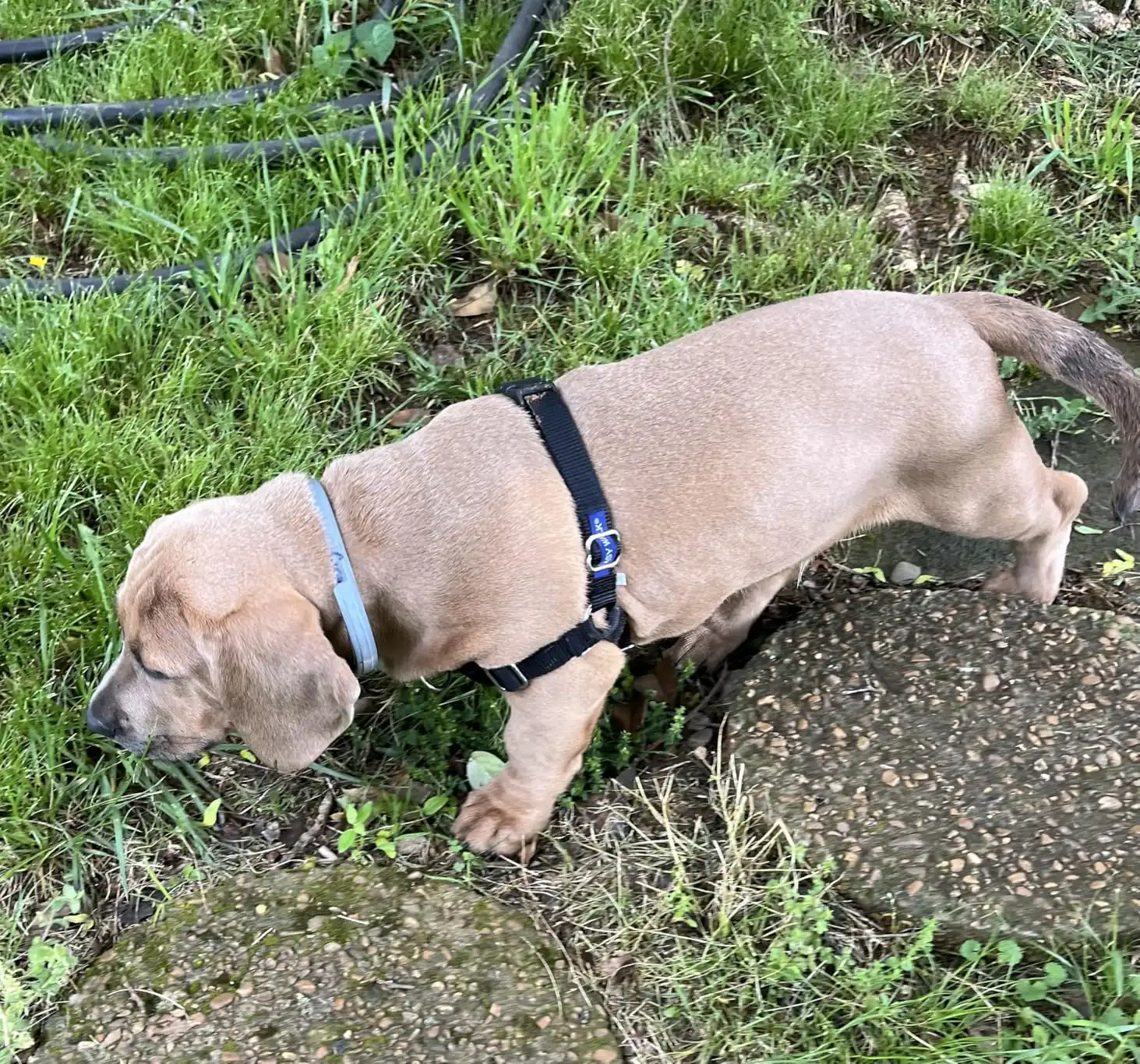
The front-clip harness is a game-changer for owners of “locomotive” dogs. By placing the leash attachment on the chest, any forward pulling causes the dog to be gently steered back toward you.
- Top Pick: PetSafe Easy Walk No-Pull Harness
- Pros: Highly effective at stopping pulling; lightweight and breathable.
- Cons: Not ideal for running (can interfere with shoulder gait if fitted incorrectly).
- 2025 Safety Tip: Look for the latest models with padded chest straps to prevent the “burn” sometimes caused by nylon webbing on short-haired breeds.
2. Padded Back-Clip Harnesses
Best For: Casual walks, jogging, and well-behaved dogs.
If your large dog is already a “good boy” on the leash, a back-clip harness offers maximum comfort. These are the most common types and are excellent for protecting the neck.
- Top Pick: Ruffwear Front Range Dog Harness
- Pros: All-day comfort; durable for long-term use; dual clips (front and back).
- Cons: Provides the least amount of “steering” control if your dog decides to lunge.
- Use Case: Perfect for a morning jog or a relaxed stroll through the park where your dog can sniff freely.
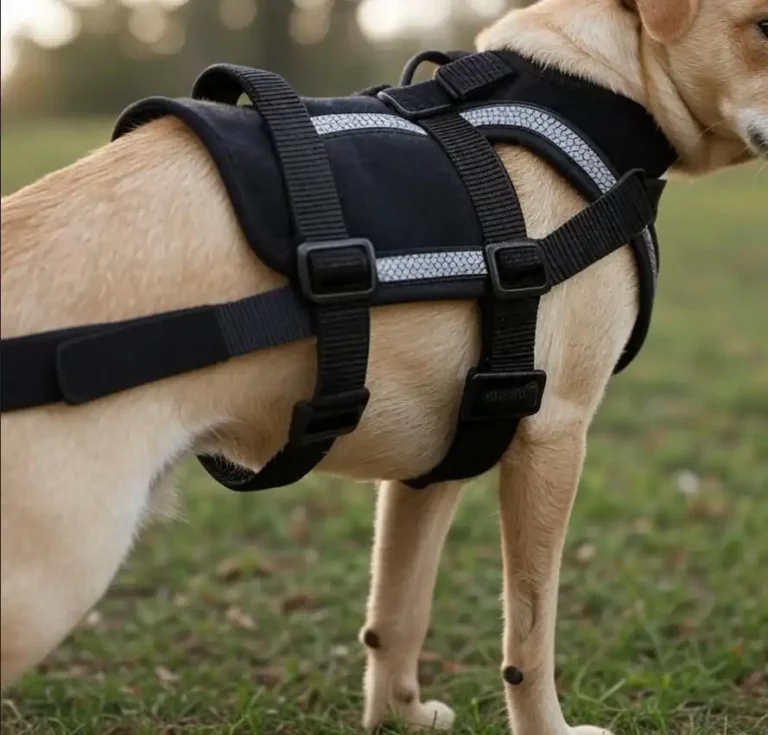
3. Tactical and Heavy-Duty Vest Harnesses
Best For: Hiking, working dogs, and reactive dogs.
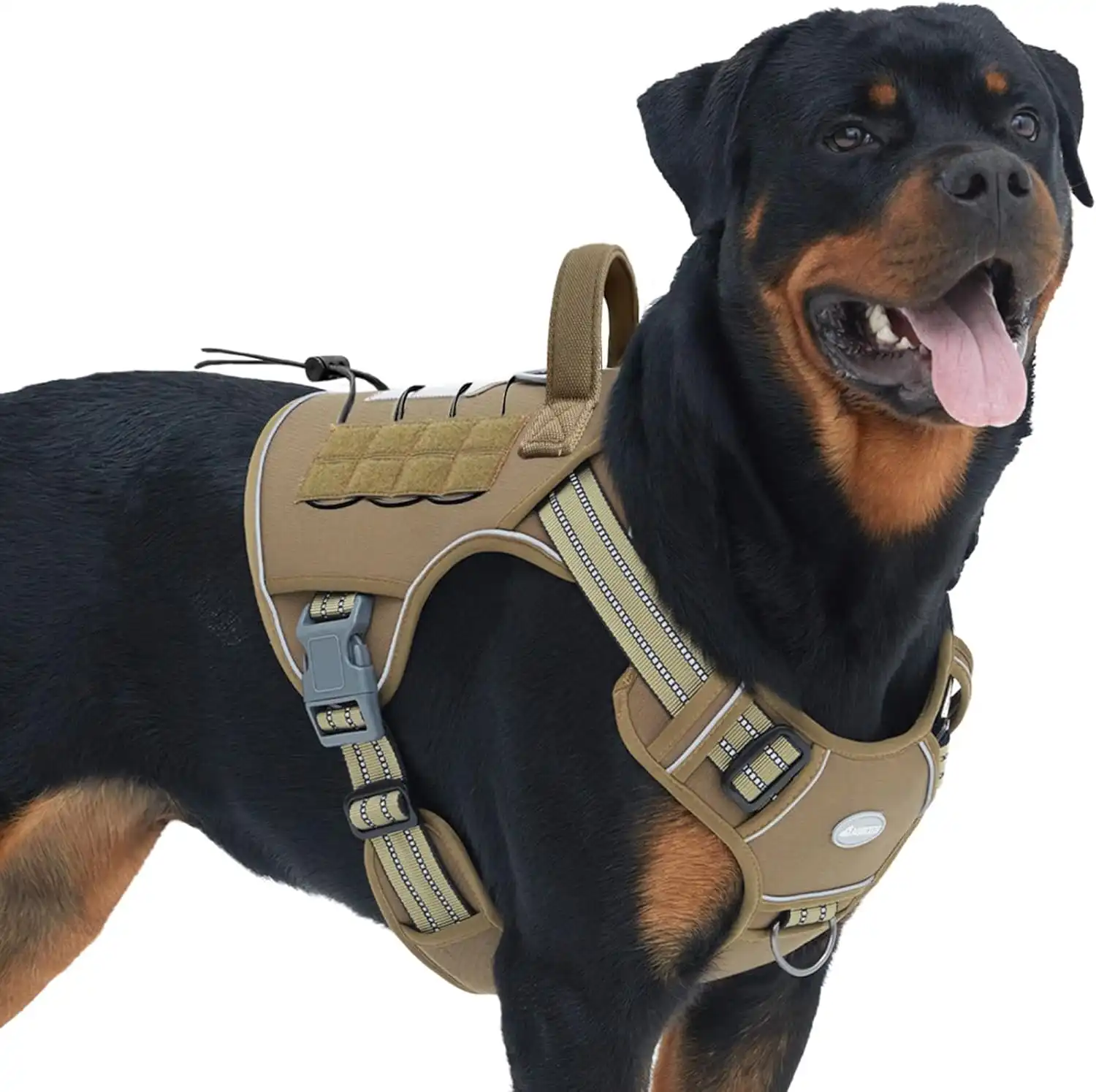
Tactical harnesses are built like tanks. They often feature 900D nylon, reinforced metal buckles, and a sturdy top handle that allows you to lift or restrain your dog instantly.
- Top Pick: Auroth Tactical Dog Harness or OneTigris X Destroyer
- Pros: Extremely durable; includes MOLLE loops for carrying pouches; superior control.
- Cons: Can be heavy and warm; may be overkill for a quick potty break.
- Visibility: Most 2026 models now come with large Velcro panels for “In Training” or “Do Not Pet” patches, plus heavy-duty reflective piping for night safety.
4. Multi-Point “Escape-Proof” Harnesses
Best For: Deep-chested breeds (Greyhounds, Dobermans) and escape artists.
Some large dogs are masters of the “reverse-and-wiggle.” Escape-proof harnesses include a third strap that sits further back on the waist, making it physically impossible for the dog to back out.
- Top Pick: Ruffwear Web Master or Ruffwear Flagline
- Pros: Securest fit on the market; includes a balanced handle for lifting.
- Cons: More straps mean a longer “tack up” time.
- 2025 Feature: Look for “debris-resistant” liners that keep out burrs and dirt during off-trail adventures.
Comparison Table: Choosing the Right Fit
| Feature | Front-Clip | Back-Clip | Tactical Vest | Escape-Proof |
| Control Level | High (Steering) | Low | Very High | Medium |
| Durability | Moderate | High | Extreme | High |
| Best Activity | Training | Casual Walks | Hiking/Working | Hiking/Safety |
| Comfort | High | Maximum | Moderate | High |
Key Features to Check Before You Buy
When shopping on Amazon for your big dog, don’t just look at the colors. Check these technical specs to ensure it lasts:
- Reinforced Stitching: Large dogs can put hundreds of pounds of pressure on a seam during a lunge. Look for “box-stitching” at stress points.
- Metal Hardware: For dogs over 50 lbs, metal D-rings and buckles are always safer than plastic ones.
- Adjustability: Ensure the harness has at least 4 adjustment points. Large breeds vary wildly in chest-to-neck ratios.
- Reflectivity: In 2025, 3M reflective material is the gold standard for late-night or early-morning visibility.
Summary: Which One Should You Choose?
If you’re still working on leash manners, go with a Dual-Clip model like the Rabbitgoo No-Pull Harness—it’s the best of both worlds. For the weekend warrior who hits the trails, a Tactical Vest or the Ruffwear Web Master will provide the durability and lifting support you need.
Investing in a high-quality harness today doesn’t just make walks easier—it protects your dog’s health for years to come.
About the Author

You Might Also Like