
Abyssinian Cats: Graceful Felines Uncovered
Discover Abyssinian cats: elegant, playful, and intelligent felines with unique ticked coats. Learn about their traits, care, and history in our guide.
If you’re searching for information on Abyssinian cats, you’re likely curious about their unique traits, care needs, or why they’re such beloved pets. Abyssinian cats are elegant, playful, and intelligent felines known for their slender bodies, large ears, and affectionate nature. This guide dives into their history, personality, care requirements, and more to help you understand why Abyssinians make exceptional companions for cat lovers.
Origins of Abyssinian Cats
Abyssinian cats trace their roots to ancient times, with some believing they resemble the sacred cats of Egypt depicted in art. While their exact origins are debated, the breed was refined in Britain during the 19th century, possibly from cats imported from Abyssinia (modern-day Ethiopia). Their distinctive ticked coats, which create a shimmering, multi-toned appearance, set them apart as a breed with a rich heritage.
Distinctive Physical Traits
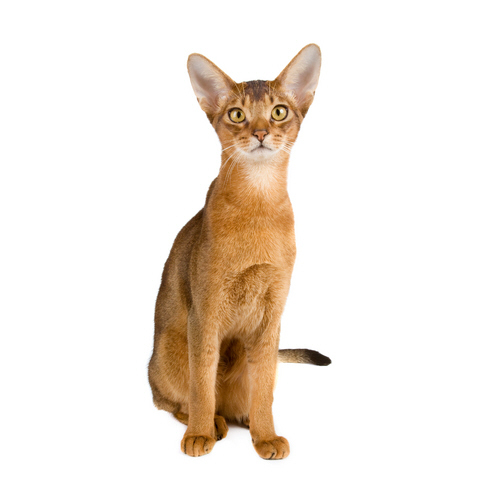
Abyssinians are instantly recognizable by their sleek, elongated bodies and graceful movements. Key physical features include:
- Coat: Short, ticked fur that gives a shimmering effect in colors like ruddy, red, blue, and fawn.
- Body: Slim, agile build with long legs, perfect for leaping and exploring.
- Ears: Large, expressive ears that enhance their alert, curious demeanor.
- Eyes: Almond-shaped, vibrant eyes in shades of green or gold, exuding intelligence.
Their lithe frame and playful antics often draw comparisons to miniature cheetahs, making them a striking addition to any home.
Personality and Temperament
Abyssinian cats are renowned for their lively and engaging personalities. They thrive on interaction and are ideal for owners who can match their energy. Notable traits include:
- Playful: Abyssinians love toys, climbing structures, and interactive games, often retaining kitten-like energy into adulthood.
- Affectionate: They form strong bonds with their owners, often following them around or “helping” with daily tasks.
- Intelligent: Quick learners, they enjoy puzzle toys and can even be trained to perform tricks.
- Social: They get along well with other pets and children, provided introductions are gradual.
However, their curious nature means they may get into mischief if not given enough stimulation, so an enriched environment is essential.
Caring for Your Abyssinian Cat
To keep an Abyssinian healthy and happy, consider these care tips:
Nutrition
Feed a high-quality, protein-rich diet tailored to their active lifestyle. Consult your vet for portion recommendations to prevent obesity, as their slender frame can hide weight gain.
Grooming
Their short coats require minimal grooming. Brush weekly to remove loose fur and enhance their coat’s natural sheen. Regular nail trims and dental care are also important.
Exercise and Enrichment
Abyssinians need ample playtime. Provide cat trees, feather wands, and puzzle feeders to keep them mentally and physically engaged. A bored Abyssinian may become destructive, so rotate toys to maintain interest.
Health Considerations
Abyssinians are generally healthy but may be prone to certain conditions, such as:
- Periodontal Disease: Regular dental checkups are crucial.
- Renal Amyloidosis: A genetic kidney condition; reputable breeders screen for this.
- Patellar Luxation: Occasional knee joint issues that may require monitoring.
Schedule annual vet visits and keep vaccinations up to date to ensure a long, healthy life.
Are Abyssinian Cats Right for You?
Abyssinians are perfect for active households where they can receive attention and stimulation. They may not suit those seeking a low-maintenance or sedentary pet, as their high energy and curiosity demand engagement. If you’re prepared to provide playtime, affection, and a safe space for exploration, an Abyssinian can be a loyal and entertaining companion.
Adopting an Abyssinian Cat
Ready to welcome an Abyssinian into your home? Consider these options:
- Reputable Breeders: Research breeders who prioritize health testing and ethical practices. Ask about genetic screenings and meet the kittens’ parents if possible.
- Rescue Organizations: Some breed-specific rescues offer Abyssinians or Abyssinian mixes in need of loving homes.
- Shelters: While rare, Abyssinians occasionally appear in shelters, so check local listings.
Ensure you’re prepared for the commitment of cat ownership, including time, finances, and emotional investment.
Fun Facts About Abyssinian Cats
- Abyssinians are often called “Aby-grabbies” due to their knack for swiping shiny objects.
- Their ticked coat is a result of a unique genetic mutation, giving each hair multiple color bands.
- They’re known for “chatter,” using soft, bird-like vocalizations to communicate.
Conclusion
Abyssinian cats captivate with their elegance, intelligence, and playful spirit. Whether you’re drawn to their cheetah-like appearance or their affectionate nature, these felines make unforgettable companions. By understanding their needs and providing a stimulating environment, you’ll enjoy a rewarding bond with your Abyssinian for years to come.
About the Author