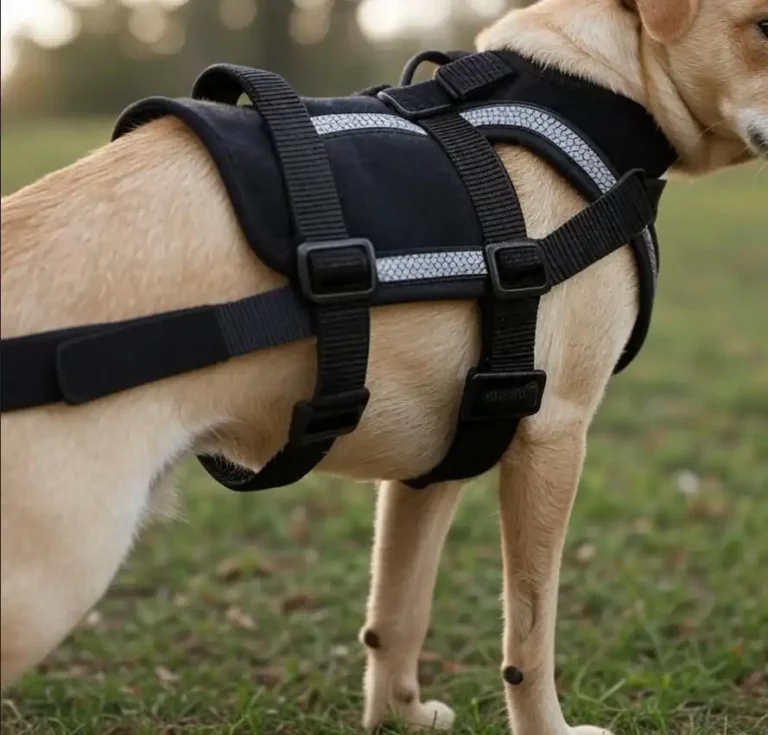
Are Dog Harnesses Better Than Collars?
As a pet parent, your daily walk is more than just a potty break—it is a time for bonding, exploration, and exercise. But when you are standing in the pet store aisle or scrolling through endless online options, the gear you choose can be surprisingly stressful. You want your pup to be safe, comfortable, and well-behaved, which naturally leads to the big question on every owner’s mind: Are Dog Harnesses Better Than Collars?
Why the Harness vs. Collar Debate Matters in 2026
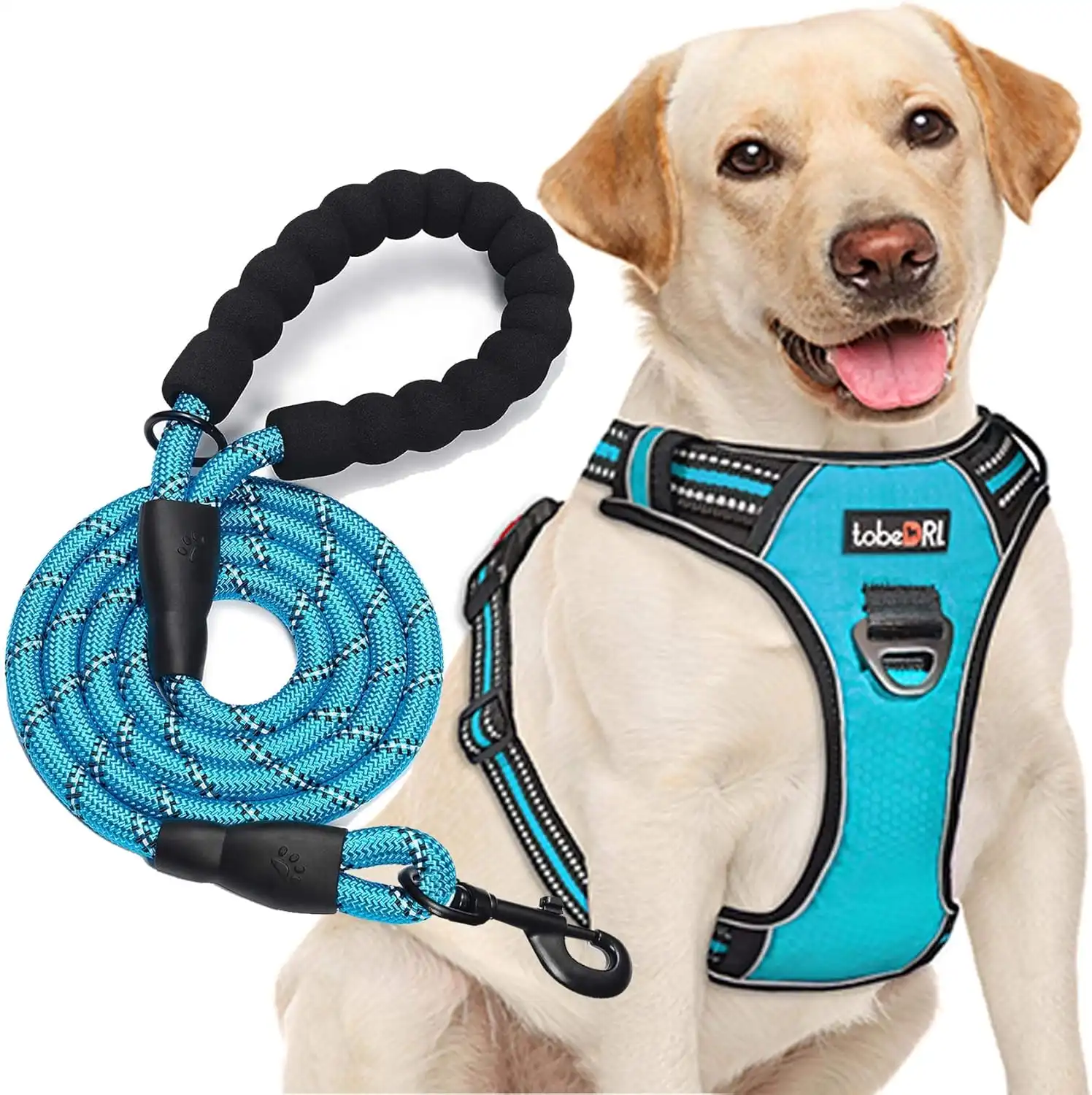
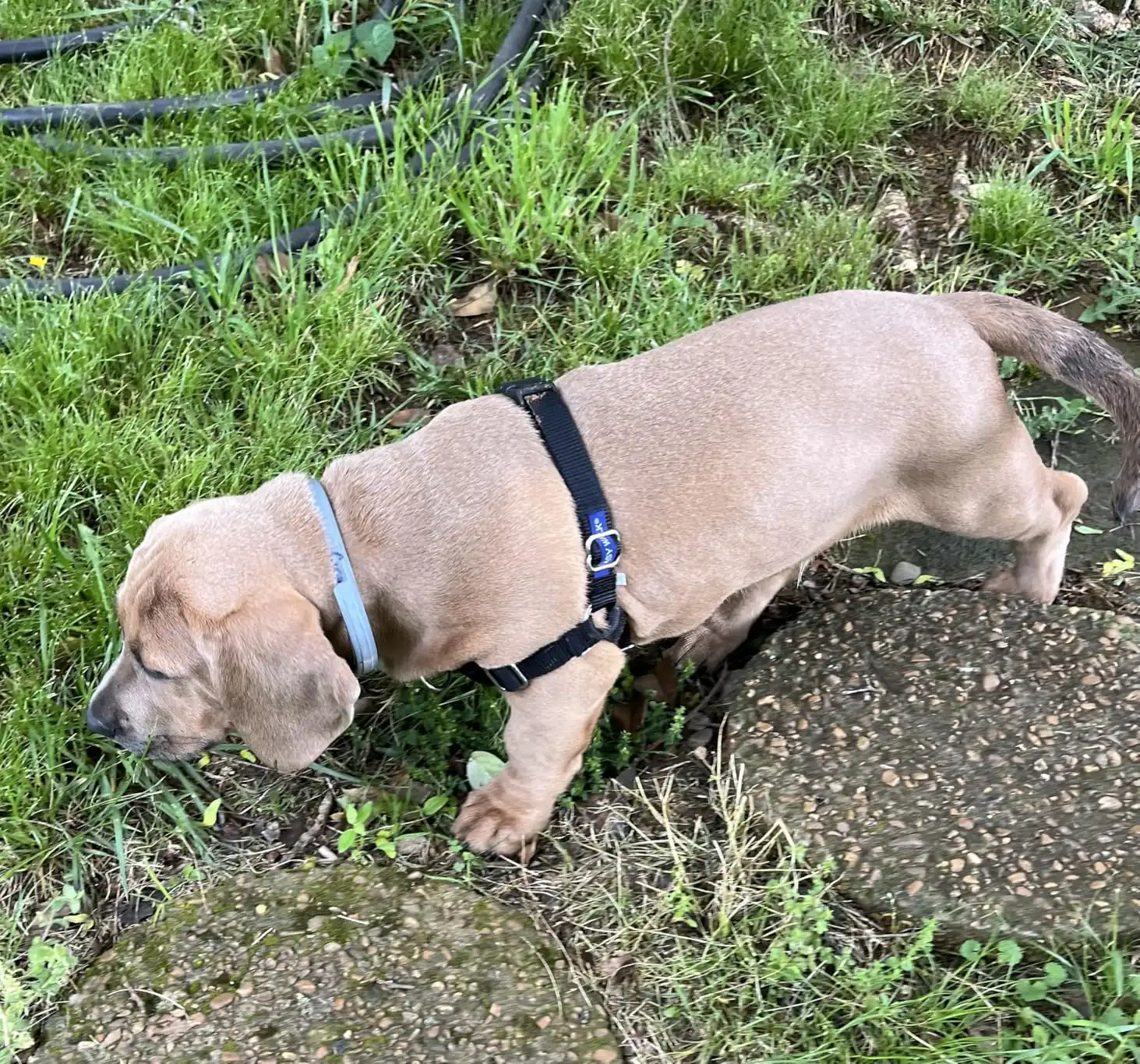

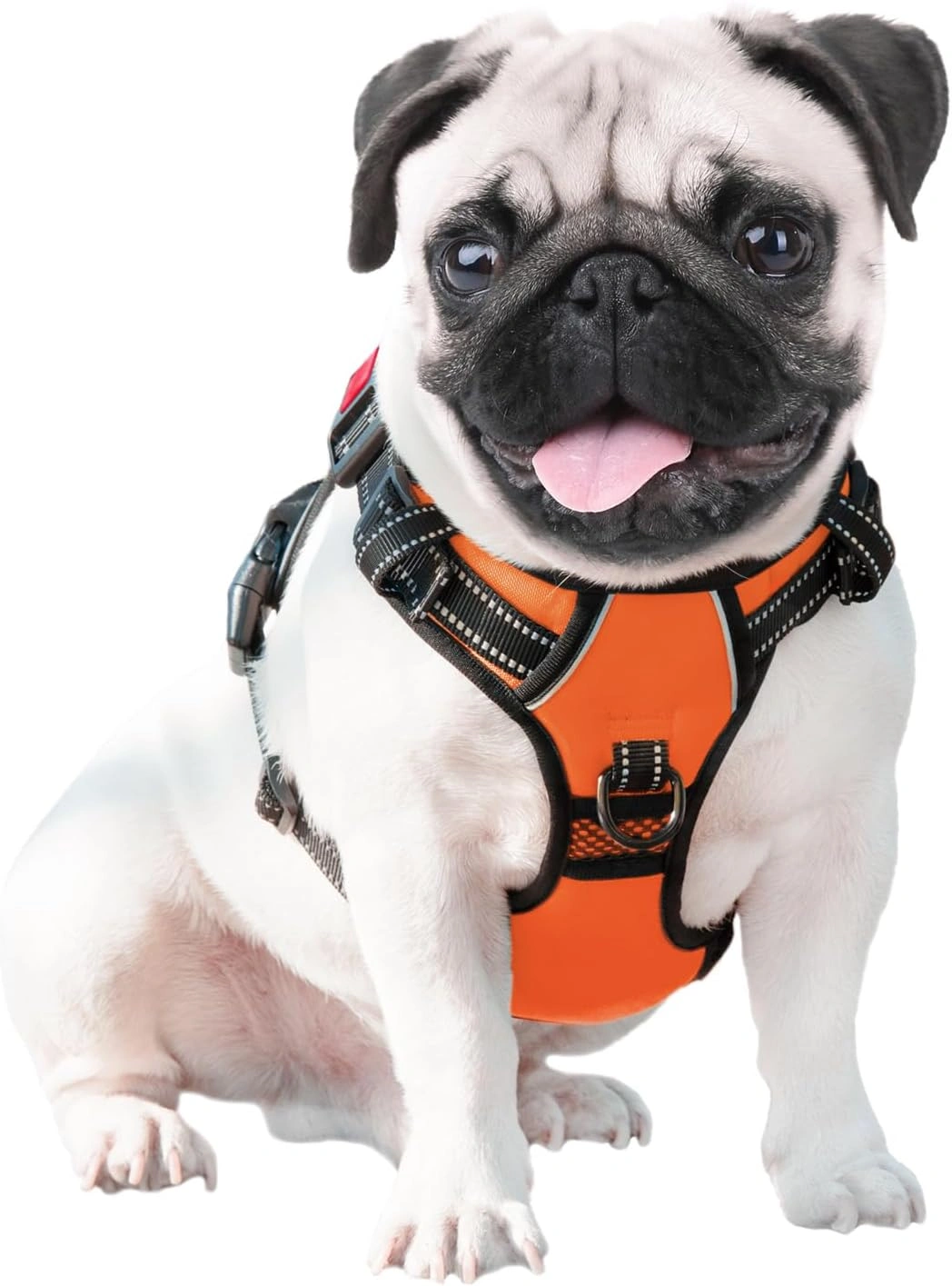
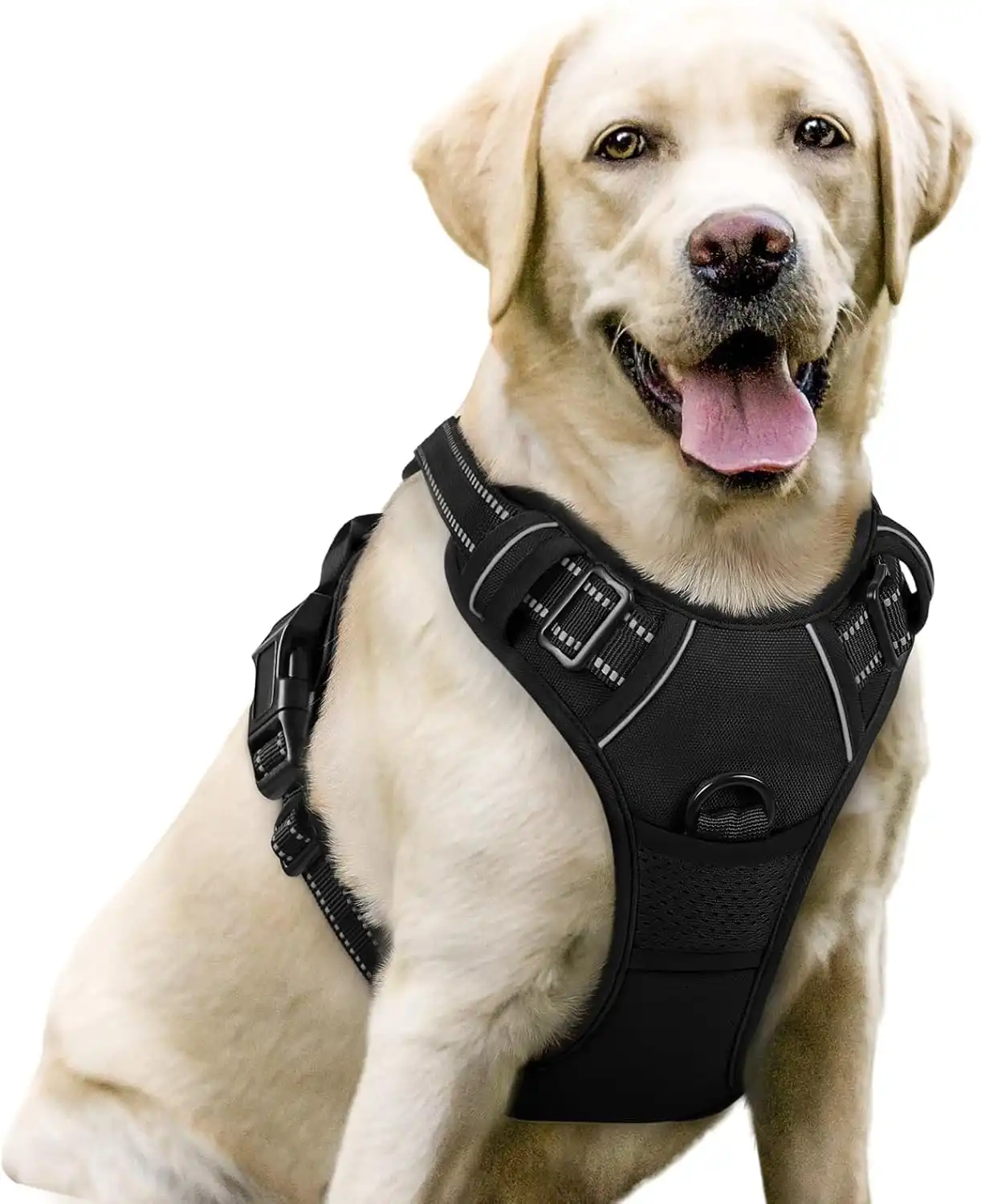



In recent years, veterinary science has made huge leaps in understanding canine biomechanics. We now know that the structures in a dog’s neck—including the trachea (windpipe), esophagus, and thyroid gland—are incredibly delicate. While the “traditional” walk involves a simple flat collar, the shift toward harnesses is fueled by a desire to protect these vital areas.
The Problem with Collars for Pullers
If your dog is a “puller,” a collar concentrates all that force onto a very small surface area around the throat. This can lead to:
- Tracheal Collapse: Especially common in “flat-faced” (brachycephalic) breeds like Frenchies or Pugs.
- Increased Eye Pressure: Studies have shown that pressure from a collar can worsen conditions like glaucoma.
- Whiplash Injuries: A sudden lunge at a squirrel can cause cervical spine misalignment.
The Benefits of a Harness
A harness redistributes that pressure away from the neck and onto the much sturdier chest and ribcage. This is the primary reason many trainers and vets now recommend them as the default choice for daily adventures.
Choosing the Right Gear for Your Dog’s Personality
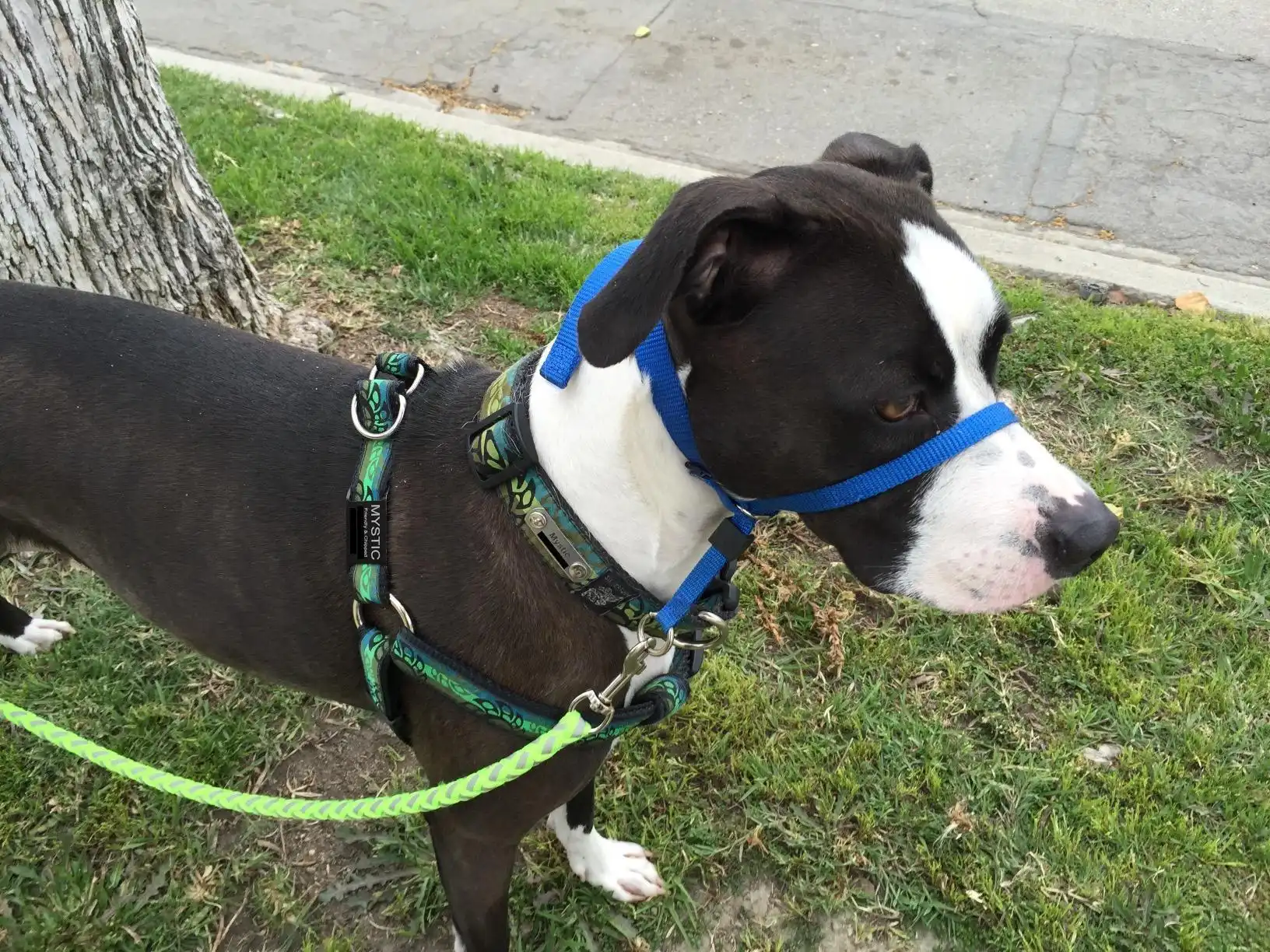
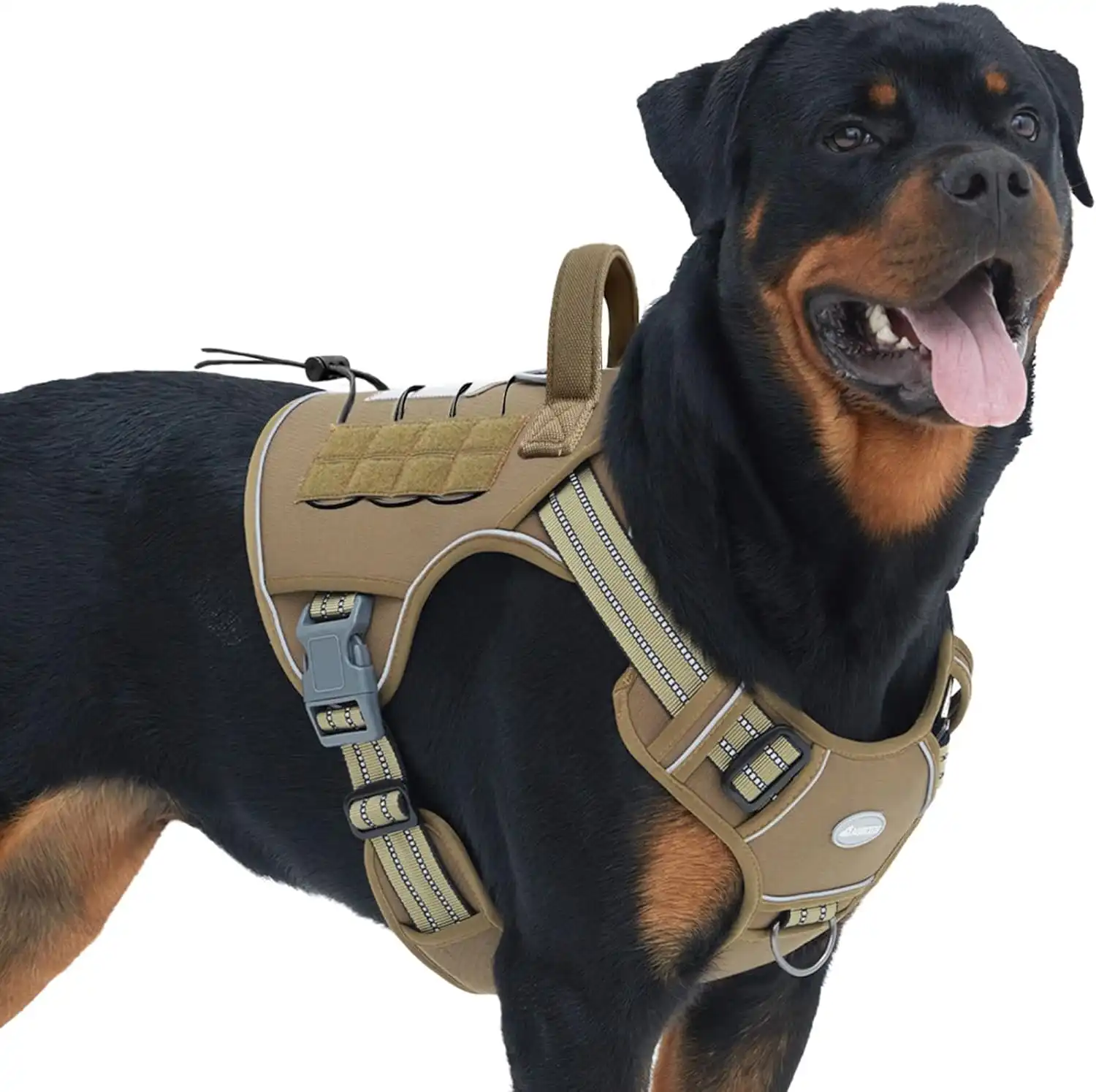
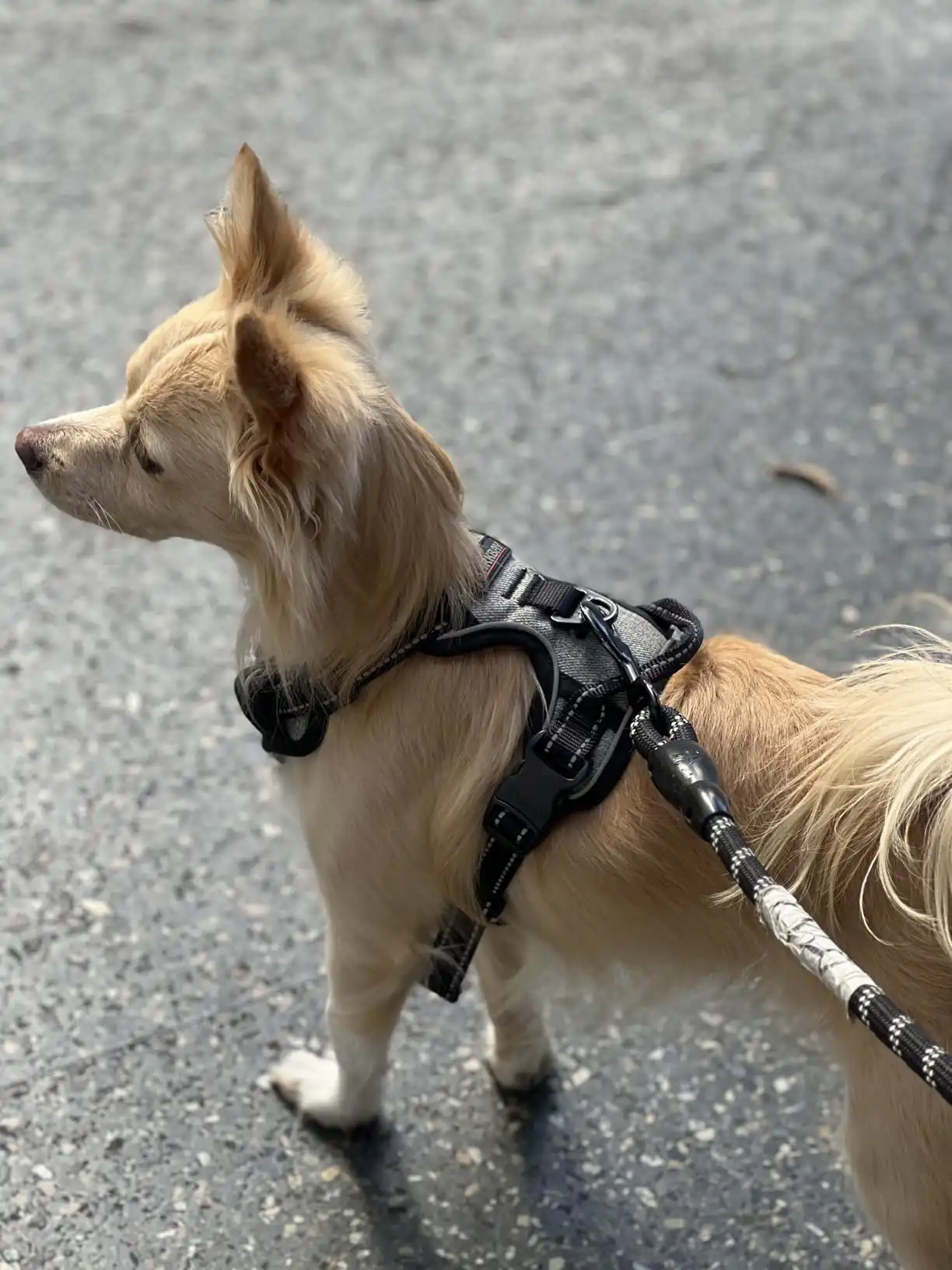
Not all harnesses are created equal. Depending on your dog’s size and walking style, one of these 2026 top-rated designs might be the perfect fit:
| Harness Type | Best For | Key Benefit |
| Front-Clip | Strong Pullers | Redirects the dog’s momentum toward you. |
| Back-Clip | Small & Calm Dogs | Keeps the leash away from their legs; no neck pressure. |
| Dual-Clip (Y-Shape) | All-Around Use | Offers the most flexibility and ergonomic support. |
| Step-In | Gear-Shy Dogs | Perfect for pups who hate having things slipped over their heads. |
Pro Tip: Look for “Y-shaped” harnesses. These allow for full shoulder range of motion, ensuring your dog can walk and run naturally without the straps “pinning” their legs.
When a Collar is Still Essential
Does this mean you should throw your collars away? Not at all! In 2026, the consensus is a “hybrid” approach.
- Identification: A collar should be worn almost 24/7 (except during unsupervised crate time) to hold ID tags and microchip info.
- Ease of Use: For quick “potty runs” in a fenced yard, a collar is much faster to snap on.
- Long-Haired Breeds: Some harnesses can cause matting. For these dogs, a rolled leather collar is a great way to keep ID tags on without ruining their coat.
Safety First: The 2026 Checklist
Whether you choose a harness or a collar, the “Fit Test” remains the gold standard for safety:
- The Two-Finger Rule: You should always be able to fit two fingers comfortably between the gear and your dog’s skin.
- Check for Chafing: Modern harnesses use breathable mesh, but you should still check your dog’s “armpits” for redness after a long walk.
- Reflective Tech: With 2026’s focus on safety, ensure your gear has 360° reflectivity for those early morning or late evening strolls.
The Verdict
So, are dog harnesses better than collars? For walking and training, the answer is generally yes. They offer superior safety and control while protecting your dog’s long-term health. However, a high-quality collar remains the best “permanent” home for your dog’s identification.
About the Author

You Might Also Like