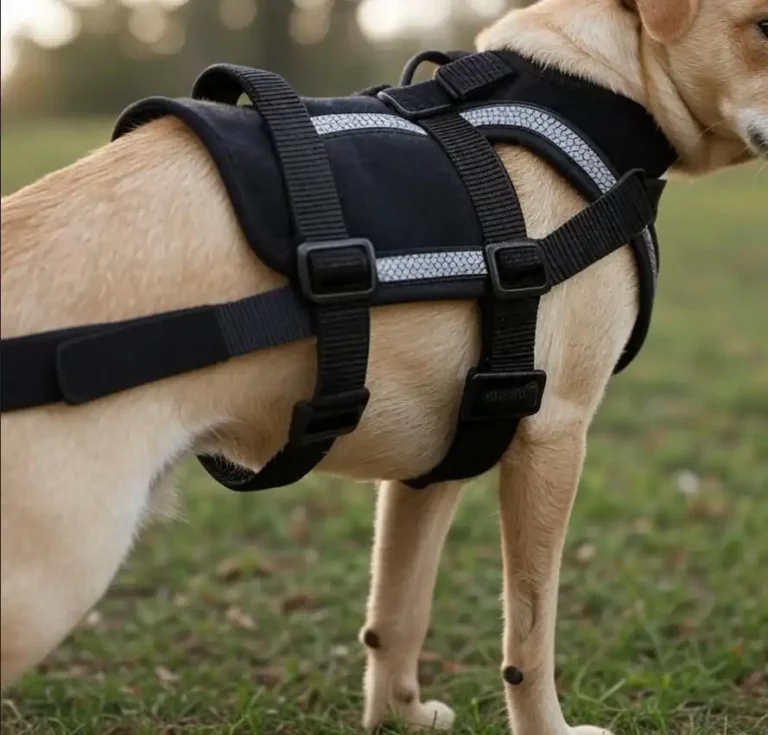
Are Harnesses Better Than Collars
Choosing the right gear for a large dog can feel like a high-stakes decision. When you’re at the other end of a leash attached to 80 pounds of pure excitement, you need equipment that ensures both of you stay safe and comfortable. Whether you’re navigating a busy city sidewalk or hitting the trails for a weekend hike, the debate often comes down to one fundamental question.
Are Harnesses Better Than Collars for your big best friend? While every dog is an individual, modern veterinary insights for 2025 and 2026 suggest that for large, powerful breeds, the answer is increasingly leaning toward the harness—but with a few important caveats.
Harness vs. Collar: The Big Breed Breakdown
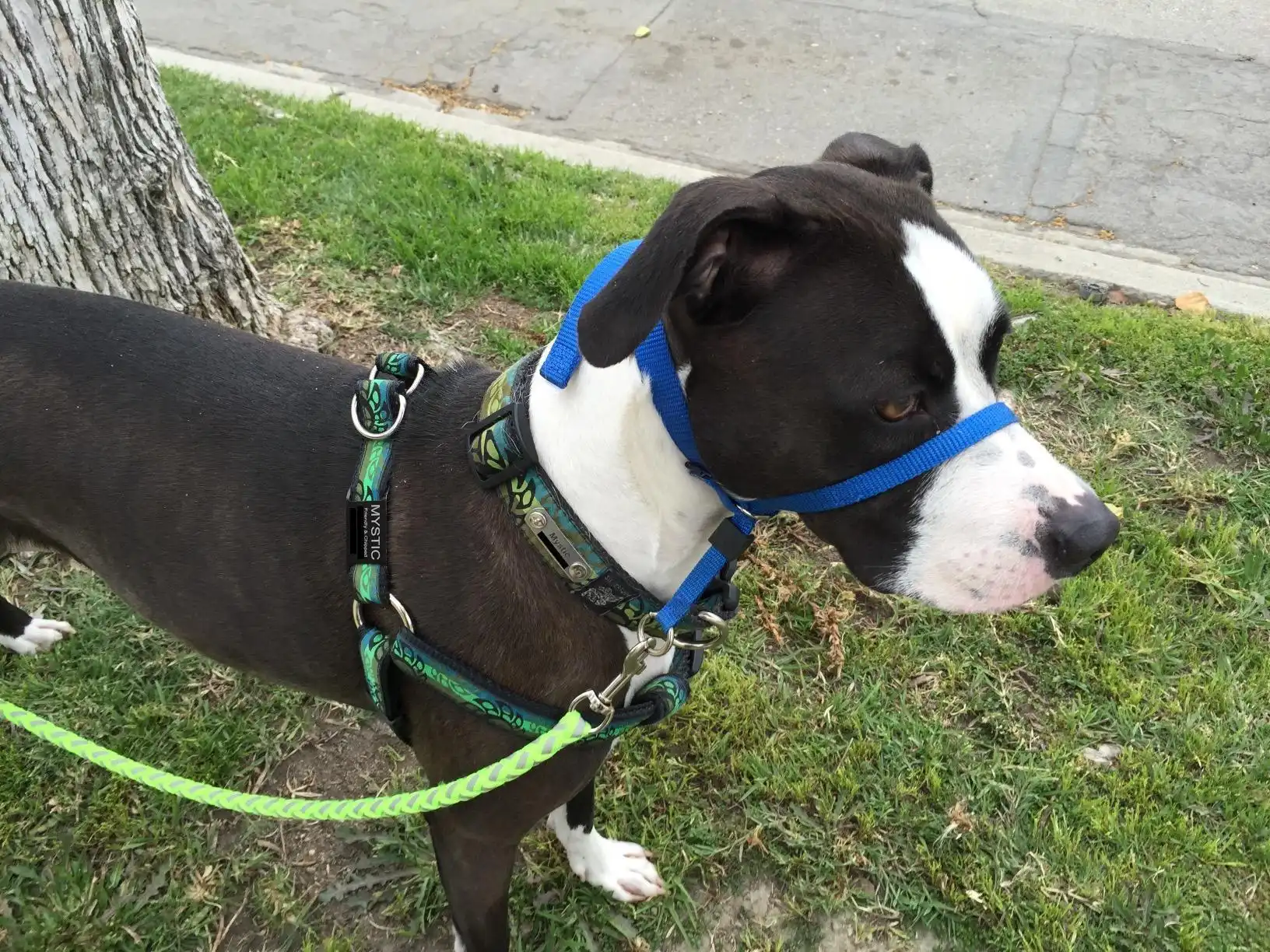
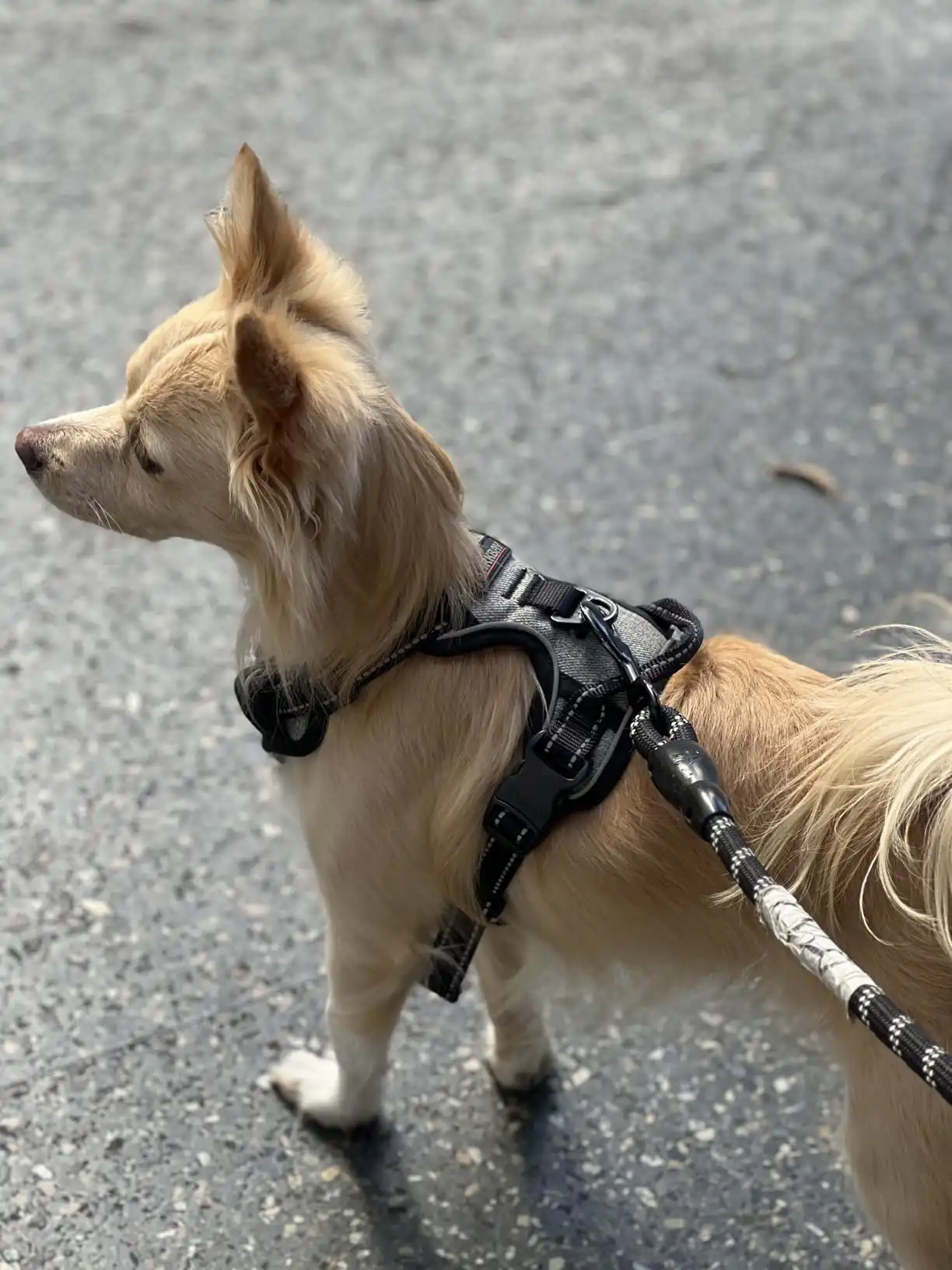
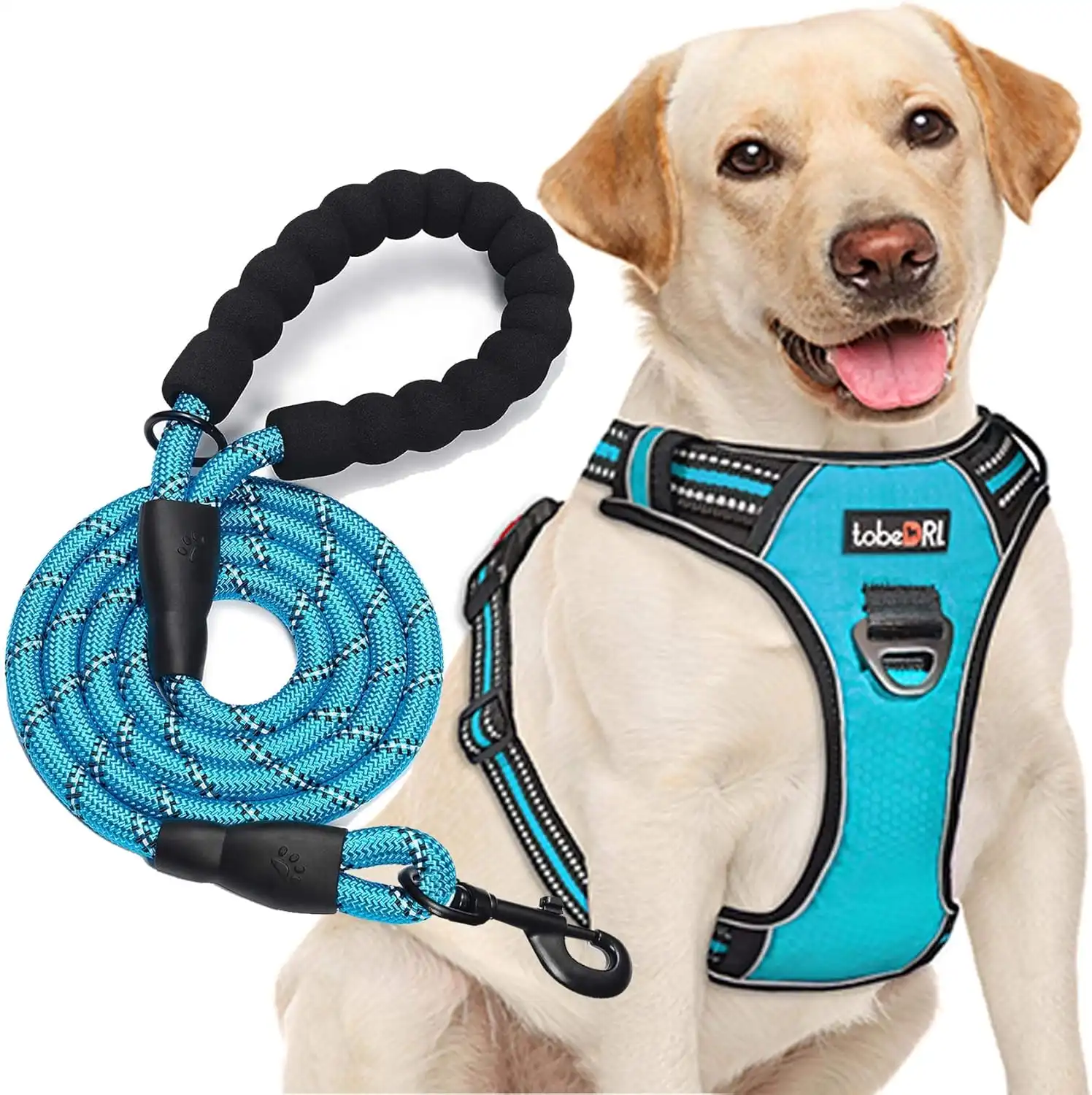
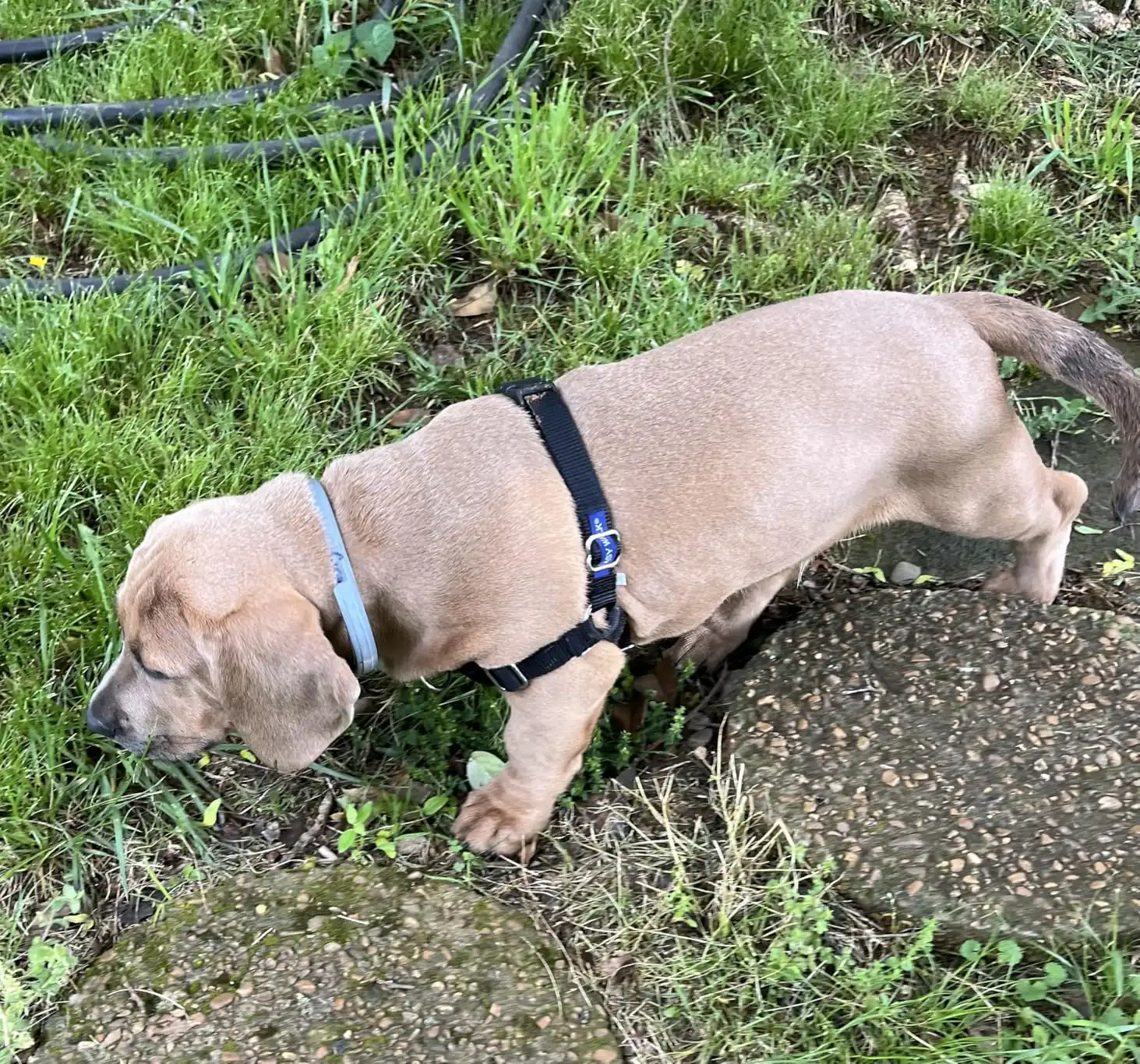
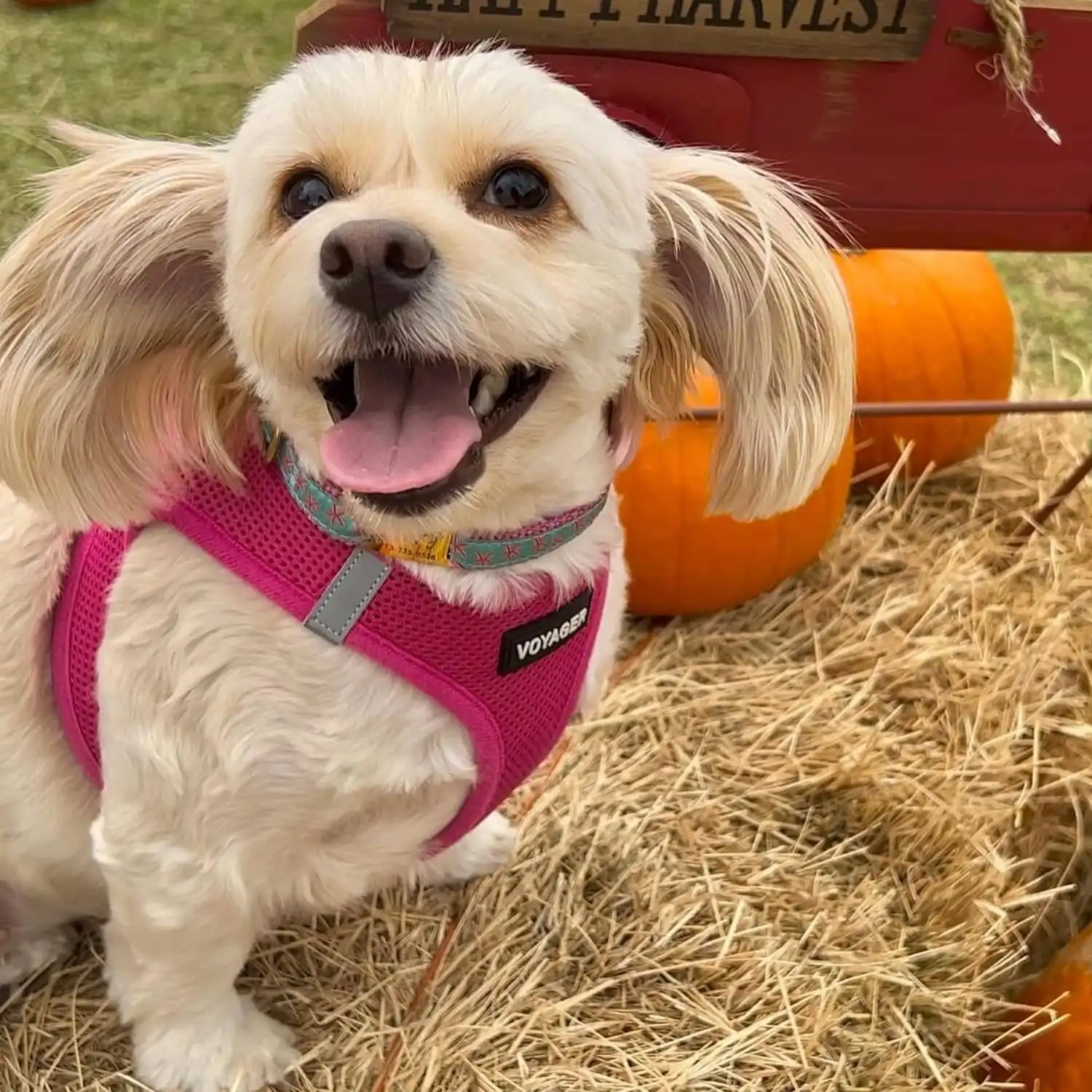
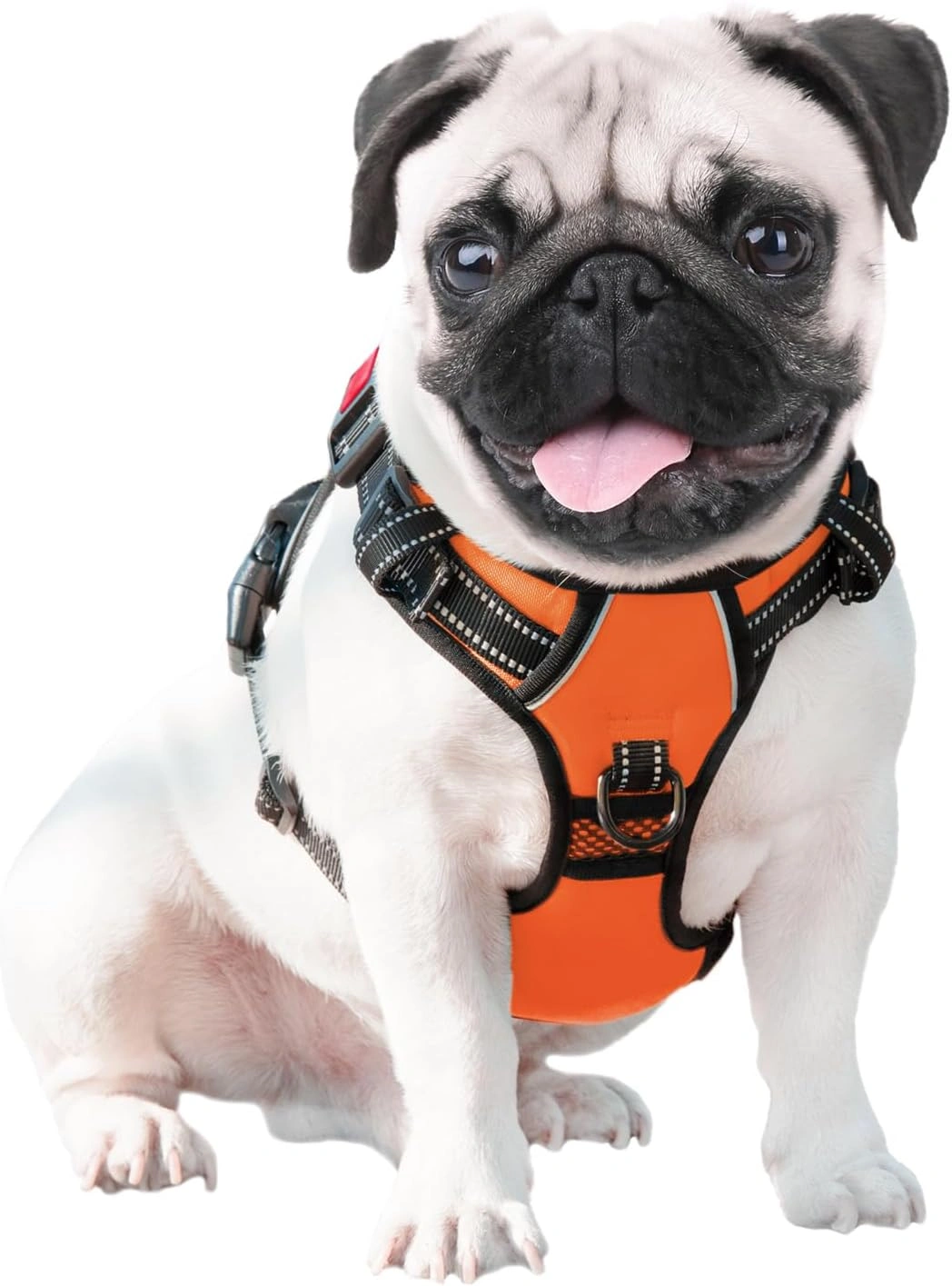
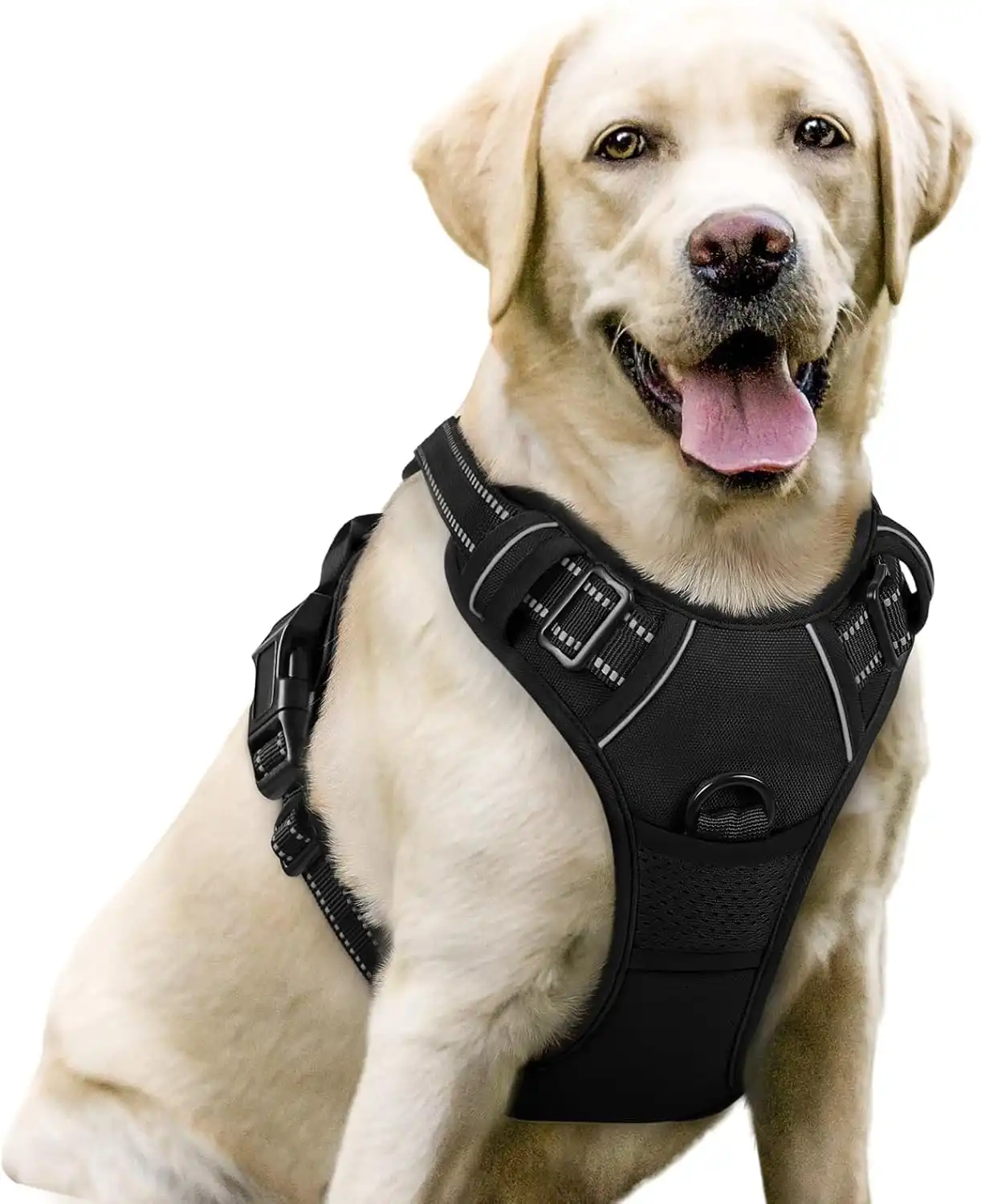



For years, the flat collar was the undisputed king of the dog park. It’s simple, holds ID tags reliably, and is easy to slip on and off. However, as our understanding of canine ergonomics has evolved, many pet parents are making the switch.
Why Large Dogs Often Need a Harness
Large dogs generate significantly more force when they pull or lunge. A standard collar concentrates all that pressure on the trachea (windpipe), thyroid gland, and cervical spine. Over time, this can lead to chronic coughing, neck injuries, or even increased ocular pressure.
A harness, by contrast, redistributes that force across the strongest parts of a dog’s body: the chest and shoulders. This is especially critical for “locomotive” pullers like Labradors, Huskies, or Golden Retrievers.
When a Collar Still Makes Sense
Despite the benefits of harnesses, collars aren’t obsolete. They remain the gold standard for:
- Identification: Keeping your dog’s tags visible 24/7.
- Well-Trained Walkers: Dogs who have mastered “loose-lead” walking and never pull.
- Convenience: Quick potty breaks in the backyard where a full harness isn’t necessary.
Best Harnesses for Large Dogs: 2026 Top Picks
Based on durability, safety ratings, and customer feedback for the upcoming season, here are the top-rated options currently available on Amazon.
| Product | Best For | Key Feature |
| Ruffwear Front Range | Everyday Adventures | All-day comfort & dual-clip points |
| Rabbitgoo No-Pull | Budget-Friendly Training | Heavy-duty 1050D nylon & high visibility |
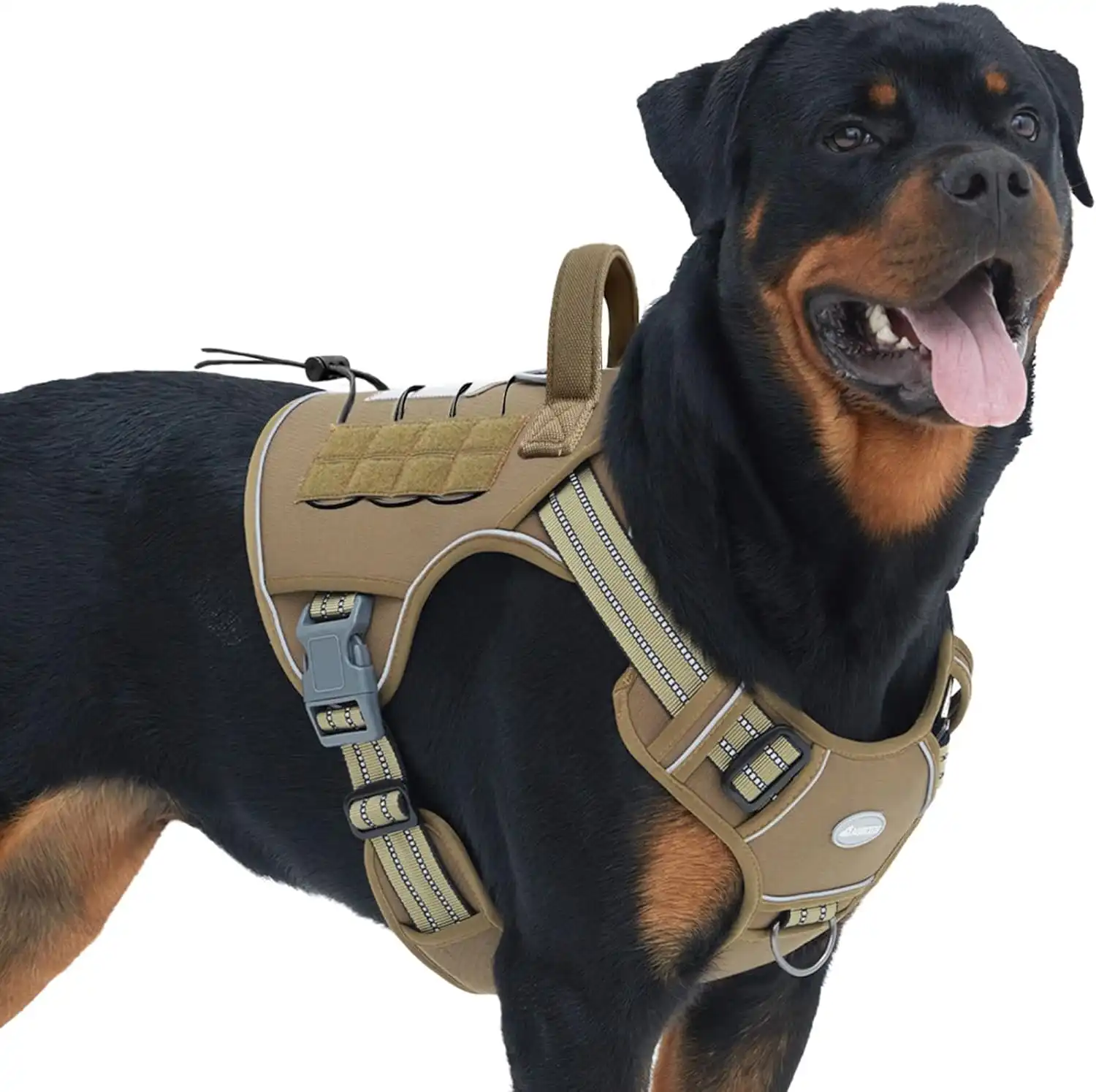
| Auroth Tactical | Working Dogs & Hikers | Molle system for gear & extra-sturdy handle |
| 2 Hounds Freedom | Serious Pullers | Patented action loop to discourage pulling |
4 Critical Benefits of Using a Harness for Large Breeds
1. Superior Control and Safety
If your dog spots a squirrel or another dog, a harness gives you a “handle” on their center of gravity. Many large dog harnesses now include a reinforced top handle, which is a lifesaver for 2026 city walkers needing to keep their dog close at crosswalks or in crowded elevators.
2. Training and “No-Pull” Technology
Modern front-clip harnesses are game-changers for training. When a leash is attached to the chest, a dog’s forward momentum is redirected sideways back toward you if they pull. This makes walks a collaborative effort rather than a tug-of-war.
3. Visibility and Night Safety
The 2025-2026 trend in pet gear is “Active Safety.” Premium harnesses like the Rabbitgoo or Ruffwear models now come standard with 3M reflective piping and bright, high-visibility colors. For late-night or early-morning winter walks, this is a non-negotiable for large dog owners.
4. Durability for Powerhouse Breeds
Large dogs are hard on gear. Look for harnesses made with ripstop fabrics and metal D-rings. Plastic clips can snap under 100+ lbs of pressure, so choosing a harness with reinforced stitching and high-tensile hardware is vital for peace of mind.
Realistic Use Cases: Which Gear Wins?
- The Hiking Trail: Harness wins. If your dog needs a boost over a fallen log or a steady hand near a cliff edge, the structural support of a harness (like the Ruffwear Web Master) is unmatched.
- The Training Class: Front-Clip Harness wins. It allows you to guide your dog’s direction without the risk of “choke” responses that can increase anxiety.
- The Backyard/Home: Collar wins. It’s more comfortable for lounging and ensures they are always wearing their “return to home” info.
Pro-Tips for a Perfect Fit
Even the best harness can be a burden if it doesn’t fit correctly. Follow the “Two-Finger Rule”: You should be able to fit two fingers between the strap and your dog’s skin.
For large dogs, always measure the widest part of the chest (the girth) rather than relying on weight alone. Breeds like Boxers or Pitbulls have deep chests that often require a size up, even if their weight suggests otherwise.
The Bottom Line
While collars are essential for identification, the safety and control offered by a high-quality harness make it the superior choice for active, large dogs. Protecting your dog’s neck today ensures they’ll be walking comfortably by your side for years to come.
About the Author

You Might Also Like