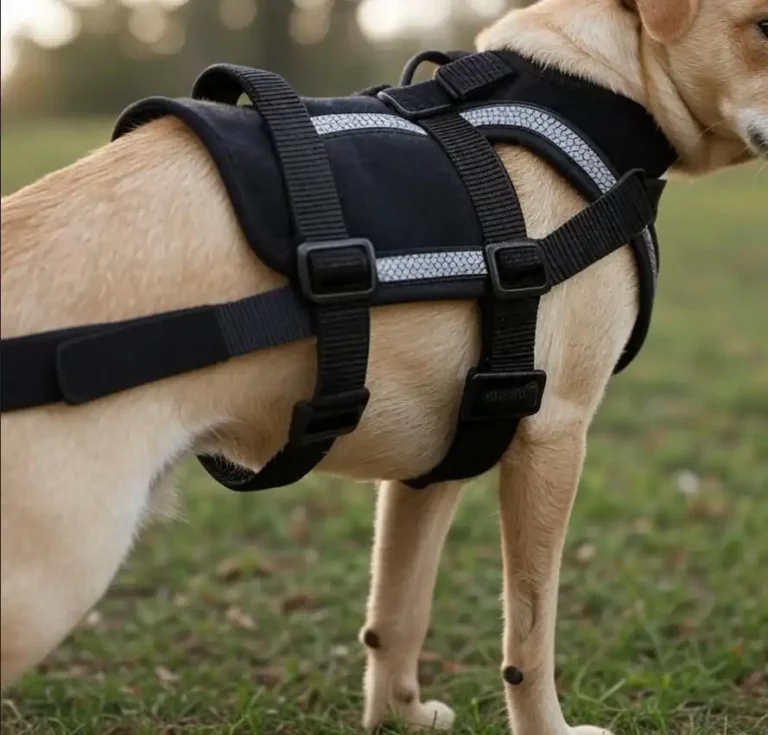
Best Padded Dog Harness: 2026 Guide for Pet Parents
Choosing a padded harness is one of the simplest ways to make walks safer and more comfortable for your dog, especially if they pull or have sensitive skin. The Best Padded Dog Harness will protect your dog’s chest and shoulders, reduce pressure on the neck, and give you better control without causing rubbing or chafing.
If you’re a pet parent who wants fewer tangles, less pulling, and a happier pup on every walk, you’re in the right place—this guide breaks down how to choose the Best Padded Dog Harness for your dog’s size, temperament, and lifestyle using up‑to‑date product and safety considerations for 2026.
Why choose a padded harness?
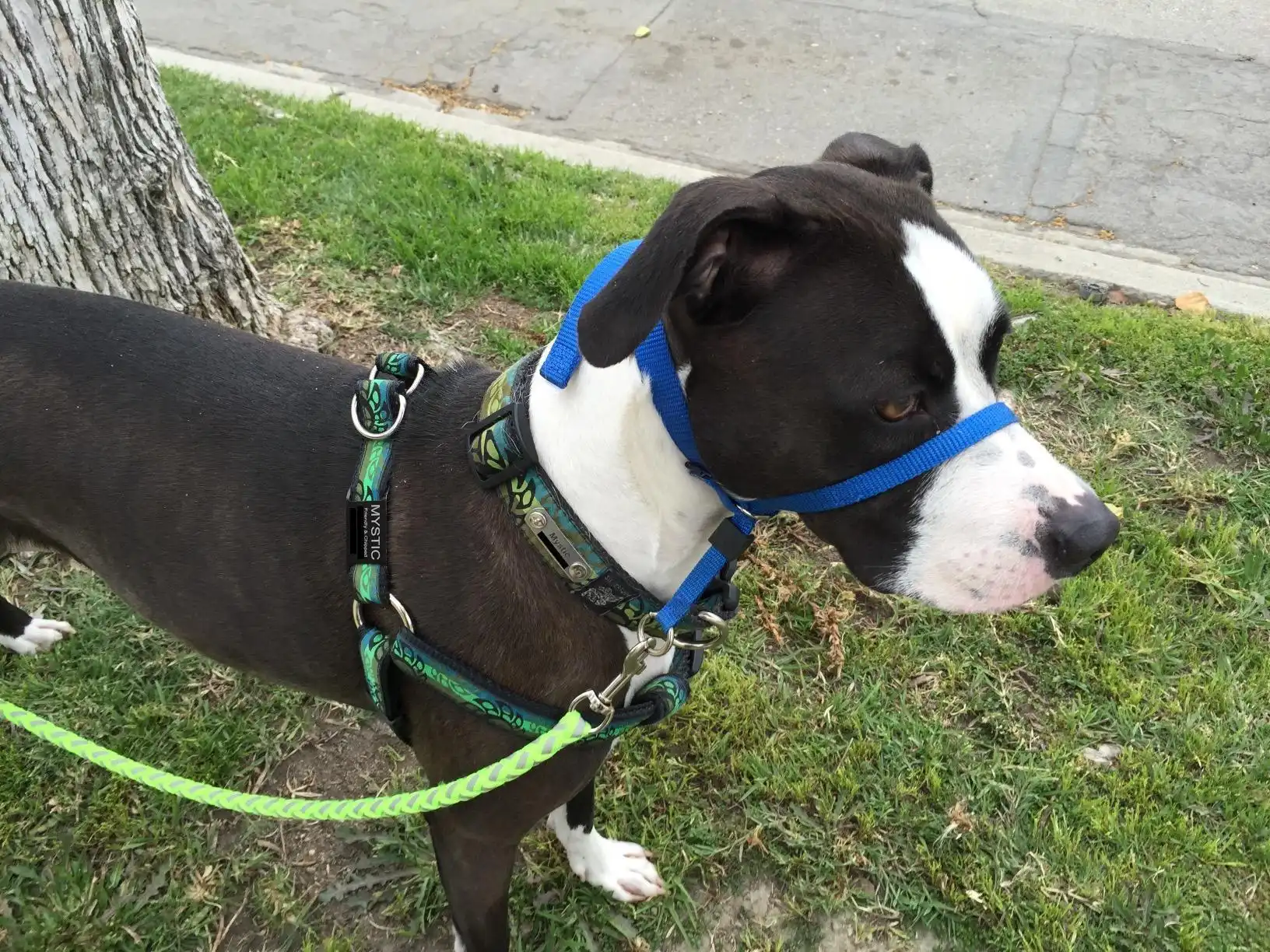
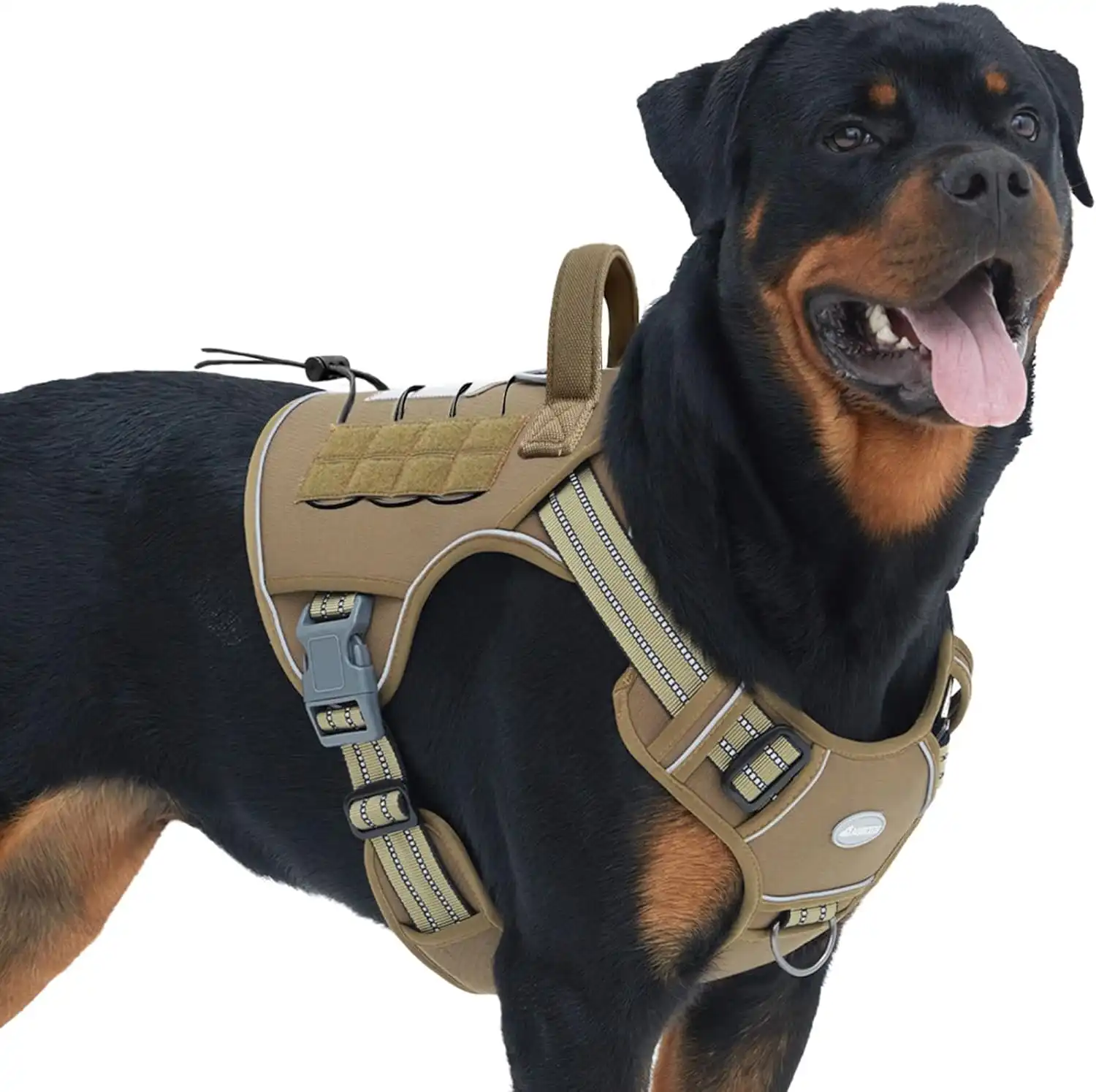
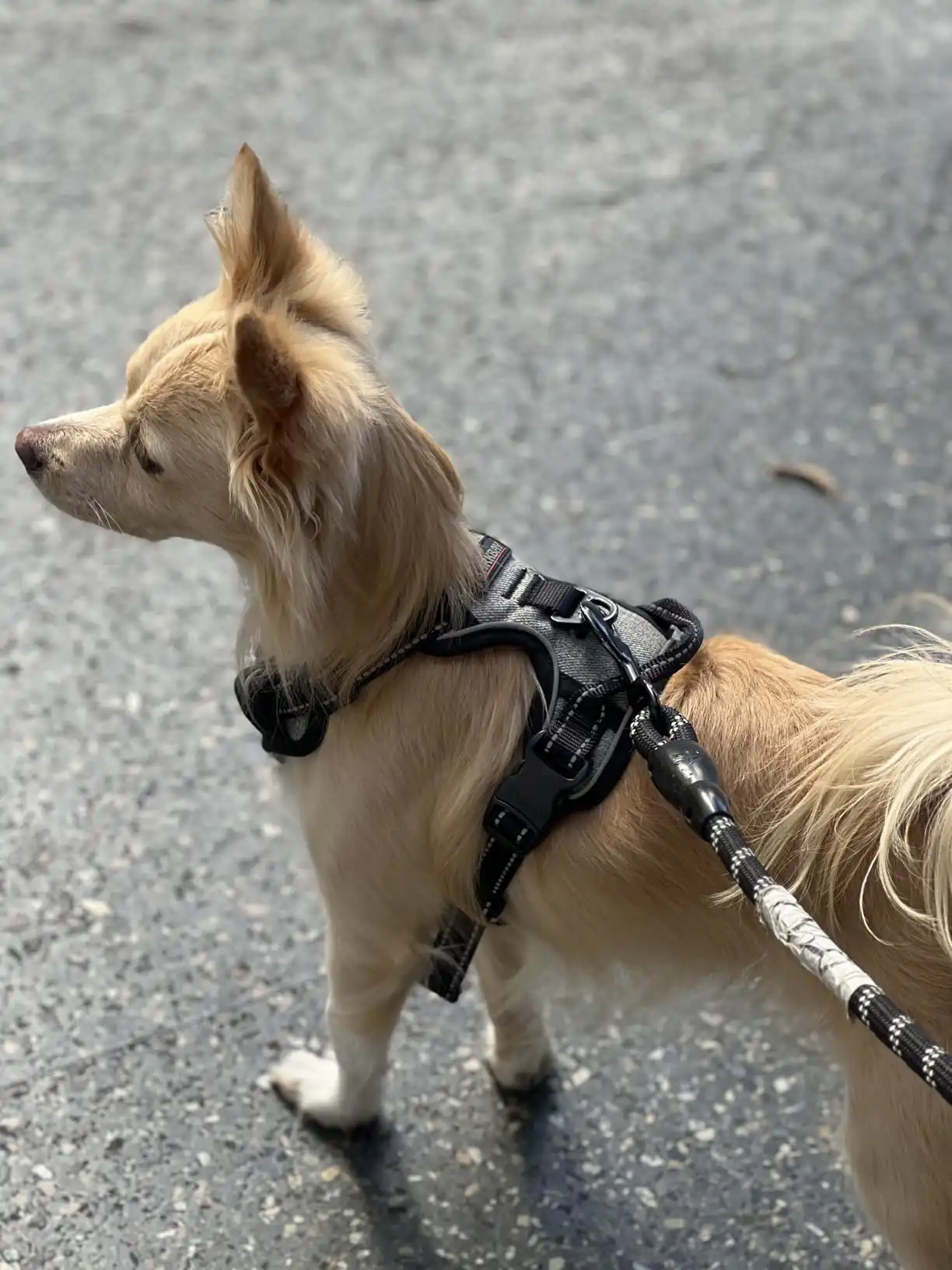
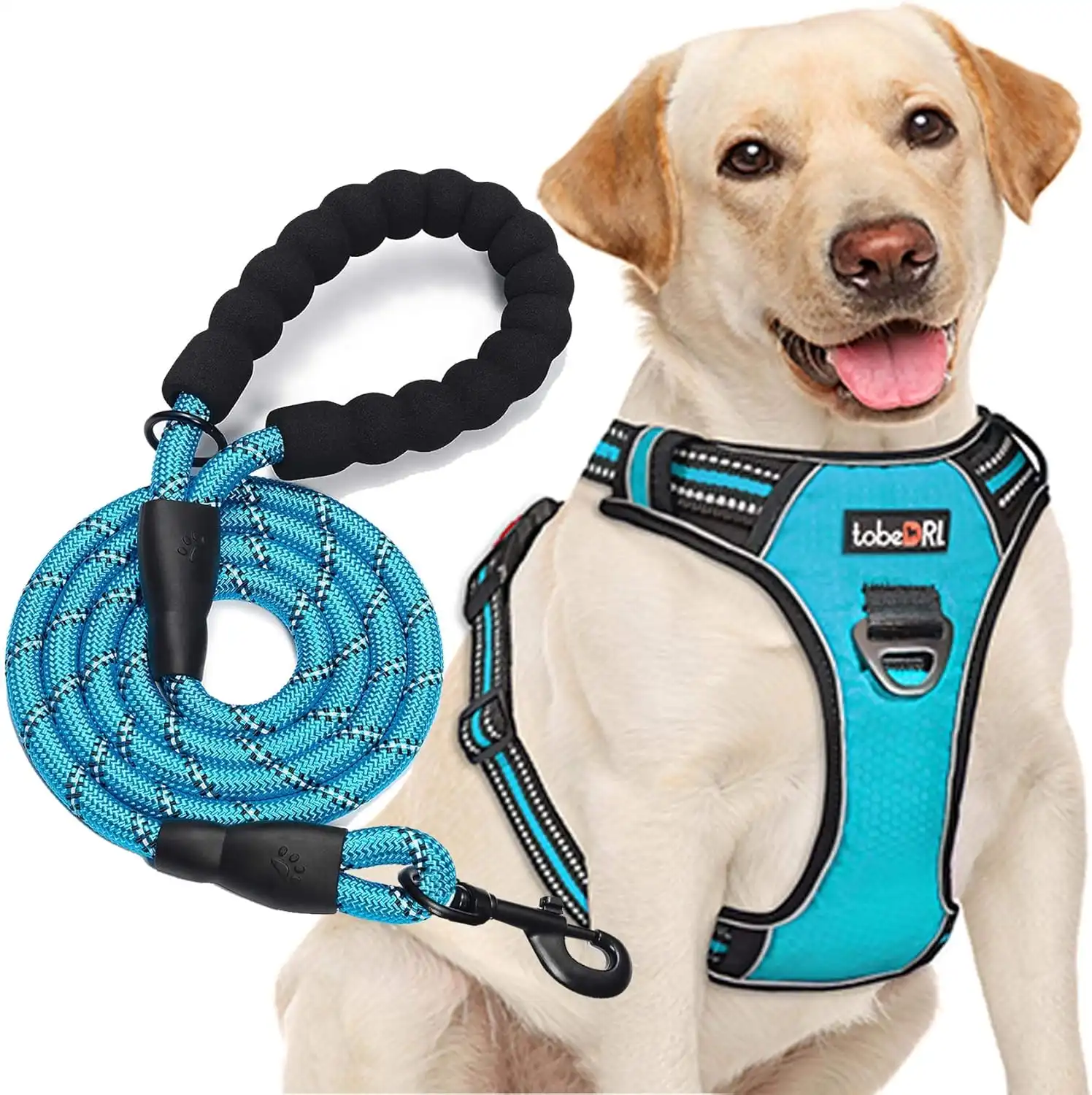
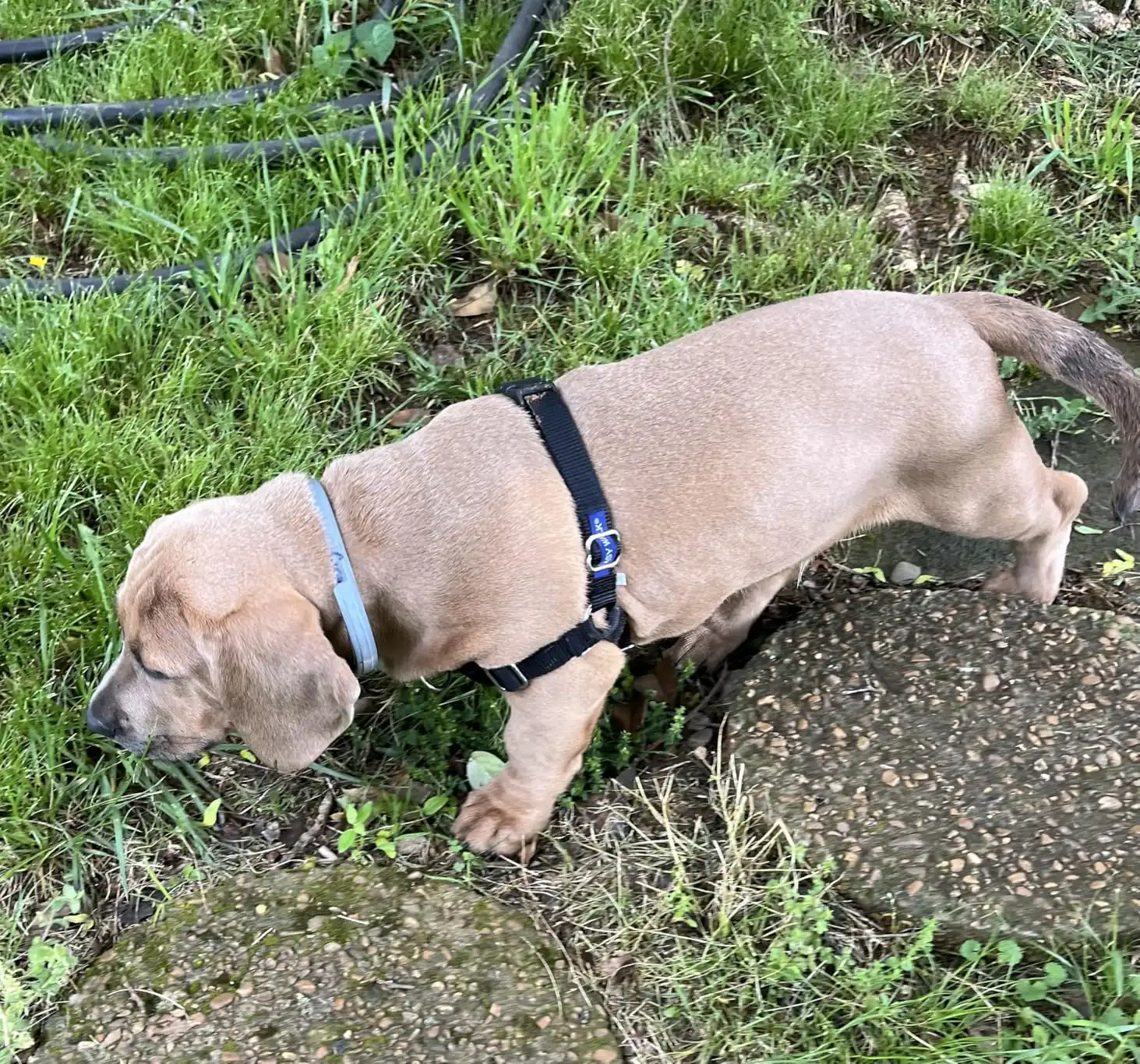

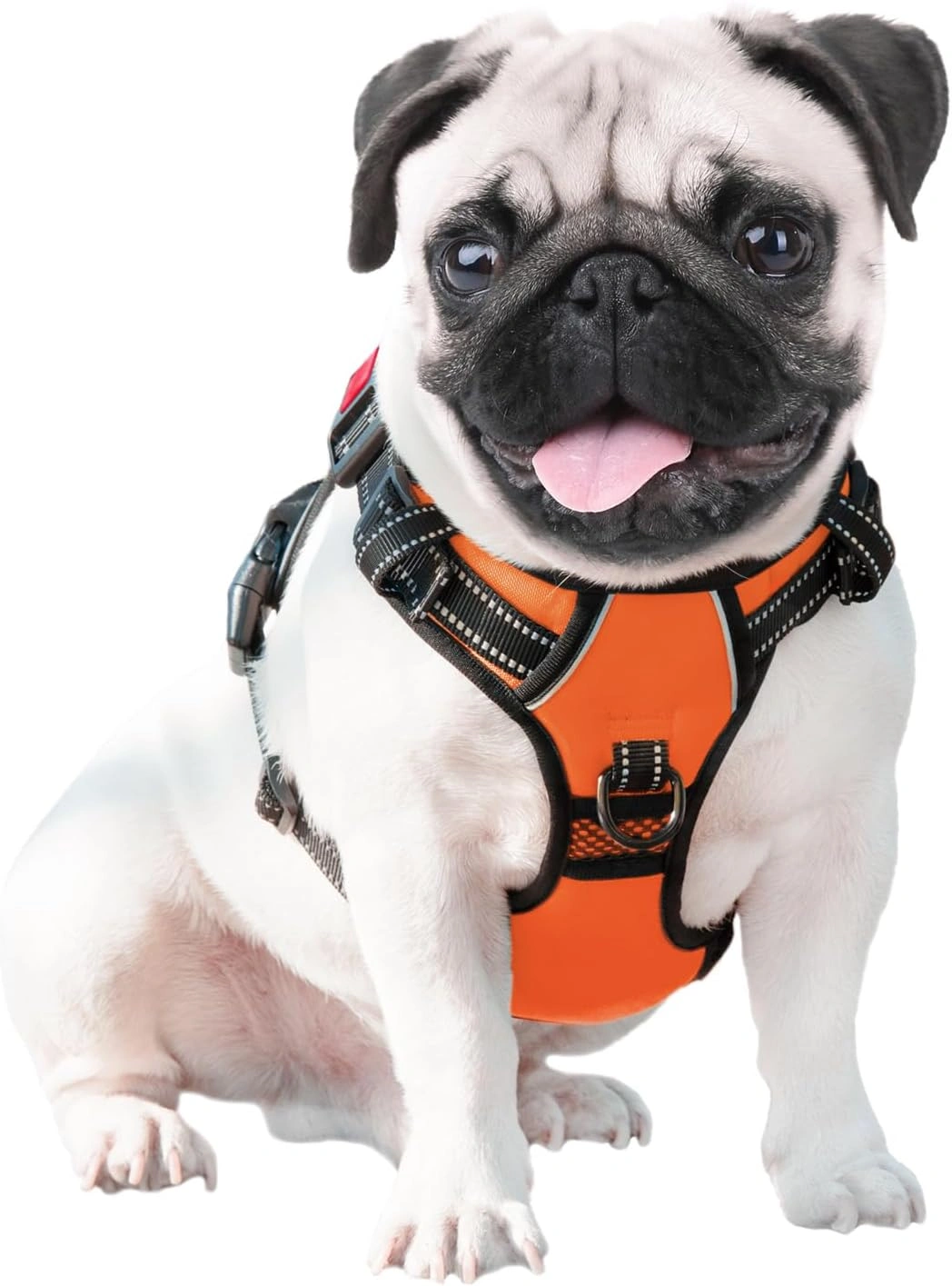
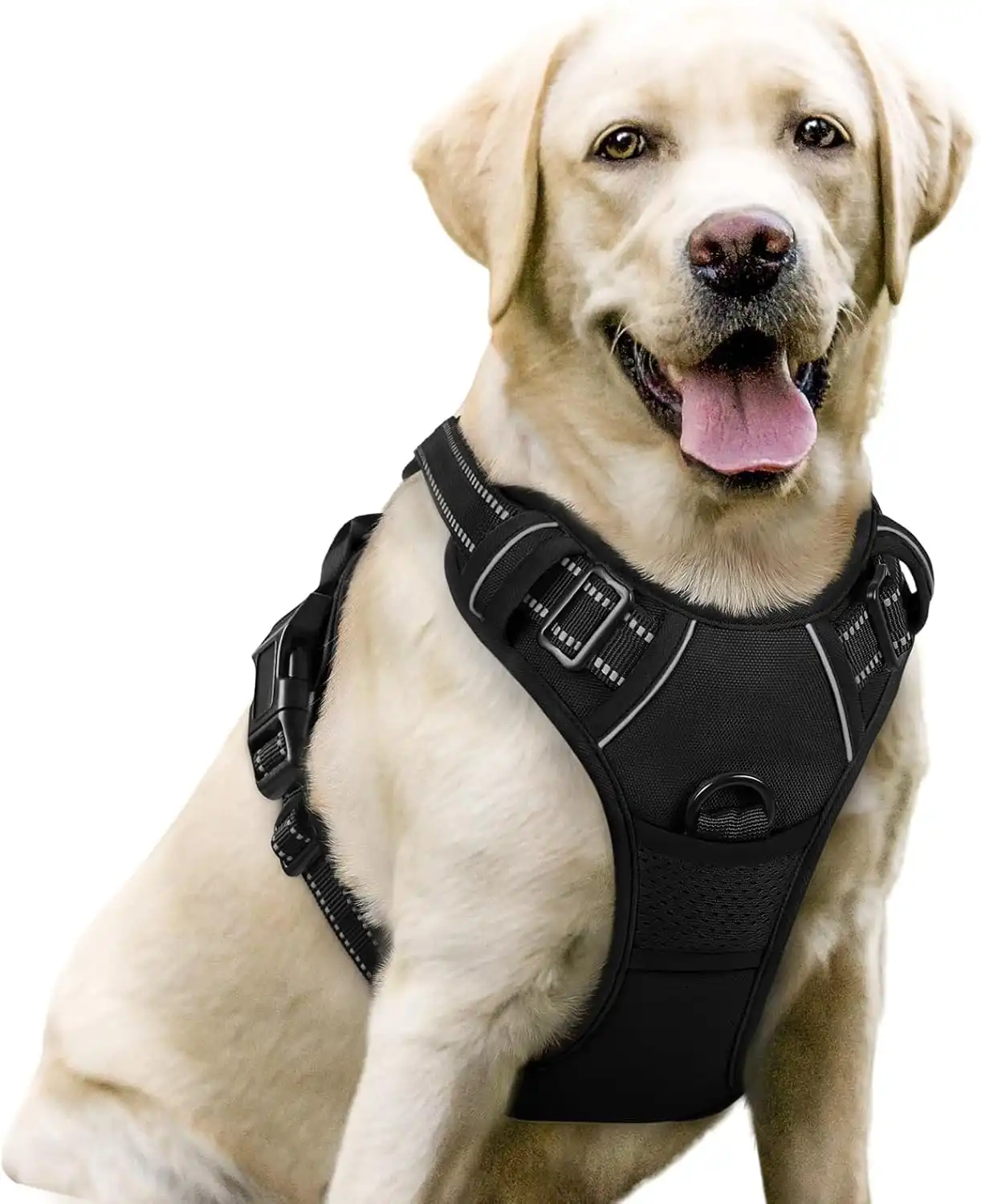



A padded harness spreads leash pressure across your dog’s chest and torso instead of concentrating it on the neck, which can help reduce the risk of tracheal irritation and neck strain. This is especially important for small breeds, flat‑faced dogs, seniors, and strong pullers.
Padding around the chest, girth straps, and sometimes the belly helps prevent rubbing and matting of the fur, which can be a problem with thin webbing harnesses used daily. Many modern padded harnesses use breathable mesh and foam that stays lightweight but still cushions impact on sudden stops or lunges.
Key safety features to look for in 2026
Modern harness design has improved a lot, and there are a few features that matter most for safety‑conscious pet parents. These details help you filter out cheap, uncomfortable gear.
- Multiple adjustment points (usually 4 or more) around the neck and chest let you customize the fit so the harness is snug but not restrictive, reducing the chance of slipping out or chafing.
- Dual leash attachment points (front and back) give you more control; a front clip can help redirect pulling, while a back clip is ideal for relaxed walks and hiking.
- Reflective trim or stitching improves visibility at night or in low light, which is increasingly recommended in current safety guides for urban and suburban dog walking.
How to get the right fit
Even the most cushioned harness can cause problems if it doesn’t fit properly, so sizing is just as important as padding. Taking a few measurements before you buy can save you returns and discomfort.
- Measure your dog’s girth (around the widest part of the chest, just behind the front legs) and neck circumference, then compare these to the brand’s size chart rather than guessing by weight alone.
- Once the harness is on, you should be able to fit two fingers between the straps and your dog’s body; too loose and they may slip out, too tight and it can cause rubbing, hair loss, or restricted movement.
- Watch your dog walk, sit, and lie down in the harness; straps should not cut into the armpits, and the chest plate should sit flat, not riding up into the throat.
Types of padded dog harnesses
Different styles of padded harness support different activities and personalities, from couch potatoes to trail runners. Understanding the main types helps you match your dog’s routine to the right design.
- Everyday step‑in or over‑the‑head harnesses with chest padding are ideal for daily neighborhood walks and casual outings, and are often easier for nervous dogs to accept.
- No‑pull padded harnesses add a front clip and strategically placed padding to gently turn your dog toward you when they pull, instead of allowing them to lean into the leash.
- Sport and hiking harnesses use more durable outer fabrics with robust foam padding and extra coverage to keep dogs comfortable over long distances, while often including handles to help lift over obstacles.
Materials that matter in 2026
As of 2026, most higher‑quality padded harnesses use a combination of durable fabrics on the outside and soft, breathable cushioning inside to balance longevity and comfort. Understanding these materials helps you spot gear that will last more than one season.
- Ripstop polyester or Oxford nylon exteriors are commonly used because they resist tearing and abrasion from bushes, rocks, or rough play, making them suitable for active dogs.
- Closed‑cell foam or padded mesh linings cushion impact while allowing airflow, which reduces overheating and dampness against the skin during long walks or warm weather.
- Reflective webbing and sturdy metal D‑rings (often aluminum or steel) have become standard features in higher‑end harnesses, improving both durability and nighttime safety.
Safety tips for using a padded harness
A great harness is only part of the safety equation; everyday handling and maintenance also play a big role. Following a few simple habits can prevent accidents and extend the life of your dog’s gear.
- Regularly check stitching, buckles, and D‑rings for fraying or cracks; replace the harness if you see damage, as worn parts are a common failure point during sudden lunges.
- Avoid leaving the harness on 24/7; removing it at home lets skin and fur breathe and reduces the risk of matting, pressure points, and trapped moisture under the padding.
- Pair the harness with an ID tag and, ideally, a microchip, since even well‑fitted gear can fail unexpectedly if a dog backs out or a buckle pops in a high‑energy moment.
Signs your dog’s harness is not working
Your dog can “tell” you a lot through body language and minor skin changes, and those clues often show up before you notice visible damage to the harness. Paying attention can prevent bigger problems.
- Look for redness, hair loss, or scabs in the armpit and chest areas, which usually indicate rubbing from a poor fit or rough edges.
- Behavioral changes like stopping on walks, scratching at the harness, or trying to escape it may mean the harness is pinching, too heavy, or associated with past discomfort.
- If your dog can back out of the harness or twist free when startled, it likely needs resizing or replacing with a design that offers more coverage and better adjustability.
How to introduce a new padded harness
For many dogs, especially rescues or anxious pups, new gear can be a little scary at first. A gradual, positive approach helps them build a calm association with their harness.
- Start by letting your dog sniff the harness and rewarding with treats before you ever put it on, so the harness predicts good things rather than restraint.
- Practice short wear sessions indoors, adding praise and play, then slowly increase the time and move to the yard or hallway before going for a full outdoor walk.
- If your dog freezes or panics, go back a step and shorten sessions rather than forcing it; consistent, low‑stress repetition tends to work better than a single long session.
When to talk to your vet or trainer
A padded harness is a helpful tool, but it is not a magic fix for every behavior or medical issue. Knowing when to call in professional help can make walks more enjoyable for both you and your dog.
- If your dog has existing orthopedic issues, spinal problems, or a history of neck or airway disease, ask your veterinarian which harness style spreads pressure most safely for their condition.
- Persistent pulling, lunging, or reactivity on leash usually requires training support; many force‑free trainers pair no‑pull padded harnesses with behavioral strategies for the best results.
- Sudden changes in gait, reluctance to walk, or soreness after walks may indicate pain that a harness alone cannot solve, so a veterinary exam is recommended before assuming it is just a gear issue.
Final thoughts for pet parents
A well‑chosen padded harness can turn stressful, tug‑of‑war walks into relaxed, enjoyable outings and give your dog a more comfortable way to explore the world by your side. By focusing on fit, padding, reliable materials, and reflective safety details, you set your dog up for safer adventures in 2026 and beyond.
When in doubt, measure twice, read sizing charts carefully, and be willing to adjust or change harness styles as your dog ages, gains confidence, or becomes more active. This thoughtful approach helps you find the one padded harness your dog looks forward to wearing every single day.
About the Author

You Might Also Like