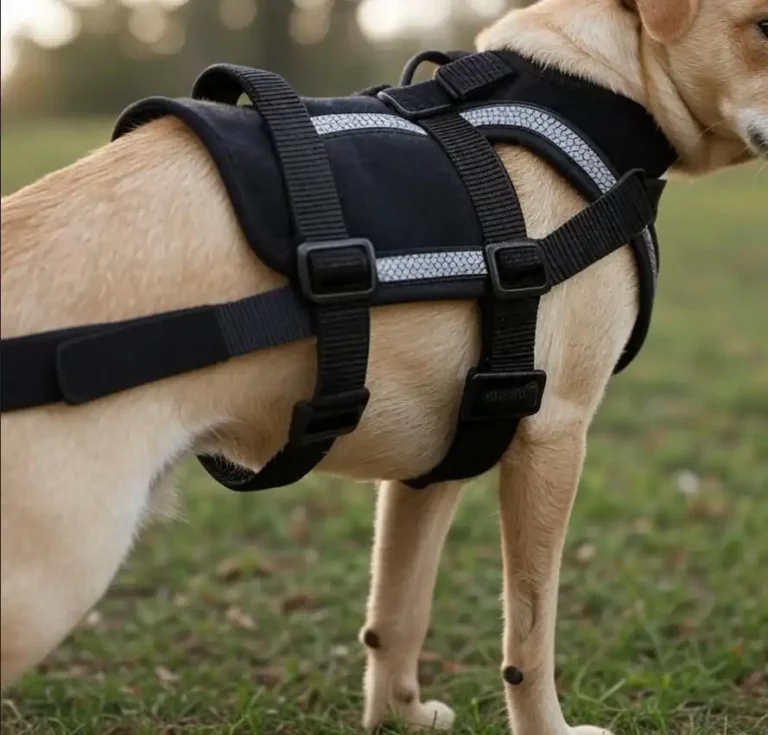
Do Harnesses Stop Dogs Pulling? 2026 Guide
Every pet parent knows the feeling: the sun is shining, you’ve got your walking shoes on, and your dog is ready for an adventure. But the moment you step outside, your arm is nearly yanked out of its socket. It turns your peaceful stroll into a high-stakes game of tug-of-war. If you’ve found yourself searching for a solution to reclaim your walks, you aren’t alone. In this guide, we’ll explore the science and effectiveness behind modern walking gear and answer the big question: Do Harnesses Stop Dogs Pulling?
The Science of the “Pull”: Why Dogs Do It
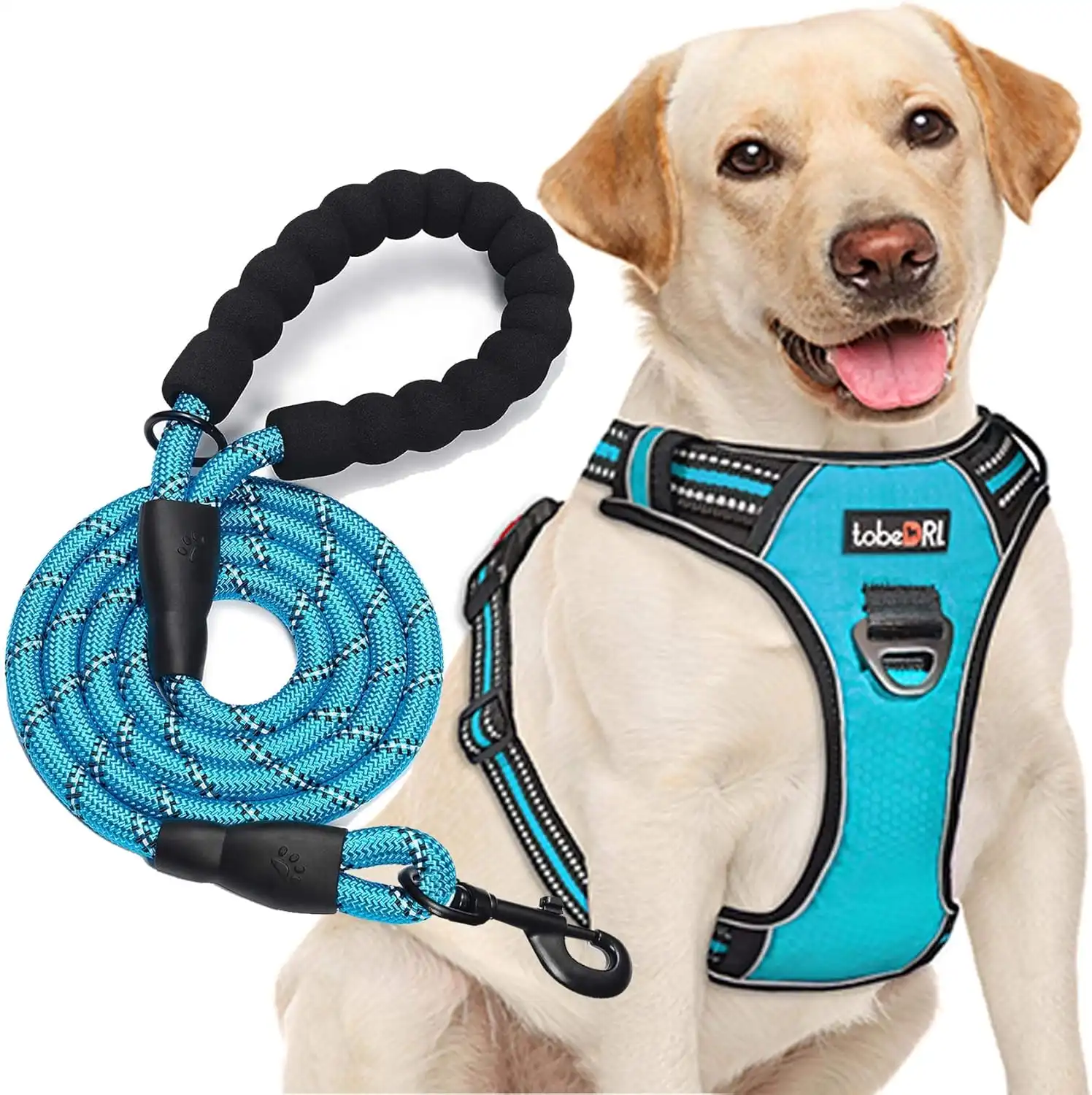
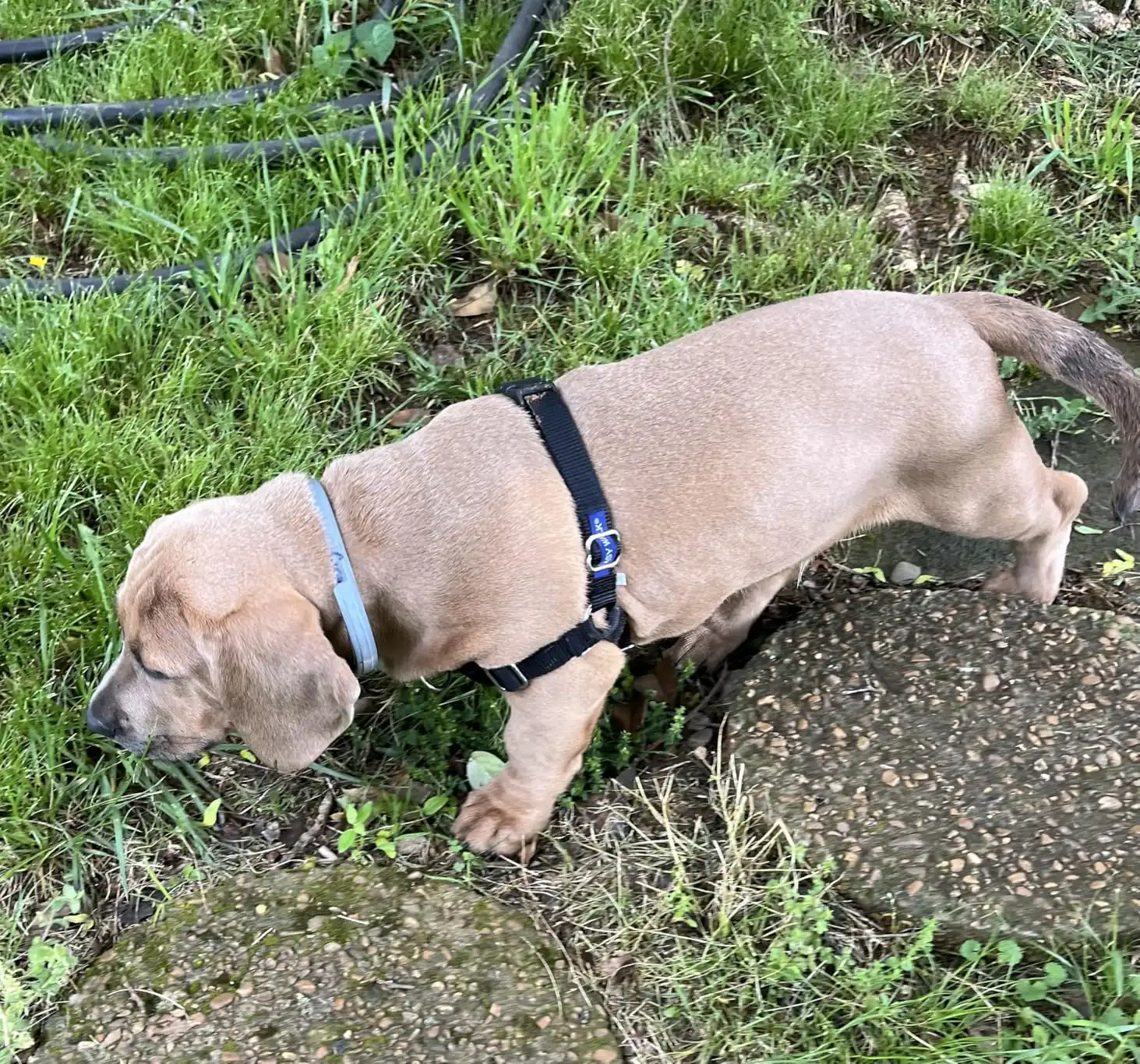
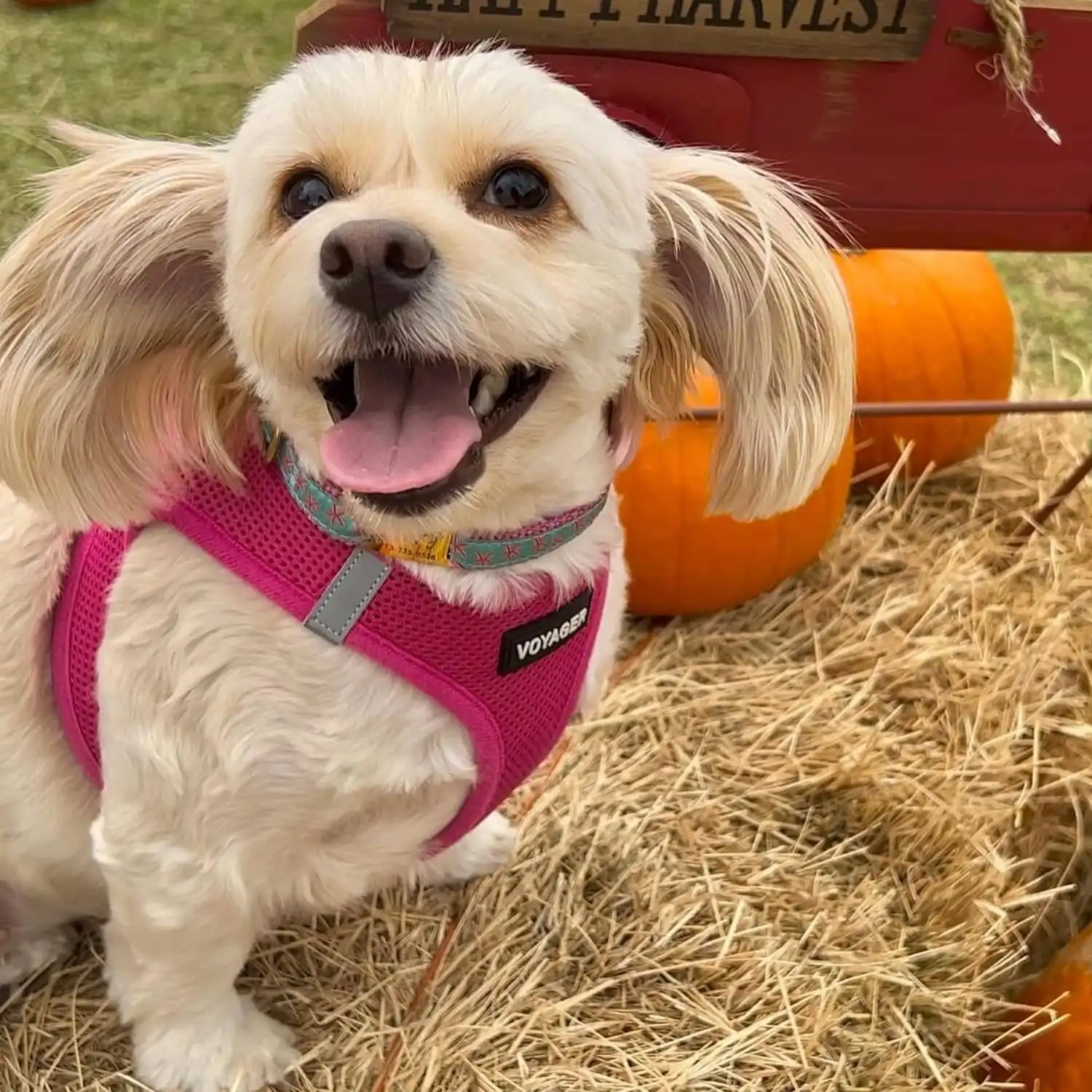
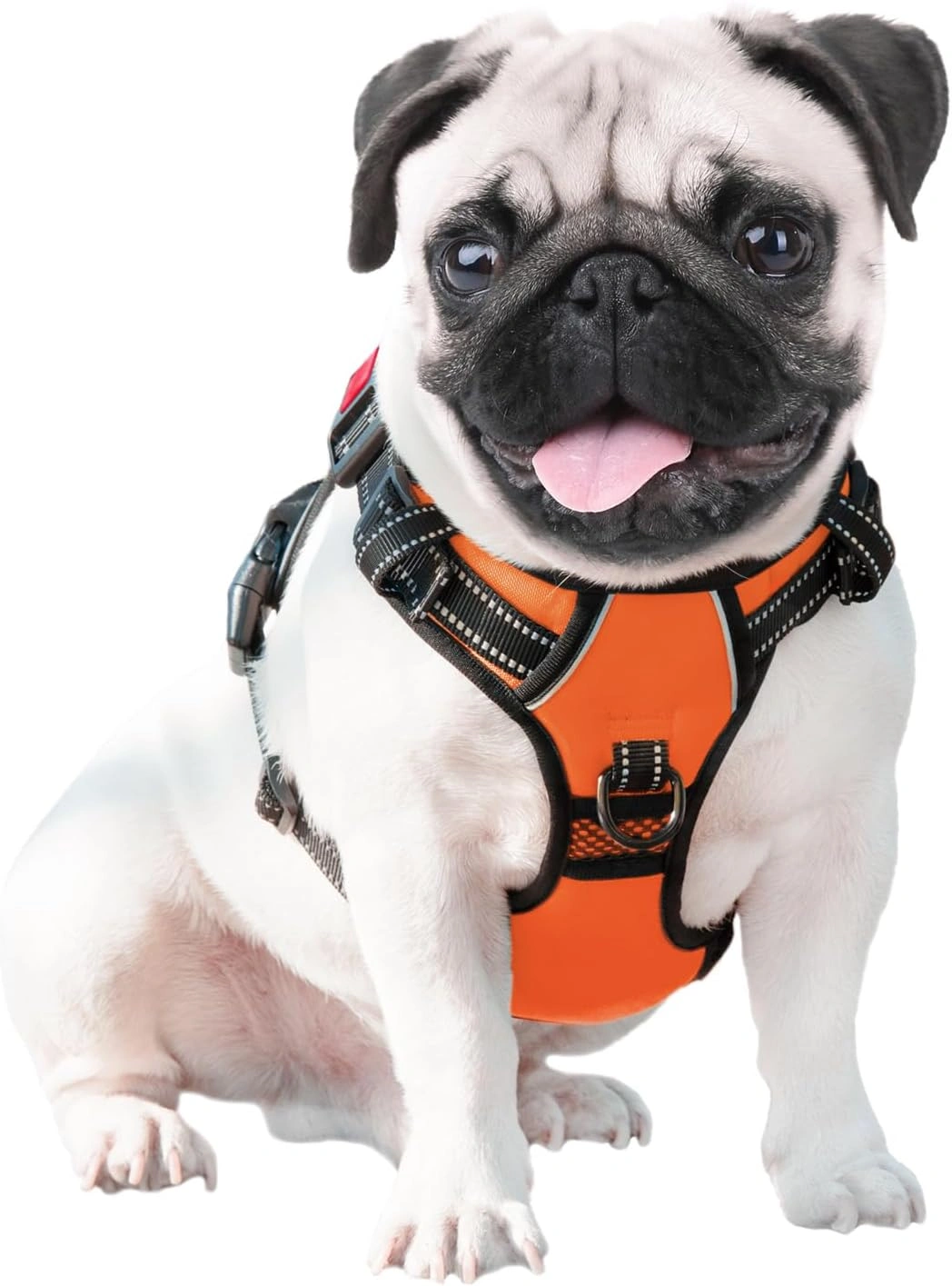
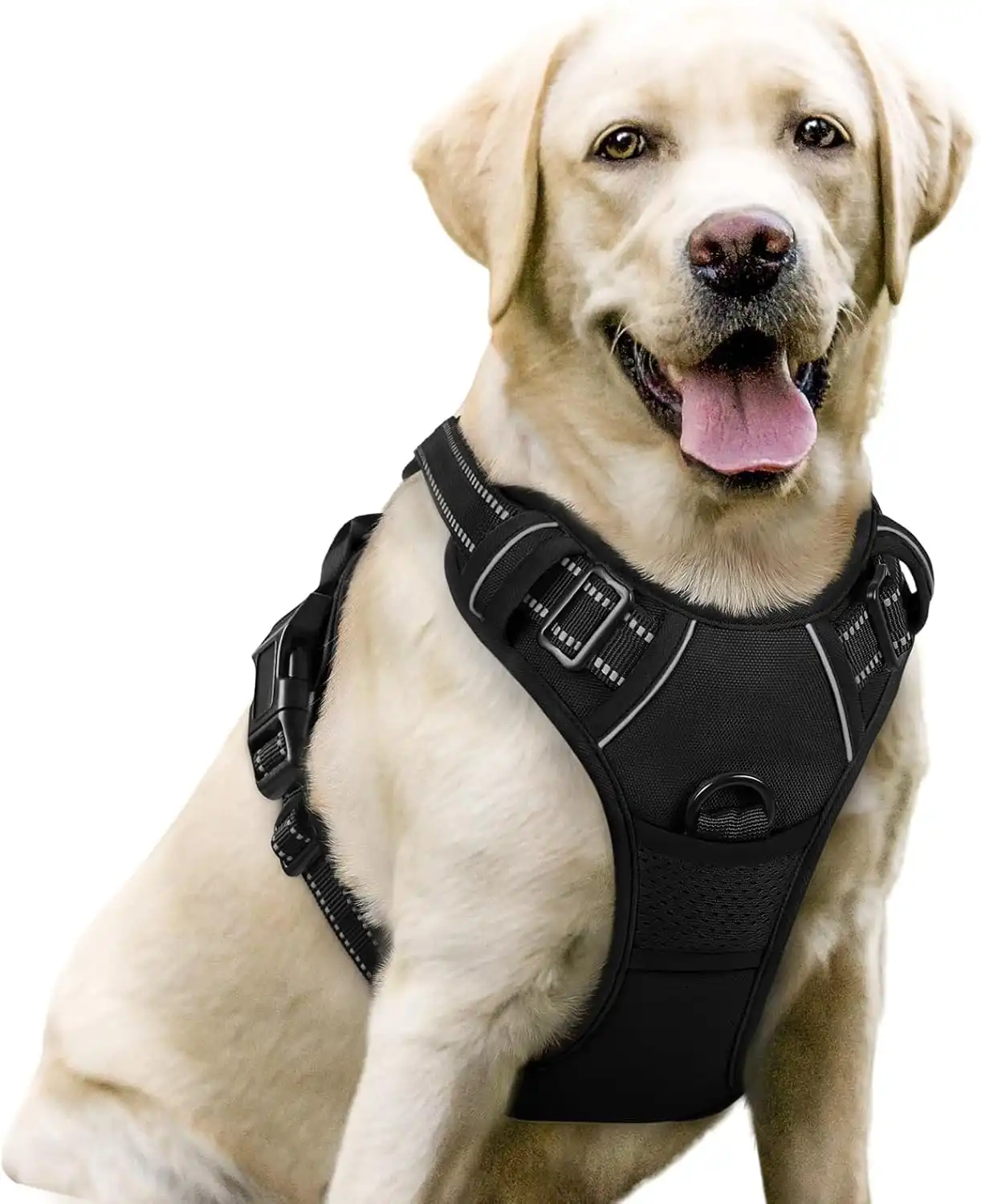
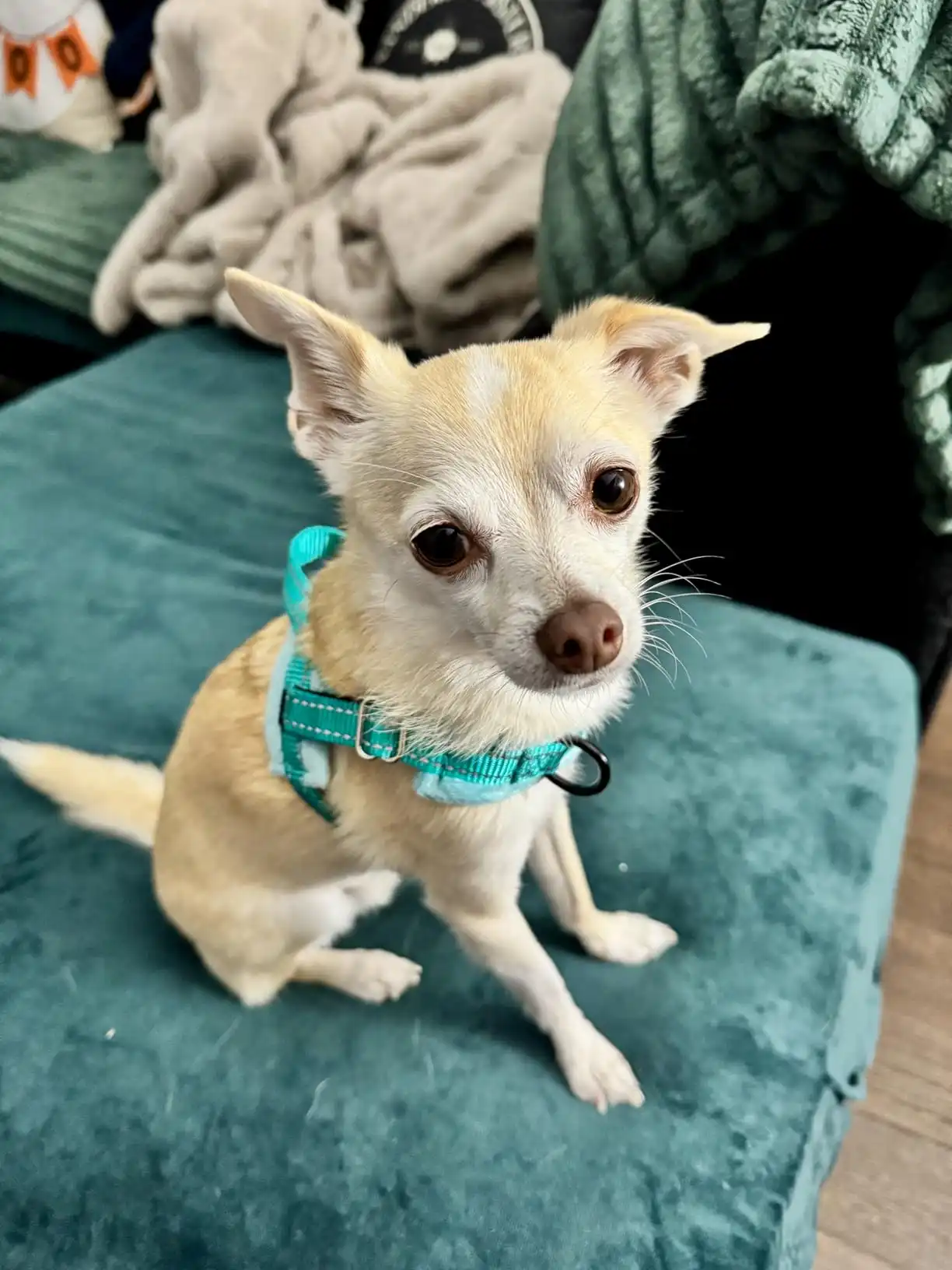


Before we look at the gear, we have to understand the dog. Most dogs don’t pull because they want to be the “alpha”; they pull because of the opposition reflex. This is a natural canine instinct to push back against pressure. When a collar tightens around their neck, their instinct is to lean forward into that pressure.
Additionally, dogs naturally walk about two to three times faster than humans. To them, our “brisk walk” is a snail’s pace. In 2026, veterinary behaviorists emphasize that pulling is often a combination of this excitement and a lack of clear communication between the leash and the pup.
How Modern No-Pull Harnesses Work
Standard back-clip harnesses can actually encourage pulling (think of sled dogs). However, no-pull harnesses are designed with a specific mechanical advantage.
1. Front-Clip Redirection
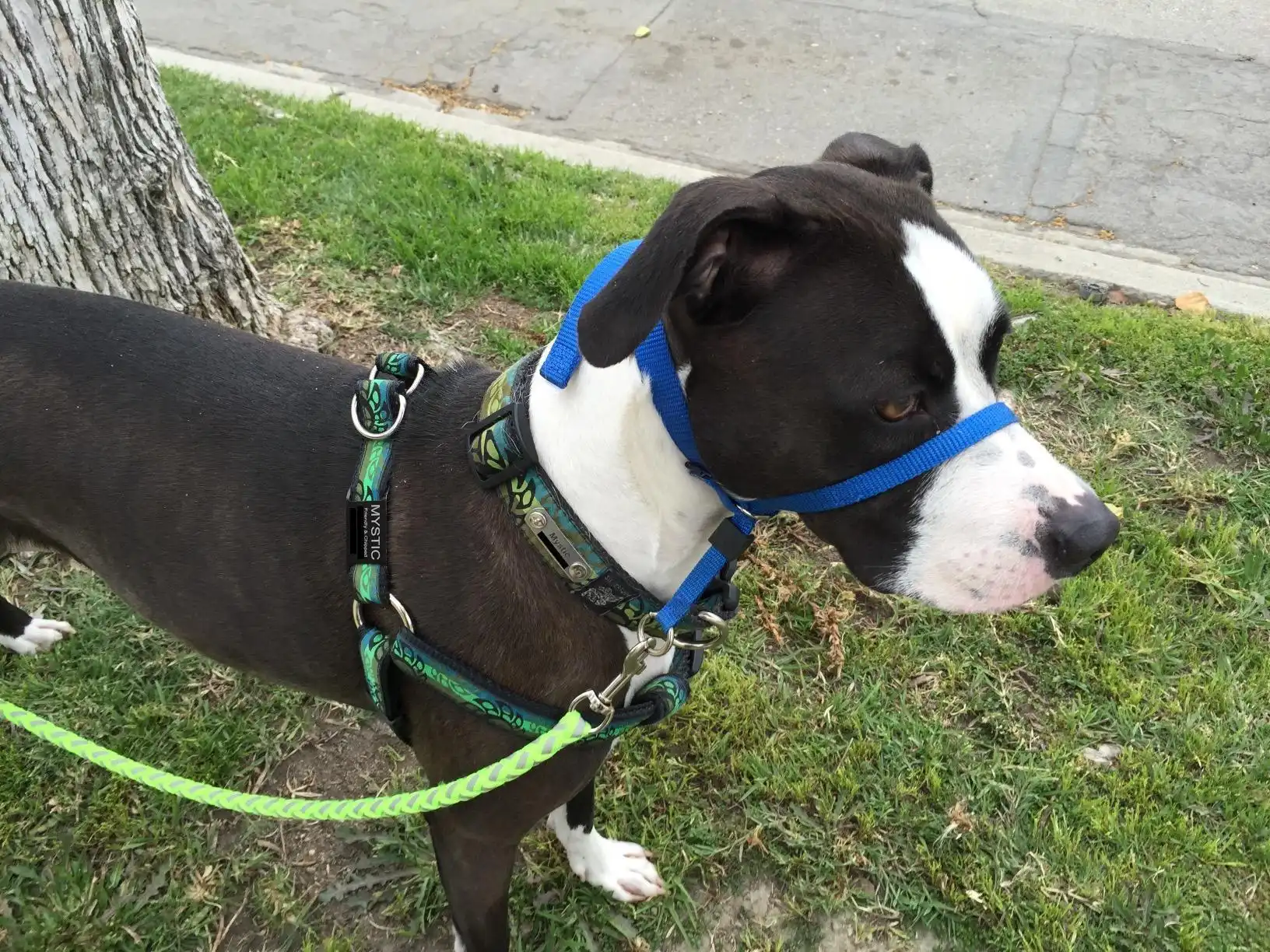
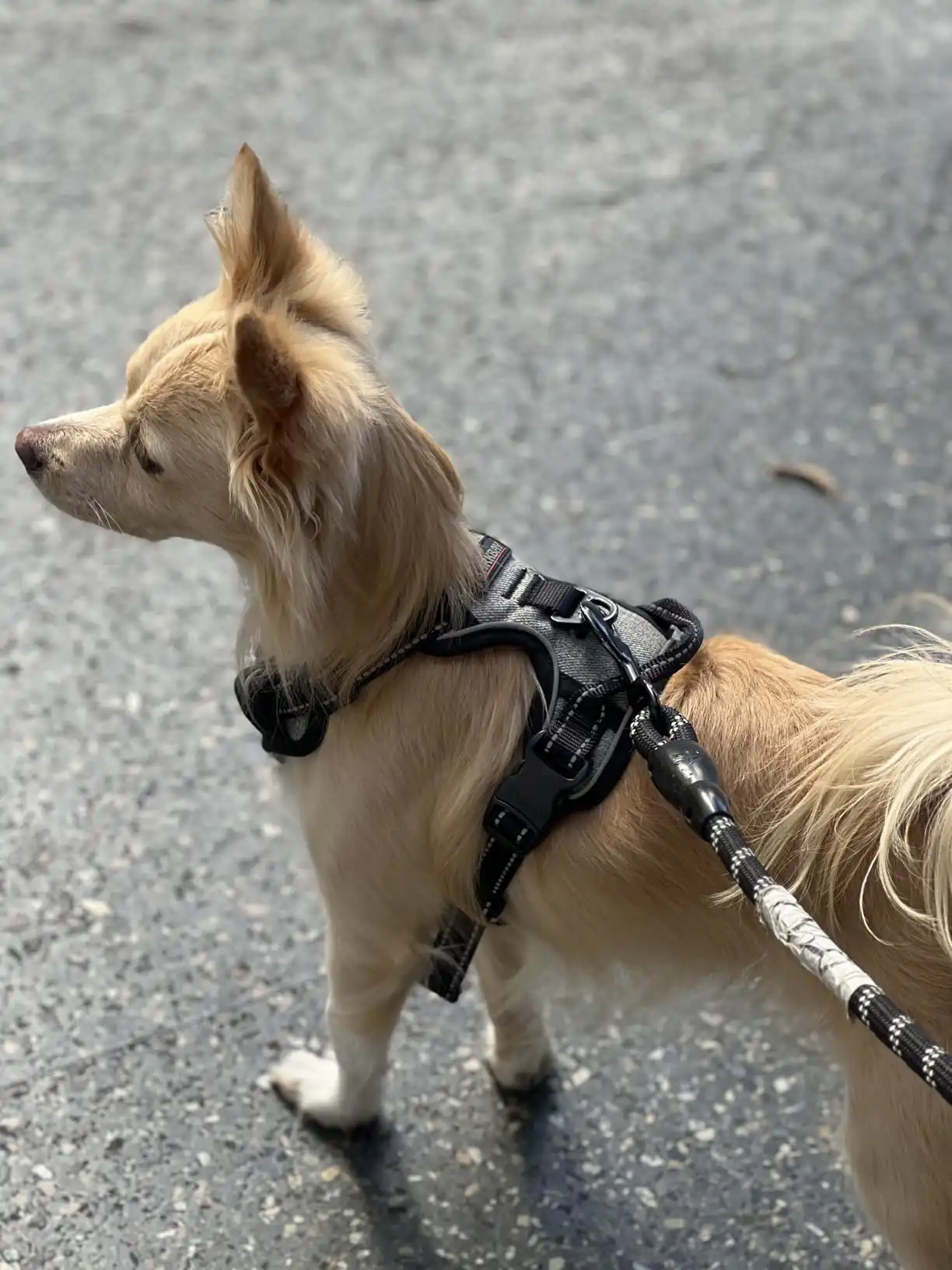
The most effective tool in your 2026 kit is the front-clip harness. By attaching the leash to the D-ring on the dog’s chest, the physics of the walk change. When your dog lunges forward, the tension gently pivots them back toward you. It breaks their forward momentum without causing pain.
2. Dual-Point Steering
Many premium models now feature “multi-point” connections. Using a double-ended leash attached to both the chest and the back allows you to steer your dog much like a horse, providing maximum control for large or high-energy breeds.
3. Pressure Distribution
Unlike collars, which put dangerous pressure on the trachea and thyroid gland, harnesses distribute force across the sturdy chest and ribcage. This makes the walk safer and reduces the “gasps” or “honking” sounds often heard from pulling dogs.
Top-Rated Harnesses for 2026
Based on the latest safety testing and pet parent reviews, here are the standout performers this year:
| Harness Model | Best For… | Key Feature |
| Ruffwear Front Range | All-Day Adventures | Padded for comfort with hidden ID pocket. |
| Blue-9 Balance Harness | Hard-to-Fit Shapes | 6 points of adjustment; doesn’t restrict shoulder movement. |
| 2 Hounds Freedom | Heavy Pullers | Features a velvet-lined girth strap to prevent chafing. |
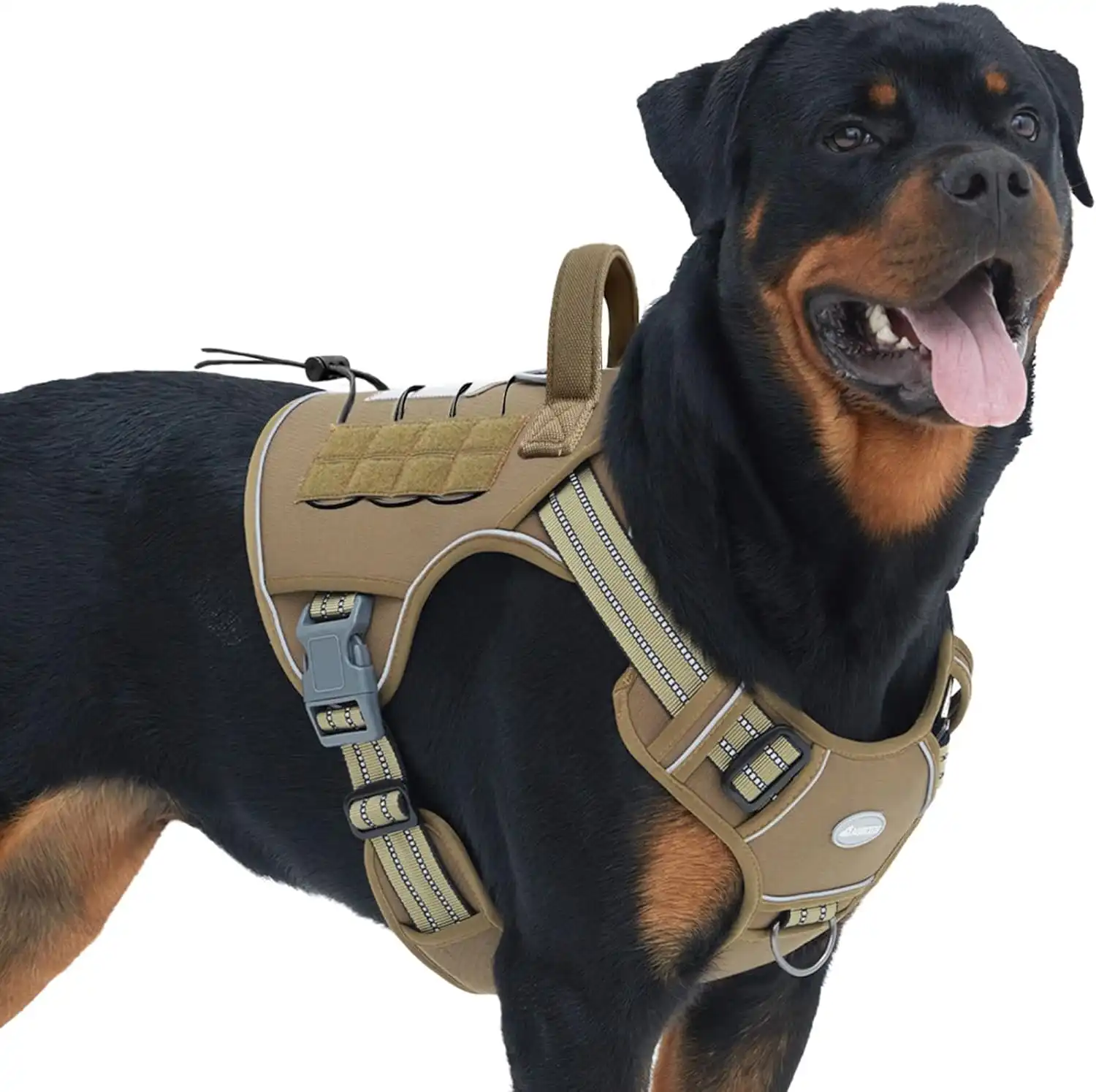
| Rabbitgoo No-Pull | Budget-Friendly | High visibility with bright reflective stitching. |
Common Myths: Is It a Magic Fix?
It is important to be intellectually honest: A harness is a tool, not a trainer. While a high-quality no-pull harness will significantly reduce the impact of pulling and give you better leverage, it doesn’t “delete” the behavior. If you put a harness on a dog and let them continue to pull you down the street, they will simply learn how to pull more efficiently in a harness.
The 2026 Approach: Use the harness to manage the behavior so you can stay safe, while simultaneously using positive reinforcement (treats and praise) to reward your dog when the leash is slack.
Pro-Tips for a Better Walk
- The Two-Finger Rule: Ensure you can fit two fingers (and only two) between the straps and your dog’s skin to prevent escaping or chafing.
- Check the Shoulders: Look for “Y-shaped” harnesses. These allow for a full range of motion in the shoulders, which is vital for long-term joint health.
- Short Sessions: If your dog is a “power-puller,” start with 5-minute training sessions in a low-distraction environment like your hallway or backyard.
The Verdict
So, do they work? Yes. A no-pull harness is the safest and most effective way to manage a dog that pulls. It protects their physical health, saves your shoulders, and provides the “reset” button you need to start teaching better manners.
About the Author

You Might Also Like