Choosing the Best Dog in Harness for 2026: A Guide
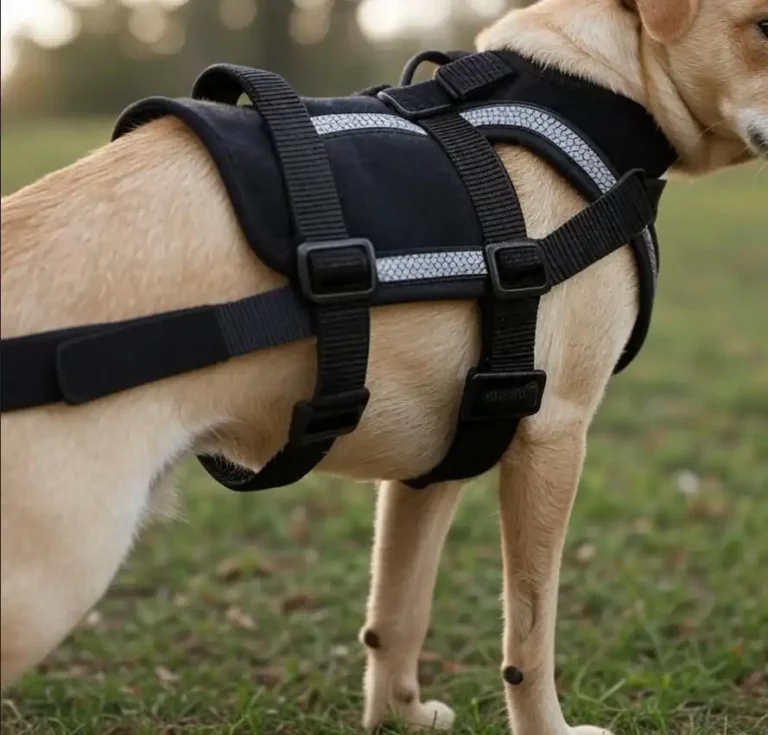
Walking your furry best friend should be the highlight of your day, not a stressful game of tug-of-war. Whether you’re navigating busy city sidewalks or exploring a quiet forest trail, the gear you choose makes all the difference in your dog’s safety and comfort. Finding the perfect dog in harness setup is about more than just a stylish look; it’s about protecting their delicate neck and giving you the control you need for a peaceful stroll.
Why Pet Parents are Swapping Collars for Harnesses
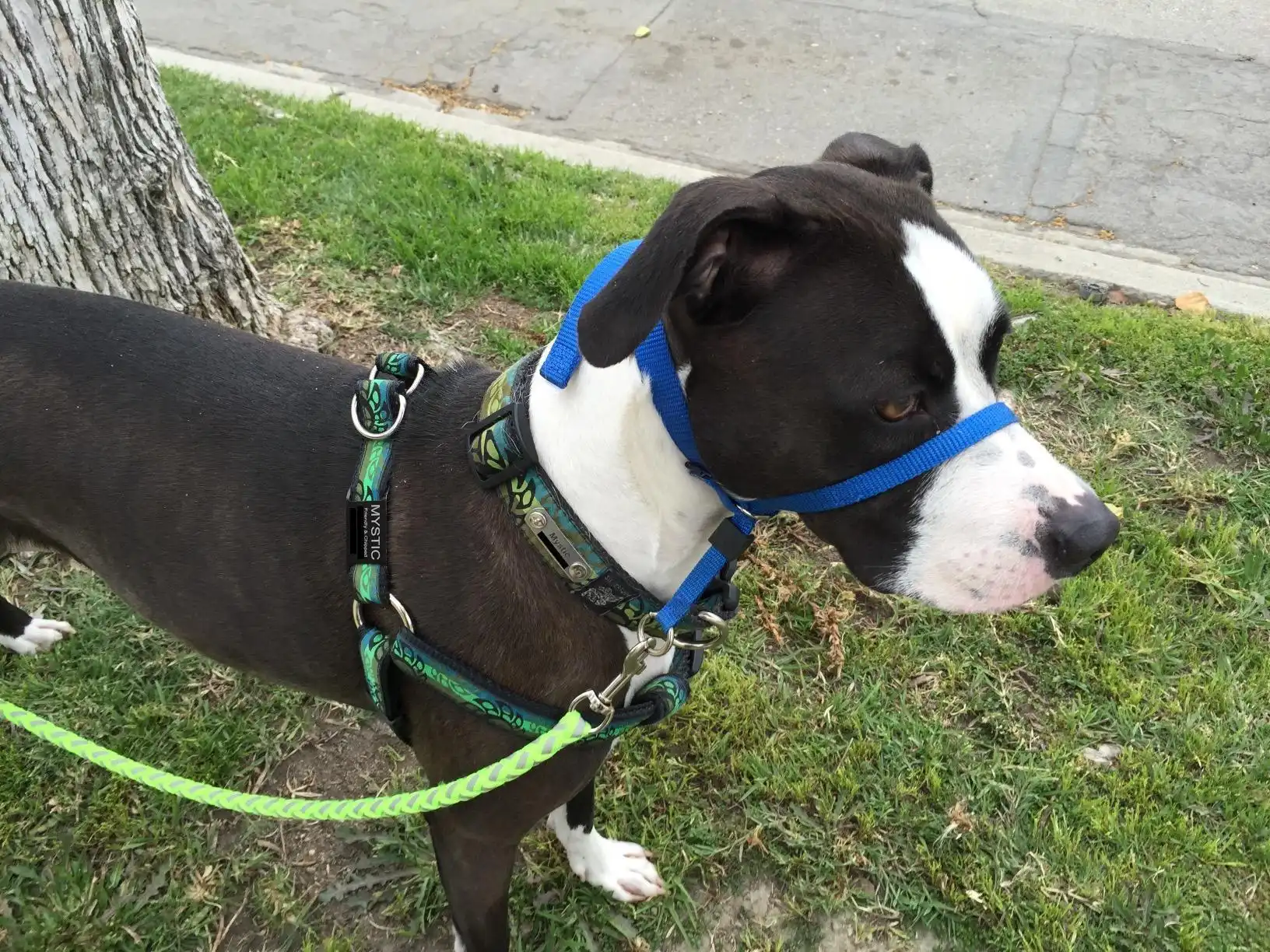
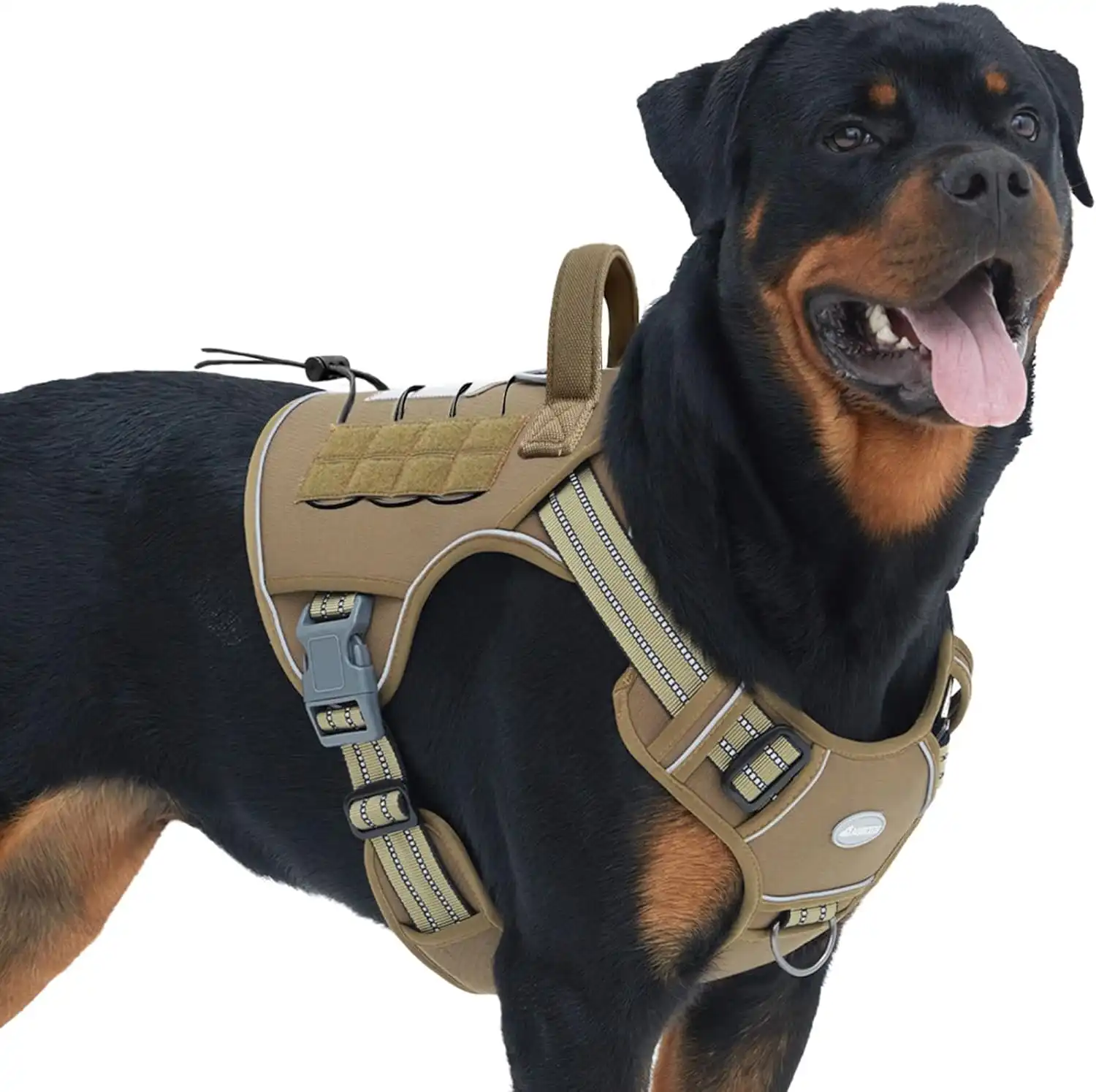
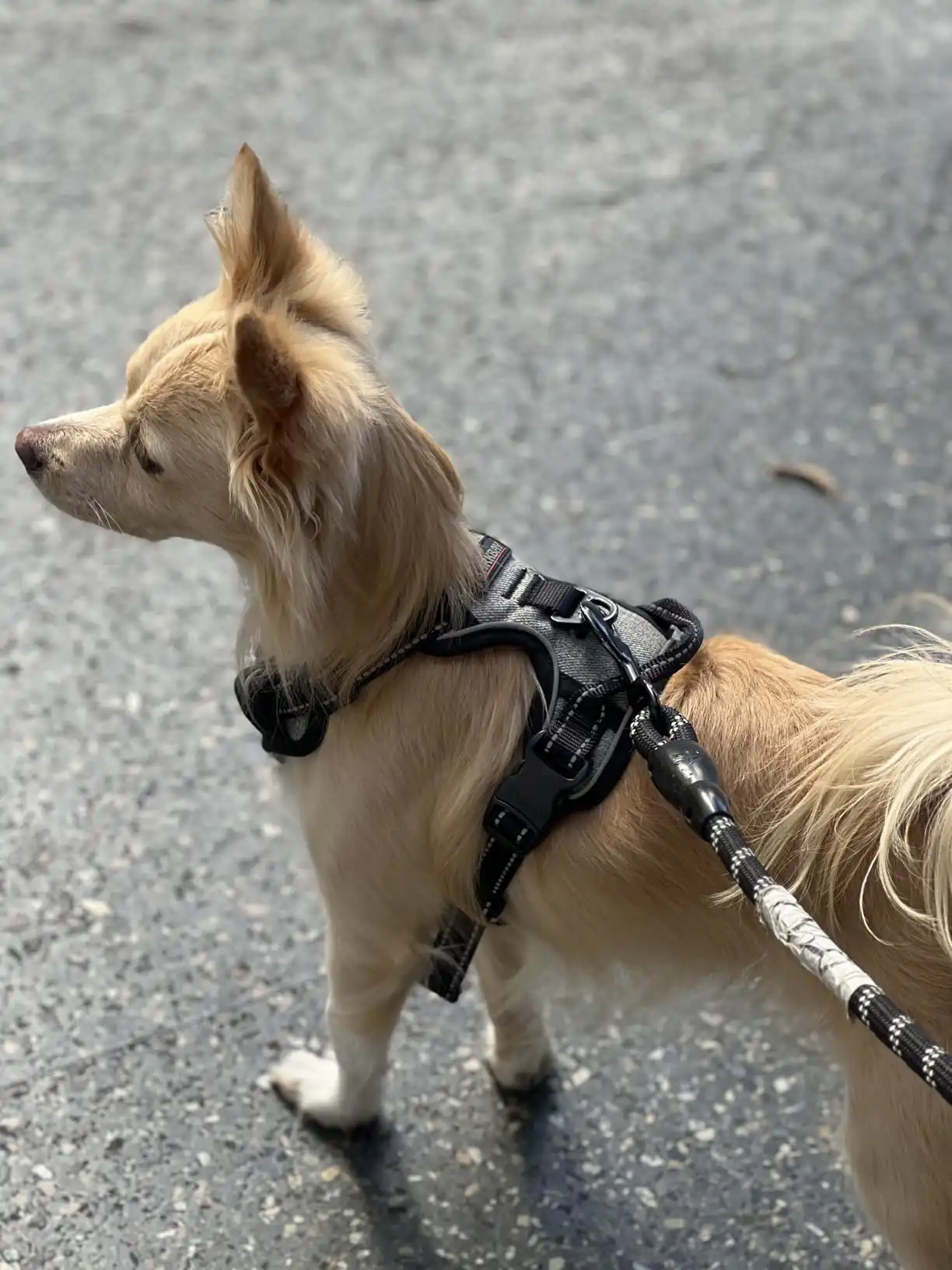
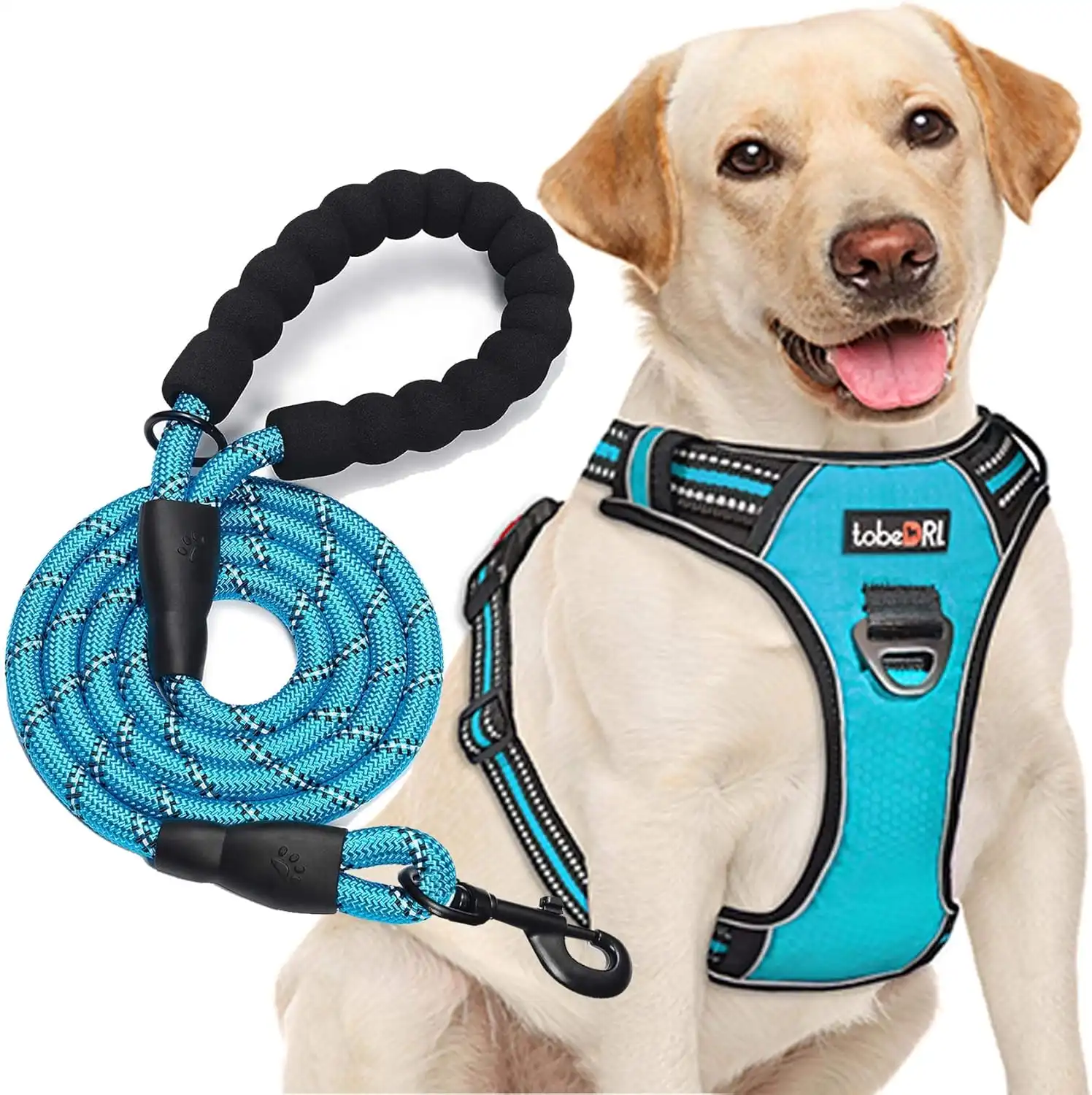
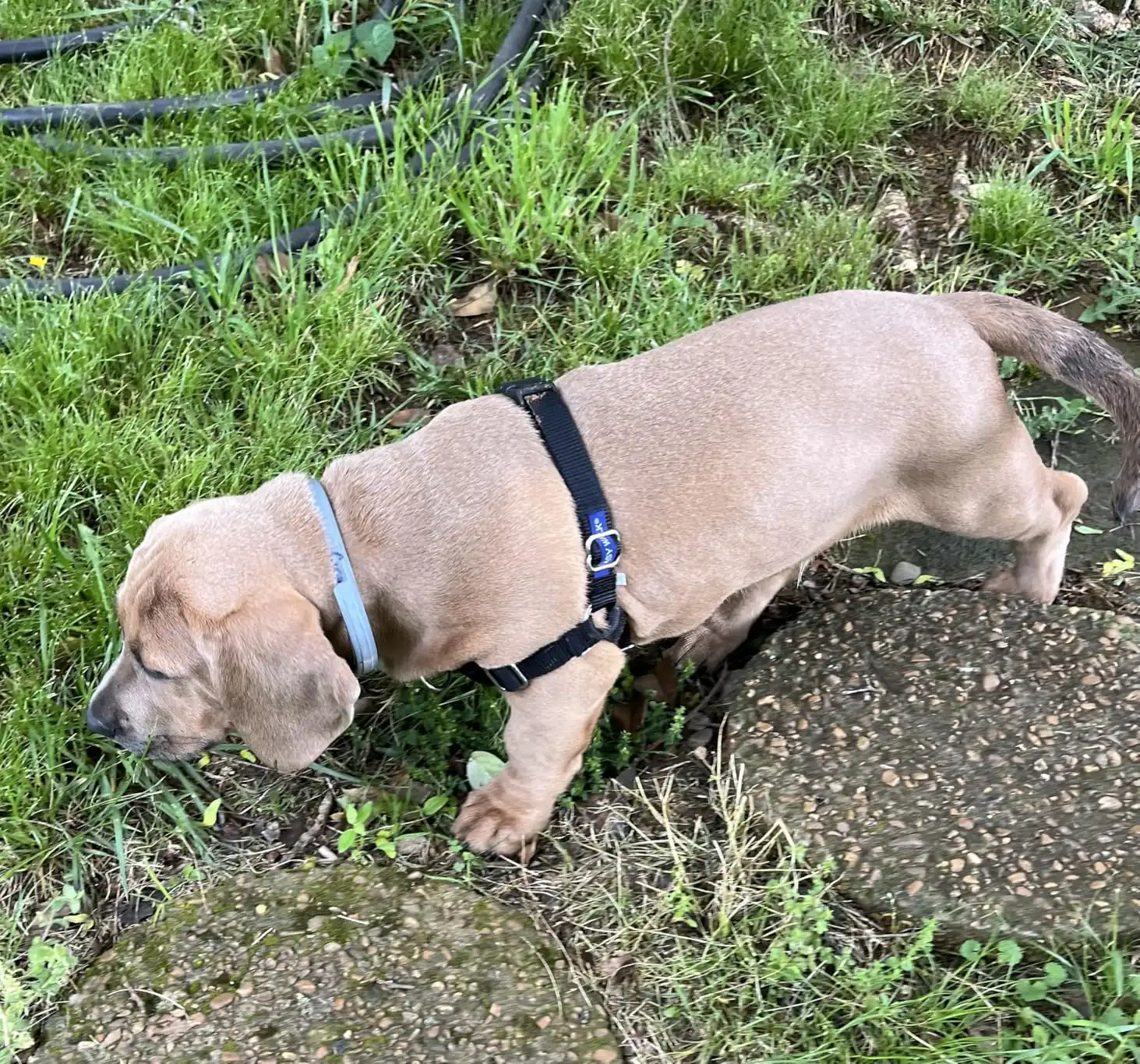
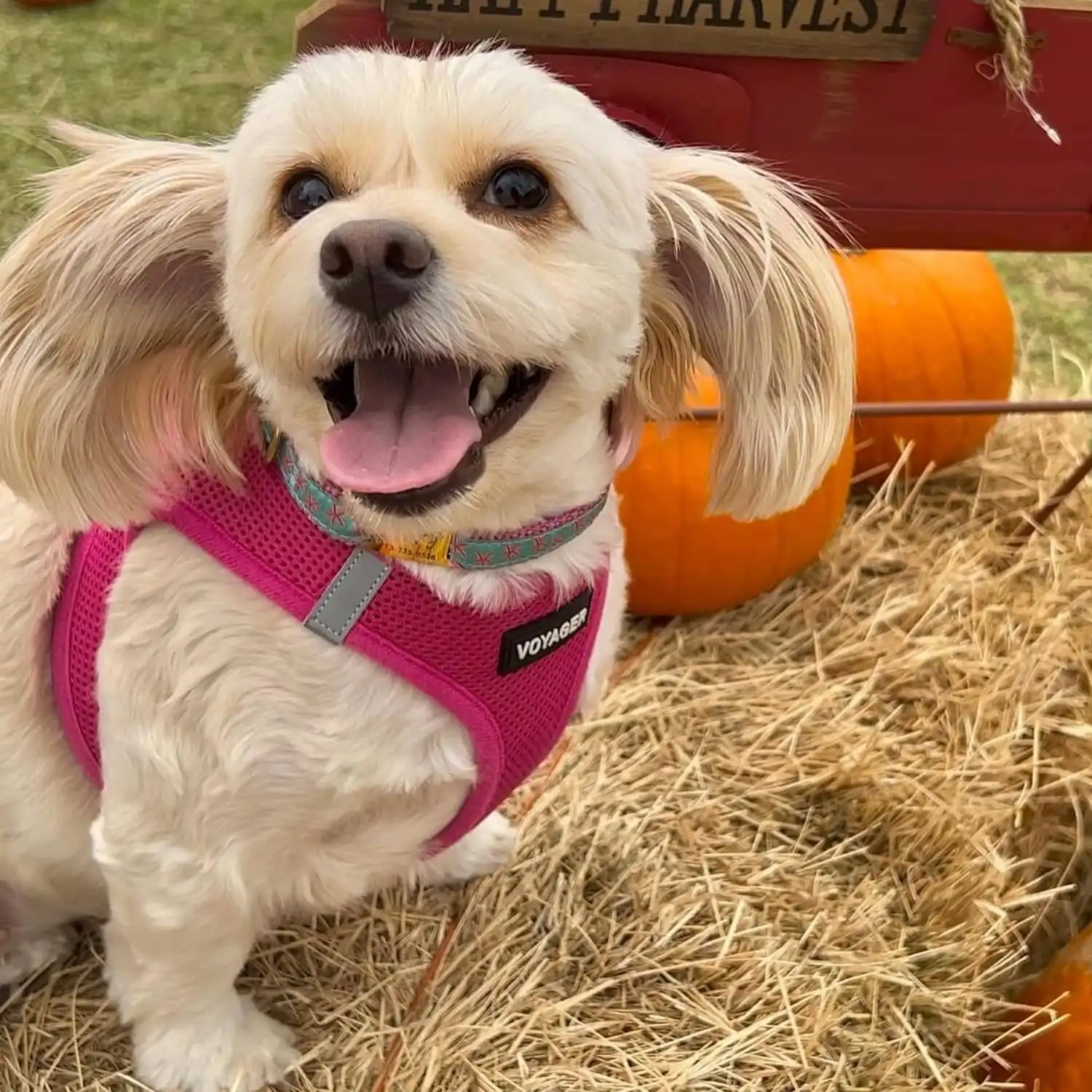
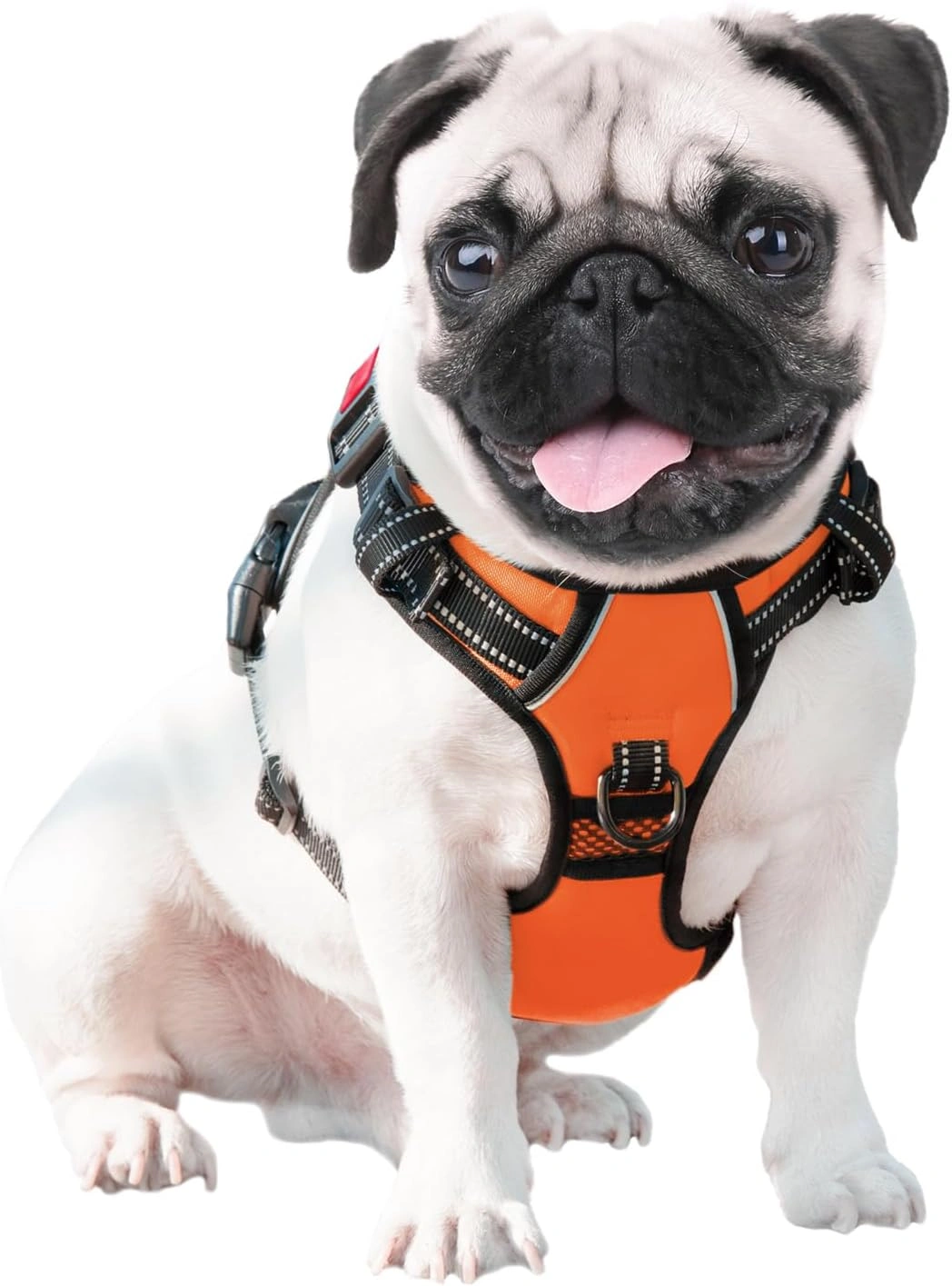
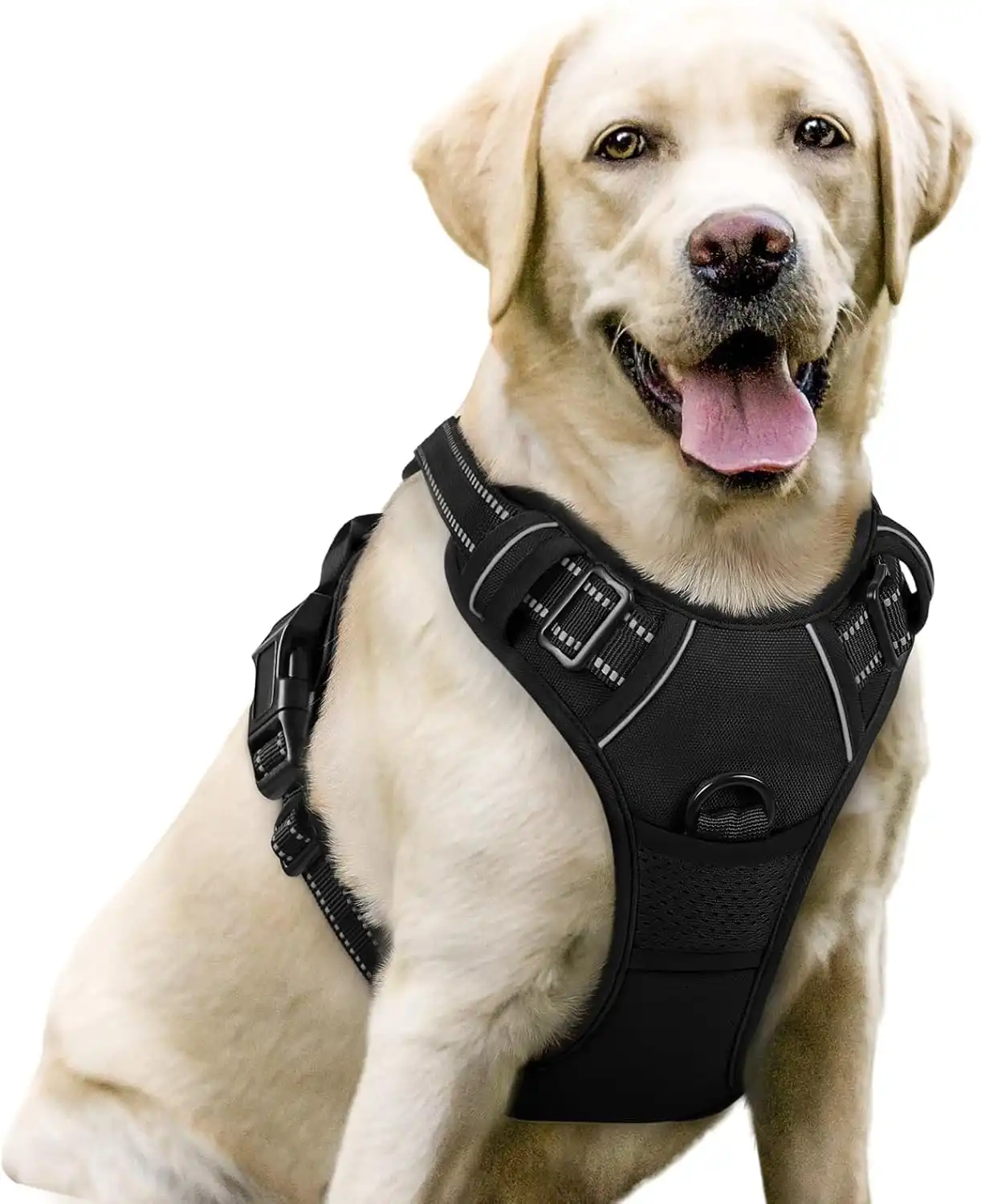



In 2026, more pet parents than ever are prioritizing long-term health over traditional walking methods. While collars are great for holding ID tags, they can put immense pressure on a dog’s trachea and spine if they pull.
A high-quality harness distributes that pressure across the chest and shoulders. This is especially critical for:
- Brachycephalic Breeds: Pugs and Bulldogs need clear airways.
- Small Breeds: Yorkies and Chihuahuas are prone to delicate tracheal issues.
- Strong Pullers: Large breeds like Labs or Huskies can actually hurt their necks (and your shoulders!) without proper weight distribution.
Top Dog Harness Trends and Features for 2026
Safety technology for pets has leaped forward this year. When shopping for your next harness, keep an eye out for these latest innovations:
1. Smart Integration & GPS
Many 2026 models now feature dedicated, low-profile pockets for GPS trackers or Apple AirTags. Some “smart harnesses” even have woven-in sensors to monitor your dog’s activity levels and temperature during summer walks.
2. Sustainability and Eco-Friendly Materials
Eco-conscious pet parenting is a major theme this year. Look for harnesses made from recycled ocean plastics or organic hemp webbing. These materials are surprisingly durable and much kinder to the planet.
3. Crash-Tested Safety
If you take your dog in the car, a dual-purpose harness is a must. Modern 2026 designs, like those from Sleepypod or EzyDog, are often crash-tested to automotive standards, ensuring your pup is secure during sudden stops.
Finding the Perfect Fit: The Two-Finger Rule
A harness is only effective if it fits correctly. A “one size fits all” approach often leads to chafing or, worse, a “Houdini” escape act.
| Measurement Step | How to Do It |
| Chest Girth | Measure the widest part of the ribcage, right behind the front legs. |
| Lower Neck | Measure where the harness will sit—usually lower than a standard collar. |
| The Check | Once on, you should be able to fit exactly two fingers under any strap. |
Pro Tip: If your dog is between sizes, 2026 expert guidelines recommend sizing up. Most modern harnesses feature at least four adjustment points to help you dial in that custom fit.
Which Style is Right for Your Pup?
Not all harnesses are created equal. Depending on your dog’s personality, you might choose:
- Front-Clip Harnesses: The go-to for “pullers.” The leash attaches at the chest, naturally redirecting your dog back toward you when they try to surge ahead.
- Back-Clip Harnesses: Ideal for well-trained dogs or small breeds. They prevent the leash from getting tangled under the legs.
- Step-In Vests: Perfect for dogs who are “head-shy” and don’t like gear being slipped over their ears.
- Y-Shaped Designs: These are the gold standard for ergonomics in 2026, as they allow for full shoulder mobility and prevent rubbing.
Ready to Level Up Your Walks?
Choosing the right gear is an act of love. It tells your dog that you care about their comfort as much as their fun. With the right harness, those daily walks become a bonding experience rather than a chore.
About the Author

You Might Also Like