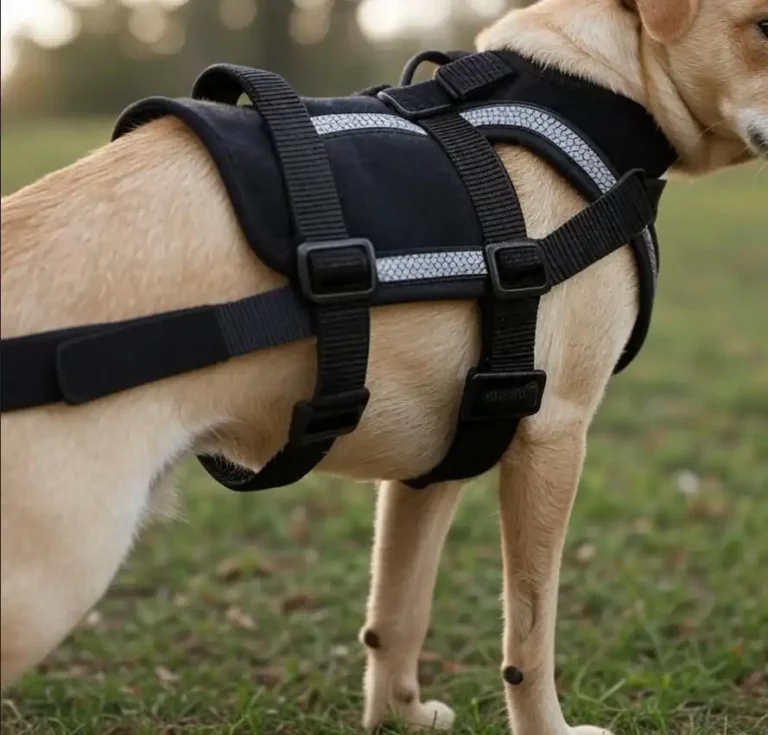
Choosing the Best Great Choice Dog Harness for 2026
Every pet parent knows that a walk is the highlight of a dog’s day. But if your pup is a “puller,” a “weaver,” or a “back-out artist,” that leisurely stroll can quickly turn into a stressful tug-of-war. Finding a reliable, comfortable, and safety-tested solution is the first step toward reclaiming your morning walks.
In this guide, we’ll explore why many owners are switching to the Great Choice Dog Harness to ensure their furry friends stay secure and comfortable during every outdoor adventure.
Why a Harness Beats a Collar in 2026
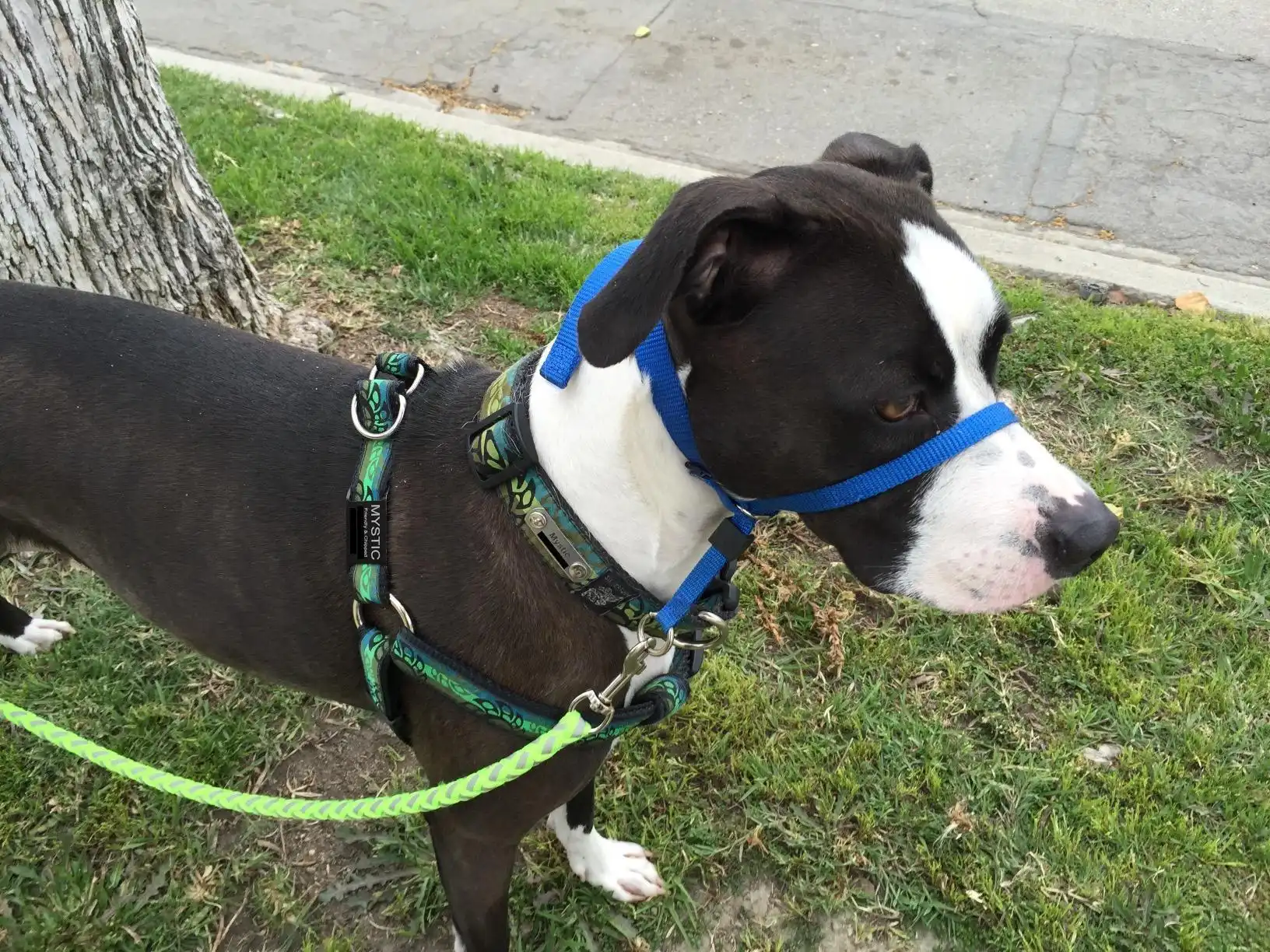
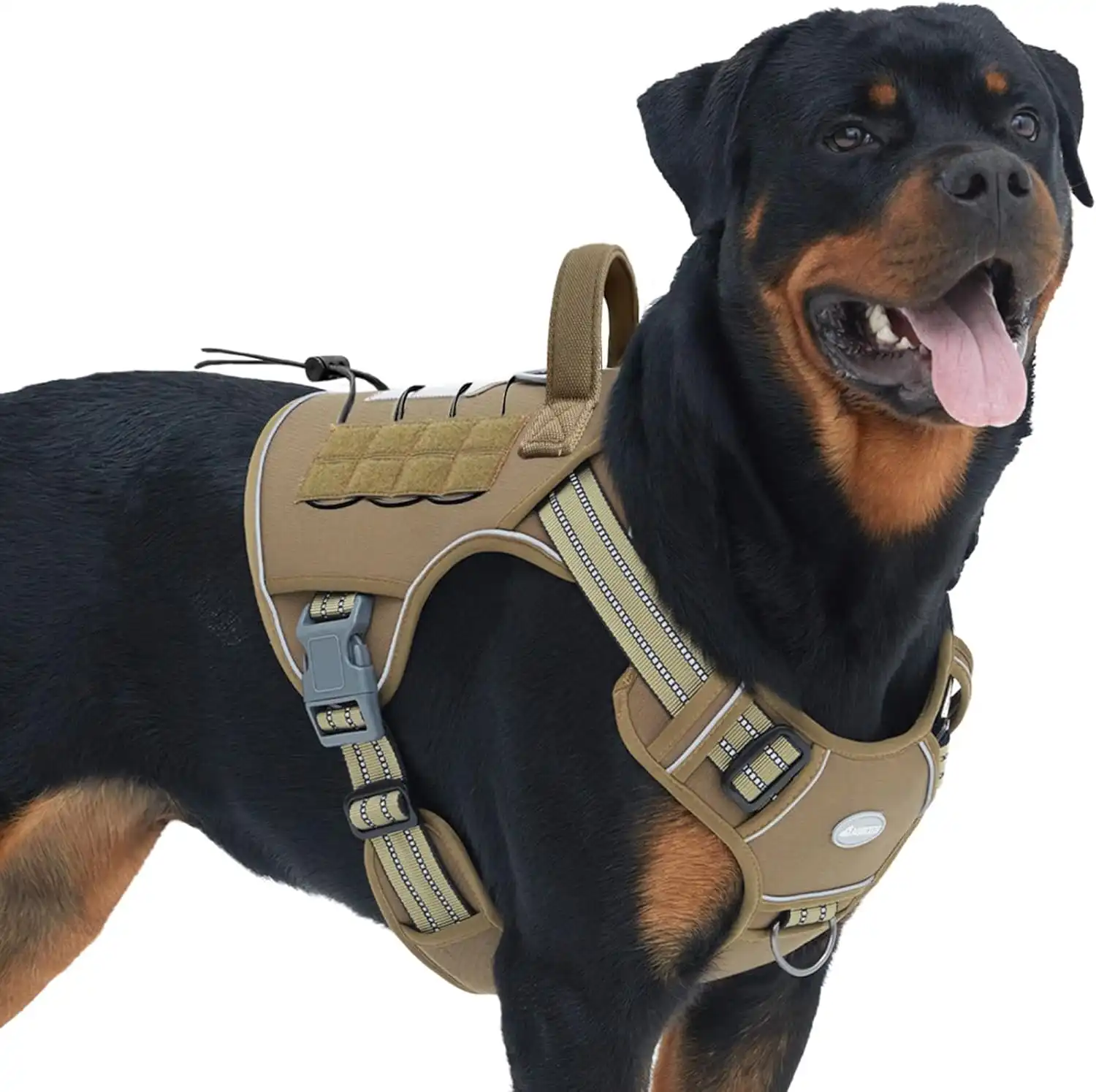
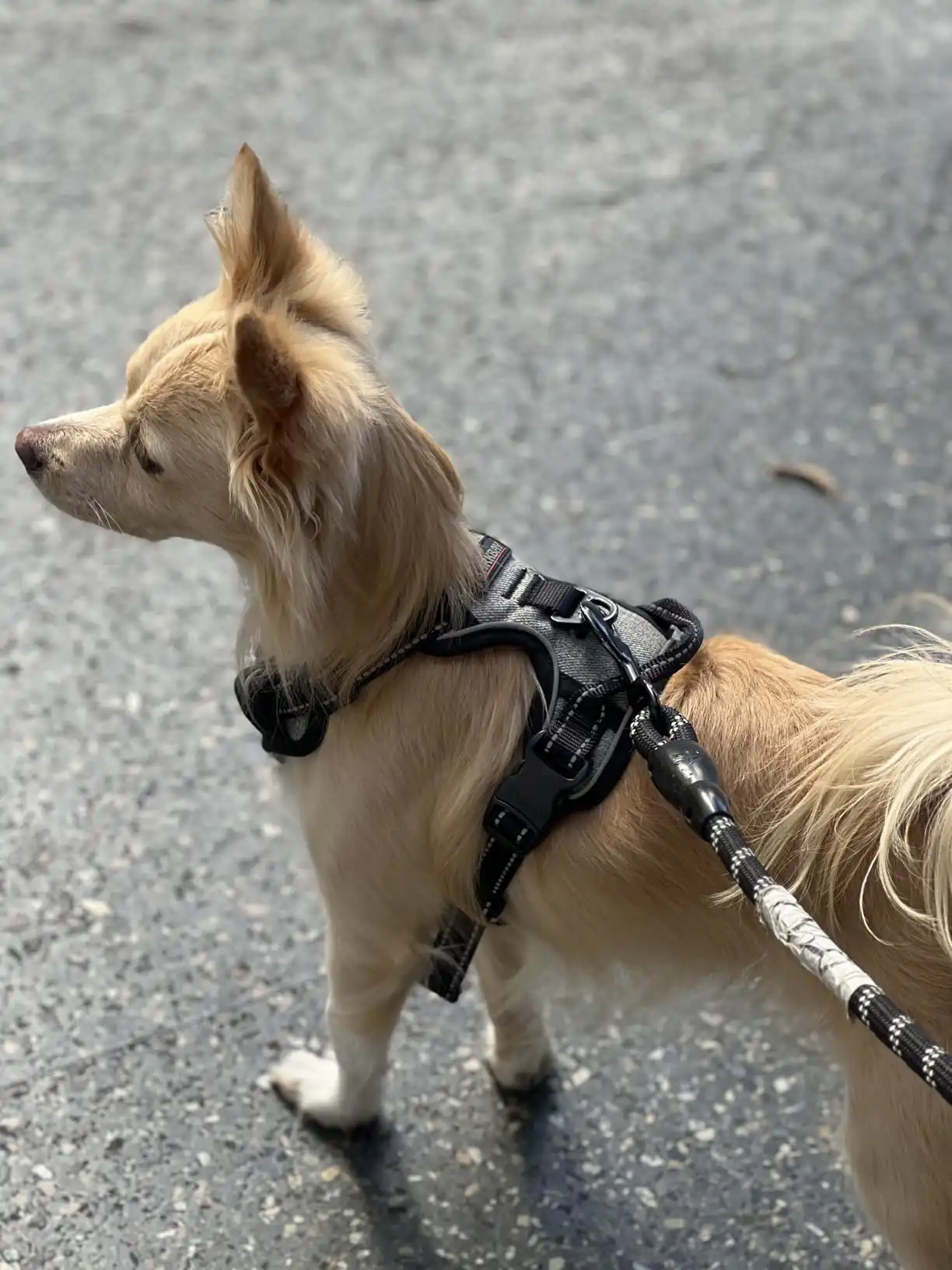
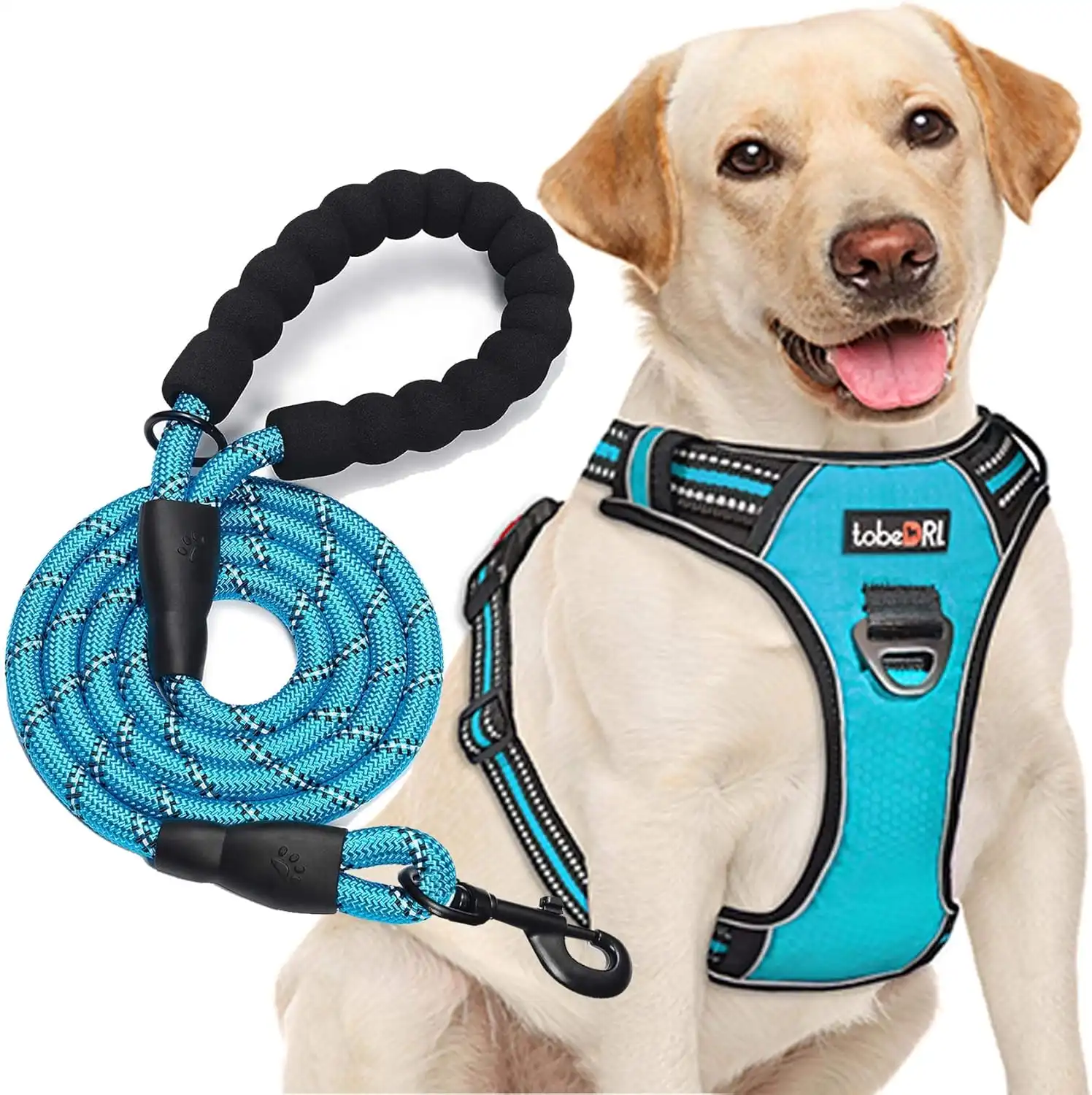


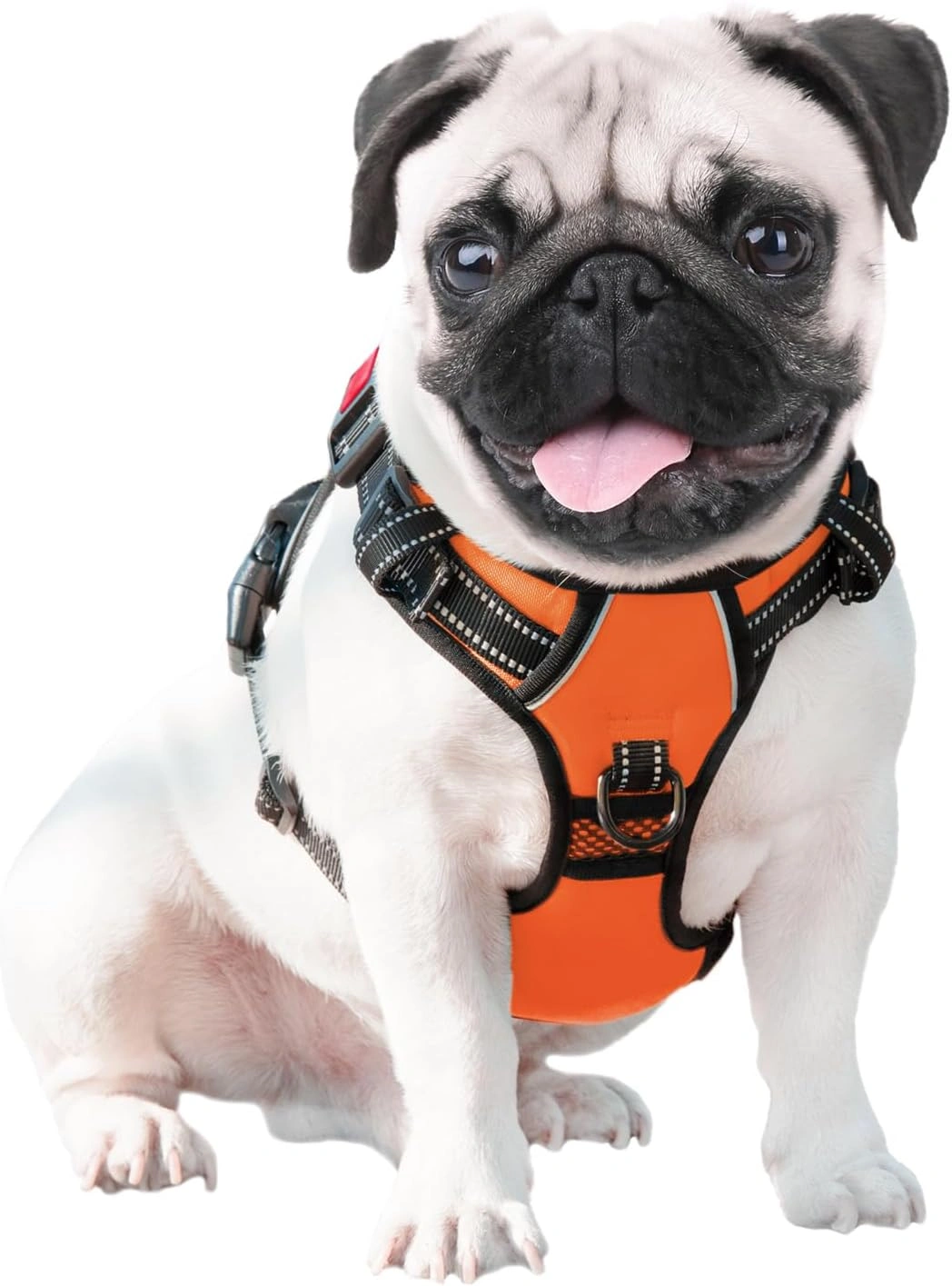
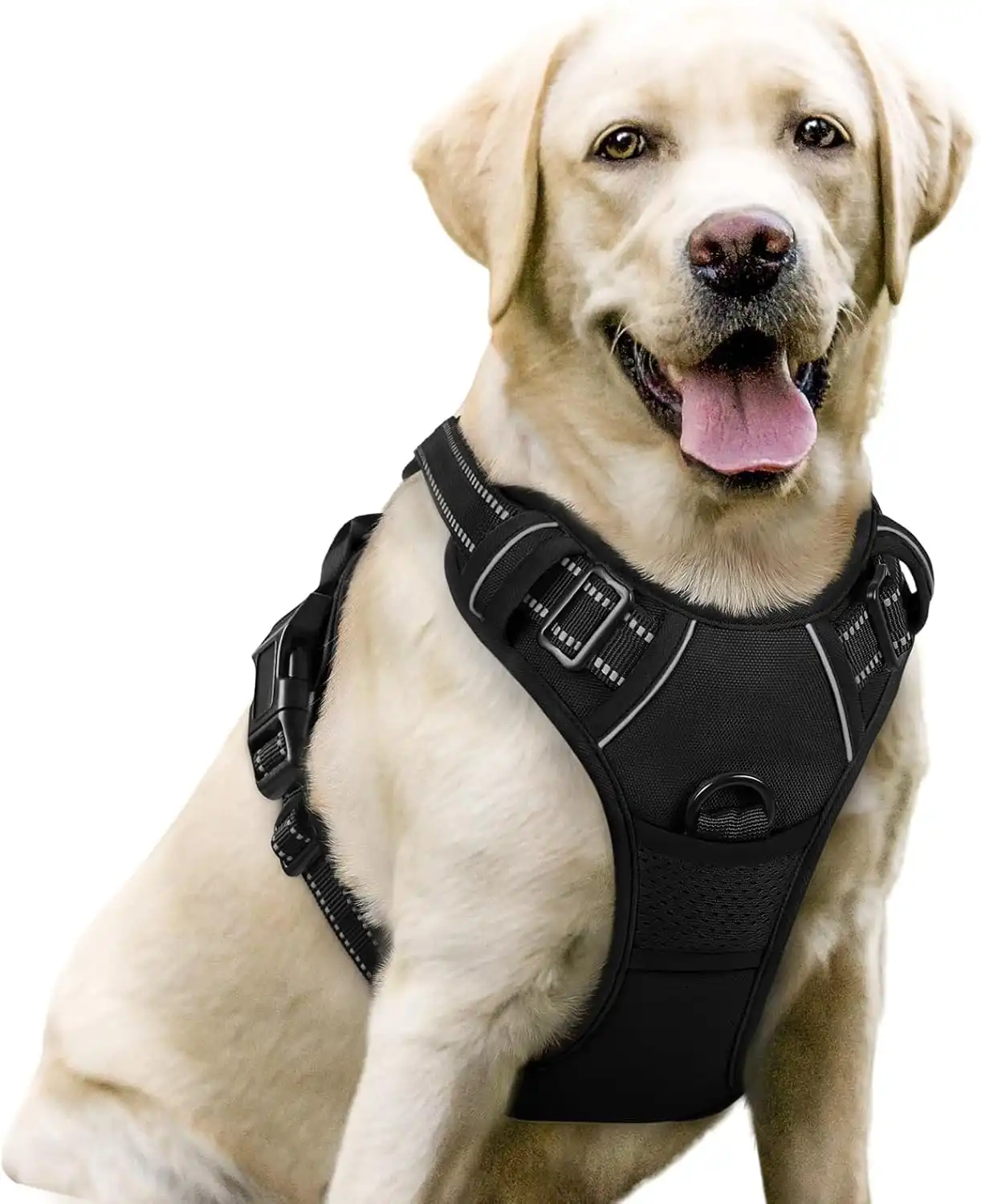



While traditional collars are great for holding ID tags, veterinary experts in 2026 increasingly recommend harnesses for active walking. A harness distributes pressure across the chest and shoulders rather than the delicate neck area. This is especially critical for:
- Brachycephalic Breeds: Pugs and Bulldogs who face respiratory challenges.
- Small Breeds: Yorkies and Chihuahuas prone to tracheal collapse.
- Strong Pullers: Large dogs that can cause self-injury by lunging against a neck collar.
The Safety Standard Update
As of late 2025, new safety benchmarks (like the ASTM F3725 standard) have highlighted the importance of crash-tested hardware and pull-strength resilience. Modern pet parents aren’t just looking for a “cute” accessory; they are looking for gear that meets these rigorous 2026 durability requirements.
Key Features of the Great Choice Dog Harness
The “Great Choice” line has become a staple for pet parents because it balances affordability with high-end safety features. Here is what makes it stand out:
1. Dual-Clip Versatility
Most models feature both a front-clip (no-pull) and a back-clip attachment. The front clip is your best friend for training; when your dog pulls, the tension gently redirects them toward you rather than allowing them to forge ahead.
2. Padded Breathability
Gone are the days of stiff, chafing nylon. The latest versions utilize 3D-mesh lining and neoprene padding. This ensures that even during a summer hike, your dog stays cool and avoids the “armpit rub” common with lower-quality gear.
3. Step-In Design
If your dog is “head-shy” and hates things being slipped over their ears, the step-in style is a game-changer. You simply lay it on the floor, have them step their paws in, and click it shut over the back.
Finding the Perfect Fit: A Step-by-Step Guide
A harness is only as safe as its fit. If it’s too loose, they’ll slip out; too tight, and it restricts their natural gait.
| Measurement | How to Take It |
| Chest Girth | Measure the widest part of the ribcage, about 2 inches behind the front legs. |
| Neck | Measure the base of the neck where it meets the shoulders. |
| The Two-Finger Rule | Once buckled, you should be able to fit exactly two fingers under any strap. |
Pro-Tip: If your dog is between sizes, 2026 fitting guidelines suggest sizing up and using the adjustment sliders to tighten the fit, rather than squeezing them into a size too small.
Safety First: Low-Light and Travel
Safety doesn’t end with the fit. The Great Choice Dog Harness often includes 360-degree reflective stitching. In the shorter days of winter or during late-night bathroom breaks, this visibility is a literal life-saver for avoiding traffic accidents.
Furthermore, many of these harnesses are compatible with seatbelt tethers. While a walking harness isn’t a replacement for a dedicated crash-tested car seat, using the back-clip with a tether provides much more security than a collar during a sudden stop.
Final Thoughts
Choosing the right gear is one of the kindest things you can do for your dog. It transforms a stressful experience into a bonding one. With its focus on ergonomic design and the latest safety materials, the Great Choice line continues to be a top-tier recommendation for the 2026 season.
About the Author

You Might Also Like