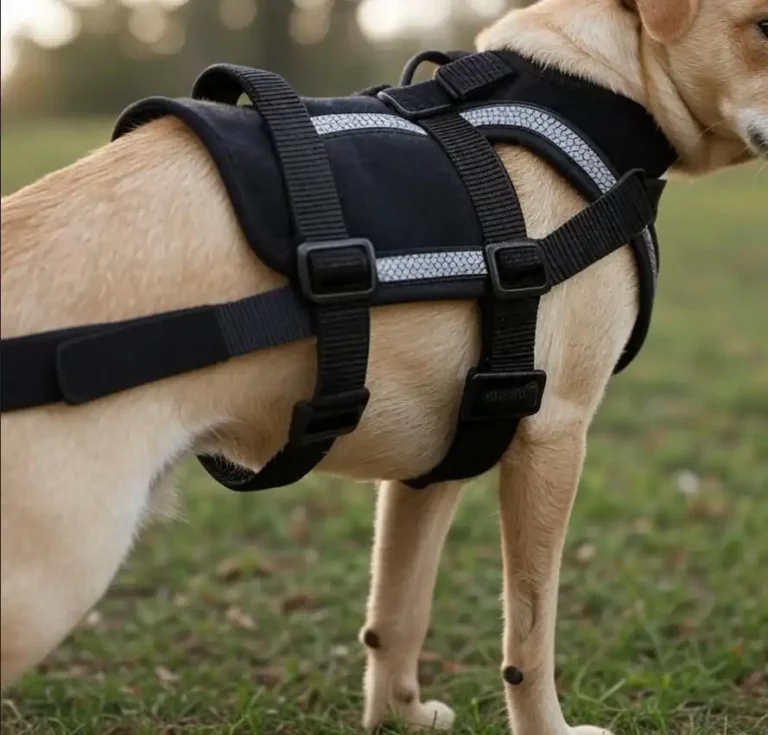
5 Best No Pull Harnesses for Dogs: 2026 Guide
Walking your dog should be the best part of your day, a time for bonding and fresh air. However, if your furry friend is more of a “sled dog” than a walking companion, you know the struggle of sore shoulders and frantic lunging. Modern pet parenting in 2026 is all about choosing gear that supports both your dog’s physical health and your peace of mind.
By switching from a traditional collar to No Pull Harnesses for Dogs, you can transform chaotic walks into calm adventures while protecting your pup’s sensitive neck and trachea from potential injury.
Why Pet Parents are Switching to No-Pull Gear
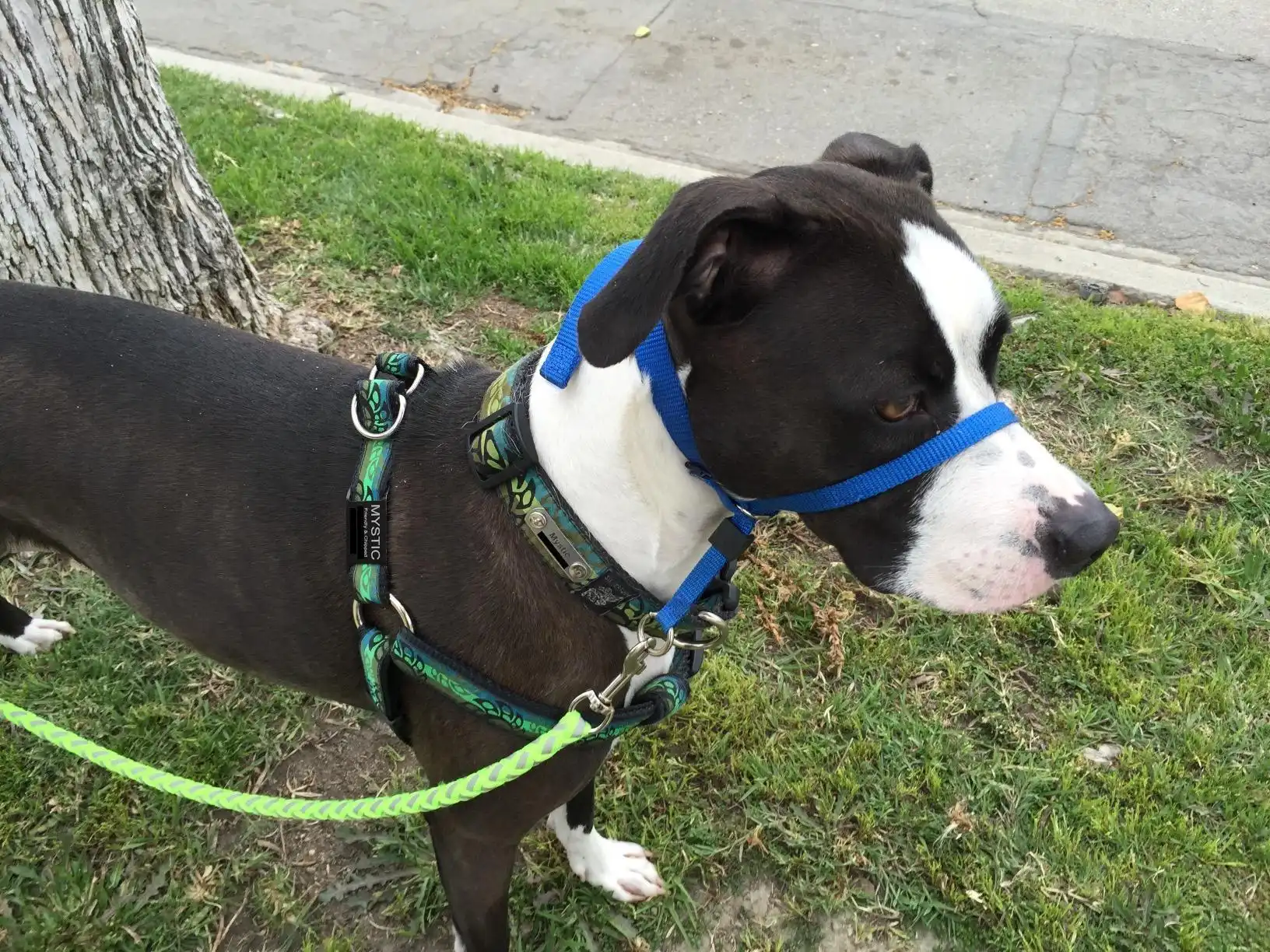
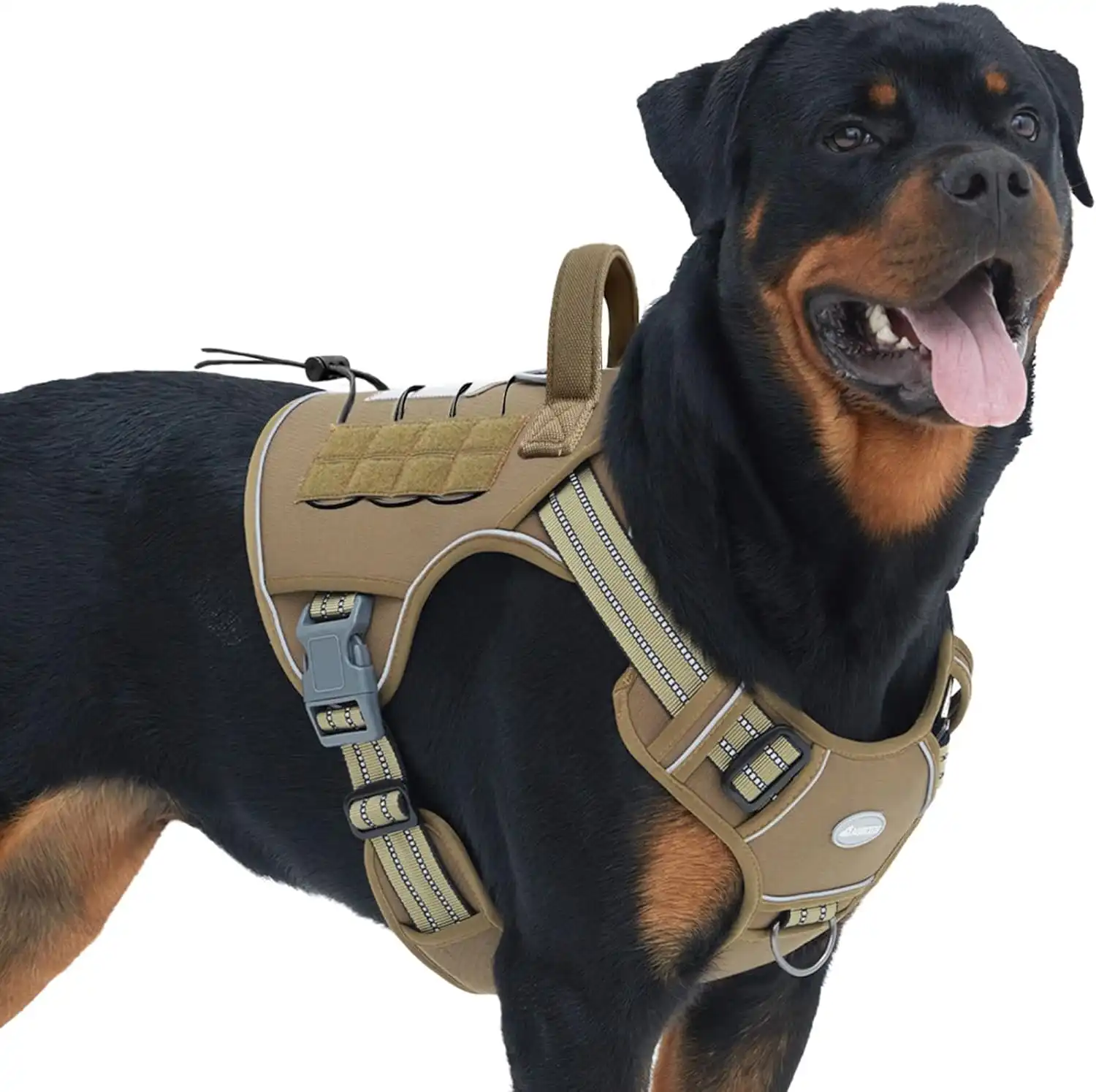
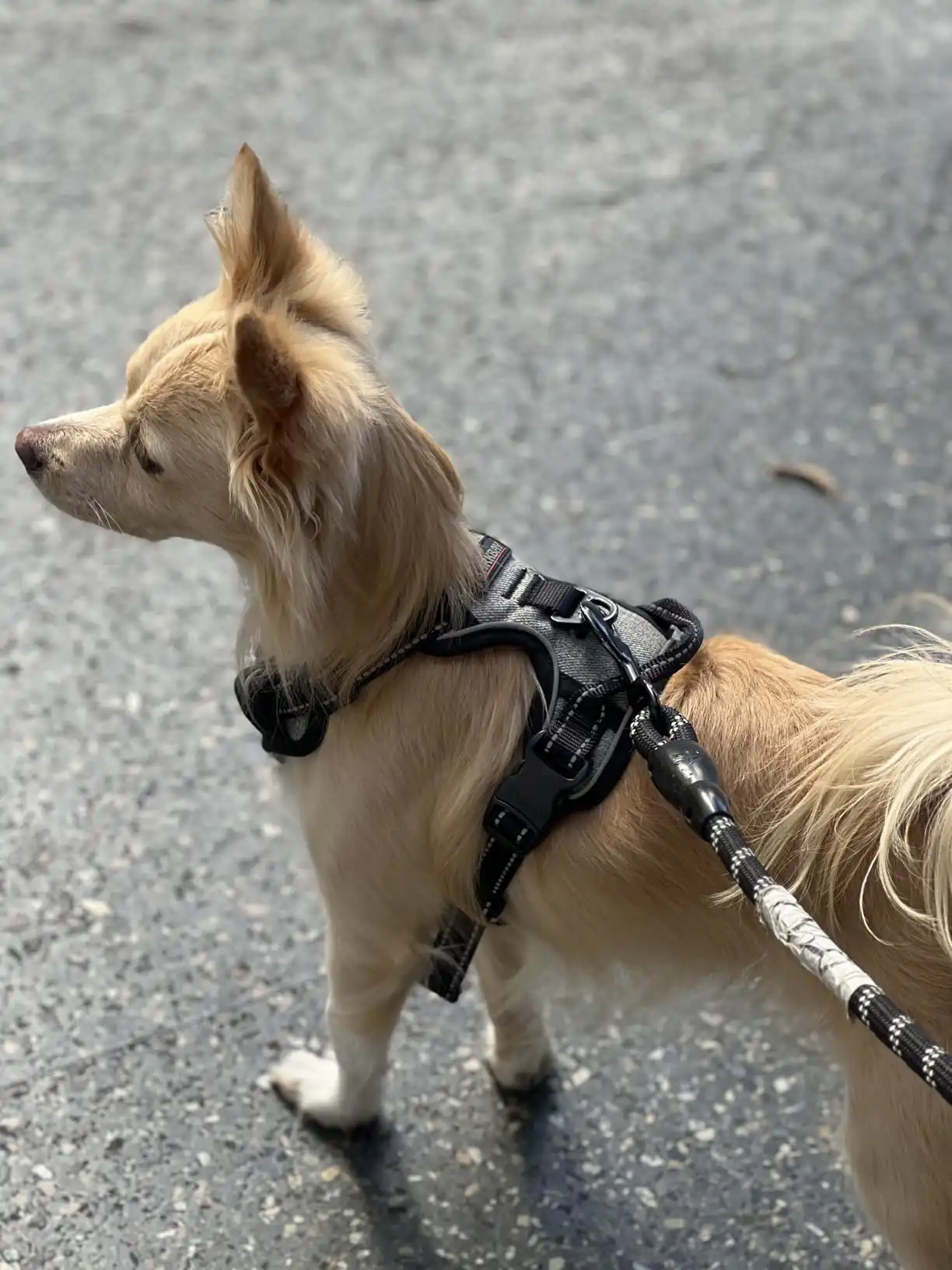
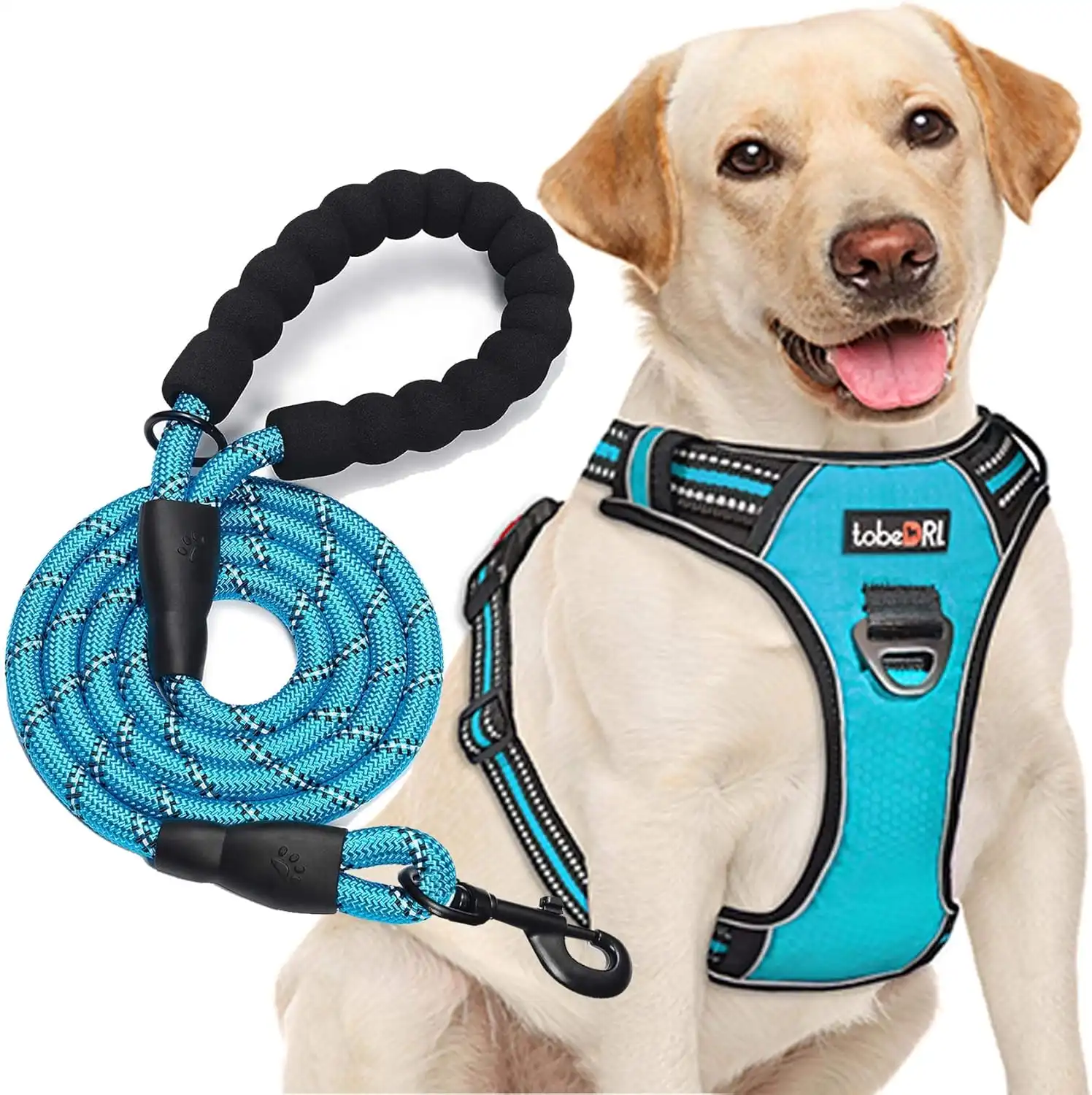
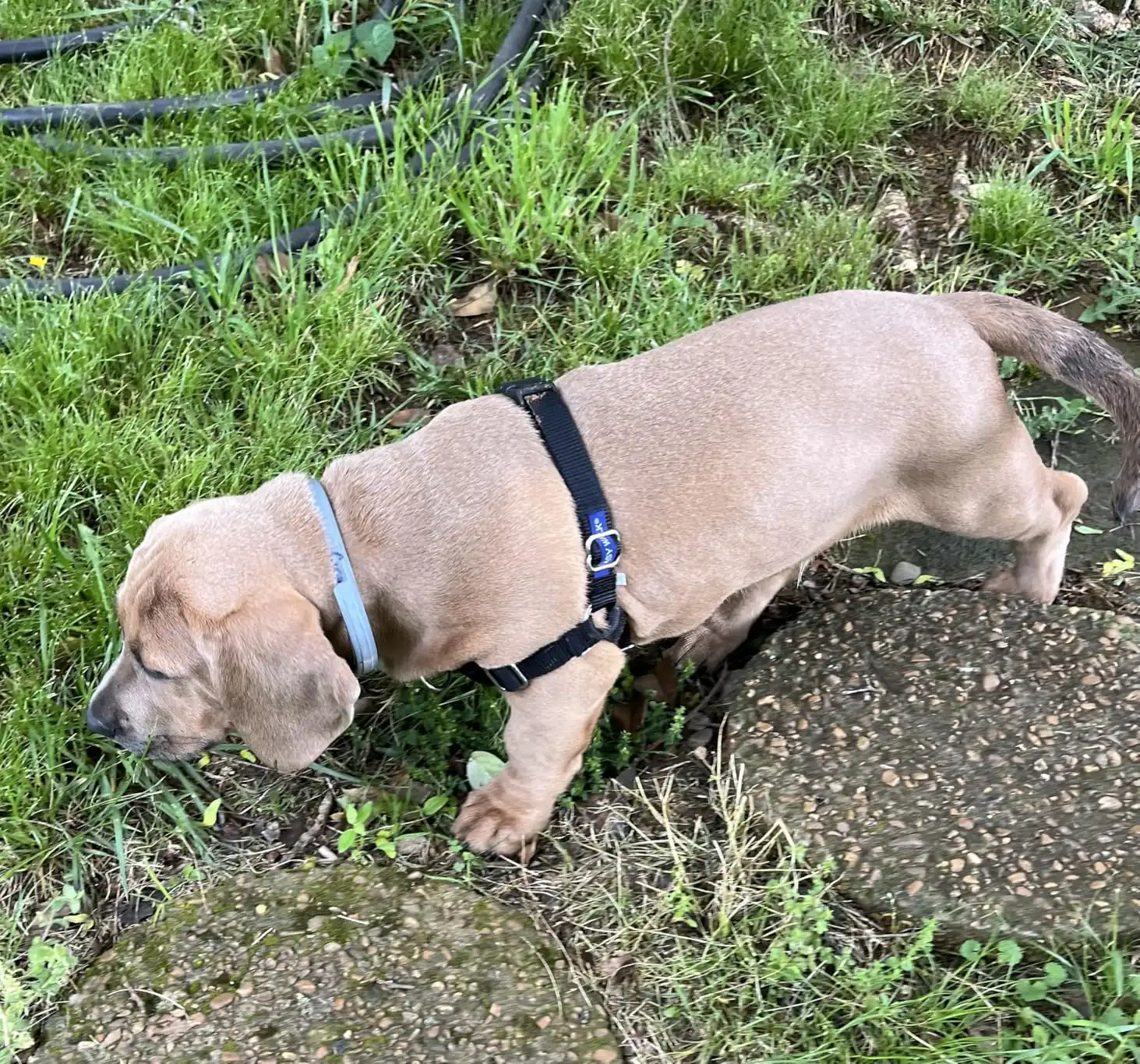
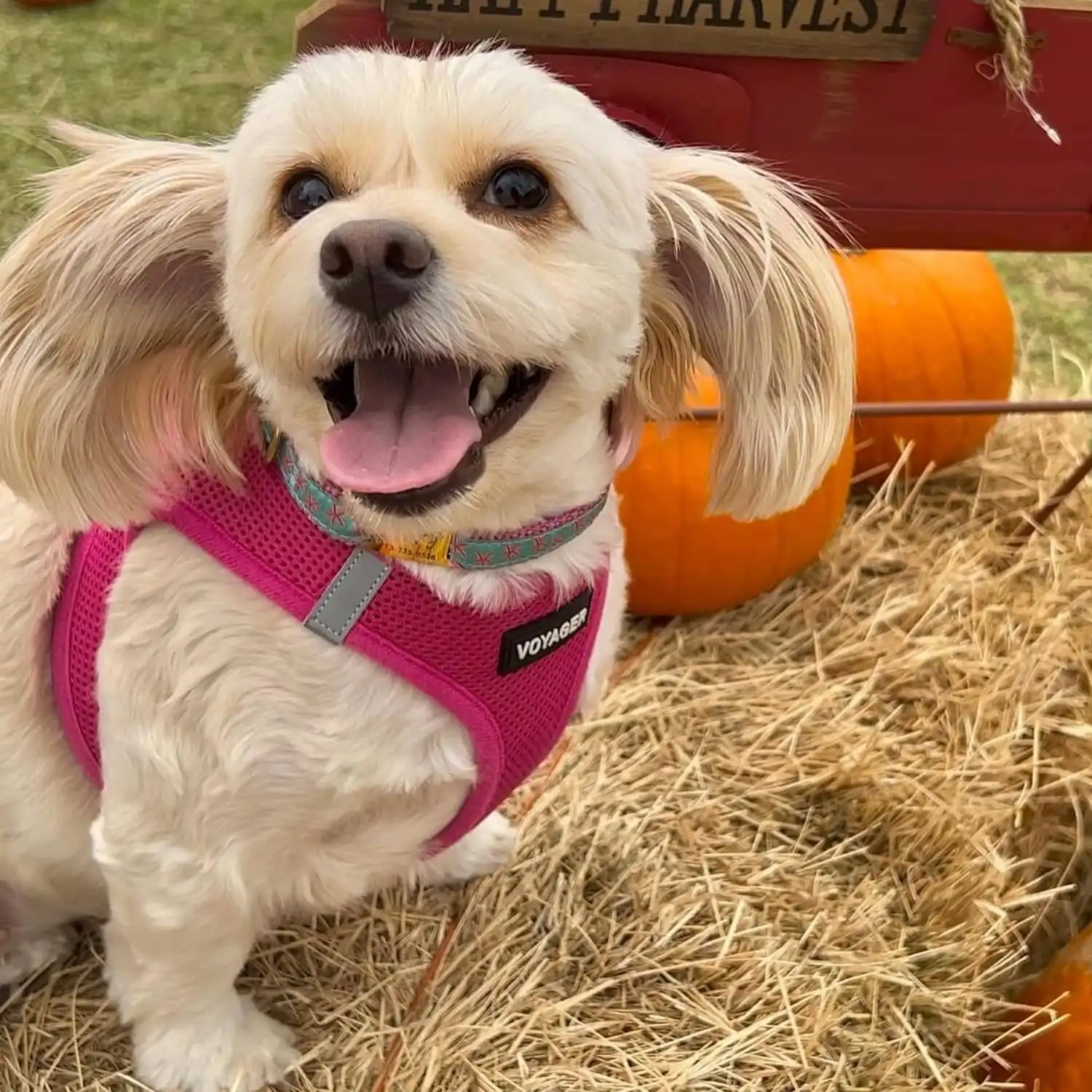
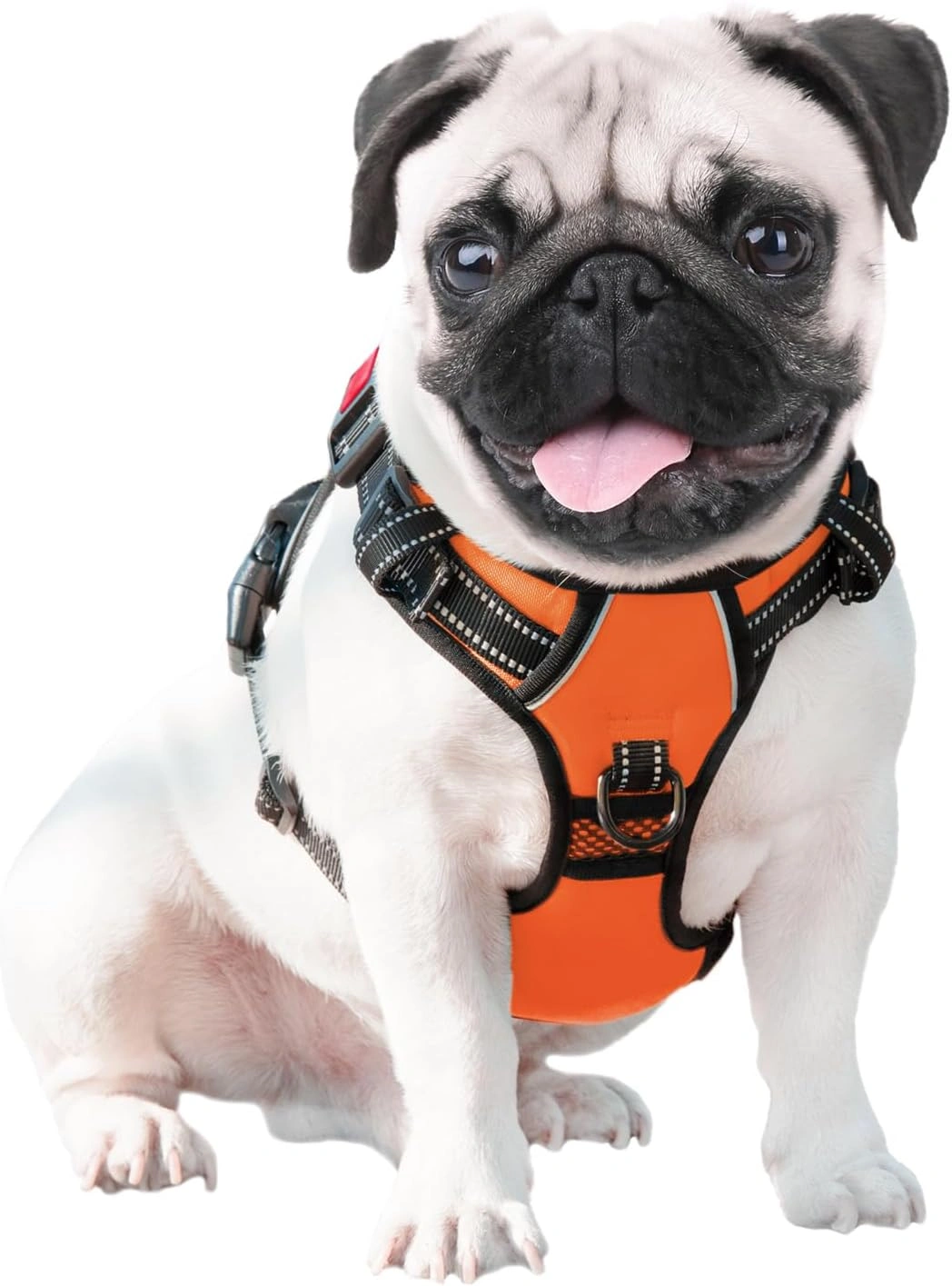
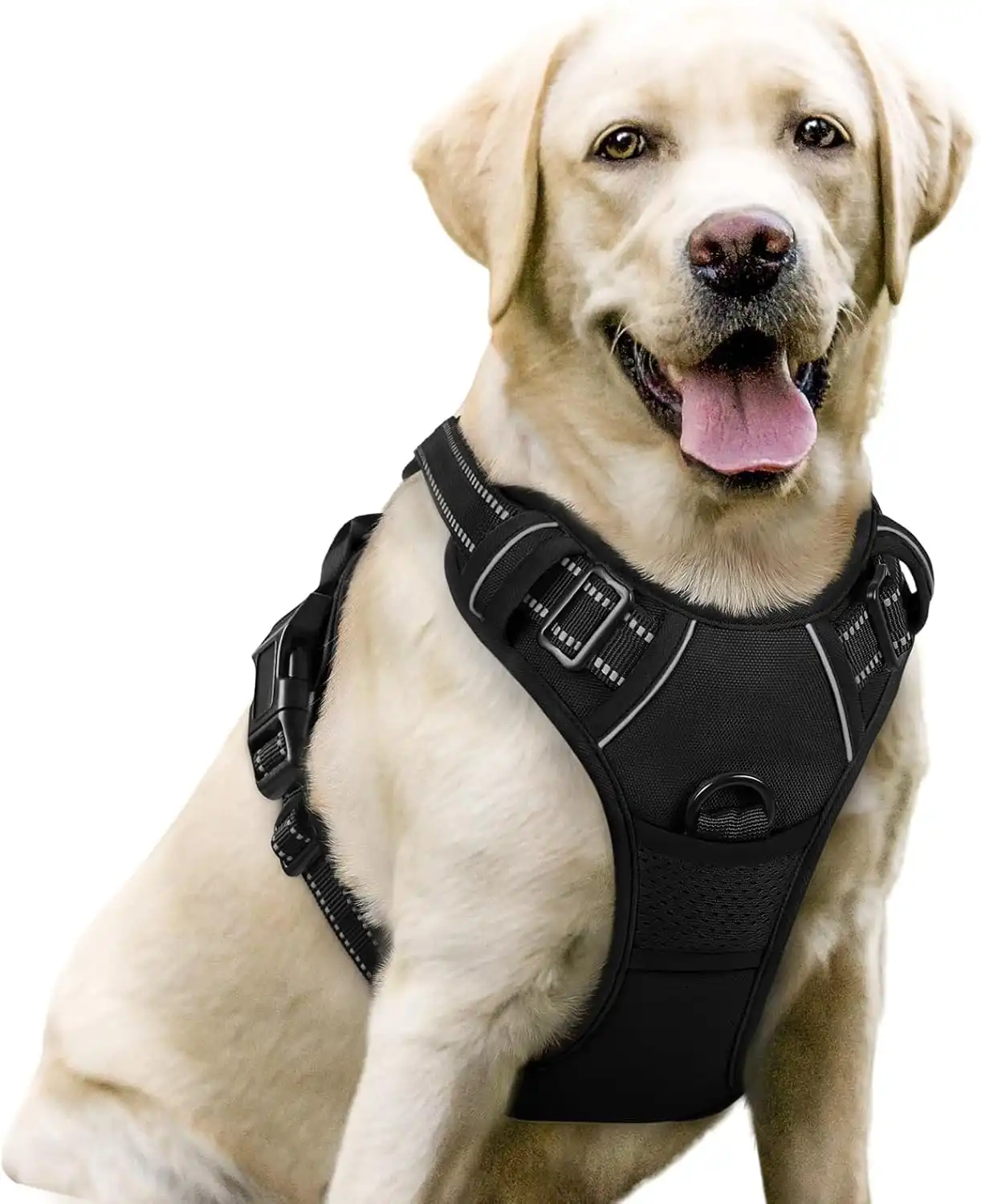



The science of canine ergonomics has come a long way. In 2026, we understand that traditional collars can put dangerous pressure on a dog’s throat, especially for brachycephalic (flat-faced) breeds or those prone to tracheal collapse. No-pull harnesses work by shifting the point of control from the neck to the chest or shoulders.
The Front-Clip Advantage
The secret to most effective no-pull designs is the front-leash attachment. When your dog pulls forward, the tension on the chest strap gently steers them back toward you. This breaks their forward momentum without causing pain, making it a “humane communication tool” rather than a punishment.
Top 5 No Pull Harnesses for Dogs in 2026
| Harness Model | Best For | Key Feature |
| Ruffwear Front Range | All-Day Adventures | Padded chest and 4-point adjustment |
| PetSafe Easy Walk | Heavy Pullers | Martingale chest loop for instant redirection |
| Auroth Tactical | Training & Durability | Military-grade nylon and control handle |
| Rabbitgoo No-Pull | Budget-Friendly | Reflective stitching and dual-clip points |
| Joyride Harness | Ease of Use | Side-clip “step-in” design with high comfort |
Critical Safety Features to Look For
When shopping this year, keep an eye out for these 2026 safety standards:
- Dual-Clip Systems: Look for harnesses with both a chest ring (for training) and a back ring (for casual walks).
- 360° Reflectivity: Essential for those early morning or late evening strolls. Many modern harnesses now use fiber-optic piping or high-vis 3M™ materials.
- Breathable “Air-Mesh”: Prevents overheating during summer hikes.
- Crash-Testing: If you use your harness for car travel, ensure it meets Center for Pet Safety (CPS) certification for impact protection.
How to Get the Perfect Fit
A harness is only effective if it fits correctly. A “no-pull” harness that is too loose will chafe and may allow your dog to slip out.
- The Two-Finger Rule: You should be able to fit two fingers snugly between the harness straps and your dog’s body.
- Check the “Armpits”: Ensure the girth strap sits far enough behind the front legs to prevent rubbing or “armpit” chafing.
- Y-Shaped Chest: Opt for a Y-shaped design that allows for a full range of shoulder motion, ensuring your dog can walk naturally.
Training: The Harness is a Tool, Not a Cure
While a no-pull harness is a game-changer, it’s most effective when paired with positive reinforcement. In 2026, the trend has shifted away from “correcting” and toward “rewarding.”
When your dog walks by your side without tension on the lead, offer a high-value treat. The harness manages the behavior in the moment, but your rewards teach the long-term habit of a loose-leash walk.
Expert Tip: If your dog is a “Houdini” who can back out of harnesses, look for a “three-strap” design or a “security” harness that includes a third strap behind the ribcage.
Ready to enjoy your walks again?
Finding the right gear is the first step toward a happier, healthier life with your pup. Whether you have a tiny terrier or a giant Great Dane, there is a perfect fit out there for you.
About the Author

You Might Also Like