
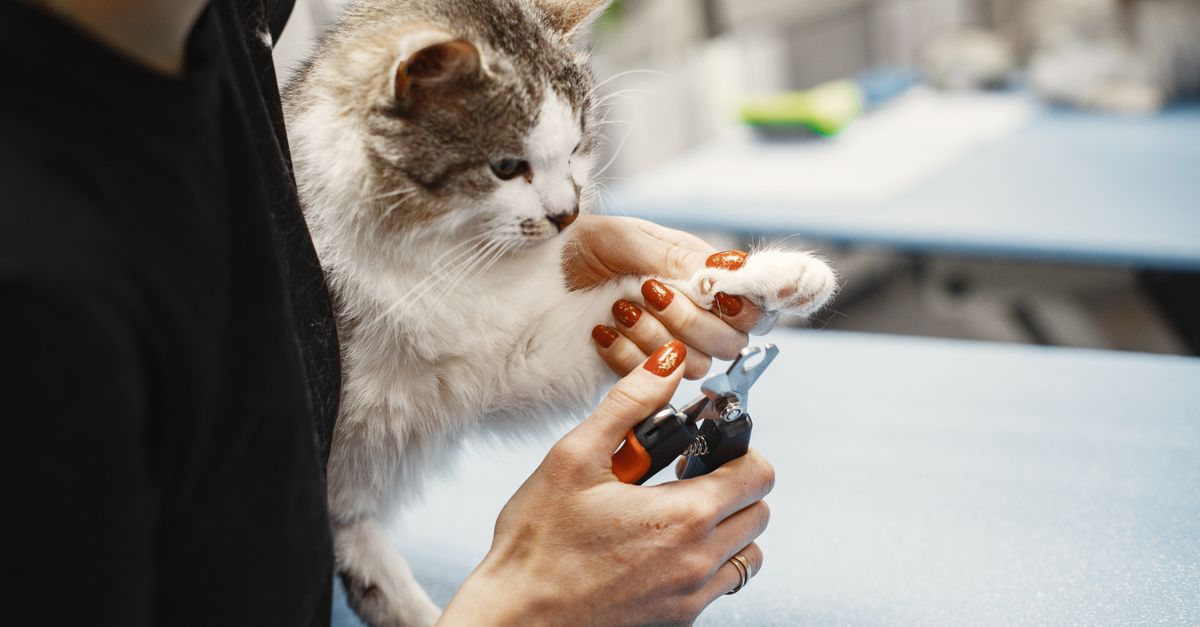
Pet Nail Trimming at Home: Stress-Free Tips That Work
Your cat sees the clippers come out of the drawer and vanishes under the bed. Your dog starts panting the moment you reach for his paw. Sound familiar? Pet nail trimming is one of those tasks that owners dread almost as much as their animals do — and yet overgrown nails are quietly causing real problems: joint pain, posture issues, snagged carpets, and scratched skin.
The good news isn’t that it gets magically easy. It’s that with a few specific changes to your approach, most pets go from panicked to merely unimpressed. That’s a win you can build on every single week.
Whether you have a dog, a cat, or a small pet like a guinea pig or rabbit, the fundamentals of stress-free pet nail trimming are surprisingly similar — and none of them require a second person pinning your animal down.
Why Nails Matter More Than You Think
A dog whose nails click loudly on the floor isn’t just annoying to listen to — those nails are long enough to alter how he distributes weight across his paws. Over months, that shifts pressure up through the wrist and elbow joints. For older dogs especially, this can worsen arthritis faster than you’d expect. Cats with overgrown nails are more likely to get a claw caught in fabric and panic, sometimes injuring the toe in the process. Guinea pigs and rabbits can develop curled nails that spiral into the footpad if left too long.
The target length for most dogs is short enough that the nail doesn’t touch the floor when the dog stands naturally. For cats, you’re aiming to remove just the sharp, translucent tip — usually the last 2mm or so. Small pets like guinea pigs typically need a trim every 4 to 6 weeks, more often if they live on soft bedding rather than abrasive surfaces that naturally file the nail down.
Choosing the Right Tool for Each Pet
Dogs
For most medium and large dogs, a scissor-style or guillotine clipper works well. Scissor clippers give you more control and are easier to angle correctly. For very small dogs or puppies, a smaller guillotine-style clipper is less likely to crush the nail before cutting it. Nail grinders (rotary tools) are a great alternative if your dog reacts badly to the pressure of clipping — the gradual grinding is less abrupt. Just introduce the sound slowly, days before you use it near the paw.
Cats
A small scissor-style clipper designed specifically for cats is ideal. Human nail clippers technically work in a pinch, but they can split the nail rather than cutting cleanly. Sharp blades matter enormously — a dull clipper crushes before it cuts, which is uncomfortable and one of the main reasons cats learn to hate the process.
Small Pets
For guinea pigs, rabbits, and rats, small animal nail clippers or even human nail clippers for babies work well. Their nails are thin and easy to over-cut, so err on the side of taking less. If your guinea pig has dark nails and you can’t see the quick, shine a small flashlight behind the nail — the blood vessel glows pink through the nail wall.
The Desensitization Step Most People Skip
If your pet already has a strong negative association with nail trimming, buying better clippers won’t fix it. You need to rebuild the experience from scratch, and that takes about two weeks of low-pressure practice before you ever cut a nail.
Start by simply touching your dog’s or cat’s paws during relaxed moments — while they’re drowsy after a meal, for instance. Just hold the paw gently for a few seconds, release, and offer a small treat. Do this daily. After a few days, introduce the clippers by letting your pet sniff them, then touch the clippers to the paw without clipping. Then mimic the motion. Then clip one nail only. Then stop, treat generously, and walk away.
One nail per session is not a failure. It’s a strategy. A pet that tolerates one nail calmly is a pet you can work with. Understanding your pet’s body language during these sessions tells you when to push forward and when to back off — a flattened ear or a tail tuck means you’ve gone far enough for today.
How to Actually Do the Cut
Finding the Quick
The quick is the blood vessel running through the nail. On white or light nails, it’s the pink zone you can see clearly. On dark nails, make small incremental cuts from the tip and look at the cross-section after each cut — when the center starts to look grey or pinkish rather than white and chalky, you’re within 1–2mm of the quick. Stop there.
The Cutting Motion
Cut at a 45-degree angle, following the natural slope of the nail tip. Straight-across cuts leave a sharper edge and are more likely to snag. Squeeze the clipper in one confident, swift motion — hesitating mid-cut causes the nail to compress before it shears, which is uncomfortable. If your dog’s paw jerks, don’t chase it. Reposition calmly.
If You Hit the Quick
It happens to everyone. Press styptic powder firmly onto the nail tip for 30 seconds — it stops bleeding almost immediately. Cornstarch works in a pinch. Don’t panic visibly; your pet reads your energy. Give a treat, take a break, and continue another day. One bleeding nail doesn’t set back your desensitization work unless you make the moment very stressful.
Building a Routine That Sticks
The single biggest factor in stress-free pet nail trimming is frequency. Nails trimmed every 2 to 3 weeks never get long enough to require a major cut, which means less chance of hitting the quick, less pressure on the paw, and a shorter session every time. Pets that get trimmed monthly or less often need more removed each time, which increases discomfort and reinforces their resistance.
Pair nail trimming with something your pet already enjoys. Right after a walk when your dog is calm and slightly tired is often ideal. For cats, try right after a play session when they’re relaxed — a cat that’s just chased a wand toy for ten minutes is far more cooperative than one interrupted mid-nap. If your cat is one of those animals who seems permanently resistant to handling, check whether there’s something else going on with their comfort levels; boredom and understimulation can make cats more reactive across the board.
For small pets, wrapping them snugly in a small towel — a “burrito wrap” — during the trim reduces squirming significantly without causing distress. Keep sessions under five minutes.
A solid grooming routine connects to more than just nails. If you’re building out your at-home care habits, the broader pet grooming tips on this blog are worth reading alongside this. And since stressed pets often sleep poorly after difficult handling sessions, it’s worth having a consistent sleep routine in place to help them settle afterward.
Frequently Asked Questions
How do I know if my dog’s nails are too long?
Stand your dog on a flat, hard surface and look at his paws from the side. If any nail touches the floor, it’s too long. You should also be able to slide a piece of paper between the nail tip and the floor with a little resistance — if there’s no gap at all, it’s past time for a trim.
My cat absolutely refuses to let me touch her paws. What do I do?
Start with zero pressure. For one week, simply rest your hand on her paw while she’s sleeping or eating — don’t hold, don’t squeeze. Gradually progress to a gentle hold for two seconds, then five. Pair every touch with a high-value treat she only gets during these sessions, like a tiny piece of cooked chicken or a lick of tuna paste. It takes longer than most people expect, but cats that seem impossible often come around within three to four weeks of consistent, patient work.
Can I use a human nail file on my guinea pig’s nails instead of clippers?
A file alone won’t be enough for most guinea pigs — their nails curve and grow faster than a file can keep up with. However, a fine-grit nail file is excellent for smoothing rough edges after clipping, which prevents the nails from catching on bedding. Use clippers for the main trim, then a quick pass with the file to finish. Some owners place a piece of rough stone or a slate tile in the enclosure to help naturally wear nails between sessions.
The pets that seem most impossible to trim are almost always the ones whose owners gave up early and trimmed infrequently. Consistency is what changes the dynamic — not restraint, not speed, not a fancier tool. Show up calmly, keep sessions short, and reward generously. Within a month, most pets shift from fleeing the room to tolerating the whole process with mild resignation. That’s the realistic goal, and it’s entirely achievable.