
How to Nail a Pet Sleep Routine That Actually Works
Your dog circles the same spot on the couch three times every night at 9:47 p.m. And then drops like a stone. Your cat disappears under the bed around midnight like clockwork. You probably laughed at it once — but what they’re doing is actually sophisticated. Animals are hardwired to follow circadian rhythms, and when those rhythms are disrupted by inconsistent schedules, late-night noise, or poor sleeping environments, you start seeing problems: restlessness, early-morning whining, aggression, even digestive upset.
Most owners focus on food, exercise, and vet visits — all important — but sleep quality and sleep consistency rarely make the list. That’s a gap worth closing. A pet sleep routine isn’t about being rigid. It’s about giving your animal’s nervous system something it can count on.
Here’s how to actually build one, across species, without overcomplicating it.
Why Pets Need a Sleep Routine (And What Goes Wrong Without One)
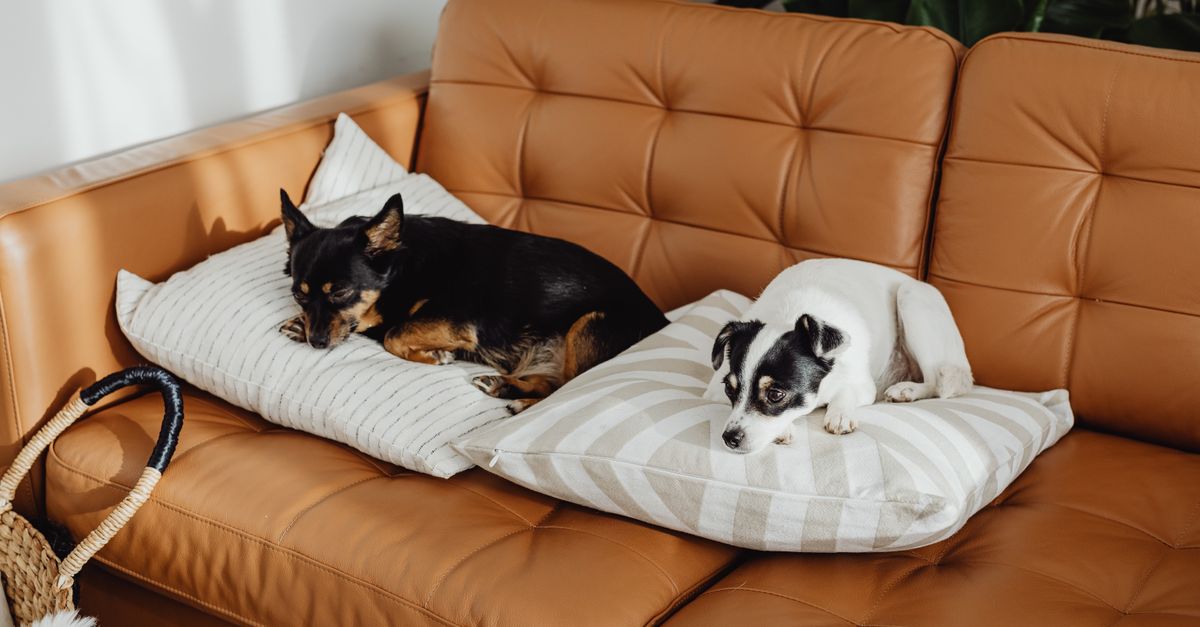
Dogs sleep between 12 and 14 hours a day. Cats clock closer to 16. Small animals like guinea pigs and rabbits are crepuscular — most active at dawn and dusk — and need their own predictable rest windows to avoid chronic stress. When sleep patterns are erratic, cortisol (the stress hormone) stays elevated longer than it should. Over time, that shows up as separation anxiety, destructive behavior, or a pet that seems inexplicably “off.”
The disruption often comes from us. Late dinner parties, a new baby, shift work, or just scrolling your phone with the TV on at midnight all interfere with your pet’s ability to wind down. Dogs especially are social sleepers — they sync to your schedule whether you intend it or not. If your nights are unpredictable, theirs will be too.
The Difference Between Light Sleep and Deep Sleep in Pets
Pets cycle through REM and non-REM sleep just like humans, but their cycles are shorter — roughly 20 minutes compared to our 90. That means they need more total cycles to get adequate rest. Interrupting a dog mid-REM (you’ve seen the twitching and whimpering) repeatedly over days can leave them cognitively foggy and irritable, similar to sleep deprivation in people. Let sleeping dogs lie is genuinely good science, not just a proverb.
When Boredom Masquerades as a Sleep Problem
Before you blame poor sleep, rule out under-stimulation. A dog or cat that hasn’t had enough mental and physical engagement during the day will often resist settling at night — pacing, vocalizing, or pestering you for attention. If that sounds familiar, check out the signs your pet is bored before restructuring the sleep routine itself. Fixing the daytime often fixes the nights.
Building a Consistent Evening Wind-Down for Dogs
Dogs respond exceptionally well to routine because they track time through associated cues — the jingle of keys, the smell of your toothpaste, the dimming of lights. You can use that to your advantage. Start a wind-down sequence about 60 to 90 minutes before your dog’s intended sleep time and keep it identical every night.
The 3-Part Evening Sequence
A reliable wind-down has three components: physical release, sensory calm, and a clear sleep signal. The physical release is a 15–20 minute walk or a focused play session — not a sprint, but enough to drop arousal levels. Follow that with sensory calm: lower the lights in your main living area, reduce TV volume, and avoid rough play or high-energy interactions. Finally, give a clear sleep signal — the same thing every night. That might be a specific chew treat given only at bedtime, a short brushing session, or even a verbal cue like “go to bed” paired with guiding them to their spot.
Pro tip: If your dog wakes you before 6 a.m. Consistently, don’t adjust their bedtime later — adjust their evening walk earlier and add a 10-minute sniff session (letting them track scents on a slow walk) right before bed. Sniffing is genuinely tiring for dogs neurologically and often solves early-morning waking faster than any other fix.
Choosing the Right Sleep Location
Where your dog sleeps matters as much as when. Dogs who sleep in a different spot every night — sometimes the couch, sometimes the floor, sometimes your bed — don’t build the same sleep associations as dogs with a dedicated space. A consistent spot with a clean, well-maintained bed that smells familiar becomes a genuine sleep trigger over time. If your dog is crate-trained, covering three sides of the crate with a blanket reduces visual stimulation and helps them settle 30–40% faster in most cases.
Cat Sleep Routines: Working With a Nocturnal Bias
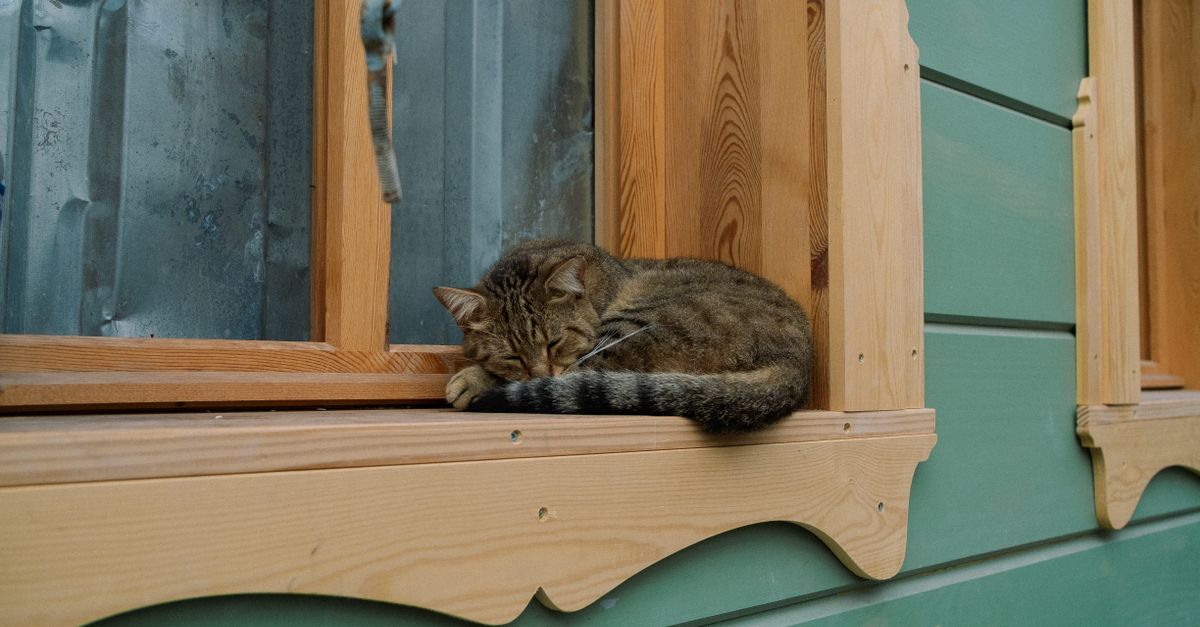
Cats are trickier. They’re naturally crepuscular, meaning their peak energy hits at dawn and dusk — which is why your cat is thundering down the hallway at 5 a.m. While you’re trying to sleep. You can’t override biology, but you can shift the timing of their activity peaks so they align better with your schedule.
The Pre-Bed Hunt-Eat-Groom Sequence
In the wild, cats hunt, eat, groom, and sleep — in that order, every cycle. You can replicate this at home. About 30 minutes before you want your cat to settle, run a 10-minute interactive play session using a wand toy that mimics prey movement (erratic, low-to-the-ground, with pauses). Immediately after, feed their largest meal of the day. Cats almost always groom after eating, and grooming leads naturally to sleep. This sequence alone can eliminate most nighttime zoomies within a week of consistent application.
If your cat is prone to waking you for food at 4 a.m., an automatic feeder set for 4:15 a.m. Can break that cycle without you having to get up — the cat learns the food comes from the machine, not from waking you. It sounds small. It works.
Small Pet Sleep Needs: Guinea Pigs, Rabbits, and Hamsters
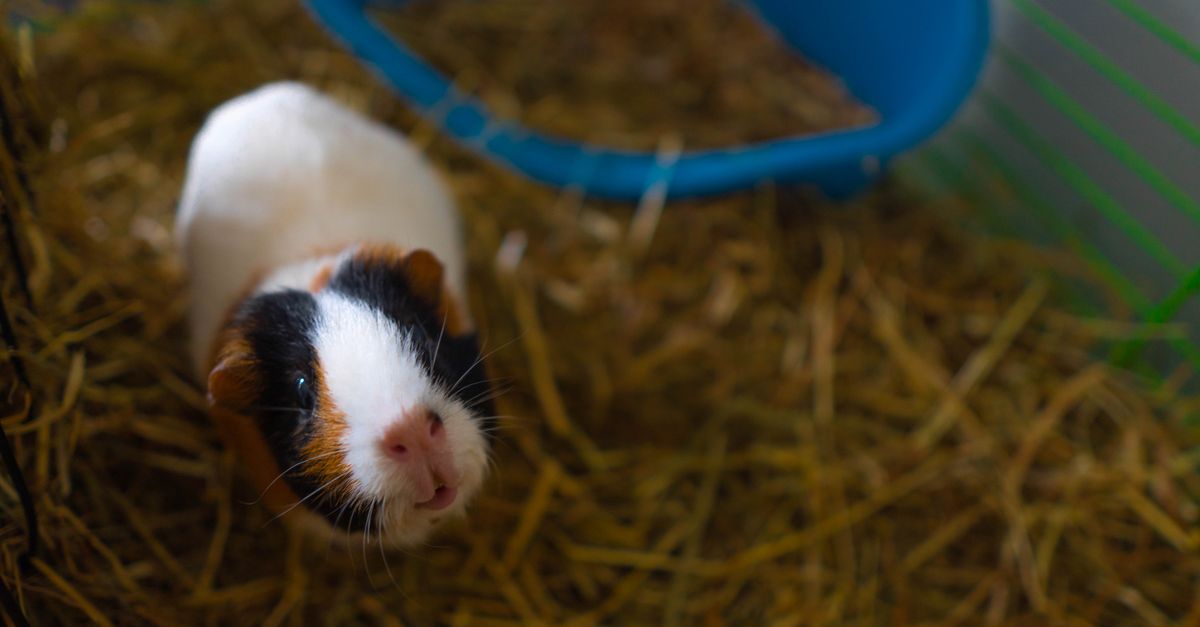
Small pets are often the most neglected when it comes to sleep environment, partly because owners assume they’re always awake or always asleep and don’t need much management. The reality is more nuanced.
Hamsters and the Light Problem
Hamsters are nocturnal and acutely sensitive to light cycles. A hamster kept near a TV or in a room where lights stay on past 10 p.m. Regularly can develop adrenal issues over time from chronic circadian disruption. Their cage should be in a room where you can reliably dim or extinguish lights by 9–10 p.m. If you’re looking at bedding options that support quality rest, vet-reviewed hamster bed picks cover what materials actually work for burrowing and insulation.
Guinea Pigs and Rabbits: Quiet Windows Matter
Guinea pigs sleep in short bursts — sometimes just a few minutes at a time — and rarely close their eyes fully. Rabbits sleep with their eyes open too. Neither species handles sudden loud noises well during their rest windows (roughly midday and late night). Keep their habitat away from high-traffic areas of the house, and avoid vacuuming or playing loud music in the hour before their known rest periods. A predictable quiet window reduces stress hormones measurably in prey animals. You can find more on setting up appropriate habitat conditions in this guide to guinea pig care essentials.
Environmental Tweaks That Improve Sleep Quality Across All Pets
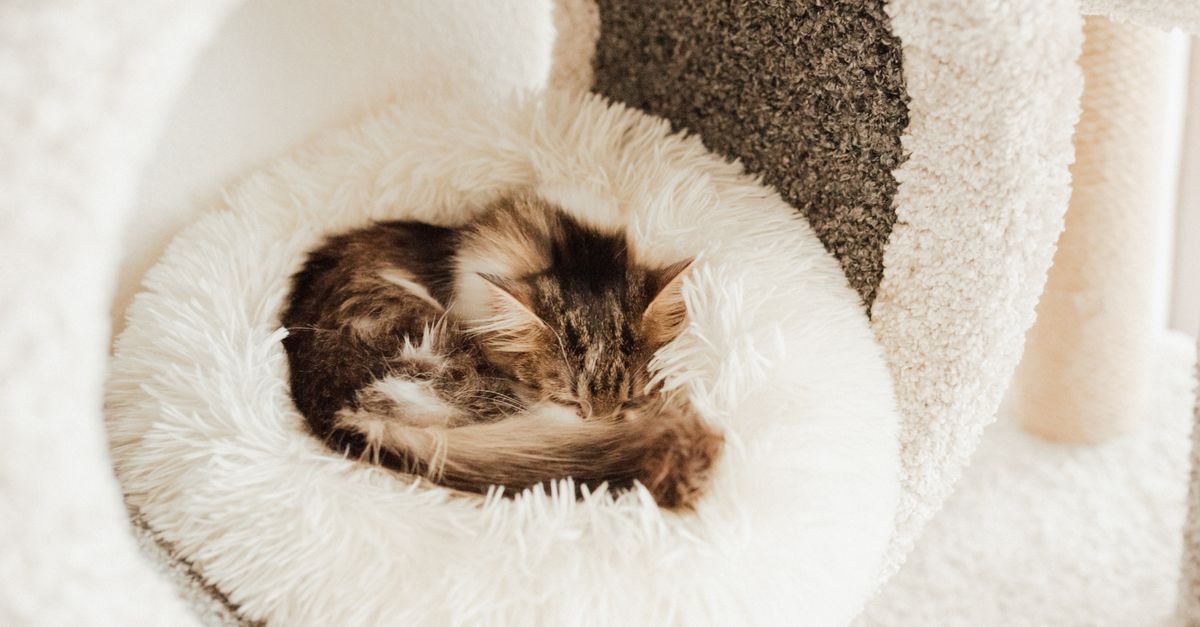
Temperature, air quality, and ambient noise all affect how deeply your pet sleeps. The ideal sleep temperature for most dogs and cats is between 65°F and 72°F (18–22°C). Pets sleeping in rooms that are too warm sleep lighter and wake more frequently. If you run your home warmer than that, consider a cooling mat for your dog’s bed in summer months.
Air quality ties in too — pet dander and dust accumulate in sleeping areas faster than most owners realize, and poor air quality can cause mild respiratory disruption that fragments sleep. If you’ve never thought about how your pet affects your home environment more broadly, pet dander and your HVAC system is worth a read.
White noise is genuinely useful for urban pets. A small fan or a dedicated white noise machine running at 50–60 decibels near your dog’s sleeping area masks street noise, delivery trucks, and neighbor sounds that would otherwise trigger alert responses mid-sleep. Many owners report their dog stops waking at outside sounds within three to four nights of introducing consistent white noise.
One more thing worth monitoring: how your pet communicates discomfort at bedtime. Restlessness, unusual positioning, or reluctance to lie down can signal pain or anxiety rather than a routine problem. Brushing up on reading your pet’s body language helps you tell the difference between “I don’t want to sleep” and “something hurts.”
Frequently Asked Questions
My senior dog sleeps way more than he used to — is that a health concern or just aging?
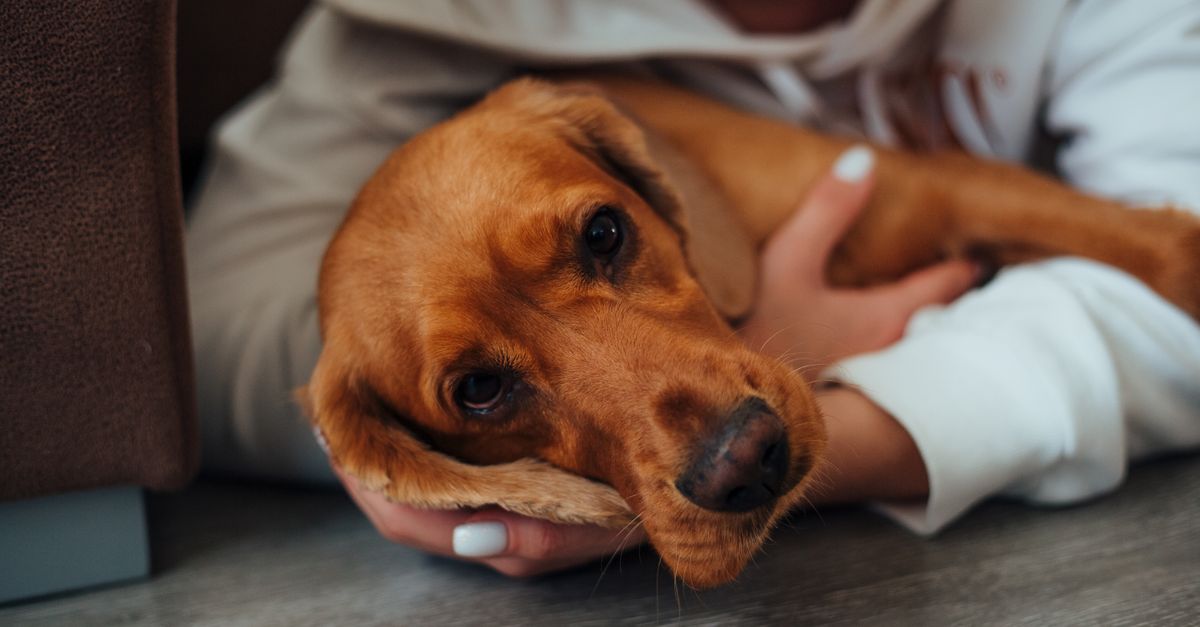
Increased sleep in older dogs can be normal aging, but it’s worth tracking. A senior dog sleeping 16–18 hours a day and still engaging normally when awake is usually fine. If the extra sleep comes with reduced appetite, difficulty getting comfortable, or disorientation after waking, those are flags for a vet visit — they can indicate pain, cognitive dysfunction syndrome (canine dementia), or thyroid issues, all of which are manageable when caught early.
My cat sleeps all day and then destroys the house at 3 a.m. I’ve tried the hunt-eat-groom sequence and it hasn’t helped after five days. What now?
Five days isn’t quite long enough — most cats need 10–14 days of consistent nightly application before the new pattern locks in. But also look at what’s happening during the day. If your cat has zero environmental enrichment while you’re at work (no window perch, no puzzle feeders, nothing to interact with), they’re essentially storing all their energy for night. A dedicated window perch that gives them visual stimulation during daylight hours can reduce that nighttime energy surplus significantly.
Can I use melatonin to help my anxious dog sleep through the night?
Melatonin is sometimes used in dogs for anxiety and sleep disruption, and it’s generally considered low-risk at appropriate doses (typically 1–3 mg for small dogs, 3–6 mg for large dogs, given 30 minutes before sleep). However, you must check the label carefully — some human melatonin products contain xylitol, which is toxic to dogs. Always confirm the dose with your vet first, especially if your dog is on any other medication. Melatonin works best as a short-term bridge while you establish a behavioral routine, not as a permanent fix on its own.