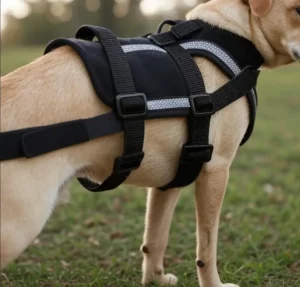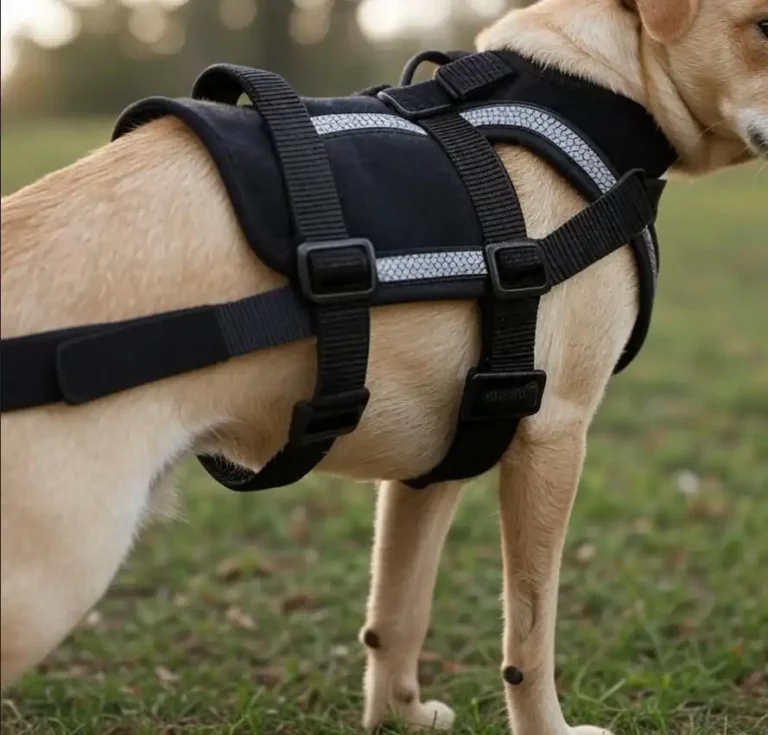
Ultimate Guide to Choosing a Sturdy Dog Harness
Walking your dog should be the best part of your day—a time to bond, explore, and get some fresh air. However, if your pup is a “strong puller” or a literal escape artist, that relaxing stroll can quickly turn into a stressful tug-of-war. Ensuring your dog is secure and comfortable isn’t just about control; it’s about their long-term spinal health and your peace of mind.
To keep your adventures safe and enjoyable in 2026, you need gear that balances durability with ergonomic design. Whether you’re navigating busy city sidewalks or hitting a rugged mountain trail, investing in a Sturdy Dog Harness is the single best move you can make for your pet’s safety and your own comfort.
Why “Sturdy” Matters: More Than Just Durability
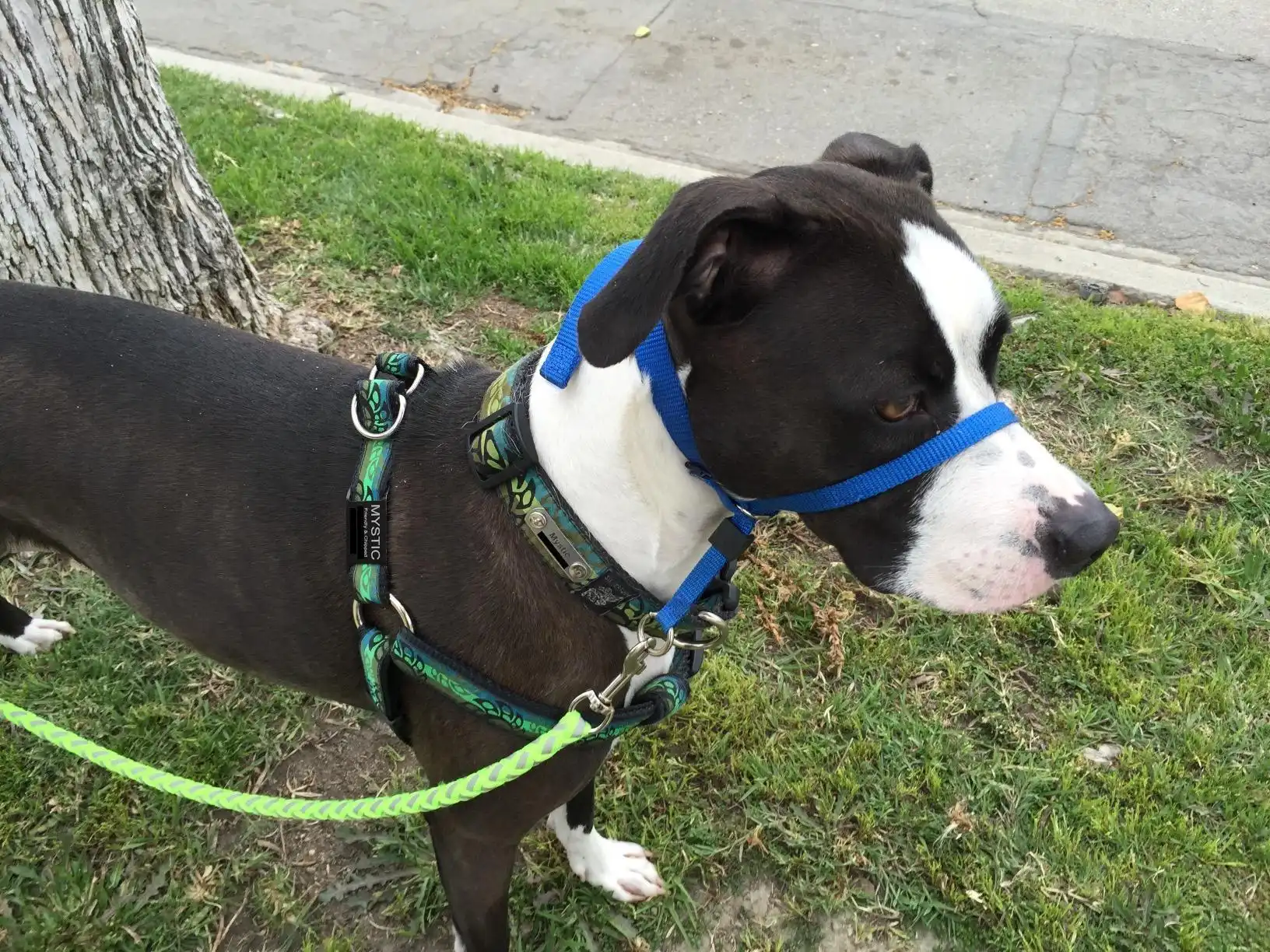
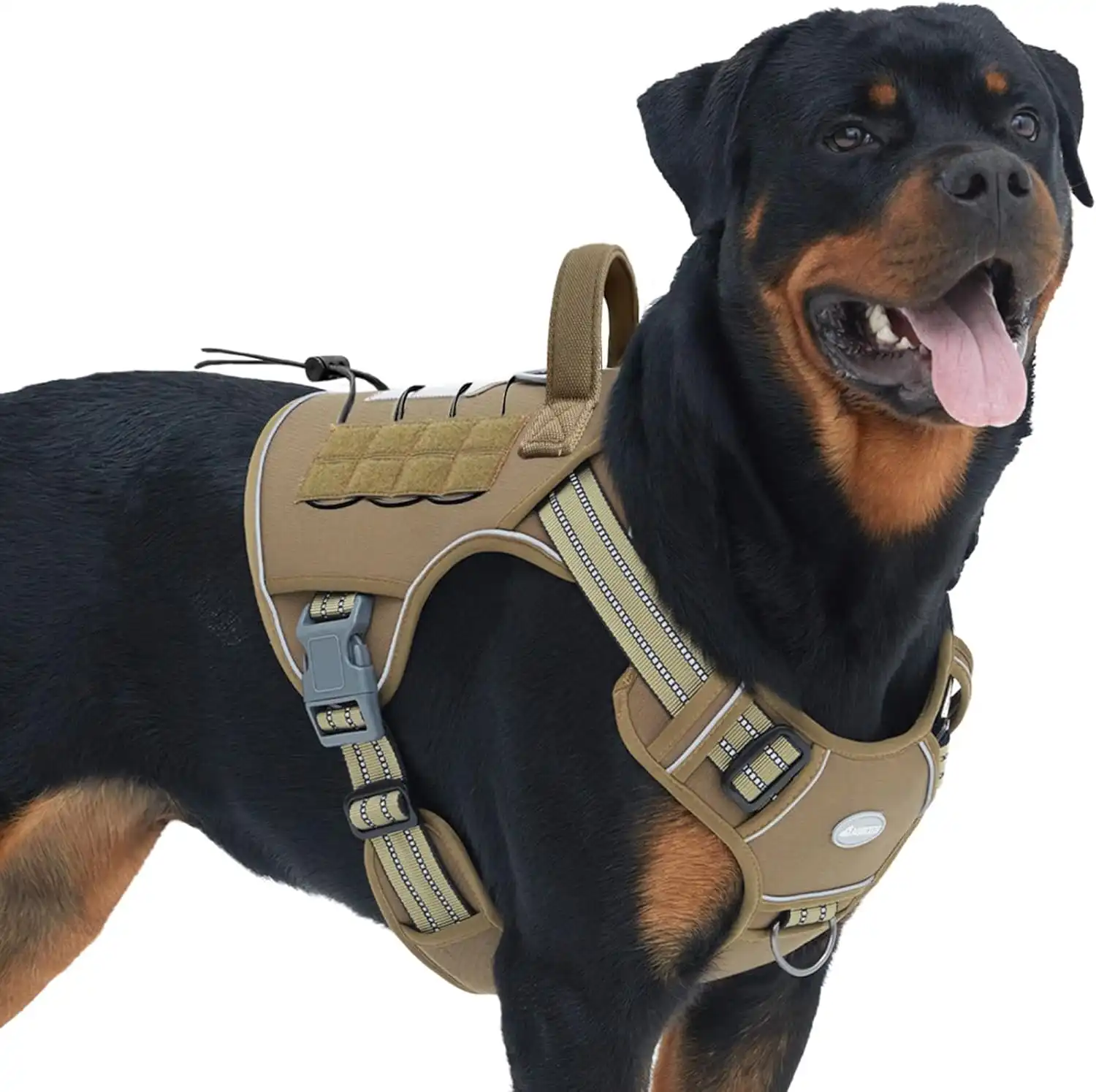
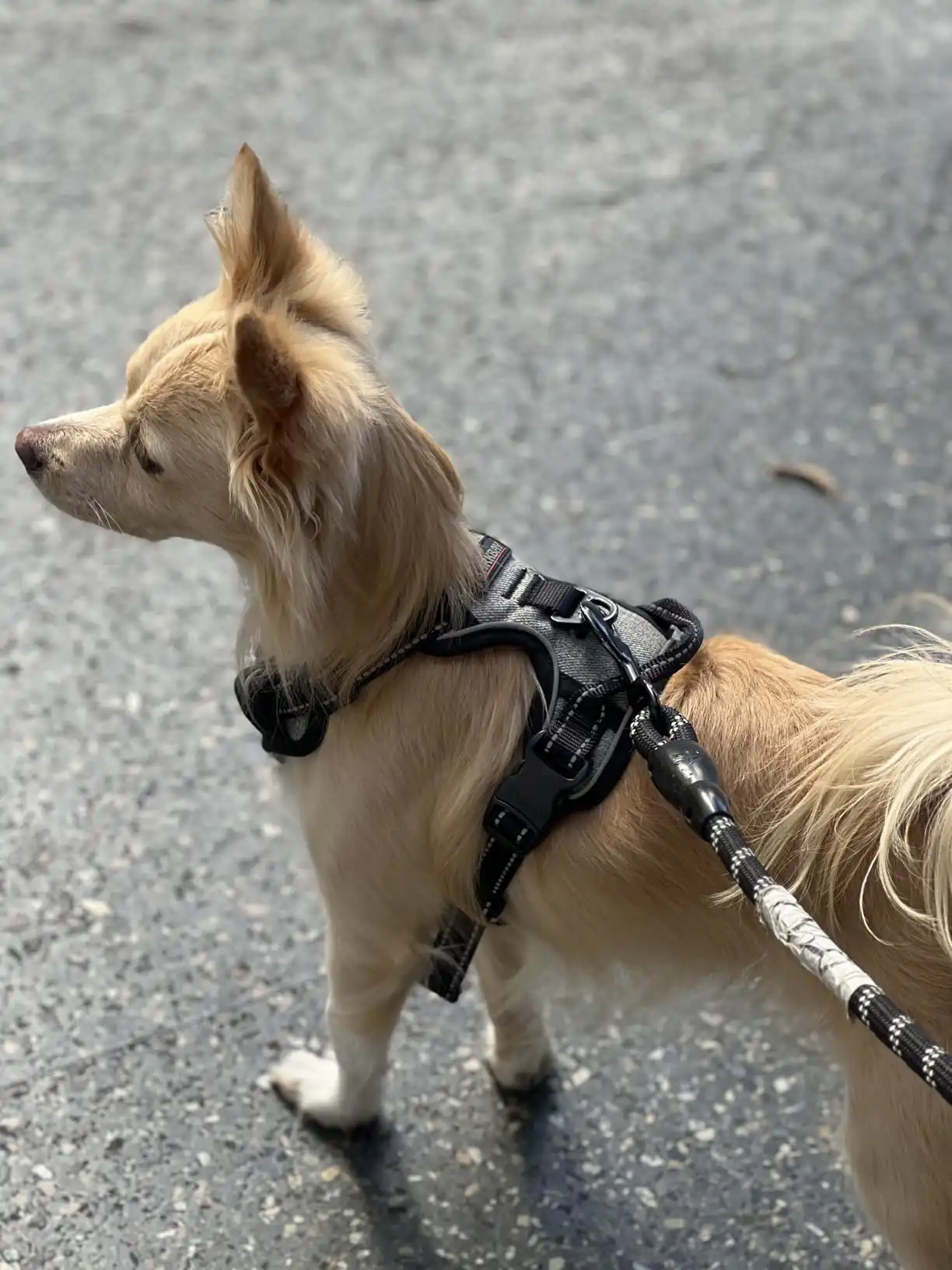
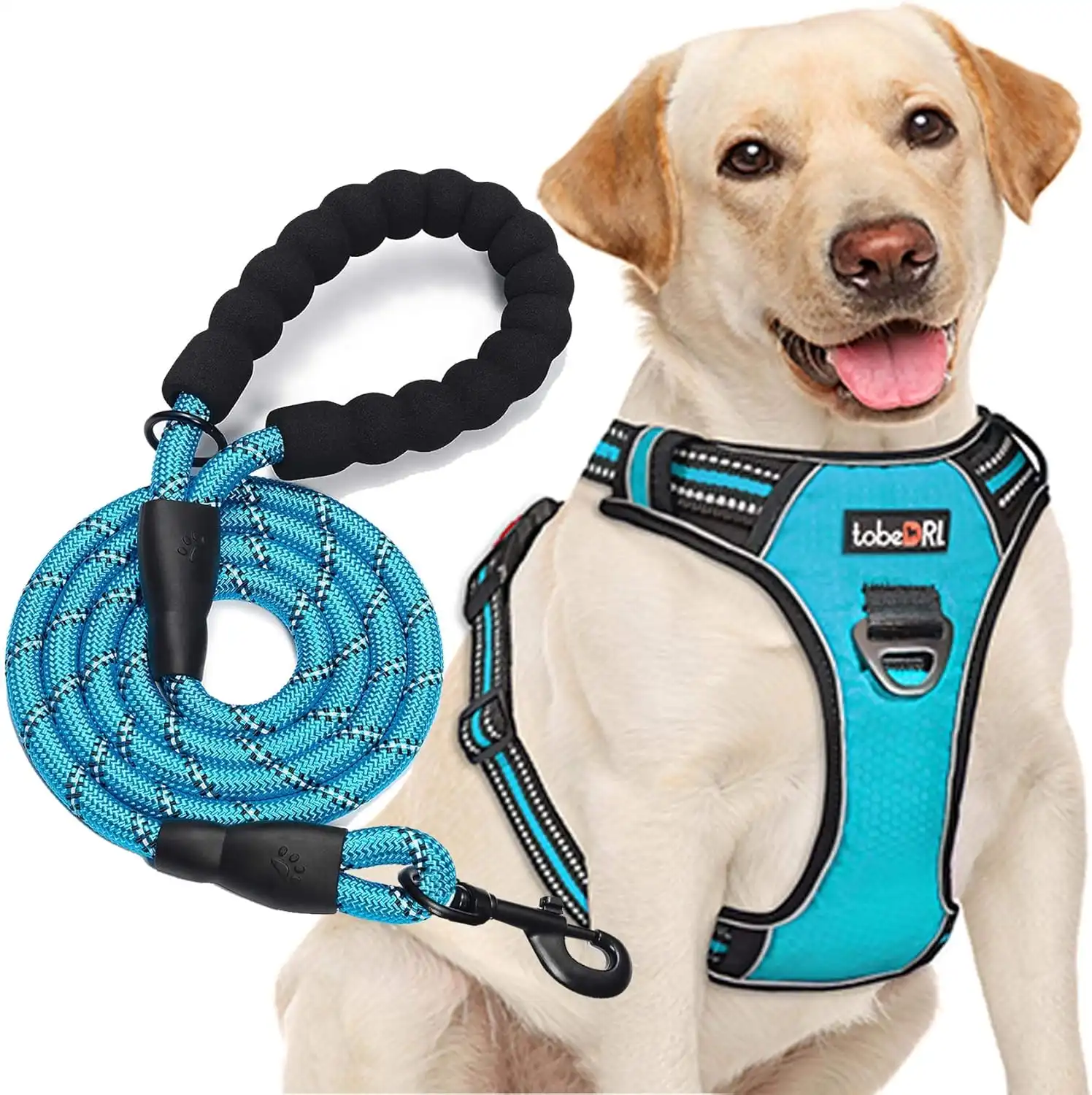


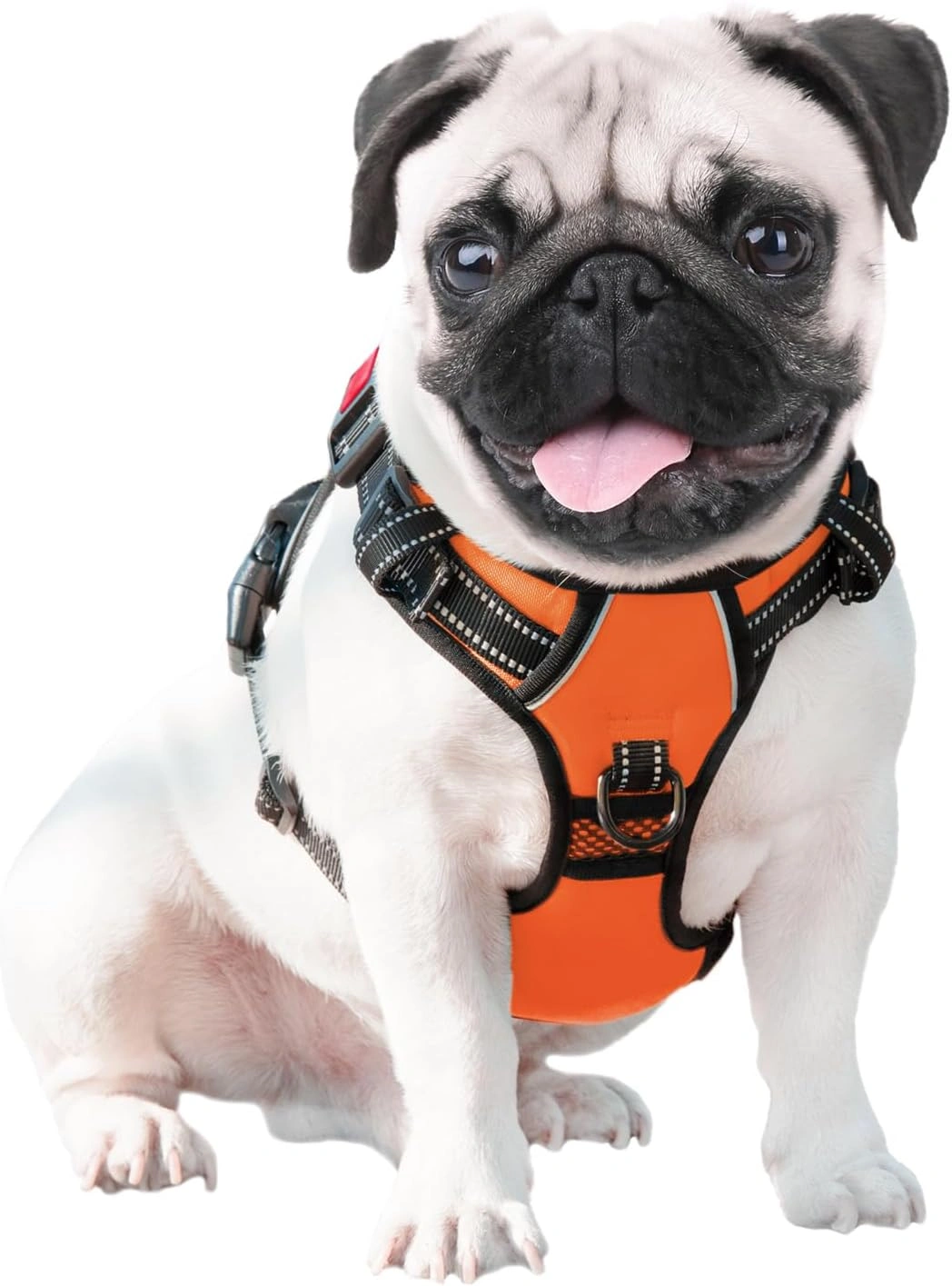
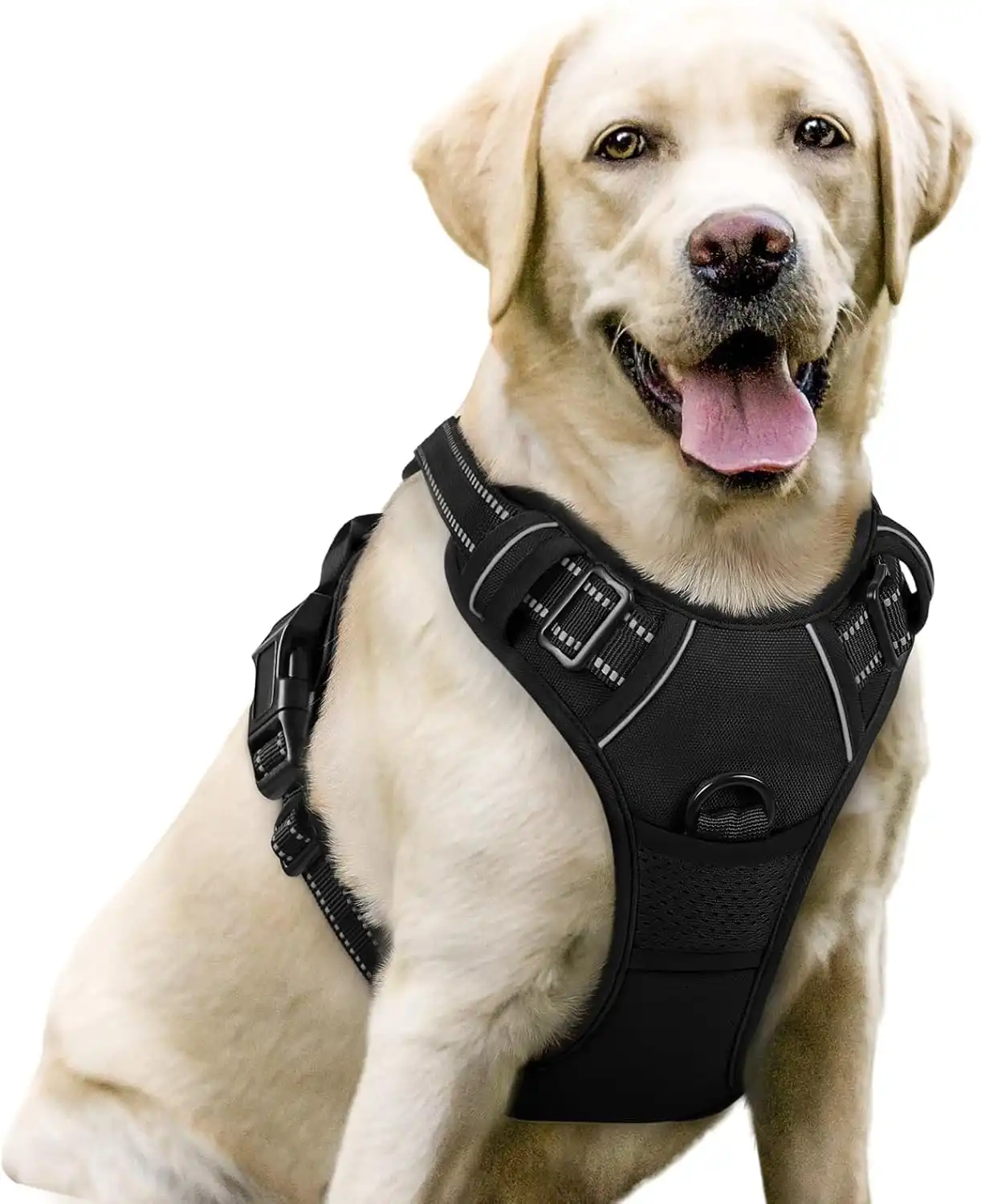



In the world of pet gear, “sturdy” doesn’t just mean a thick strap. In 2026, the gold standard for harnesses involves a combination of tensile strength, reinforced hardware, and smart pressure distribution.
1. Neck Safety and Tracheal Protection
Unlike traditional collars, which put immense pressure on the thyroid and trachea, a well-built harness redirects that force across the chest and shoulders. This is critical for breeds prone to respiratory issues or “pullers” who don’t know their own strength.
2. Escape-Proof Engineering
We’ve all had that heart-stopping moment where a dog tries to back out of their gear. A sturdy harness today features multiple adjustment points—usually four to five—to ensure a snug, custom fit that even the slipperiest Houdini can’t wiggle out of.
3. All-Terrain Reliability
Modern materials like nylon ripstop and ballistic webbing are now the norm. These materials are UV-resistant (no more sun-rotted straps) and don’t lose their integrity when they get wet or muddy.
Key Features to Look for in 2026
When shopping for the perfect fit, keep an eye out for these high-performance features that define the latest safety standards:
- Reinforced V-Rings: Look for load-bearing metal attachment points rather than plastic. Aluminum and stainless steel are the top choices for 2026.
- Dual-Clip Systems: A front-clip (chest) for training out pulling habits and a back-clip for casual exploration.
- Padded Pressure Plates: Breathable EVA foam or neoprene padding prevents chafing and “hot spots” during long summer hikes.
- Integrated Control Handles: A “grab handle” on the back is essential for helping senior dogs over obstacles or keeping your pup close in high-traffic areas.
- 360° Reflectivity: Low-light visibility is a non-negotiable safety feature for early morning or late-night walks.
Choosing the Right Style for Your Dog
Every dog is built differently, so their gear should be too. Here’s a quick breakdown of the most popular styles this year:
| Harness Type | Best For | Key Benefit |
| Tactical Vest | Working dogs & Hikers | Maximum durability & MOLLE attachments |
| No-Pull Front Clip | Training & Strong Pullers | Gently redirects momentum to the side |
| Step-In Harness | Head-sensitive dogs | Easy on/off without going over the head |
| Crash-Tested | Road trips & Travel | Safety-rated for vehicle impact protection |
Pro-Tip: The “Two-Finger” Rule
Even the most expensive gear won’t work if it doesn’t fit correctly. Once you’ve buckled your dog in, you should be able to fit exactly two fingers between the straps and your dog’s body. Any looser, and they might slip out; any tighter, and you risk restricted movement.
Wrapping Up
Your dog’s gear is an investment in their happiness and your shared adventures. By choosing a harness built with 2026 safety innovations in mind, you’re ensuring that every walk is a step toward a healthier, more secure life together.
About the Author

You Might Also Like