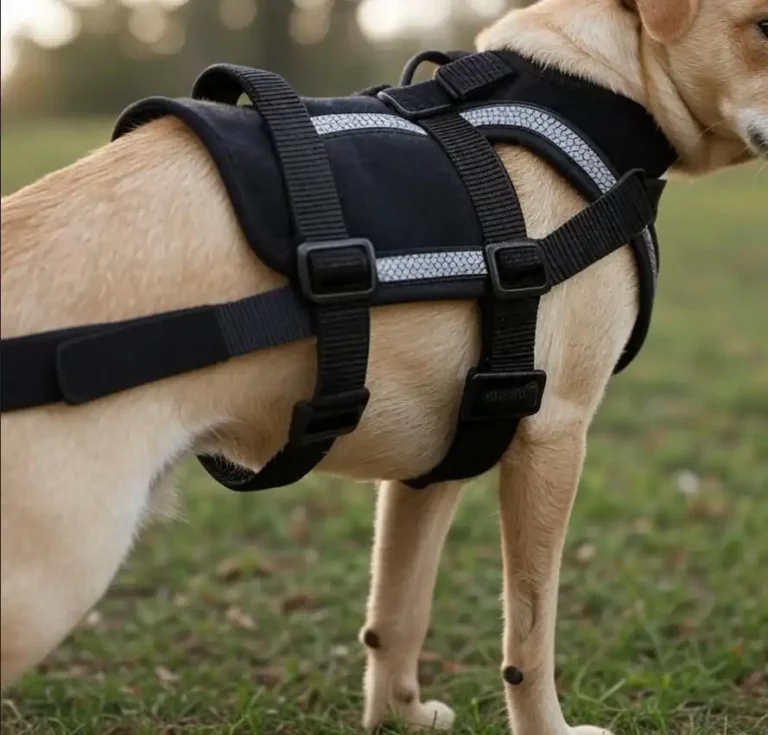
Why a V Neck Dog Harness is the Safest Choice for 2026
As pet parents, our morning walks are often the highlight of the day. There’s nothing quite like seeing your pup’s tail wag as you reach for the leash. However, as we move into 2026, the conversation around canine wellness has shifted toward proactive injury prevention. Veterinary experts are increasingly highlighting how traditional collars and even some square-cut harnesses can put unnecessary strain on a dog’s sensitive throat area.
If you are looking for a way to ensure your dog stays comfortable while maintaining full control during your adventures, the V Neck Dog Harness is the ultimate solution for modern pet safety.
What is a V Neck Dog Harness?
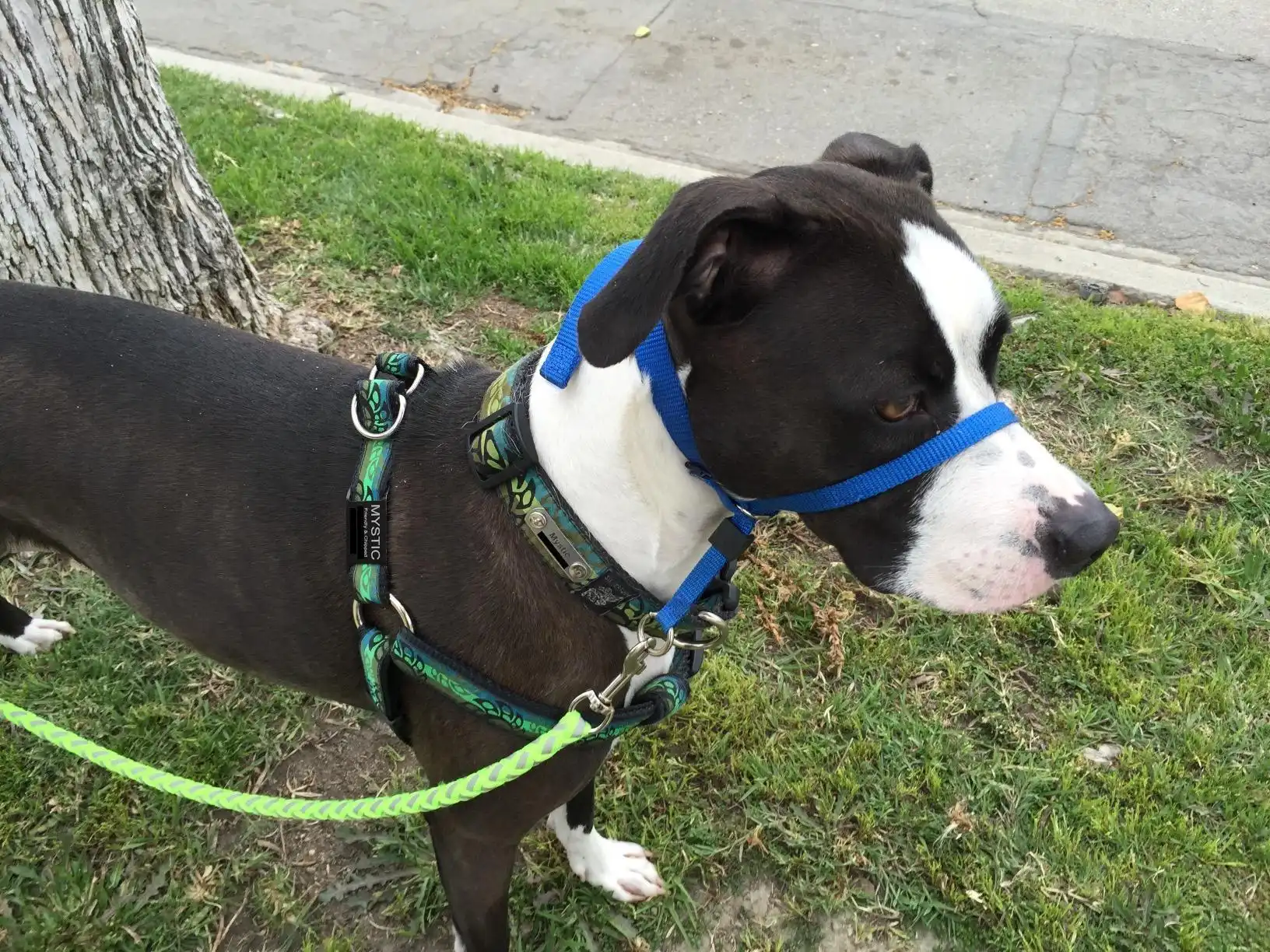
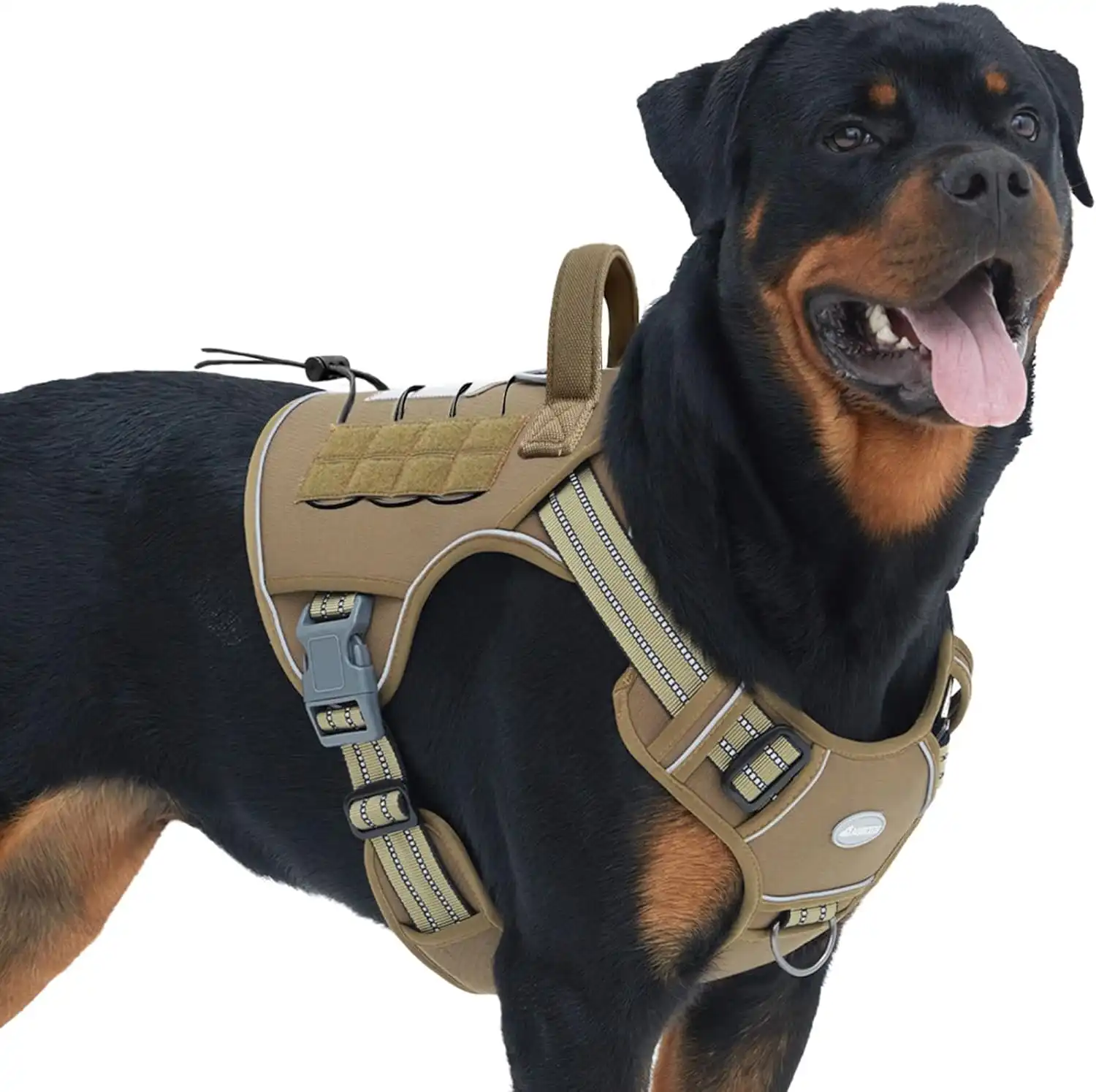
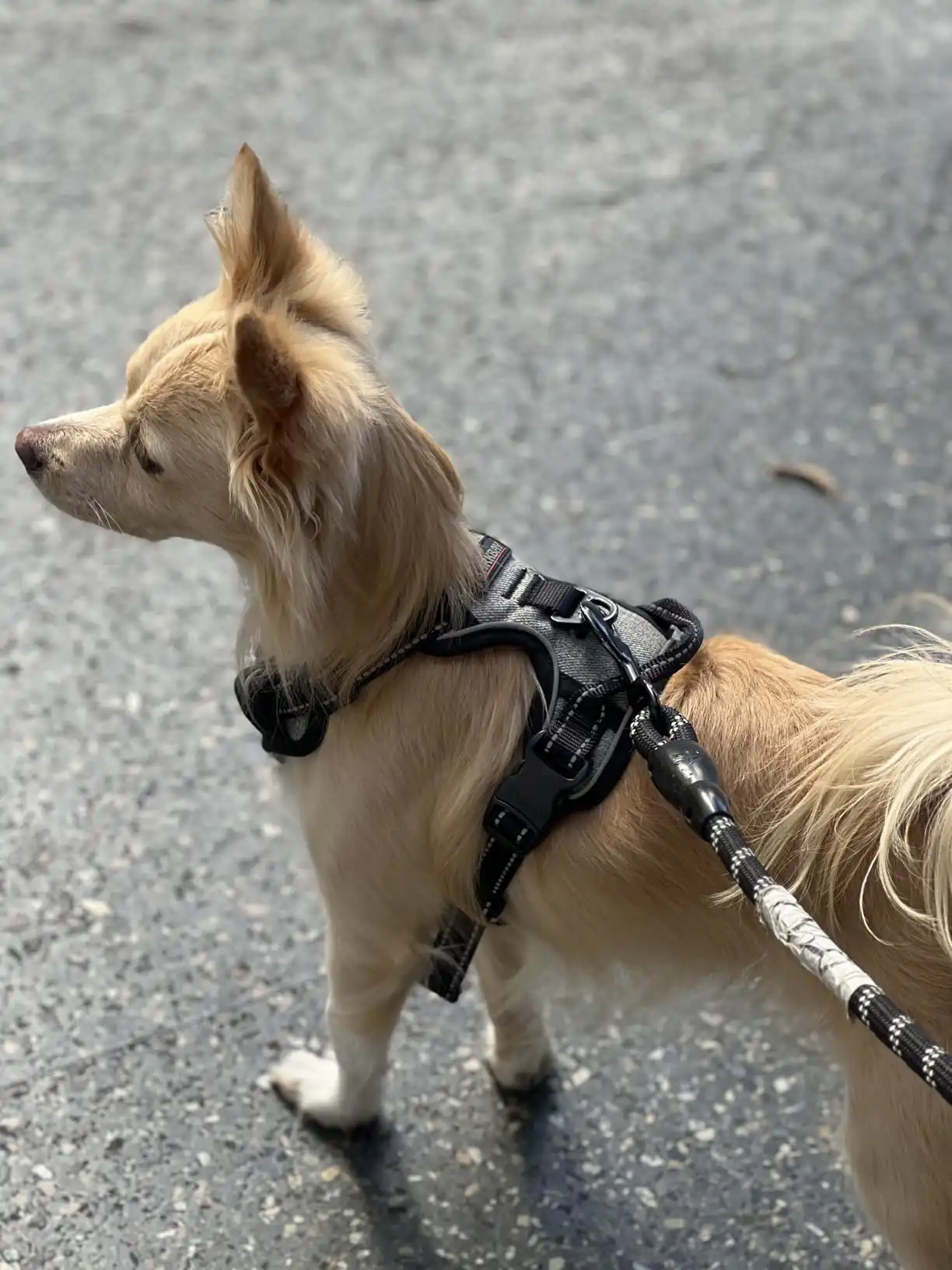
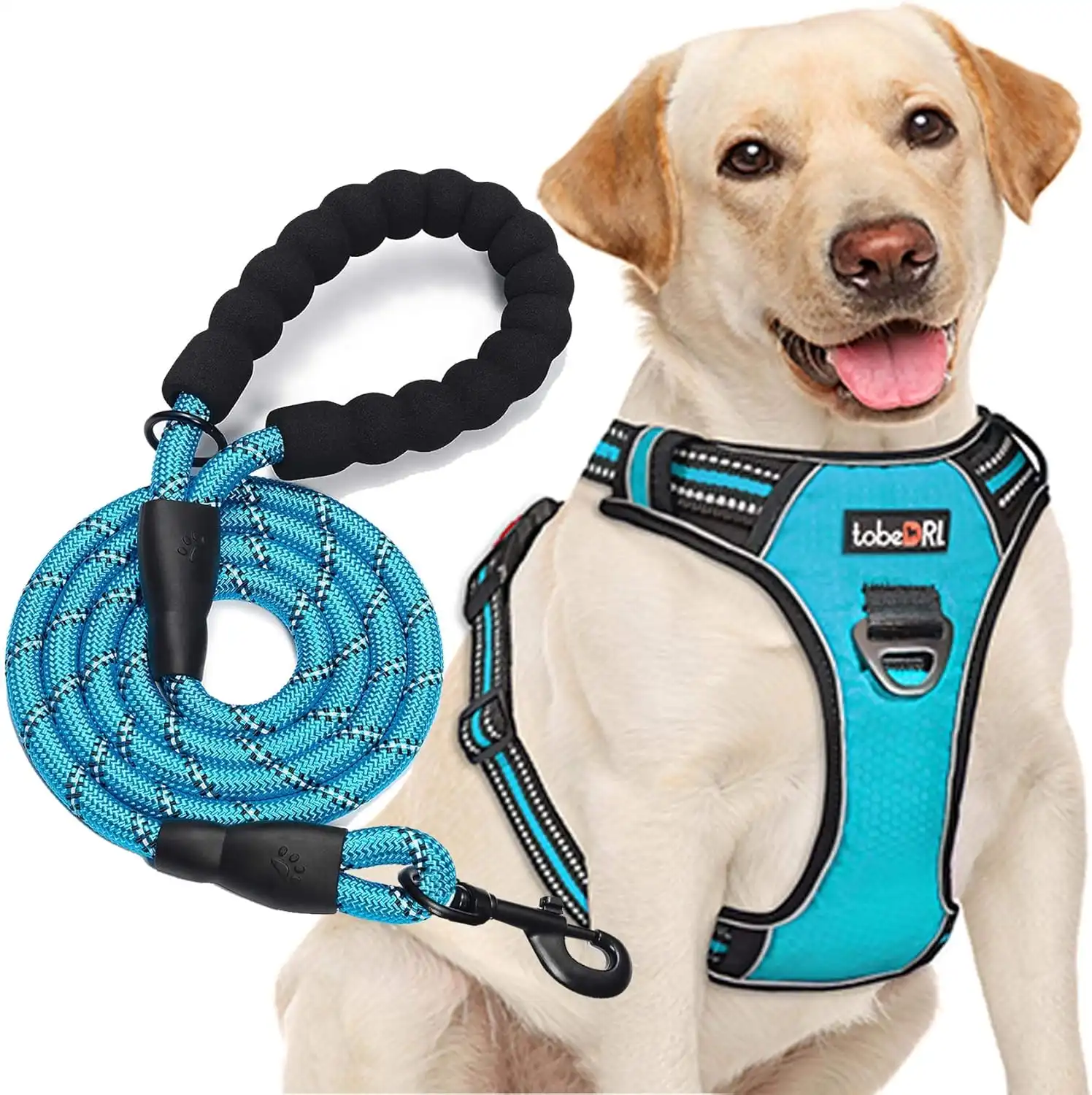
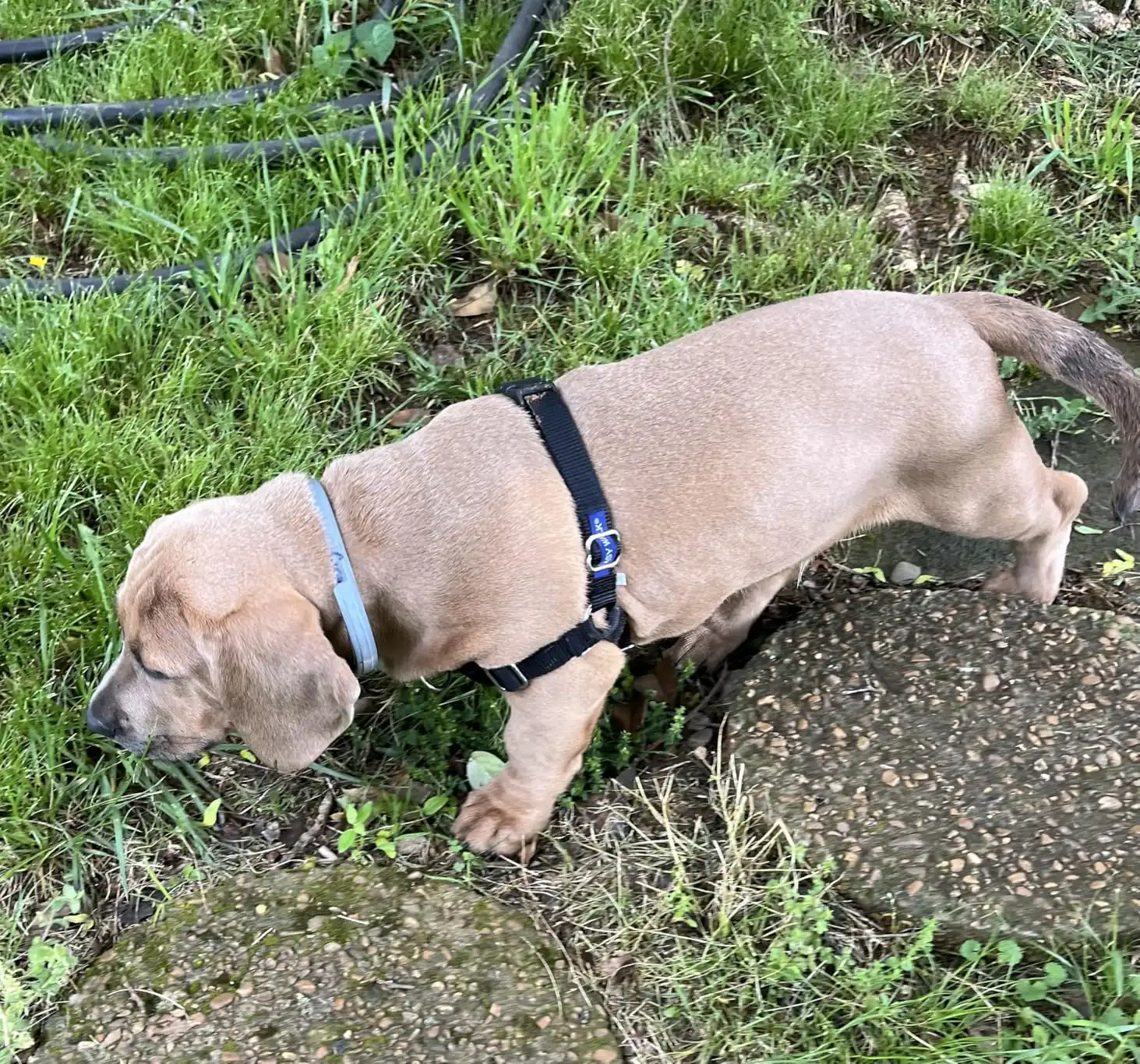

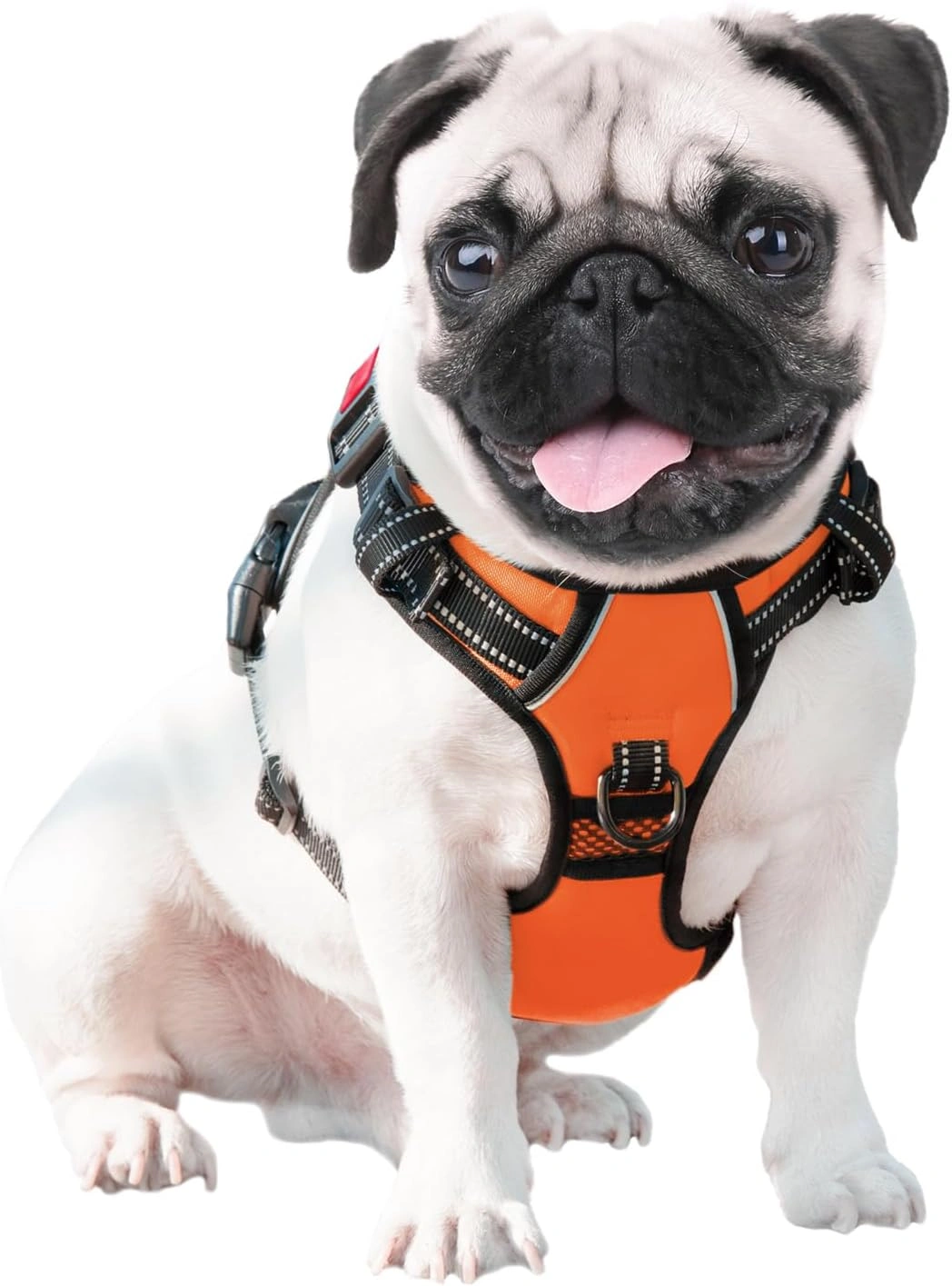
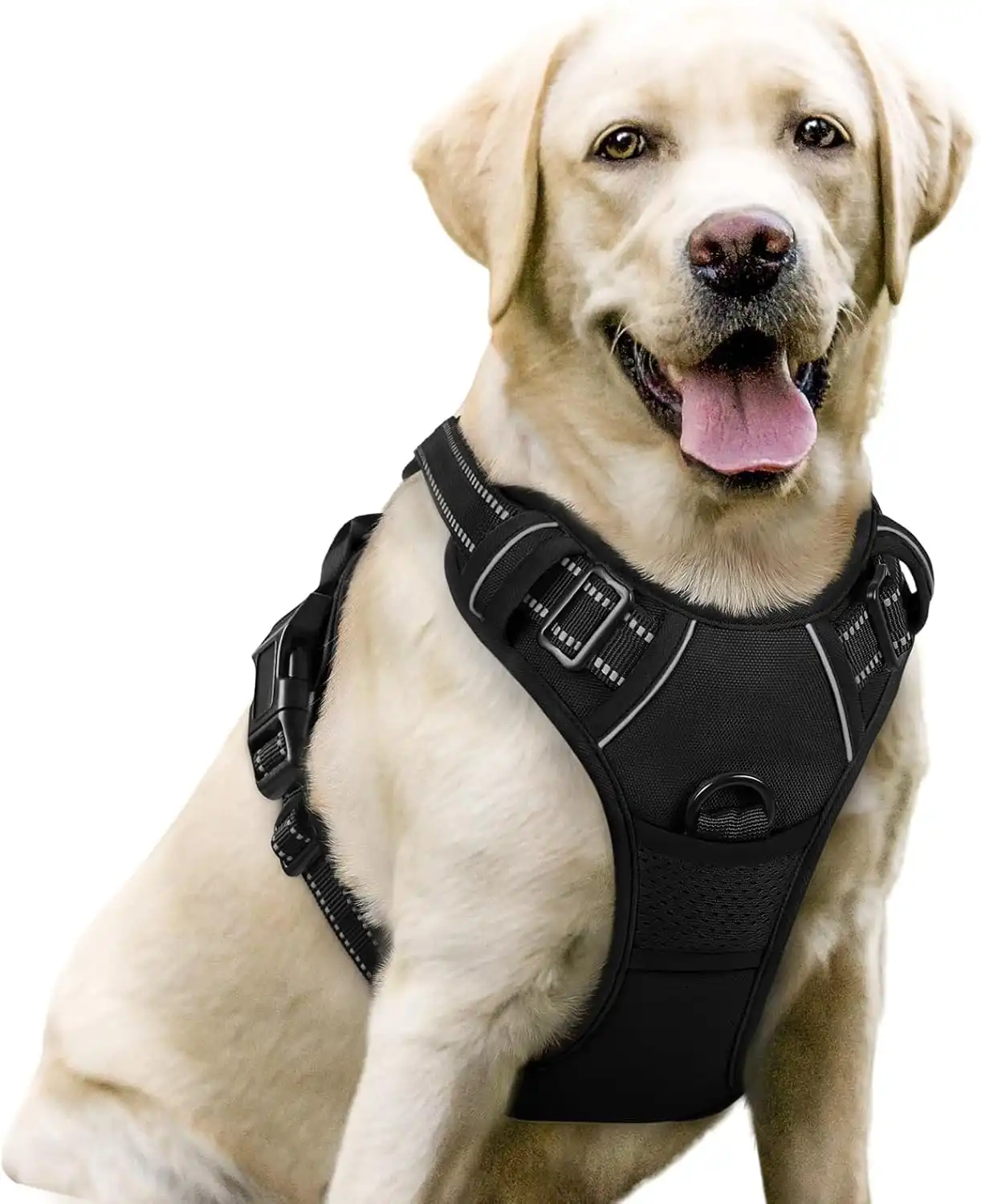



Unlike standard harnesses that often sit high on the throat or straight across the chest, a V-neck design (often referred to as an X-frame or Y-harness) features a deep, angled front. This design mimics the natural contours of a dog’s chest, ensuring that the straps sit well below the trachea.
The Anatomy of Safety
In 2026, ergonomic pet gear has moved beyond “one size fits all.” The V-shape is specifically engineered to:
- Avoid the Trachea: The “V” opening sits on the sturdy breastbone rather than the soft tissues of the neck.
- Free the Shoulders: High-quality V-neck designs allow for a full range of motion, preventing the gait issues common with restrictive “no-pull” bands.
- Balance Pressure: When your dog lunges or pulls, the force is distributed across the chest and shoulders, not the spine.
Top Benefits for Your Pup’s Health
1. Preventing Tracheal Collapse
Breeds like Pomeranians, Yorkies, and Pugs are biologically prone to tracheal sensitivity. A single hard pull on a standard collar can cause lasting damage. By switching to a V-neck style, you eliminate the “choke point” entirely, making it the top recommendation for brachycephalic and toy breeds.
2. Thyroid and Nerve Protection
Research has shown that consistent pressure on the neck can affect a dog’s thyroid gland and even lead to forelimb nerve issues. The deep-V cut ensures that these sensitive areas remain untouched, regardless of how excited your pup gets when they see a squirrel.
3. Escape-Proof Comfort
Modern 2026 iterations of the V-neck harness often include 4-point adjustment systems. Because the harness hugs the strongest part of the dog’s frame, it is much harder for “Houdini” dogs to back out of the gear compared to loose-fitting collars.
Features to Look for in 2026
When shopping for your next harness, keep these updated safety and style features in mind:
| Feature | Why It Matters |
| Padded Breathable Mesh | Prevents overheating and chafing during summer hikes. |
| Dual-Clip Points | A back-clip for casual walks and a front-clip for training. |
| 360° Reflective Trim | Essential for visibility during early morning or late evening strolls. |
| Quick-Release Buckles | High-durability polymer buckles that won’t rust or rattle. |
How to Get the Perfect Fit
A harness is only as good as its fit. To ensure your dog gets the most out of their V-neck gear:
- Measure the Girth: Wrap a tape measure around the widest part of your dog’s ribcage.
- Check the “Two-Finger” Rule: You should be able to fit two fingers between the strap and your dog’s skin.
- Check the “V” Depth: Ensure the point of the V sits on the chest bone, not the throat.
Final Thoughts
Choosing the right walking gear is one of the simplest ways to extend your dog’s quality of life. By opting for a V-neck design, you aren’t just buying a leash attachment—you’re investing in your dog’s long-term respiratory and spinal health.
About the Author

You Might Also Like