
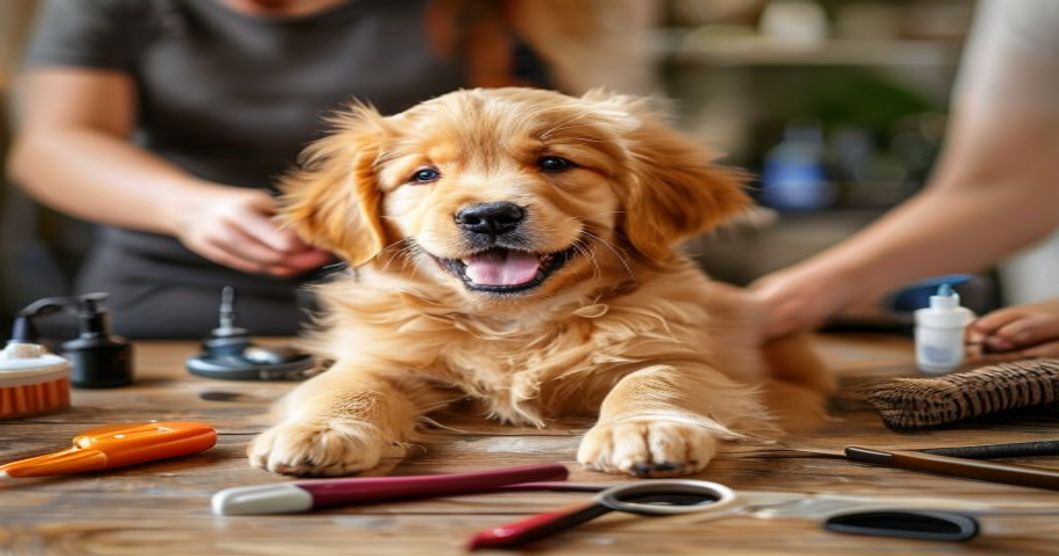
Pet Grooming Tips: Easy At-Home Care
You grab your keys and your dog already starts trembling by the door, eager to go for a walk. But before you head out, you notice your dog’s fur is looking a bit matted and dirty. You wish you could give your dog the same level of care as a professional groomer, but you’re not sure where to start. The good thing is that pet grooming is easier than you think, and with a few simple tips, you can keep your pet clean and healthy at home.
As you begin to groom your dog, you realize that it’s not just about keeping them clean, but also about building a bond and creating a sense of trust. Your dog will learn to associate grooming with positive experiences, and you’ll be able to identify any potential health issues early on. For example, regular nail trimming can help prevent painful ingrown nails, and brushing can help reduce shedding and prevent hairballs.
Getting Started with Pet Grooming
To get started with pet grooming, you’ll need a few basic tools, such as a brush, nail clippers, and shampoo. You can find these tools at your local pet store or online. It’s also a good idea to consult with your veterinarian to determine the best grooming schedule for your pet, based on their breed, age, and health. For more information on pet care, you can check out our article on protecting your pet.
Brushing and Combing
Brushing and combing are essential parts of pet grooming, and can help reduce shedding and prevent hairballs. There are several types of brushes available, including slicker brushes, pin brushes, and bristle brushes. Slicker brushes are best for removing tangles and mats, while pin brushes are gentler and better suited for sensitive areas. Bristle brushes are good for removing loose hair and distributing natural oils.
Choosing the Right Brush
When choosing a brush, consider your pet’s coat type and length. For example, if your pet has a short, smooth coat, a bristle brush may be the best choice. If your pet has a long, curly coat, a slicker brush may be more effective. You can also check out our article on exotic pets and kids for more information on grooming different types of pets.
Nail Trimming
Nail trimming is an important part of pet grooming, and can help prevent painful ingrown nails. To trim your pet’s nails, you’ll need a pair of nail clippers and a styptic powder to stop any bleeding. It’s best to trim your pet’s nails when they’re most relaxed, such as after a walk or playtime. You can also check out our article on tick season for more information on parasite control.
Trimming Tips
When trimming your pet’s nails, be sure to cut straight across the nail, avoiding the quick (the sensitive part of the nail). If you do accidentally cut the quick, apply some styptic powder to stop the bleeding. It’s also a good idea to trim just a little at a time, taking breaks in between to give your pet a chance to relax.
Frequently Asked Questions
How often should I groom my pet?
The frequency of grooming will depend on your pet’s breed, age, and health. Generally, dogs should be groomed at least once a week, while cats may only need to be groomed every few weeks. Consult with your veterinarian to determine the best grooming schedule for your pet.
What are some common grooming mistakes to avoid?
Some common grooming mistakes to avoid include cutting your pet’s nails too short, brushing too hard, and using the wrong type of shampoo. Be sure to consult with your veterinarian if you’re unsure about any aspect of grooming.
Can I groom my pet at home, or do I need to take them to a professional groomer?
While it’s possible to groom your pet at home, some pets may require professional grooming, especially if they have complex coat types or health issues. Consult with your veterinarian to determine the best grooming plan for your pet. You can also check out our article on cleaning and deodorizing pet beds for more information on keeping your pet’s living space clean and healthy.