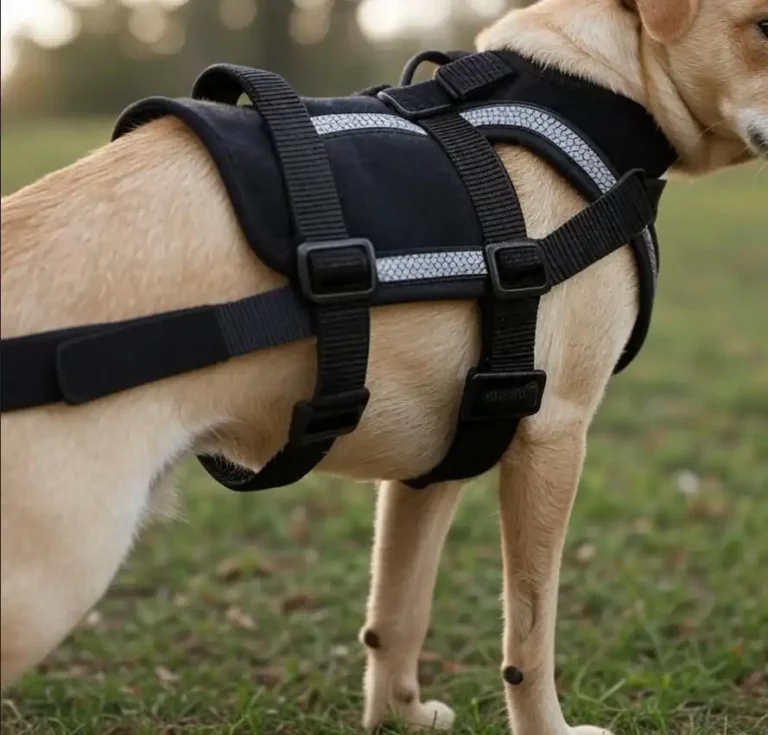
The Ultimate Front Pull Dog Harness Guide for 2026
Walking your dog should be the highlight of your day—a time to bond, explore, and get some fresh air. But if your furry friend spends the entire walk acting like they’re auditioning for a sled-dog team, that “relaxing” stroll can quickly turn into a literal tug-of-war. For many pet parents, the secret to reclaiming their walks has been the switch from a traditional collar to a specialized Front Pull Dog Harness.
Why Pet Parents are Switching to Front-Clip Designs
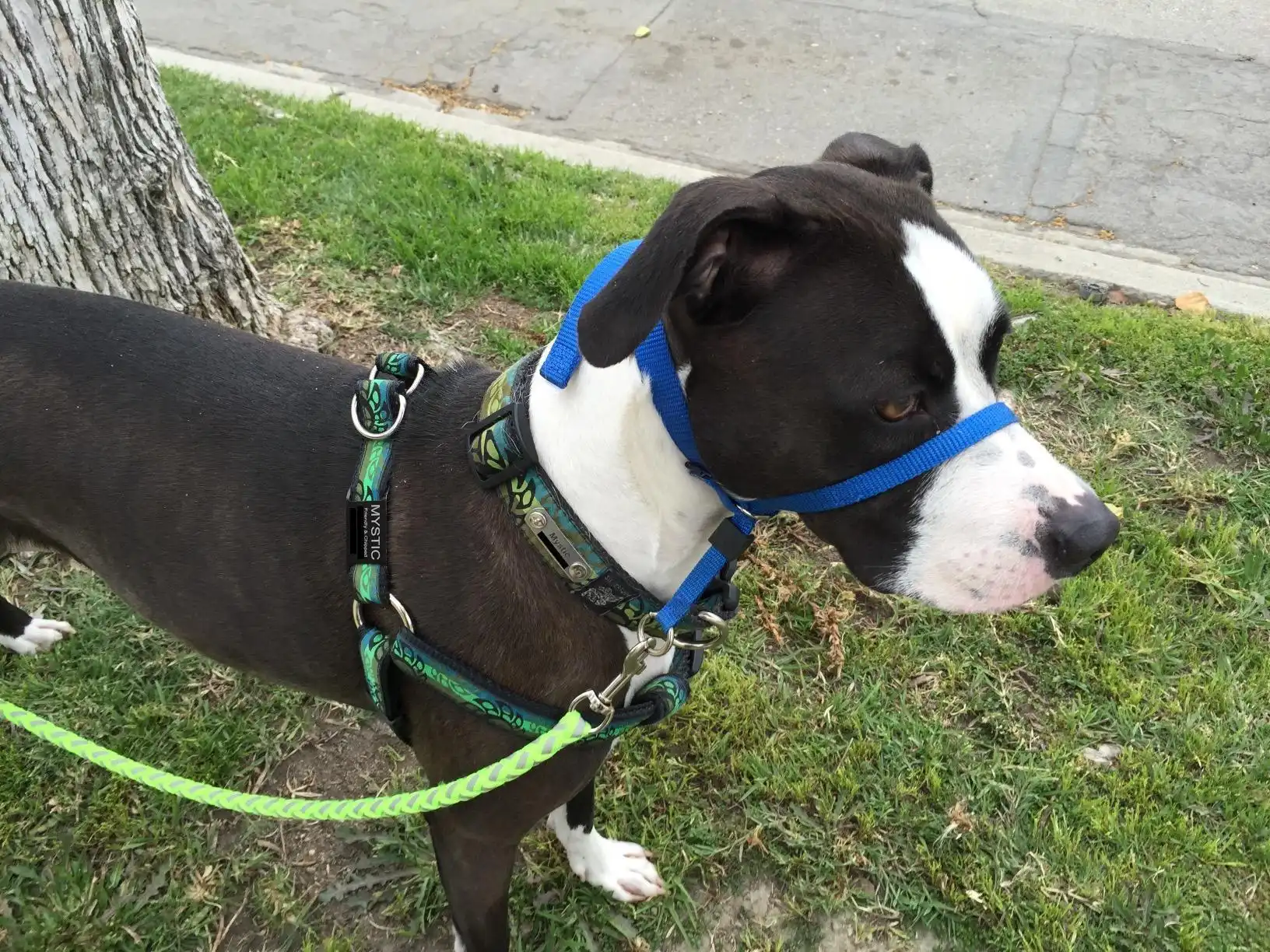
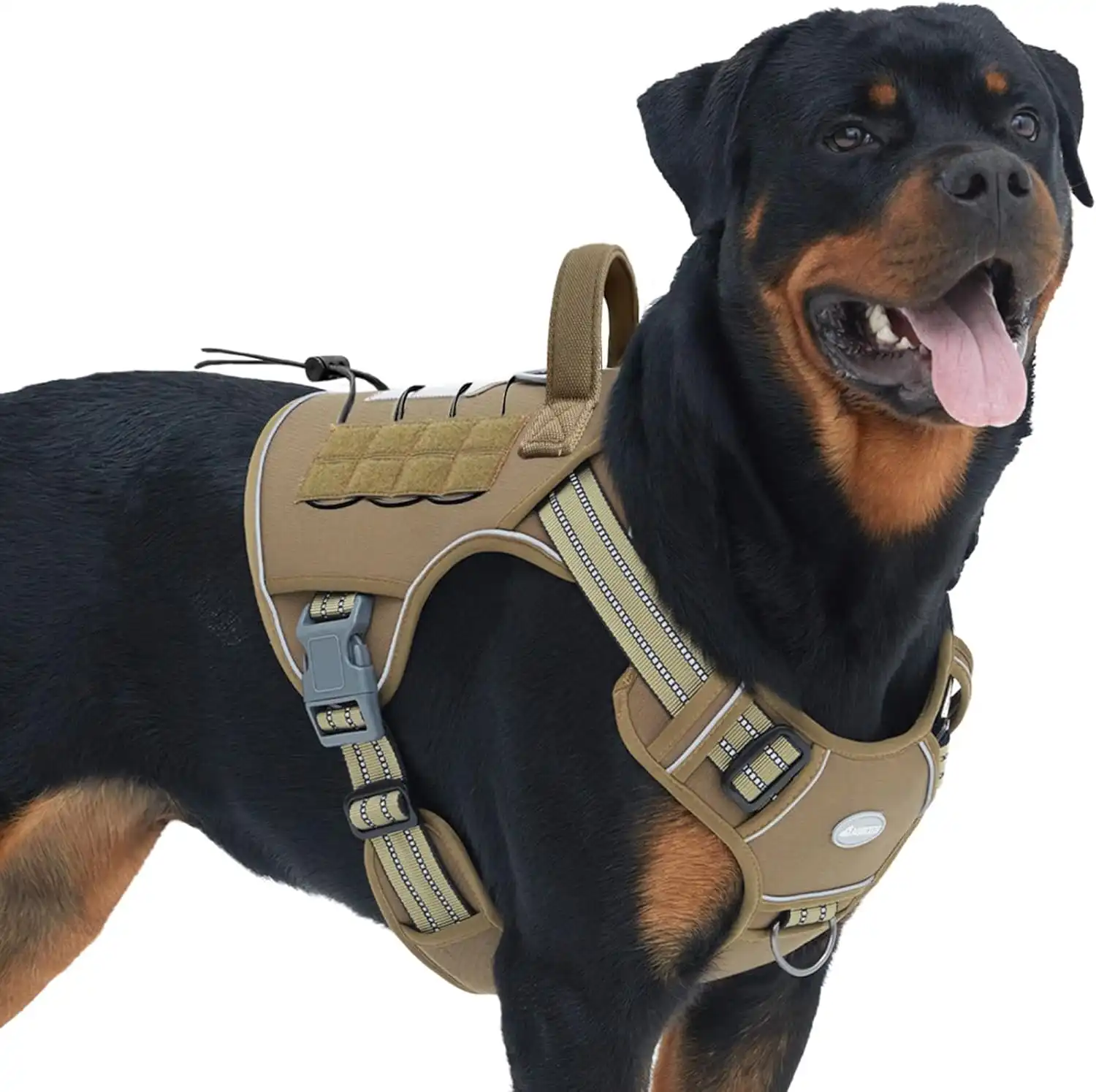
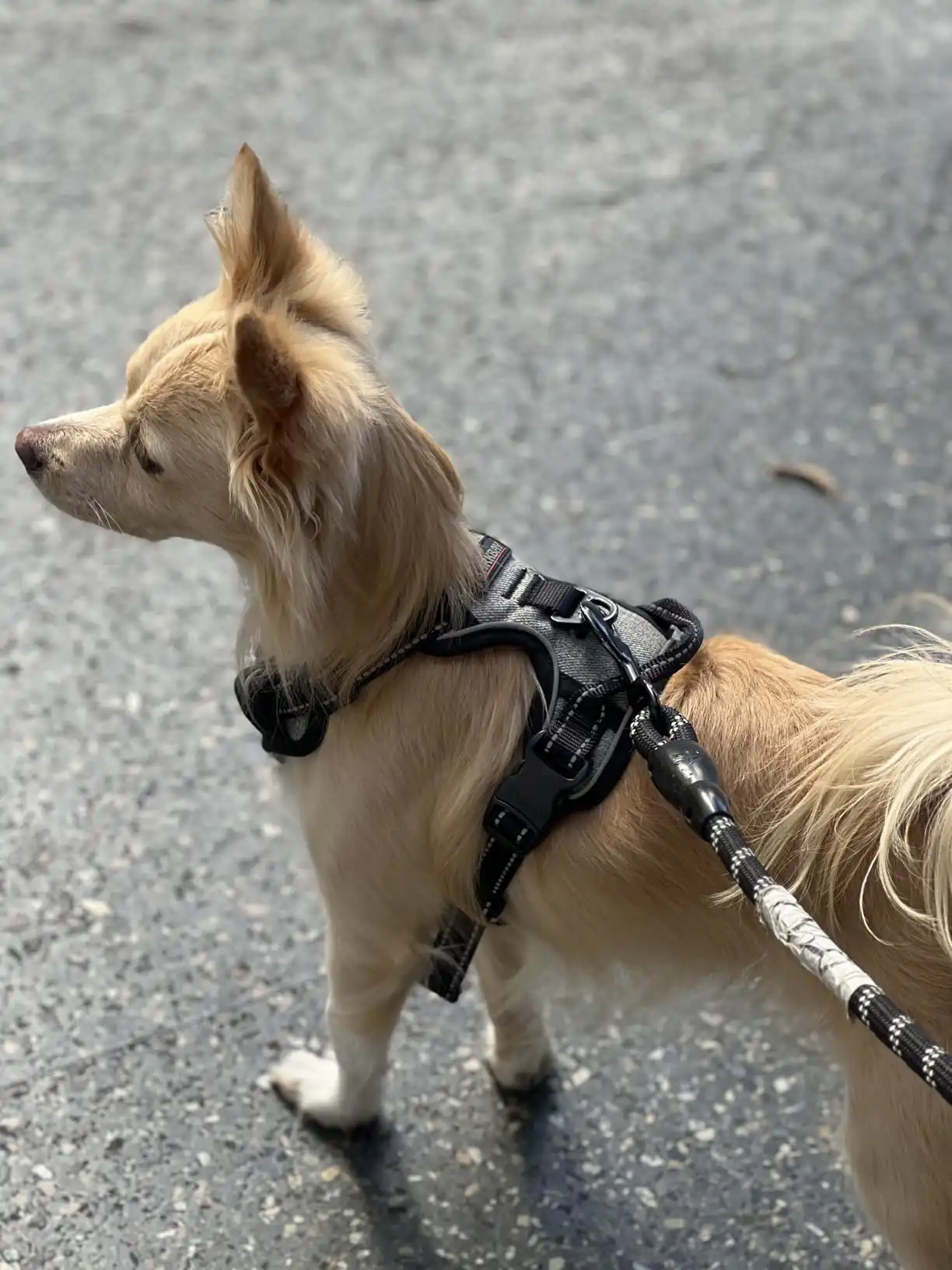
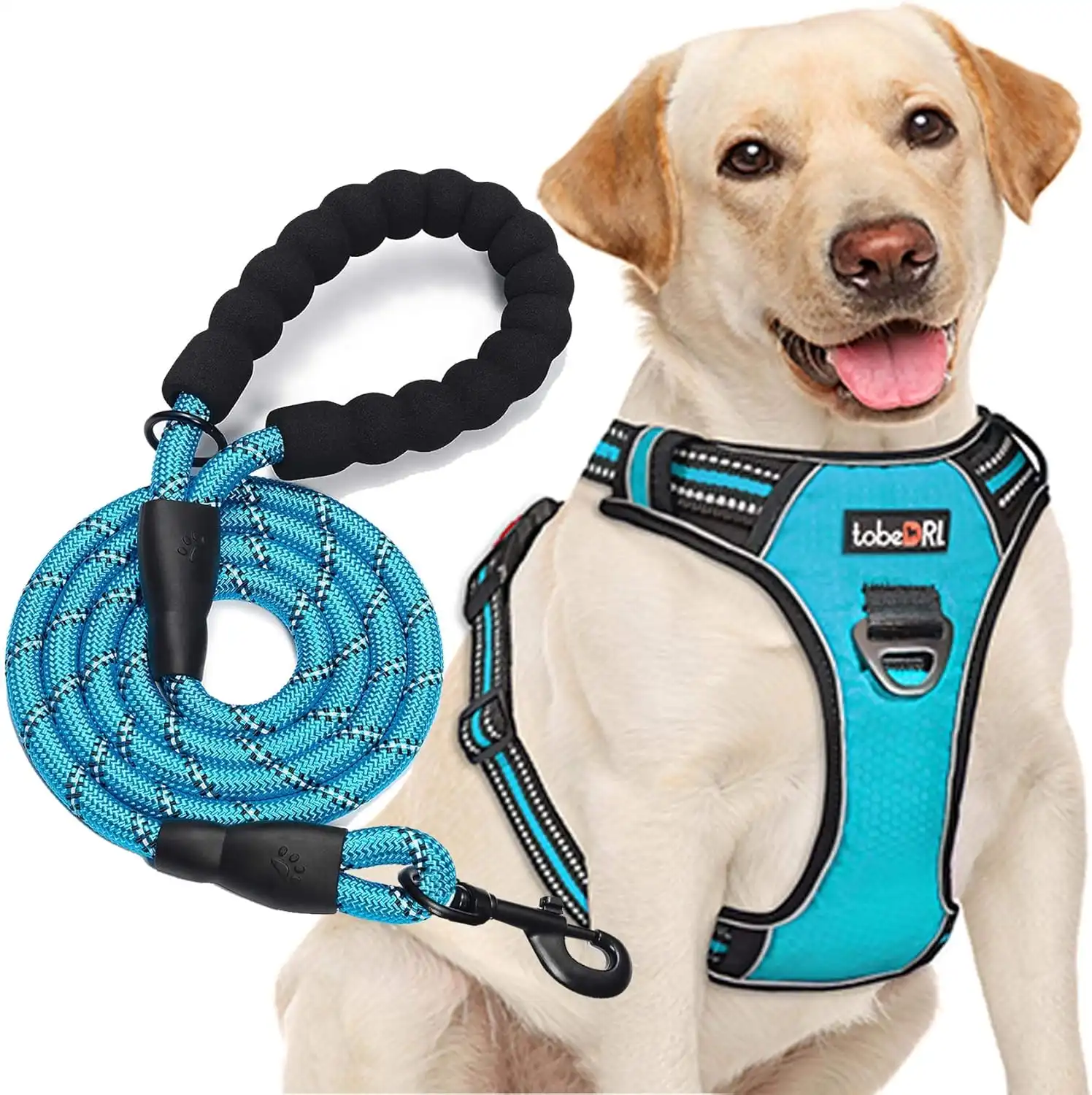


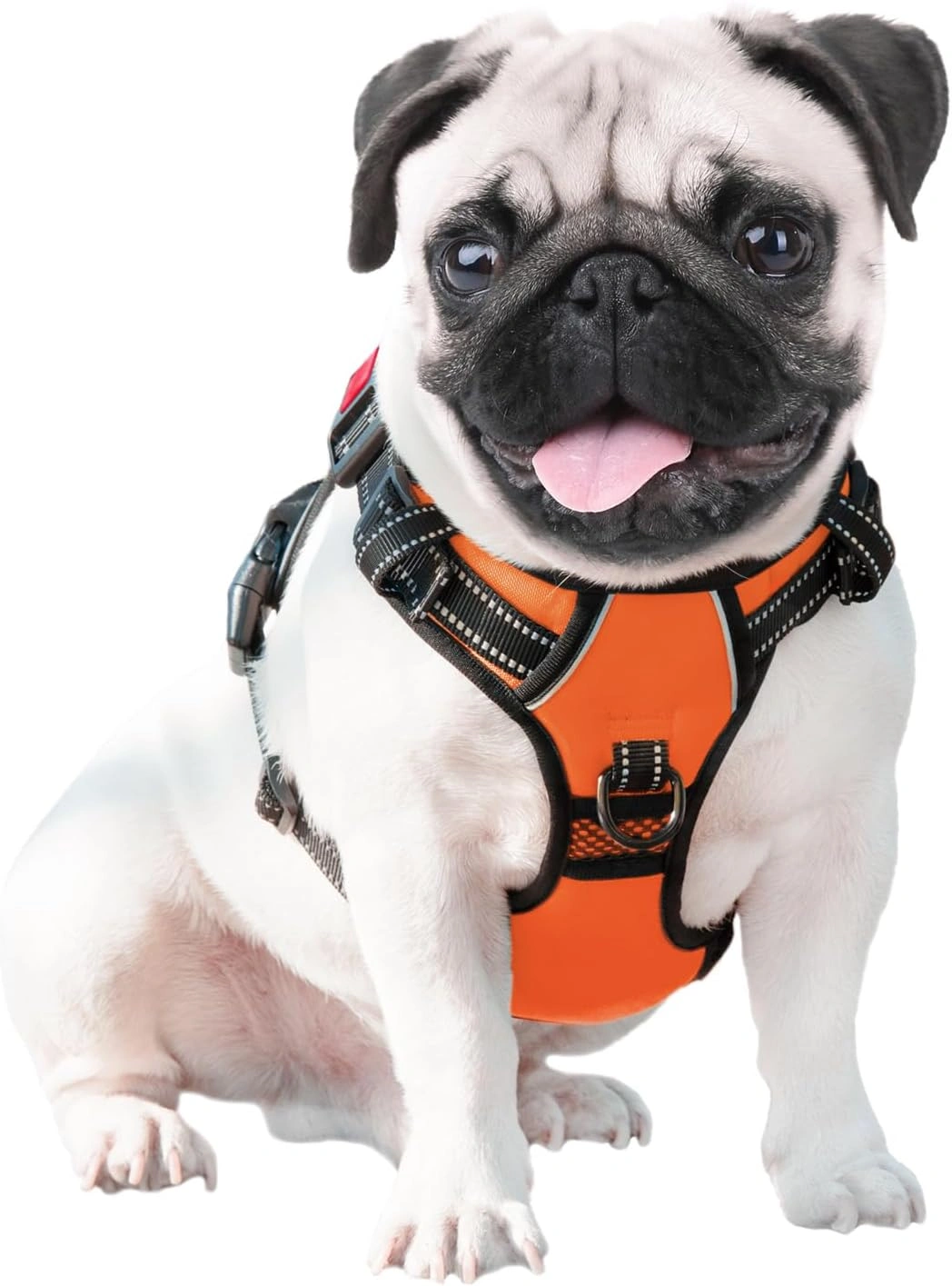
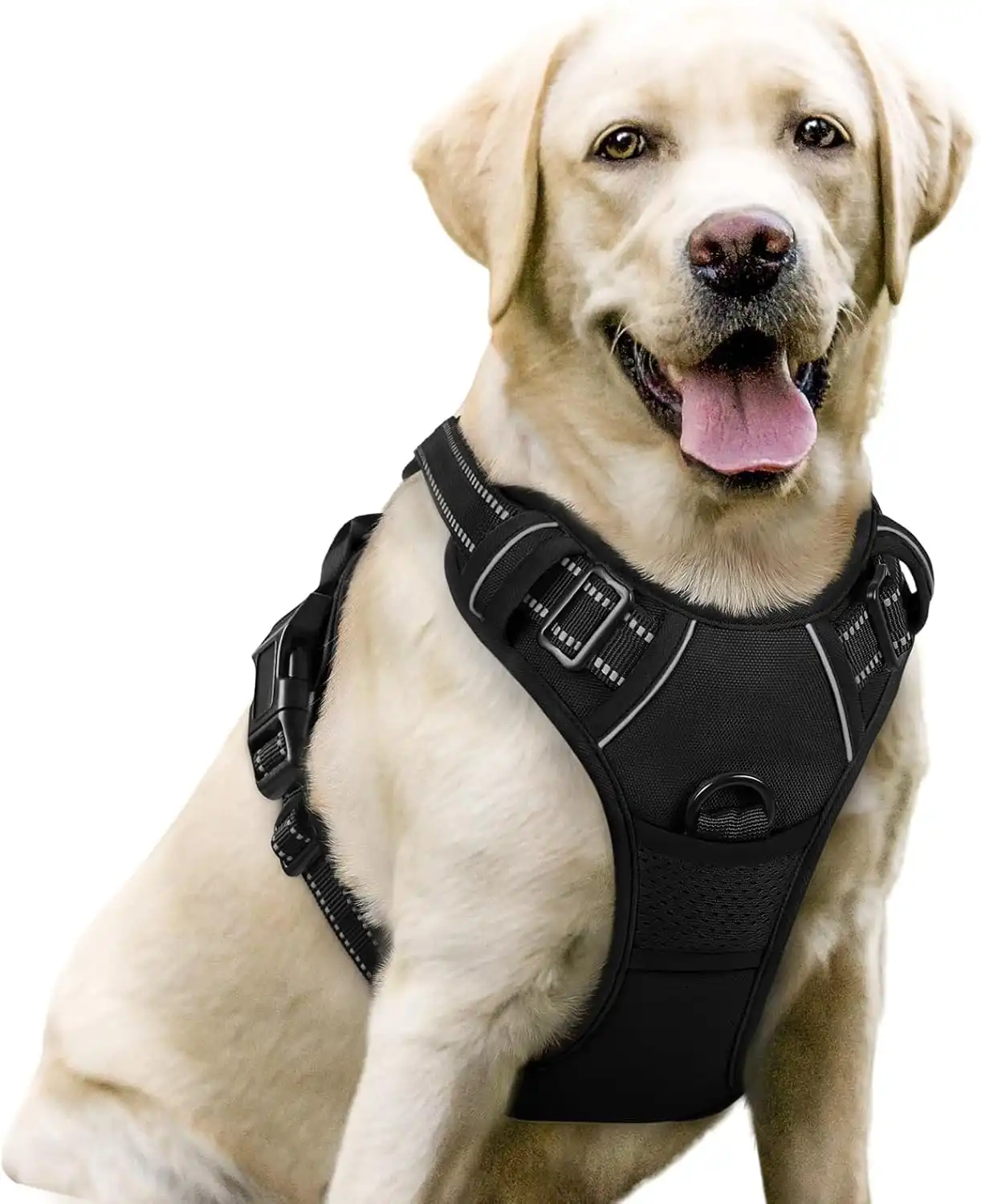



If you’ve ever felt the sharp jerk of a leash when your dog spots a squirrel, you know how stressful pulling can be for both of you. Traditional collars put immense pressure on the trachea, which can lead to coughing or even long-term respiratory issues.
In 2026, the trend in pet care is moving toward “ergonomic empathy”—choosing gear that works with a dog’s natural biomechanics rather than against them. Unlike back-clip harnesses that can actually trigger a dog’s “opposition reflex” (causing them to pull harder), a front-clip design gently redirects their momentum.
Key Benefits of a Front Pull Dog Harness:
- Reduces Pulling Instantly: By attaching the leash to the chest D-ring, the harness pivots your dog back toward you the moment they try to surge forward.
- Protects the Neck: It shifts pressure away from the sensitive throat area and distributes it across the sturdy chest and shoulders.
- Better Steering: It acts much like a halter on a horse, giving you control over the dog’s direction without needing force.
- Training Aid: It creates a “feedback loop” that helps your dog learn that walking by your side is the most comfortable way to move.
What to Look for in 2026: Safety & Comfort Features
Not all harnesses are created equal. As we move into 2026, new materials and safety standards have raised the bar for what makes a harness “top-tier.”
1. The “Y-Shape” Ergonomics
Look for a harness that forms a clear “Y” shape across the chest. This design ensures the front straps don’t cross over the shoulder blades, allowing for a full range of motion. Restricting a dog’s natural gait can lead to joint issues over time, so “non-restrictive” is the keyword for 2026.
2. Sustainable & Breathable Materials
The latest models often feature rPET (recycled polyester) or breathable air-mesh. These materials are not only eco-friendly but also prevent “hot spots” and chafing under the armpits during summer walks.
3. Integrated Safety Tech
Many modern harnesses now include a small, dedicated pocket for a GPS tracker or a QR-code “Smart ID” tag. This ensures that even if the unthinkable happens and your dog gets loose, they have a digital way home.
4. Multi-Point Adjustability
A perfect fit is non-negotiable. Look for a harness with at least four adjustment points. You should be able to fit two fingers snugly between the straps and your dog’s body—no more, no less.
Top Recommendations for 2026
Based on the latest durability testing and pet parent feedback, here are the standout choices:
| Harness Type | Best For | Feature to Love |
| Ruffwear Front Range | All-Day Adventures | Durable, padded, and includes a light loop. |
| 2 Hounds Freedom | Heavy Pullers | Features a martingale loop to prevent twisting. |
| Blue-9 Balance | Hard-to-Fit Breeds | 6 points of adjustment for a custom feel. |
| Rabbitgoo No-Pull | Budget-Friendly | Great visibility with 3M reflective strips. |
How to Introduce the Harness to Your Dog
Even the best gear requires a little “get to know you” time. To ensure your dog loves their new harness, try this simple 3-day introduction:
- Day 1 (The Sniff Test): Lay the harness on the floor and put treats on top of it. Let them associate the gear with rewards.
- Day 2 (The Quick Clip): Put the harness on for 5 minutes inside the house. Give them their favorite toy or dinner while they wear it.
- Day 3 (The Garden Stroll): Take a short walk in a low-distraction area to practice the new “steering” feel of the front clip.
Final Thoughts
A Front Pull Dog Harness isn’t just a piece of equipment; it’s a tool for a happier, safer life with your dog. By choosing a design that prioritizes their anatomy and your control, you’re setting the stage for years of peaceful walks.
About the Author

You Might Also Like